The African fashion market is worth 31 billion dollars. The question that figure invites is not which African designer is most talented. Talent is distributed across the continent in quantities the international fashion press has barely begun to document. The question is which labels have built the commercial, institutional, and logistical infrastructure that allows talent to become a sustainable international business. Infrastructure is measurable. This index measures it.
The ten labels below have each produced verifiable evidence of international fashion infrastructure in 2025 or 2026. As Omiren Styles’ buyer shortlist for African fashion 2026 confirms, the infrastructure for international buyer engagement with African designers is more developed in 2026 than at any previous point. The labels below are those whose infrastructure is already active rather than under development.
Ten African ready-to-wear labels are building international fashion infrastructure right now. Each entry is built only on verified signals. No hype. No projections.
African Ready-to-Wear Labels Building International Fashion Infrastructure in 2026
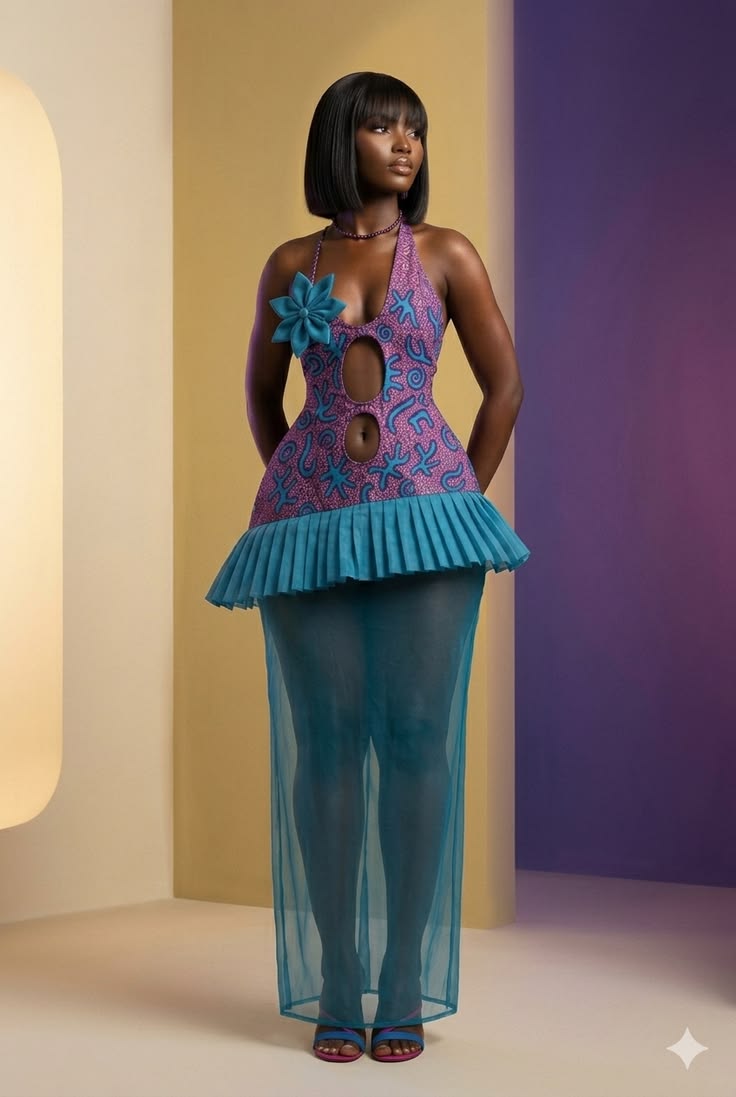
01. Thebe Magugu, Johannesburg, South Africa. Founded in 2016.
International stockists: Bergdorf Goodman (New York); Net-a-Porter; SSENSE; Moda Operandi; Dover Street Market NY, LA, Ginza, Beijing, Singapore; Le Bon Marché (Paris); Browns (London); Printemps (France); Alara (Nigeria)
Fashion week presence: Paris Fashion Week (multiple seasons); private viewings replacing high-production runway shows from 2024
Institutional recognition: Dior collaboration; AZ Factory collaboration; Adidas US Open tennis collaboration
2026 signal: Forbes Africa: Magugu House DTC model priority; €1.2M revenue reported by 2023; Time Maiden collection sold out at Bergdorf Goodman
Thebe Magugu has the most developed international retail network of any African ready-to-wear label. His stockist list spans luxury department stores across New York, London, Paris, Tokyo, Beijing, and Singapore, as well as African retail at Alara in Nigeria. The 2026 shift toward Magugu House, a direct-to-consumer model prioritising smaller capsule collections and private viewings over high-production runway shows, signals a founder who is managing the transition from emerging label to established brand rather than continuing to perform emergence. The infrastructure is in place. The question for 2026 and beyond is how the DTC pivot reshapes the wholesale channel without surrendering the retail relationships that built the brand’s international identity.
02. IAMISIGO, Lagos/Nairobi/Accra. Founded in 2009, rebranded in 2013.
International presence: Copenhagen Fashion Week SS26 (official schedule, Zalando Visionary Award 2025 winner, €50,000)
Institutional recognition: V&A Museum permanent collection; Barbican London Dirty Looks exhibition 2025; Ars Electronica 2024; Industrie Africa Exclusives (highest-curation tier)
2026 signal: 2026 global fashion prize semi-finalist, confirming international peer recognition at the highest level
IAMISIGO’s institutional credentials are the strongest of any label on this index. The V&A permanent collection is evidence that an established global museum has assessed the brand’s cultural and craft significance as worth preserving for posterity. The Barbican exhibition placed the brand in a major London arts institution. The Copenhagen Fashion Week official schedule slot, secured through the Zalando Visionary Award, gave the brand its largest single international audience. As Omiren Styles’ documentation of IAMISIGO confirms, the brand treats textiles as a political and spiritual language. The international institutional system agrees.
03. Orange Culture, Lagos, Nigeria. Founded in 2011.
Berlin Contemporary: AW26 winner (€25,000 grant, studio2retail format); SS27 winner (€25,000 grant, NEWEST format at ICC Berlin)
SS27 collection: Makoko: Lagos stilt settlement as symbol of resilience; Yorùbá symbolism of water; ICC Berlin, July 2026
Grant significance: One AW26 grant reserved specifically for African labels awarded to Orange Culture
Two consecutive Berlin Contemporary grants across AW26 and SS27 are the most significant single signal of sustained international platform access among African designers in 2026. As Omiren Styles’ documentation of the African deconstructed denim movement confirms, Adebayo Oke-Lawal’s Orange Culture has built a consistent international show presence through Berlin Fashion Week that now spans multiple seasons and multiple format categories. The Makoko collection presented at ICC Berlin in July 2026 demonstrates a designer who uses international platform access to deepen cultural specificity rather than smooth it for European palatability.
04. Kenneth Ize, Lagos, Nigeria / Vienna, Austria.
Berlin Contemporary: AW26 winner (€25,000 grant); Berlin Fashion Week debut, January 2026
Supply chain: Direct collaboration with Aso-Oke weavers in Ilorin, Nigeria; AW26 collection centred on handwoven Aso-Oke
2026 signal: Berlin Fashion Week described AW26 debut as a reminder of who and what the Kenneth Ize brand is all about, following a period away from the industry
Kenneth Ize’s AW26 Berlin debut is significant on two levels. First, it represents a return to active engagement on international platforms after a period of absence. Second, it demonstrates that Berlin Fashion Week has become the primary international infrastructure choice for Lagos designers building a European presence: three Nigerian labels (Orange Culture, Kenneth Ize, Fruché) received Berlin Contemporary grants in 2026, the clearest single signal of which European platform most actively invests in African design. Kenneth Ize’s Ilorin weaver supply chain, documented across multiple seasons, remains one of the most direct artisan partnership models in international African fashion.
05. Buzigahill, Kampala, Uganda. Founded in 2016.
Berlin Contemporary: AW26 winner (€25,000 grant); SS27 winner (€25,000 grant, NEWEST format at ICC Berlin)
SS27 collection: Return to Sender 13: Princess Elizabeth Bagaaya of Tooro Kingdom as reference: Uganda’s first female lawyer, first Black model on Harper’s Bazaar UK cover
Production model: Every look constructed entirely from secondhand clothing sourced at Owino Market, Uganda
Buzigahill is the most methodologically consistent label on this index. Every collection in its thirteen-season history has been produced exclusively from secondhand clothing sourced at Owino Market in Uganda. That consistency is itself an infrastructure signal: a production model documented across thirteen consecutive collections is not a founding philosophy awaiting commercial pressure to modify it. It is operational infrastructure. The consecutive Berlin Contemporary grants confirm the international fashion system’s sustained recognition. The Princess Elizabeth Bagaaya reference in SS27, choosing a Ugandan woman who used fashion as political strategy as the collection’s conceptual anchor, demonstrates the same cultural specificity under international spotlight that Orange Culture demonstrated with Makoko.
06. Fruché, Nigeria. Founded 2018.
Berlin Contemporary: SS27 winner (€25,000 grant, July 2026); part of international cohort alongside Buzigahill and Orange Culture
2026 signal: First Berlin Contemporary appearance; Nigerian label in consecutive grants cohort alongside Orange Culture
Fruché’s inclusion in Berlin Contemporary SS27 alongside Orange Culture and Buzigahill marks the first time three African labels have held Berlin Contemporary grants simultaneously. As BellaNaija Style’s reporting on the SS27 grants confirms, both Nigerian labels are part of a 19-brand international cohort. For Fruché, the Berlin Contemporary selection marks the transition from a Lagos-focused brand to a label with established European fashion-week infrastructure. That transition is the signal.
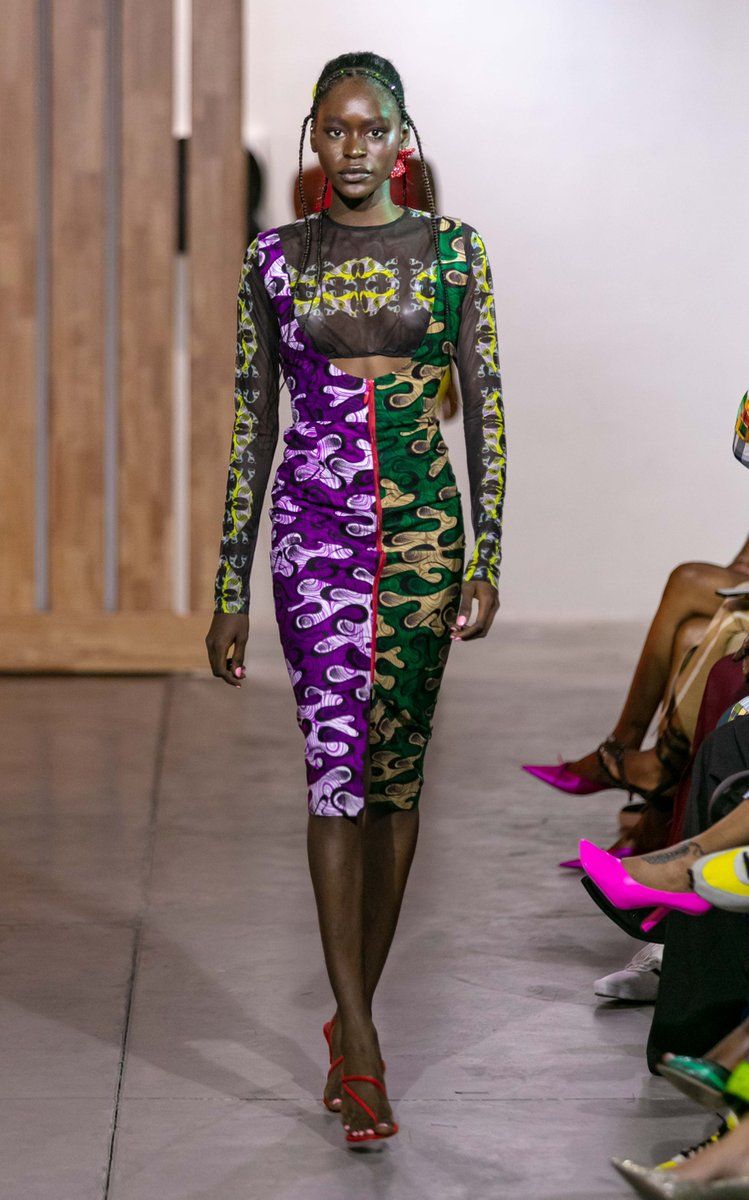
07. Lisa Folawiyo, Lagos, Nigeria. Founded 2005.
International stockists: Selfridges (London); Moda Operandi; Industrie Africa; Temple Muse; Shop McMullen; Aby Concept
International presence: Showrooms: Lagos and New York; collections shown in Lagos, Johannesburg, London, Paris, Milan, New York
Institutional recognition: BoF 500; Vogue Italia partnership; L’Oréal collaboration; worn by Lupita Nyong’o, Issa Rae, Solange Knowles
Lisa Folawiyo built international retail infrastructure before the current wave of attention to African fashion weeks made it easier to do so. Founded in 2005 with 20,000 naira and 12 yards of fabric, the brand now operates showrooms in Lagos and New York, is stocked by Selfridges and Moda Operandi, and has a twenty-year track record of sustained international market presence. The hand-embellishment practice, averaging 240 hours per piece by expert artisans, establishes a standard of quality and labour intensity that justifies premium international pricing without requiring external institutional validation. The brand’s longevity is itself an infrastructure argument.
08. NKWO, Lagos, Nigeria. Founded 2009.
Production model: Post-consumer denim waste upcycling; handwoven fabric integration; Double Double Jeans from three deconstructed pairs
Lagos Fashion Week SS26: Structured denim blazers, ponchos, and dresses; defined as one of the movement’s leading voices by Africa Reimagined and FashionUnited
Recognition: Bicester Collection Award for Emerging Designers, CNMI Sustainable Fashion Awards; contributor to Circular Design for Fashion Book
NKWO’s international infrastructure is built through craft recognition rather than breadth of retail stockists—the Bicester Collection Award and CNMI recognition position the brand within European sustainable-fashion institutional frameworks. NKWO has been doing this work before global fashion decided that upcycled denim was a trend worth covering. That precedence is its own infrastructure signal: a brand whose practice predates the trend it is now associated with is building from a cultural position rather than from a commercial opportunity.
09. KikoRomeo, Nairobi, Kenya. Founded 1996.
Market longevity: 30-year track record as East Africa’s most established premium ready-to-wear label
International recognition: Multiple international fashion feature coverage; Nairobi Fashion Week central presence
Production model: Kenyan-made with artisan craft integration; consistent ethical production documentation
KikoRomeo is the oldest label on this index and the one whose infrastructure argument is built entirely on longevity and sustained quality rather than on recent award cycles or new fashion week placements. As Omiren Styles’ documentation of KikoRomeo confirms, fashion built on genuine material relationships, fair employment, and cultural knowledge does not go out of style. Thirty years of continuous production in Nairobi is an infrastructure signal that no single award or fashion week placement can replicate.
10. MaXhosa Africa, Johannesburg, South Africa. Founded in 2012.
International stockists: Net-a-Porter; Moda Operandi; international e-commerce with confirmed global shipping
2026 signal: Netflix The Crown wardrobe credit; Beyoncé Renaissance World Tour wardrobe credit; consistent A-list celebrity placement
Production model: Hand-knitted mohair and cotton knitwear; Xhosa cultural motifs; South African artisan production
Laduma Ngxokolo’s MaXhosa Africa built international infrastructure through cultural celebrity placement rather than through fashion week schedule position. The Renaissance World Tour wardrobe credit is among the highest-visibility single placements available in contemporary fashion: an audience that eclipses any fashion week in raw numbers. Net-a-Porter and Moda Operandi stocking the brand place it within the international luxury e-commerce infrastructure that Thebe Magugu also occupies, confirming that South African ready-to-wear has now established a dual international retail presence that no other African fashion market currently matches.
What This Index Documents
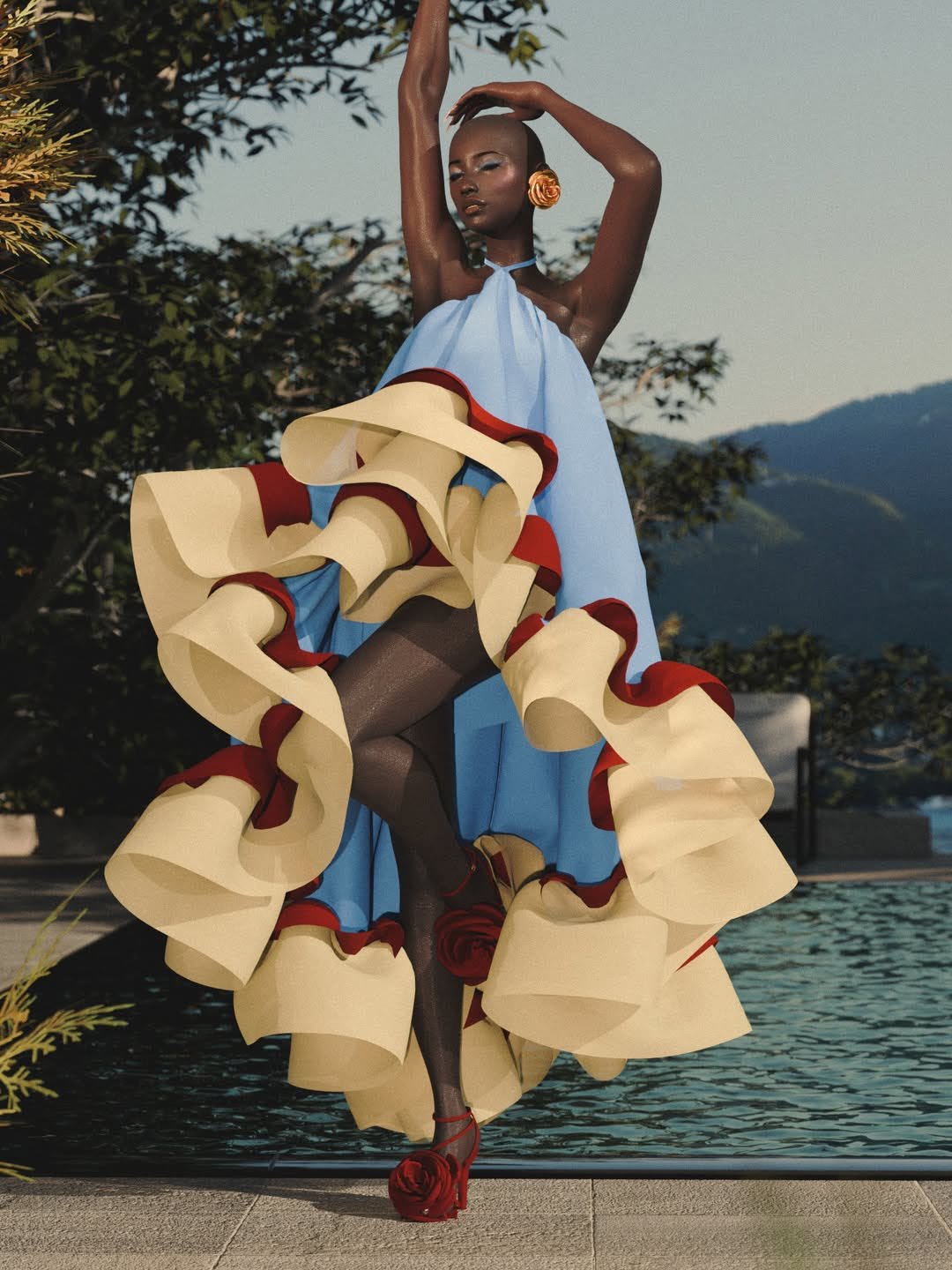
Ten African ready-to-wear labels with confirmed international infrastructure signals in 2026. The signals vary in type: Thebe Magugu and Lisa Folawiyo have built multi-retailer international stockist networks over years. IAMISIGO and MaXhosa have combined retail infrastructure with institutional recognition and cultural placement. Orange Culture, Kenneth Ize, Buzigahill, and Fruché have used Berlin Fashion Week’s Berlin Contemporary programme as their primary international infrastructure platform. NKWO has built institutional recognition through sustainable fashion frameworks. KikoRomeo has built infrastructure through longevity and sustained quality.
None of these labels is emerging. That word implies a brand that has not yet arrived. Every label on this index has arrived. The infrastructure exists. What varies are its composition, depth, and rate of development. An index that tracks infrastructure rather than potential gives a more useful picture of where to direct commercial engagement.
The Omiren Argument
The Omiren Index 2026 makes one argument: that international fashion infrastructure is now measurable for African ready-to-wear labels, and that measuring it matters more than celebrating talent. The African fashion market is worth 31 billion dollars. The ten labels documented here have built stockist networks, fashion week positions, institutional recognition, and production models that allow talent to become a sustainable international business. Thebe Magugu has Bergdorf Goodman and is building Magugu House. IAMISIGO has the V&A permanent collection and Copenhagen Fashion Week. Orange Culture and Buzigahill have received consecutive Berlin Contemporary grants and have had ICC Berlin runway productions. Kenneth Ize returned to the international schedule at Berlin AW26, with Aso-Oke weavers from Ilorin as the foundation of his supply chain. Lisa Folawiyo has a 20-year international retail track record and showrooms on two continents. NKWO has built the sustainable denim infrastructure that European fashion weeks are now borrowing. KikoRomeo has thirty years of continuous production. MaXhosa has Net-a-Porter, Moda Operandi, and a Renaissance World Tour wardrobe credit. These are not emerging brands. They are the infrastructure of African fashion. The work of this index is to say so, precisely, with evidence.
Also Read:
- Dakar Is Building Its Own Luxury Fashion System
- Lagos Fashion Market Report 2026: Retail, Price Points and Growth Categories
- The African Cities That Will Define Global Fashion by 2030
- Ola Ebiti Stylist: Nigerian Heritage, Tailoring and Editorial Fashion
Frequently Asked Questions
Which African fashion brands are internationally stocked in 2026?
Among the most comprehensively stocked internationally in 2026, Thebe Magugu (South Africa) is carried by Bergdorf Goodman, Net-a-Porter, SSENSE, Moda Operandi, Dover Street Market, and Le Bon Marché across New York, LA, Ginza, Beijing, and Singapore, and by Browns and Printemps. MaXhosa Africa is stocked at Net-a-Porter and Moda Operandi. Lisa Folawiyo is stocked at Selfridges, Moda Operandi, and Industrie Africa, with showrooms in Lagos and New York. IAMISIGO is carried through Industrie Africa’s Exclusives tier.
What African designers showed at Berlin Fashion Week 2026?
Berlin Fashion Week AW26 (January 2026) included Orange Culture (Nigeria), Kenneth Ize (Nigeria, debut), and Buzigahill (Uganda) as Berlin Contemporary winners, each receiving a €25,000 grant. Orange Culture also received the dedicated African label grant for AW26. Berlin Fashion Week SS27 (July 2026) included Orange Culture, Buzigahill, and Fruché (Nigeria) as Berlin Contemporary winners, each receiving a €25,000 grant. The consecutive presence of African labels across both AW26 and SS27 represents the most concentrated institutional investment in African ready-to-wear by a European fashion week platform in 2026.
What is the strongest African fashion brand in 2026 by retail infrastructure?
Based on confirmed international retail stockist breadth, Thebe Magugu (South Africa) has the most developed international retail network, spanning luxury department stores in New York, London, Paris, Tokyo, Beijing, Singapore, and Abuja. By breadth of institutional recognition, IAMISIGO (Nigeria/Kenya/Ghana) holds the strongest position: V&A permanent collection, Barbican exhibition, Copenhagen Fashion Week official schedule, Zalando Visionary Award, and 2026 global fashion prize semi-finalist status. By longevity, Lisa Folawiyo (Nigeria, founded 2005) and KikoRomeo (Kenya, founded 1996) have the longest continuous international track records.
What is the Berlin Contemporary programme?
Berlin Contemporary is the flagship talent development and concept competition of Berlin Fashion Week, organised by the Berlin Senate Department for Economics, Energy and Public Enterprises and the Fashion Council Germany. Each season, 19 designers are selected to receive €25,000 grants to fund their shows and presentations during Berlin Fashion Week. The programme is open to international labels in addition to Berlin-based designers, with a specific reserved grant for African labels introduced from AW26. In 2026, African labels receiving Berlin Contemporary grants included Orange Culture (Nigeria, AW26 and SS27), Kenneth Ize (Nigeria, AW26), Buzigahill (Uganda, AW26 and SS27), and Fruché (Nigeria, SS27).
What is IAMISIGO in fashion?
IAMISIGO is a Nigerian brand founded in 2009 by Bubu Ogisi and operating across Lagos, Nairobi, and Accra. The brand describes fashion as an ancestral technology, using traditional African craft techniques, indigenous textiles such as barkcloth, handwoven fibres, and raffia, and natural dyes to create sculptural garments at the intersection of fashion, craft, and contemporary art. IAMISIGO won the Zalando Visionary Award 2025, which secured a slot on the official Copenhagen Fashion Week SS26 schedule. Its work is held in the permanent collection of the Victoria and Albert Museum in London.
Explore More
Read the full Fashion > Industry section at omirenstyles.com for Omiren Styles’ documentation of African fashion market intelligence, designer infrastructure, and the commercial signals that matter for buyers, investors, and journalists engaging with African fashion.
Discover travel and heritage intelligence across Africa at rexclarkeadventures.com.