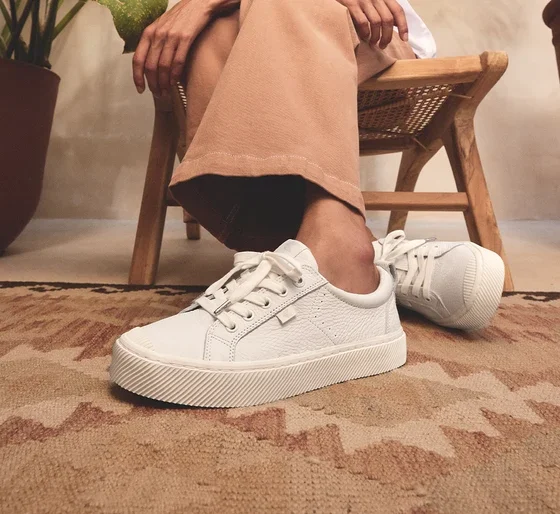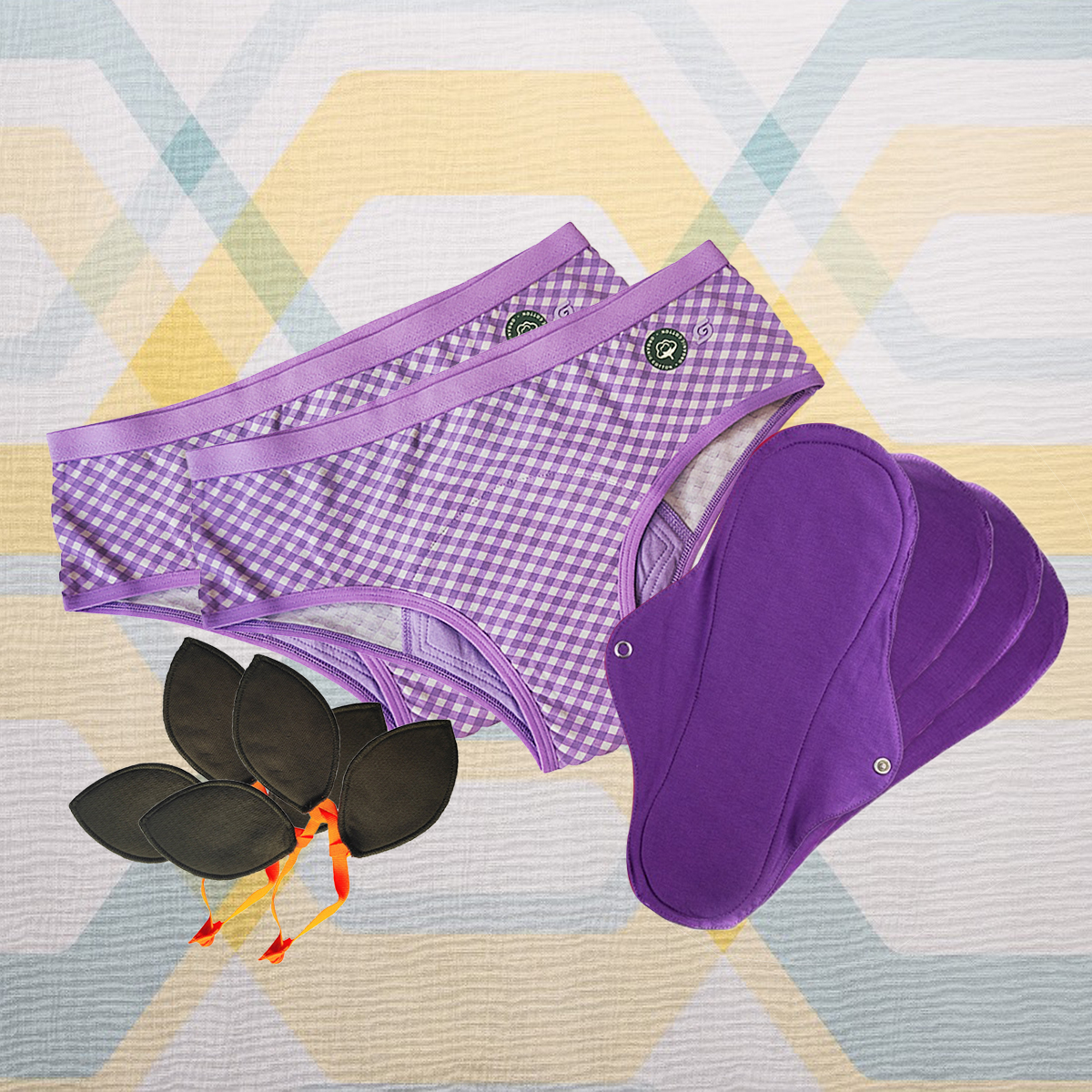
A separate pad can come out of a pair of briefs. In the Pantys Classic, the absorbent lining is sewn in. When the briefs come off, the lining goes into the wash with them. It’s a small difference, but it changes both what the underwear does while it’s worn and what has to happen before it can be worn again. In the first two pieces in this series, we looked at where cork sits in a Cariuma sneaker and what naturally coloured cotton brings to Francisca Vieira’s clothes before it becomes fabric. Pantys takes the question one step further. Locating the absorbent lining explains what the brand added to the garment. Following the garment in the wash explains what it means to make that addition permanent.
A close look at how Brazilian brand Pantys builds absorbency into period underwear, and why washing and drying are part of the reusable design.
The lining gives the briefs another job.
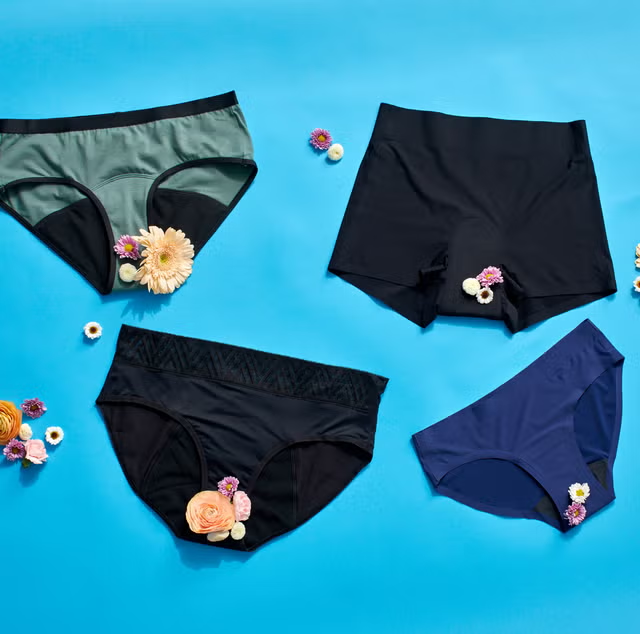
Emily Ewell and Maria Eduarda Camargo launched their first Pantys products in Brazil in 2017. The idea was to make underwear that could absorb menstrual flow rather than simply hold a separate product in place. That doesn’t mean the briefs have to be worn on their own: Pantys also describes using them as backup alongside another period product. The design makes both uses possible. It doesn’t decide which one a wearer will choose. The Classic product page lists the briefs for medium flow. Pantys explains its multilayer absorbent system on a separate technology page. Read together, the pages tell us what the absorbent area is intended to do and how the brand positions this model. They don’t give us a complete material specification for every layer of the Classic or an independent measure of how it performs in wear. The point we can make is narrower: absorbency is built into the garment instead of supplied by something the wearer adds.
It’s easier to see why that matters when you compare the Classic with the Pantys Bikini. Pantys places both in the medium-flow category, but the styles don’t have the same cut. The Classic has a wide waistband; the Bikini uses stretch mesh at the sides. The waistband and the mesh are visible differences, but neither tells you how much the briefs are intended to absorb. For that, you have to read the product specification rather than infer it from the silhouette. The two styles give wearers a choice in fit without requiring them to move to a different absorbency category.
What happens when the lining moves?
The Pantys nursing bralette makes the same design decision elsewhere. Here the absorbent area is in the cups, where it’s intended to catch milk leaks. The front openings have a separate job: they provide access for nursing. Pantys isn’t simply transferring a material from one product to another; it’s placing absorbency where the new garment needs it and giving the rest of the design a different function. What carries over from the briefs is what happens when the garment comes off: the absorbent part stays in and is washed with it.
The time between wears
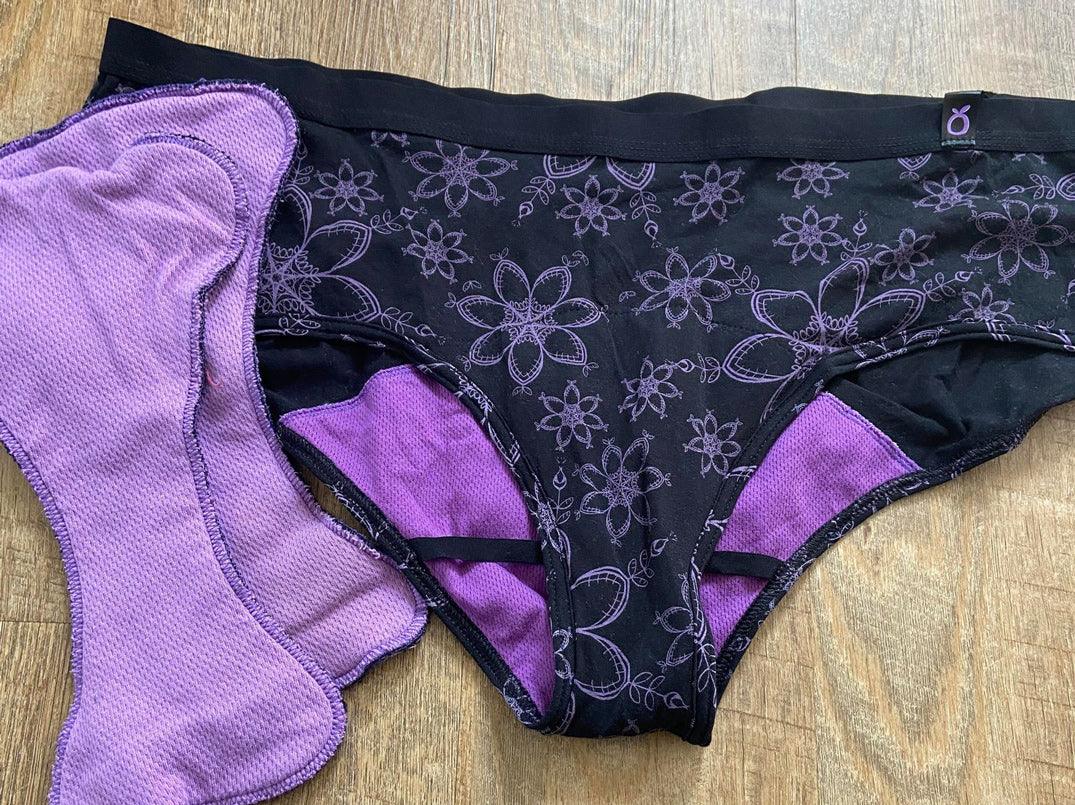
The most telling detail in Pantys’ care instructions is easy to pass over: air-dry. Washing is only part of getting the briefs ready for another wear. They also need time to dry. Read the care page alongside the product page, and reusable becomes more specific. It describes a garment meant to go back into rotation, but also a routine the wearer has to make room for. The lining is available again when the whole pair is ready to wear. That routine matters to the sustainability claim because wearing the briefs again and replacing a disposable product are different. A pair worn instead of a pad can replace one on that occasion. The same pair worn as backup alongside a tampon doesn’t necessarily replace the tampon. Both are uses the underwear is designed to accommodate, but they don’t have the same effect on what the wearer uses and throws away.
To establish a lower environmental footprint, a comparison would need to say what the briefs replace, how often they’re worn, how they’re washed and dried, and what goes into making and disposing of the products on both sides. Pantys’ product and care pages document a garment designed for repeated use. They don’t establish that comparison.
The Omiren Argument
A separate pad can come out of the underwear. The Pantys lining stays in. That decision gives the briefs an extra job, but it also means the absorbent part can’t be cared for separately from the garment. The product page shows where Pantys put the absorbency. The care instructions explain how to keep it there. Read only the first, and you understand what the briefs do. Read both, and you understand what it takes to wear them again.
Also Read:
- Black Luxury Kidswear Setting the Heirloom Standard
- IAMISIGO: Preserving Indigenous Textiles and Growing Global Recognition
- Eco-Luxury: Designers Bringing Style to Sustainable Fashion
- How African Fashion Weeks Are Reframing Global Conversations
Frequently Asked Questions
Who founded Pantys, and when did it launch?
Emily Ewell and Maria Eduarda Camargo co-founded Pantys in Brazil. The brand launched its first absorbent underwear products in 2017. The idea was to make underwear that could absorb menstrual flow rather than simply hold a separate product in place.
What does “medium flow” mean on the Pantys Classic listing?
It’s Pantys’ absorbency category for the Classic. The brand uses categories such as light, medium and heavy to distinguish products within its range. The medium label on its own doesn’t tell every wearer how long they can wear a pair before changing, and it isn’t a guarantee against leaks.
How does Pantys recommend washing its period underwear?
Pantys recommends hand-washing or rinsing before a gentle machine wash, avoiding bleach and fabric softener, and air-drying rather than tumble-drying. Washing is only part of getting the briefs ready for another wear; they also need time to dry. Check the directions for the specific item: the nursing bralette has its own care instructions.
Does wearing Pantys replace disposable products?
Not necessarily. A pair worn instead of a pad can replace one on that occasion, but the same pair worn as backup alongside a tampon doesn’t necessarily replace the tampon. Pantys’ product and care pages document a garment designed for repeated use; they don’t establish a lower environmental footprint.