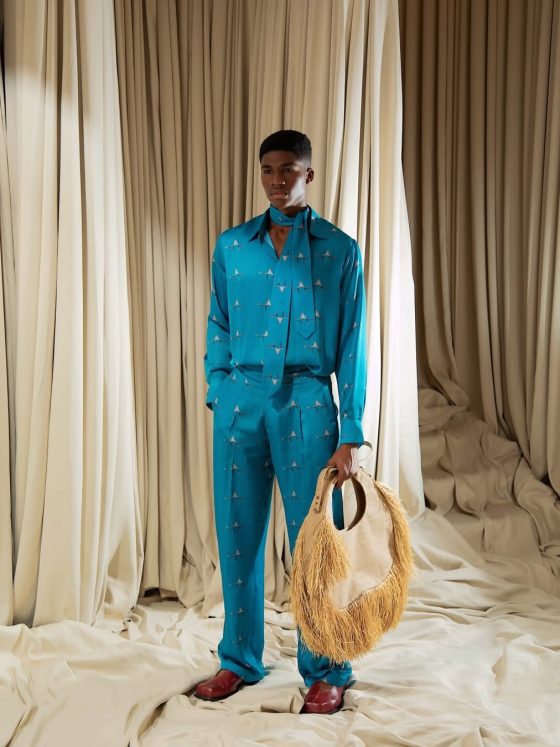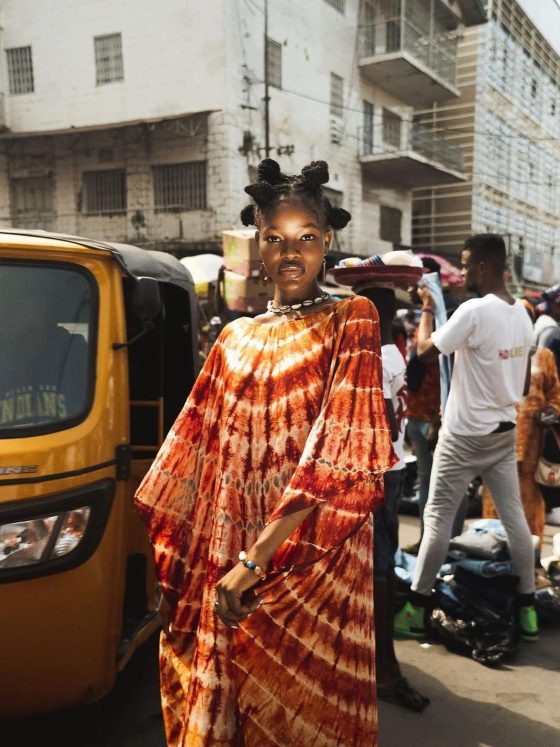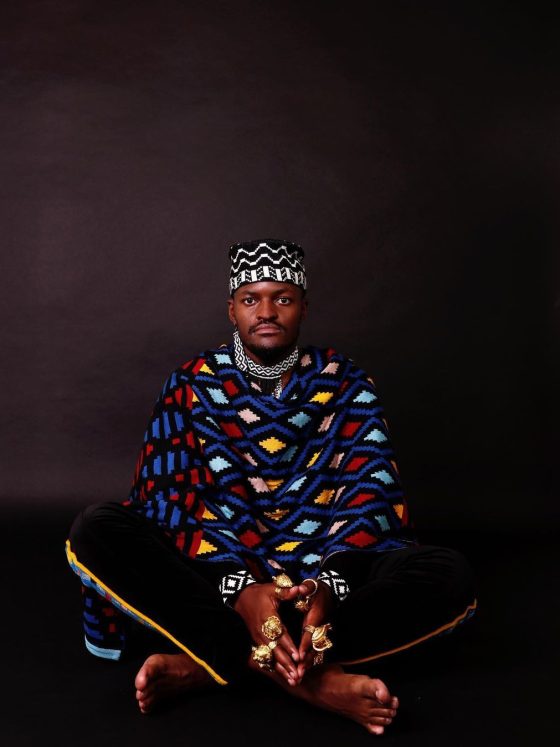
For nearly three decades, KikoRomeo has operated from Nairobi, proving that African fashion is not catching up to the world. It is showing the world what fashion can become.
There is a coat in KikoRomeo’s current range that is not, strictly speaking, a coat. It is a painting. Made from 100% cotton industrial waste and hand-painted by Sudanese fine artist Eltayeb Dawelbait in his Nairobi studio, each piece bears a unique symbol on the back. No two are the same. No two can be. That is, in one garment, the entire argument of KikoRomeo: that fashion at its most serious is inseparable from art, from craft, from the hands and histories of the people who make it.
The brand was founded in Nairobi in 1996 by Christine-Ann McCreath, a name widely credited with transforming the landscape of Kenyan fashion. In 2018, her daughter Iona McCreath – who had grown up in the workshop as a lifelong apprentice, studied at UAL Central Saint Martins and read sociology at the London School of Economics – stepped into the role of creative director. What Iona brought was not a departure but a deepening: material research, structural innovation, and a sharper lens on what the KikoRomeo supply chain could mean for communities across the continent.
Since 1996, KikoRomeo has redefined sustainable fashion in East Africa by placing Kenyan artisans, natural fibres, and cultural intelligence at the centre of every garment.
A Supply Chain Built on Cultural Knowledge
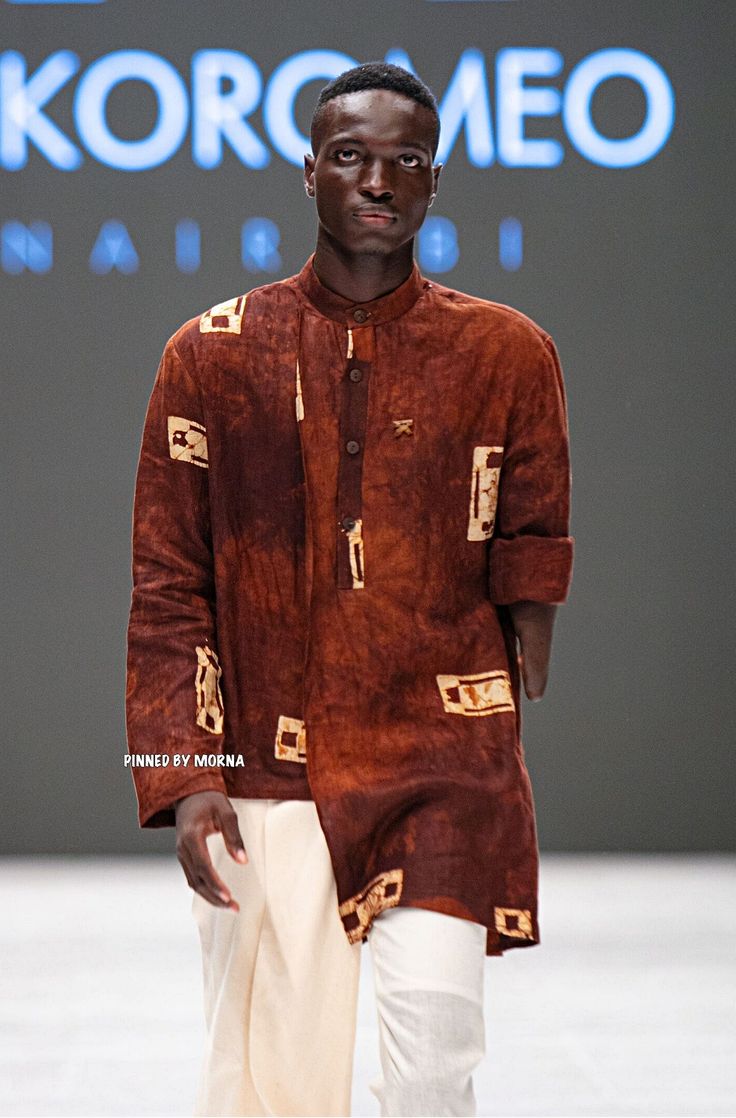
KikoRomeo’s name translates from Kiswahili as ‘Adam’s apple’, a phrase that lodges in the throat and that marks the moment between breath and speech. It is an apt metaphor for a brand that has long insisted on saying what the fashion industry tends to leave unsaid: that the people who grow fibres, weave cloth, and stitch garments are not peripheral to fashion. They are fashionable.
The brand’s sustainability framework is a catalogue of relationships rather than a list of certifications. KikoRomeo works with rainfed cotton and silk from Kenya; handloom weavers, including Pendeza Weaving Project, Tosheka Textiles, Rachel Wanyutu, and Alfred Shikanga; and women’s groups such as the Namayiana Maasai Women’s Group and the Crochet Sisters. Employees are paid more than double Kenya’s minimum wage, work a five-day work week, and have their children’s tertiary education partially funded by the company. These are not marketing commitments. They are structural ones.
This model has direct parallels elsewhere in East Africa’s emerging fashion geography. As Omiren Styles has reported on Hamaji Studio, the Nairobi-based brand founded by Louise Somerlatte demonstrates how African fashion can build ethical global supply chains – linking Kenyan weavers to international platforms such as Berlin Fashion Week – without erasing craft or identity in the process. KikoRomeo arrived at this argument earlier and has held it longer.
A fashion designer is like a composer and conductor. You have the vision and the know-how to execute it, yet you need a variety of instruments to bring it to life.
Natural Fibres and Material Intelligence
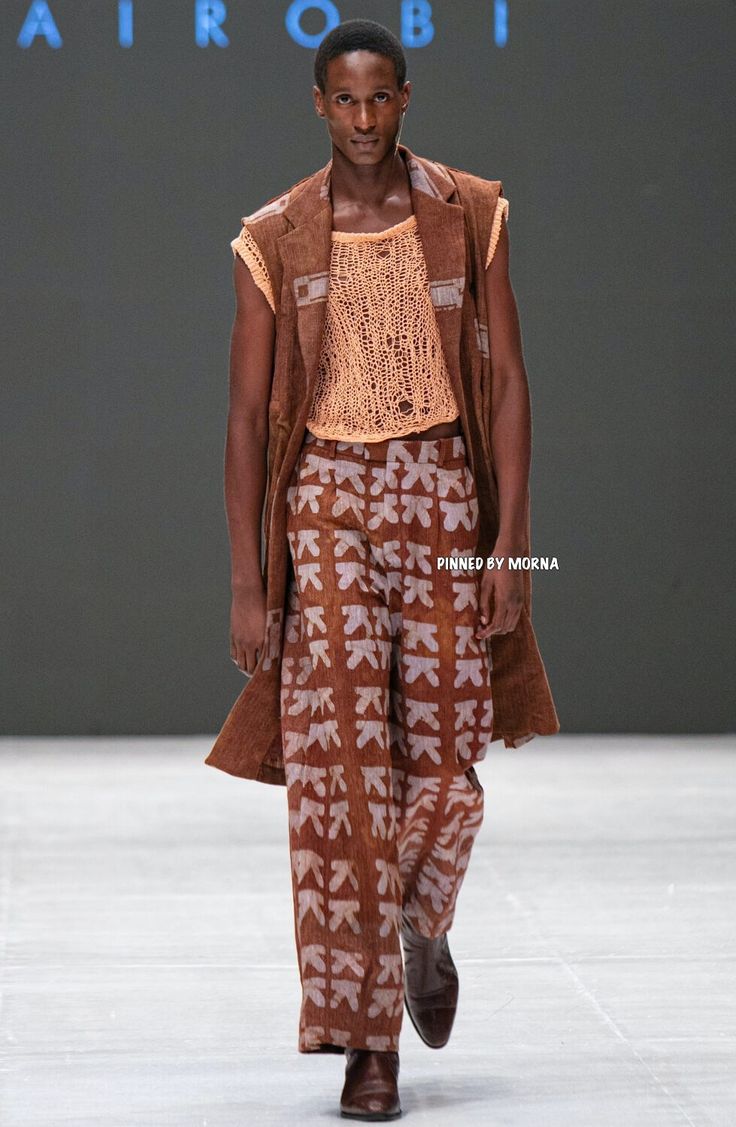
KikoRomeo’s commitment to natural fibres is not an aesthetic preference. It is a philosophical position. The brand works primarily with cotton, linen, silk, wool, and leather, all sourced with consideration for their provenance and biodegradability. It is also actively researching what sustainable textiles in Kenya could become, investigating alternative fibres derived from sisal and orange peel, and studying the possibilities inherent in the region’s agricultural infrastructure.
The brand’s offcuts are not discarded. Small pieces go to Friends in Kaimosi in Western Province, where fifteen women’s groups transform them into patchwork cloth. KikoRomeo then buys back some of that production as finished textiles. The loop is closed not by technology but by relationships. The buttons on KikoRomeo garments are either handcrafted from coconut or laser-cut horn, the latter produced at a zero-waste processing factory in Ethiopia. This detail illustrates the brand’s pan-continental sourcing intelligence.
Understanding the depth of African textile traditions is an essential context for any reading of KikoRomeo’s work. Omiren Styles has explored this at length, from the sacred complexity of Akwete cloth, Kuba raffia, barkcloth, and Ewe kete to the civilisational craft intelligence embedded in African textile heritage. KikoRomeo’s material choices are positioned within that tradition: fabric is not background. It is the primary argument.
High-quality materials last for generations if properly cared for. We really cannot still be in a world that consumes fast fashion guilt-free.
Collections as Cultural Argument
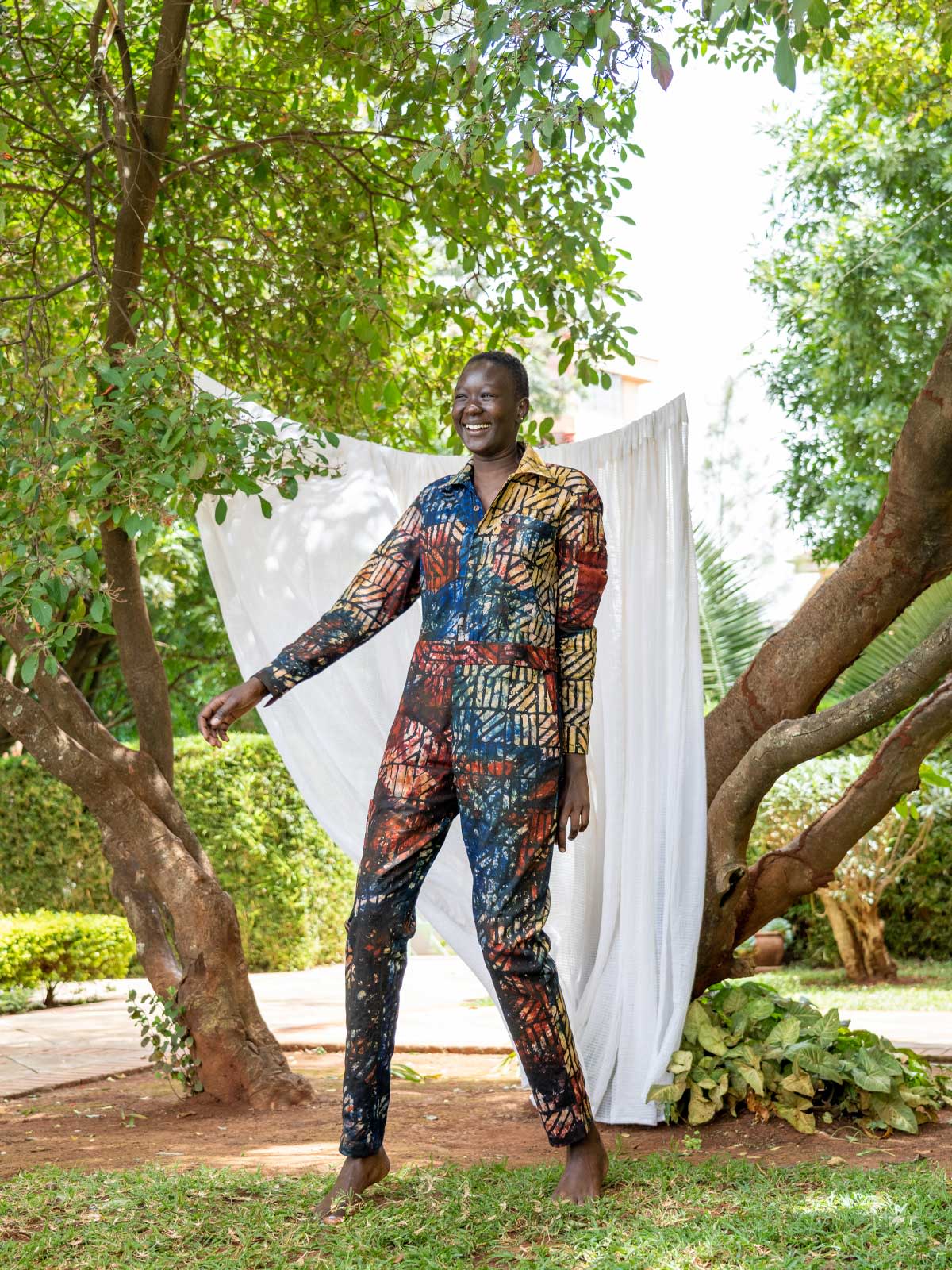
Each KikoRomeo collection functions as a structured inquiry. The Eripoto collection — its name meaning ‘protection’ — was developed in response to the global conditions of vulnerability, isolation, and fear of the other in 2020. Iona McCreath used opacity, transparency, and fluid and structured silhouettes to explore how vulnerability and strength coexist in dress. The Maasai necklace, an object given for good luck and communal well-wishing, became the primary inspiration for textiles and cut-outs.
Omiren Styles has documented the full significance of Maasai adornment in its feature on Maasai beadwork, meaning, and the language of identity. In Maasai communities across Kenya and Tanzania, colour encodes ecological knowledge: red for bravery and cattle blood, blue for water and energy, and white for purity. When KikoRomeo’s Eripoto collection drew on this visual grammar, it was not borrowing an aesthetic. It was entering a conversation about protection that predates Western fashion by centuries.
The Ewala SS24 collection extends this logic into a vision of discovery: garments designed to be worn across seasons and contexts, grounded in the brand’s silhouette archive while responding to contemporary movement. And Akili Ni Mali — a Swahili phrase translating as ‘knowledge is wealth’ — frames KikoRomeo’s editorial and collection output as an education in what African fashion knows that global fashion is still learning.
ALSO READ ON OMIREN STYLES
- Hamaji Studio and the New Cartography of Fashion
- Maasai Beadwork: Meaning, Symbolism, and the Language of Identity
- Lemlem: Weaving African Heritage into Global Fashion
- Reclaiming the Narrative: How Cultural Resistance Shaped Global Style Movements
- Akwete, Kuba Cloth, Barkcloth, and Kete: The Sacred Textiles the World Is Finally Discovering
- From Ancestral Beauty to Modern Self-Image: The Psychology Explained
The Artisan as Author
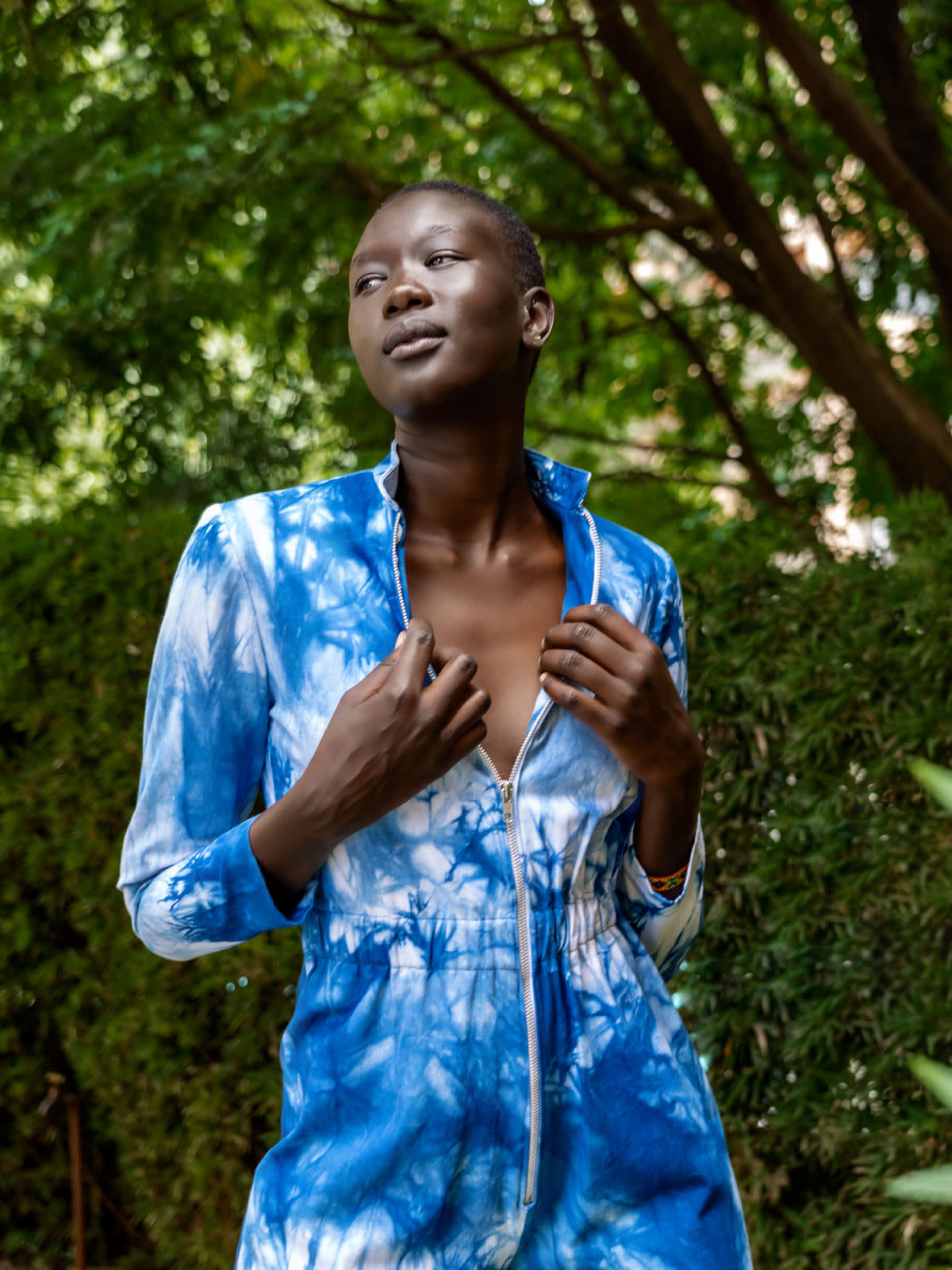
Eltayeb Dawelbait has been hand-painting KikoRomeo textiles for more than two decades. A Sudanese fine artist resident in Nairobi, he paints not to a brief but according to his mood at the moment of making. The designer marks the area of the body to emphasise; Dawelbait paints within that space. Each garment produced through this collaboration is singular. This is not a branded feature. It is a model of co-authorship that the fashion industry rarely acknowledges and more rarely practises.
KikoRomeo has also used handicraft as a community practice in moments of social crisis. The Peace Patches project in 2008 brought together young women who were victims of post-election violence in Kenya, giving them fabric scraps to embroider. Moving Masks in 2020 generated income for women facing COVID-19 unemployment. In both cases, the garment was not the product. Dignity and continuity were. This positions KikoRomeo within the broader history of fashion as resistance and reclamation that Omiren Styles has traced across global style movements rooted in cultural resistance, from the dashiki’s political role in Black liberation to La Sape’s transformation of the colonial suit into a declaration of dignity.
It also connects to the deeper psychology of African aesthetics that Omiren Styles has examined in its feature on ancestral beauty and modern self-image: that when beauty reflects who you are rather than who you are trying to outpace, it stabilises the self. KikoRomeo’s garments are, in that sense, a stabilising practice.
What KikoRomeo Proves
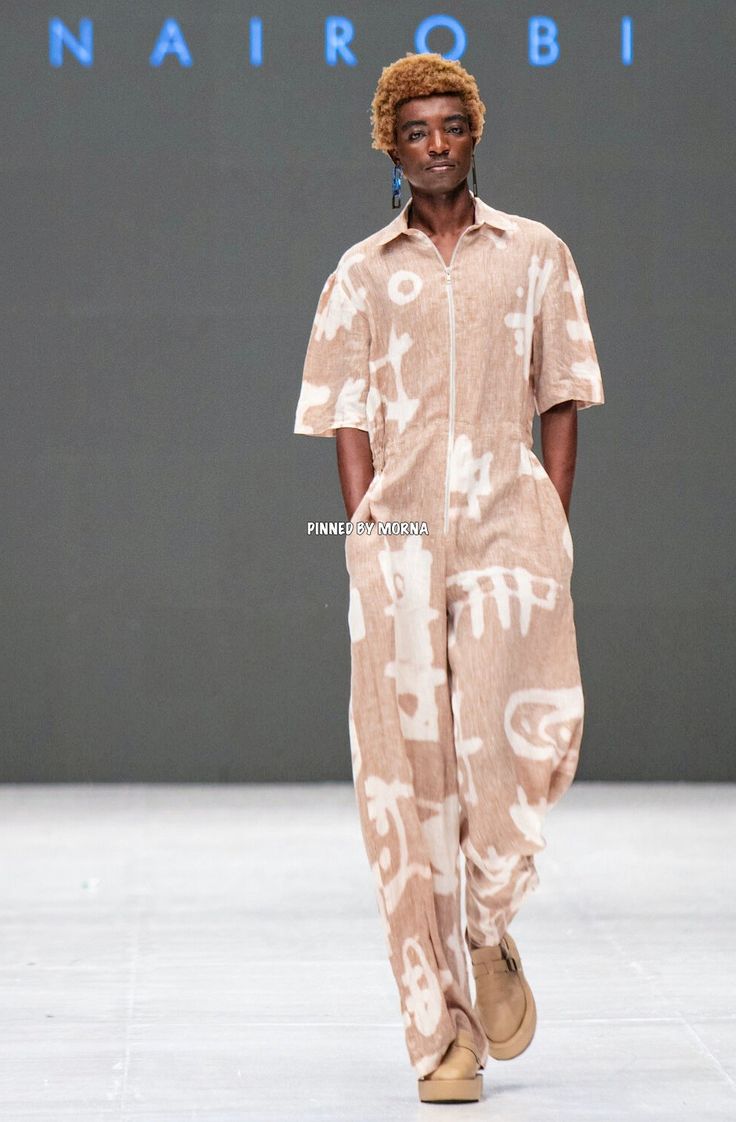
KikoRomeo is now in its fourth decade. That longevity is not incidental. It is the result of a consistent refusal to separate beauty from ethics, fashion from culture, or the garment from the hands that made it. Iona McCreath’s stewardship has sharpened each of these commitments without abandoning the silhouette, authority and material intelligence that Christine-Ann McCreath established.
The brand’s parallel in the Ethiopian market, Lemlem — founded by Liya Kebede and built around preserving hand-weaving traditions — demonstrates that this model scales. African brands rooted in artisanal knowledge, fair employment, and cultural specificity can reach luxury retail globally without compromising what made them worth reaching for in the first place.
KikoRomeo’s argument is simple, and he has been making it since 1996: fashion built on genuine human relationships, material integrity, and cultural knowledge does not go out of style. It becomes the standard by which other fashion is eventually judged.
Explore the full collection at kikoromeo.com.
Frequently Asked Questions
1. What is KikoRomeo?
KikoRomeo is a Nairobi-based heritage fashion brand founded in 1996 by Christine-Ann McCreath. Widely credited with transforming fashion in Kenya, the brand is built on sustainable natural fibres, artisanal craft, and pan-African sourcing relationships. Creative Director Iona McCreath has led the brand since 2018.
2. What makes KikoRomeo sustainable?
KikoRomeo uses rainfed cotton, silk, linen, and other natural fibres sourced from Kenya and across the continent. All fabric offcuts are recycled through women’s groups in Western Kenya. Garment trims use zero-waste horn processed in Ethiopia or handcrafted coconut. Employees are paid well above Kenya’s minimum wage and receive additional benefits, including partial funding for their children’s tertiary education.
3. Who are the artisans behind KikoRomeo garments?
KikoRomeo collaborates with a wide network of Kenyan weavers, embroiderers, beadworkers, and fine artists. These include the Pendeza Weaving Project, Tosheka Textiles, the Namayiana Maasai Women’s Group, and Sudanese hand-painter Eltayeb Dawelbait, among many others. Many of these relationships have been sustained for over two decades.
4. Where can I buy KikoRomeo?
KikoRomeo garments are available directly through their online store at kikoromeo.com/collections/all. Select pieces are also available through approved international stockists. For bespoke or pre-order enquiries, contact the brand directly at sales@kikoromeo.com.
EXPLORE FURTHER
Discover more African fashion designers, sustainable brands, and culture-first editorial at Omiren Styles. For full editorial guidelines and contributor information, visit our About page.