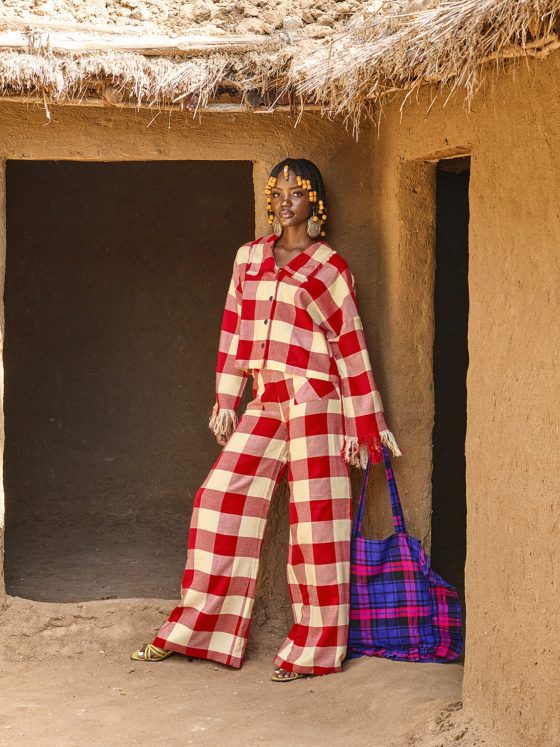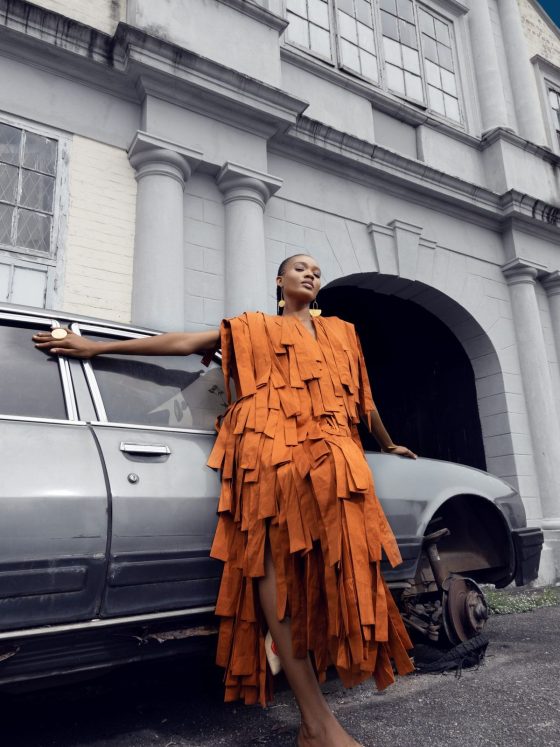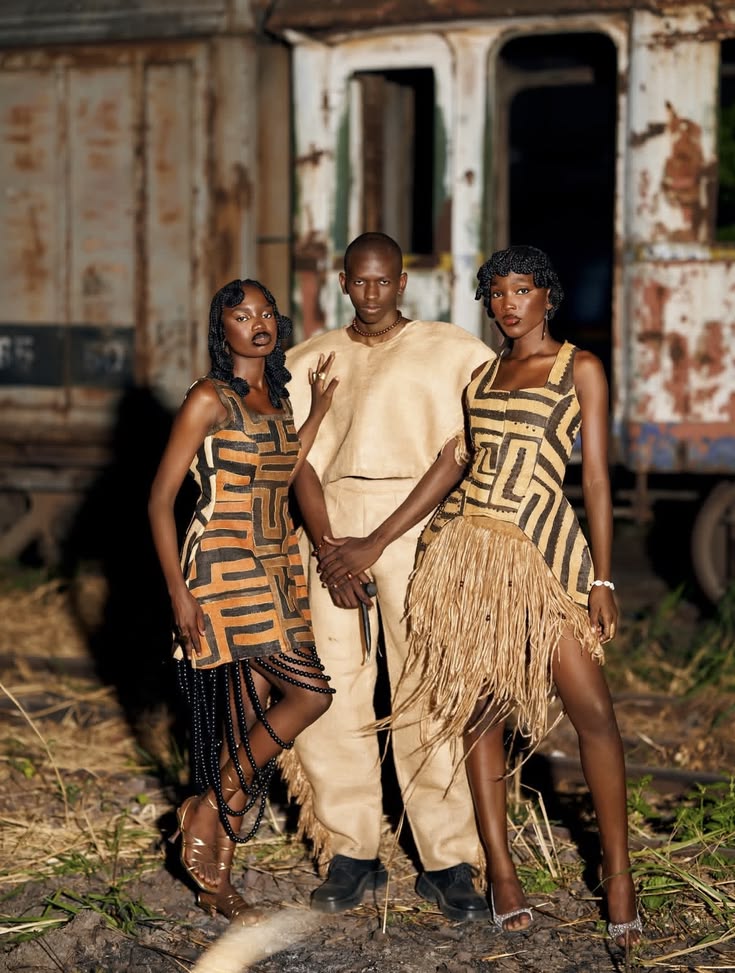
Africa doesn’t have a single emerging fashion capital in the way global fashion conversation often implies. It has 32 fashion weeks running annually across the continent right now, according to UNESCO’s own analysis of the African fashion sector. That single fact should reshape how the question “which African city will define global fashion by 2030” gets asked in the first place. The honest answer isn’t one city. It’s a genuinely networked, polycentric creative ecosystem, with different cities building different, non-competing kinds of momentum, and understanding which is which matters more than picking a single winner.
The argument in this piece is focused on creative output and fashion influence, not investment. That keeps it distinct from this site’s existing pieces on Pan-African capital allocation. This is about where fashion is being shaped, not where money should go. The five cities below are not competing for one throne. As Omiren Styles has documented in its analysis of African designers building lasting international brands, the designers who build durable international recognition do so from specific city contexts that provide specific forms of support. Understanding those city contexts is the analytical work this piece does.
Africa doesn’t have one fashion capital: it has a network of cities building different kinds of influence. Here’s what Lagos, Nairobi, Johannesburg, Dakar, and Kigali reveal about where global fashion is heading by 2030.
What UNESCO’s Own Assessment Actually Found
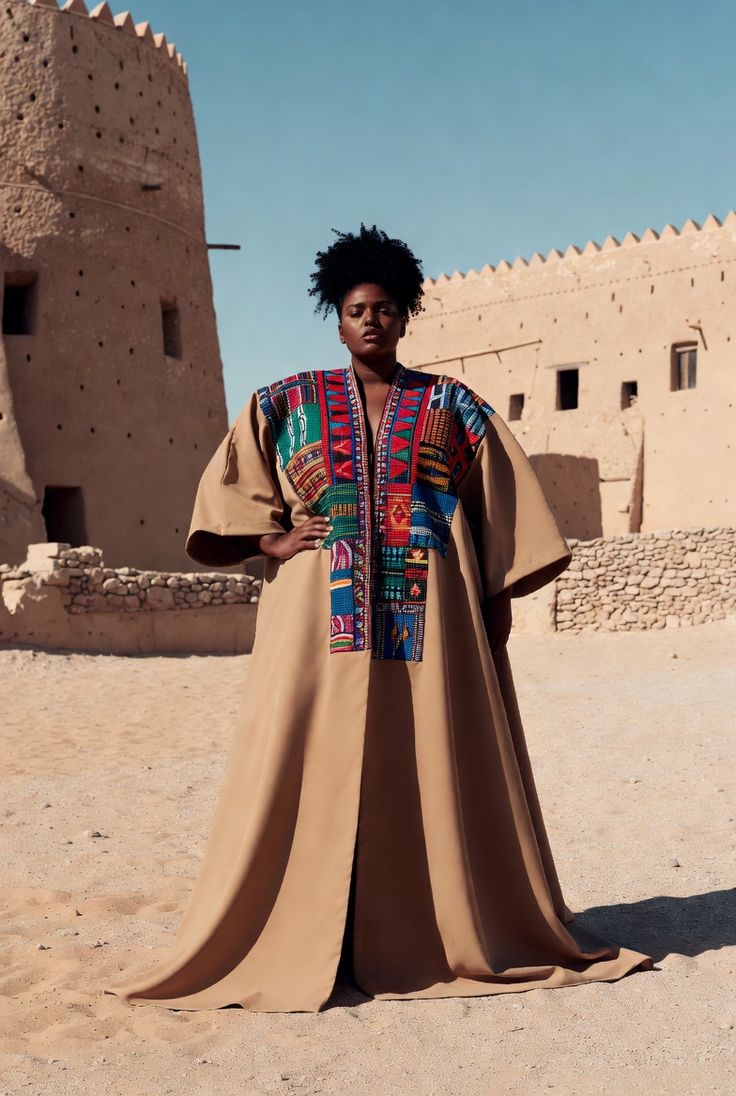
Before naming specific cities, the most authoritative continent-wide assessment available is worth grounding carefully. UNESCO’s report documents that 37 of Africa’s 54 countries produce cotton, the continent exports $15.5 billion worth of textiles annually, and, a genuinely striking figure: Africa also imports $23.1 billion worth of textiles, clothing, and footwear each year. The continent currently exports raw material capacity, and imports finished product value at a ratio that runs directly against it. UNESCO projects a 42% increase in demand for African haute couture over the following decade, a timeline landing at 2033 and making “by 2030” a reasonable read of UNESCO’s own trajectory.
UNESCO names four specific, unresolved challenges standing between current momentum and that potential: stronger legal protections for designers around intellectual property, remuneration, and working conditions (UNESCO is assisting 23 African countries on this); investment directed at small and medium enterprises, which make up 90% of the continent’s fashion businesses; improved formal training and knowledge transmission; and stronger production and distribution infrastructure. None of these is solved yet. As Omiren Styles has documented in its analysis of African fashion brand launch costs, the gap between local-market-standard and international-wholesale-standard infrastructure is real and specific. That caveat matters for reading everything that follows: the cities below are building real momentum, not a finished outcome.
Five Cities, Five Different Kinds of Fashion Power
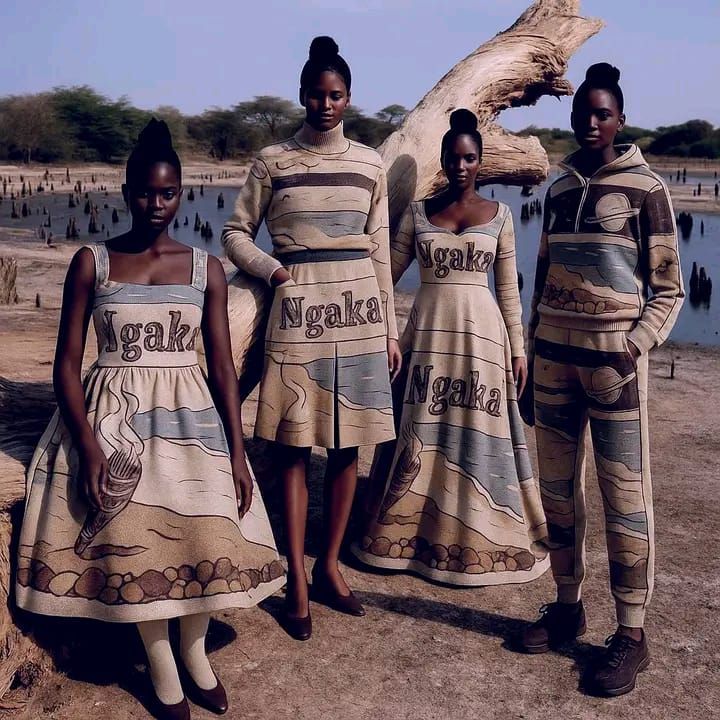
The five cities below each build a distinct, largely non-competing form of fashion influence. Lagos is the talent pipeline. Nairobi is the sustainability-tech story. Johannesburg is the showroom bridge. Dakar is the durable platform. Kigali is the infrastructure bet. That distributed model may prove stronger than a single-capital system because it gives the continent multiple ways to matter globally at once.
LAGOS — The Talent Pipeline With the Deepest Track Record
Lagos’s claim to defining global fashion by 2030 rests on a now-multi-year pattern of individual designers converting local platform access into genuinely international recognition. Adeju Thompson of Lagos Space Programme became the first African designer to win the International Woolmark Prize in 2024, with an AU$200,000 grant — one of global fashion’s most established competitions, not a regional or Africa-specific award. Orange Culture’s Adebayo Oke-Lawal was an LVMH Prize finalist and now stocks at Browns and Farfetch. Kenneth Ize built an internationally stocked label from aso-oke weaving and is working to bring that weaving tradition into Nigeria’s formal school curriculum. Emmy Kasbit marked ten years in business with a Paris Fashion Week off-site show in 2024. As Deedsmag’s reporting on Lagos Fashion Week’s commercial outcomes, 68% of brands attending the 2025 edition secured new funding or distribution deals afterwards.
This is a pattern spanning nearly a decade of individual designer trajectories, not a single breakout moment. What Lagos is building isn’t primarily infrastructure or capital: it’s a repeatable talent pipeline with an increasingly credible track record of producing designers who go on to win competitions and secure stockists that have nothing to do with African fashion specifically. That is a different, and in some ways more durable, form of fashion influence than manufacturing capacity or investment volume alone would represent. As Omiren Styles has documented in its analysis of the Lagos Fashion Week ecosystem, the commercial infrastructure is now following the creative track record rather than preceding it.
NAIROBI — A Distinct Creative Identity Built Alongside a Tech Economy
Nairobi’s momentum runs through a genuinely different channel. The city’s fashion identity has developed in close proximity to its status as East Africa’s technology and innovation hub. The same “Silicon Savannah” reputation that gives Nairobi’s fintech and climate-tech sectors international press coverage extends, in practice, to how the city’s creative economy gets covered. As UNESCO’s Courier coverage of Africa’s fashion potential documents, Nairobi Fashion Week’s programming has leaned directly into this identity, with a January 2026 edition built around a “Decarbonise” theme, positioning the city’s fashion scene explicitly within the same sustainability and innovation narrative driving its broader tech reputation.
This matters for the “which city defines global fashion” question because it suggests Nairobi isn’t trying to out-produce Lagos designer-for-designer. It’s building a distinct value proposition around sustainability-forward, tech-adjacent fashion identity that international press and buyers already have an existing frame for. A designer or brand story coming out of Nairobi arrives with built-in narrative context that a Lagos-based equivalent doesn’t automatically have. That’s a competitive advantage in a global media environment where context is often more portable than the work itself.
JOHANNESBURG — Where African Design Is Already Crossing Into European Showrooms
Johannesburg’s specific, checkable contribution to this picture is MMUSOMAXWELL, the South African design duo whose expansion from Johannesburg Fashion Week directly into Paris showrooms represents one of the clearest documented cases of an African fashion business establishing physical, ongoing presence in a global fashion capital rather than simply gaining press attention. As African News Analysis’ September 2025 reporting on African designers pursuing international business, a Paris showroom implies sustained buyer relationships, seasonal delivery, and the kind of infrastructure that is a higher, more durable bar than online marketplace visibility. That is a meaningfully different achievement than a strong runway show or a single celebrity placement.
Johannesburg’s broader retail depth, including independent boutiques and a more developed domestic luxury retail sector than several of its continental peers, gives it a structural advantage specific to incubating brands ready for exactly this international showroom step. The city produces fewer single breakout media moments than Lagos, but it converts fashion attention into buyer relationships with a consistency that makes it, as the QC for this piece correctly frames it, less of a hype city and more of a conversion city. As Omiren Styles has documented in its analysis of African jewellery brands achieving global market access, the structural conditions for international wholesale placement require specific city-level infrastructure that Johannesburg is better placed than most African cities to provide.
DAKAR — The Two-Decade Head Start Nobody Talks About Enough
Dakar’s fashion identity carries a specific advantage the other cities on this list simply don’t have: time. FIMA (the International Festival of African Fashion) and Dakar Fashion Week have a documented history stretching back roughly two decades, meaning Dakar’s design-led fashion week culture predates the current wave of Lagos-centred international attention by a significant margin. As African Business Magazine’s reporting on the pan-African catwalk, UNESCO’s own report names Dakar Fashion Week specifically as one of the continent’s established annual events. That longevity matters in a specific way: Dakar’s fashion ecosystem has already been through multiple cycles of international attention rising and receding.
Tongoro’s Sarah Diouf, based in Dakar, built a direct-to-consumer model shipping to buyers in London, New York, and Johannesburg from a fully Senegal-based production operation, as Omiren Styles has documented in its analysis of Senegalese fashion designers. A city that has survived multiple boom-and-recede press cycles and still has a functioning, twenty-year-old fashion week platform has demonstrated something Lagos’s more recent, faster-rising trajectory hasn’t yet had the same amount of time to prove: durability past a single news cycle. That durability is itself a form of creative influence that the “which city is hottest right now” framing systematically undervalues.
KIGALI — Betting Fashion’s Future on Infrastructure Nobody Else Is Building Yet
Kigali’s contribution is the newest and most explicitly forward-looking, and it’s worth including precisely because it’s a genuinely fresh, dateable development rather than an established pattern. In February 2026, Rwanda broke ground on Kigali Innovation City, a 61-hectare, $2 billion smart-city development combining public institutions, development finance, and private investment, explicitly positioned as a cornerstone of Rwanda’s Startup Act and its broader national strategy toward a digital-first, knowledge-based economy. As Ecofinagency’s coverage of Rwanda’s Innovation City mobilisation, this isn’t a fashion-specific project and shouldn’t be overstated as one, but it sits directly alongside Rwanda’s already-documented “Made in Rwanda” garment manufacturing policy, which grew the country’s apparel exports substantially in the years following its 2016 secondhand-clothing import ban.
Read together, Kigali is making a distinct, infrastructure-first bet that neither Lagos’s talent-pipeline model nor Dakar’s platform-longevity model represents: building the surrounding digital and physical city infrastructure first, on the theory that a genuinely modern creative and manufacturing economy, fashion included, follows from that foundation rather than preceding it. Whether that bet pays off specifically for fashion by 2030 is genuinely unresolved. But it’s a different kind of signal than the other four cities, and a serious analysis of which cities define global fashion by 2030 should track it as its own category. As Omiren Styles has documented in its analysis of the Umushanana and Rwanda’s bridal fashion market, Rwanda’s fashion identity is already more developed than most external accounts acknowledge.
Why “One Winning City” Is the Wrong Frame
Pulling these five cities together, the pattern that emerges isn’t a horse race with a single eventual winner. It’s five different, largely non-competing forms of momentum happening in parallel: Lagos’s designer talent pipeline, Nairobi’s sustainability-and-tech-adjacent identity, Johannesburg’s showroom-to-Europe retail depth, Dakar’s two-decade platform durability, and Kigali’s infrastructure-first bet. UNESCO’s own headline statistic, 32 fashion weeks running annually across the continent, is itself the strongest evidence against a single-capital framing. Paris, Milan, New York, and London built the traditional “Big Four” model around exactly one dominant city each, with decades of concentrated infrastructure reinforcing that concentration. Nothing in the evidence gathered here suggests Africa’s fashion ecosystem is converging toward the same single-city model.
It looks, instead, like something genuinely different is being built: a distributed network of cities each developing a distinct specialisation. As Omiren Styles has argued, African fashion has always been making arguments that the mainstream fashion industry was not yet equipped to receive. The polycentric, multi-city network model may be the most structurally durable of those arguments: a fashion ecosystem that doesn’t depend on any single city, and therefore can’t be disrupted by any single city’s moment of decline.
What Would Actually Have to Happen for This to Fully Materialise
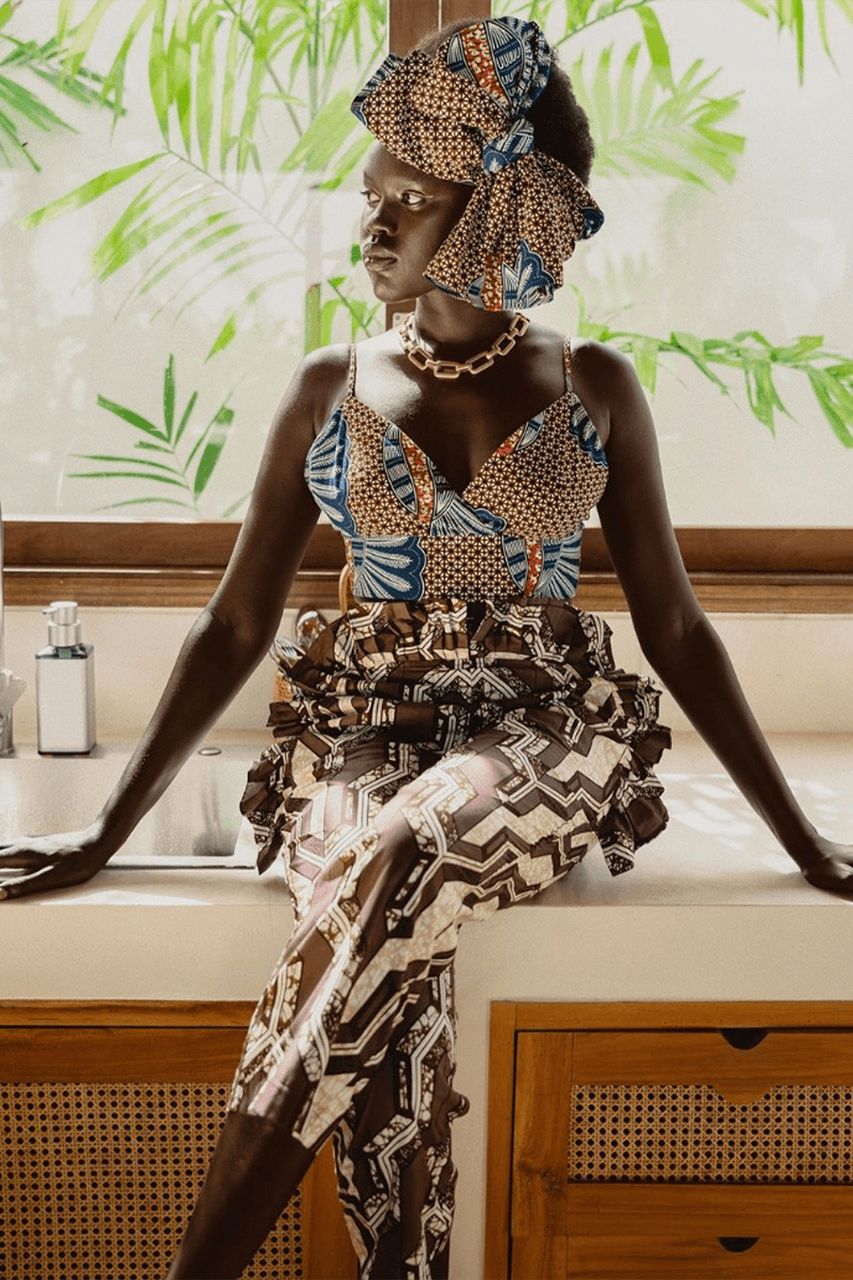
Consistent with the standard applied throughout this project, what’s still missing is worth naming directly rather than ending on pure momentum. UNESCO’s own report is explicit that the sector’s 90%-SME composition remains under-invested, that formal training and skills-transmission infrastructure lags behind raw talent, and that intellectual property protection, a problem Omiren Styles’ own reporting on Nigeria’s fashion economy has separately documented in detail, remains weak enough that designers routinely lose control of their own designs to uncredited copying. None of the five cities profiled above has fully solved these structural problems; each is building around them in different ways, with different degrees of success.
The honest version of “which African cities will define global fashion by 2030” isn’t a triumphant single answer. It’s that the raw talent, the platform longevity, the international breakout track record, and now the infrastructure investment are all genuinely, verifiably present, spread across at least these five cities, and what happens between now and 2030 depends substantially on whether the specific, named gaps UNESCO itself identified get closed in time to convert that momentum into something more durable than the boom-and-recede press cycle that this exact conversation has fallen into before. As Omiren Styles has argued in its analysis of Pan-African fashion portfolio allocation, the institutional compounding that would close those gaps requires sustained attention from exactly the kind of editorial authority this site is building.
Five cities. Five different kinds of fashion power. One distributed network that doesn’t require a single winner to be a genuinely global argument.
ALSO READ
- Why No Serious Investor Has a Pan-African Fashion Portfolio: The Cost of Institutional Blindness
- African Fashion Designers in America: Who Is Building Something That Lasts?
- African Designers Buyers Should Be Watching in 2026
- The Lagos Fashion Week Effect: What a Decade of Runway Has Actually Done for Nigerian Designer Revenue
Frequently Asked Questions
How many fashion weeks does Africa hold each year?
According to UNESCO’s 2023 report, “The Fashion Sector in Africa,” the continent hosts 32 fashion weeks annually. That figure is the strongest single piece of evidence against a single-capital framing of Africa’s fashion momentum: the ecosystem is distributed across many cities, each building a different kind of influence, rather than converging on one dominant centre.
Which African city has produced the most internationally recognised fashion talent?
Lagos has the deepest documented track record, with designers including Adeju Thompson (2024 International Woolmark Prize winner), Orange Culture’s Adebayo Oke-Lawal (LVMH Prize finalist, stocked at Browns and Farfetch), Kenneth Ize (internationally stocked aso-oke label), and Emmy Kasbit (Paris Fashion Week off-site show, tenth anniversary). As documented by Deedsmag’s reporting on Lagos Fashion Week’s commercial outcomes, 68% of brands attending the 2025 edition secured new funding or distribution deals afterward, confirming that the talent pipeline is backed by a working commercial ecosystem.
What is Kigali Innovation City, and how does it relate to fashion?
A $2 billion, 61-hectare smart-city development that broke ground in February 2026, built as a cornerstone of Rwanda’s digital economy strategy. It isn’t fashion-specific, but it sits alongside Rwanda’s existing “Made in Rwanda” garment manufacturing policy, representing an infrastructure-first bet on the country’s broader creative and manufacturing economy. As Ecofinagency documents, the project combines public institutions, development finance, and private investment, and signals the kind of long-horizon infrastructure investment that fashion manufacturing capacity depends on.
What does UNESCO say is still needed for Africa’s fashion industry to reach its full potential?
UNESCO’s report names four specific gaps: stronger intellectual property and labour protections for designers, greater investment in small and medium-sized fashion businesses (90% of the sector), improved formal training and skills transmission, and stronger production and distribution infrastructure. None of these have been fully solved yet in any of the five cities profiled in this piece. As Omiren Styles has documented in its analysis of African fashion brand launch costs, the gap between local-market-standard and international-wholesale-standard infrastructure is real, specific, and the most consequential gap separating current momentum from the 2030s potential UNESCO projects.
Why does this piece not name a single “winning” African fashion capital?
Because the evidence doesn’t support that framing. The 32 fashion weeks UNESCO documents running annually across the continent, the five different city-specific forms of fashion influence analysed in this piece, and UNESCO’s own acknowledgement that the continent’s fashion ecosystem is genuinely polycentric all point to a distributed network model rather than a convergence on one dominant city. As Omiren Styles has argued, African fashion has always been making arguments that the mainstream fashion industry was not yet equipped to receive. A polycentric multi-city network may be the most structurally durable of those arguments.