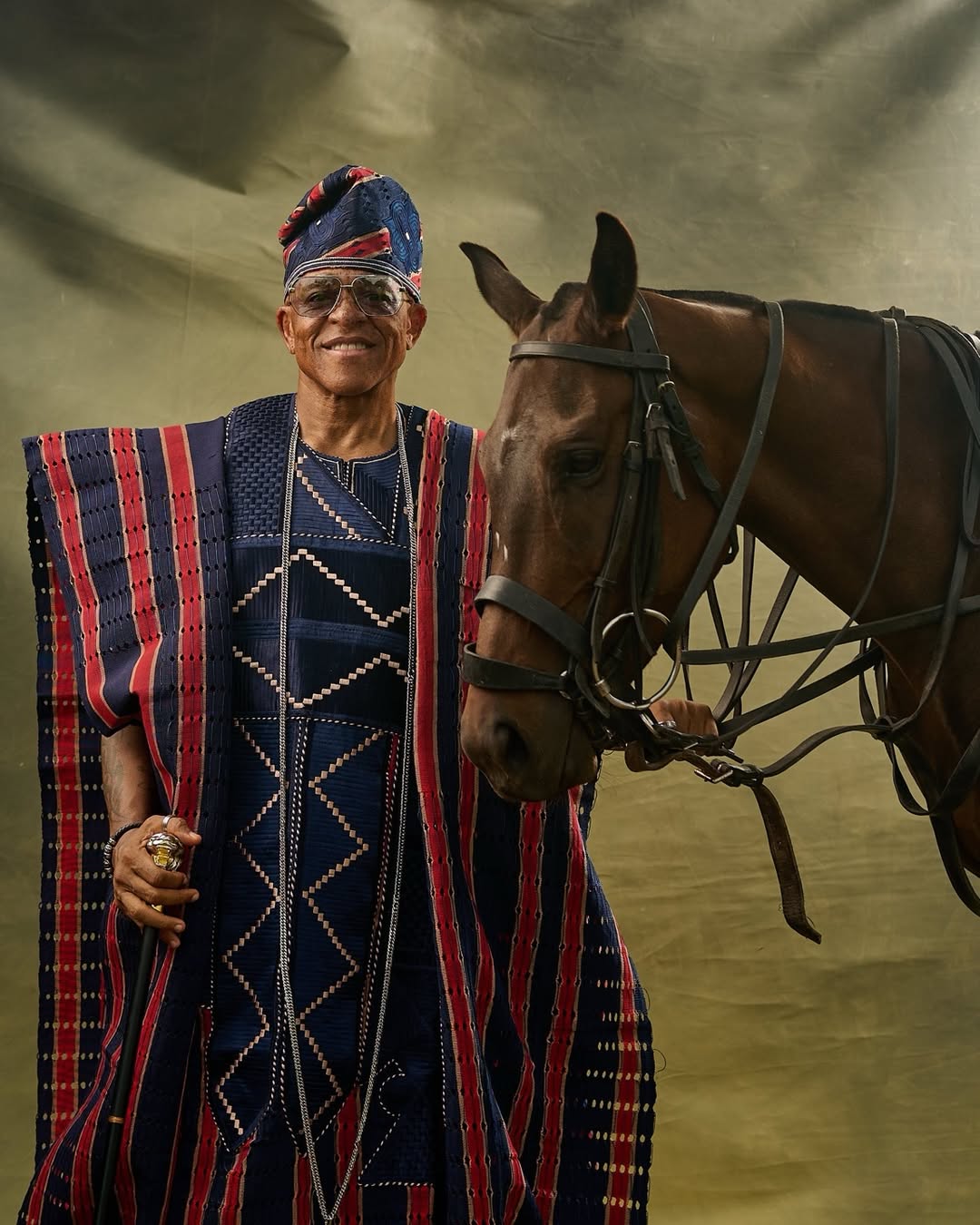
There is a moment, every year in Ijebu-Ode, when time seems to fold back on itself. The roads fill with colour so saturated it feels unreal. The air thickens with talking drums and sakara percussion. Horses move in formation under elaborate bridles and garments that sparkle in the sun. Women glide forward in aso-oke so richly woven that each fabric strip carries a story of lineage, pride and reverence.
This is the Ojude Oba Festival in Ijebu-Ode, one of the most important Yoruba cultural festivals in Nigeria and one of the country’s most spectacular cultural fashion events. Held annually on the third day after Eid-el-Kabir, the Ojude Oba Festival brings Ijebu people, Yoruba communities, and visitors from across Nigeria and the diaspora to the Awujale’s forecourt to celebrate faith, heritage, and style. For anyone who has witnessed the Ojude Oba Festival once, it becomes part of their internal calendar forever.
The Ojude Oba Festival 2026, held today, Friday, May 29th, at the arena opposite the Awujale’s palace in Ijebu-Ode, is the most emotionally charged in recent memory. The theme, “Ojude Oba Festival 2026: Celebrating the Legacy of Oba Sikiru Adetona”, marks the first edition since the passing of the late Awujale of Ijebuland. His death in July 2025 created a deep sense of loss in Ijebu communities, and this year’s festival is both a tribute and a declaration that his legacy continues.
Ojude Oba Festival 2026 in Ijebu-Ode celebrates Yoruba cultural fashion, Ijebu heritage and the legacy of the late Awujale, Oba Sikiru Adetona, in one of Nigeria’s most spectacular cultural festivals.
From Gratitude to Global Stage: How the Ojude Oba Festival Grew
Ojude Oba translates to “the king’s forecourt” in Yoruba. The festival began as an intimate act of gratitude. Muslim converts in Ijebuland would visit the Awujale of Ijebu-Ode after Eid-el-Kabir to thank the monarch for the freedom to practise their faith and for protecting religious coexistence. It was a modest gathering, built on respect and acknowledgement.
Over time, this quiet homage expanded. The Ojude Oba Festival gradually opened to Christians, traditional worshippers, professional associations, visiting royals from across Yorubaland and Ijebu descendants returning from cities like Lagos, Abuja, London, New York and Toronto. The king’s forecourt became a public stage where Ijebu identity could be seen, heard and remembered.
The modern shape of the Ojude Oba Festival is closely tied to the reign of Oba Sikiru Kayode Adetona, who became Awujale in April 1960 and ruled for 65 years. Under his leadership, the Ojude Oba Festival in Ijebu-Ode evolved from a local homage ceremony into a major Yoruba cultural festival. Today, it attracts dozens of Regberegbe age-grade groups, Balogun families and guests from across Nigeria.
Corporate attention followed cultural growth. Brands recognised that the Ojude Oba Festival was no longer only a local tradition but a cultural institution that anchored tourism, commerce and community. Sponsorship, media coverage and visitor traffic transformed the festival into a key event in the Nigerian cultural calendar and a reference point in conversations about Nigerian cultural fashion and heritage storytelling.
The Fashion Spectacle: Yoruba Heritage on the Ojude Oba Cultural Runway
For stylists, photographers and fashion editors, Ojude Oba Festival 2026 is as important as any major runway season. No conventional fashion show can match the scale, history and emotional charge of this Yoruba cultural festival in Ijebu-Ode. On this single day, the town becomes one of Africa’s most dynamic open-air runways.
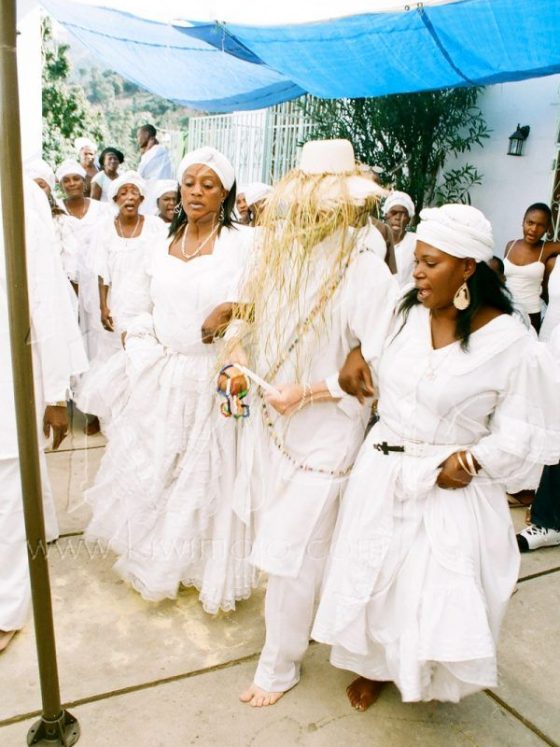
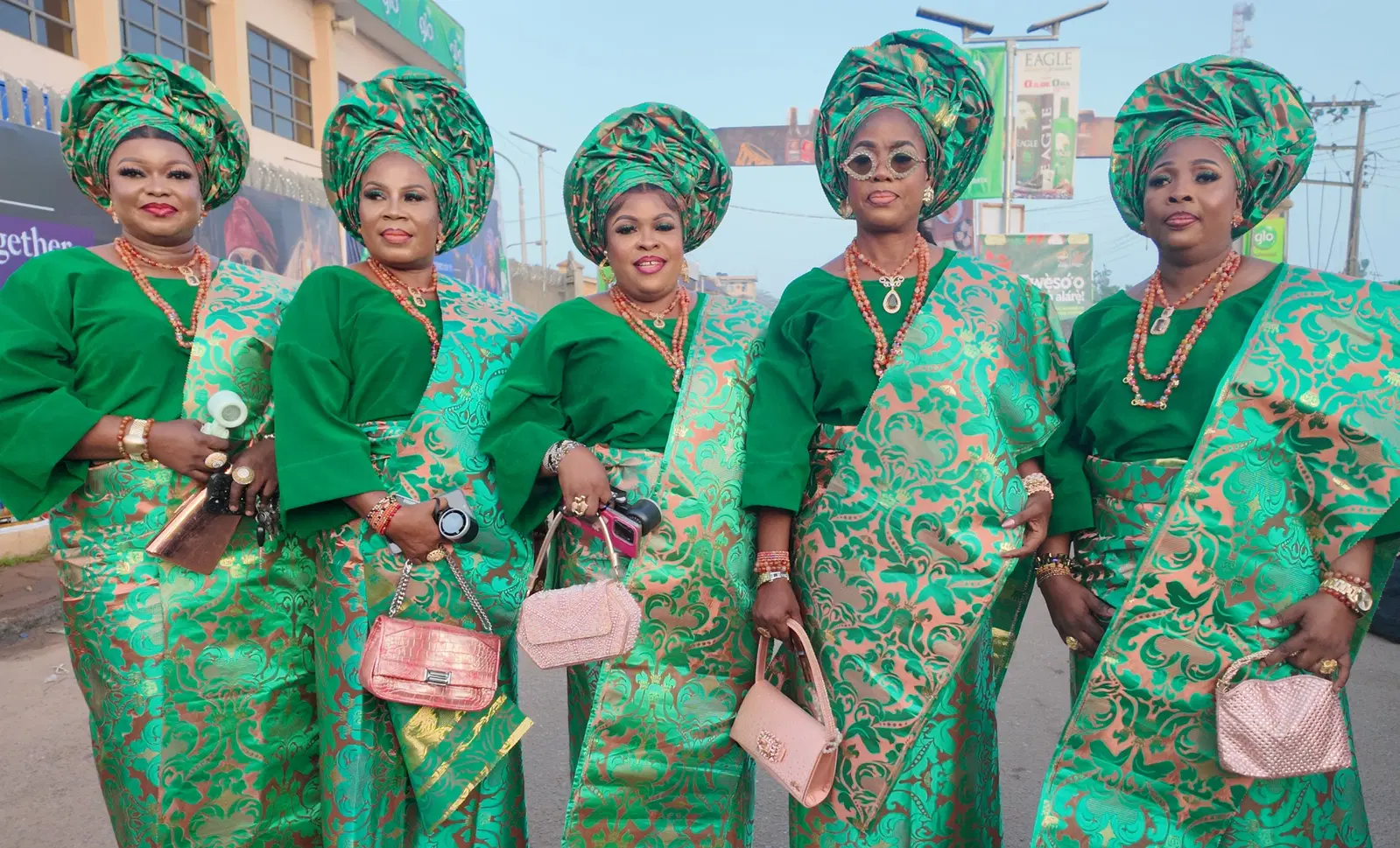
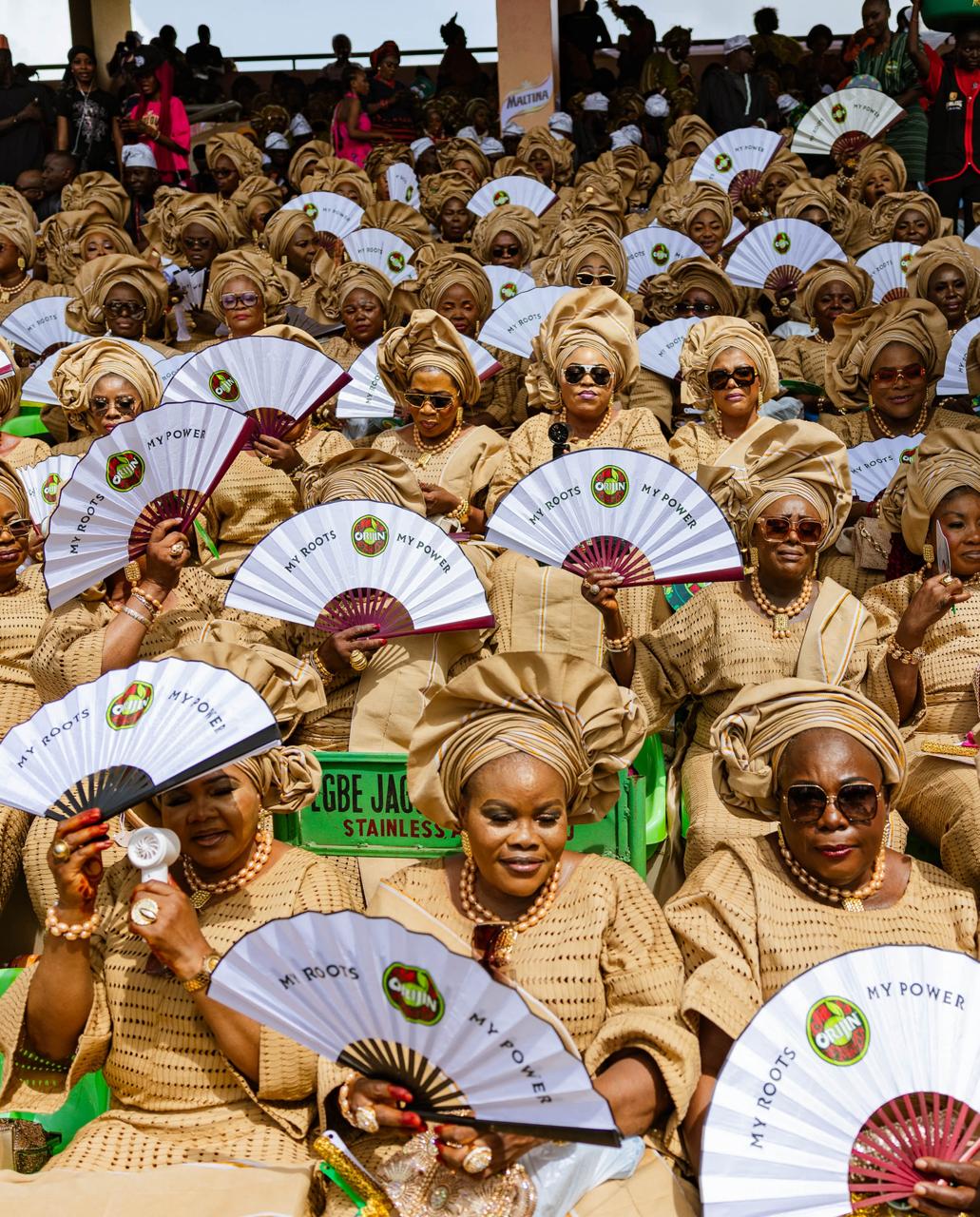
At the centre of the visual drama is the Regberegbe system. These are male and female age-grade groups whose coordinated appearances drive much of the festival’s style energy. At the 2026 Ojude Oba Festival, around 90 Regberegbe groups arrive in carefully curated aso-ebi, the shared fabrics and silhouettes that define each group’s identity for the year. Fabric selection begins months in advance. Decisions about colour, drape, tailoring and accessories become collective debates about taste, status and memory.
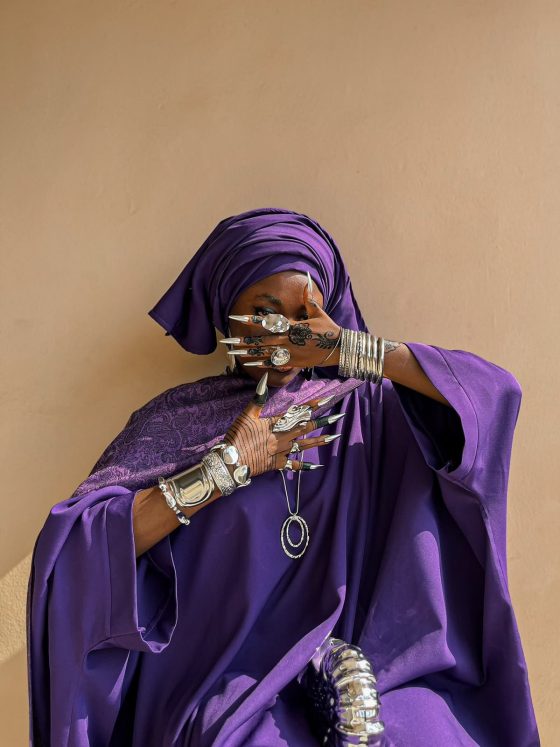
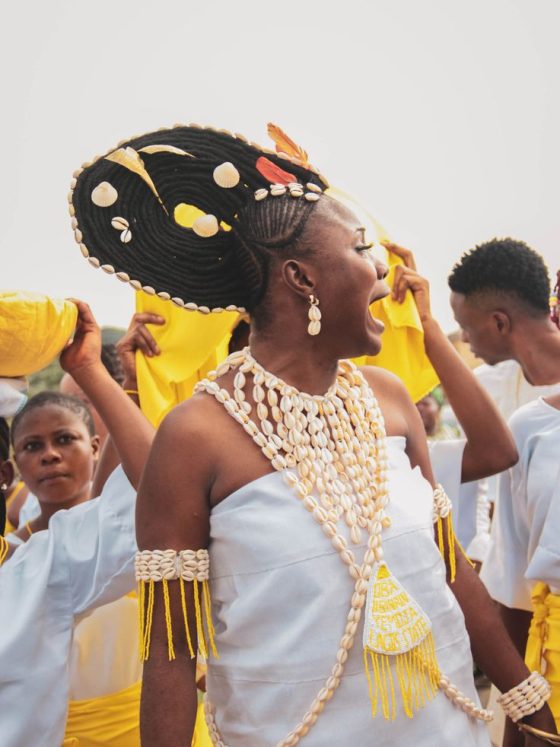
The fabrics themselves hold archives—Handwoven aso-oke in indigo, burgundy, champagne and gold. Ofi cloth with geometric motifs passed down through families—luxurious lace, velvet, damask and heavily beaded gele headwraps that frame the face like sculpture. Across the arena, palettes shift from deep, regal tones to luminous pastels, creating a visual map of Ijebu-Ode and its people. Yoruba textile traditions are among Africa’s most formally recognised intangible cultural heritage practices, documented by UNESCO as part of the broader canon of living heritage.
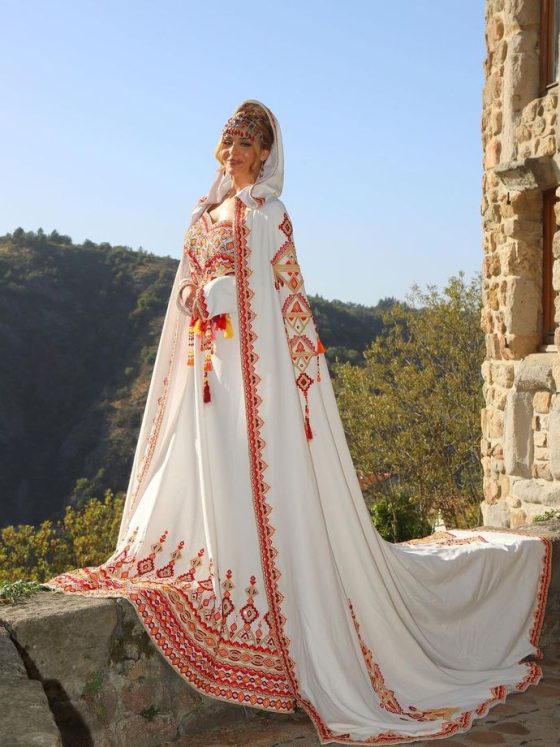
In recent years, contemporary designers and stylists have joined the conversation more explicitly. They introduce architectural sleeves, unexpected panel cuts, embellished hems and layered textures that blend heritage textiles with modern silhouettes. The Ojude Oba Festival serves as a living case study of how Yoruba and Nigerian fashion evolve without losing their root language.
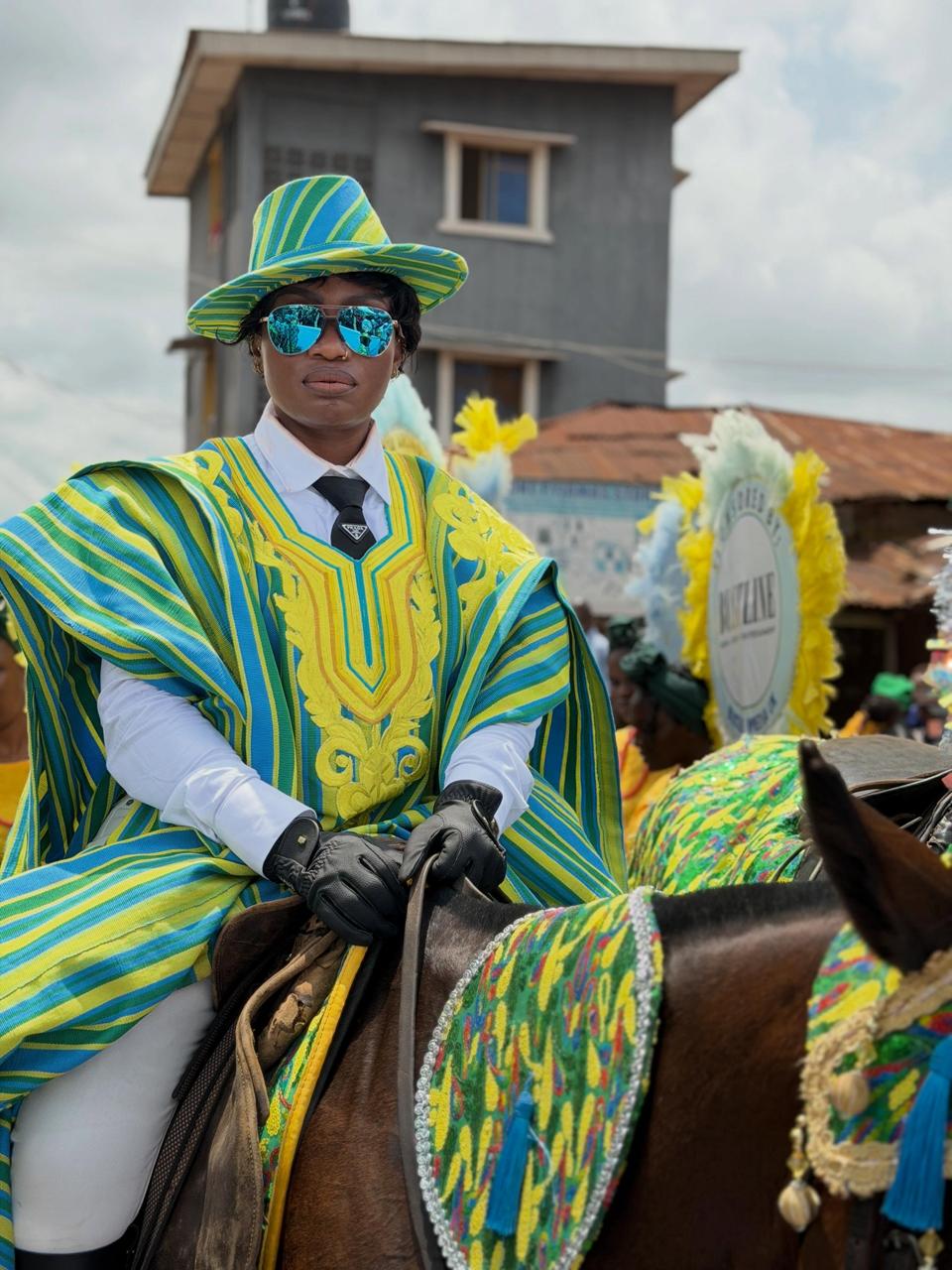
Alongside the Regberegbe groups stand the Balogun and warrior families. These lineages, historically responsible for protecting Ijebu territory, reassert their presence through a dramatic horse-riding procession. Their entrance is a masterclass in martial elegance. Riders appear in rich agbada, heavily embroidered fabrics and jewellery that signal generational prestige. Horses are also dressed in textiles and ornaments, turning each pair of rider and horse into a single moving sculpture. These families are not costumed actors. They are custodians of living history, and their appearance is one of the most anticipated moments of the 2026 Ojude Oba Festival.
For readers who follow how ceremony, textiles and power intersect, Ojude Oba sits in the same lineage as other Omiren explorations of African heritage, including Lesotho’s Basotho Blanket: How a Colonial Gift Became a Symbol of Sovereignty and The Invisible Thread: How African Oral Tradition Shapes Fashion and Heritage Textiles.
Ojude Oba Festival 2026: A Tribute to Oba Sikiru Adetona
The theme “Ojude Oba Festival 2026: Celebrating The Legacy of Oba Sikiru Adetona” is not a formality. It reflects how deeply the festival is linked to the late Awujale’s vision. Oba Sikiru Adetona died on July 13, 2025, at the age of 91, after a 65-year reign that strengthened Ijebu identity, expanded Ojude Oba and positioned Ijebu-Ode firmly on the map of Nigerian cultural festivals.
After his passing, a question arose across Ijebu communities and in the diaspora: would the 2026 Ojude Oba Festival be cancelled in mourning? The answer was clear. Festival organisers explained that the late Awujale had given specific instructions that Ojude Oba must not be suspended under any circumstances, including royal transition. To stop the festival would have contradicted everything he had built.
Instead, the Ojude Oba Festival 2026 bears his name as both a tribute and a continuation. It frames the day as a living memorial that uses Yoruba cultural fashion, music, procession and spectacle to say what words alone cannot hold. The festival now stands as a symbol of peaceful coexistence, religious harmony and unity among Muslims, Christians and traditional worshippers in Ijebu-Ode.
This year’s edition also underlines the Festival’s national significance. Political leaders, traditional rulers and cultural stakeholders are expected to attend, reinforcing the position of the Ojude Oba Festival 2026 as one of Nigeria’s most important heritage gatherings rather than a purely local event. The Nigerian press, including This Day Live, has consistently covered Ojude Oba as a headline cultural event on the national calendar.
ALSO READ
- The Aso-Oke Weaver Crisis: What Happens When Nigeria’s Most Important Cloth Can No Longer Be Made
- Clothing as Cultural Identity: When Dressing Becomes Declaration
- Investing in Textile Heritage: The Business Case for Preserving What Western Fast Fashion Cannot Copy
- The Intimacy of Tailoring: How Clothes Learn the Language of Your Life
A Stage for Nigerian Cultural Fashion and the Creative Economy
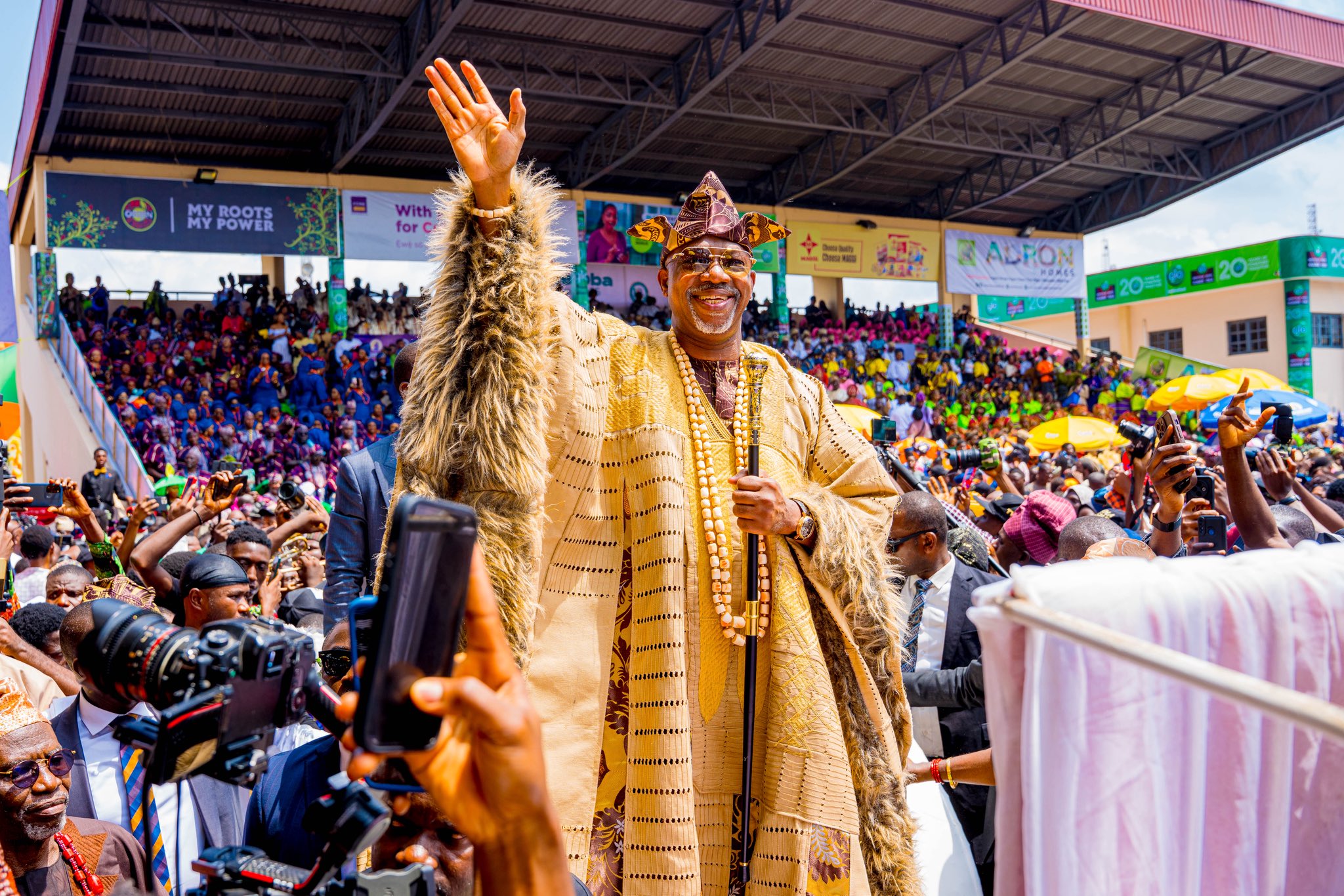
Beyond its spiritual and historical dimensions, the Ojude Oba Festival has become a key date on the Nigerian cultural, fashion, and creative economy calendar. Designers plan special collections around it. Tailors in Ijebu-Ode and across Ogun State work late into the night leading up to Eid-el-Kabir. Stylists, photographers and content creators book out their schedules weeks in advance.
The Ogun State Government supports the Festival as a flagship cultural tourism event, recognising its role in regional economic development.
The impact spreads far beyond the arena. Fabric merchants, jewellery sellers, make-up artists, transport operators, hoteliers and caterers all feel the festival’s pull. For many, the Ojude Oba season defines revenue for the entire year. The Ojude Oba Festival 2026 confirms the event’s role as a driver of tourism and a platform for Nigerian brands and financial institutions to connect with an audience that cares deeply about culture, style, and continuity.
For the Ijebu diaspora, Ojude Oba functions as a cultural compass. Families travel back to Ijebu-Ode specifically to attend the Ojude Oba Festival, bringing children who may have grown up outside Nigeria into direct contact with the rituals, fabrics and rhythms that shaped their grandparents. On this day, being Ijebu is not only about origin. It is a visible, wearable and audible identity.
For Omiren readers who track how fashion operates as archive and ceremony, Ojude Oba answers the same questions explored in When Dressing Becomes Declaration: Clothing as Cultural Identity and The Intimacy of Tailoring: How Clothes Learn the Language of Your Life.
The Legacy Continues
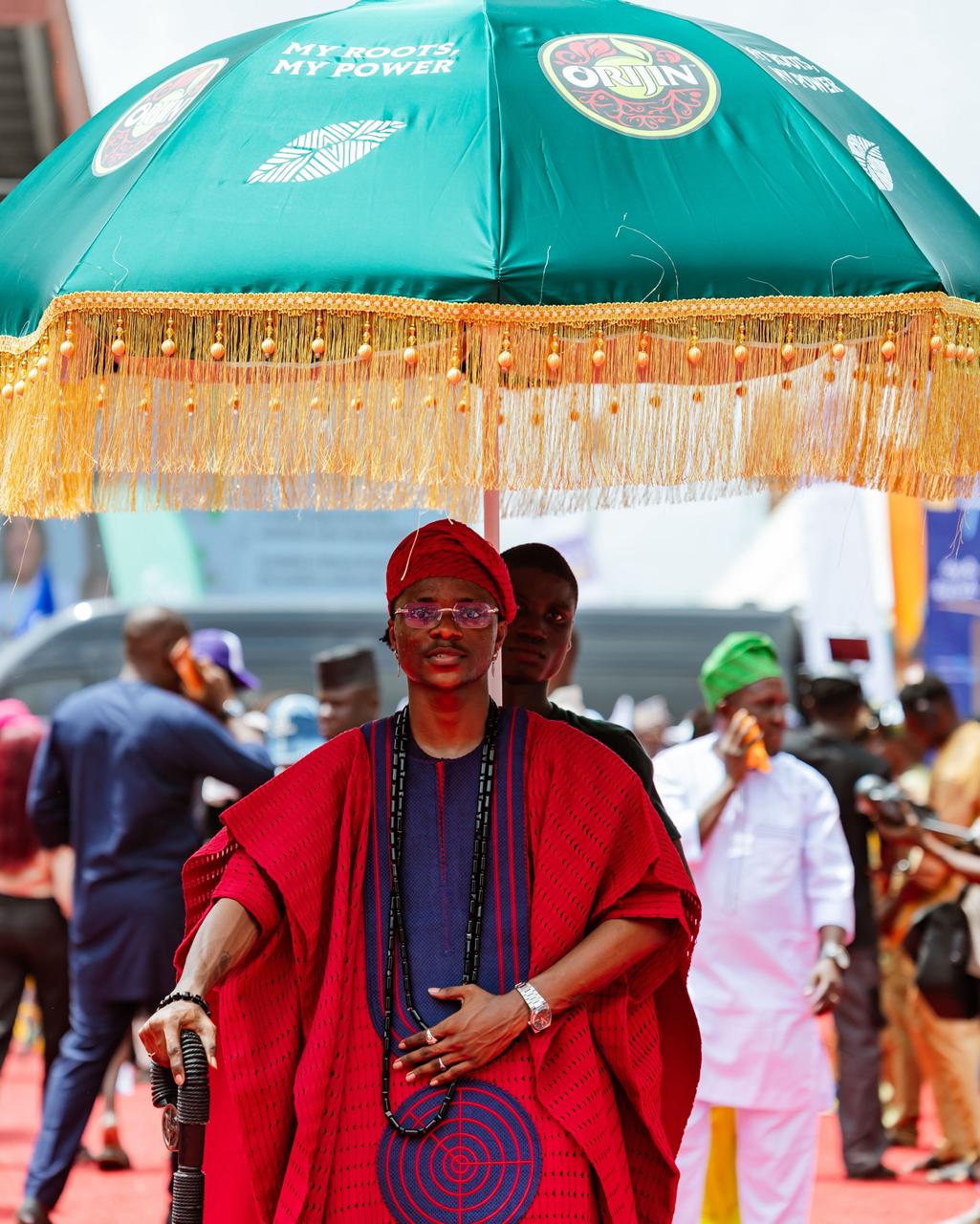
Organisers of the Ojude Oba Festival 2026 have been clear that the event has grown beyond a royal homage into a cultural and economic institution. That statement is more than logistics. It is philosophy. It says that the forecourt remains even when the throne changes. It says that a people’s ceremony, once anchored, outlives any single reign.
As the Regberegbe groups take their positions in Ijebu-Ode, as the Balogun families ready their horses, and as the talking drums begin to speak, there is something new in the air alongside the familiar. There is mourning dressed in magnificence. There is loss carrying itself in the most intricate aso-oke and lace. There is a public decision to grieve and to celebrate in the same movement.
Ojude Oba Festival 2026 is not just another edition. It is a Yoruba cultural festival that uses cloth, colour, choreography, and sound to honour Oba Sikiru Adetona and to affirm that Ijebu heritage is alive, present, and unafraid of the future.
FREQUENTLY ASKED QUESTIONS: OJUDE OBA FESTIVAL 2026
- What is Ojude Oba, and where does it take place?
Ojude Oba, which translates from Yoruba as “the king’s forecourt,” is an annual Yoruba cultural festival held in Ijebu-Ode, Ogun State, Nigeria. It takes place at the festival arena directly opposite the Awujale’s palace on the third day after Eid-el-Kabir. The Ojude Oba Festival has grown into one of Africa’s largest cultural fashion showcases, attracting visitors from across Nigeria and the global diaspora.
- Why is the Ojude Oba Festival 2026 particularly significant?
The Ojude Oba Festival 2026 is the first edition since the passing of the late Awujale of Ijebuland, Oba Sikiru Kayode Adetona, who died on July 13, 2025, at the age of 91 after a 65-year reign. This year’s festival, themed “Ojude Oba Festival 2026: Celebrating the Legacy of Oba Sikiru Adetona,” serves as both a cultural celebration and a tribute to the monarch widely credited with transforming Ojude Oba from a local homage ceremony into a globally recognised cultural institution.
- What can visitors expect to see at Ojude Oba Festival 2026?
Visitors to the Ojude Oba Festival 2026 can expect an extraordinary display of Yoruba cultural heritage, including around 90 Regberegbe age-grade groups in coordinated traditional attire, traditional horse-riding processions by the Balogun and warrior families, live drumming and sakara music, and breathtaking displays of aso-oke, lace, beads, and contemporary Yoruba fashion. The festival attracts dignitaries, celebrities, corporate representatives, media houses and diaspora returnees.
- When does Ojude Oba hold, and how can I attend future editions?
The Ojude Oba Festival is held annually on the third day after Eid-el-Kabir in Ijebu-Ode, Ogun State. The 2026 edition takes place on Friday, May 29, 2026. To attend future editions, visitors can watch for official announcements from the festival’s organising committee, Ogun State Government channels and major sponsors, and plan travel and accommodation, as hotels and local services are often fully booked around the festival period.