A shift has begun to take place in the worldwide spotlight of fashion. Over the course of several decades, the most influential runways in the world, including those in Paris, Milan, London, and New York, have set the pace of fashion. In contrast, African creativity has frequently been regarded as merely an occasional curiosity. Changes are occurring in that hierarchy. Once relegated to the realm of cultural novelty, Nigerian designers are increasingly establishing themselves as a significant presence on international itineraries.
Nigerian designers are redefining global fashion weeks, proving that African fashion brands can shape trends and command international attention.
Omirenstyle
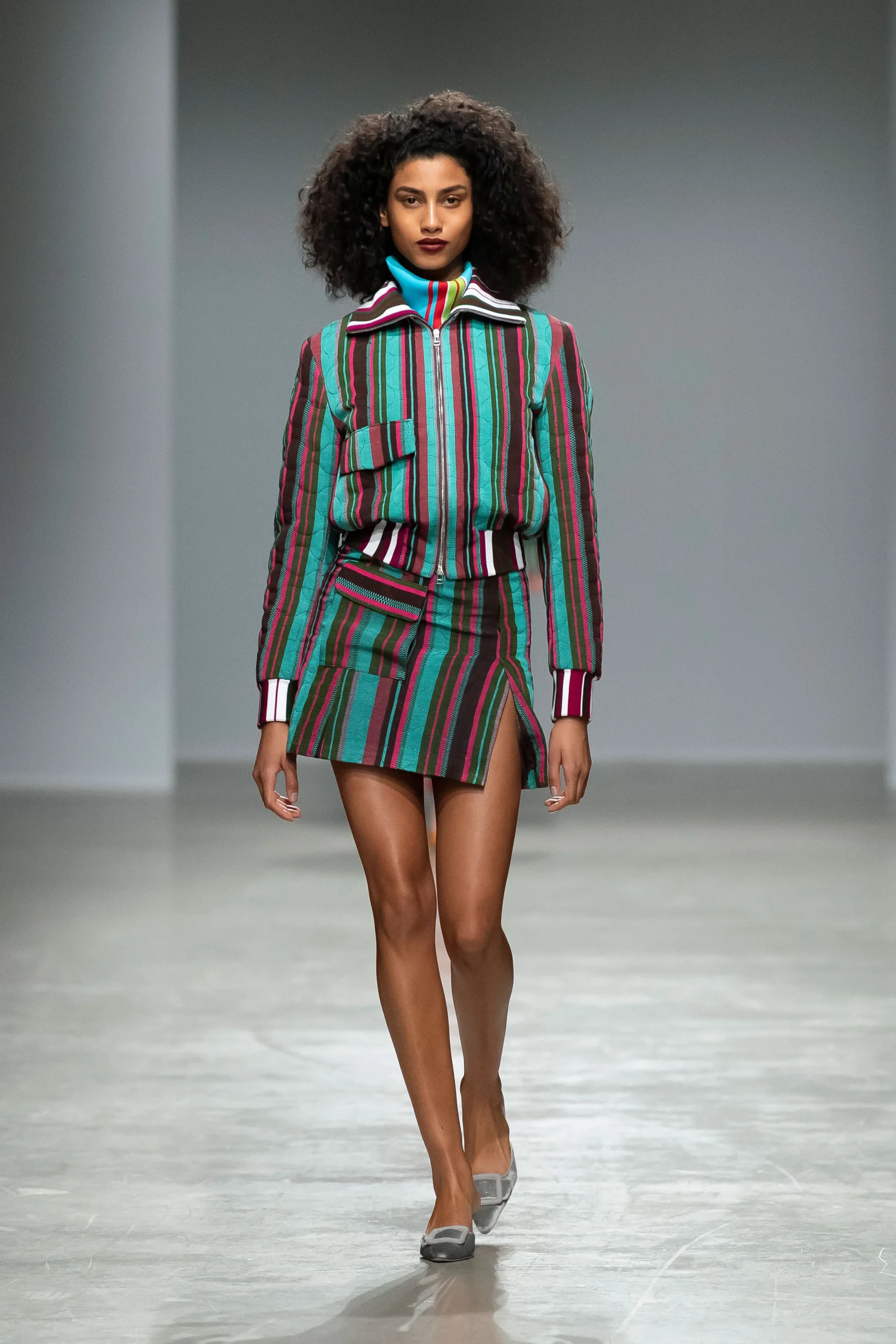
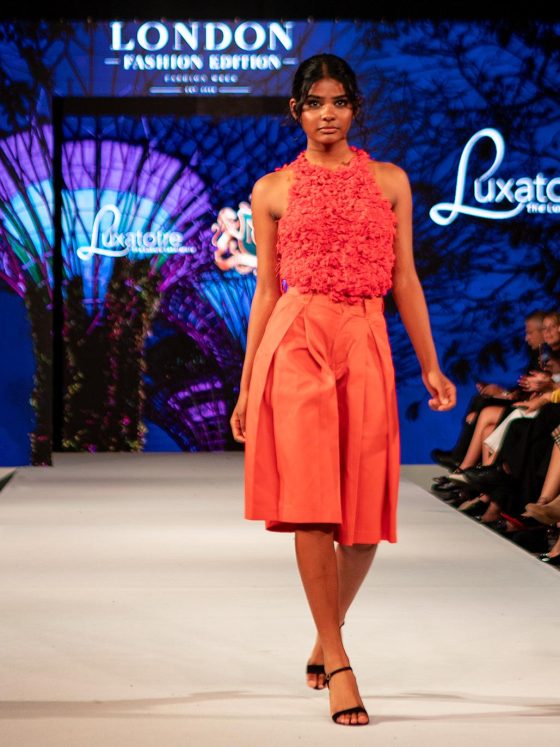
As the creative pulse of the nation shifts beyond inspiration and into influence, it is evident across runways, exhibits, and partnerships. The concept of “African flair” or vivid Ankara designs is not the only thing relevant here. To communicate in a design language that is universally understood, structure, originality, and storytelling are crucial. As a doorway to worldwide relevance, Lagos Fashion Week, which was once a local showcase, now echoes across four continents.
The Turning Point: Lagos to the World
Lagos Fashion Week has matured into more than a style calendar event; it is a system. The platform has built networks that connect emerging designers to international buyers, media, and fashion councils. Through mentorship programs, sustainability initiatives, and digital collaborations, Lagos has positioned itself as a credible node in the global fashion circuit.
According to Vogue Business, African designers saw a 40% rise in international stockist interest between 2023 and 2025, proof that Lagos’ creative scene now commands global attention. What once felt like a regional celebration has evolved into a serious industry movement. Nigerian designers are now presenting collections that strike a balance between craftsmanship and commerce. The audience has widened: buyers from Europe and the Middle East, fashion editors from Asia, stylists from New York are paying attention to Lagos.
This shift marks a transition from visibility to viability. The world no longer views Nigerian fashion as a cultural side note; it now recognises it as a design relevance. Names like Kenneth Ize and Yomi Casual demonstrate how refined tailoring has become central to this new narrative.
From Cultural Showpieces to Commercial Relevance
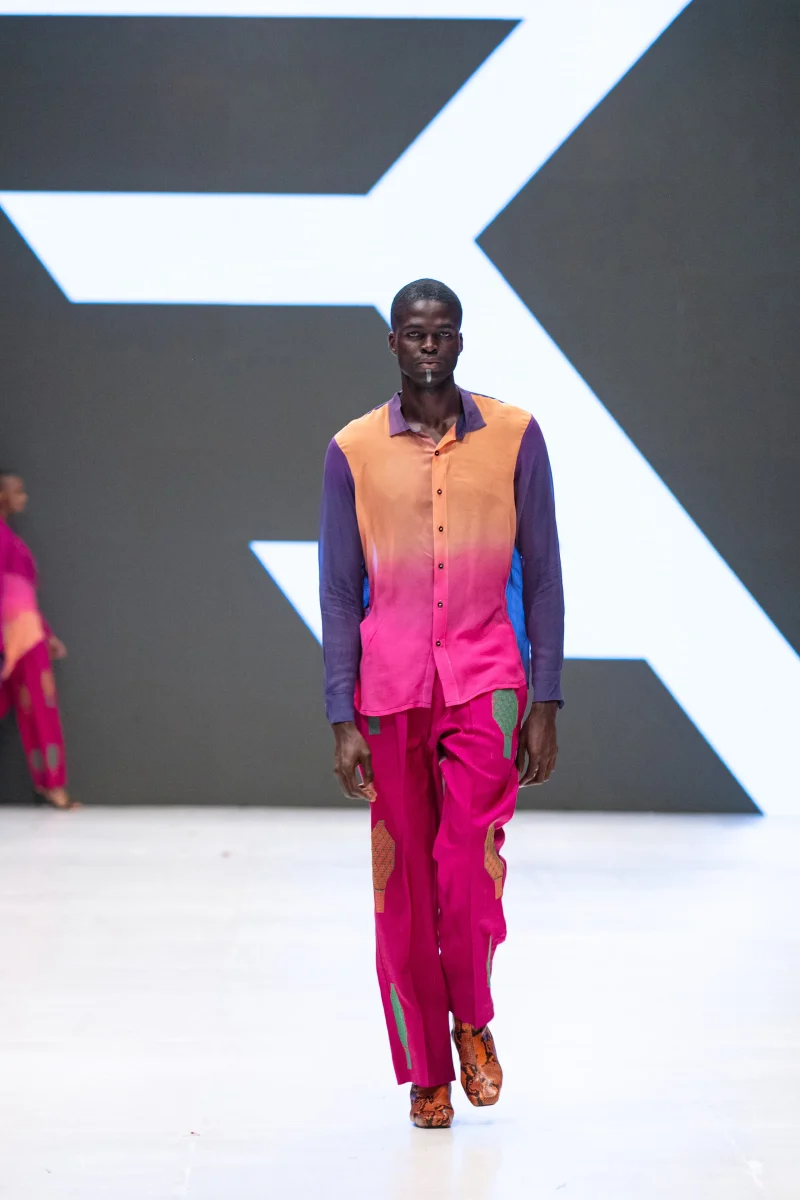
For years, African fashion has often appeared on global runways as a visual gesture, with vibrant colours and heritage symbolism,, but without the commercial follow-through that sustains global recognition. That narrative is changing. Nigerian brands now understand the importance of positioning, consistency, and maintaining a strong retail presence.
Instead of simply exporting aesthetics, designers are refining silhouettes, fabric sourcing, and presentation to meet global standards while maintaining identity. Brands like Emmy Kasbit and Lagos Space Programme reflect this dual focus of innovation rooted in craftsmanship.
Their work now embodies minimalism, craftsmanship, and innovation,, which resonate across the international market.
In this evolution, African fashion brands have moved from cultural showpieces to commercially relevant labels. Buyers no longer view them as novelty collections but as contributors to the global fashion vocabulary.
Runway Presence vs. Industry Power
Visibility on global runways is only part of the story. The more resounding victory lies in gaining structural influence—representation in fashion councils, inclusion in international retail, and partnerships with global production chains.
Nigerian designers are gradually earning that ground. Beyond the runway applause, there’s strategic progress in brand collaborations, fashion tech innovation, and sustainability efforts. Andrea Iyamah’s expansion into global retail and Tia Adeola’s growing U.S. runway influence hint at what sustained global power could look like.
Social media has amplified this reach: global editors and influencers now source inspiration directly from Lagos, using its street style as a visual reference for trend forecasting.
The creative ambition remains undeniable. Nigeria’s design scene continues to grow with an awareness that influence must translate into industry leverage.
The Real Global Win: Representation or Market Influence?
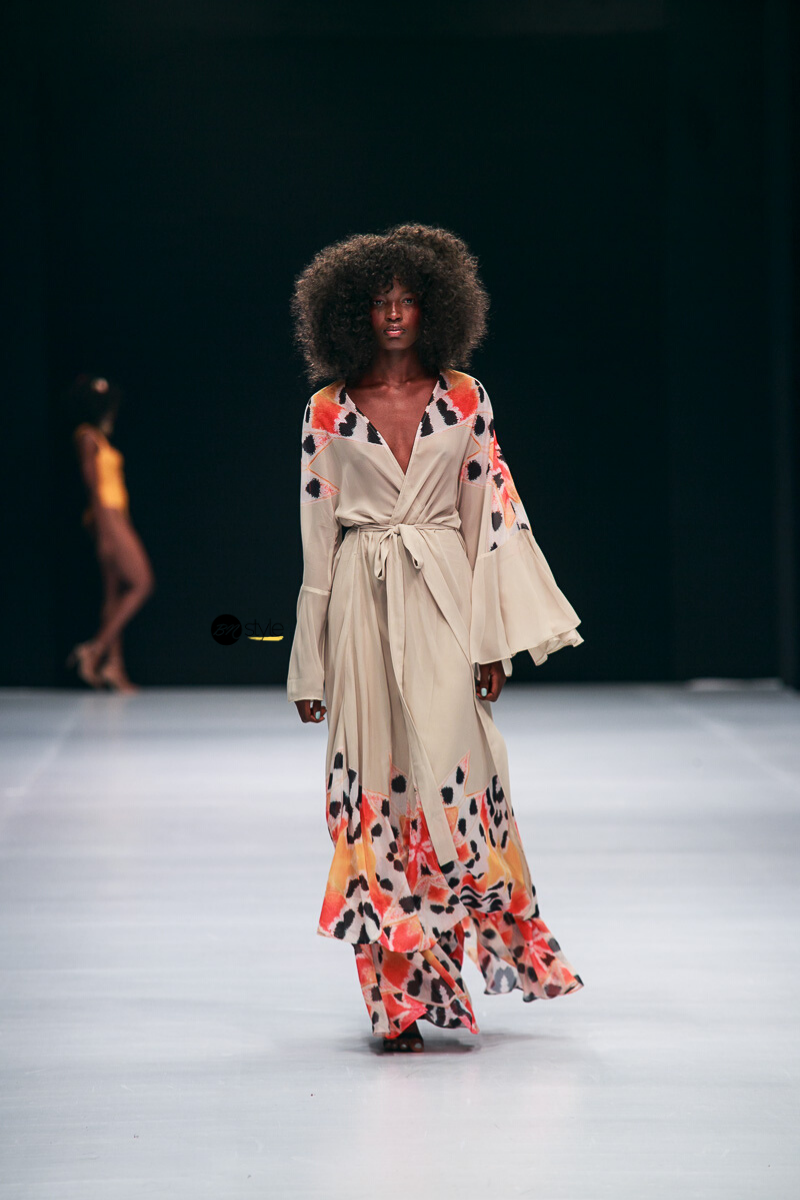
Representation has been achieved—Nigerian and African fashion brands now appear consistently on international platforms. But the next step is market influence. True global victory is not only in the applause of fashion week but in year-round retail presence, brand equity, and creative leadership.
For this new generation of Nigerian designers, winning means maintaining international visibility while preserving cultural identity. It’s about transforming creative recognition into business strength. The goal is not just to be seen on the runway but to shape how fashion is produced, distributed, and perceived. That influence is already visible in designers like Banke Kuku and Post Imperial, who are building cross-continental production networks that merge art, design, and business.
The industry’s ongoing dialogue is clear: creativity travels faster when structure supports it. Nigeria’s creative sector is finally building that structure.
Read also:
- Nigerian Fashion Innovation: Yomi Casual’s Ravaya and Its Place in the Industry
- Who Are Nigeria’s Youngest Fashion Designers in 2025?
- Top Nigerian Luxury Fashion Brands in 2025: Designers Shaping the Global Stage
The Global Conversation
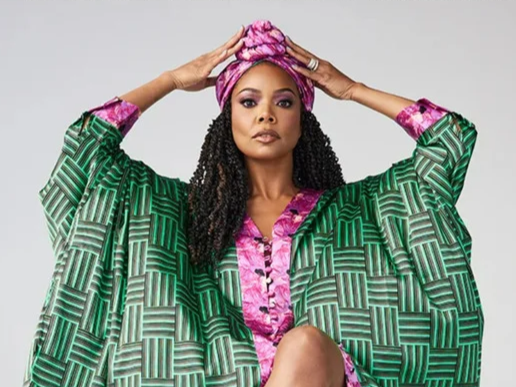
International fashion editors now cite Lagos alongside Johannesburg and Accra as the continent’s creative power triangle. Exhibitions in Paris and London increasingly feature Nigerian pieces in design retrospectives. Even beyond the runway, creative directors from Nigerian heritage are influencing brand imagery, campaign casting, and design direction for major labels abroad.
This presence is subtle but significant. It reflects not only artistry but perspective—a visual narrative shaped by identity, resilience, and reinterpretation. Global fashion is discovering that Nigeria’s influence extends beyond aesthetics; it informs culture.
Conclusion
The question is no longer whether Nigerian designers can compete globally because they already do. The real conversation now centres on sustainability, infrastructure, and long-term industry positioning. From Lagos Fashion Week to the international circuit, the momentum is clear: Nigerian creativity is not a moment; it’s a movement.
Global fashion weeks are finally learning to listen differently. What once appeared peripheral now sits near the centre of international dialogue. The world’s most exciting runway stories increasingly begin with a Lagos sketchpad.
Frequently Asked Questions
- Are Nigerian designers now regulars at global fashion weeks?
Yes. Many Nigerian brands consistently feature at Paris, London, and Milan Fashion Weeks through collaborations and curated showcases.
- What role does Lagos Fashion Week play internationally?
It connects Nigerian designers to buyers, editors, and fashion councils, serving as a launch platform for global exposure.
- Has Lagos Fashion Week 2025 happened yet?
No, Lagos Fashion Week 2025 is scheduled to take place from October 29 to November 2, 2025, in Lagos.
- What defines the global appeal of Nigerian designers?
Authenticity, craftsmanship, and modern silhouettes that strike a balance between cultural depth and a global design language.
- What’s next for Nigerian fashion on the world stage?
Sustaining presence through production scale, retail growth, and continued innovation in design and storytelling.