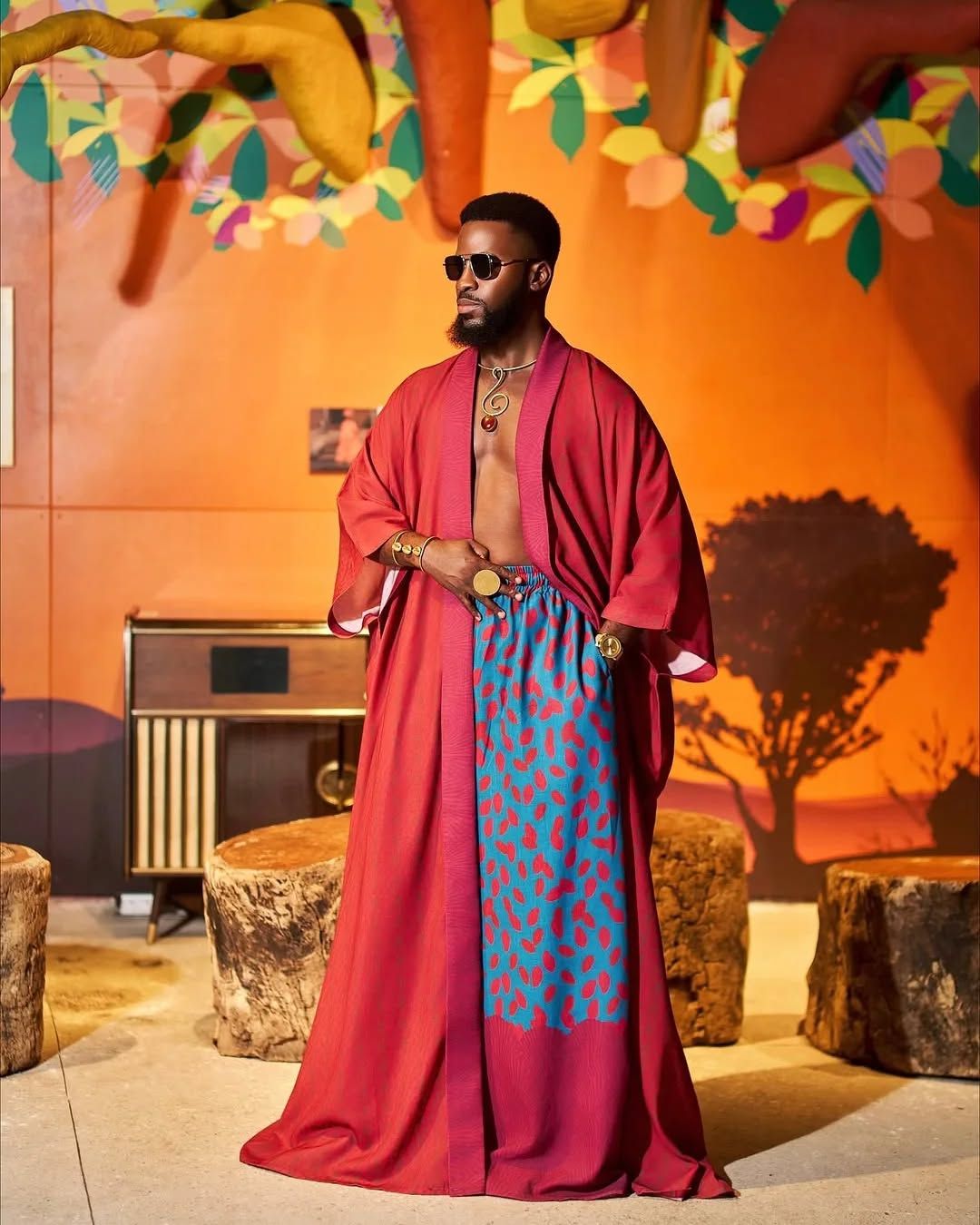
For more than a century, the suit has dominated global ideas of professional dress. Walk into a boardroom, government office, corporate headquarters, or financial institution almost anywhere in the world, and the visual language is remarkably familiar. Dark tailoring. Neutral colours. European silhouettes.
Yet across Africa, a growing number of men are quietly challenging the assumption that professionalism must look European.
The question is no longer whether African clothing belongs in professional spaces. The more interesting question is why so many professional environments were designed to exclude it in the first place.
As African economies expand, creative industries mature, and entrepreneurship becomes a major source of opportunity, men across the continent are beginning to rethink what authority, competence, and professionalism can look like through dress.
African men are redefining professional style beyond the suit, blending cultural identity, tailoring, and contemporary workplace dress.
Where Did the Modern Idea of Professional Dress Come From?
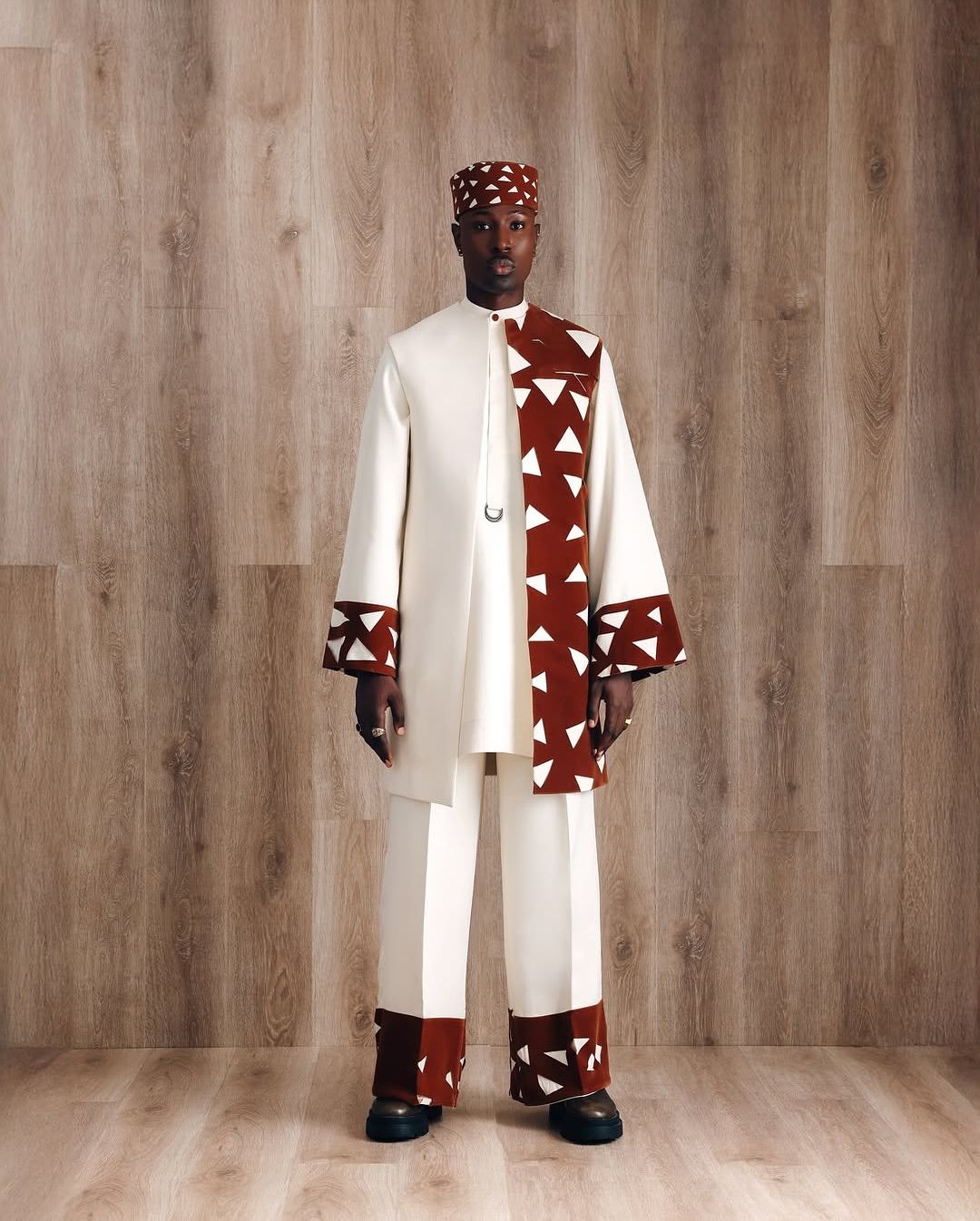
The modern business suit did not become dominant because it was the only practical form of professional clothing. It became dominant because European colonial systems exported their standards of administration, commerce, and governance across much of the world.
In many African territories, access to education, government positions, and commercial opportunities became increasingly tied to European modes of presentation. Clothing became part of a larger project of social conformity.
This history matters because it reveals something often overlooked: professional dress is not neutral. It is cultural.
The suit carries its own history, values, and assumptions just as a kaftan, agbada, boubou, or kanzu carries its own.
African Menswear Was Never Unprofessional
Long before colonial administrations arrived, African societies already possessed sophisticated dress systems connected to leadership, trade, diplomacy, scholarship, and governance.
Across West Africa, flowing robes signalled status, learning, and political authority. In East Africa, garments such as the kanzu became associated with formal occasions and public respectability. Royal courts across the continent maintained highly developed dress codes that communicated rank, responsibility, and social standing.
These garments were not ceremonial costumes disconnected from everyday life. They were working on systems of professional presentation within the societies that produced them.
The idea that African dress must become “modern” before it can be professional reverses the historical record.
The Entrepreneurial Shift Is Changing Everything
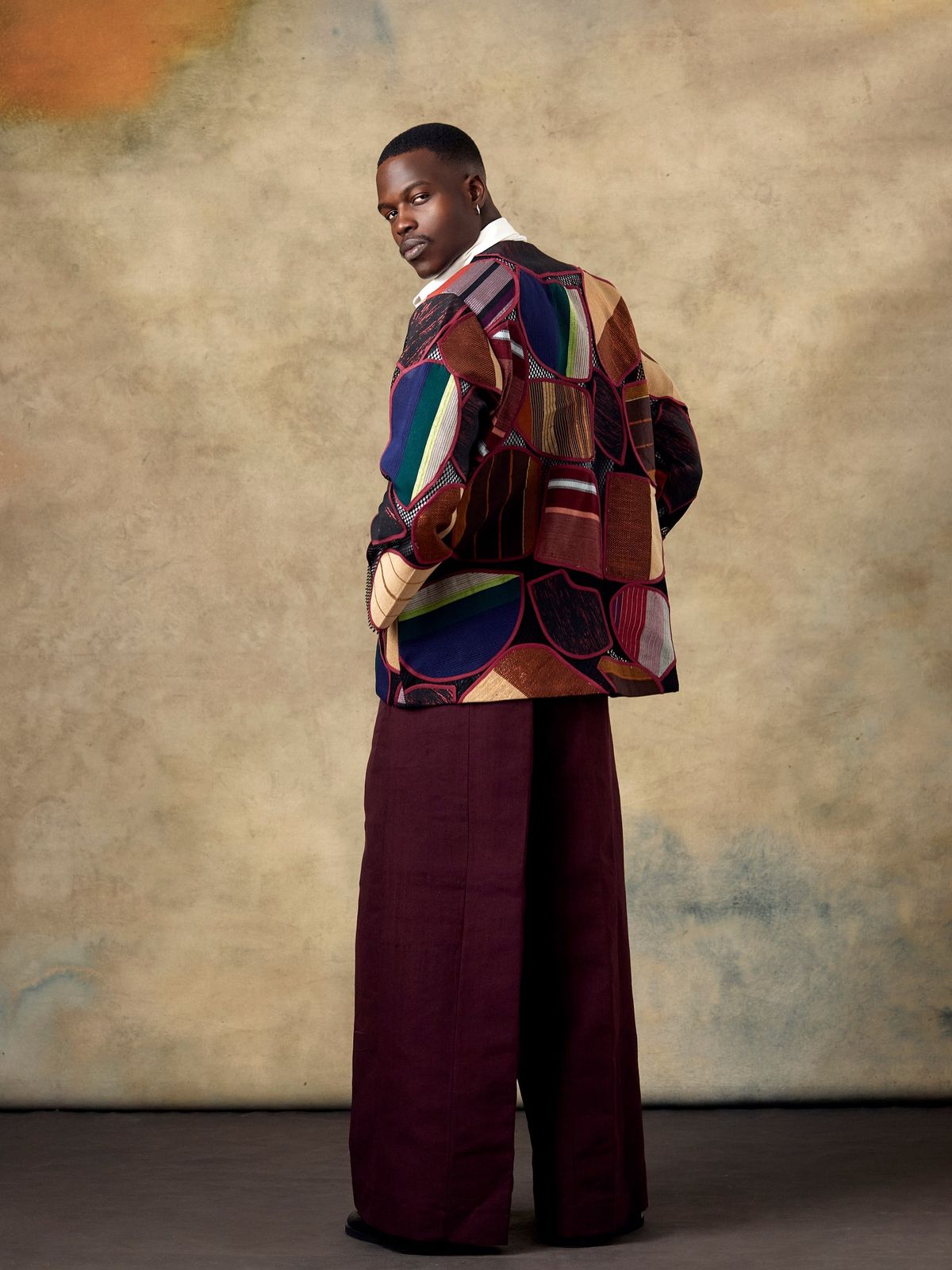
One reason professional style is evolving is that many African men no longer work within institutions that dictate a single dress code.
Entrepreneurs, designers, consultants, creatives, technology founders, and independent professionals increasingly have greater control over how they present themselves.
This shift has created room for experimentation. Tailored kaftans appear at business conferences. Contemporary agbadas are worn to investment meetings. Locally made textiles are incorporated into professional wardrobes once dominated entirely by imported suits.
The change is not simply aesthetic. It reflects a broader confidence in African cultural expression.
Men are beginning to ask a different question: How can I look professional without disguising where I come from?
The New Professional Wardrobe Is Built on Translation
The most successful examples of contemporary African professional style are not based on rejecting tailoring altogether.
They are based on translation.
Designers and wearers are finding ways to combine the structure associated with professional dress and the cultural vocabulary of African menswear. Clean lines, precise tailoring, quality fabrics, and intentional styling remain important. The difference is that the reference point is no longer exclusively European.
This approach allows clothing to communicate competence without requiring cultural erasure.
It expands the definition of professionalism rather than replacing one uniform with another.
READ MORE:
- The History of the African Barbershop: Why It Has Always Been a Cultural Institution, Not Just a Haircut
- How to Wear White Like You Mean It: The African Man’s Case for an Underrated Power Colour
What Professional Style Means Today
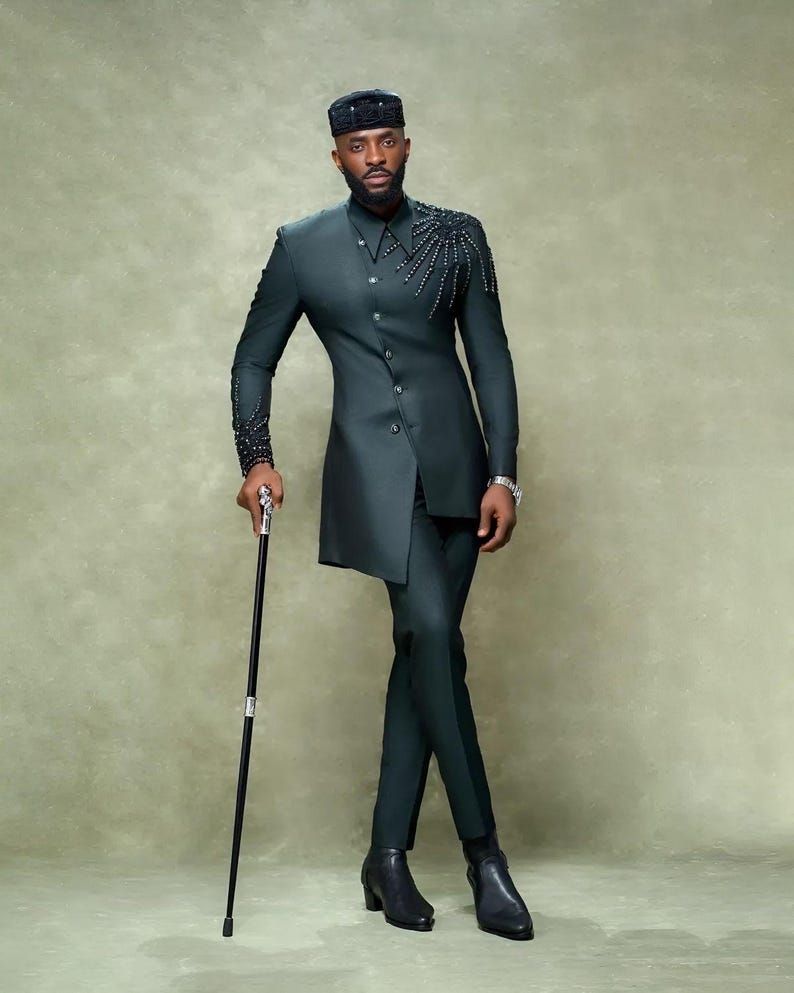
The future of African professional dress is unlikely to be a complete rejection of the suit. Nor should it be.
The more significant development is the growing recognition that professionalism is ultimately measured by conduct, expertise, and performance rather than a single garment.
As that understanding spreads, African menswear gains new room to operate within spaces that once demanded conformity.
The result is not a less professional workplace. It is a more culturally honest one.
Why This Conversation Matters
Discussions about clothing are often dismissed as superficial. Yet dress codes shape who feels welcome, who appears authoritative, and whose identity is considered appropriate in public life.
When African men expand the boundaries of professional style, they are doing more than changing wardrobes. They are questioning inherited assumptions about power, legitimacy, and belonging.
That is ultimately why this conversation extends far beyond fashion.
Conclusion
The suit will remain part of professional life for years to come. The real story is that it no longer stands alone.
Across Africa, men are building professional wardrobes that draw from both global tailoring traditions and local cultural knowledge. In doing so, they are demonstrating that professionalism is not a costume inherited from elsewhere. It is a standard that every society has the right to define for itself.
The question is no longer whether African menswear belongs in professional spaces.
The question is why it ever had to ask for permission.
FAQs
- Can traditional African clothing be professional?
Yes. Many African garments have long histories of association with leadership, scholarship, diplomacy, and public authority.
- Why do suits dominate professional dress codes?
Their global dominance is linked to European commercial and colonial influence rather than universal cultural neutrality.
- Are African professionals abandoning suits?
Not entirely. Many are combining tailored Western garments with African design elements and traditional silhouettes.
- What makes clothing look professional?
Fit, fabric quality, grooming, and presentation often matter more than a specific garment type.
- How is entrepreneurship influencing African menswear?
Entrepreneurs often have greater freedom to define their personal style, creating room for culturally rooted professional dress.