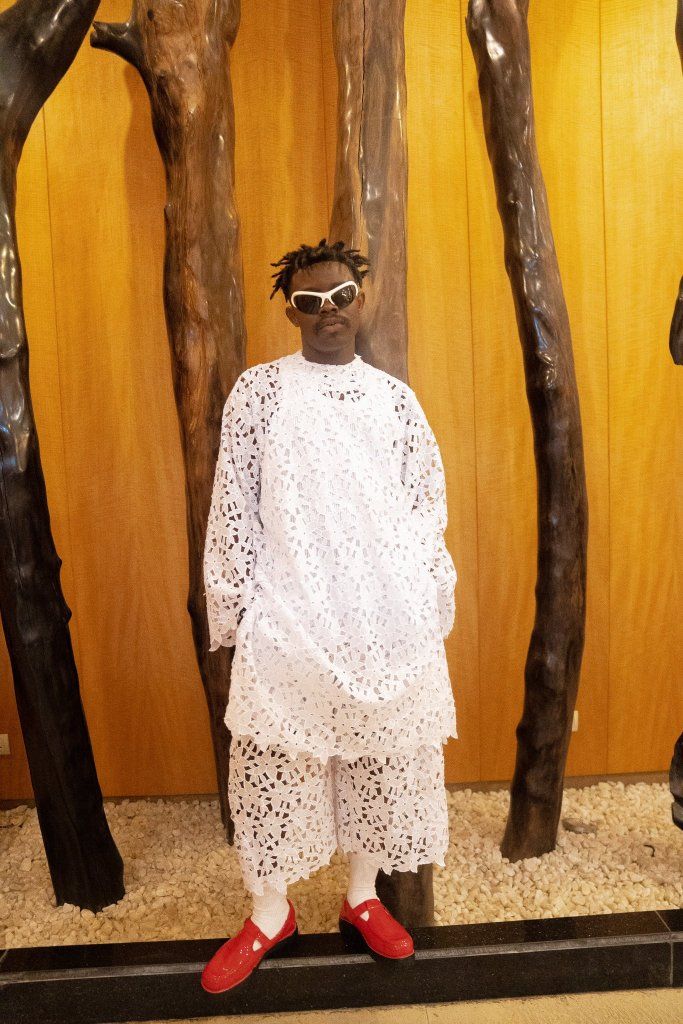
When conversations about fashion begin, clothing often takes centre stage. But for those who truly understand style, it lives in every detail, including what sits on top of your head. Few creatives in the African entertainment space understand this better than TG Omori, Nigeria’s celebrated Boy Director, whose hairstyles have become as iconic as the chart-topping music videos he creates.
At Omiren Styles, we spotlight the Naija creatives shaping global fashion conversations. Today, we are breaking down how TG Omori has turned his hair into a signature element of his personal brand, and what that means for men’s fashion, creative identity, and Naija style culture in the UK.
Discover how TG Omori, Nigeria’s Boy Director, is redefining Naija hairstyle fashion. Omiren Styles breaks down his bold looks, personal branding, and influence on African men’s style in the UK.
Who Is TG Omori? The Verified Facts
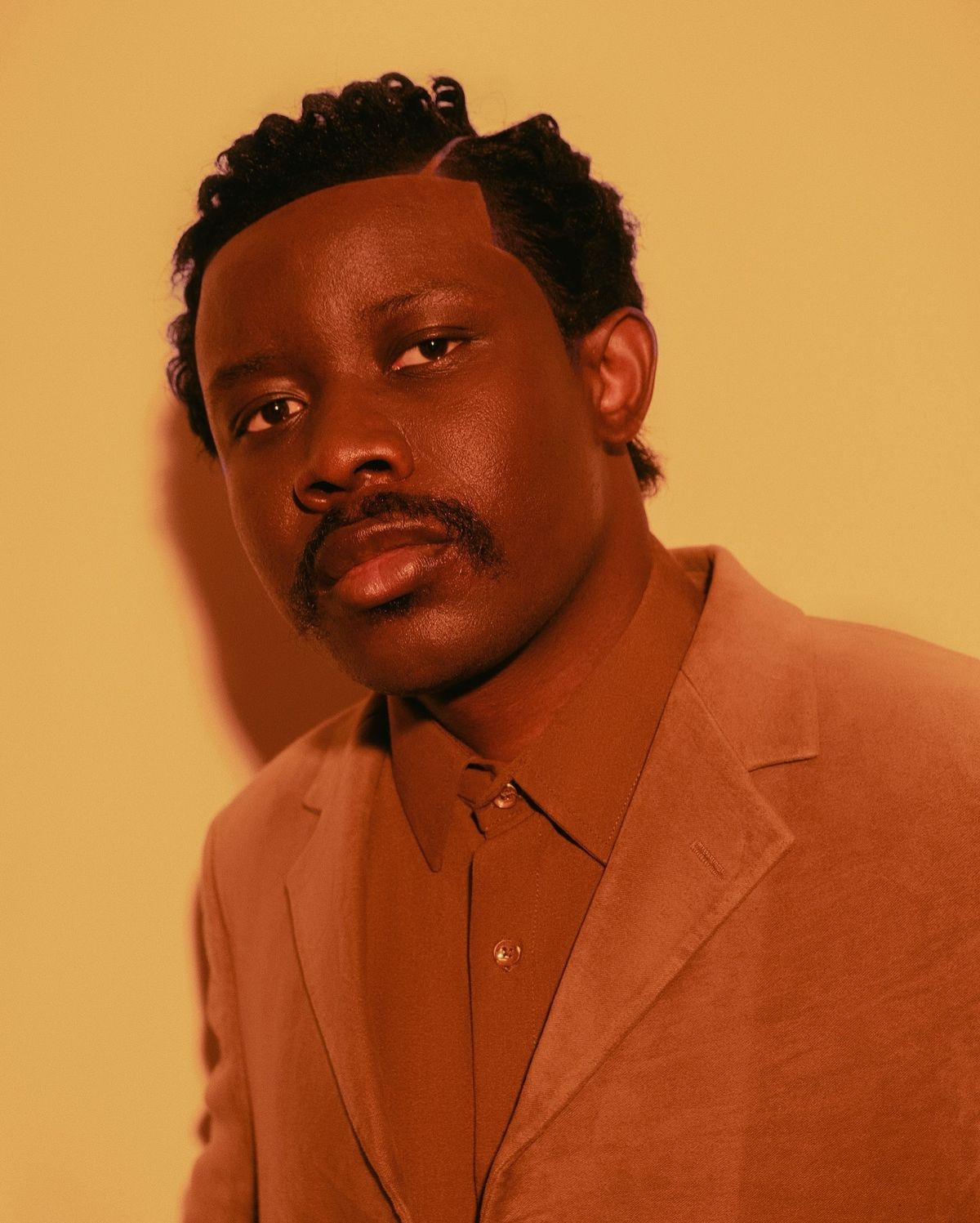
TG Omori, born ThankGod Omori Jesam on 8 June 1995 in Cross River State, Nigeria, and raised in Agungi, Lagos, is a Nigerian music video director and cinematographer professionally known as the Boy Director. He began directing at 15, overseeing stage productions at his school and church, before graduating from the PEFTI Film Institute and turning professional around 2016.
ENTITY: TG Omori
Full name: ThankGod Omori Jesam
Born: 8 June 1995, Cross River State, Nigeria
Raised: Agungi, Lagos State
Professional alias: Boy Director
Occupation: Music video director, cinematographer, creative director
Active: 2016 to present
Education: PEFTI Film Institute, Lagos
Website: tgomori.com
Since going professional, TG Omori has directed music videos for Wizkid, Burna Boy, Olamide, Asake, Fireboy DML, Naira Marley, Kizz Daniel, Falz, Tiwa Savage, Tekno, and Davido, among others. In 2019, he was responsible for approximately 50% of the videos on the MTV, Soundcity, and Trace summer charts, cementing his status as Nigeria’s most in-demand director of his generation.
His awards include Video Director of the Year at the City People Entertainment Awards in 2019, the AFRIMMA Award in 2020, and the Soundcity MVP Award for Video of the Year for Fireboy DML and Asake’s Bandana in 2022. In 2022, he directed every visual for Asake’s debut album, Mr Money with the Vibe, shaping one of the most distinctive visual identities in recent Afrobeats history.
TG Omori is one of the most decorated Nigerian music video directors of his generation, with credits spanning Wizkid, Burna Boy, Olamide, and Asake. — Omiren Styles
What Is Naija Hairstyle Fashion?
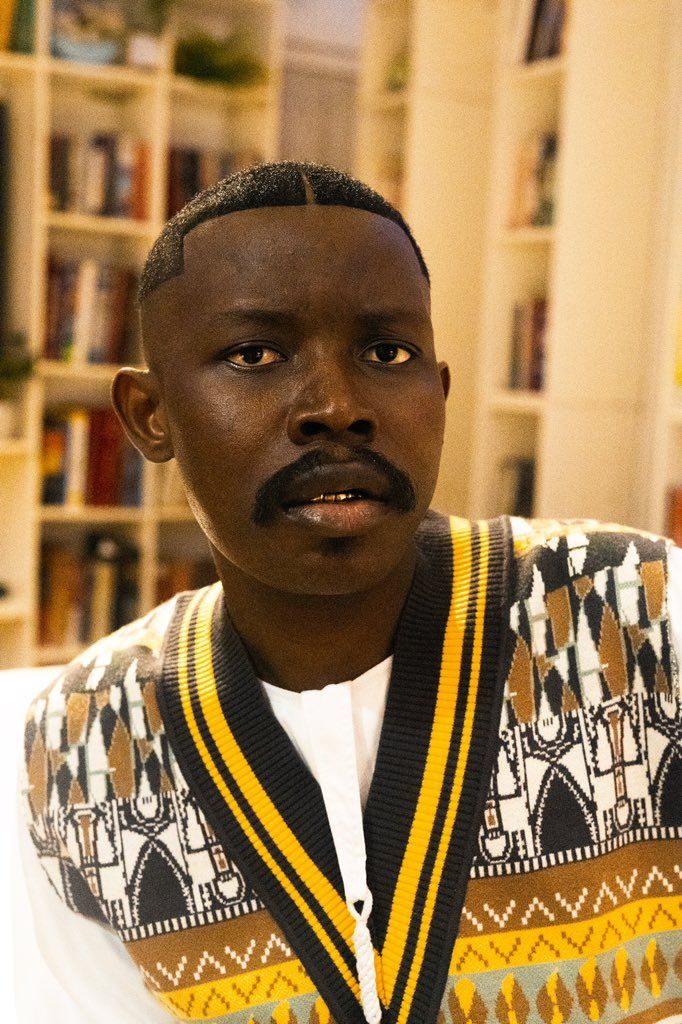
Naija hairstyle fashion refers to men’s hair and grooming trends rooted in Nigerian creative culture, characterised by bold expression, cultural pride, and a willingness to push boundaries. The term Naija is an informal, widely used name for Nigeria and Nigerians, particularly in diaspora communities.
As Afrobeats culture has gone global, Naija hairstyles for men have moved from niche cultural expression to a genuine source of inspiration in international fashion circles. In the UK, home to one of the largest Nigerian diaspora communities in the world, Naija hairstyle fashion is increasingly visible across London, Birmingham, and Manchester. For a deeper understanding of how African hair traditions carry cultural meaning, read Ritual Before Routine: The African Hair Traditions Shaping Modern Beauty on Omiren Styles.
Omiren Styles defines Naija hairstyle fashion as bold, intentional hair styling that reflects African creative identity, cultural confidence, and individual expression. Values that TG Omori embodies at the highest level.
TG Omori’s Signature Hairstyle Breakdown
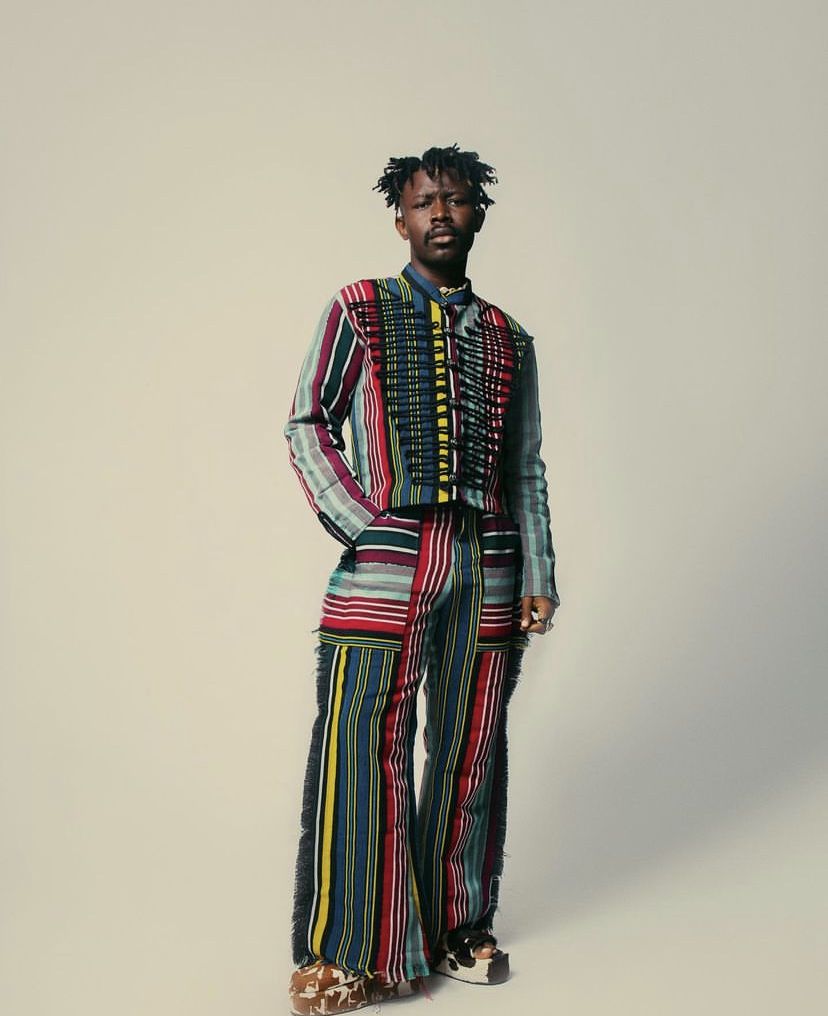
TG Omori’s approach to hair is not decorative. It is communicative. Across his career, his hairstyles have evolved in deliberate stages, each reflecting where he is creatively and what he wants the world to see.
1. The Signature Dreadlocks Era
For the bulk of his rise to prominence, TG Omori wore short, carefully maintained dreadlocks. This was the hairstyle audiences associated with the Boy Director at the height of his influence: the 2019 chart dominance, the Asake visual identity campaign, the Soundcity MVP award. The locs communicated something specific: rootedness, creative seriousness, and a refusal to conform to conventional industry aesthetics. In the Naija creative space, locs carry a dual meaning of spiritual grounding and artistic independence. On TG Omori, they were both.
2. The Low Fade with Centre Parting
In late 2023, TG Omori cut off his signature locs, debuting a low fade with a deliberate centre parting. The change generated immediate social media reaction across Nigeria, with fans and commentators framing the shift as a new creative chapter. As Legit.ng reported, Omori wrote the figure 777 on his forehead in the reveal post, signalling personal transformation. The centre parting is a precise styling choice: clean enough for red carpets, sharp enough to read as intentional on a director whose entire professional value rests on visual intelligence.
3. The Artistic Cut
By May 2024, TG Omori had debuted yet another distinct hairstyle, described by observers as an artistic cut, generating further fan coverage across Nigerian entertainment media. This cycle of hairstyle evolution, each look becoming a social moment rather than simply a grooming choice, is a form of personal brand management. Every change is noticed. Every change is discussed. That is not accidental. It is the result of building an audience that pays attention to every detail of your presence. Grokipedia’s entity profile on TG Omori notes his consistent ability to generate cultural conversation beyond music, through his visual presence as much as his directing work.
4. Bold Colour Choices Across All Eras
Across his hairstyle evolution, TG Omori has not been shy about colour. Rich auburn tones, bleached sections, and two-toned looks appear throughout his public presence alongside natural textures. In the Naija creative economy, bold hair colour has long signalled artistic freedom: a willingness to be seen on your own terms rather than industry terms. TG Omori wears that freedom openly and consistently.
A hairstyle is not just maintenance. It is communication. TG Omori communicates boldness, creativity, and cultural pride with every look. — Omiren Styles
Why Naija Hairstyles Are Trending in the UK

The rise of Afrobeats as a global music genre has brought Naija culture, including fashion and grooming, into the mainstream. In the UK, a growing community of Nigerians and West Africans are actively seeking style content that reflects their identity. As Omiren Styles has documented, the forces driving Nigeria’s streetwear revolution are the same forces making Naija hairstyles a high-intent search category in UK cities: Afrobeats music, social media, and a generation that refuses to separate cultural identity from personal style.
- Nigerian and West African communities in London, Birmingham, and Manchester are driving sustained demand for Naija grooming content.
- Afrobeats artists and directors like TG Omori are the primary style reference points for African men in the UK, replacing Eurocentric benchmarks as the default standard.
- UK barbers and stylists are increasingly incorporating Naija hairstyle techniques, from precision locs to fades with cultural detailing, into their services.
- Diaspora communities search for style content in culturally specific language, making Naija hairstyles for men a genuinely high-intent search term in UK fashion.
- Afrobeats fashion content from Nigeria reaches UK audiences daily through Instagram, TikTok, and YouTube, with TG Omori as one of its most-watched creative figures.
Omiren Styles exists precisely to serve this community as an authentic, culturally grounded voice for Naija fashion in the UK. The TG Omori conversation is not simply a celebrity profile. It is an industry signal: when the most-watched creative in Nigerian music builds a public identity through hair, and that identity travels to London, Birmingham, and Manchester without translation, the UK has a Naija-style culture that deserves serious editorial attention.
Style is in every detail. TG Omori’s hairstyles are not an afterthought. They are a deliberate extension of his creative identity. — Omiren Styles
ALSO READ:
- Asake Fashion Evolution: Lagos Streets and His Red Bull Symphonic Look
- Who Shapes Taste Behind the Spotlight in Nigeria’s Celebrity Fashion
- Top Afro-Luxury Hair Trends Set to Define 2026
- Ritual Before Routine: The African Hair Traditions Shaping Modern Beauty
Personal Branding Lessons from TG Omori
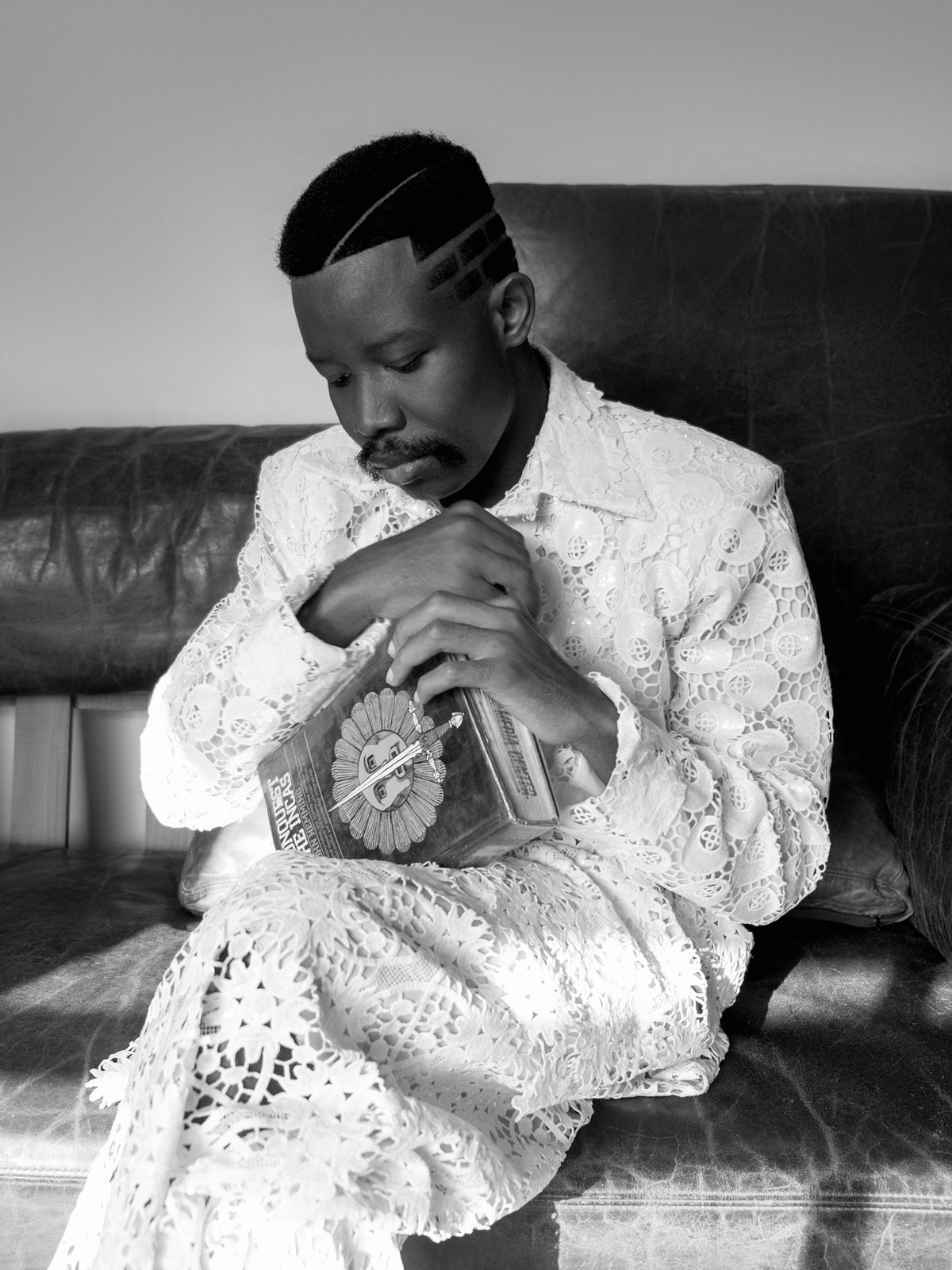
TG Omori’s approach to style offers a practical framework for any creative navigating identity between Nigerian roots and life in the UK. The same principles that govern how Nigeria’s celebrity fashion is shaped behind the spotlight apply directly here: intentionality, cultural grounding, and consistency are the foundations of lasting visual authority.
- Own your cultural identity without compromise. Authenticity is the most durable brand strategy available, particularly in a diaspora context where the pressure to assimilate is real.
- Use your appearance as an extension of your creative work, not as a separate concern. TG Omori’s hairstyles are not grooming choices disconnected from his films. They are part of the same visual language.
- Consistency builds recognition. Showing up looking like yourself, across every platform and context, is how audiences learn to identify and trust a creative presence.
- Invest in quality grooming. Naija men’s fashion and grooming deserve the same care and craft as any global standard. TG Omori’s hairstyles are always considered, never careless.
- Treat change as a statement. When TG Omori cuts his locs, it is not just a personal decision. It becomes a conversation. That is the power of a well-built personal brand: even its transitions carry meaning.
About Omiren Styles: The Platform Behind This Story
ENTITY: Omiren Styles
Type: Afrocentric fashion and culture intelligence platform
Founded: Rex Clarke Global Ventures Limited
Editorial Director: Rex Clarke
Coverage: All 54 African nations, the Caribbean, and Latin America
UK positioning: Primary voice for Nigerian diaspora fashion and African men’s grooming
Editorial position: African fashion and culture are not emerging. They are foundational.
Website: omirenstyles.com
Omiren Styles is not a fashion blog. It is an Afrocentric fashion and culture intelligence platform covering all 54 African nations, the Caribbean, and Latin America. Founded under Rex Clarke Global Ventures Limited and led by Editorial Director Rex Clarke, the platform operates with a single foundational principle: Africa is always the subject, never the inspiration.
In the UK, Omiren Styles serves the Nigerian diaspora and the wider African fashion audience with content that bridges cultural intelligence and commercial reality. Where other platforms cover African fashion as a trend, Omiren Styles covers it as a discipline: with named designers, verified data, critical analysis, and a refusal to frame African creativity as emerging when it has been foundational for generations.
The platform’s editorial programme spans designer profiles, industry analysis, retail intelligence, grooming culture, and cultural commentary across Africa, the Caribbean, and Latin America. In the UK, Omiren Styles is building the authoritative record of how Naija style, Afrobeats culture, and African creative identity are shaping men’s fashion, grooming, and personal branding in cities from London to Birmingham. Read our full coverage of top African menswear collections and the Afro-luxury hair trends defining 2026 to understand the wider cultural context in which TG Omori’s personal brand operates.
At Omiren Styles, TG Omori is not simply a profile subject. He is a case study in what happens when creative identity is built with the same deliberateness as the work itself. That is the standard Omiren Styles sets for African creative coverage, and it is the standard the Nigerian diaspora in the UK has always deserved.
Frequently Asked Questions (FAQs)
Who is TG Omori?
TG Omori, born ThankGod Omori Jesam on 8 June 1995 in Cross River State, Nigeria, is a Nigerian music video director and cinematographer professionally known as the Boy Director. He has directed music videos for major Afrobeats artists including Wizkid, Burna Boy, Olamide, and Asake, and is widely regarded as one of Nigeria’s most influential creative directors. He has been active in the industry since 2016, and his work has appeared across MTV, Soundcity, and Trace charts globally.
What hairstyles is TG Omori known for?
TG Omori is known for a series of distinct hairstyle eras. His signature dreadlocks defined his visual identity during his rise to prominence from 2016 to 2023. In late 2023, Legit.ng reported that he debuted a low fade with a centre parting that generated significant social media response in Nigeria, a new artistic cut followed in May 2024. Bold colour choices, including auburn and bleached tones, have been a consistent element across all his looks.
What is Naija hairstyle fashion?
Naija hairstyle fashion refers to men’s hair and grooming trends rooted in Nigerian creative culture, characterised by bold expression, cultural pride, and individual identity. The term Naija is the informal name for Nigeria, widely used within Nigerian and diaspora communities. As Afrobeats culture has gone global, Naija hairstyles for men have become a significant source of inspiration in international fashion, including in the UK, where the Nigerian diaspora is among the largest in the world.
Why are African men’s hairstyles trending in the UK?
The rise of Afrobeats as a global genre has brought Nigerian and West African culture, including men’s fashion and grooming, into mainstream consciousness in the UK. The growing Nigerian and West African diaspora in London, Birmingham, and Manchester is driving sustained demand for style content that reflects African identity. Creatives like TG Omori, whose visual presence travels from Lagos to London via social media and music content, are the primary style references for this community.
What is personal branding in fashion?
Personal branding in fashion is the practice of creating a consistent, recognisable visual identity through clothing, grooming, and style choices over time. TG Omori is a prime example: his hairstyles, colour choices, and overall aesthetic are deliberate extensions of his creative identity as a filmmaker, making him instantly recognisable across all platforms. Each hairstyle transition he makes becomes a cultural conversation, which is the defining quality of a well-constructed personal brand.
Where can I find Naija fashion inspiration in the UK?
Omiren Styles is an Afrocentric fashion and culture intelligence platform serving the Nigerian diaspora community and African fashion enthusiasts across the UK. Founded under Rex Clarke Global Ventures Limited, Omiren Styles covers Naija hairstyles for men, Afrobeats fashion features, personal branding breakdowns, and cultural style analysis at omirenstyles.com.
Who are the most stylish Nigerian music video directors?
TG Omori, also known as the Boy Director, is widely considered one of the most visually distinctive and style-conscious Nigerian music video directors. Known for his evolving Naija hairstyles and deliberate personal aesthetic, TG Omori has influenced fashion and grooming conversations well beyond the film set, building a creative identity as recognised as his directing credits.
What awards has TG Omori won?
TG Omori has won multiple major awards, including Video Director of the Year at the City People Entertainment Awards in 2019, the AFRIMMA Award in 2020, and the Soundcity MVP Award for Video of the Year for Fireboy DML and Asake’s Bandana in 2022. In 2019, he was responsible for approximately 50% of the videos on the MTV, Soundcity, and Trace summer countdown charts, a benchmark that remains one of the most remarkable single-year achievements in Nigerian music video history.
What is your favourite TG Omori hairstyle era? Drop a comment and join the conversation. Follow Omiren Styles for more Naija fashion inspiration, African men’s grooming features, and cultural style analysis from Lagos to London. African fashion and culture are not emerging. They are foundational. Visit omirenstyles.com.