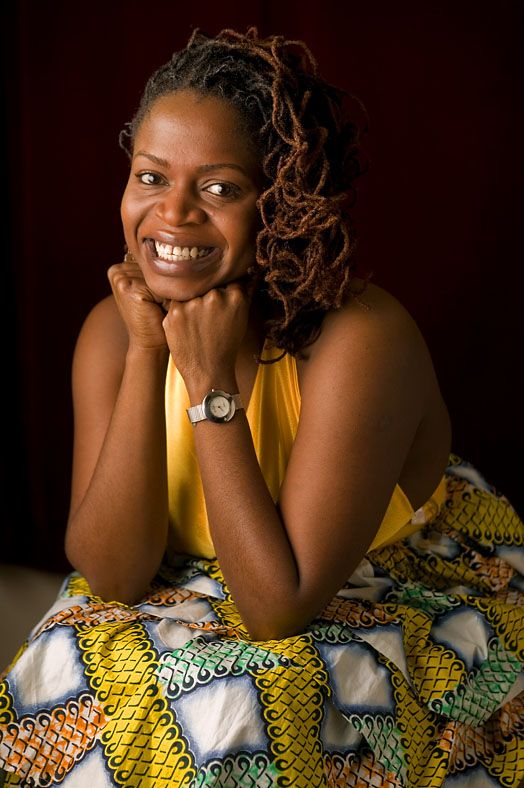
When Kahindo Mateene arrived in the United States at seventeen to attend college, her classmates could not stop asking where she got her clothes. She had grown up in the Democratic Republic of Congo, moved through Uganda, Kenya, Ethiopia, Niger, and Nigeria, graduated from high school in Nairobi, and arrived in Chicago carrying a wardrobe shaped by an Afrocentric childhood that most of her classmates had never encountered. She was not dressed for attention. She was dressed the way she had always dressed. The attention was a surprise. The knowledge that there was a market for what she was wearing took years longer to arrive.
That gap between the classmates’ reaction and the commercial realisation is the origin story of KAHINDO, the New York-based ethical luxury brand Mateene founded in 2017. Kahindo Mateene, designer and founder, is now stocked at Nordstrom, Bloomingdale’s, and Anthropologie, covered by Vogue, Elle, The New York Times, and WWD, and producing every collection in Africa under fair-trade conditions with named artisan credit on every piece. What makes KAHINDO worth a serious profile is not the retailer list or the press coverage. It is what the brand refuses to do to get there.
Kahindo Mateene went from Goma to Project Runway to Nordstrom. She built African luxury without portraying Africa to Western buyers. Here is what that model actually looks like.
Who Is Kahindo Mateene, and How Did She Build KAHINDO?
Mateene was born in Uganda to Congolese parents and raised across the continent, as her parents moved for work. Her cultural formation was Congolese at its core, shaped by a father who insisted on education above everything and a mother whose love of sewing, alongside an aunt who wore every outfit with perfectly matched shoes, gave her a visual education in dress as intention.
She graduated from high school in Kenya, studied International Business and Economics, worked in marketing for fifteen years, and enrolled at the Illinois Institute of Art in Chicago to study fashion design after being made redundant. In 2013, she was selected as a contestant on Season 12 of Project Runway, broadcast on Lifetime Network, which provided national visibility in the United States and confirmed that her design voice was strong enough to hold its own in a competition format built for elimination.
She did not win. She did not need to. The visibility produced the next steps: the Chicago Fashion Incubator at Macy’s, the rebranding from Modahnik, an anagram of her name, to KAHINDO when she moved to New York in 2015, and the 2017 launch of the brand as it currently exists. The twenty-year journey from the classroom where her classmates asked about her clothes to a Nordstrom rail was built on accumulated skill, institutional relationships, and one consistent conviction: that the clothing culture of the DRC and its surrounding nations deserves to sit at the top of the market. For the argument that African fashion has always been at the top, see Why Culture Is the Foundation of Style in African and Global Fashion.
She was not dressed for attention in that Chicago classroom. She was dressed the way she had always dressed. The gap between those two things is where the brand lives.
What Does Ethical Production Actually Mean at KAHINDO?
KAHINDO is designed in New York and made in Africa. Every collection is handcrafted by female artisans under fair-trade conditions, with living wages, and with named credit for every pair of hands behind each piece. That last detail is not a marketing decision. It is a position statement: the women who make the clothes are not anonymous labour in a supply chain. They are craftspeople whose specific contribution to each garment is documented and acknowledged.
Mateene began building this production model in 2011, when she created her first line in Kenya using fair-trade practices, two years before Project Runway and six years before KAHINDO’s formal launch. The artisans are primarily based in Goma, in eastern DRC, where Mateene grew up. She has spoken directly about the relationship between the brand’s commercial success and the economic conditions in Goma: when KAHINDO sells a garment at Nordstrom, the value of that sale flows directly back to women in one of the world’s most conflict-affected cities.
This is not the standard ethical fashion narrative, which usually positions artisan production as a social enterprise supplement to a fashion business. For Mateene, artisan production is the fashion business. The two are not separable. It is the same structural argument Omiren Styles has made about African fashion brands that treat their heritage as a foundation rather than a performance, documented in Thebe Magugu Has a Brand Strategy. Most African Designers Do Not. Building from inside the tradition, not toward it, is what both designers share.
Why KAHINDO Does Not Lead With the Heritage Story
Most African diaspora fashion brands that reach Western luxury retail do so through a specific framing: the heritage story, the origins narrative, and the poverty context that makes artisan production legible as impact investment rather than simply as quality craft. The cultural identity becomes a charitable credential alongside a design credential. Mateene has said directly that she wants to build an African-heritage fashion house that can rival the Tibis and Tory Burchs of the fashion world.
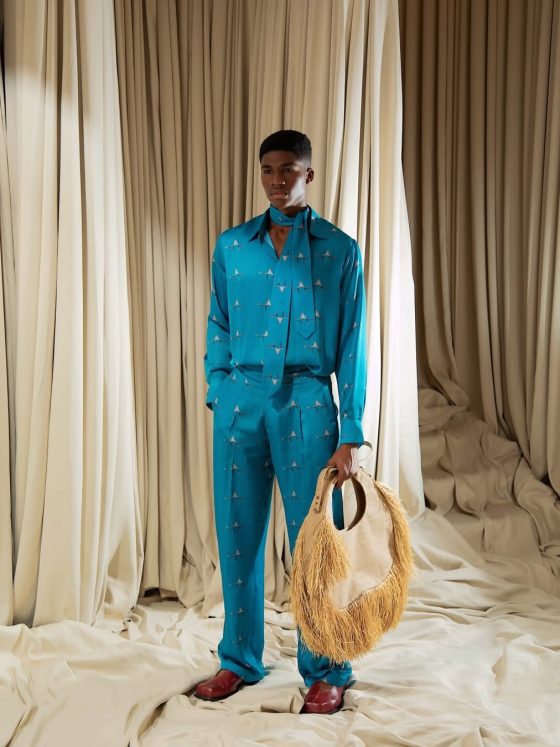
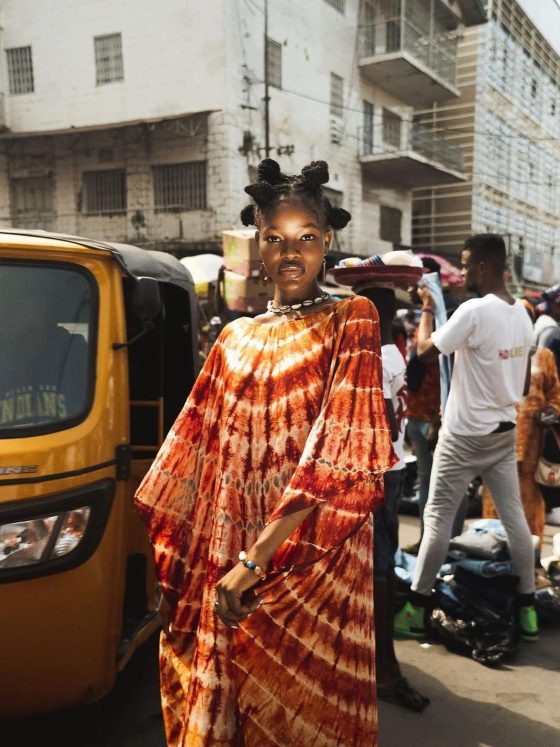
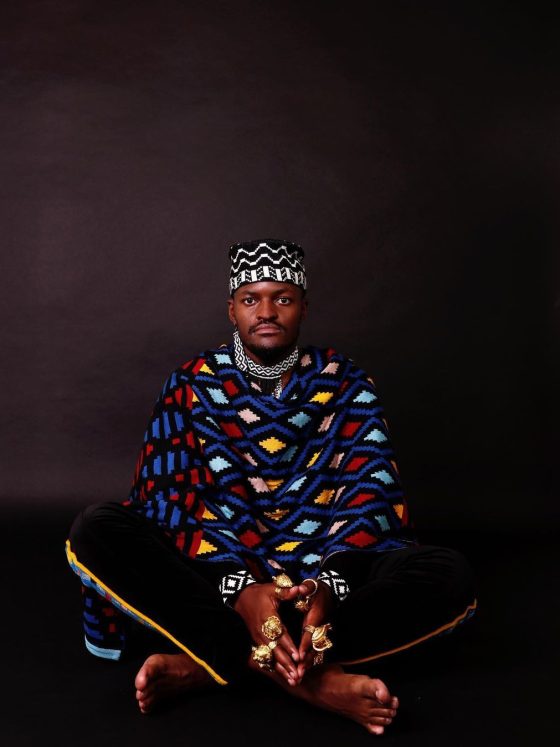
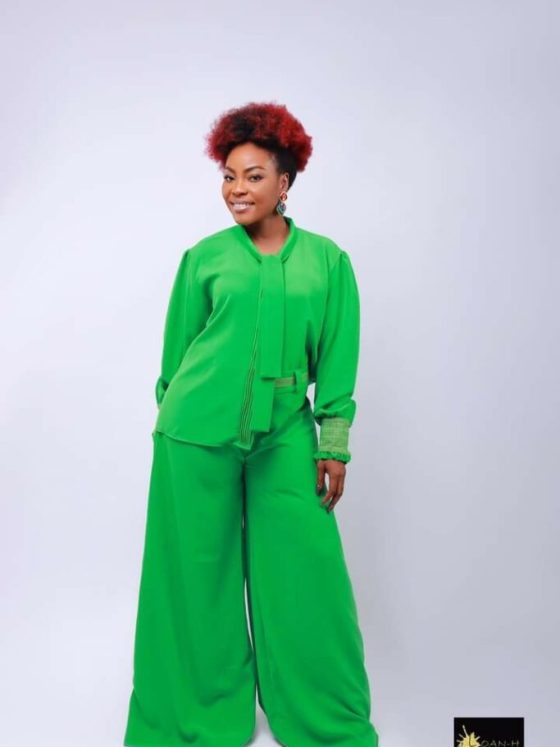
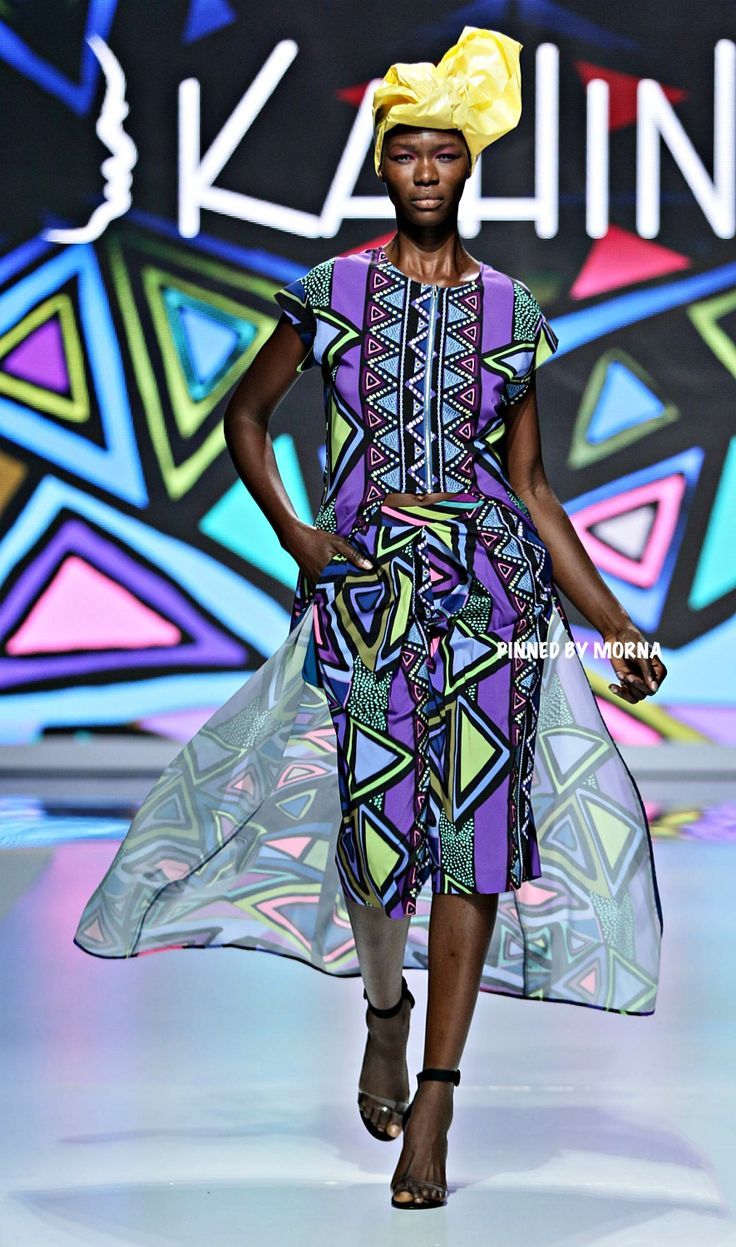
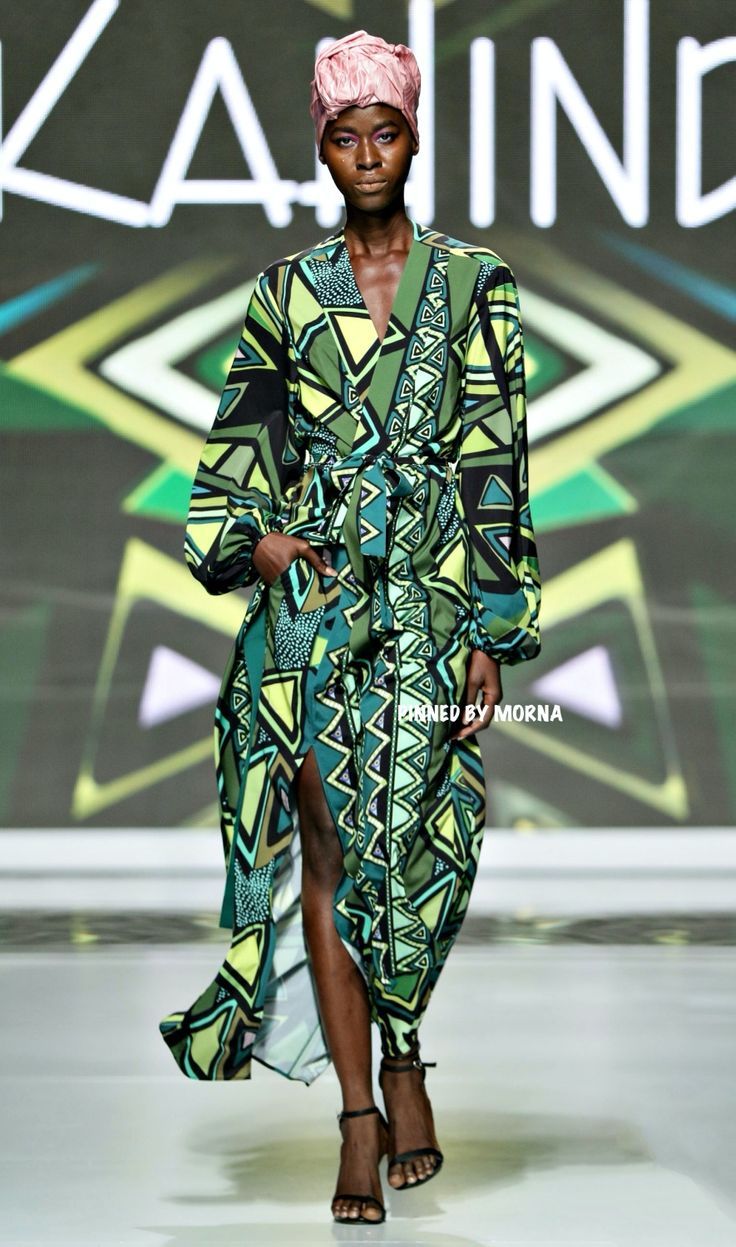
That comparison is significant precisely because Tibi and Tory Burch are not asked to justify their luxury positioning through a social impact narrative. They are simply fashion brands. KAHINDO’s collections are built from Congolese and Afrocentric colour and pattern traditions: the specific palette of a childhood that moved through seven African countries, the visual memory of cloth as identity rather than cloth as commodity. The clothes carry the heritage. The buyer does not need to be educated about the garment’s heritage to want it.
Tibi does not justify its pricing through social impact. Tory Burch does not need to explain its heritage to a buyer. That is the standard Kahindo is building toward. It is the correct standard.
Mateene has collaborated with a Nigerian artist to develop custom prints, worked with RefuShe to develop a print made by refugee girls in Kenya, and built collections that tell stories through their surface rather than in accompanying press notes. The difference between a brand that performs Africa for Western buyers and a brand built from Africa for anyone with the discernment to recognise quality is precisely this: the first requires explanation. The second does not.
Tory Burch Fellowship, Mamafrica, and the Full Scope of the Practice
KAHINDO’s recognition extends across both fashion and social enterprise institutions. Mateene is a Tory Burch Fellow, a graduate of the Workshop at Macy’s programme, and has been recognised by Vital Voices, the organisation co-founded by Hillary Clinton and Madeleine Albright that supports women leaders globally. She founded Mamafrica, an organisation providing economic opportunity, education, and healing arts programmes for women in the DRC, primarily survivors of the conflict-related sexual violence documented extensively in eastern Congo. The Mamafrica women produce clutches from repurposed fabric left over from previous KAHINDO collections. The brand’s retail infrastructure and its community support infrastructure are built from the same material. For context on how African fashion brands can structure this kind of durable commercial and community architecture, see Why African Designers Keep Losing the Brand Strategy Game — and How to Change It.
The fashion industry that covers KAHINDO tends to choose one of its dimensions as the primary frame, either the luxury design story or the social impact story, and position the other as supporting evidence. Mateene’s own framing refuses that hierarchy. She describes the brand as making women look and feel beautiful and empowered. That is not two separate missions. It is one.
ALSO READ
- Designers from Trinidad and Tobago Shaping Afro-Caribbean Fashion Globally
- Afro-Caribbean Fashion in Haiti: History, Identity, and the Politics of Dress
- Why Culture Is the Foundation of Style in African and Global Fashion
- Thebe Magugu Has a Brand Strategy. Most African Designers Do Not. Here Is the Difference.
What Does KAHINDO’s Placement at Nordstrom Actually Mean for African Fashion?
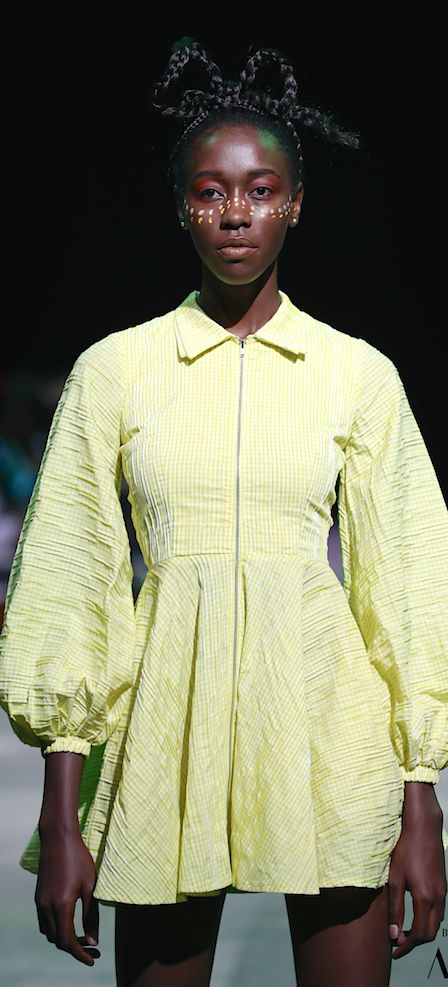
KAHINDO is carried at Nordstrom, Bloomingdale’s, and Anthropologie. The Nordstrom and Bloomingdale’s placements are the more commercially significant: these are full-price luxury department stores where the brand sits alongside European and American contemporary luxury labels, without a special African fashion section or a social enterprise corner. The brand earns its floor space on the same terms as every other brand in those stores: design quality, commercial viability, and the ability to sell to a customer who walks through the door without needing to be educated about why the brand matters before making a purchase.
That placement did not happen because KAHINDO has a compelling impact story. It happened because Mateene built a brand whose garments are designed and constructed to the standards that luxury retail requires, priced appropriately, and presented without the apology or the ethnographic framing that tends to precede African fashion brands’ approaches to Western retail channels. The structural barriers that prevent most African fashion brands from reaching this point are documented in Why No Serious Investor Has an African Fashion Portfolio: The Cost of Institutional Blindness. What KAHINDO demonstrates is that those barriers can be navigated without compromising the design intelligence that makes the brand worth navigating for.
How Busayo Olupona and Anifa Mvuemba Are Building the Same Model
Kahindo Mateene is not building alone. The model she represents, heritage present in the work rather than performed for the buyer, is the same model that Busayo Olupona executes with adire and that Anifa Mvuemba executed with the Pink Label Congo collection. These are not isolated success stories. They are evidence of a consistent commercial logic: African design intelligence, when given the infrastructure to operate without ethnographic framing, reaches buyers with the discernment to recognise it. The question for the industry is whether the institutional backing to scale that logic will be built. For the full picture of what that infrastructure requires, see The Folklore Connect Is the Most Important Wholesale Infrastructure in African Fashion. Almost Nobody Knows It Exists.
THE OMIREN ARGUMENT
The standard pathway for an African diaspora fashion designer into Western luxury retail runs through the heritage story. The press kit leads with the origin narrative. The buyer meeting opens with the social impact statistics. The garment arrives at the department store carrying an explanation of why it matters before it is allowed to be judged simply as a garment.
Kahindo Mateene has built KAHINDO against that pathway, not by ignoring her heritage or the social dimensions of her production, but by refusing to position them as the primary credential for the brand’s claim to luxury. The Congolese textile heritage is in the clothes. The artisan community in Goma is in the production model. The social impact is real and documented. None of these facts requires the buyer to be moved by them before they are allowed to find the dress beautiful.
That is the distinction between a brand that performs Africa for Western buyers and a brand built from Africa for anyone with the discernment to recognise what they are looking at. Busayo Olupona does this with adire. Anifa Mvuemba did it with the Pink Label Congo collection. Kahindo Mateene does it with every season at Nordstrom.
The African diaspora designer who refuses to perform Africa for Western buyers and still gets to Nordstrom anyway is no exception. She is the proof of concept. The model exists. The question is whether the industry will build the infrastructure to support it at scale, or whether these designers will continue to build it, one department-store placement at a time.
The cultural insight is precise: the heritage story exists to reassure Western buyers who would otherwise be unsure how to categorise what they are looking at. A brand confident enough in its design intelligence to dispense with that reassurance is not abandoning its heritage. It insists that the heritage is self-evident in the work. That is what luxury actually means.
Frequently Asked Questions (FAQs)
Who is Kahindo Mateene, and what is the KAHINDO brand?
Kahindo Mateene is a Congolese-born fashion designer and the founder of KAHINDO, a New York-based ethical luxury womenswear brand established in 2017. She was born in Uganda to Congolese parents and raised across Uganda, Congo, Kenya, Ethiopia, Nigeria, and Niger before moving to the United States at seventeen. After 15 years in marketing, she studied fashion design at the Illinois Institute of Art in Chicago, appeared on Season 12 of Project Runway on Lifetime in 2013, and launched KAHINDO in New York in 2017. The brand is designed in New York, produced by female artisans in Africa under fair-trade conditions with named artisan credit, and is stocked at Nordstrom, Bloomingdale’s, and Anthropologie.
Where is KAHINDO produced, and how does the production model work?
Every KAHINDO collection is handcrafted by female artisans in Africa, primarily in Goma, eastern Democratic Republic of Congo, under fair-trade conditions with living wages. Named artisan credit is given on every piece, documenting the specific craftsperson responsible for each garment. Mateene began building this production model in 2011, when she created her first line in Kenya using fair-trade practices. The Mamafrica organisation she founded also employs DRC women who are survivors of conflict-related violence to produce clutches from repurposed KAHINDO fabric.
Where is KAHINDO stocked, and what press has covered it?
KAHINDO is currently stocked at Nordstrom, Bloomingdale’s, and Anthropologie in the United States. The brand has previously been stocked at Moda Operandi, Webster Miami, and McMullen. It has been featured in Vogue, Elle, The New York Times, WWD, Essence, British Vogue, Harper’s Bazaar UK, Tatler, and Refinery29. Mateene is a Tory Burch Fellow and a graduate of the Workshop at Macy’s programme at the Chicago Fashion Incubator.
What is Mamafrica, and how does it connect to KAHINDO?
Mamafrica is an organisation founded by Kahindo Mateene that provides economic opportunity, education, and healing arts programmes for women in the Democratic Republic of Congo, primarily survivors of conflict-related sexual violence in eastern DRC. The Mamafrica women produce clutches from repurposed fabric left over from previous KAHINDO collections, thereby connecting the brand’s waste-reduction practice directly to community economic development. Mateene has described the relationship between KAHINDO’s commercial success and Mamafrica’s work as inseparable: the brand’s growth directly funds the programme’s growth.
What sets KAHINDO apart from other African-heritage fashion brands?
KAHINDO’s distinctive position is that it builds luxury from within Afrocentric heritage tradition without using that heritage as a social-impact credential to justify its market positioning. The Congolese textile heritage is present in the designs through colour, print, and construction. The ethical production model and support for the artisan community are structural features of the brand’s operations, not marketing talking points used to secure buyer sympathy. The brand is stocked at Nordstrom on the same commercial terms as European and American contemporary luxury labels, without ethnographic framing or a charitable narrative preceding the design conversation.
Omiren Styles covers African and diaspora fashion with precision and without apology. Subscribe for designer profiles, brand strategy analysis, and the cultural intelligence the mainstream fashion press is not providing. African fashion and culture are not emerging. They are foundational.