Menu
  • AFRICA
    • African Fashion
    • African Designers
    • Textiles & Craft
    • Heritage Clothing
    • Made in Africa
    • Regional Style
  • DIASPORA
    • Diaspora Voices
    • Diaspora Connects
    • UK Scene
    • US Scene
    • Caribbean Diaspora
    • Afro-Latino Identity
    • Migration & Identity
  • CULTURE
    • Style & Identity
    • Ceremony & Ritual
    • Art & Music
    • Cultural Inspirations
    • Black Culture
    • Heritage Stories
  • FASHION
    • Trends
    • Street Style
    • Runway
    • Sustainable Fashion
    • Tailoring
    • Luxury Fashion
  • INDUSTRY
    • Editorial Intelligence
    • Market Trends
    • Brand Strategy
    • Retail & Commerce
    • Partnerships
    • Reports
    • Insights
    • Omiren Style Index
  • BEAUTY
    • Skincare
    • Makeup
    • Hair & Hairstyle
    • Fragrance
    • Beauty Traditions
    • Natural Beauty
  • MEN
    • Men’s Style
    • Grooming Traditions
    • Traditional & Heritage
    • The Modern African Man
    • Menswear Designers
  • WOMEN
    • Women’s Style
    • Evening Glam
    • Workwear & Professional
    • Streetwear for Women
    • Accessories & Bags
    • Bridal
  • NEWS
    • Cover Stories
    • Fashion Weeks
    • Opinion & Commentary
    • Style Icons
    • Rising Stars
  • DIRECTORY
    • Designers
    • Brands
    • Boutiques
    • Stylists
    • Models
    • Photographers
    • Creative Teams
    • Events
    • Production
    • Materials & Suppliers
Subscribe
OMIREN STYLES OMIREN STYLES

Fashion · Culture · Identity

OMIREN STYLES OMIREN STYLES OMIREN STYLES OMIREN STYLES
  • AFRICA
    • African Fashion
    • African Designers
    • Textiles & Craft
    • Heritage Clothing
    • Made in Africa
    • Regional Style
  • DIASPORA
    • Diaspora Voices
    • Diaspora Connects
    • UK Scene
    • US Scene
    • Caribbean Diaspora
    • Afro-Latino Identity
    • Migration & Identity
  • CULTURE
    • Style & Identity
    • Ceremony & Ritual
    • Art & Music
    • Cultural Inspirations
    • Black Culture
    • Heritage Stories
  • FASHION
    • Trends
    • Street Style
    • Runway
    • Sustainable Fashion
    • Tailoring
    • Luxury Fashion
  • INDUSTRY
    • Editorial Intelligence
    • Market Trends
    • Brand Strategy
    • Retail & Commerce
    • Partnerships
    • Reports
    • Insights
    • Omiren Style Index
  • BEAUTY
    • Skincare
    • Makeup
    • Hair & Hairstyle
    • Fragrance
    • Beauty Traditions
    • Natural Beauty
  • MEN
    • Men’s Style
    • Grooming Traditions
    • Traditional & Heritage
    • The Modern African Man
    • Menswear Designers
  • WOMEN
    • Women’s Style
    • Evening Glam
    • Workwear & Professional
    • Streetwear for Women
    • Accessories & Bags
    • Bridal
  • NEWS
    • Cover Stories
    • Fashion Weeks
    • Opinion & Commentary
    • Style Icons
    • Rising Stars
  • DIRECTORY
    • Designers
    • Brands
    • Boutiques
    • Stylists
    • Models
    • Photographers
    • Creative Teams
    • Events
    • Production
    • Materials & Suppliers
  • African Designers

Alphadi: Niger’s Desert Couturier Shaping Global Style

  • Fathia Olasupo
  • November 28, 2025
Alphadi: Niger’s Desert Couturier Shaping Global Style

Alphadi is one of the few African designers to bridge the divide between tradition and haute couture. Born Sidahmed Alphadi Seidnaly in 1957 in Timbuktu and raised in Niger, he has spent decades creating a visual language that fuses desert landscapes, Sahelian textiles, and West Africa’s cultural heritage with the technical rigour of Parisian couture.

Known as the “Magician of the Desert,” Alphadi is more than a designer; he is a cultural ambassador, festival founder, and mentor whose influence spans Africa and beyond. This article explores his life, signature craft, global milestones, and how his brand continues to define African luxury today.

Alphadi, Niger’s “Desert Magician,” fuses African textiles with Parisian couture. Explore his legacy, collections, FIMA festival, and global impact.

Quick-Glance Facts!

  • Full Name: Sidahmed Alphadi Seidnaly
  • Born: 1957, Timbuktu, Mali
  • Raised: Niamey, Niger
  • Profession: Fashion designer, festival founder, cultural ambassador
  • Brand: Alphadi Haute Couture (Niamey, Paris)
  • Signature: African textiles, desert-inspired silhouettes, Parisian tailoring, slow-fashion principles
  • Global Recognition: Paris runways, international celebrity clientele, museum retrospectives
  • How to Patronise: Official boutiques in Niamey, Paris showrooms, FIMA festival showcases, authenticated vintage pieces

Early Life in Niger – Desert Roots and Cultural Identity
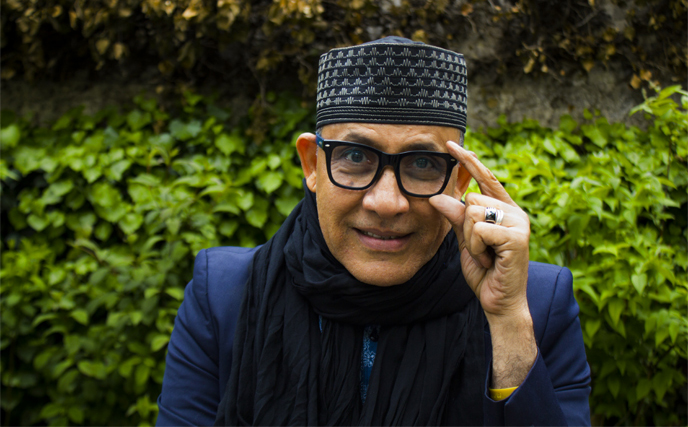
Early Life in Niger – Desert Roots and Cultural Identity
Photo: The UNESCO Courier

Alphadi’s formative years were steeped in Sahelian culture. Niger is home to diverse ethnic groups Tuareg, Songhai, Fulani, Hausa, and Bambara, each with distinct textile traditions, embroidery, and patterns. These influences shaped Alphadi’s visual vocabulary: the flowing robes, geometric motifs, and earthy desert tones that would later define his signature style.

Even as a child, he showed an interest in textiles and fashion. He often experimented with traditional garments, mixing fabrics and deconstructing patterns. His early experimentation instilled a lifelong understanding of how to reimagine African textiles without losing their cultural meaning.

Paris Years – Mastering Couture Techniques
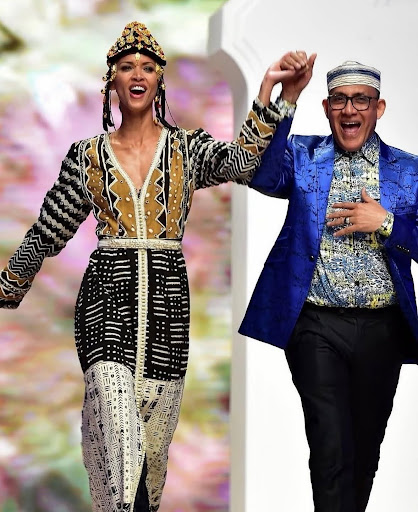
Paris Years – Mastering Couture Techniques

In the late 1970s, Alphadi moved to Paris to study fashion formally at the École de Couture Chardon-Savard, one of France’s premier design schools. There, he immersed himself in Parisian craftsmanship, tailoring, draping, pattern-making, and haute couture finishing techniques.

Paris provided Alphadi with the global stage and technical mastery to translate Nigerien textiles into couture garments. Unlike many designers who abandoned local identity for Western trends, Alphadi fused African heritage with European precision, creating a new paradigm for cross-cultural fashion innovation.

Signature Style – Desert Meets Haute Couture
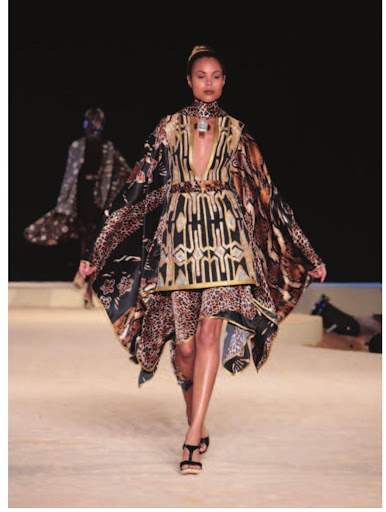
Signature Style – Desert Meets Haute Couture

Alphadi’s design philosophy centres on cultural storytelling through fabric and form. Key elements include:

a. African Heritage as Design DNA

Alphadi integrates authentic African textiles into haute couture garments:

  • Bogolan (mud cloth) from Mali
  • Faso Dan Fani cotton weaves from Burkina Faso
  • Tuareg indigo robes
  • Hausa embroidery patterns

These fabrics are not merely decorative; they carry history, identity, and a sense of place.

b. Parisian Craftsmanship

Each piece is meticulously tailored using haute couture techniques: hand-sewn seams, structured draping, and precise cuts. Alphadi balances traditional African motifs with silhouettes that appeal to international audiences.

c. Desert Aesthetic & Earth Tones

Alphadi’s palettes are inspired by the Sahara: sandy beige, burnt sienna, indigo, and terracotta. His flowing silhouettes mimic desert winds, producing garments that appear both natural and sculptural.

d. Sustainability & Slow Fashion

Alphadi emphasises careful sourcing, minimal waste, and long-lasting quality. Unlike fast-fashion brands, his collections prioritise timeless craftsmanship over fleeting trends.

ALSO READ:

  • Azzedine Alaïa: The North African Visionary Who Redefined Couture
  • Thebe Magugu: African Heritage Meets Global Luxury in 2025

Milestones & Global Recognition
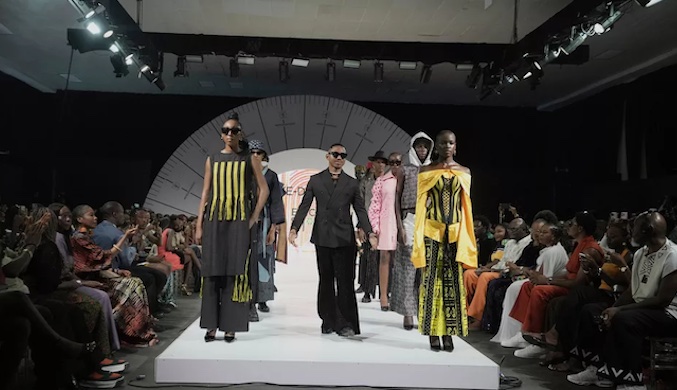
Milestones & Global Recognition
Photo: Arise News.

a. FIMA – Festival International de la Mode Africaine (1998)

Alphadi founded FIMA in Niamey in 1998. This festival became the premier platform for African fashion, showcasing designers from across the continent and connecting them to international buyers, media, and celebrities.

  • Impact: FIMA elevated African fashion to a global stage.
  • Participants: Designers from Nigeria, South Africa, Mali, Morocco, and more.
  • Legacy: FIMA continues to influence generations of African designers.

b. Paris Runway Success

Alphadi consistently showcased haute couture collections in Paris, becoming one of the first sub-Saharan designers to achieve sustained visibility in Europe’s fashion capital. International fashion media have reviewed his work, and global celebrities such as musicians, diplomats, and public figures have worn it, demonstrating his global relevance.

c. Awards & Honours

  • African Fashion Icon Award
  • UNESCO Cultural Ambassador for African fashion
  • Several regional honours recognising his contribution to African cultural heritage

Atelier Insights – How Alphadi Creates
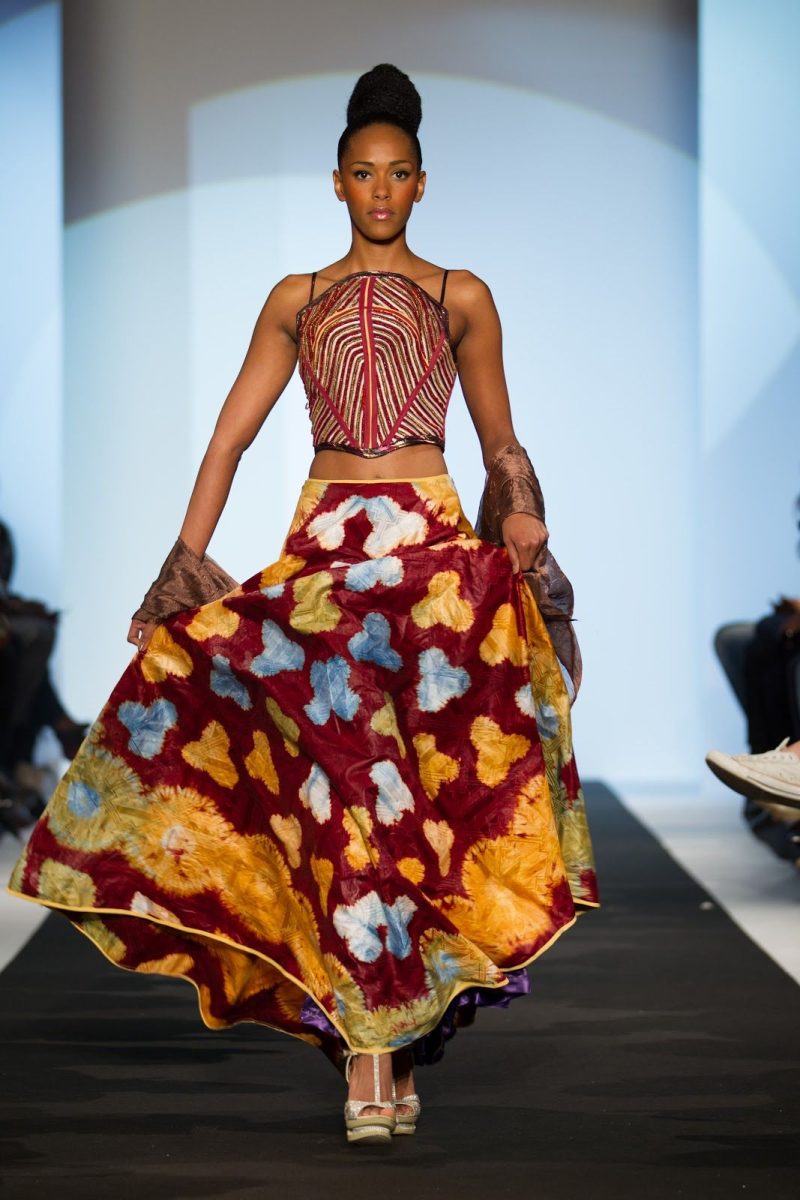
Atelier Insights – How Alphadi Creates

Alphadi remains hands-on in his atelier in Niamey, where he oversees:

  • Fabric selection: Indigenous materials combined with modern textiles
  • Pattern-making: Blending traditional silhouettes with contemporary tailoring
  • Hand finishing: Seams, embroidery, and embellishments completed with precision
  • Collaboration: Works with local artisans to preserve traditional craft techniques

His atelier approach ensures that every garment tells a story of Africa and couture combined.

How to Patronise Alphadi

  1. Niamey Boutique & Atelier—couture appointments are available by request.
  2. Paris Showrooms – Select haute couture collections showcased for VIP clients.
  3. FIMA Festival: You can buy limited edition collections.
  4. Authenticated Vintage Collections – Museums, galleries, and auctions sometimes release Alphadi pieces.

Tip: Always confirm authenticity and condition when purchasing vintage or couture pieces.

Alphadi’s Importance for African Fashion

Alphadi’s legacy extends beyond garments:

  • Elevating African Textiles Globally: He proves that African heritage can compete with European luxury fashion.
  • Mentorship & Development: Through FIMA, Alphadi cultivates new talent and inspires African designers.
  • Cultural Ambassador: His work demonstrates the richness of Sahelian culture to the world.

Alphadi’s story shows that African fashion can be globally competitive while staying true to local identity.

Love discovering the depth of African fashion? Read More on OMIREN 

FAQs

  1. Who is Alphadi?

Alphadi is a Nigerien designer known as the “Magician of the Desert.” He fuses African heritage with Parisian couture, dressing global celebrities.

  1. Is Alphadi’s brand still active?

Yes. Alphadi Haute Couture continues in Niger and Paris, producing haute couture, limited collections, and festival showcases.

  1. Where can I buy Alphadi designs?

Through his Niamey boutique, Paris showrooms, FIMA festival showcases, or authenticated vintage collections.

  1. What makes Alphadi unique?

His use of African textiles, desert-inspired palettes, and Parisian craftsmanship creates culturally rich garments that are globally admired.

  1. Has Alphadi influenced other African designers?

Yes. He mentors emerging talent and promotes African fashion internationally through FIMA and cultural programming.

Post Views: 605

Stay Connected

Enjoyed this article? Get more style tips, buying guides, and product recommendations delivered straight to your inbox.

👉 Subscribe to the Omiren Styles Newsletter: https://omirenstyles.com/subscribe/

Related Topics
  • African Fashion Industry
  • desert couture
  • luxury fashion Africa
  • West African designers
Fathia Olasupo

olasupofathia49@gmail.com

You May Also Like
The British-African Designers Rewriting London Fashion Week From the Inside
View Post
  • African Designers

The British-African Designers Rewriting London Fashion Week From the Inside

  • Adams Moses
  • June 11, 2026
View Post
  • African Designers

MaXhosa SiyiKulture: We Are Culture. What Laduma Ngxokolo’s AW26 Collection Is Actually Saying

  • Ayomidoyin Olufemi
  • June 10, 2026
View Post
  • African Designers

The Future of Fashion in Sierra Leone: Creativity, Culture, and Growth

  • Philip Sifon
  • June 9, 2026
Kahindo: The Congolese-American Designer Building Heritage Luxury Without the Heritage Story
View Post
  • African Designers

Kahindo: The Congolese-American Designer Building Heritage Luxury Without the Heritage Story

  • Ayomidoyin Olufemi
  • June 9, 2026
Juliana Gharbin: The Ghanaian Bead Artist Behind Jules Beads and a Guinness World Record
View Post
  • African Designers

Juliana Gharbin: The Ghanaian Bead Artist Behind Jules Beads and a Guinness World Record

  • Rex Clarke
  • June 7, 2026
Sierra Leonean Designers Shaping the Future of African Fashion
View Post
  • African Designers

Sierra Leonean Designers Shaping the Future of African Fashion

  • Philip Sifon
  • June 5, 2026
Busayo Olupona and Nigerian Print as a Contemporary Fashion Language
View Post
  • African Designers

Busayo Olupona and Nigerian Print as a Contemporary Fashion Language

  • Ayomidoyin Olufemi
  • June 5, 2026
Designers from Burkina Faso Leading Ethical African Fashion
View Post
  • African Designers

Designers from Burkina Faso Leading Ethical African Fashion

  • Faith Olabode
  • June 4, 2026

Leave a Reply Cancel reply

Your email address will not be published. Required fields are marked *

The Omiren Argument

African fashion and culture are not emerging. They are foundational. We document, interpret, and argue for the full cultural weight of African and diaspora dress. With precision. Without apology.

Omiren Styles Fashion · Culture · Identity

All 54 African Nations
Caribbean · Afro-Latin America
The Global Diaspora

Platform

  • About Omiren Styles
  • Our Vision
  • Our Mission
  • Editorial Pillars
  • Editorial Policy
  • The Omiren Collective
  • Campus Style Initiative
  • Sustainable Style
  • Social Impact & Advocacy
  • Investor Relations

Contribute

  • Write for Omiren Styles
  • Submit Creative Work
  • Join the Omiren Collective
  • Campus Initiative
Contact
contact@omirenstyles.com
Our Reach

Africa — All 54 Nations
Caribbean
Afro-Latin America
Global Diaspora

African fashion intelligence, in your inbox.

Editorial features, designer profiles, cultural commentary. No noise.

© 2026 Omiren Styles — Rex Clarke Global Ventures Limited. All rights reserved.
  • Privacy Policy
  • Editorial Policy
  • Terms of Use
  • Accessibility
Africa · Caribbean · Diaspora
The Omiren Argument

African fashion and culture are not emerging. They are foundational. We document, interpret, and argue for the full cultural weight of African and diaspora dress. With precision. Without apology.

Omiren Styles Fashion · Culture · Identity
  • About Omiren Styles
  • Our Vision
  • Our Mission
  • Editorial Pillars
  • Editorial Policy
  • The Omiren Collective
  • Campus Style Initiative
  • Sustainable Style
  • Social Impact & Advocacy
  • Investor Relations
  • Write for Omiren Styles
  • Submit Creative Work
  • Join the Omiren Collective
  • Campus Initiative
Contact contact@omirenstyles.com

All 54 African Nations · Caribbean
Afro-Latin America · Global Diaspora

African fashion intelligence, in your inbox.

Editorial features, designer profiles, cultural commentary. No noise.

© 2026 Omiren Styles
Rex Clarke Global Ventures Limited.
All rights reserved.

  • Privacy Policy
  • Editorial Policy
  • Terms of Use
  • Accessibility
Africa · Caribbean · Diaspora

Input your search keywords and press Enter.