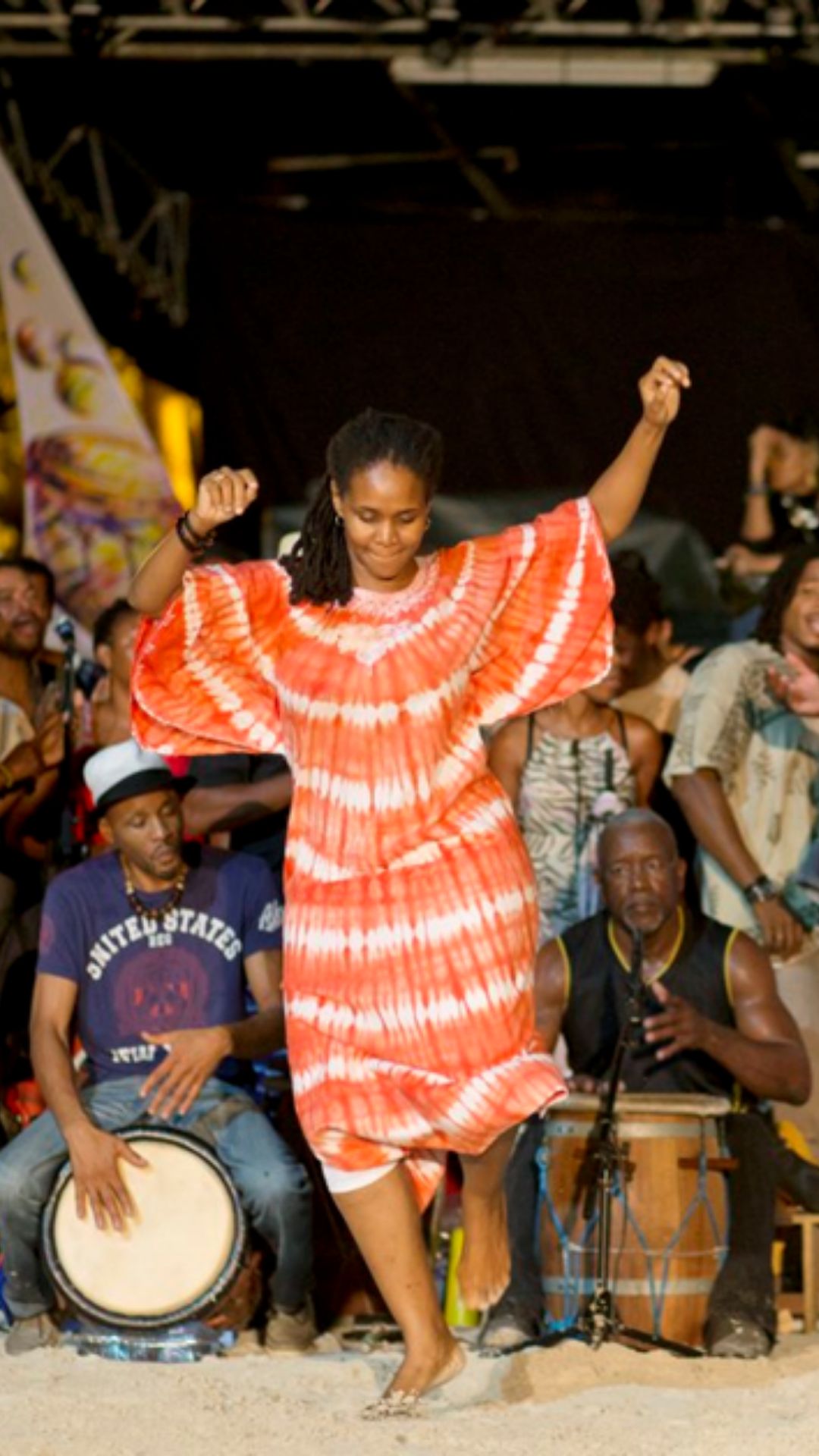
In 1848, an enslaved man named Romain was arrested in Martinique for refusing to stop beating his drum. His arrest sparked the uprising that forced the abolition of slavery on the island. He was not making a musical choice. He was making an argument: that the drum belonged to his people, that the rhythm was theirs to keep, and that no colonial authority had the right to silence it. The uprising he triggered is now commemorated every 22 May as Emancipation Day, marked across Martinique with drumming that begins at sunrise and continues until the break of dawn the following morning.
That drumming is Bèlè. And the reason it is still the sound of Martinique’s most significant day is not sentiment. It is the specific fact that Bèlè was the practice that held the cultural identity of enslaved Martinicans together across two centuries of suppression, prohibition, and institutional denigration. It survived because the people who practised it understood something that colonial authorities consistently underestimated: that a culture which lives in the body cannot be confiscated. You can ban the drum. You cannot ban the memory of the drum. Bèlè is Martinique’s most precise demonstration of what African cultural heritage in the Caribbean actually means: not influence, not inspiration, not origins. Foundation.
The Omiren Argument: Bèlè is not Martinique’s dance tradition. It is Martinique’s memory system. The drum is the archive. The dancer’s body is the document. The circle of singers and watchers is the community that keeps the record alive. What the practice preserved across the era of slavery and the post-colonial suppression that followed was not a cultural artefact. It was a living argument about who the people of Martinique are, where they come from, and what they refuse to forget.
Bèlè is Martinique’s living memory system: drum, dance, and community held together against centuries of suppression. This is the full story of what it means and why it matters.
What Bèlè Is: Music, Dance, and the Architecture of the Tradition
Bèlè is a practice that combines music, dance, storytelling, and community participation into a single event. Its etymology is disputed; some scholars trace the name to “bel air” in French, meaning “the art of behaving well”; others connect it to West African linguistic roots, but the practice itself is precisely structured. At its centre is the tanbou, a goatskin drum played by a drummer who sits astride the instrument and uses both hands and bare feet to produce a range of tones. The ti-bwa is played alongside it: two sticks struck against the back of the drum, providing the rhythmic counterpoint that gives Bèlè its distinctive layered percussion. A lead vocalist, the voix douvan, sings in Creole, with the assembled community responding as the voix dèyè. The call-and-response is not optional. It is structural. Bèlè does not have an audience. It has participants. Everyone present is part of the practice.
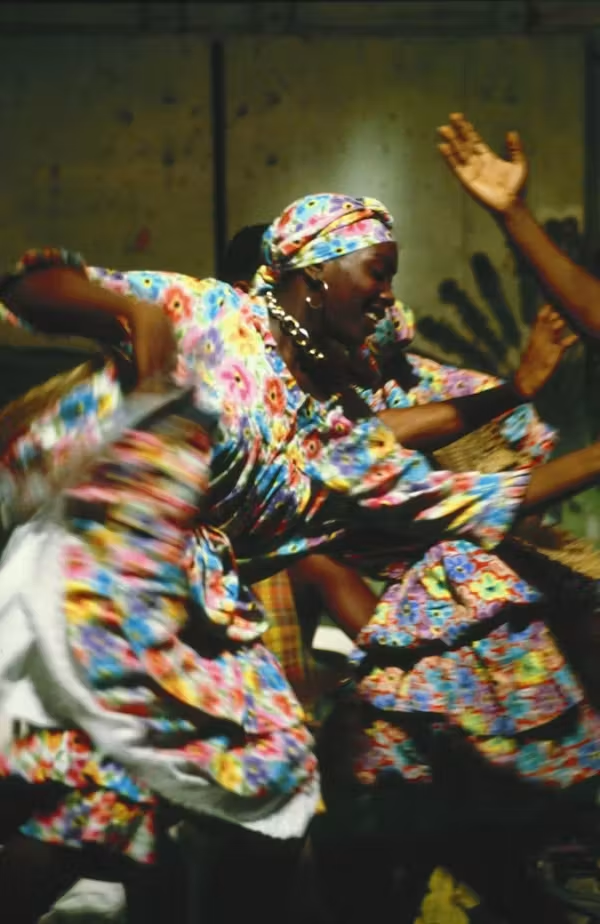
The dance itself takes place within a circle formed by the musicians and the community. A couple, traditionally a man and a woman, enters the circle and dances barefoot, engaging in a conversation of movement that responds to the rhythms of the tanbou. The woman is not a passive partner. In many Bèlè styles, she controls the dynamic entirely: the man pursues, she decides whether to receive his attentions, and the dance enacts a negotiation of desire, respect, and authority that places female agency at the centre of the form. The sensuality of the dance was one of the reasons colonial and church authorities condemned it. It was also one of the reasons it survived: embodied knowledge is harder to eradicate than written doctrine.
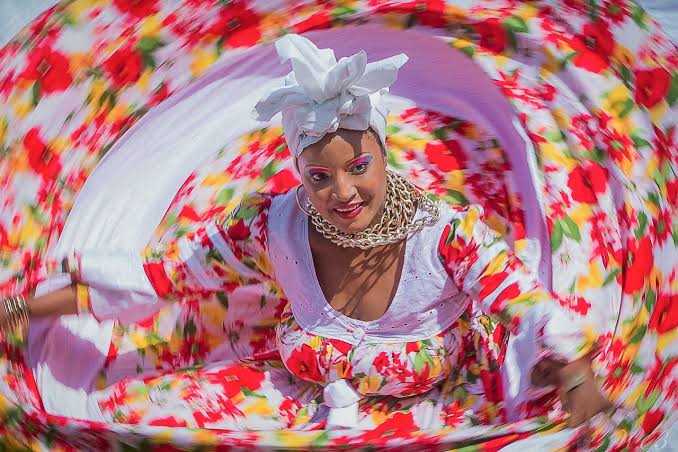
There are multiple distinct styles within the Bèlè tradition, each associated with specific regions of the island. Bèlè li Sid, danced in the south, is slower, with dancers playing extensively with their skirts and hats. Belya is a celebratory dance, performed at weddings and christenings, and is acrobatic and energetic. Venezuela has the dancers moving as if working in the fields, encoding the labour rhythms of plantation life into the dance’s choreographic memory. Kanigwé is commanded by the singer, with dancers following verbal instructions as they move. Each style is a specific argument about a specific dimension of Martinican life.
The African Foundation: What Bèlè Carried Across the Water
Bèlè did not emerge in Martinique. It was carried there. The enslaved Africans brought to Martinique from West and Central Africa came from communities with developed musical and ceremonial traditions involving drums, call-and-response singing, communal dance circles, and performance as a means of social cohesion and spiritual connection. These traditions were not abandoned during the Middle Passage. They were adapted. The tanbou is a descendant of the same drum family that produced the Vodou tanbou in Haiti, the atabaque in Brazilian Candomblé, and the sacred drums of Yoruba Orisha practice. The call-and-response structure is the same communicative architecture that runs through every major African diasporic musical tradition from gospel to blues to reggae. Bèlè is part of a continuous Afrocentric cultural logic that the Caribbean’s colonial history has obscured but not broken.
What makes Bèlè specific rather than generic is the way it absorbed European elements without surrendering its African logic. The quadrille – the European couple dance that colonial authorities promoted as a civilising influence – is visible in Bèlè’s couple structure. But the barefoot dancing, the drum, the call-and-response, the circle, the communal participation: these are not European. They are the African foundation on which the syncretic form was built. Bèlè demonstrates precisely what cultural resilience looks like: not purity, but persistence. Not the unchanged survival of a form, but the survival of the logic beneath the form, regardless of what surface adaptations were required.
The connection between Bèlè and Martinique’s broader cultural landscape is evident in how the tradition has shaped every subsequent form of Martinican music and dance. Zouk, the popular Caribbean genre that carries the island’s sound globally, draws from the same tradition of rhythm, community, and Creole identity that Bèlè helped establish. The instrumental vocabulary of the tanbou and ti-bwa is audible across Martinican music in forms that no longer call themselves Bèlè but carry its logic regardless. A culture that preserves its music preserves its identity. Martinique preserved both.
Suppression, Resistance, and the Drum That Would Not Be Silenced
The history of Bèlè under French colonial rule is a history of systematic suppression. The drum was banned on the plantations because colonial authorities understood what it communicated: coordination, solidarity, and the preservation of a cultural identity that existed outside the plantation’s logic of dehumanisation. The church condemned the practice as heathenism, describing it in Martinican Creole as “bagay vyé nèg”, “bagay djab”, and “bagay ki ja passé”: primitive, indecent, and outdated. In a society where the Catholic church held significant moral authority, these characterisations were designed to make practitioners ashamed of their own tradition. Many were.
The tradition continued anyway. It continued in the fields, in the evenings, in the spaces between the plantation’s surveillance. It continued as the Swaré Bèlè – the Bèlè evening – where communities gathered under the open sky to drum, sing, and dance through the night. After emancipation in 1848, the suppression did not end. Post-colonial Martinican society continued to stigmatise Bèlè as backward and low-class, consistent with the broader pattern across the Caribbean in which the French and British cultural frameworks were positioned as civilisational progress and African-derived traditions as primitive residue. It was not until the cultural revival movements of the mid-twentieth century, connected to the broader Afrocentric intellectual and cultural movements of the 1950s and 1960s, that Bèlè began to be publicly reclaimed as a source of pride rather than shame.
ALSO READ
- Gaga, Palos, and Festival Dress: How Afro-Dominican Cultural Arts Build Identity Through Cloth
- Cornrows Were a Map: The African Intelligence Behind Diaspora Braiding
- The African Origins of Carnival Costume: Feathers, Beads, and the Masquerade Tradition
Bèlè Today: Living Practice, Living Argument
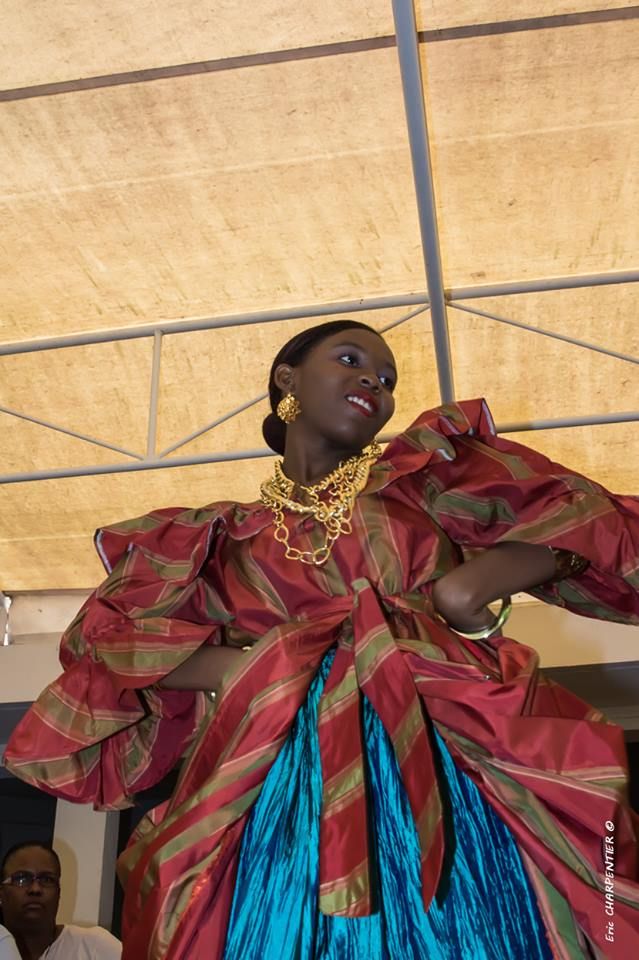
Bèlè in contemporary Martinique is neither a museum exhibit nor a tourist performance. It is a living practice, sustained by communities that understand it as both a cultural tradition and a political argument. The Swaré Bèlè gatherings continue across the island, where locals come together under the stars to drum, sing, and dance through the night in exactly the form that colonial authorities spent two centuries trying to suppress. These gatherings are not revival events. They are continuations. La Maison du Bèlè in Sainte-Marie serves as the practice’s institutional home: a cultural centre dedicated to preservation and promotion through exhibitions, workshops, and performances, giving the tradition a physical address in the landscape of Martinican cultural life. For practitioners, Bèlè is described as a “mannyè viv” – a way of living and a worldview – through which people find healing, community, and cultural freedom. Participants consistently describe the experience as transformative and sacred.
The community dimension of Bèlè is inseparable from its meaning. This is not a spectator tradition. When a Bèlè gathering takes place, everyone present has a role: the musicians play, the vocalist leads, the community responds, the dancers enter the circle, and the watchers sing, clap, and call encouragement. The circle is the form’s most significant architectural element. It has no backstage. It has no audience. It creates the condition in which everyone is simultaneously a participant and a witness, in which the community’s presence is not an optional decoration but an essential structure. A Bèlè circle without its community is not a reduced Bèlè. It does not exist.
This communal architecture is precisely what makes Bèlè a cultural survival technology rather than merely a cultural expression. The traditions that survived the Middle Passage and the plantation did so not because they were hidden but because they were embedded in the social fabric of the community in ways that could not be extracted without destroying the community itself. Bèlè is not stored in a cultural institution. It is stored in the relationships between the people who practise it. That is why it survived. That is why it continues.
“Bèlè is not Martinique’s dance tradition. It is Martinique’s memory system. The drum is the archive. The dancer’s body is the document. What the practice preserved across the era of slavery was not a cultural artefact. It was a living argument about who the people of Martinique are, where they come from, and what they refuse to forget.”
Frequently Asked Questions
What is Bèlè in Martinique?
Bèlè is Martinique’s most significant ancestral cultural tradition, combining music, dance, storytelling, and community participation into a single living practice. It emerged during the era of slavery as a way for enslaved Africans and their descendants to preserve their cultural identity, maintain community cohesion, and resist the dehumanising conditions of colonial plantation life. At its centre are the tanbou, a goatskin drum, and the ti-bwa, two sticks played against the back of the drum. A lead vocalist sings in Creole in a call-and-response format with the assembled community, while a couple dances barefoot within a circle formed by musicians and participants. Bèlè is not a spectator tradition: everyone present has a role, and the community’s participation is structural rather than optional.
What are the African roots of Bèlè?
Bèlè was carried to Martinique by enslaved Africans from West and Central Africa, who brought with them musical and ceremonial traditions involving drums, call-and-response singing, communal dance circles, and performance as a means of social cohesion and spiritual practice. The tanbou is part of the same drum family that produced the Vodou tanbou in Haiti, the atabaque in Brazilian Candomblé, and sacred Yoruba Orisha drums. The call-and-response structure is the same communicative architecture that runs through every major African diasporic musical tradition. While Bèlè absorbed some European elements, particularly the couple-dance structure associated with the quadrille, its core logic, including the drum, the barefoot dancing, the circle, and the communal participation, is African in origin and continuous with that tradition.
What is a Swaré Bèlè?
A Swaré Bèlè, meaning a Bèlè evening, is a communal gathering where people come together under the open sky to drum, sing, and dance through the night. These gatherings have taken place across Martinique since the era of slavery and continue today as living cultural events rather than revival performances. On Emancipation Day, 22 May, Swaré Bèlè gatherings mark the anniversary of abolition with drumming that begins at sunrise and continues until dawn the following morning. The 1848 abolition of slavery in Martinique was itself sparked by the arrest of an enslaved man named Romain, who refused to stop beating his drum. La Maison du Bèlè in Sainte-Marie offers workshops and performances for those wishing to engage with the tradition more formally.
Why was Bèlè suppressed, and how did it survive?
Bèlè was suppressed throughout the colonial era because French plantation authorities and the Catholic church understood the drum as a vehicle of cultural identity, community coordination, and resistance. The drum was banned on plantations, and the practice was condemned by the church as primitive, indecent, and outdated, using Martinican Creole terms designed to make practitioners ashamed of their own tradition. Suppression continued after emancipation as post-colonial Martinican society stigmatised African-derived traditions in favour of mainland French cultural frameworks. Bèlè survived because it was embedded in the community’s social fabric rather than stored in an institution. The tradition lives in the relationships between its practitioners: in the circle, the call-and-response, the shared rhythms that pass between drummer, singer, dancer, and community. That structure cannot be confiscated.
Explore more coverage of Caribbean cultural traditions and diaspora identity in our Caribbean Diaspora and Culture sections.