Right now, global cinema’s going through a real shift. Diaspora storytelling isn’t just a trend; it’s driving how people think about identity, belonging, and what we inherit from our cultures. Filmmakers who straddle two or more worlds are making movies that refuse to fit into neat boxes, whether you’re talking about geography or ethnicity. Honestly, this goes way beyond ticking diversity boxes. Diaspora stories dig deep. They uncover the histories that colonialism tried to erase. They reconnect communities that migration has split apart. And they show that being uprooted isn’t a weakness; it’s a strength. These filmmakers see their old homes and their new ones with a kind of double vision, picking up on things people on either side often miss.
Explore how diaspora storytelling transforms global cinema through heritage-driven narratives, cultural reclamation, and representation across continents.
The Power of Dual Consciousness in Cinema

Take Black Panther: Wakanda Forever. That film isn’t just entertaining; it’s a celebration of African identity, weaving in old creation stories and traditions in which wisdom is passed down from generation to generation. The movie brought the Black diaspora together in a way that only classic African folktales have managed before. That’s the real magic of diaspora storytelling. Memories and culture unite individuals separated by oceans, countries, or generations, even if they do not share the same passport.
Diaspora filmmakers live with what W.E.B. Du Bois described as living with “double consciousness.” They see themselves both from the inside and the outside at once. They know their roots, but they also have the distance to look at them with clear eyes. That perspective prevents them from romanticising or oversimplifying their heritage. Instead, their stories reveal both the beauty and the messiness of tradition, honouring the past but not ignoring the need for change.
Where Are Festivals Championing Diaspora Narratives?
Look at the New York African Film Festival. This year, it’s showcasing over 30 films from Africa and its diaspora under the banner “Fluid Horizons: A Shifting Lens on a Hopeful World,” spotlighting the tenacity of African youth. Last year, the festival dug into the theme of “Convergence of Time,” with over 50 films from 25+ countries, exploring how artists from Africa and its diaspora shape the present and the past. Festivals like these show that diaspora storytelling needs real support, spaces where people understand just how layered and complex these films are.
Other festivals are stepping up, too. The Pan African Film & Arts Festival 2025 is focusing on Black immigrant stories. Filmmaker Tommy Franklin says film is a powerful weapon; it cuts through stereotypes and brings out the truth about how connected the Black diaspora really is. The African Diaspora International Film Festival 2024 screened 65 films from 32 countries. That range is wide: everything from sharp Caribbean political comedies to tough looks at post-apartheid South Africa to documentaries on Haitian workers. Diaspora storytelling isn’t just broad; it’s everywhere, and it refuses to shrink to a single way of seeing the world.
Blockbuster Diaspora Storytelling
Wakanda stands out as a place untouched by colonisation, a kingdom that safeguards its resources and maintains a distance from the rest of the world. It’s the smallest, yet somehow the most powerful. But here’s the thing: the film doesn’t really reach out to Black people beyond Wakanda’s borders. That tension is at the heart of diaspora stories: celebrating African power and independence but also facing the question of what’s owed to Black communities scattered around the world.
Wakanda Forever shakes things up by introducing an Indigenous hero. Suddenly, it’s not just about Black identity. Now the story folds in Brown’s histories and perspectives, too. Namor, the Mayan-descended leader forced underwater by colonisation, pushes the film past easy identity politics. Instead, it asks, how do different colonised peoples deal with loss, survival, and holding onto culture? This kind of comparison makes the storytelling more layered and real, stepping away from flat, one-note identity plots.
How Does a Documentary Serve as Diaspora Testimony?
Bruno Mourral’s Kidnapping Inc., a darkly comic thriller, dives headfirst into Haiti’s political mess. Sugar Cane Malice takes a hard look at how Haitian labourers get exploited on Dominican sugar plantations. In documentaries like these, diaspora storytelling tackles issues that spill across borders: corruption, exploitation, and erasure. Being far from home doesn’t mean people stop caring about what happens back there.
Johanné Gómez Terrero’s Sugar Island weaves together ethnicity, gender, immigration, and class, capturing what so many in the Afro-Caribbean diaspora actually live through. Jayan Cherian’s Rhythm of Dammam gives us a rare glimpse into the Siddi community in South Asia; their devotional music is more than art; it’s identity, it’s healing. These stories prove just how wide the African diaspora really stretches, not just to the Americas or Europe, but into Asia, the Middle East, and everywhere. Each place brings its own stories and struggles.
Short Film Innovation
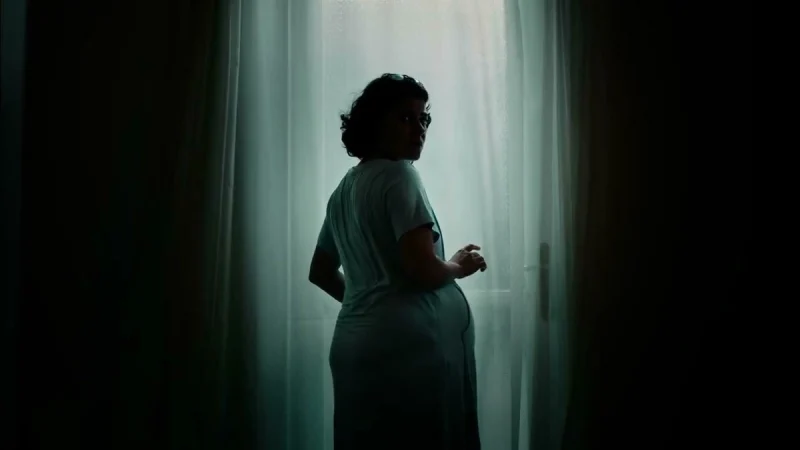
The New York African Film Festival’s short film lineup is all over the map: Ahmed Samir’s Grandma, Francis Y. Brown’s Blinded by the Lights, Adesola Thomas’s Sister Salad Days, and Devin Powell’s Where Are You From? Short films are perfect for diaspora stories. Short films don’t need to play it safe or unnecessarily extend their duration. They are direct and daring, delving into profound questions such as defining one’s identity, examining the transmission of culture through family, and exploring the consequences of defying societal norms.
Why Does Language Matter in Diaspora Narratives?
Black Panther wasn’t afraid to let Swahili, Xhosa, and Korean fill the screen. The T’Challa funeral, no subtitles needed, showed how Africans truly honour their dead. Language in diaspora stories isn’t just background noise. Whether characters speak the language of their ancestors, the language of the country they’ve moved to, or a mix of both, it says everything about their ties to home and how much they’ve blended in. Some films don’t translate every word for the mainstream. They trust the audience to pick up the meaning, to feel it in the rhythm and visuals. That kind of confidence says: these stories aren’t here to explain themselves; they’re here to be lived.
READ ALSO
- Afro-Luxury Kidswear: A New Generation Shaping Style Through Heritage
- Beads, Bangles, and Braids: The Signature Beauty of Fulani Women
- Minimalist Wellness: Stylish, Simple Routines That Elevate Your Day
Funding Challenges and Solutions
Africa No Filter’s Last Mile Film Fund offers up to $10,000 to filmmakers in Africa and the African diaspora who tell stories that challenge tired stereotypes and push for better representation of the continent. The fund focuses on African-led projects that challenge negative narratives. However, diaspora filmmakers often encounter obstacles when seeking traditional funding. Their projects cross cultural lines, so they don’t fit tidy marketing boxes. Institutions back home sometimes doubt their “authenticity,” while funders in their new countries might say their work is “too ethnic” for mainstream tastes. That’s why funds like this matter. They recognise the unique value of diaspora stories and help keep this kind of filmmaking alive.
Future Directions
Film Africa 2025 is putting a spotlight on African Cinema and Liberation, with a symposium featuring Billy Woodberry and Sir John Akomfrah. They’re digging into how cinema pushes back against colonial stories and helps build African cultural sovereignty. It’s more than just entertainment; these films spark real intellectual debate and help us understand how displaced communities hold onto, adapt, and pass down culture across time and place.
Streaming platforms are changing the game for diaspora storytellers. Now, global distribution is technically possible, but algorithms still push the same old content, making it tough for new voices to break through. Diaspora filmmakers need to get creative, build buzz at festivals, earn critical praise, and tap into community word-of-mouth to get around corporate gatekeepers.
Why Diaspora Stories Matter Now
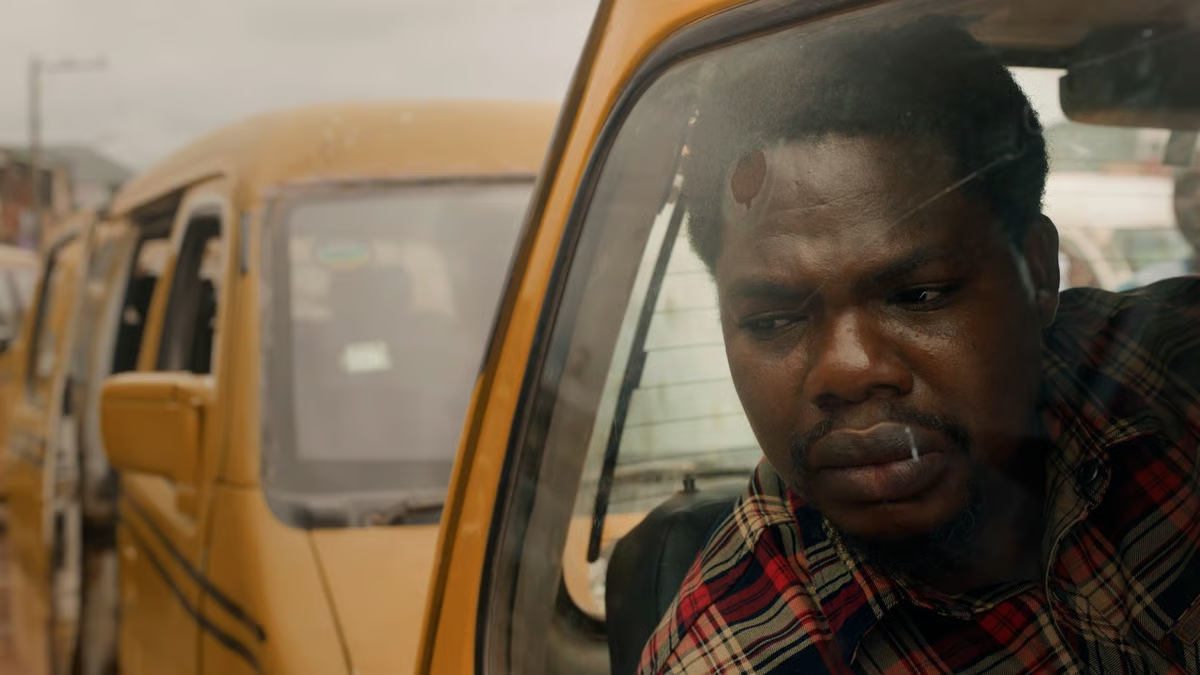
With rising nationalism, stricter immigration rules, and ongoing refugee crises, diaspora stories feel more urgent than ever. These films show that people can keep their roots and contribute in different places. Displacement doesn’t just mean loss; it also brings a fresh perspective. Borders? They’re recent inventions, not deep divides. Diaspora films remind us that hybrid identities aren’t a weakness; they’re a strength. Cultural translation doesn’t water things down; it opens up new possibilities.
Frequently Asked Questions
What is diaspora storytelling in film?
Diaspora storytelling means films made by or about people who’ve left their ancestral homelands. They explore how folks keep their culture alive, pass it on to the next generation, juggle multiple allegiances, and blend memories of home with new realities. Characters often navigate between two worlds, speaking multiple languages, grappling with issues of belonging, exile, and maintaining traditions.
Why is diaspora storytelling important?
These stories challenge the idea that you can only belong to one culture. They prove that displaced communities add real value wherever they go, preserve traditions that could otherwise fade, and offer views you just don’t get from people who’ve never moved. Hybrid identities aren’t confusing; they’re complex and interesting. Diaspora films dig deep into both old and new worlds.
What are examples of diaspora storytelling in film?
Think about Black Panther: Wakanda Forever, which dives into Pan-African identity and displacement. The New York African Film Festival screens over 50 diaspora films each year. The African Diaspora International Film Festival features work from 32 countries. Documentaries like Sugar Island look at Afro-Caribbean labour struggles, and Rhythm of Dammam explores the African diaspora in South Asia.
How do filmmakers fund diaspora stories?
Directors pull together money from all over: special grants like Africa No Filter’s fund, festival development programmes, community crowdfunding, international co-productions, streaming platform deals, and support from arts councils in their adopted countries. Most juggle several sources across the different stages of making a film.
What challenges does diaspora storytelling face?
It’s tough to get traditional financing when your story doesn’t fit the usual marketing categories. Funding bodies back home may question whether diaspora filmmakers are “authentic” enough. Funders in new countries might say the work is too specific or “ethnic”. Theatrical releases are limited. Streaming algorithms favour familiar stuff. Audiences sometimes expect diaspora films to educate rather than just tell a great story. It’s a lot to push through, but the stories are worth it.k