Menu
  • Fashion
  • Beauty
  • Lifestyle
  • News
  • Women
  • Men
  • Africa
  • Shopping
  • Events
  • Fashion
    • Trends
    • African Fashion Designers
    • Afro-Latin American Designers
    • Caribbean Designers
    • Street Style
    • Sustainable Fashion
    • Diaspora Connects
  • Beauty
    • Skincare
    • Makeup
    • Hair & Hairstyle
    • Fragrance
    • Beauty Secrets
  • Lifestyle
    • Culture & Arts
    • Travel & Destination
    • Celebrity Style
    • Luxury Living
    • Home & Decor
  • News
    • Cover Stories
    • Designer Spotlight
    • Fashion Weeks
    • Style Icons
    • Rising Stars
    • Opinion & Commentary
  • Women
    • Women’s Style
    • Health & Wellness
    • Workwear & Professional Looks
    • Evening Glam
    • Streetwear for Women
    • Accessories & Bags
  • African Style
    • Designers & Brands
    • Street Fashion in Africa
    • Traditional to Modern Styles
    • Cultural Inspirations
  • Shopping
    • Fashion finds
    • Beauty Picks
    • Gift Guides
    • Shop the Look
  • Events
    • Fashion Week Coverage
    • Red Carpet & Galas
    • Weddings
    • Industry Events
    • Omiren Styles Special Features
  • Men
    • Men’s Style
    • Grooming Traditions
    • Menswear Designers
    • Traditional & Heritage
    • The Modern African Man
  • Diaspora
    • Designers
    • Culture
  • Industry
    • Insights
    • Investment
    • Partnerships
    • Retail
    • Strategy
Subscribe
OMIREN STYLES OMIREN STYLES

Fashion · Culture · Identity

OMIREN STYLES OMIREN STYLES OMIREN STYLES OMIREN STYLES
  • Fashion
  • Beauty
  • Lifestyle
  • News
  • Women
  • Men
  • Africa
  • Shopping
  • Events
  • African Style

Afro-Luxury Kidswear: A New Generation Shaping Style Through Heritage

  • Heritage Oni
  • November 24, 2025
Afro-Luxury Kidswear: A New Generation Shaping Style Through Heritage
Total
0
Shares
0
0
0

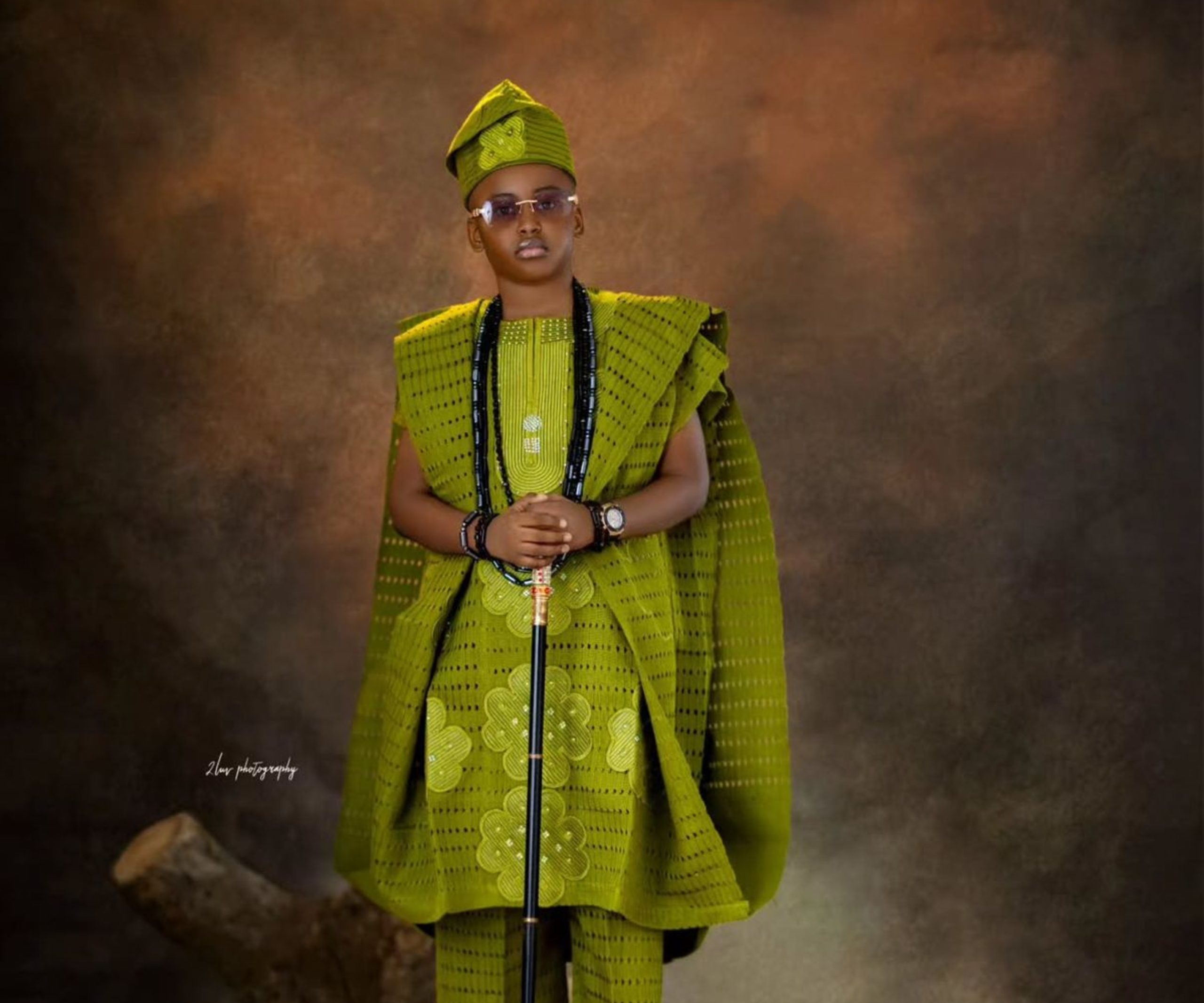
At a children’s birthday party in Abuja, a little boy steps in wearing a miniature agbada cut from soft Adire. For a moment, the room pauses. Not because he’s the celebrant, but because his look speaks, quietly and boldly, with beauty, confidence, and unmistakable heritage. Parents exchange knowing smiles, the photographer instinctively moves toward him, and even the children take note of a style that refuses to blend in. It stands apart. It informs the moment.

Scenes like this are becoming common across Nigeria. Afro luxury fashion for kids is on the rise, offering children clothing that is stylish, meaningful, and tied to culture. It is not just about dressing up for events; these pieces teach children pride, celebrate African craftsmanship, and show that culture can be both modern and luxurious.

From cultural heritage to contemporary elegance, explore how Afro luxury fashion for kids is redefining style, identity, and industry growth in Nigeria.

When Heritage Became Haute
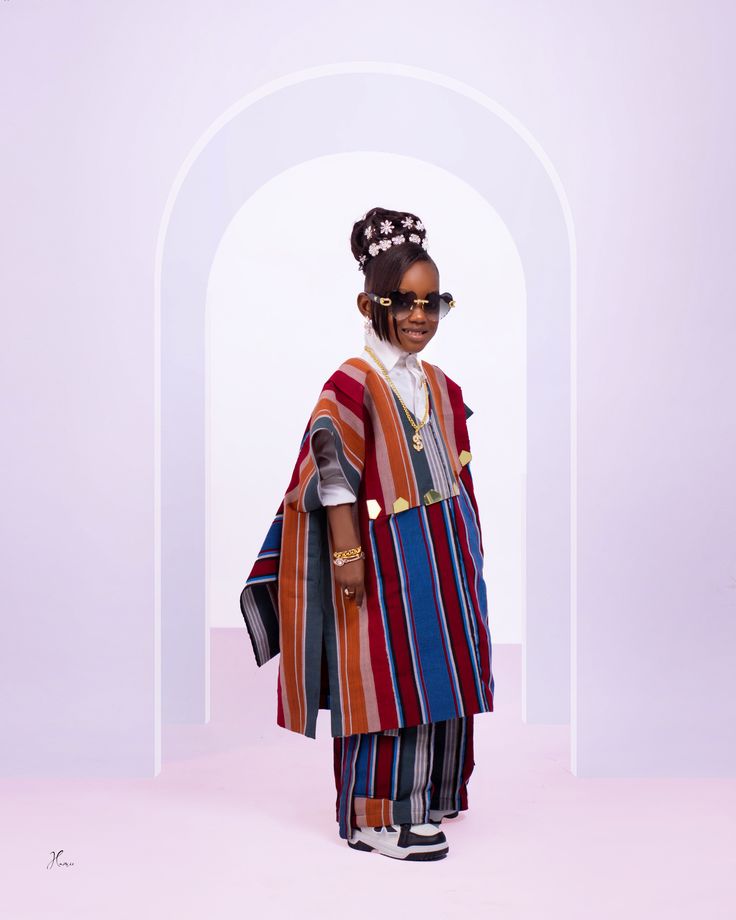
 When Heritage Became Haute

African children have always been dressed in culturally expressive clothing—from the indigo-dyed wrappers of Northern Nigeria to the intricate beadwork worn by young Maasai children in Kenya. However, the concept of luxury in African kids’ fashion evolved differently.

Luxury traditionally meant durability, craftsmanship, and symbolic significance. A child’s Aso-oke wrapper wasn’t merely fabric; it marked lineage, spiritual protection, or social status. In Igbo culture, George wrappers adorned children during significant rites, while in Yoruba communities, miniature Agbada sets were crafted with the same precision as those worn by royalty.

The global fashion boom of the 2000s, coupled with diaspora influence, transformed this heritage. African designers began infusing traditional textiles with contemporary silhouettes, giving rise to a new genre: Afro luxury fashion for kids. Instead of mass production, artisanship became the focal point. Families wanted pieces that were not only adorable but meaningful.

What Makes Afro Luxury for Kids Different?

1. Elevated Craftsmanship

Every seam matters. Brands today work with traditional weavers, bead makers, and fabric artisans. Children’s garments often feature hand-finished edges, custom embroidery, or ethically sourced textiles like Aso-oke, Kampala, Adire, Kente, and Bogolan.

2. Child-Centring the African Aesthetic

Designers are moving away from “mini adult fashion” and creating silhouettes that respect a child’s comfort—stretchable waistbands, breathable cotton linings, softer dye techniques, and balanced embellishments.

3. Ethical Production

Many Afro luxury children’s wear brands prioritise fair labour and local sourcing, reflecting a new industry standard aligned with global luxury ethics.

4. Cultural Storytelling

Each piece carries intentional meaning. A dress inspired by Nsibidi symbols or a boubou with hand-dyed motifs becomes a wearable lesson in identity.

Afro Luxury for Kids in Today’s Nigerian Fashion Industry

Afro Luxury for Kids in Today’s Nigerian Fashion Industry

Nigeria’s fashion industry is experiencing a renaissance, and children’s wear holds a surprisingly influential space in this momentum.

Parents aged 25 to 40, especially millennial mothers, are seeking culturally conscious options that avoid fast fashion. This shift drives demand for high-quality African pieces, pushing designers to evolve their techniques, broaden their collections, and expand their global export capabilities.

Afro luxury children’s wear contributes to the industry in three crucial ways:

1. Job Creation in Traditional Craft Communities

As brands return to local weaving, dyeing, and beadwork, artisans gain consistent income and recognition. It keeps ancient crafts alive while empowering people financially.

2. Cultural Diplomacy

Nigeria’s children appear in weddings, birthdays, and international school events dressed in Ankara, Adire, and Aso-oke, becoming soft ambassadors of the culture.

3. Expanding the Global African Narrative

As global retailers seek diverse representation, children’s Afro luxury fashion has become a sought-after export category. Lagos, Abuja, and Accra brands now sell to families in London, Toronto, and Texas who want heritage woven into modern wardrobe choices.

Why Parents Are Choosing Afro Luxury for Their Children
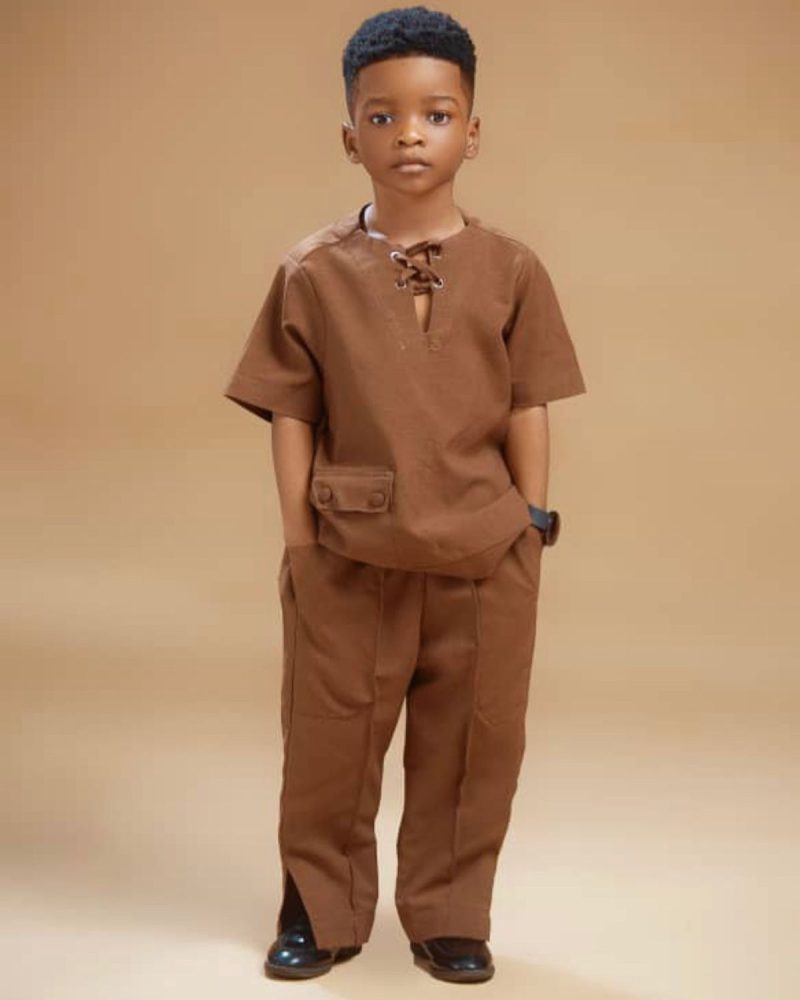
Why Parents Are Choosing Afro Luxury for Their Children

Identity Building

Wearing African prints and textiles encourages children to embrace their culture early, weaving pride into their formative years.

Longevity

Luxury African fabrics, particularly Aso-oke and handwoven cottons, are made to last—often passed down between siblings.

Occasion Versatility

From school cultural days to weddings to photoshoots, Afro luxury outfits offer a balanced blend of elegance and age-appropriateness.

Aesthetic Value

Bold colours, meaningful motifs, and refined tailoring create visually striking outfits that rival international luxury brands.

Conclusion

Afro luxury fashion for kids is more than a trend; it is a cultural renaissance carried by the smallest members of the community. It honours heritage, supports artisans, empowers local industries, and gives children a fundamental sense of identity through clothing.

As the Nigerian fashion industry continues its upward rise, children’s wear stands as a vibrant pillar, proof that when African culture is infused with meticulous craftsmanship, even the smallest garments can carry the weight of history and the promise of the future.

5 FAQs

1. What defines Afro luxury fashion for kids?

It is a children’s fashion rooted in African textiles, craftsmanship, and cultural symbolism, produced with high-quality and ethically sourced materials.

2. Which fabrics are commonly used?

Aso-oke, adire, Ankara, kente, bogolan, Kampala, handwoven cottons, and natural-dye fabrics.

3. Is Afro luxury for kids only for special occasions?

No. While often worn to events, designers now create elevated casual pieces that balance comfort, durability, and elegance.

4. How does it benefit the Nigerian fashion industry?

It boosts artisan employment, strengthens its economy’s export potential, and expands Nigeria’s global fashion presence.

5. Are these outfits comfortable for children?

Yes. Modern brands prioritise softer linings, lightweight fabrics, and child-friendly fits without compromising aesthetics.

Post Views: 354
Total
0
Shares
Share 0
Tweet 0
Pin it 0
Related Topics
  • African Kids Fashion
  • Afro Luxury Fashion
  • Cultural Heritage Style
  • Modern African Design
Avatar photo
Heritage Oni

theheritageoni@gmail.com

You May Also Like
The East African Anchor: The Evolution of the Kanzu
View Post
  • Cultural Inspirations
  • Traditional & Heritage

The East African Anchor: The Evolution of the Kanzu

  • Faith Olabode
  • April 15, 2026
Top 5 Igbo Traditional Bridal Looks for Igba Nkwu in 2026
View Post
  • Cultural Inspirations
  • Weddings

Top 5 Igbo Traditional Bridal Looks for Igba Nkwu in 2026

  • Rex Clarke
  • April 15, 2026
Top 5 George Styles for Igbo Women in 2026
View Post
  • African Style

Top 5 George Styles for Igbo Women in 2026

  • Rex Clarke
  • April 14, 2026
Rwanda's Fashion Commitment: How One Country's Craft Philosophy Is Rewriting Africa's Narrative
View Post
  • African Style
  • Industry

Rwanda’s Fashion Commitment: How One Country’s Craft Philosophy Is Rewriting Africa’s Narrative

  • Philip Sifon
  • April 14, 2026
Akwete Styles for Igbo Women
View Post
  • Cultural Inspirations

Top 5 Akwete Styles for Igbo Women

  • Adams Moses
  • April 14, 2026
The Cultural Clothing of Somali Women
View Post
  • Cultural Inspirations
  • Traditional to Modern Styles

The Cultural Clothing of Somali Women

  • Meseret Zeleke
  • April 14, 2026
What Makes a Fashion Capital: Why the Definition Was Never Built to Include Africa
View Post
  • Cultural Inspirations
  • Opinion & Commentary

What Makes a Fashion Capital: Why the Definition Was Never Built to Include Africa

  • Fathia Olasupo
  • April 13, 2026
The Ndebele Aesthetic: Pattern, Identity, and the Global Brands That Have Borrowed Without Credit
View Post
  • Cultural Inspirations
  • Opinion & Commentary

The Ndebele Aesthetic: Pattern, Identity, and the Global Brands That Have Borrowed Without Credit

  • Philip Sifon
  • April 13, 2026

Leave a Reply Cancel reply

Your email address will not be published. Required fields are marked *

The Omiren Argument

African fashion and culture are not emerging. They are foundational. We document, interpret, and argue for the full cultural weight of African and diaspora dress. With precision. Without apology.

Omiren Styles Fashion · Culture · Identity

All 54 African Nations
Caribbean · Afro-Latin America
The Global Diaspora

Platform

  • About Omiren Styles
  • Our Vision
  • Our Mission
  • Editorial Pillars
  • Editorial Policy
  • The Omiren Collective
  • Campus Style Initiative
  • Sustainable Style
  • Social Impact & Advocacy
  • Investor Relations

Contribute

  • Write for Omiren Styles
  • Submit Creative Work
  • Join the Omiren Collective
  • Campus Initiative
Contact
contact@omirenstyles.com
Our Reach

Africa — All 54 Nations
Caribbean
Afro-Latin America
Global Diaspora

African fashion intelligence, in your inbox.

Editorial features, designer profiles, cultural commentary. No noise.

© 2026 Omiren Styles — Rex Clarke Global Ventures Limited. All rights reserved.
  • Privacy Policy
  • Editorial Policy
  • Terms of Use
  • Accessibility
Africa · Caribbean · Diaspora
The Omiren Argument

African fashion and culture are not emerging. They are foundational. We document, interpret, and argue for the full cultural weight of African and diaspora dress. With precision. Without apology.

Omiren Styles Fashion · Culture · Identity
  • About Omiren Styles
  • Our Vision
  • Our Mission
  • Editorial Pillars
  • Editorial Policy
  • The Omiren Collective
  • Campus Style Initiative
  • Sustainable Style
  • Social Impact & Advocacy
  • Investor Relations
  • Write for Omiren Styles
  • Submit Creative Work
  • Join the Omiren Collective
  • Campus Initiative
Contact contact@omirenstyles.com

All 54 African Nations · Caribbean
Afro-Latin America · Global Diaspora

African fashion intelligence, in your inbox.

Editorial features, designer profiles, cultural commentary. No noise.

© 2026 Omiren Styles
Rex Clarke Global Ventures Limited.
All rights reserved.

  • Privacy Policy
  • Editorial Policy
  • Terms of Use
  • Accessibility
Africa · Caribbean · Diaspora

Input your search keywords and press Enter.