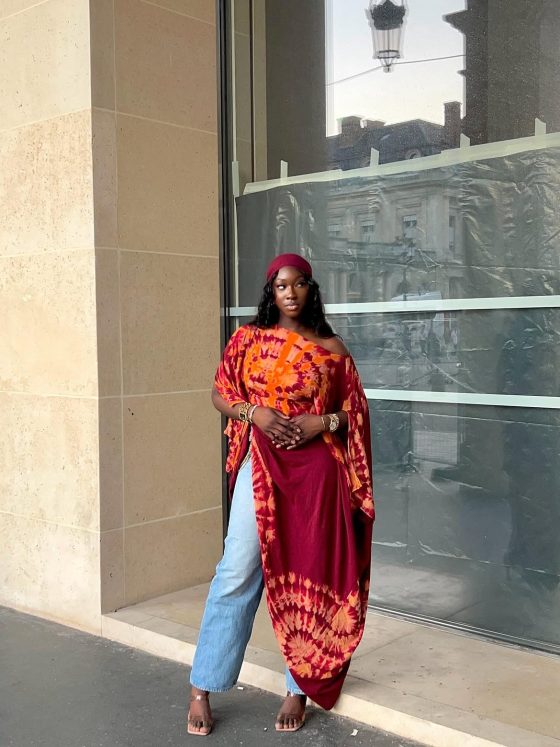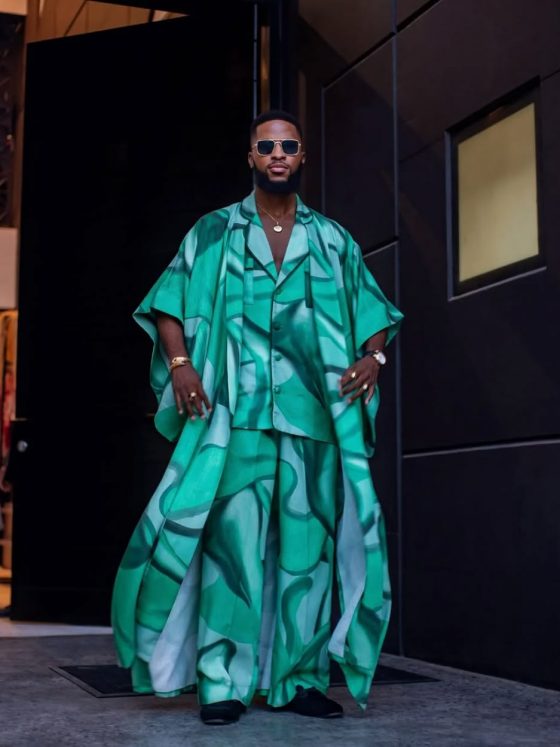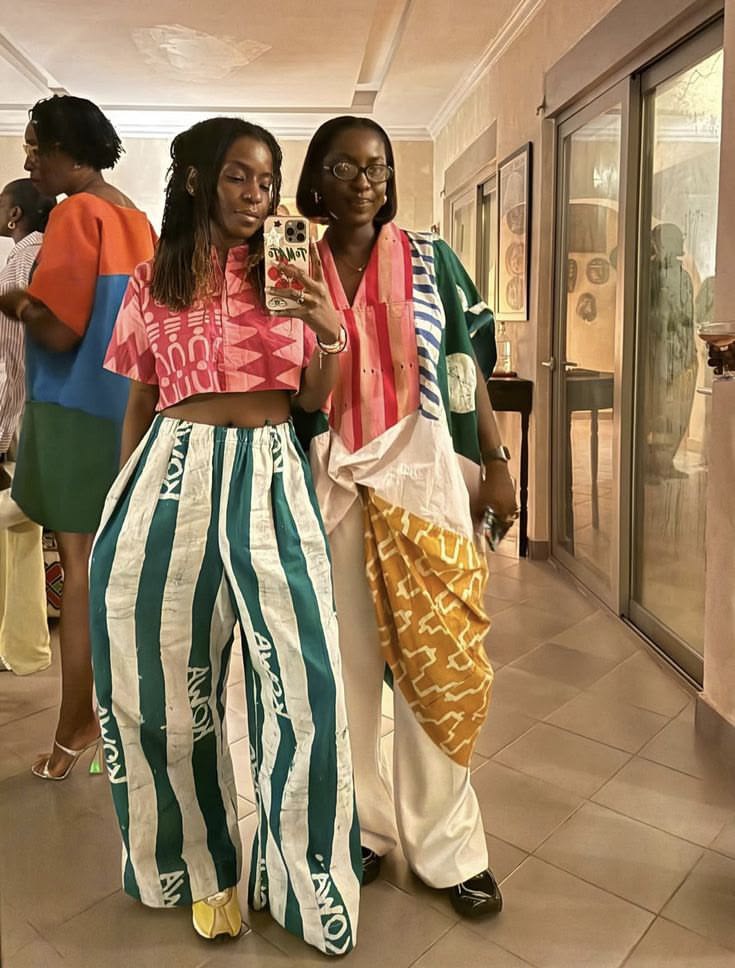
The global fashion industry has a Caribbean problem. Not a shortage of interest. The resort collections arrive every season, the mood boards fill with movement and heat, and the editorials reach for the tropics when they need to signal ease and freedom. The interest has never been in question. The problem is attribution. The problem is valuation. The problem is that an industry which has borrowed from Caribbean fashion for decades has never seriously accounted for what it owes.
Caribbean fashion is not a regional variation of global style. It is a design tradition with its own intellectual history, economic weight, and documented influence on the clothes the world wears. It predates most European fashion houses. It has shaped silhouettes, textiles, and aesthetics that the global industry later packaged as innovation. And it has done all of this without receiving the infrastructure, the investment, or the critical literature that its output has always warranted.
This is where that changes.
Caribbean fashion is not resort wear. It is a design tradition with documented global influence and a measurable economy. Omiren Styles builds the record that was never given.
A Design Tradition Built Across Four Hundred Years
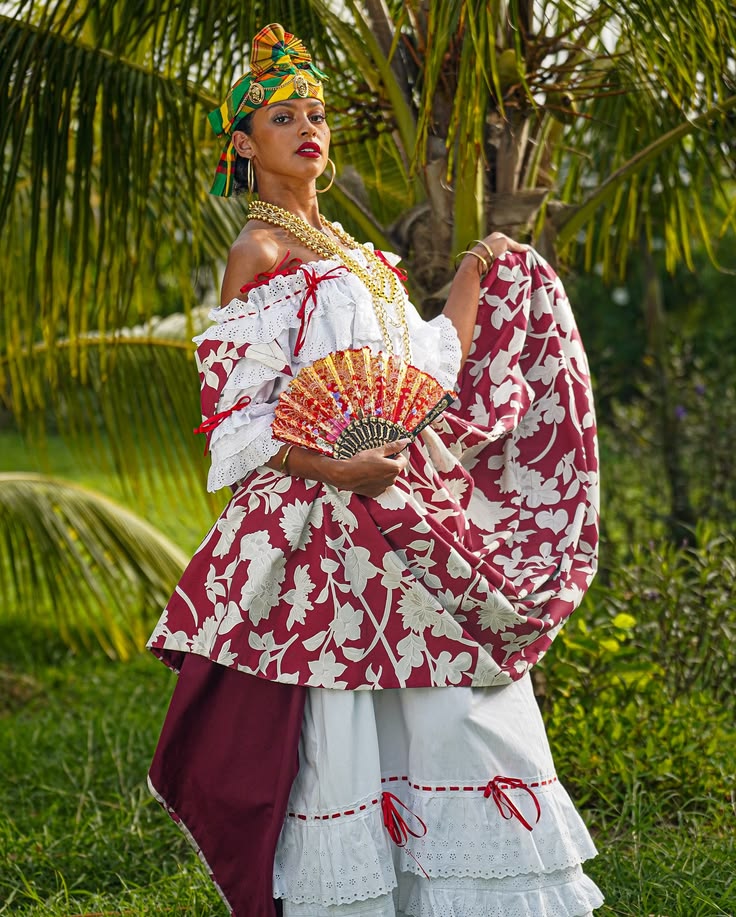
Caribbean fashion spans nations and territories across the Anglophone, Francophone, and Dutch Caribbean, and its foundations are not uniform. They are layered. African material culture brought to the region through the transatlantic slave trade forms the deepest root: textile traditions, draping techniques, and the relationship between dress and ceremony that survive intact across communities in the region today. Indian indentureship brought South Asian textile and garment traditions that fused with Creole aesthetics across Trinidad, Guyana, and beyond. Indigenous design systems, European tailoring adapted and subverted under colonial conditions, and the creative responses to poverty, resistance, and celebration all compress into a fashion tradition that is among the most historically dense in the world.
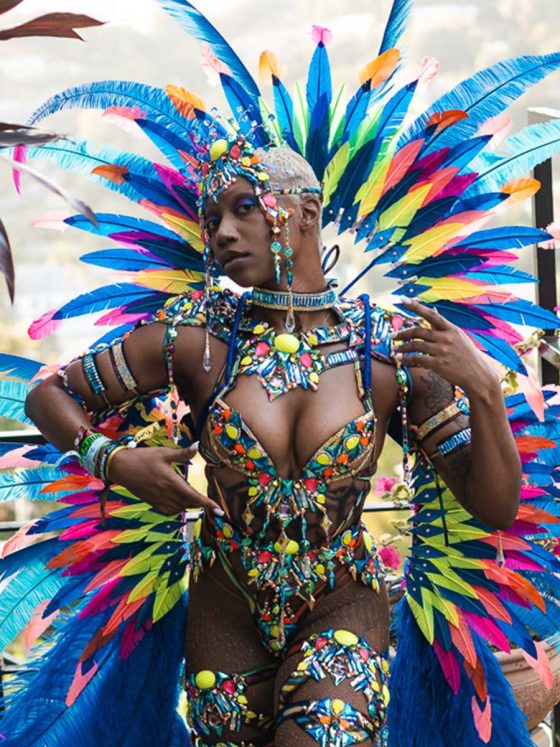
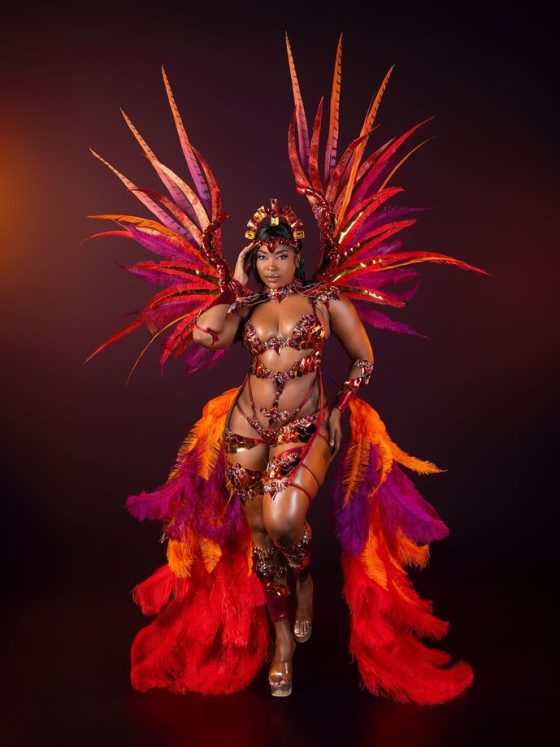
The error the global industry makes is treating this tradition as a single, interchangeable aesthetic. Caribbean fashion is not one thing. Mas design in Trinidad is architecture: structural engineering at scale, built for bodies in motion, produced by designers who receive no fashion week coverage for work that would command major press if it appeared on a European runway. Haitian dress is the most intact archive of African material culture surviving in the Americas, as documented by Rara, Carnival, and Sacred Dress: The Intersection of Art, Ceremony, and Cloth in Haiti. The madras cloth of the French Caribbean carries a history of trade, colonial negotiation, and community identity that global textile brands reproduce without attribution. Each island, each territory, each community brings a distinct contribution. Omiren Styles covers all of it, with the specificity the subject demands and the authority it has always deserved.
“Caribbean fashion did not inspire the global industry. It built parts of it. The distinction matters commercially.”
The Economic Reality the Industry Has Not Counted
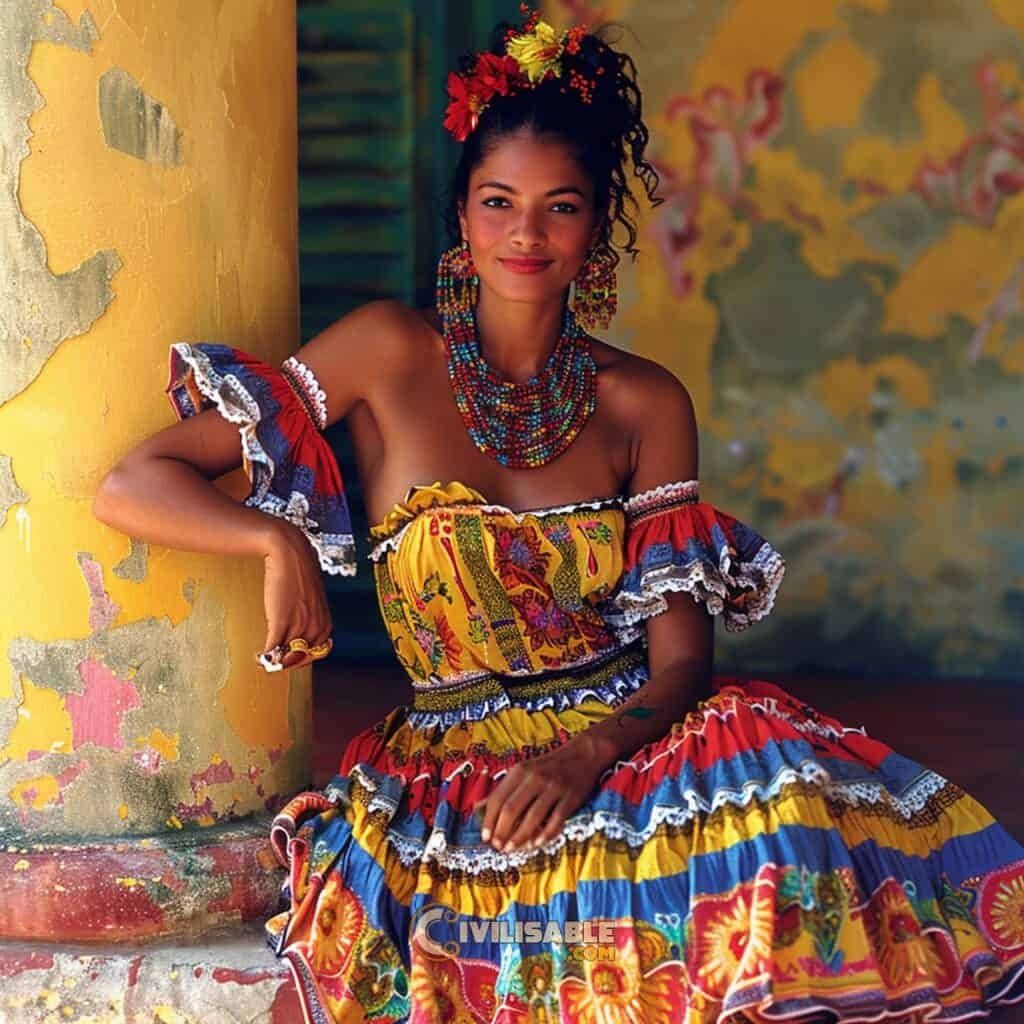
The Caribbean creative economy is measurable and not marginal. Festival fashion alone generates significant regional expenditure. According to the Central Bank of Barbados, Barbadian creatives made the second-highest number of applications for emergency relief funding across the region during the COVID-19 pandemic, underlining the scale of the creative sector. Trinidad Carnival costume production generates an estimated $50 million to $80 million annually in direct costume expenditure, before accounting for the broader supply chain of fabric, craft, and labour it sustains. These figures do not appear in global fashion industry reporting. They do not inform trend forecasting, investment analysis, or trade press coverage. The Caribbean fashion economy operates at scale, and the global industry has chosen to ignore it.
Beyond festival fashion, the region’s designer economy is growing on its own terms. UNESCO’s Creative Caribbean programme has documented that thousands of Cultural and Creative Industry professionals across 15 Caribbean nations lack professional representation or access to formal financing mechanisms. Designers from Trinidad, Jamaica, Barbados, Haiti, the Dominican Republic, Guadeloupe, and Martinique are building export-capable brands without the distribution infrastructure, fashion-week access, or investment capital that designers at comparable talent levels receive in other markets. The gap between recognition and infrastructure is the defining condition of Caribbean fashion in 2025, and it is the condition Omiren Styles was built to document and challenge.
The Origin Record: What the Caribbean Built That the World Renamed
The silhouettes that Paris called new in the late 2010s had been worn at Carnival for forty years. The natural hair movement that global beauty brands now serve as a commercial category was a cultural and political position that Caribbean and African diaspora communities established long before the beauty industry arrived. Jamaican street style has influenced music video aesthetics, streetwear collections, and designer references for six decades, a record explored in depth in Jonkonnu, Masquerade, and Dancehall: How Jamaican Performance Culture Drives Dress. None of this appears in the credits. None of it appears in the licensing agreements. None of it informs the investment flows.
Omiren Styles names the origin. Every article in this series documents the record, not as a grievance, but as fact. The Origin Claim sits at the centre of our editorial architecture because it is inseparable from the economic argument: you cannot price Caribbean fashion correctly until you understand what it has produced and who produced it first. The UNESCO Transcultura programme recognises this directly, identifying Caribbean fashion design as a sector of cultural, social, and economic consequence that requires active institutional support.
Island by Island: The Editorial Map
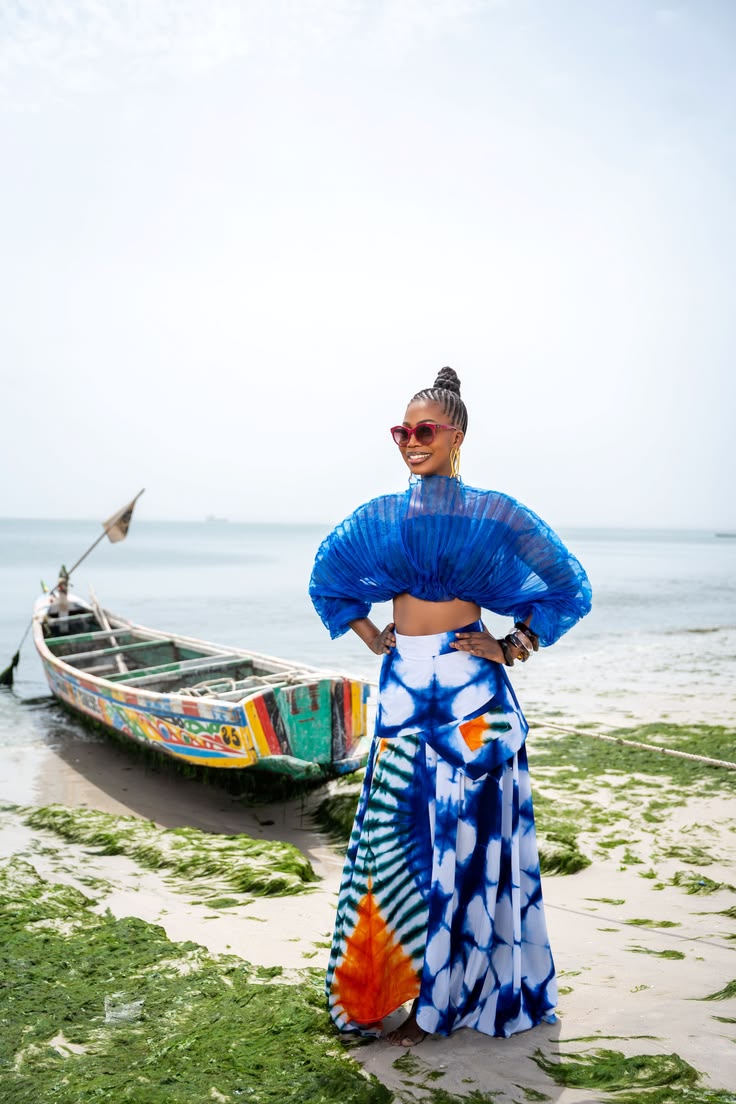
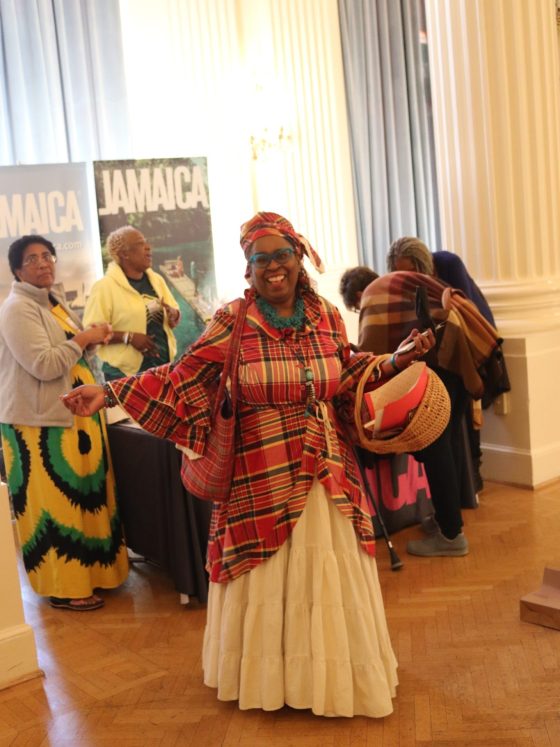
Jamaica has a designer generation building a fashion industry that extends well beyond dancehall and resort. Kingston produces work that engages seriously with Afrocentric aesthetics, with the island’s textile history, and with international markets on its own terms. Its street-dress tradition has been ahead of global trend cycles since the 1960s. Read: Jonkonnu, Masquerade, and Dancehall: How Jamaican Performance Culture Drives Dress.
Trinidad and Tobago operate two of the most economically significant fashion events in the Caribbean. Carnival costume production and its associated supply chain represent one of the region’s most underdocumented fashion economies. Read: Steelband, Calypso, and Cloth: How Trinidad’s Performance Arts Produce Dress Culture.
Barbados built a Caribbean fashion infrastructure before the island became a global reference point. Crop Over is a fashion economy worth hundreds of millions of dollars that GDP reports fail to capture accurately. Designers from Trinidad and Tobago shaping this conversation are profiled in Designers from Trinidad and Tobago Shaping Afro-Caribbean Fashion Globally.
Haiti holds the most intact archive of African material culture in the Americas. Its dress traditions are a primary source document for understanding how African aesthetic systems survived, evolved, and produced knowledge in the New World. Read: The Future of Haitian Fashion: Craft Networks, Diaspora Investment, and Cultural Continuity.
Dominican Republic produces an Afro-Dominican aesthetic that the global market consistently mislabels as generically Latin, erasing the African cultural foundations that define it. Read: Gaga, Palos, and Festival Dress: How Afro-Dominican Cultural Arts Build Identity Through Cloth.
Guadeloupe and Martinique are French territories whose designers hold EU passports and live under French law, yet cannot access the Paris industry that those passports should entitle them to. The French Caribbean blind spot is one of the sharpest structural failures in global fashion’s relationship with the region.
ALSO READ
→ Rara, Carnival, and Sacred Dress: The Intersection of Art, Ceremony, and Cloth in Haiti
→ Designers from Trinidad and Tobago Shaping Afro-Caribbean Fashion Globally
→ Gaga, Palos, and Festival Dress: How Afro-Dominican Cultural Arts Build Identity Through Cloth
→ Stella Jean: The First Black Italian Designer Who Forced Milan to Look
→ Caribbean Diaspora — Full Series
The Industry Conversation: Essays, Street Style, and the Economic Case
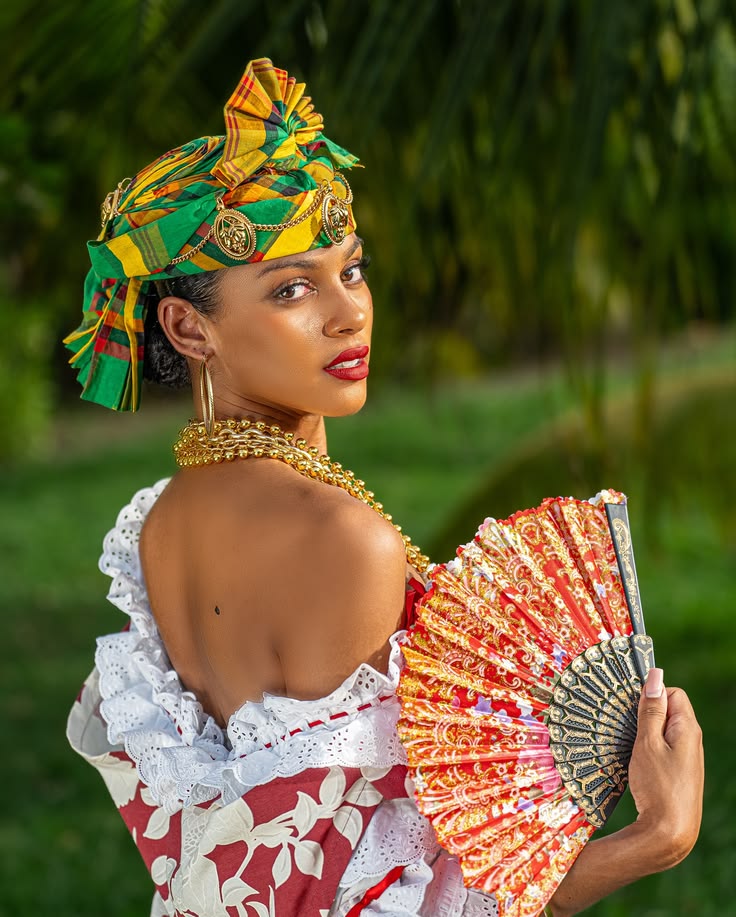
The essays in this series make the argument directly and without softening. Caribbean fashion did not inspire the global industry. It built parts of it. The label “tropical” is a diminishment, and every Caribbean designer who has accepted it has accepted a lower price point. Stella Jean, profiled in Stella Jean: The First Black Italian Designer Who Forced Milan to Look, is among Caribbean-diaspora designers who have built a case in Europe that the industry has yet to process fully.
The City Diary articles in this series document what the Caribbean wears when no one is packaging it for export. Kingston, Bridgetown, and Santo Domingo each carry distinct street dress systems that global fashion references without naming. The Afro-Dominican street culture documented in The Future of Afro-Dominican Fashion: Representation, Policy, and Cultural Confidence illustrates the depth of what the fashion press has consistently failed to cover.
The economic case is built on data. The British Council’s mapping of Jamaica’s Cultural and Creative Industries confirms fashion as a formal component of the Entertainment, Culture and Creative Industries (ECCIs), operating alongside music, visual arts, and digital media as a sector with a measurable contribution to GDP. No equivalent market sizing has been done for the Caribbean fashion economy as a whole. Omiren Styles is building that record.
The global fashion industry has positioned Caribbean fashion as a source of inspiration rather than authority. That pricing decision is not aesthetic. It is structural. It reflects who controls the critical infrastructure of fashion: the press, investment, distribution, and trade shows. Caribbean designers have been producing at a world-class level for decades within a system designed to make that work invisible at the point where visibility becomes economic value.
Omiren Styles was built to correct that record. Every article in this series is an act of documentation: specific, sourced, and positioned from a cultural ownership perspective rather than from outside observation. The correction is not sentimental. It is editorial. And it is long overdue.
FREQUENTLY ASKED QUESTIONS
What is Caribbean fashion?
Caribbean fashion is a design tradition spanning the Anglophone, Francophone, and Dutch Caribbean, with roots in African, Indian, Indigenous, and European material cultures. It encompasses festival fashion, couture, street style, textile craft, and designer-led ready-to-wear and has had a documented influence on global fashion trends over the past six decades.
Which Caribbean countries have the strongest fashion industries?
Trinidad and Tobago, Jamaica, Barbados, Haiti, and the Dominican Republic each carry distinct and significant fashion economies. Trinidad produces the region’s most economically substantial festival fashion through Carnival. Jamaica has the longest-running influence on global street style. Barbados has developed the most structured fashion infrastructure. Haiti holds the region’s deepest archive of African material culture in the Americas.
How has Caribbean fashion influenced global trends?
Caribbean fashion has shaped global style in documented ways. Specific silhouettes from Carnival were adopted by European designers years after their origins in the Caribbean. Jamaican street style has influenced global streetwear and music video aesthetics since the 1960s. Natural hair aesthetics developed in Caribbean and African diaspora communities predate the beauty industry’s current focus on textured hair by decades. Attribution has been rare.
Why is Caribbean fashion underrepresented in global fashion media?
Caribbean fashion is structurally underrepresented because global fashion media has historically focused on markets where investment, infrastructure, and fashion weeks operate at scale. Caribbean designers operate without equivalent infrastructure, with limited access to international trade shows, distribution networks, and investment capital. The coverage gap reflects an infrastructure gap, not a talent gap. UNESCO’s Creative Caribbean programme has documented this formally.
What is Omiren Styles’ editorial approach to Caribbean fashion?
Omiren Styles covers Caribbean fashion as a serious, established industry, not as a regional curiosity or a source of inspiration for global designers. Every article is built on a documented editorial argument, uses Tier 1 data sources where available, and is written for Caribbean industry professionals first. The editorial position is that Caribbean fashion has been systemically undervalued, and correcting that valuation requires accurate, authoritative coverage built on cultural ownership.
Explore the full Caribbean fashion series on Omiren Styles, where Caribbean fashion is always the subject, never the backdrop.