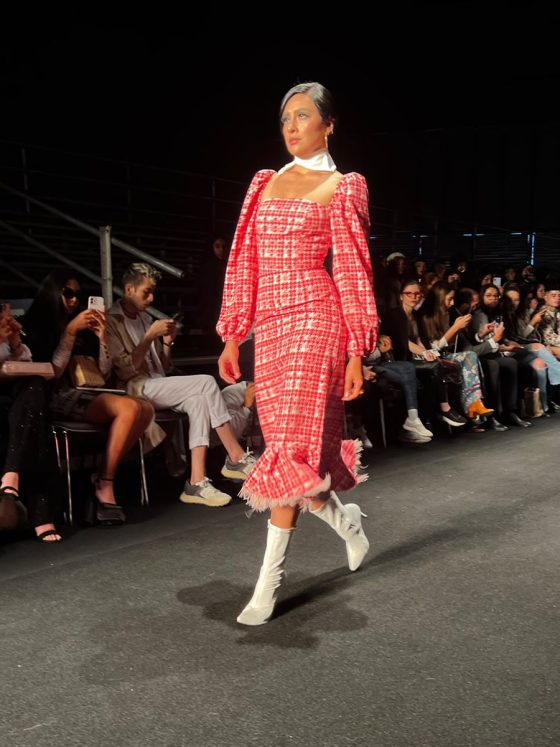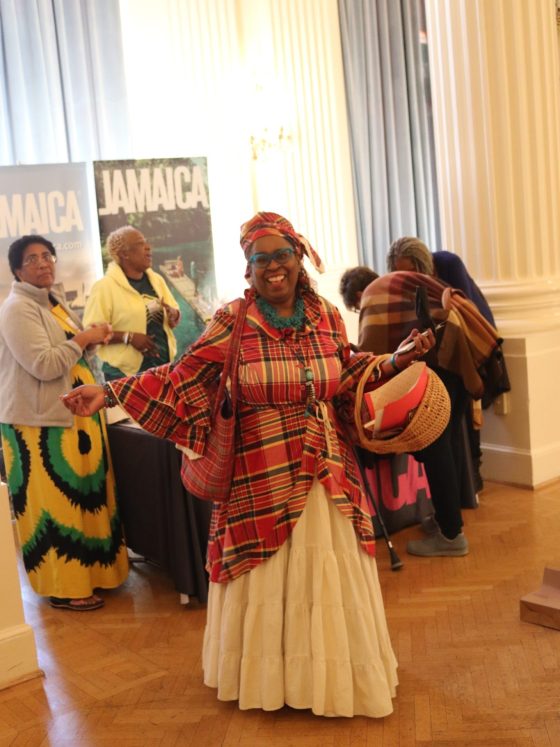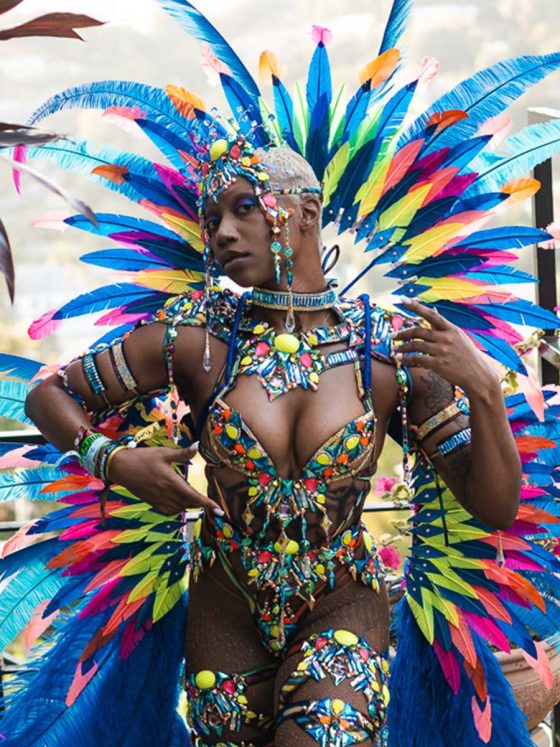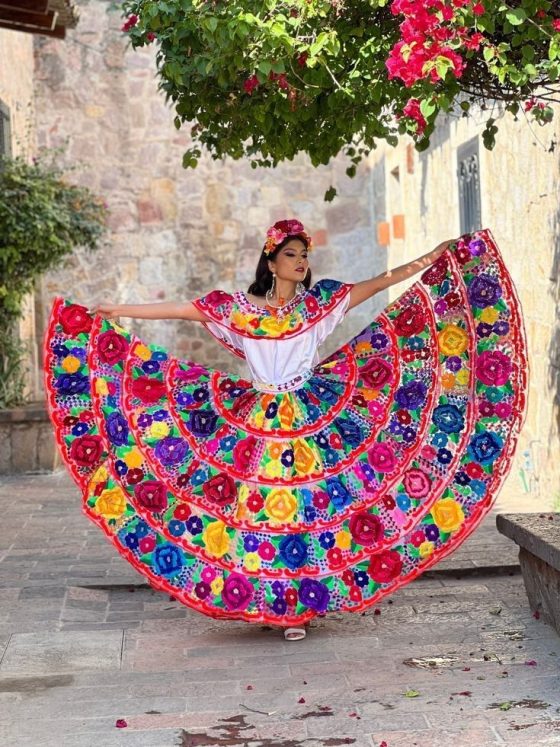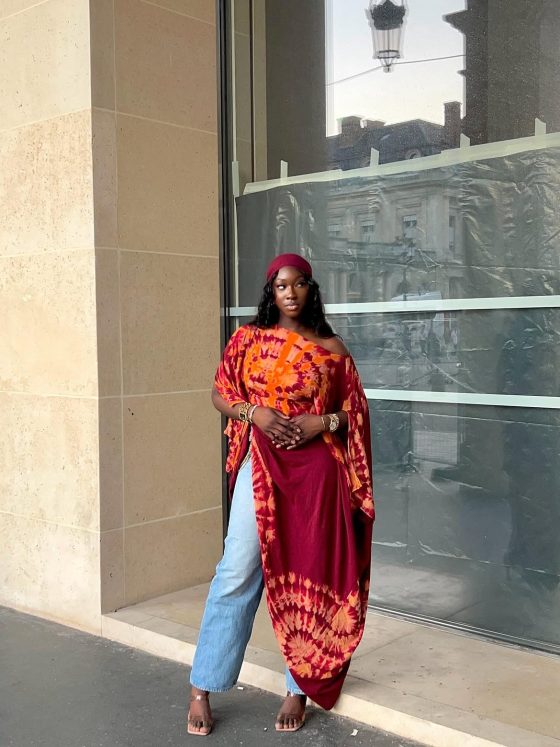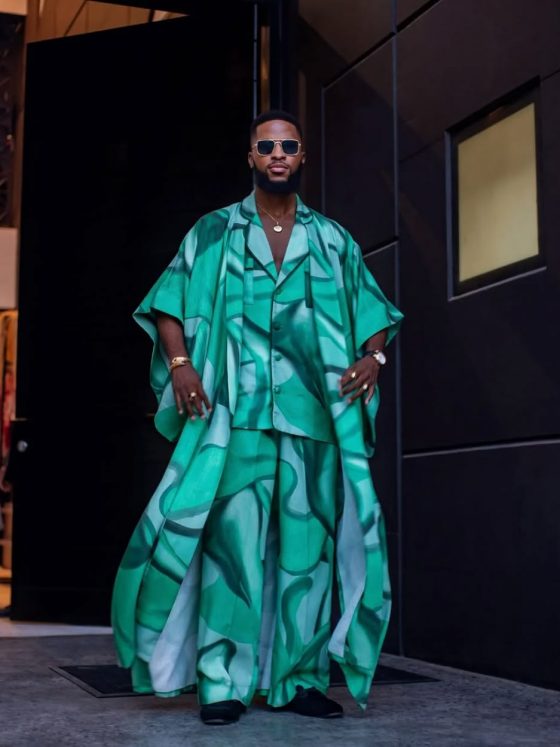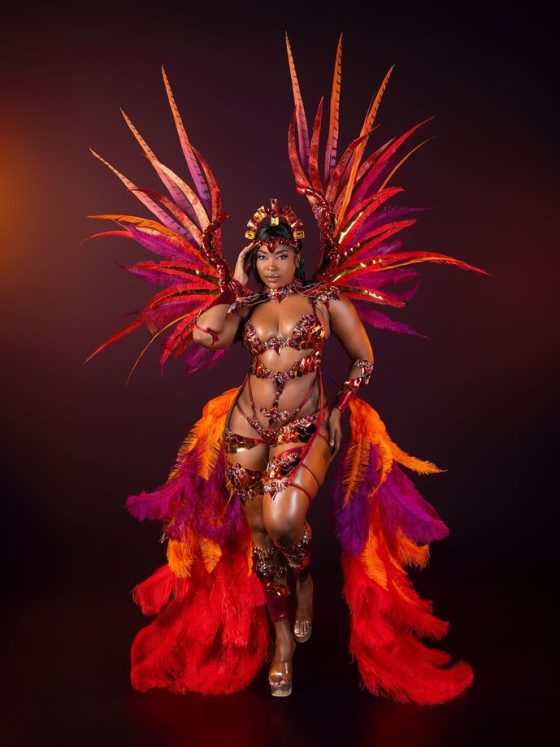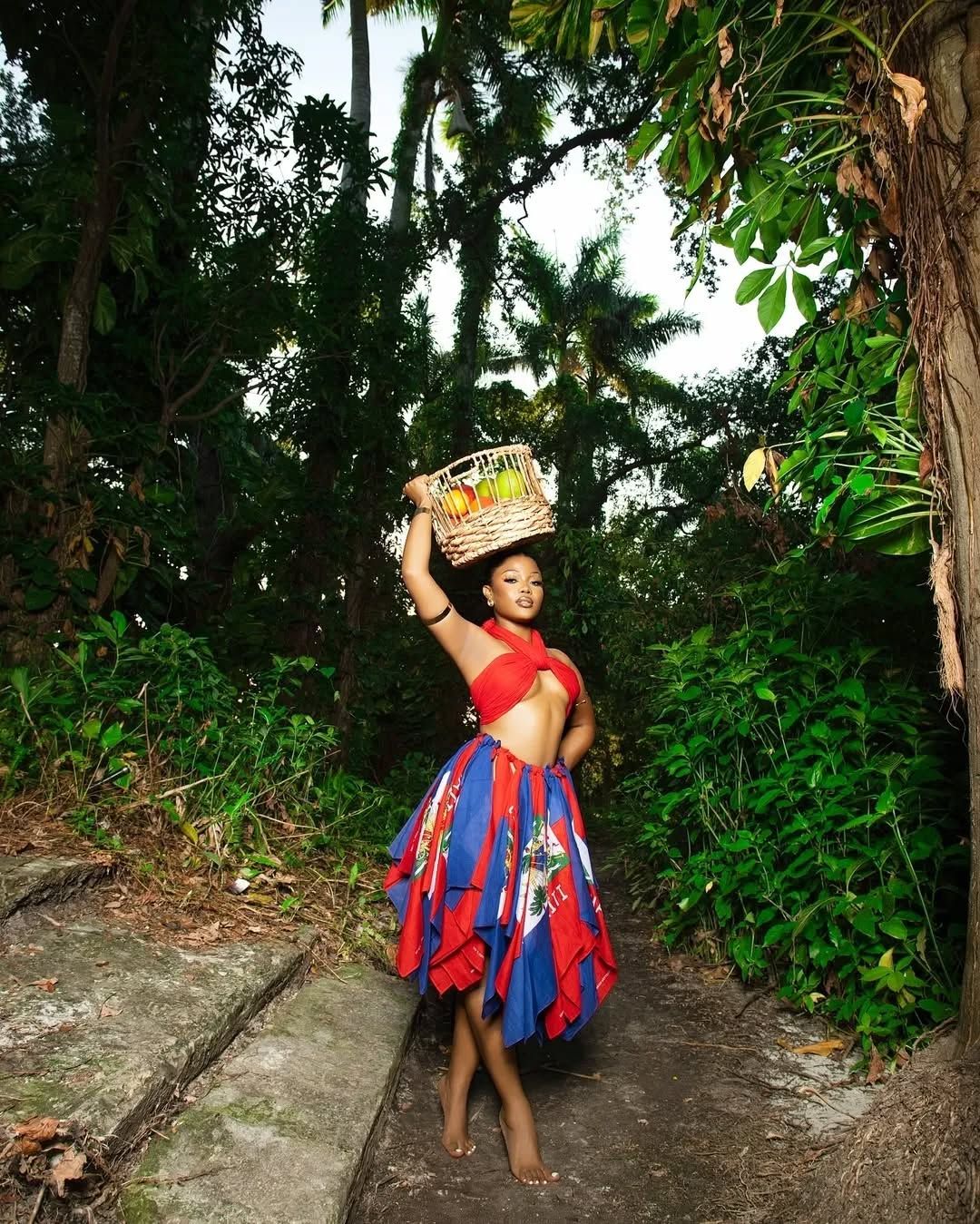
Haitian fashion does not operate through the same infrastructure as larger global fashion economies. Many designers work without stable manufacturing systems, large-scale retail distribution, or consistent institutional support. Yet Haitian fashion continues to grow through networks that function outside conventional industry structures. Tailors, artisans, textile workers, bead makers, painters, diaspora retailers, and independent designers sustain production through layered systems built on craft knowledge, community labour, and transnational connection.
The future of Haitian fashion will not be determined primarily by luxury visibility or international runway access. Its direction is already being shaped through craft economies, diaspora financing, digital commerce, and local production systems that allow Haitian creative work to circulate despite political and economic instability.
Explore the future of Haitian fashion as craft networks, artisans, and diaspora investment build resilient production systems that sustain designers beyond traditional luxury runways and unstable local infrastructure.
Craft Production Remains the Industry Foundation
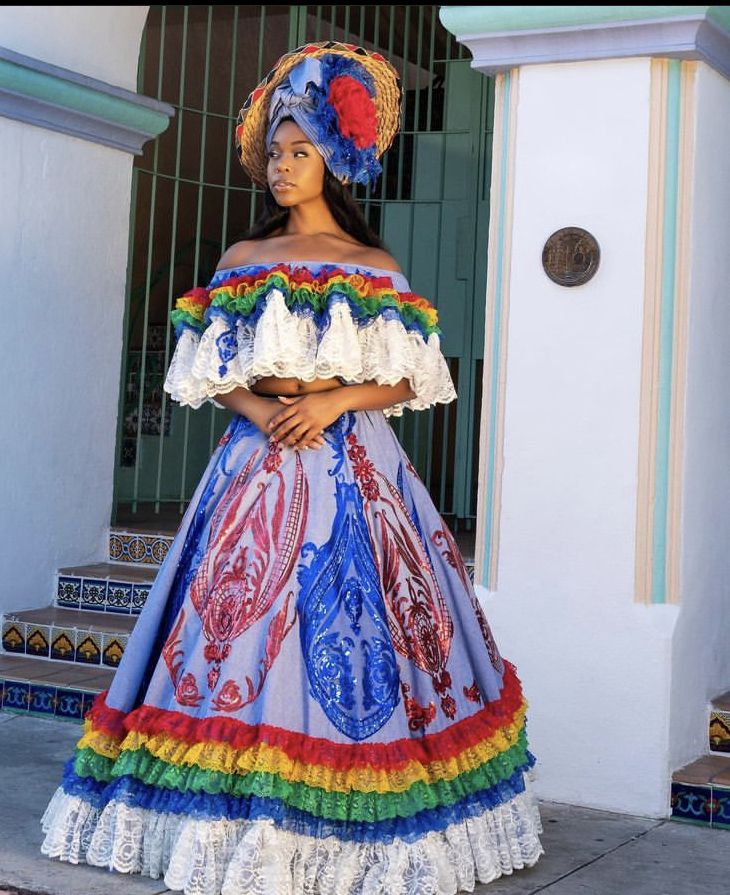
Craft labour continues to sit at the centre of Haitian fashion production. Embroidery, beadwork, painting, tailoring, and handmade textile processes remain economically significant across both domestic and export-facing fashion sectors.
Many Haitian designers rely on artisan networks capable of producing detailed handwork that industrial manufacturing systems cannot easily replicate. Painted garments, embellished textiles, and handmade accessories remain deeply connected to Haiti’s broader artistic culture.
This structure matters because the growth of Haitian fashion is not driven solely by mass production. The industry’s strength often comes from specialised craftsmanship rooted in local knowledge and labour-intensive production systems.
As global fashion increasingly values traceable production and handmade work, Haitian craft networks hold long-term economic relevance beyond tourism markets.
Diaspora Investment and Cross-Border Fashion Economies
The Haitian diaspora plays a major role in sustaining fashion businesses connected to Haiti. Designers often sell directly to diaspora communities in cities such as Miami, Montreal, New York, and Paris, where Haitian cultural identity supports continued demand for clothing, accessories, and ceremonial garments.
Diaspora investment also supports production indirectly through remittances, collaborative business partnerships, online retail, and cultural promotion abroad.
Importantly, diaspora fashion economies allow Haitian designers to operate beyond the limitations of domestic purchasing power alone. International Haitian communities create alternative circulation systems in which fashion serves as both commerce and cultural continuity.
This cross-border structure is likely to remain central to the future of Haitian fashion because it provides financial flexibility and market access that local systems alone cannot consistently guarantee.
Digital Platforms and Independent Visibility
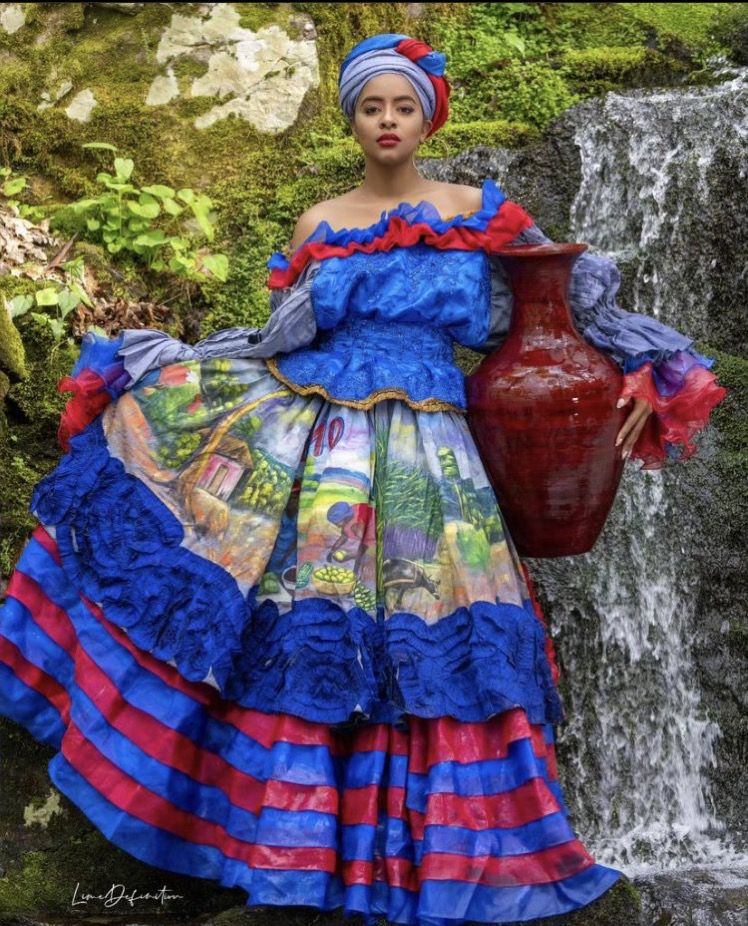
Social media and digital commerce have changed how Haitian designers reach audiences. Independent brands increasingly use Instagram, TikTok, WhatsApp business systems, and direct online sales to bypass traditional retail barriers.
Digital visibility has also allowed younger Haitian creatives to present work outside older media narratives that often frame Haiti primarily through crisis reporting. Fashion photography, styling projects, beauty campaigns, and independent editorials now circulate globally through online platforms controlled by Haitian creatives themselves.
This shift matters because representation increasingly shapes economic opportunity. Designers who control their own visual narratives gain greater flexibility in how Haitian fashion is interpreted internationally.
READ ALSO:
- Jonkonnu, Masquerade, and Dancehall: How Jamaican Performance Culture Drives Dress
- Rara, Carnival, and Sacred Dress: The Intersection of Art, Ceremony, and Cloth in Haiti
Infrastructure Challenges Remain Structural
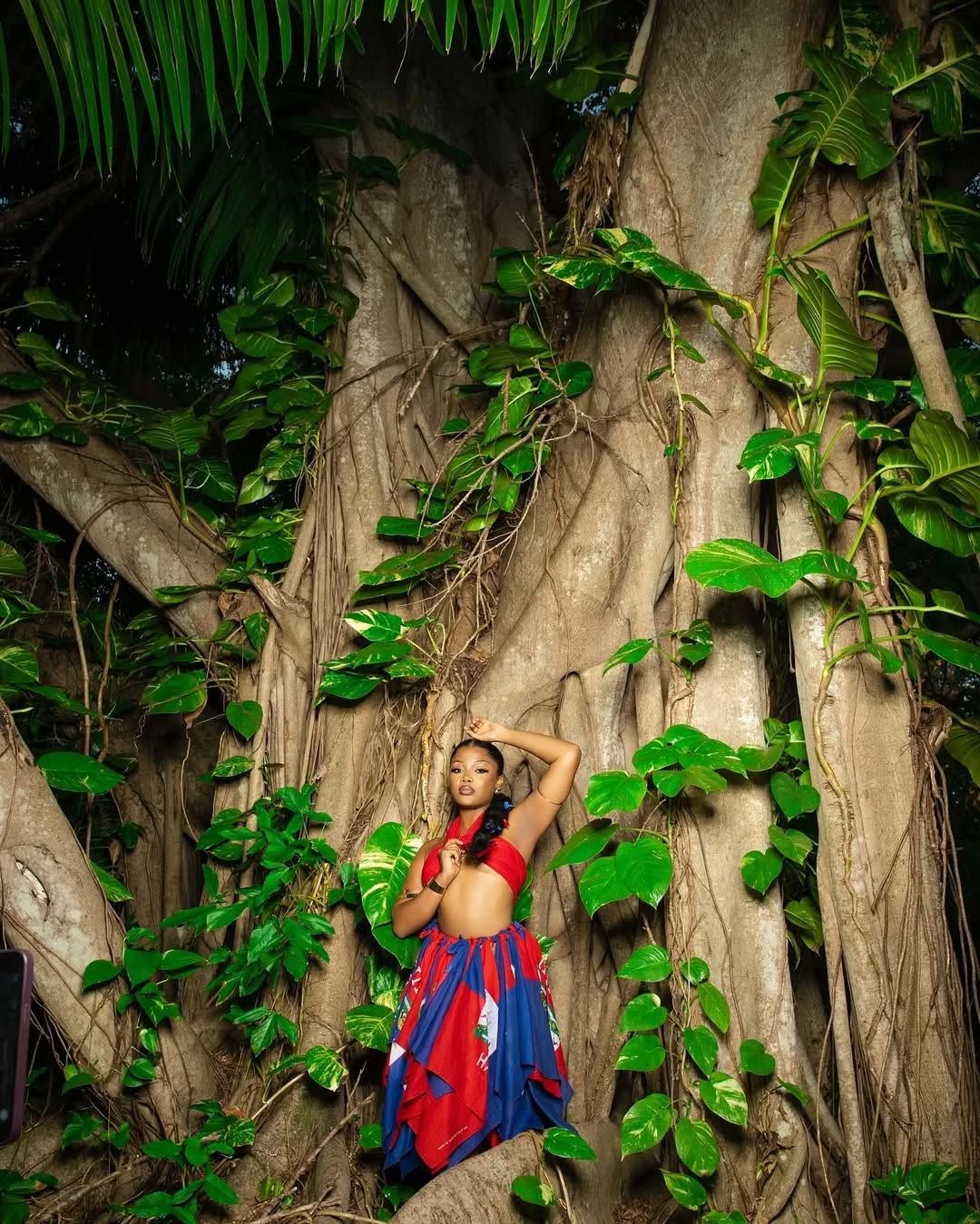
Despite growing creative momentum, major structural challenges remain. Political instability, inconsistent electricity supply, import costs, transportation difficulties, and limited industrial infrastructure continue to affect production capacity.
Many independent designers work within unstable conditions that make scaling businesses difficult. Access to financing, export logistics, manufacturing equipment, and institutional support remains uneven.
The future of Haitian fashion, therefore, depends partly on whether creative growth can be matched with stronger long-term infrastructure capable of supporting sustainable production.
The Omiren Argument
The future of Haitian fashion is often discussed through resilience narratives that focus heavily on survival under difficult conditions while overlooking the industry structures already functioning successfully across Haiti and its diaspora networks. This framing reduces Haitian fashion to endurance rather than recognising it as an active economic and cultural system.
In reality, Haitian fashion already operates through sophisticated craft networks, transnational diaspora economies, and independent digital circulation systems that sustain production despite infrastructural instability. The industry’s future will not be secured by symbolic international attention alone. It will depend on strengthening the production systems, artisan economies, and cross-border creative networks that already form the foundation of Haitian fashion today.
FAQs
- What shapes the future of Haitian fashion?
Craft production, diaspora investment, digital commerce, and artisan labour networks are shaping the future of Haitian fashion.
- Why is the Haitian diaspora important to fashion businesses?
Diaspora communities provide major markets, financial support, and international visibility for Haitian designers.
- Does Haitian fashion rely heavily on handmade production?
Yes. Embroidery, beadwork, tailoring, and painted textiles remain central to many Haitian fashion businesses.
- What challenges affect Haitian fashion infrastructure?
Political instability, transportation difficulties, limited manufacturing capacity, and access to financing remain major challenges.
- How are Haitian designers using digital platforms?
Many designers use Instagram, TikTok, and direct online sales to reach international audiences independently.