Menu
  • AFRICA
    • African Fashion
    • African Designers
    • Textiles & Craft
    • Heritage Clothing
    • Made in Africa
    • Regional Style
  • DIASPORA
    • Diaspora Voices
    • Diaspora Connects
    • UK Scene
    • US Scene
    • Caribbean Diaspora
    • Afro-Latino Identity
    • Migration & Identity
  • CULTURE
    • Style & Identity
    • Ceremony & Ritual
    • Art & Music
    • Cultural Inspirations
    • Black Culture
    • Heritage Stories
  • FASHION
    • Trends
    • Street Style
    • Runway
    • Sustainable Fashion
    • Tailoring
    • Luxury Fashion
  • INDUSTRY
    • Editorial Intelligence
    • Market Trends
    • Brand Strategy
    • Retail & Commerce
    • Partnerships
    • Reports
    • Insights
    • Omiren Style Index
  • BEAUTY
    • Skincare
    • Makeup
    • Hair & Hairstyle
    • Fragrance
    • Beauty Traditions
    • Natural Beauty
  • MEN
    • Men’s Style
    • Grooming Traditions
    • Traditional & Heritage
    • The Modern African Man
    • Menswear Designers
  • WOMEN
    • Women’s Style
    • Evening Glam
    • Workwear & Professional
    • Streetwear for Women
    • Accessories & Bags
    • Bridal
  • NEWS
    • Cover Stories
    • Fashion Weeks
    • Opinion & Commentary
    • Style Icons
    • Rising Stars
  • DIRECTORY
    • Designers
    • Brands
    • Boutiques
    • Stylists
    • Models
    • Photographers
    • Creative Teams
    • Events
    • Production
    • Materials & Suppliers
Subscribe
OMIREN STYLES OMIREN STYLES

Fashion · Culture · Identity

OMIREN STYLES OMIREN STYLES OMIREN STYLES OMIREN STYLES
  • AFRICA
    • African Fashion
    • African Designers
    • Textiles & Craft
    • Heritage Clothing
    • Made in Africa
    • Regional Style
  • DIASPORA
    • Diaspora Voices
    • Diaspora Connects
    • UK Scene
    • US Scene
    • Caribbean Diaspora
    • Afro-Latino Identity
    • Migration & Identity
  • CULTURE
    • Style & Identity
    • Ceremony & Ritual
    • Art & Music
    • Cultural Inspirations
    • Black Culture
    • Heritage Stories
  • FASHION
    • Trends
    • Street Style
    • Runway
    • Sustainable Fashion
    • Tailoring
    • Luxury Fashion
  • INDUSTRY
    • Editorial Intelligence
    • Market Trends
    • Brand Strategy
    • Retail & Commerce
    • Partnerships
    • Reports
    • Insights
    • Omiren Style Index
  • BEAUTY
    • Skincare
    • Makeup
    • Hair & Hairstyle
    • Fragrance
    • Beauty Traditions
    • Natural Beauty
  • MEN
    • Men’s Style
    • Grooming Traditions
    • Traditional & Heritage
    • The Modern African Man
    • Menswear Designers
  • WOMEN
    • Women’s Style
    • Evening Glam
    • Workwear & Professional
    • Streetwear for Women
    • Accessories & Bags
    • Bridal
  • NEWS
    • Cover Stories
    • Fashion Weeks
    • Opinion & Commentary
    • Style Icons
    • Rising Stars
  • DIRECTORY
    • Designers
    • Brands
    • Boutiques
    • Stylists
    • Models
    • Photographers
    • Creative Teams
    • Events
    • Production
    • Materials & Suppliers
  • Caribbean Diaspora

The Future of Afro-Dominican Fashion: Representation, Policy, and Cultural Confidence

  • Fathia Olasupo
  • May 25, 2026
The Future of Afro-Dominican Fashion: Representation, Policy, and Cultural Confidence

Afro-Dominican fashion is becoming more visible, but visibility alone is not the most important shift taking place in the Dominican Republic. The deeper transformation is structural. Conversations around race, hair discrimination, Black representation, and Afro-Dominican cultural identity are beginning to influence how fashion businesses, media spaces, creatives, and consumers operate publicly. Fashion is no longer functioning only as a form of personal presentation. It is becoming part of a wider negotiation over who gets represented within Dominican cultural identity and under what terms.

For decades, Afro-Dominican aesthetics were visible in music, neighbourhood style, salon culture, and everyday life, yet were inconsistently acknowledged within formal fashion and media systems. The future of Afro-Dominican fashion will depend less on trend cycles and more on whether institutions, brands, and cultural industries adapt to social realities that younger Dominicans already express openly through dress and grooming.

Afro-Dominican fashion is evolving through the visibility of natural hair, the growth of streetwear, digital culture, and Black identity.

Natural Hair Visibility and Beauty Industry Change
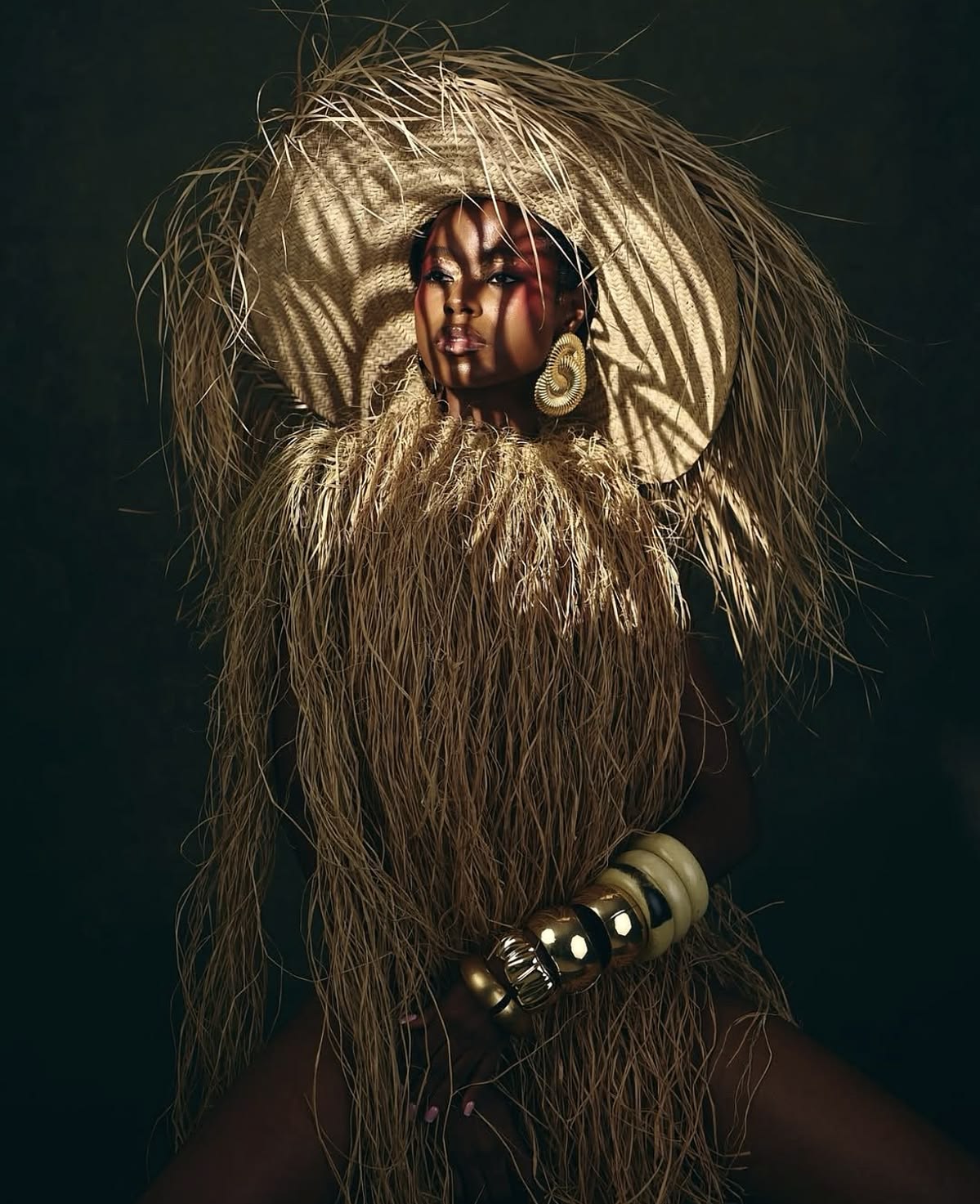
Natural Hair Visibility and Beauty Industry Change

One of the clearest indicators of change within Afro-Dominican fashion culture is the growing visibility of natural hairstyles. Afro-textured hair, braids, locs, twists, and protective styling have become increasingly present within youth culture, creative industries, and digital fashion spaces.

This shift matters because Dominican beauty culture has historically placed strong emphasis on hair straightening and salon-based smoothing techniques tied to social presentation and professional respectability. Natural hair visibility challenges older assumptions about what a polished public presentation should look like.

Beauty entrepreneurs, hair specialists, and independent brands are increasingly responding to these changes by offering natural hair products, Afro-textured styling services, and social media communities focused on Black beauty practices in Dominican society.

Fashion and beauty, therefore, move together. The future of Afro-Dominican fashion cannot be separated from the changing politics of hair and grooming.

Digital Fashion Spaces and Independent Representation

Social media has reduced some of the traditional barriers controlling fashion visibility in the Dominican Republic. Younger Afro-Dominican creatives now build audiences through Instagram, TikTok, photography collectives, styling projects, and independent fashion campaigns without relying entirely on established media institutions.

This has expanded representation beyond older beauty standards that frequently marginalised darker skin tones and Afrocentric styling. Independent photographers, stylists, and designers increasingly foreground Black Dominican identity directly rather than treating it as secondary.

Importantly, this visibility is being built internally as well as through diaspora influence. Dominican creatives inside Santo Domingo and other urban centres are shaping fashion narratives themselves rather than waiting for international validation.

Streetwear, Music, and Commercial Fashion Growth
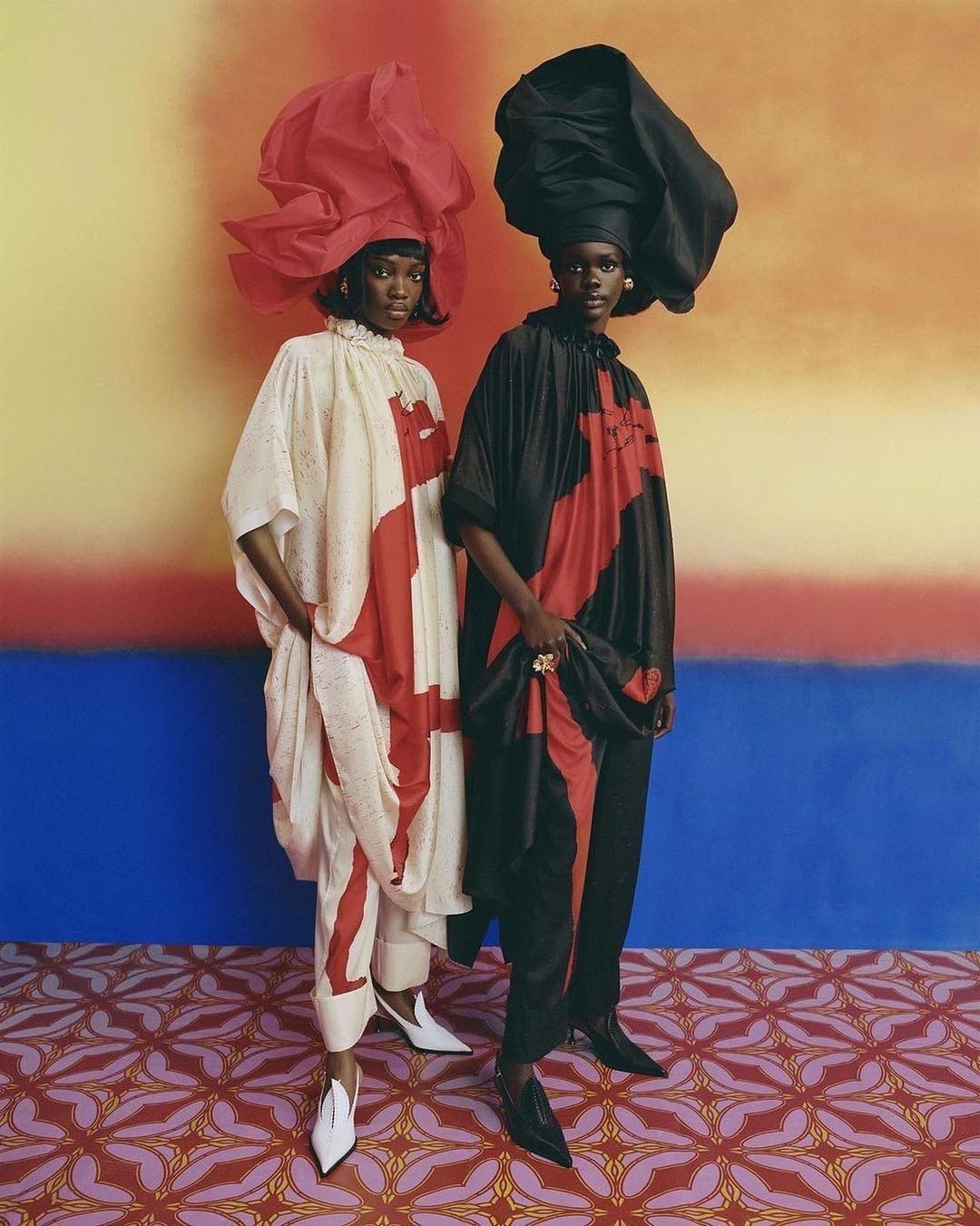
Streetwear, Music, and Commercial Fashion Growth

Dembow culture continues to shape the commercial direction of Dominican fashion. Music artists, influencers, and nightlife personalities increasingly drive fashion consumption patterns among younger audiences.

Streetwear brands connected to Dominican youth culture are growing through local demand, online commerce, and diaspora purchasing power. Sportswear styling, jewellery culture, sneaker resale markets, and beauty services all operate within the same expanding fashion economy.

This growth reflects a broader shift where Afro-Dominican aesthetics are becoming commercially influential rather than socially peripheral. Fashion businesses are beginning to recognise the purchasing power and cultural influence attached to urban youth identity.

READ ALSO:

  • Afro-Dominican Fashion: Visibility, Identity, and the Dress Culture of Dominican Communities
  • Afro-Cuban Fashion: AbakuĂ¡ Societies, Yoruba Heritage, and the Politics of Afrocentric Identity

The Policy Gap Behind Fashion Growth
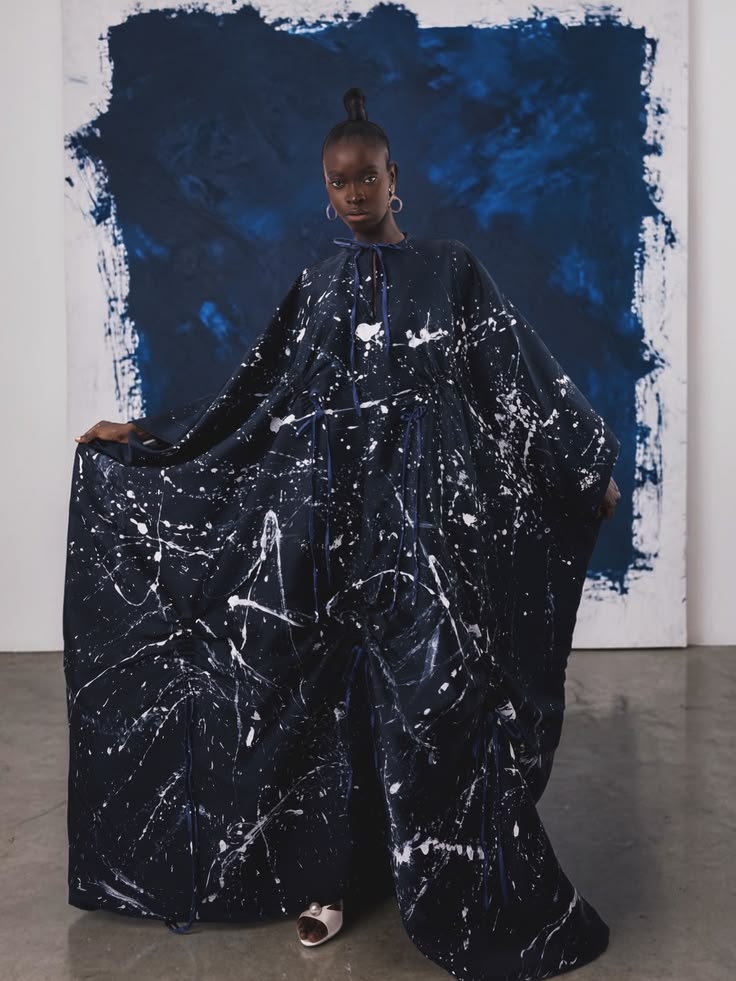
The Policy Gap Behind Fashion Growth

Despite growing cultural visibility, formal policy support for fashion infrastructure in the Dominican Republic remains uneven. Independent designers and creatives still face challenges tied to financing, manufacturing access, export systems, and institutional support.

Representation alone does not build sustainable industries. Without stronger production systems, training infrastructure, and cultural investment, Afro-Dominican fashion risks remaining highly visible but structurally fragile.

The future of the industry, therefore, depends partly on whether cultural recognition translates into long-term economic support for local fashion ecosystems.

The Omiren Argument

The future of Afro-Dominican fashion is often described through increasing visibility and social media representation, as though public recognition alone will transform the industry. This framing mistakes exposure for structural change and ignores the systems that determine whether fashion growth becomes sustainable.

In reality, Afro-Dominican fashion is moving toward a deeper shift driven by changing beauty standards, digital self-representation, youth-driven streetwear economies, and growing cultural confidence around Black identity. The decisive question is not whether Afro-Dominican aesthetics will become more visible. That process is already underway. The real issue is whether institutions, businesses, and policy structures will adapt quickly enough to support the cultural transformation already taking place at the street level.

Omiren Styles documents fashion through the systems shaping identity and industry. Follow Diaspora Threads for grounded reporting on Afro-diasporic fashion, culture, and creative economies across the Caribbean.

FAQs

  1. What is changing in Afro-Dominican fashion?

Natural hair visibility, Afrocentric styling, streetwear culture, and digital representation are reshaping Dominican fashion culture.

  1. How does music influence Dominican fashion growth?

Dembow culture strongly influences streetwear trends, beauty standards, and youth-driven fashion economies.

  1. Why is natural hair important in Dominican fashion conversations?

Natural hair visibility challenges older beauty norms tied to straightened hairstyles and racial presentation.

  1. Does the Dominican Republic have a growing streetwear market?

Yes. Streetwear brands, sneaker culture, and online fashion businesses continue to expand among younger consumers.

  1. What challenges still affect Afro-Dominican fashion?

Limited infrastructure, uneven institutional support, and production financing remain major industry challenges.

Related Topics
  • Afro diaspora fashion
  • Black cultural representation
  • Caribbean cultural identity
  • Global African Fashion
Fathia Olasupo

olasupofathia49@gmail.com

You May Also Like
The Afro Carib Fashion Show: Two Women, One Runway, and the Diaspora Platform Nobody Else Is Building
View Post
  • Caribbean Diaspora

The Afro Carib Fashion Show: Two Women, One Runway, and the Diaspora Platform Nobody Else Is Building

  • Ayomidoyin Olufemi
  • June 8, 2026
View Post
  • Caribbean Diaspora

Grace Wales Bonner: The Jamaican-British Designer Making History at Hermès

  • Adams Moses
  • June 8, 2026
Gaga, Palos, and Festival Dress: How Afro-Dominican Cultural Arts Build Identity Through Cloth
View Post
  • Caribbean Diaspora

Gaga, Palos, and Festival Dress: How Afro-Dominican Cultural Arts Build Identity Through Cloth

  • Fathia Olasupo
  • June 3, 2026
Rumba, Son, and Sacred Ceremony: How Afro-Cuban Performance Arts Produce Dress
View Post
  • Caribbean Diaspora

Rumba, Son, and Sacred Ceremony: How Afro-Cuban Performance Arts Produce Dress

  • Fathia Olasupo
  • June 2, 2026
Steelband, Calypso, and Cloth: How Trinidad’s Performance Arts Produce Dress Culture
View Post
  • Caribbean Diaspora

Steelband, Calypso, and Cloth: How Trinidad’s Performance Arts Produce Dress Culture

  • Fathia Olasupo
  • June 1, 2026
The Future of Haitian Fashion: Craft Networks, Diaspora Investment, and Cultural Continuity
View Post
  • Caribbean Diaspora

The Future of Haitian Fashion: Craft Networks, Diaspora Investment, and Cultural Continuity

  • Fathia Olasupo
  • May 29, 2026
Jonkonnu, Masquerade, and Dancehall: How Jamaican Performance Culture Drives Dress
View Post
  • Caribbean Diaspora

Jonkonnu, Masquerade, and Dancehall: How Jamaican Performance Culture Drives Dress

  • Fathia Olasupo
  • May 27, 2026
Stella Jean: The First Black Italian Designer Who Forced Milan to Look
View Post
  • Caribbean Diaspora

Stella Jean: The First Black Italian Designer Who Forced Milan to Look

  • Adams Moses
  • May 27, 2026

Leave a Reply Cancel reply

Your email address will not be published. Required fields are marked *

The Omiren Argument

African fashion and culture are not emerging. They are foundational. We document, interpret, and argue for the full cultural weight of African and diaspora dress. With precision. Without apology.

Omiren Styles Fashion · Culture · Identity

All 54 African Nations
Caribbean · Afro-Latin America
The Global Diaspora

Platform

  • About Omiren Styles
  • Our Vision
  • Our Mission
  • Editorial Pillars
  • Editorial Policy
  • The Omiren Collective
  • Campus Style Initiative
  • Sustainable Style
  • Social Impact & Advocacy
  • Investor Relations

Contribute

  • Write for Omiren Styles
  • Submit Creative Work
  • Join the Omiren Collective
  • Campus Initiative
Contact
contact@omirenstyles.com
Our Reach

Africa — All 54 Nations
Caribbean
Afro-Latin America
Global Diaspora

African fashion intelligence, in your inbox.

Editorial features, designer profiles, cultural commentary. No noise.

© 2026 Omiren Styles — Rex Clarke Global Ventures Limited. All rights reserved.
  • Privacy Policy
  • Editorial Policy
  • Terms of Use
  • Accessibility
Africa · Caribbean · Diaspora
The Omiren Argument

African fashion and culture are not emerging. They are foundational. We document, interpret, and argue for the full cultural weight of African and diaspora dress. With precision. Without apology.

Omiren Styles Fashion · Culture · Identity
  • About Omiren Styles
  • Our Vision
  • Our Mission
  • Editorial Pillars
  • Editorial Policy
  • The Omiren Collective
  • Campus Style Initiative
  • Sustainable Style
  • Social Impact & Advocacy
  • Investor Relations
  • Write for Omiren Styles
  • Submit Creative Work
  • Join the Omiren Collective
  • Campus Initiative
Contact contact@omirenstyles.com

All 54 African Nations · Caribbean
Afro-Latin America · Global Diaspora

African fashion intelligence, in your inbox.

Editorial features, designer profiles, cultural commentary. No noise.

© 2026 Omiren Styles
Rex Clarke Global Ventures Limited.
All rights reserved.

  • Privacy Policy
  • Editorial Policy
  • Terms of Use
  • Accessibility
Africa · Caribbean · Diaspora

Input your search keywords and press Enter.