Menu
  • AFRICA
    • African Fashion
    • African Designers
    • Textiles & Craft
    • Heritage Clothing
    • Made in Africa
    • Regional Style
  • DIASPORA
    • Diaspora Voices
    • Diaspora Connects
    • UK Scene
    • US Scene
    • Caribbean Diaspora
    • Afro-Latino Identity
    • Migration & Identity
  • CULTURE
    • Style & Identity
    • Ceremony & Ritual
    • Art & Music
    • Cultural Inspirations
    • Black Culture
    • Heritage Stories
  • FASHION
    • Trends
    • Street Style
    • Runway
    • Sustainable Fashion
    • Tailoring
    • Luxury Fashion
  • INDUSTRY
    • Editorial Intelligence
    • Market Trends
    • Brand Strategy
    • Retail & Commerce
    • Partnerships
    • Reports
    • Insights
  • BEAUTY
    • Skincare
    • Makeup
    • Hair & Hairstyle
    • Fragrance
    • Beauty Traditions
    • Natural Beauty
  • MEN
    • Men’s Style
    • Grooming Traditions
    • Traditional & Heritage
    • The Modern African Man
    • Menswear Designers
  • WOMEN
    • Women’s Style
    • Evening Glam
    • Workwear & Professional
    • Streetwear for Women
    • Accessories & Bags
    • Bridal
  • NEWS
    • Cover Stories
    • Fashion Weeks
    • Opinion & Commentary
    • Style Icons
    • Rising Stars
  • DIRECTORY
    • Designers
    • Brands
    • Boutiques
    • Stylists
    • Models
    • Photographers
    • Creative Teams
    • Events
    • Production
    • Materials & Suppliers
Omiren Magazine Partner With Us Advertise Style Index
Subscribe
OMIREN STYLES OMIREN STYLES

Fashion · Culture · Identity

OMIREN STYLES OMIREN STYLES OMIREN STYLES OMIREN STYLES
  • AFRICA
    • African Fashion
    • African Designers
    • Textiles & Craft
    • Heritage Clothing
    • Made in Africa
    • Regional Style
  • DIASPORA
    • Diaspora Voices
    • Diaspora Connects
    • UK Scene
    • US Scene
    • Caribbean Diaspora
    • Afro-Latino Identity
    • Migration & Identity
  • CULTURE
    • Style & Identity
    • Ceremony & Ritual
    • Art & Music
    • Cultural Inspirations
    • Black Culture
    • Heritage Stories
  • FASHION
    • Trends
    • Street Style
    • Runway
    • Sustainable Fashion
    • Tailoring
    • Luxury Fashion
  • INDUSTRY
    • Editorial Intelligence
    • Market Trends
    • Brand Strategy
    • Retail & Commerce
    • Partnerships
    • Reports
    • Insights
  • BEAUTY
    • Skincare
    • Makeup
    • Hair & Hairstyle
    • Fragrance
    • Beauty Traditions
    • Natural Beauty
  • MEN
    • Men’s Style
    • Grooming Traditions
    • Traditional & Heritage
    • The Modern African Man
    • Menswear Designers
  • WOMEN
    • Women’s Style
    • Evening Glam
    • Workwear & Professional
    • Streetwear for Women
    • Accessories & Bags
    • Bridal
  • NEWS
    • Cover Stories
    • Fashion Weeks
    • Opinion & Commentary
    • Style Icons
    • Rising Stars
  • DIRECTORY
    • Designers
    • Brands
    • Boutiques
    • Stylists
    • Models
    • Photographers
    • Creative Teams
    • Events
    • Production
    • Materials & Suppliers
  • Caribbean Diaspora

Jonkonnu, Masquerade, and Dancehall: How Jamaican Performance Culture Drives Dress

  • Fathia Olasupo
  • May 27, 2026
Jonkonnu, Masquerade, and Dancehall: How Jamaican Performance Culture Drives Dress
Total
0
Shares
0
0
0

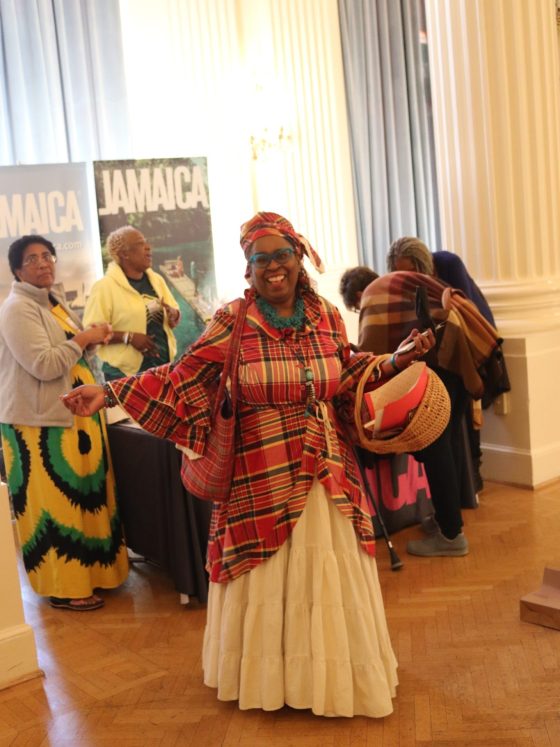
In Jamaica, clothing does not begin as a static design. It begins in motion, in sound, and in public space. From Jonkonnu processions to dancehall sessions, dress is shaped in environments where visibility must be claimed, held, and amplified. Costumes built for parade and outfits assembled for the dance floor may differ in form, but they share a core function: to command attention, signal identity, and structure how the body is seen. In this context, clothing is not something worn after the fact. It is part of the performance itself.

Jamaican dress culture is inseparable from the spaces that produce it. Many of the country’s most influential fashion languages emerge not from ateliers or formal design systems but from street processions, sound systems, and collective gatherings where movement, music, and spectacle define aesthetic value. Jonkonnu, masquerade traditions, and dancehall each generate distinct visual codes, yet all treat clothing as an active tool of presence. Dress is used to project status, construct character, and negotiate visibility within a shared public arena. What unites these traditions is not style, but function: clothing operates as a system for being seen.

Explore how Jamaican performance culture shapes fashion through the Jonkonnu masquerade, dancehall style, and music-driven visibility, in which dress defines status, identity, and public presence.

Dancehall and the Economics of Visibility
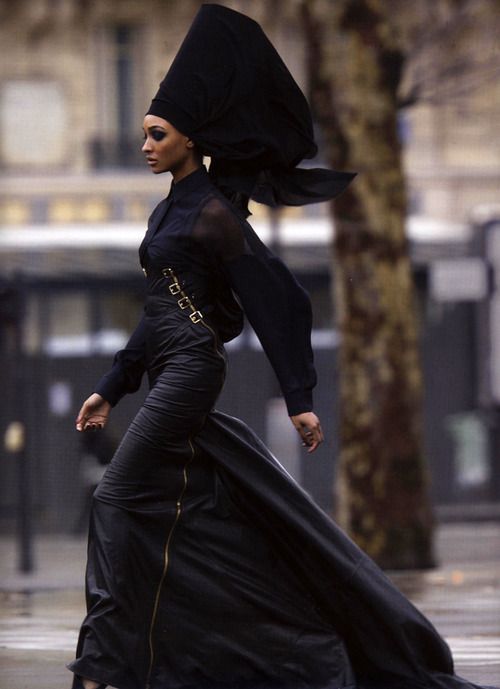
Dancehall and the Economics of Visibility

Dancehall reshaped Jamaican fashion culture by turning nightlife and music spaces into highly competitive environments of visibility. Clothing in dancehall functions through spectacle, but not in the same way as masquerade traditions. Here, style signals status, confidence, desirability, and awareness of current cultural codes.

During the peak years of dancehall fashion culture in the 1990s and early 2000s, elaborate hairstyles, fitted garments, branded fashion, mesh fabrics, bold colour combinations, and coordinated outfits became central to nightlife presentation. Designers, tailors, hairstylists, and dancers all contributed to the visual structure surrounding dancehall culture.

Fashion in dancehall also moves quickly because trends circulate directly through parties, music videos, street photography, and social interaction. A look gains importance because it is recognised publicly within the scene itself.

Even as dancehall aesthetics evolve, the core principle remains unchanged: clothing is used to control attention within crowded social space.

READ ALSO:

  • Afro-Dominican Fashion: Visibility, Identity, and the Dress Culture of Dominican Communities
  • Afro-Cuban Fashion: Abakuá Societies, Yoruba Heritage, and the Politics of Afrocentric Identity

Masquerade, Gender, and Public Performance
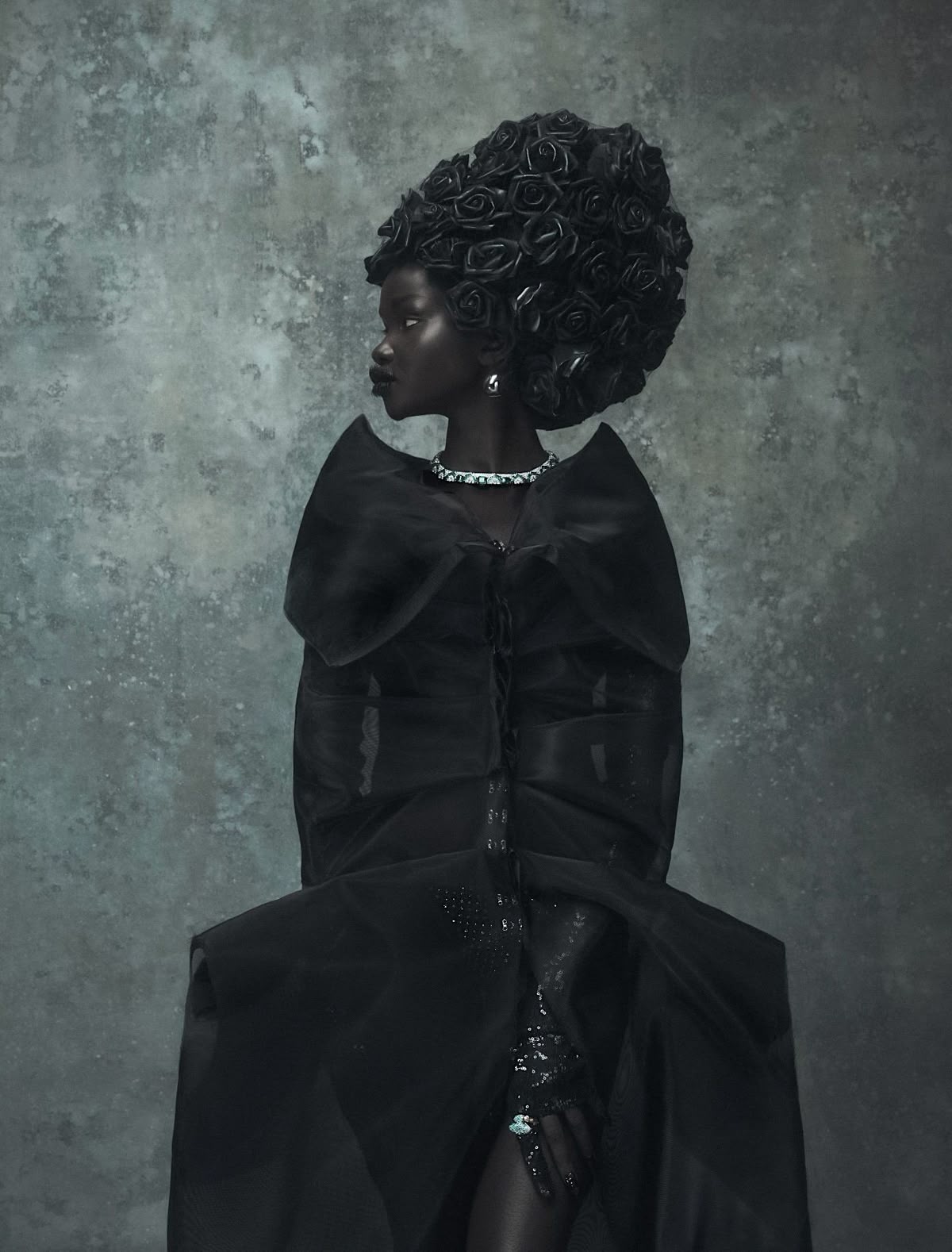
Masquerade, Gender, and Public Performance

Both Jonkonnu and dancehall allow performers to manipulate identity publicly through dress. Masquerade traditions historically relied on transformation, exaggeration, and role-play, while dancehall culture often pushes styling, grooming, and body presentation into heightened forms of performance.

Women in dancehall particularly shaped Jamaican fashion through hairstyling innovation, nail culture, fitted silhouettes, mesh layering, and customised garments designed specifically for nightlife environments. These styles later influenced broader Caribbean and global urban fashion cultures.

Masquerade traditions similarly depend on visual transformation. Characters become socially recognisable through costume before speech or movement even begins. Clothing, therefore, creates identity within the performance itself.

Street Influence and Cultural Continuity

Although Jonkonnu and dancehall belong to different historical periods and social contexts, both continue to influence Jamaican street style. Elements of costume layering, exaggerated styling, dramatic accessories, and visibility-driven dressing remain present in contemporary fashion culture across Kingston and other urban spaces.

Dancehall in particular continues to shape grooming standards, streetwear combinations, jewellery culture, and public presentation among younger Jamaicans. The relationship between music and dress remains structurally strong.

What connects these traditions is not visual similarity but shared cultural logic. Clothing matters because public performance matters. Dress becomes meaningful through interaction, movement, and recognition within a collective space.

The Omiren Argument

Jamaican performance dress is often artificially divided between “traditional culture,” represented by Jonkonnu, and “popular culture,” represented by dancehall, as though they belong to unrelated fashion histories. This separation overlooks the shared performance logic connecting both traditions.

In reality, Jamaican dress culture across masquerade and dancehall operates through systems of visibility, transformation, movement, and public recognition. Whether through handcrafted Jonkonnu costumes or highly styled dancehall presentation, clothing functions as performance technology designed to control attention and shape identity within communal space. The continuity lies not in identical aesthetics, but in the enduring relationship between performance and dress within Jamaican cultural life.

FAQs

  1. What is Jonkonnu in Jamaica?

Jonkonnu is a Jamaican masquerade tradition involving costumed street performance, music, dance, and character-based dress.

  1. How does dancehall influence Jamaican fashion?

Dancehall shapes trends in grooming, nightlife dressing, jewellery, streetwear, and public presentation across Jamaica.

  1. What materials are used in Jonkonnu costumes?

Costumes often use fabric strips, masks, mirrors, feathers, horns, and layered handmade materials.

  1. Why is performance important in Jamaican dress culture?

Many Jamaican fashion traditions are built around music, dance, visibility, and public interaction rather than static display.

  1. Are Jonkonnu and dancehall connected culturally?

Yes. Both use clothing to shape identity, command attention, and publicly perform social presence.

Post Views: 312
Total
0
Shares
Share 0
Tweet 0
Pin it 0
Related Topics
  • Afro diaspora fashion
  • Caribbean cultural identity
  • cultural fashion practices
  • performance fashion culture
Fathia Olasupo

olasupofathia49@gmail.com

You May Also Like
Trinidad Carnival Costume Cost: Consumer Price, Band Revenue, and Who Captures the Value
View Post
  • Caribbean Diaspora

Trinidad Carnival Costume Cost: Consumer Price, Band Revenue, and Who Captures the Value

  • Adams Moses
  • July 24, 2026
Afro-Mexican Veracruz Dress Traditions: The Jarocha Costume, Yanga, and What Distinguishes It From the Costa Chica Region
View Post
  • Caribbean Diaspora

Afro-Mexican Veracruz Dress Traditions: The Jarocha Costume, Yanga, and What Distinguishes It From the Costa Chica Region

  • Fathia Olasupo
  • July 17, 2026
Dressing Between Two Worlds: How the First and Second Generation Diverge on What "African Style" Means
View Post
  • Caribbean Diaspora

Dressing Between Two Worlds: How the First and Second Generation Diverge on What “African Style” Means

  • Philip Sifon
  • July 2, 2026
African Diaspora Fashion: The Dress Code in London, Paris, and New York
View Post
  • Caribbean Diaspora

African Diaspora Fashion: The Dress Code in London, Paris, and New York

  • Ayomidoyin Olufemi
  • June 29, 2026
African Luxury Retail: Lagos, Accra, Johannesburg as New Power Corridors
View Post
  • Caribbean Diaspora

African Luxury Retail: Lagos, Accra, Johannesburg as New Power Corridors

  • Ayomidoyin Olufemi
  • June 27, 2026
Caribbean Carnival Fashion: How Costume Traditions Shape Global Couture
View Post
  • Caribbean Diaspora

Caribbean Carnival Fashion: How Costume Traditions Shape Global Couture

  • Ayomidoyin Olufemi
  • June 25, 2026
Caribbean Fashion Week Organisers: Who Holds the Door Open Now
View Post
  • Caribbean Diaspora

Caribbean Fashion Week Organisers: Who Holds the Door Open Now

  • Adams Moses
  • June 18, 2026
The Caribbean Did Not Inspire Global Fashion. It Built the System Fashion Now Borrows From
View Post
  • Caribbean Diaspora

The Caribbean Did Not Inspire Global Fashion. It Built the System Fashion Now Borrows From

  • Peace Vera
  • June 17, 2026

Leave a Reply Cancel reply

Your email address will not be published. Required fields are marked *

The Omiren Argument

African fashion and culture are not emerging. They are foundational. We document, interpret, and argue for the full cultural weight of African and diaspora dress. With precision. Without apology.

Omiren Styles Fashion · Culture · Identity

All 54 African Nations
Caribbean · Afro-Latin America
The Global Diaspora

Platform

  • About Omiren Styles
  • Our Vision
  • Our Mission
  • Editorial Pillars
  • Editorial Policy
  • The Omiren Collective
  • Campus Style Initiative
  • Sustainable Style
  • Social Impact & Advocacy
  • Investor Relations

Contribute

  • Write for Omiren Styles
  • Submit Creative Work
  • Join the Omiren Collective
  • Campus Initiative
Contact
contact@omirenstyles.com
Our Reach

Africa — All 54 Nations
Caribbean
Afro-Latin America
Global Diaspora

African fashion intelligence, in your inbox.

Editorial features, designer profiles, cultural commentary. No noise.

© 2026 Omiren Styles — Rex Clarke Global Ventures Limited. All rights reserved.
  • Privacy Policy
  • Editorial Policy
  • Terms of Use
  • Accessibility
Africa · Caribbean · Diaspora
The Omiren Argument

African fashion and culture are not emerging. They are foundational. We document, interpret, and argue for the full cultural weight of African and diaspora dress. With precision. Without apology.

Omiren Styles Fashion · Culture · Identity
  • About Omiren Styles
  • Our Vision
  • Our Mission
  • Editorial Pillars
  • Editorial Policy
  • The Omiren Collective
  • Campus Style Initiative
  • Sustainable Style
  • Social Impact & Advocacy
  • Investor Relations
  • Write for Omiren Styles
  • Submit Creative Work
  • Join the Omiren Collective
  • Campus Initiative
Contact contact@omirenstyles.com

All 54 African Nations · Caribbean
Afro-Latin America · Global Diaspora

African fashion intelligence, in your inbox.

Editorial features, designer profiles, cultural commentary. No noise.

© 2026 Omiren Styles
Rex Clarke Global Ventures Limited.
All rights reserved.

  • Privacy Policy
  • Editorial Policy
  • Terms of Use
  • Accessibility
Africa · Caribbean · Diaspora

Input your search keywords and press Enter.

Newsletter Subscribe

Join Our Community

Get exclusive access to new collections, special offers, and style inspiration.