Menu
  • AFRICA
    • African Fashion
    • African Designers
    • Textiles & Craft
    • Heritage Clothing
    • Made in Africa
    • Regional Style
  • DIASPORA
    • Diaspora Voices
    • Diaspora Connects
    • UK Scene
    • US Scene
    • Caribbean Diaspora
    • Afro-Latino Identity
    • Migration & Identity
  • CULTURE
    • Style & Identity
    • Ceremony & Ritual
    • Art & Music
    • Cultural Inspirations
    • Black Culture
    • Heritage Stories
  • FASHION
    • Trends
    • Street Style
    • Runway
    • Sustainable Fashion
    • Tailoring
    • Luxury Fashion
  • INDUSTRY
    • Editorial Intelligence
    • Market Trends
    • Brand Strategy
    • Retail & Commerce
    • Partnerships
    • Reports
    • Insights
    • Omiren Style Index
  • BEAUTY
    • Skincare
    • Makeup
    • Hair & Hairstyle
    • Fragrance
    • Beauty Traditions
    • Natural Beauty
  • MEN
    • Men’s Style
    • Grooming Traditions
    • Traditional & Heritage
    • The Modern African Man
    • Menswear Designers
  • WOMEN
    • Women’s Style
    • Evening Glam
    • Workwear & Professional
    • Streetwear for Women
    • Accessories & Bags
    • Bridal
  • NEWS
    • Cover Stories
    • Fashion Weeks
    • Opinion & Commentary
    • Style Icons
    • Rising Stars
  • DIRECTORY
    • Designers
    • Brands
    • Boutiques
    • Stylists
    • Models
    • Photographers
    • Creative Teams
    • Events
    • Production
    • Materials & Suppliers
Omiren Magazine Partner With Us Advertise Style Index
Subscribe
OMIREN STYLES OMIREN STYLES

Fashion · Culture · Identity

OMIREN STYLES OMIREN STYLES OMIREN STYLES OMIREN STYLES
  • AFRICA
    • African Fashion
    • African Designers
    • Textiles & Craft
    • Heritage Clothing
    • Made in Africa
    • Regional Style
  • DIASPORA
    • Diaspora Voices
    • Diaspora Connects
    • UK Scene
    • US Scene
    • Caribbean Diaspora
    • Afro-Latino Identity
    • Migration & Identity
  • CULTURE
    • Style & Identity
    • Ceremony & Ritual
    • Art & Music
    • Cultural Inspirations
    • Black Culture
    • Heritage Stories
  • FASHION
    • Trends
    • Street Style
    • Runway
    • Sustainable Fashion
    • Tailoring
    • Luxury Fashion
  • INDUSTRY
    • Editorial Intelligence
    • Market Trends
    • Brand Strategy
    • Retail & Commerce
    • Partnerships
    • Reports
    • Insights
    • Omiren Style Index
  • BEAUTY
    • Skincare
    • Makeup
    • Hair & Hairstyle
    • Fragrance
    • Beauty Traditions
    • Natural Beauty
  • MEN
    • Men’s Style
    • Grooming Traditions
    • Traditional & Heritage
    • The Modern African Man
    • Menswear Designers
  • WOMEN
    • Women’s Style
    • Evening Glam
    • Workwear & Professional
    • Streetwear for Women
    • Accessories & Bags
    • Bridal
  • NEWS
    • Cover Stories
    • Fashion Weeks
    • Opinion & Commentary
    • Style Icons
    • Rising Stars
  • DIRECTORY
    • Designers
    • Brands
    • Boutiques
    • Stylists
    • Models
    • Photographers
    • Creative Teams
    • Events
    • Production
    • Materials & Suppliers
  • Caribbean Diaspora

The Caribbean–African Fashion Corridor: How Lagos, Trinidad, and Jamaica Built A Shared Visual Culture

  • Philip Sifon
  • March 24, 2026
The Caribbean–African Fashion Corridor: How Lagos, Trinidad, and Jamaica Built A Shared Visual Culture
Robb Report Africa.

Fashion in Lagos, Trinidad, and Jamaica is more than clothing. It is a conversation across time, oceans, and communities. A gele in Lagos shifts posture and presence. Carnival costumes in Trinidad and Jamaica turn bodies into performance, memory, and statement.

These practices did not appear overnight. They travelled through forced migration, survival, and adaptation. Knowledge of draping, layering, and colour coding crossed the Atlantic, reassembled in new climates and social realities.

The Caribbean–African fashion corridor is the result. It is a shared visual ecosystem linking African heritage with Caribbean creativity. It shapes how communities express identity, celebrate culture, and negotiate belonging.

This article examines how dress traditions survived, how carnival and textiles sustained them, and how Lagos continues to influence diaspora fashion today.

The Caribbean–African fashion corridor links Lagos, Trinidad, and Jamaica, showing how African heritage shapes diaspora style, textiles, and cultural exchange.

African Dress Traditions in the Caribbean
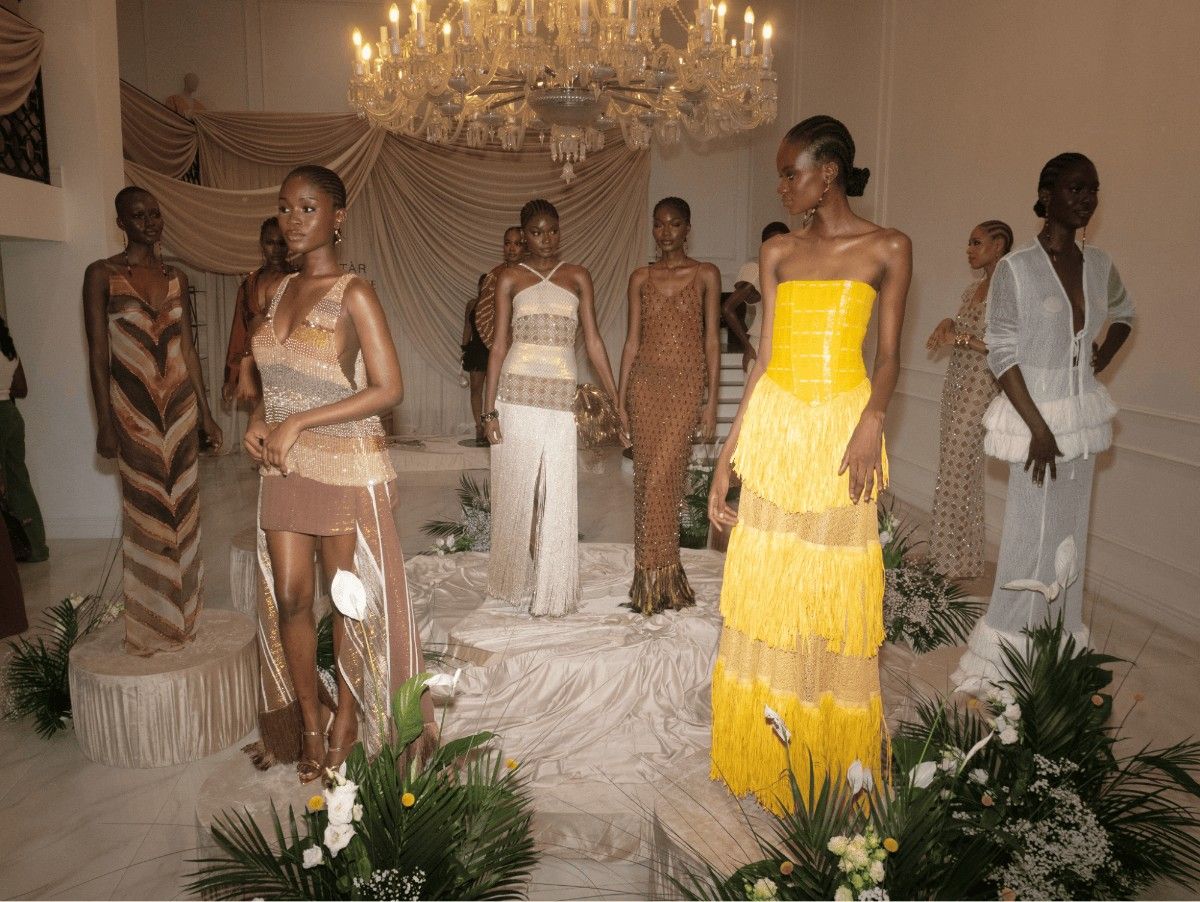
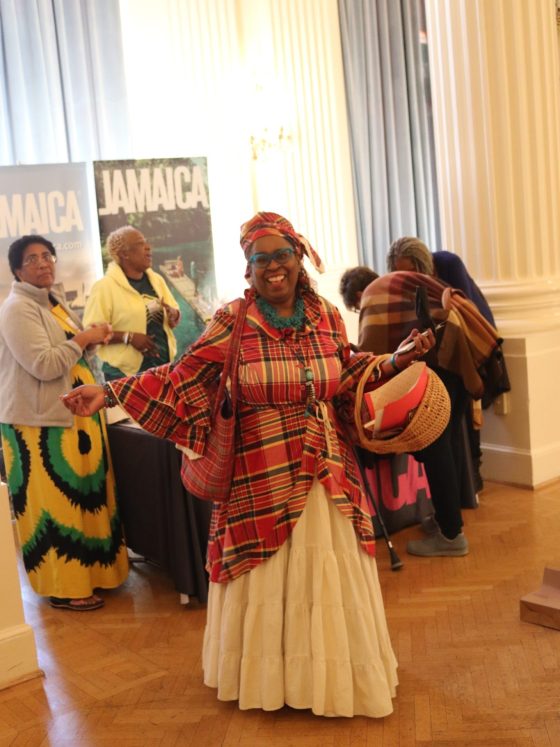
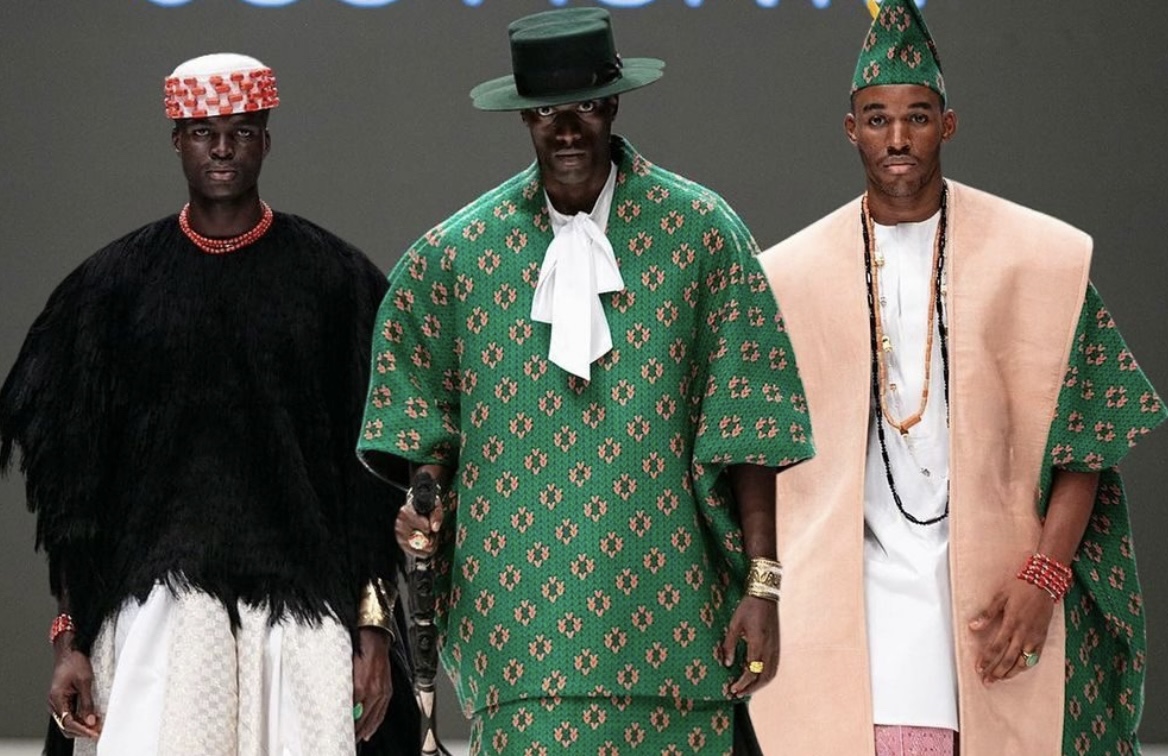
 A picture of people dressed in different dresses showing how clothing has become a language of social organisation.
Photo: Deeds Magazine.

The presence of African dress traditions in Caribbean societies emerged not as a fashion choice but as a form of cultural reconstruction. Enslaved Africans arriving in plantation colonies were often stripped of their original clothing systems.

What remained was knowledge of draping, layering, and symbolic meaning. For instance:

  • Reconstruction of Silhouettes: Loose tunics, wrapped garments, and head ties were adapted using available fabrics.
  • Social Signalling: Methods of tying headwraps or wearing elaborate clothing marked life stages, communal belonging, and spiritual continuity.
  • Resistance and Visibility: Dressing with intention provided psychological and cultural resilience under colonial control.

Over generations, this created a living framework of Caribbean dress that retained African design logic while responding to local conditions.

Carnival Fashion as Cultural Expression
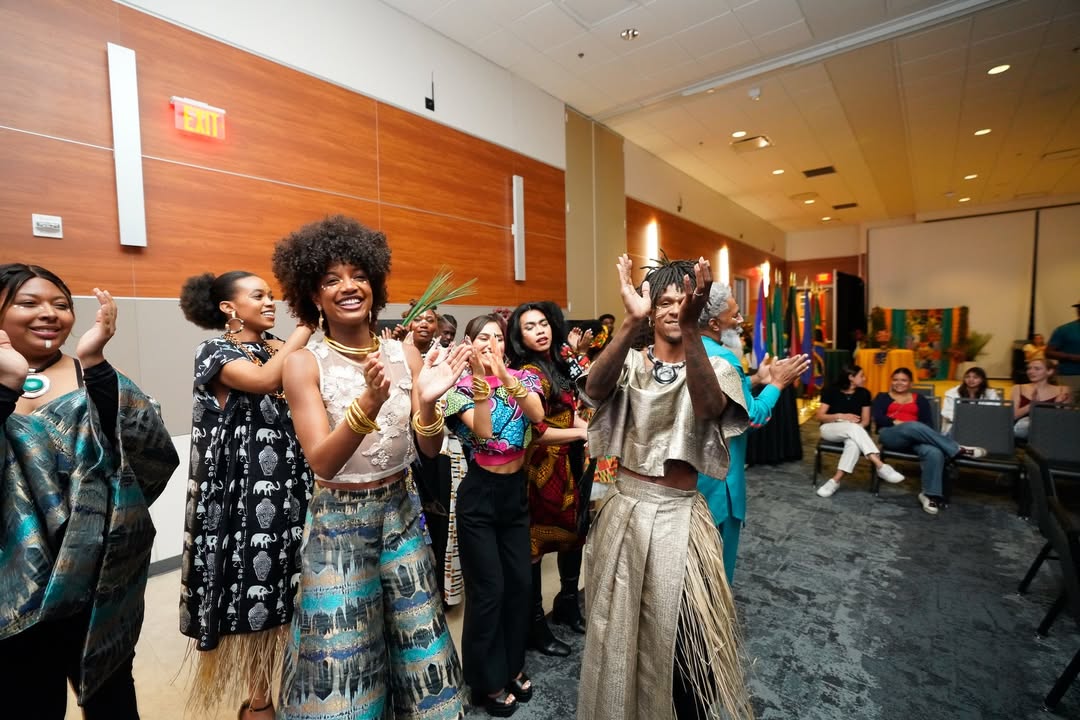
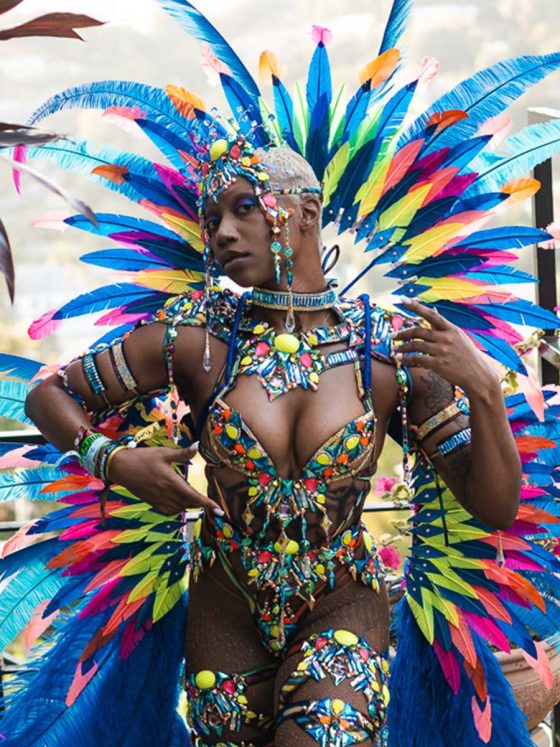
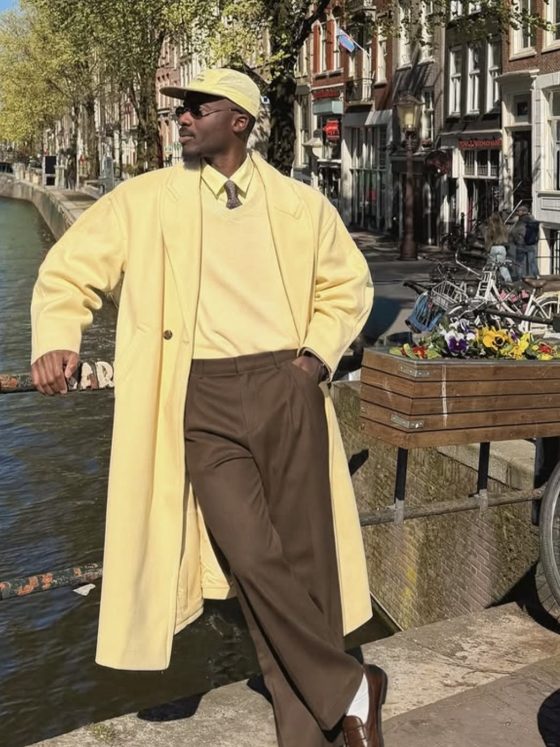
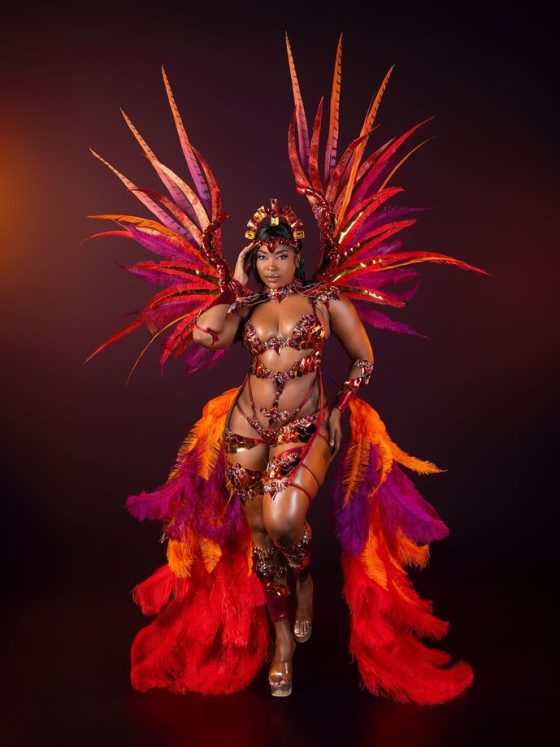
A picture showing how African fabrics have evolved.
Photo: UIWCardinals/Instagram.

Carnival in Trinidad and Jamaica demonstrates how African dressing knowledge evolved into a living, performative culture. Costumes for the parade and festival were designed for movement, visibility, and storytelling.

They were improvisational by necessity. Scarce fabrics were layered and tied to allow dance, while colours and forms signalled communal belonging, lineage, or defiance under colonial scrutiny.

Also, these garments were not merely decorative. They translated centuries of African knowledge about draping, textile behaviour, and social signalling into new geographies. Carnival became a laboratory for the Caribbean–African fashion corridor.

This maintains aesthetic continuity while adapting to new environmental and social conditions. The logic of African dress survived through colour and the structural choreography of performance. This demonstrates that heritage could endure even far from its original context.

Lagos Fashion’s Influence on Caribbean Style

In contemporary practice, Lagos continues to shape the Caribbean–African fashion corridor. The city has become a hub of creativity. They’ve figured out how to use traditional fabrics with streetwear sensibilities and carry out bold colour experimentation.

Nigerian designers apply precision tailoring and innovative textile techniques that inform festival wear, street style, and formal dressing across Trinidad and Jamaica.

Lagos fashion does more than set trends; it communicates stories about heritage, identity, and social awareness. These narratives travel through diaspora networks.

They inspire reinterpretation while maintaining a dialogue with knowledge of historical African dress. The corridor thrives because Lagos provides a living reference point for creativity, linking ancestral systems with modern expression in a global context.

Transforming Traditional Garments for Modern Identity
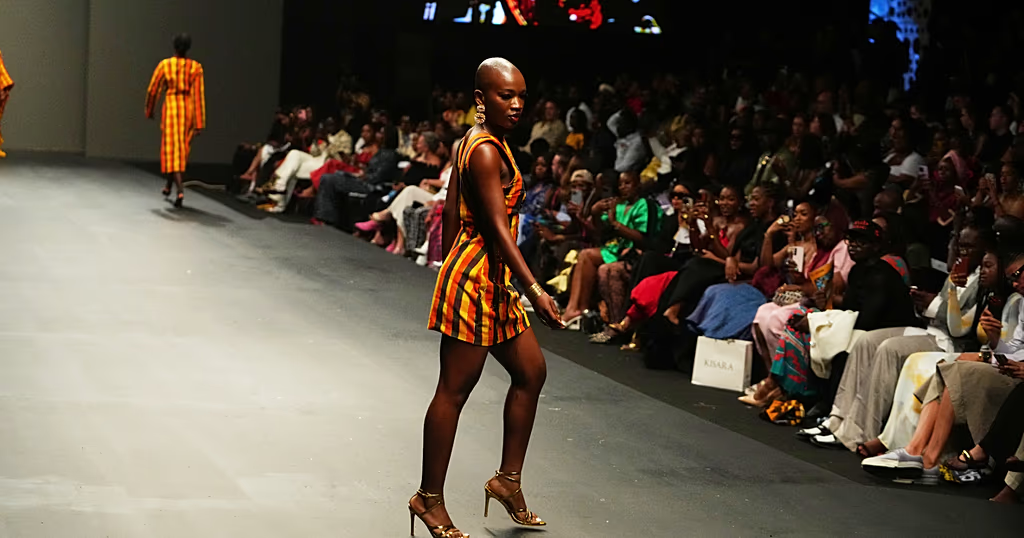
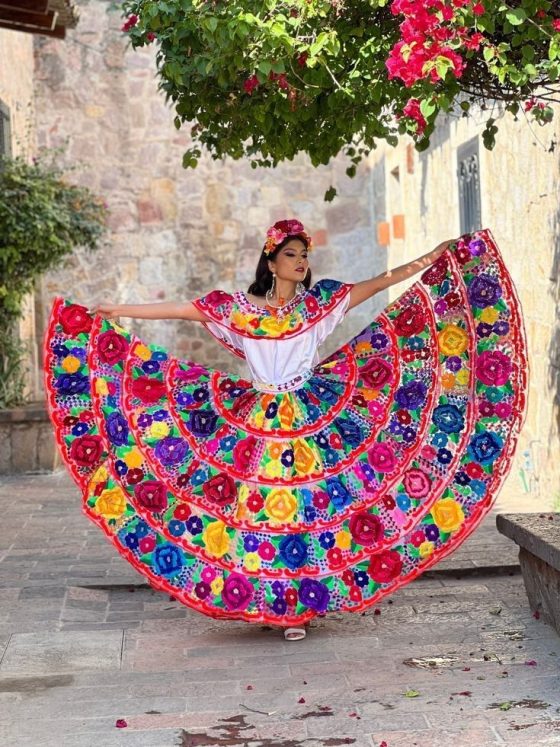
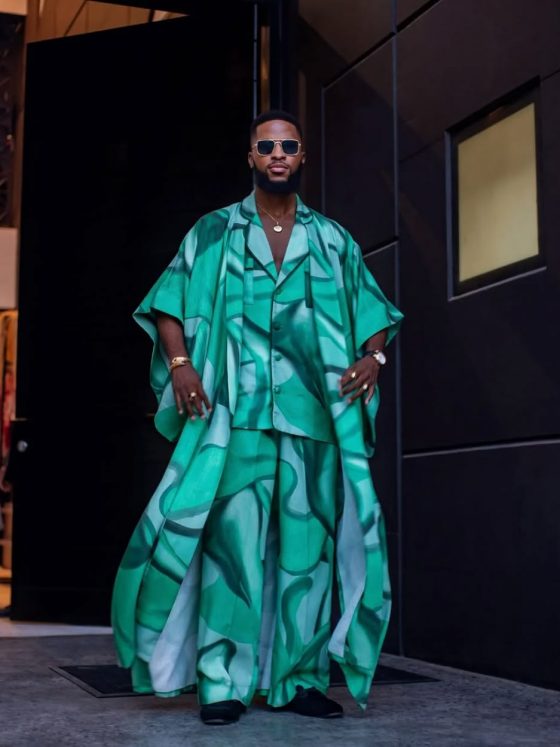
A picture showing how African fashion is navigating modern identity
Photo: Africa News.

Within the Caribbean–African fashion corridor, traditional African garments are not simply worn as heritage symbols. They are reinterpreted as tools for navigating modern identity.

Here are some key dynamics shaping this transformation:

  • From ritual to routine: Garments once reserved for ceremonies now appear in social life, work settings, and festivals.
  • Negotiating visibility: Clothing signals political awareness, class identity, or alignment with Pan-African movements.
  • Climate adaptation: Fabrics are blended or replaced to withstand tropical humidity, making heritage garments functional without sacrificing symbolism.
  • Hybrid styling: Heritage garments are paired with modern accessories, streetwear pieces, and Western tailoring, creating a dialogue between tradition and modernity.

These adaptations highlight that diaspora fashion is an ongoing negotiation between cultural preservation and present-day relevance.

ALSO READ:

  • Top 5 Traditional Styles for Ndebele Women in 2026
  • Accra Fashion: How Women in Ghana Are Redefining Personal Style in 2026
  • How Fashion Became the Frontline of Cultural Sovereignty in the Post-Colonial World
  • Why the Most Stylish People You Know Don’t Follow Fashion Rules

Economic Implications of Shared Fashion
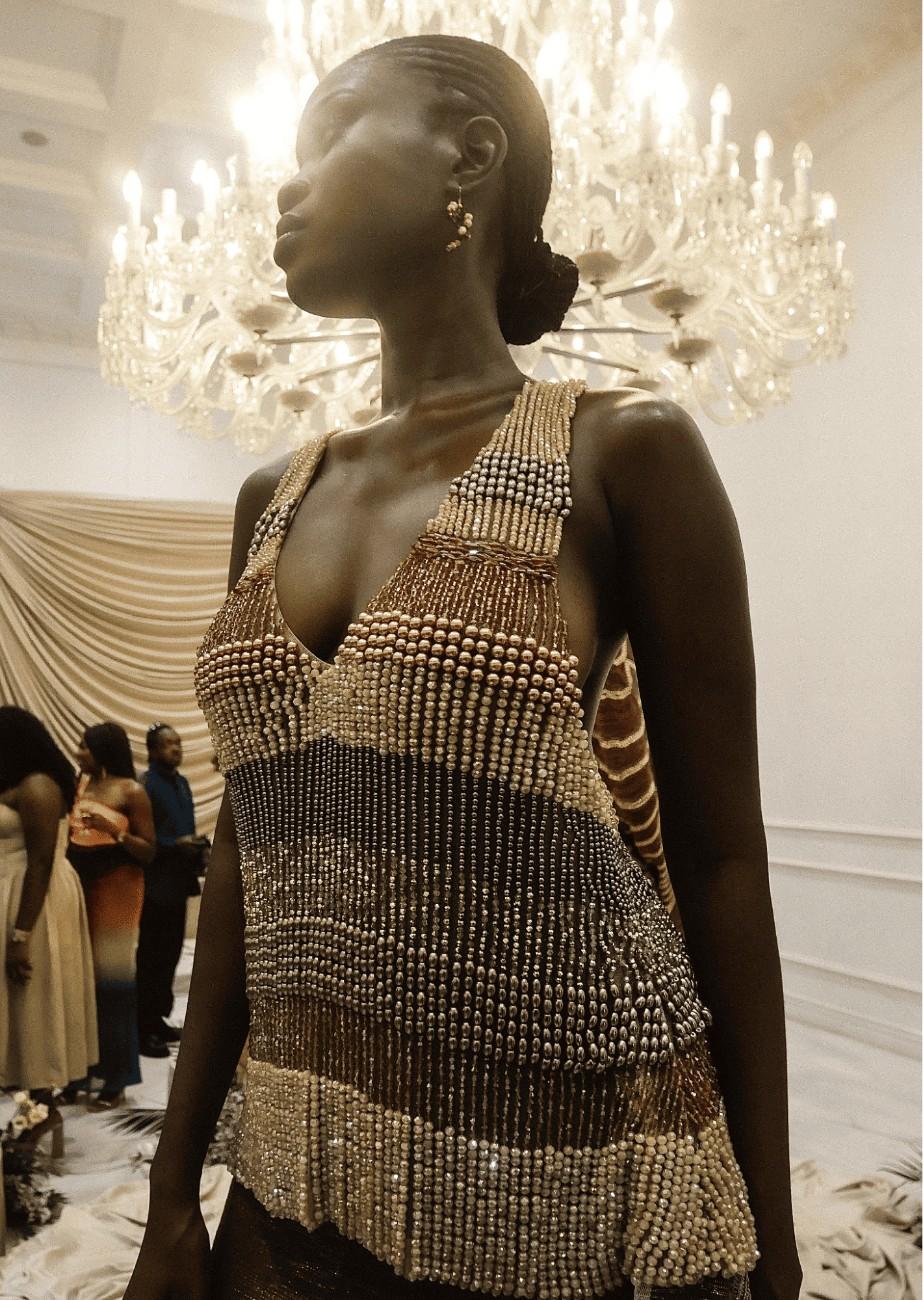
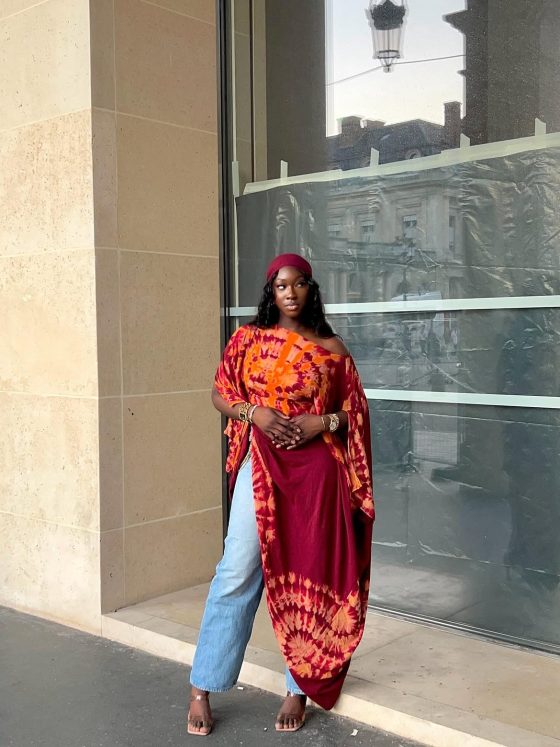
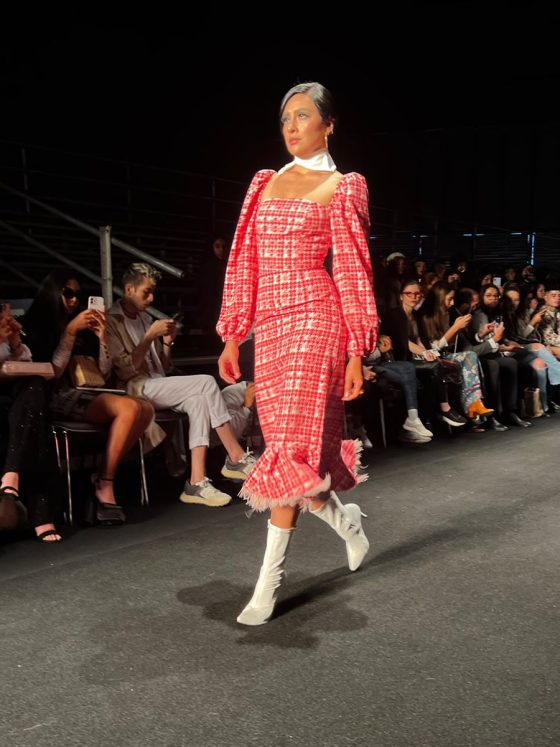
A picture showing how fashion can be expressed.
Photo: Deeds Magazine.

The Caribbean–African fashion corridor extends beyond aesthetics; it generates economic value. Carnival seasons and festival periods create demand for tailors, fabric traders, designers, and stylists.

Diaspora communities commission clothing, purchase textiles, and follow Lagos-inspired trends, supporting micro-economies that connect Africa and the Caribbean.

Fashion is not only an expression of identity but also a vehicle for economic empowerment. The corridor demonstrates how cultural continuity can translate into livelihood, creative industry growth, and cross-border exchange, proving that African aesthetics carry both symbolic and material power.

Conclusion 

Across continents, the Caribbean–African fashion corridor links heritage, creativity, and commerce. From reconstructed African dress to carnival costumes, diaspora reinterpretation, and Lagos streetwear influence, it demonstrates how clothing carries memory, identity, and economic power.

Furthermore, the corridor proves that African aesthetics remain visible, valued, and evolving across oceans and generations.

Frequently Asked Questions 

1. Why Do Caribbean Fashion Styles Reflect African Heritage?

Caribbean looks echo African textiles, draping, and wrapping because these traditions were passed down through generations, adapted to local climates and communities.

2. Is it unusual for Caribbean diaspora communities to wear West African-inspired clothing?

Not at all,  these garments are worn to express heritage and cultural connection, linking lived experience to ancestral histories.

3. How Does Fashion Shape Identity Across African And Caribbean Communities?

Clothing narrates history, claims visibility, and signals cultural pride. It allows diaspora communities to express identity while blending local and global influences.

4. Can Shared Fashion Aesthetics Influence Perception Across Regions?

Yes. When Lagos, Kingston, or Port of Spain reinterpret African dress codes, they create a network of cultural reference, building recognition and belonging across geographies

Post Views: 405
Related Topics
  • Afro Caribbean fashion
  • diaspora style influence
  • global Black fashion
Avatar photo
Philip Sifon

philipsifon99@gmail.com

You May Also Like
African Diaspora Fashion: The Dress Code in London, Paris, and New York
View Post
  • Caribbean Diaspora

African Diaspora Fashion: The Dress Code in London, Paris, and New York

  • Ayomidoyin Olufemi
  • June 29, 2026
African Luxury Retail: Lagos, Accra, Johannesburg as New Power Corridors
View Post
  • Caribbean Diaspora

African Luxury Retail: Lagos, Accra, Johannesburg as New Power Corridors

  • Ayomidoyin Olufemi
  • June 27, 2026
Caribbean Carnival Fashion: How Costume Traditions Shape Global Couture
View Post
  • Caribbean Diaspora

Caribbean Carnival Fashion: How Costume Traditions Shape Global Couture

  • Ayomidoyin Olufemi
  • June 25, 2026
Caribbean Fashion Week Organisers: Who Holds the Door Open Now
View Post
  • Caribbean Diaspora

Caribbean Fashion Week Organisers: Who Holds the Door Open Now

  • Adams Moses
  • June 18, 2026
The Caribbean Did Not Inspire Global Fashion. It Built the System Fashion Now Borrows From
View Post
  • Caribbean Diaspora

The Caribbean Did Not Inspire Global Fashion. It Built the System Fashion Now Borrows From

  • Peace Vera
  • June 17, 2026
Caribbean Fashion: The Design Tradition the Global Industry Has Consistently Underpriced
View Post
  • Caribbean Diaspora

Caribbean Fashion: The Design Tradition the Global Industry Has Consistently Underpriced

  • Adams Moses
  • June 17, 2026
Bèlè: Martinique’s Dance of Memory, Resistance, and Identity
View Post
  • Caribbean Diaspora

Bèlè: Martinique’s Dance of Memory, Resistance, and Identity

  • Peace Vera
  • June 17, 2026
Rachel Scott: The Jamaican Designer Who Remade the Terms of American Luxury Fashion
View Post
  • Caribbean Diaspora

Rachel Scott: The Jamaican Designer Who Remade the Terms of American Luxury Fashion

  • Adams Moses
  • June 15, 2026

Leave a Reply Cancel reply

Your email address will not be published. Required fields are marked *

The Omiren Argument

African fashion and culture are not emerging. They are foundational. We document, interpret, and argue for the full cultural weight of African and diaspora dress. With precision. Without apology.

Omiren Styles Fashion · Culture · Identity

All 54 African Nations
Caribbean · Afro-Latin America
The Global Diaspora

Platform

  • About Omiren Styles
  • Our Vision
  • Our Mission
  • Editorial Pillars
  • Editorial Policy
  • The Omiren Collective
  • Campus Style Initiative
  • Sustainable Style
  • Social Impact & Advocacy
  • Investor Relations

Contribute

  • Write for Omiren Styles
  • Submit Creative Work
  • Join the Omiren Collective
  • Campus Initiative
Contact
contact@omirenstyles.com
Our Reach

Africa — All 54 Nations
Caribbean
Afro-Latin America
Global Diaspora

African fashion intelligence, in your inbox.

Editorial features, designer profiles, cultural commentary. No noise.

© 2026 Omiren Styles — Rex Clarke Global Ventures Limited. All rights reserved.
  • Privacy Policy
  • Editorial Policy
  • Terms of Use
  • Accessibility
Africa · Caribbean · Diaspora
The Omiren Argument

African fashion and culture are not emerging. They are foundational. We document, interpret, and argue for the full cultural weight of African and diaspora dress. With precision. Without apology.

Omiren Styles Fashion · Culture · Identity
  • About Omiren Styles
  • Our Vision
  • Our Mission
  • Editorial Pillars
  • Editorial Policy
  • The Omiren Collective
  • Campus Style Initiative
  • Sustainable Style
  • Social Impact & Advocacy
  • Investor Relations
  • Write for Omiren Styles
  • Submit Creative Work
  • Join the Omiren Collective
  • Campus Initiative
Contact contact@omirenstyles.com

All 54 African Nations · Caribbean
Afro-Latin America · Global Diaspora

African fashion intelligence, in your inbox.

Editorial features, designer profiles, cultural commentary. No noise.

© 2026 Omiren Styles
Rex Clarke Global Ventures Limited.
All rights reserved.

  • Privacy Policy
  • Editorial Policy
  • Terms of Use
  • Accessibility
Africa · Caribbean · Diaspora

Input your search keywords and press Enter.

Newsletter Subscribe

Join Our Community

Get exclusive access to new collections, special offers, and style inspiration.