Menu
  • African Style
    • Designers & Brands
    • Street Fashion in Africa
    • Traditional to Modern Styles
    • Cultural Inspirations
  • Fashion
    • Trends
    • African Fashion Designers
    • Afro-Latin American Designers
    • Caribbean Designers
    • Street Style
    • Sustainable Fashion
    • Diaspora Connects
  • Beauty
    • Skincare
    • Makeup
    • Hair & Hairstyle
    • Fragrance
    • Beauty Secrets
  • Lifestyle
    • Culture & Arts
    • Travel & Destination
    • Celebrity Style
    • Luxury Living
    • Home & Decor
  • News
    • Cover Stories
    • Designer Spotlight
    • Fashion Weeks
    • Style Icons
    • Rising Stars
    • Opinion & Commentary
  • Women
    • Women’s Style
    • Health & Wellness
    • Workwear & Professional Looks
    • Evening Glam
    • Streetwear for Women
    • Accessories & Bags
  • Shopping
    • Fashion finds
    • Beauty Picks
    • Gift Guides
    • Shop the Look
  • Events
    • Fashion Week Coverage
    • Red Carpet & Galas
    • Weddings
    • Industry Events
    • Omiren Styles Special Features
  • Men
    • Men’s Style
    • Grooming Traditions
    • Menswear Designers
    • Traditional & Heritage
    • The Modern African Man
  • Diaspora
    • Designers
    • Culture
  • Industry
    • Insights
    • Investment
    • Partnerships
    • Retail
    • Strategy
Subscribe
OMIREN STYLES OMIREN STYLES

Fashion · Culture · Identity

OMIREN STYLES OMIREN STYLES OMIREN STYLES OMIREN STYLES
  • Africa
  • Women
  • Men
  • Fashion
  • Beauty
  • Lifestyle
  • Diaspora
  • Industry
  • News
  • Fashion

Why the Most Stylish People You Know Don’t Follow Fashion Rules

  • Fathia Olasupo
  • March 19, 2026
Why the Most Stylish People You Know Don’t Follow Fashion Rules
Total
0
Shares
0
0
0

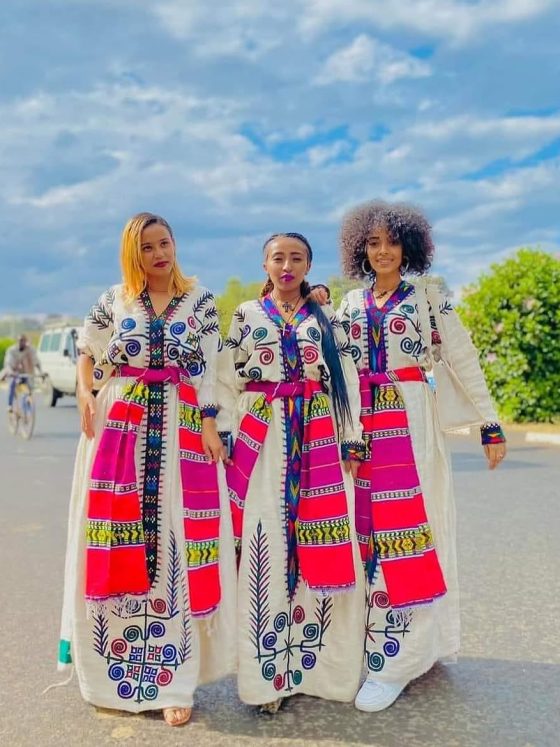
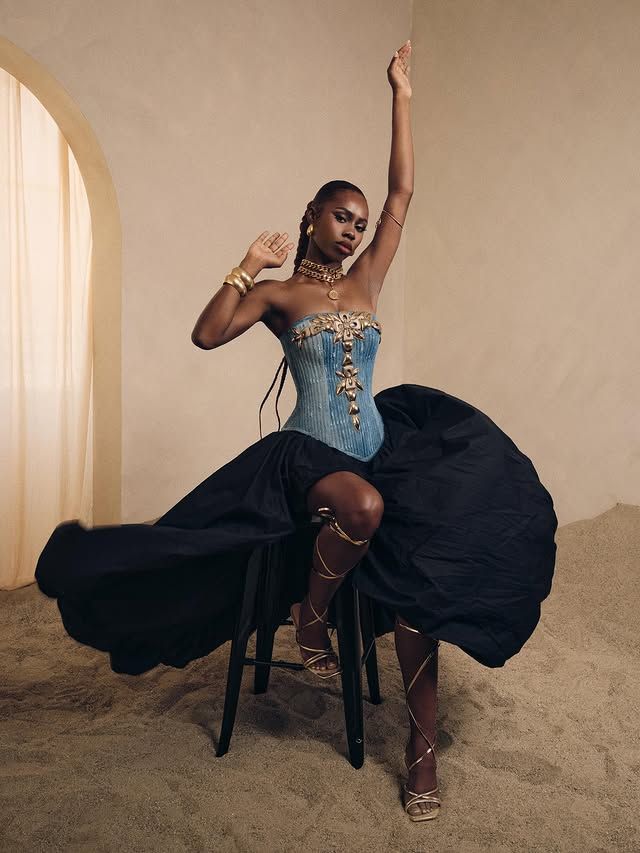
The most stylish people are not those who rigidly follow seasonal trends or magazine diktats. They are the ones who understand clothing as a language, a cultural instrument, and a tool of self-expression. Style is a form of intelligence: it reflects knowledge of fabrics, silhouette, history, and context. Following “rules” often signals compliance; ignoring them signals mastery.

Across African, Caribbean, and Latin American communities, this principle is evident in everyday wardrobes. Women in Lagos seamlessly blend handwoven textiles with contemporary tailoring. Men in Rio pair traditional embroideries with minimalist Western silhouettes. In each case, style emerges from intentional choices rather than adherence to trend cycles.

True style transcends rules. Discover why culturally aware, intentional dressers defy fashion norms and create authentic, lasting personal style.

Why Rules Are a Limitation
Why Rules Are a Limitation
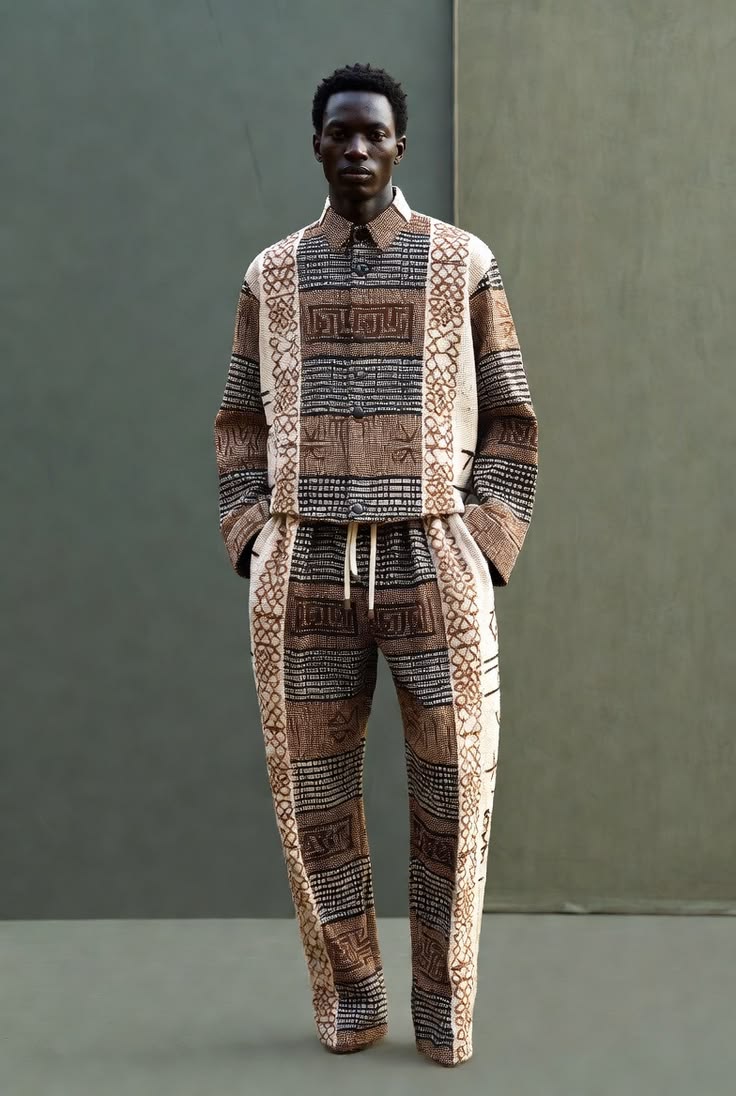
Photo: VERANSO/Pinterest.

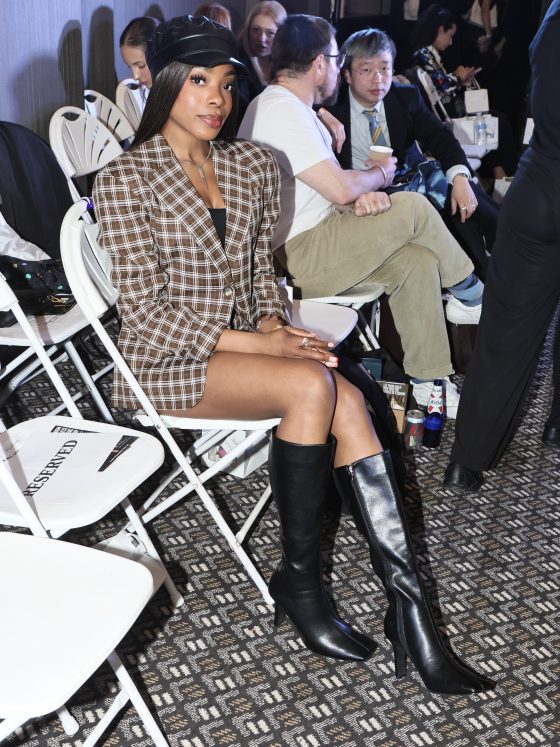
Fashion rules such as “don’t mix prints” or “only wear neutrals to the office” exist to simplify style for mass audiences. They are not universal truths. Stylish individuals break these rules because they understand context, proportion, and story.

  • Cultural knowledge: They know the social and ceremonial significance of textiles, patterns, and colours. A Ghanaian man layering Kente over tailored suiting is not violating rules; he is making culture legible in a contemporary way.
  • Material intelligence: They understand how fabric behaves, drapes, and interacts with movement, allowing them to experiment safely without losing elegance.
  • Historical literacy: They are aware of how clothing has been used to signify status, identity, or resistance and integrate this knowledge into modern expression.

Following rules without this understanding results in uniformity. Defying them thoughtfully results in a recognisable, magnetic personal style.

The Art of Intentional Rule-Breaking

Stylish people rarely dress for approval. They dress with purpose, context, and cultural awareness. Their wardrobes reflect strategy, not chaos:

  • Strategic repetition: Signature looks create instant recognition without monotony.
  • Cultural resonance: They select fabrics and silhouettes that anchor them to heritage while remaining globally intelligible.
  • Personal vocabulary: Accessories, layers, and colour palettes are tools of personal expression rather than dictated formulas.

In diasporic contexts, this is particularly potent. Second-generation Nigerians in London might pair traditional wrapper skirts with contemporary outerwear, simultaneously asserting cultural identity and navigating metropolitan spaces. Afro-Brazilian women may integrate hand-dyed cotton into corporate attire, merging tradition with global professionalism.

READ ALSO:

  • The Uniform as Symbol: Why Powerful Women Are Returning to Signature Dressing
  • The Global Migration of Cotton: How One Fibre Connected Civilisations and Closets

The Psychology Behind Nonconformist Style
The Psychology Behind Nonconformist Style

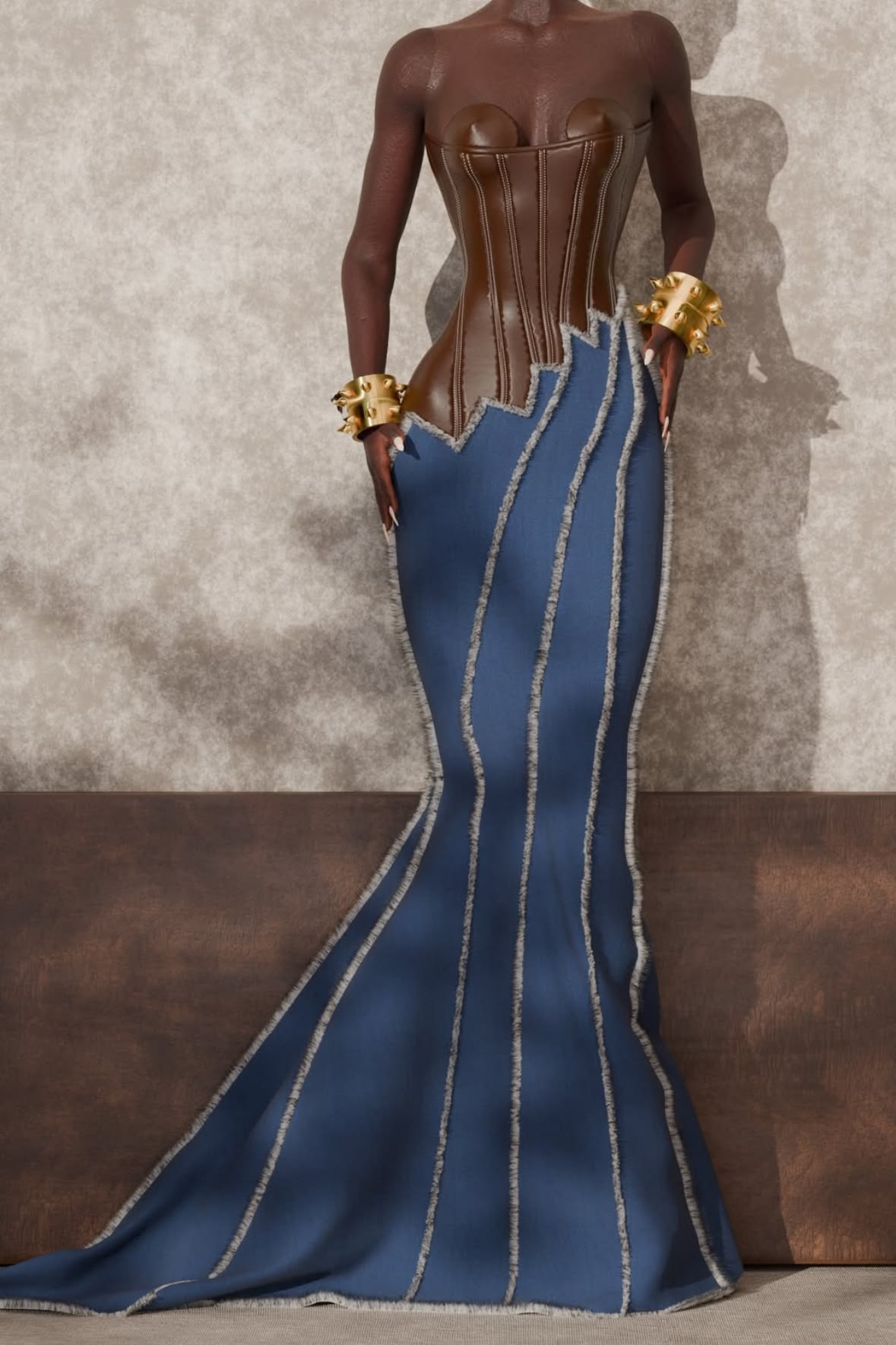
There is science behind why some people appear effortlessly stylish:

  1. Confidence through choice: when you understand your wardrobe and its cultural meaning, your decisions radiate authority.
  2. Cognitive ease: Eliminating mindless adherence to rules frees mental energy for creativity and presence.
  3. Perceived authenticity: Observers detect intentionality. Clothes that communicate story, heritage, and self-awareness register as stylish because they signal intelligence and cultural fluency.

Stylish people aren’t simply lucky; they have cultivated a deep knowledge of fabrics, history, and context, which allows them to bend rules without breaking coherence.

Style as Cultural Reclamation

Breaking fashion rules is not just personal; it is often political and cultural. For African, Caribbean, and Latin American communities, ignoring Eurocentric style norms asserts agency, identity, and pride.

  • Wearing traditional fabrics outside ceremonial contexts challenges assumptions about “appropriate” use.
  • Layering African, Caribbean, or Latin American textiles with global silhouettes creates a new visual language that respects heritage while engaging the world.
  • Rule-breaking signals that style is not dictated by Western capitals alone; it is an expression of diasporic creativity and authority.

By rejecting rigid rules, stylish individuals reclaim fashion as a medium of intelligence, narrative, and cultural dialogue rather than mere compliance.

The Takeaway: Mastery Over Obedience
The Takeaway: Mastery Over Obedience
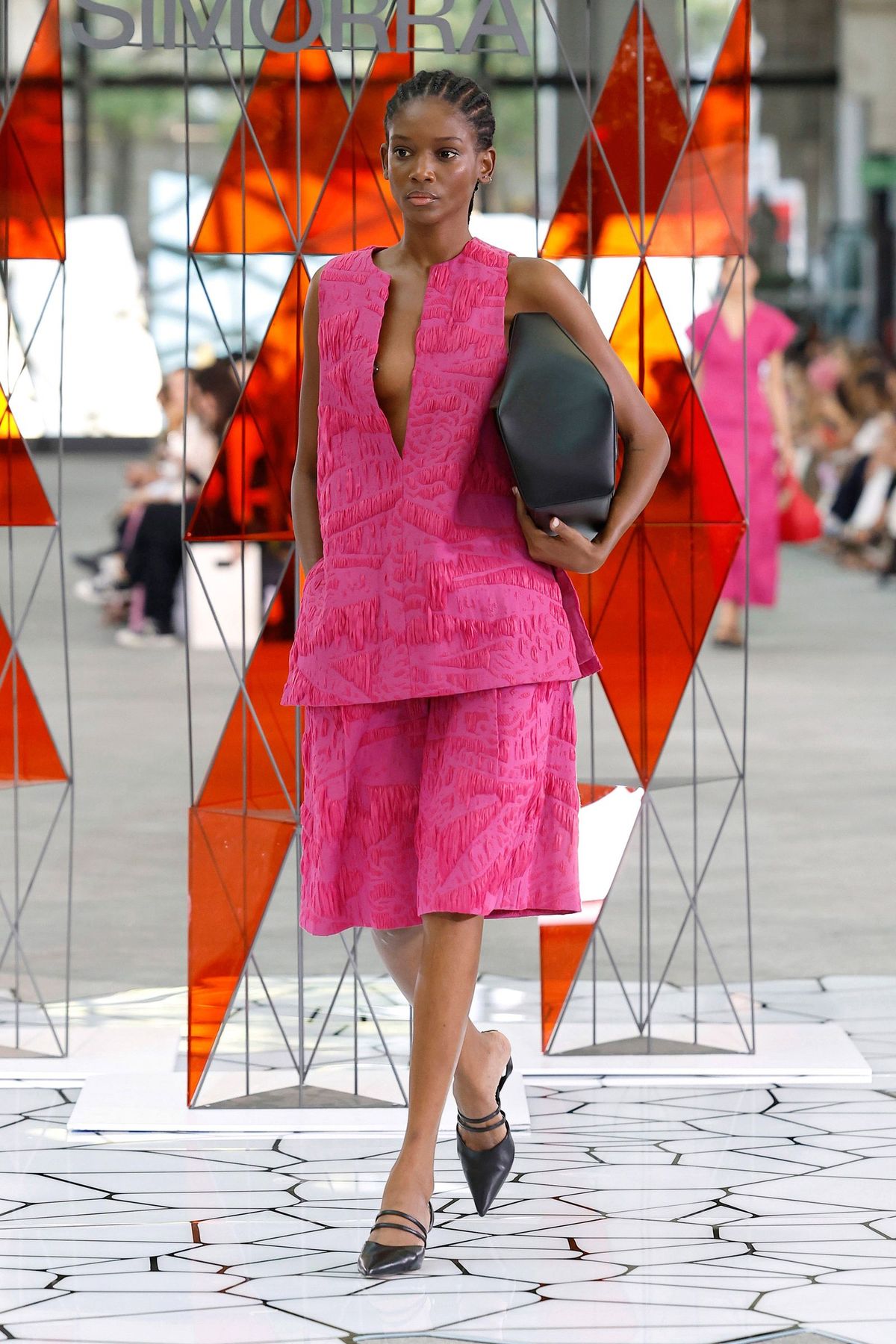
Photo: Vogue Magazine.

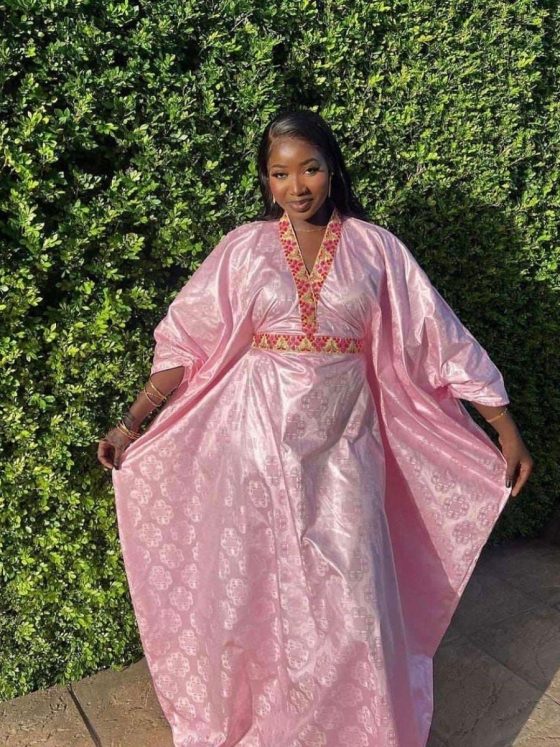
The most stylish people you know don’t follow rules because they understand the meaning behind each garment, fabric, and accessory. They know how clothing communicates power, identity, and cultural knowledge. Their style is a curated act of intentionality, rooted in self-awareness and cultural fluency.

Rules are guides for those who need structure; mastery emerges when you choose what to obey, what to reinterpret, and what to discard. True style is not conformity; it is the audacity to create coherence out of knowledge, heritage, and intention.

FAQs

  1. Why do stylish people ignore fashion rules?

Stylish individuals prioritise intention, cultural knowledge, and personal expression over rigid trend-based rules.

  1. How can breaking fashion rules improve personal style?

By understanding fabrics, heritage, and context, rule-breaking creates unique, coherent, and culturally grounded wardrobes.

  1. What role does cultural heritage play in modern style?

Integrating traditional textiles and patterns into contemporary outfits signals identity, knowledge, and diasporic creativity.

  1. How does intentional dressing differ from following trends?

Intentional dressing focuses on purpose, cultural meaning, and personal narrative rather than temporary mass-market trends.

  1. Can rule-breaking in fashion be professional?

Yes. When executed thoughtfully, combining traditional and contemporary elements can communicate authority, confidence, and cultural fluency in professional spaces.


Post Views: 115
Total
0
Shares
Share 0
Tweet 0
Pin it 0
Related Topics
  • authentic fashion style
  • breaking fashion rules
  • personal style expression
Fathia Olasupo

olasupofathia49@gmail.com

You May Also Like
Haitian Vodou Dress and the Colours That Are Not for Decoration
View Post
  • Diaspora Connects

Haitian Vodou Dress and the Colours That Are Not for Decoration

  • Ayomidoyin Olufemi
  • April 17, 2026
What Jamaica Kept: The African Fabrics and Head-Tie Traditions That Survived the Middle Passage
View Post
  • Cultural Inspirations
  • Diaspora Connects

What Jamaica Kept: The African Fabrics and Head-Tie Traditions That Survived the Middle Passage

  • Ayomidoyin Olufemi
  • April 16, 2026
The Timing of Fashion: Why Some Ideas Are Only Accepted Later
View Post
  • Beauty
  • Fashion

The Timing of Fashion: Why Some Ideas Are Only Accepted Later

  • Fathia Olasupo
  • April 15, 2026
The White Shirt: A Study in Minimalist Authority
View Post
  • Men's Style
  • Trends

The White Shirt: A Study in Minimalist Authority

  • Faith Olabode
  • April 15, 2026
The African Men Who Dress to Be Remembered: Style, Power, and the Continent’s Forgotten Dandy Tradition
View Post
  • Diaspora Connects
  • Style & Identity

The African Men Who Dress to Be Remembered: Style, Power, and the Continent’s Forgotten Dandy Tradition

  • Ayomidoyin Olufemi
  • April 15, 2026
KikoRomeo: The Nairobi Brand That Turned Kenyan Craft Into Global Fashion Authority
View Post
  • African Fashion Designers

KikoRomeo: The Nairobi Brand That Turned Kenyan Craft Into Global Fashion Authority

  • Adams Moses
  • April 14, 2026
View Post
  • African Fashion Designers
  • Opinion & Commentary

Why Fashion Brands Don’t Scale: Access Over Design

  • Fathia Olasupo
  • April 14, 2026
Mia Amor Mottley: The Prime Minister Who Wears the Caribbean on the World Stage
View Post
  • Caribbean Designers
  • Celebrity Style
  • Fashion

Mia Amor Mottley: The Prime Minister Who Wears the Caribbean on the World Stage

  • Rex Clarke
  • April 12, 2026

Leave a Reply Cancel reply

Your email address will not be published. Required fields are marked *

The Omiren Argument

African fashion and culture are not emerging. They are foundational. We document, interpret, and argue for the full cultural weight of African and diaspora dress. With precision. Without apology.

Omiren Styles Fashion · Culture · Identity

All 54 African Nations
Caribbean · Afro-Latin America
The Global Diaspora

Platform

  • About Omiren Styles
  • Our Vision
  • Our Mission
  • Editorial Pillars
  • Editorial Policy
  • The Omiren Collective
  • Campus Style Initiative
  • Sustainable Style
  • Social Impact & Advocacy
  • Investor Relations

Contribute

  • Write for Omiren Styles
  • Submit Creative Work
  • Join the Omiren Collective
  • Campus Initiative
Contact
contact@omirenstyles.com
Our Reach

Africa — All 54 Nations
Caribbean
Afro-Latin America
Global Diaspora

African fashion intelligence, in your inbox.

Editorial features, designer profiles, cultural commentary. No noise.

© 2026 Omiren Styles — Rex Clarke Global Ventures Limited. All rights reserved.
  • Privacy Policy
  • Editorial Policy
  • Terms of Use
  • Accessibility
Africa · Caribbean · Diaspora
The Omiren Argument

African fashion and culture are not emerging. They are foundational. We document, interpret, and argue for the full cultural weight of African and diaspora dress. With precision. Without apology.

Omiren Styles Fashion · Culture · Identity
  • About Omiren Styles
  • Our Vision
  • Our Mission
  • Editorial Pillars
  • Editorial Policy
  • The Omiren Collective
  • Campus Style Initiative
  • Sustainable Style
  • Social Impact & Advocacy
  • Investor Relations
  • Write for Omiren Styles
  • Submit Creative Work
  • Join the Omiren Collective
  • Campus Initiative
Contact contact@omirenstyles.com

All 54 African Nations · Caribbean
Afro-Latin America · Global Diaspora

African fashion intelligence, in your inbox.

Editorial features, designer profiles, cultural commentary. No noise.

© 2026 Omiren Styles
Rex Clarke Global Ventures Limited.
All rights reserved.

  • Privacy Policy
  • Editorial Policy
  • Terms of Use
  • Accessibility
Africa · Caribbean · Diaspora

Input your search keywords and press Enter.