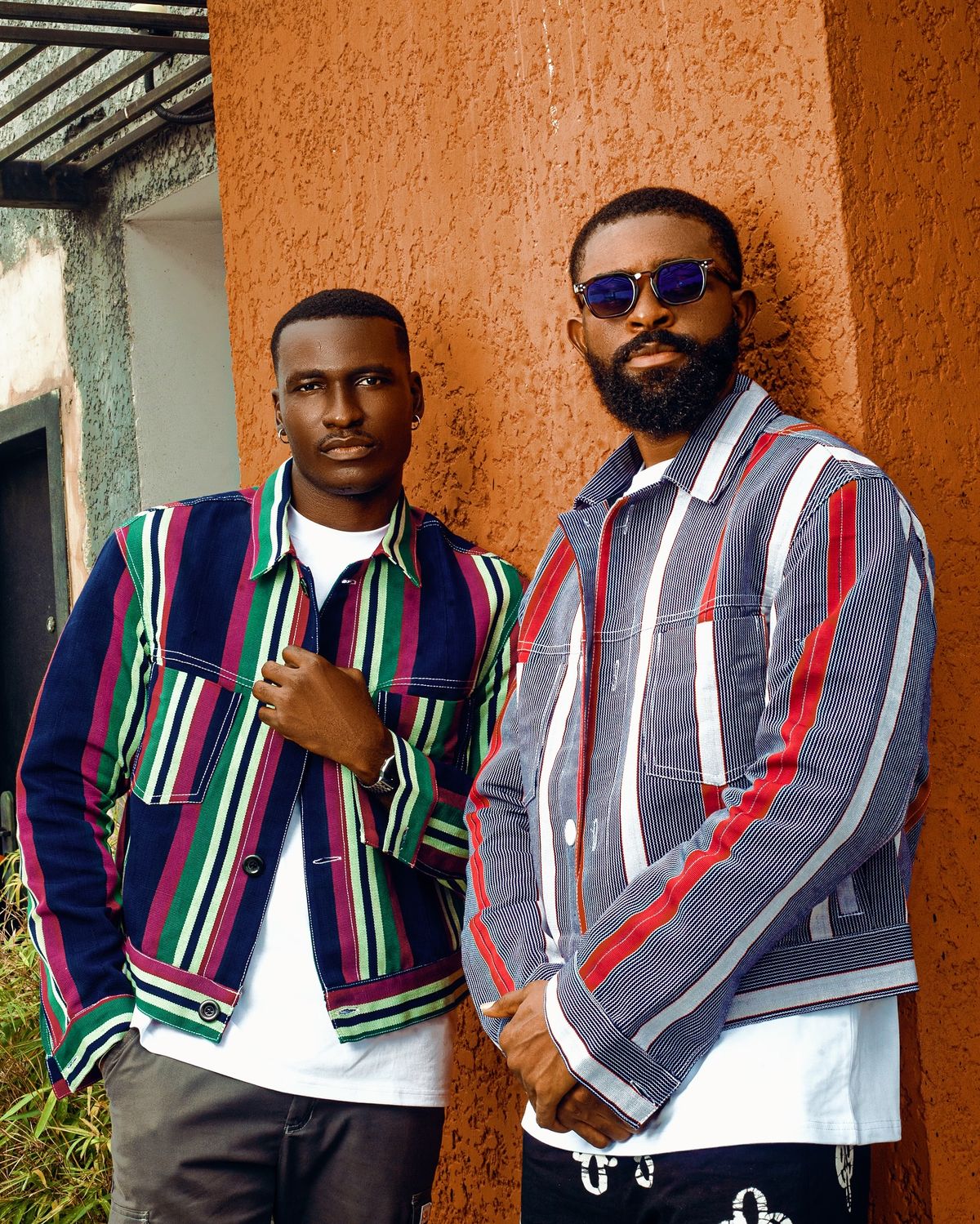
Fashion has always been more than fabric.
In many parts of the world, what people wear has long carried meanings tied to identity, status, belief systems, and belonging. Yet for much of modern history, these expressions were reshaped, suppressed, or reframed under colonial influence—often replaced by imposed standards of dress that signalled assimilation rather than authenticity.
Today, that dynamic is shifting.
Across continents, designers, stylists, and cultural voices are reclaiming fashion not just as a form of creativity, but as a site of agency. Clothing is no longer simply about aesthetics or global trends. It has become a language through which histories are revisited, narratives are corrected, and identities are reasserted.
In this context, fashion has emerged as an unlikely but powerful frontline of cultural sovereignty.
An in-depth exploration of how fashion has become a powerful tool for cultural sovereignty in the post-colonial world, reshaping identity, heritage, and global style.
Dressing Beyond Colonial Frameworks
Colonial systems did more than redraw borders; they reshaped visual culture.
In many societies, traditional garments were discouraged or reclassified as informal, outdated, or unsuitable for modern life. Western modes of dress became associated with professionalism, progress, and global relevance.
This created a hierarchy of appearance.
Local textiles, silhouettes, and adornment practices did not disappear, but they were often repositioned—reserved for ceremonies or cultural events rather than everyday life. Over time, this influenced how entire generations perceived their own cultural expressions.
The post-colonial moment has been defined, in part, by a gradual unravelling of these hierarchies.
Fashion is now playing a role in redefining what is considered contemporary, professional, and globally relevant on different terms.
Reclaiming Identity Through Design
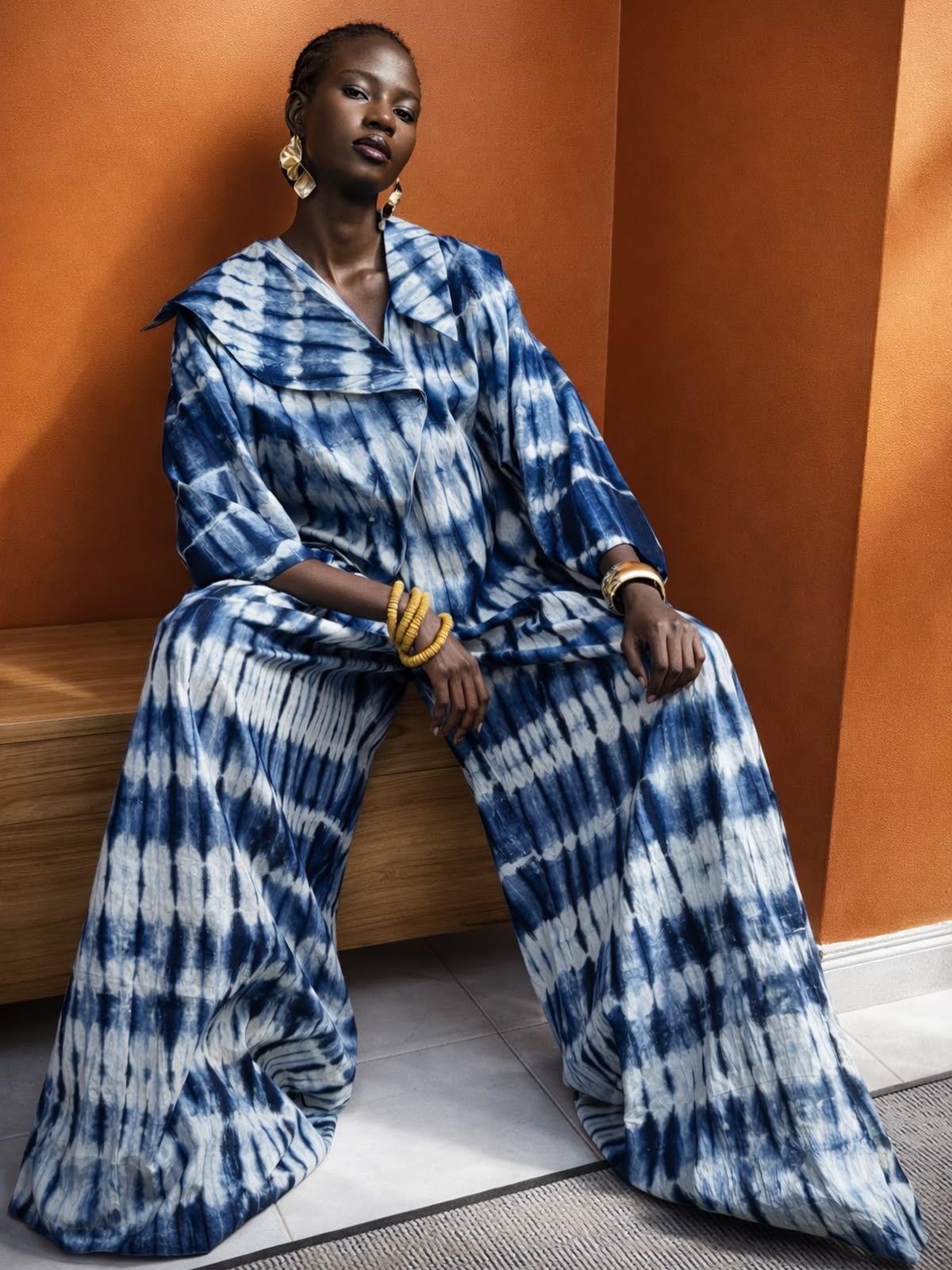
One of the most significant shifts in global fashion is the intentional return to cultural reference points.
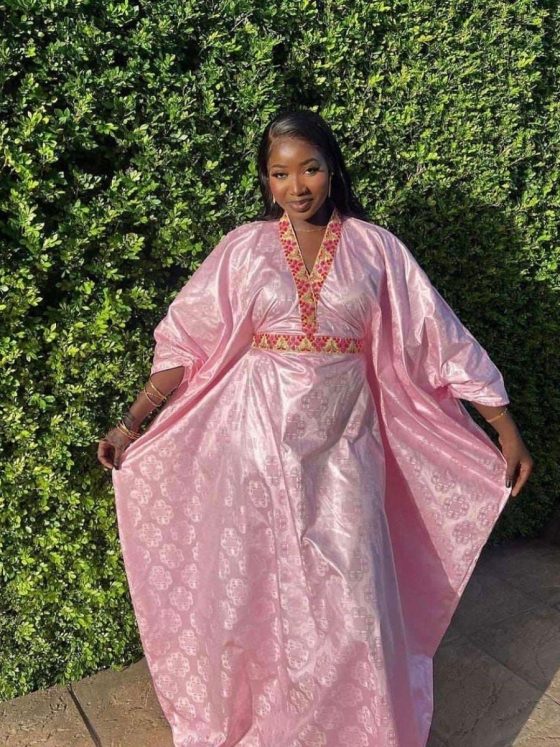
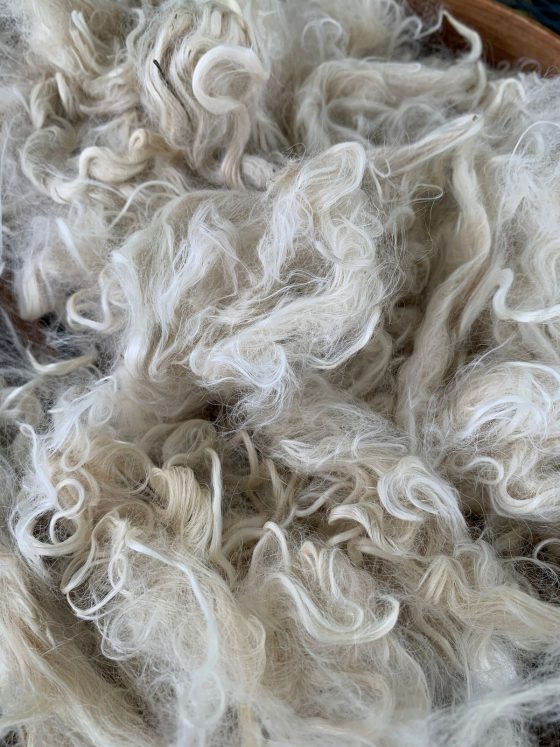
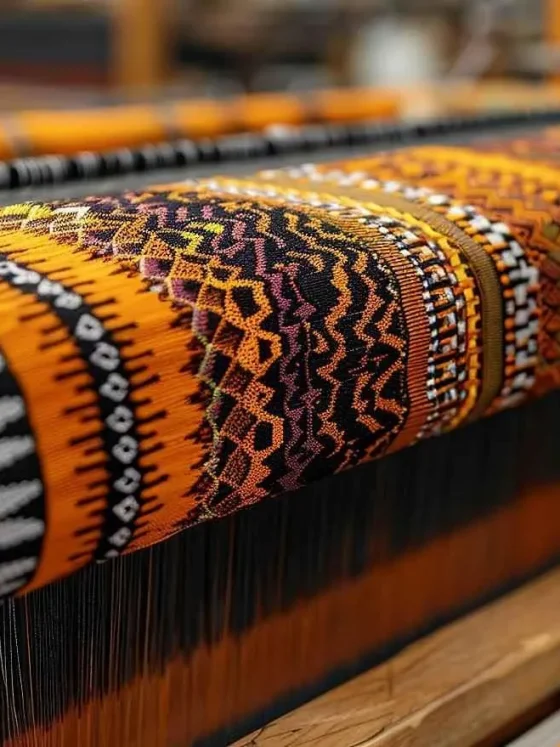
Designers are revisiting traditional techniques, not as nostalgic gestures, but as living systems of knowledge. Textiles, dyeing methods, and garment construction processes that have existed for generations are being reinterpreted through modern design.
This is not an imitation. It is a reclamation.
By integrating these elements into contemporary fashion, creatives are challenging the idea that modernity must align with Western aesthetics. Instead, they are presenting alternative visions of what contemporary fashion can look like.
In doing so, they reframe cultural identity as a source of innovation rather than limitation.
The Politics of Fabric and Form
Clothing has always been political, even when it appears purely aesthetic.
In the post-colonial world, fabric choices, silhouettes, and styling decisions can carry layered meanings. Wearing locally produced textiles may reflect economic consciousness. Choosing certain garments may signal alignment with cultural heritage or resistance to imposed norms.
These decisions operate quietly but powerfully.
They do not require overt statements. Instead, they exist within everyday acts of dressing—what is worn to work, to social gatherings, or in public spaces.
Fashion becomes a form of soft power.
It allows individuals and communities to assert identity without confrontation, reshaping cultural narratives through visibility and presence.
From Margins to Global Influence
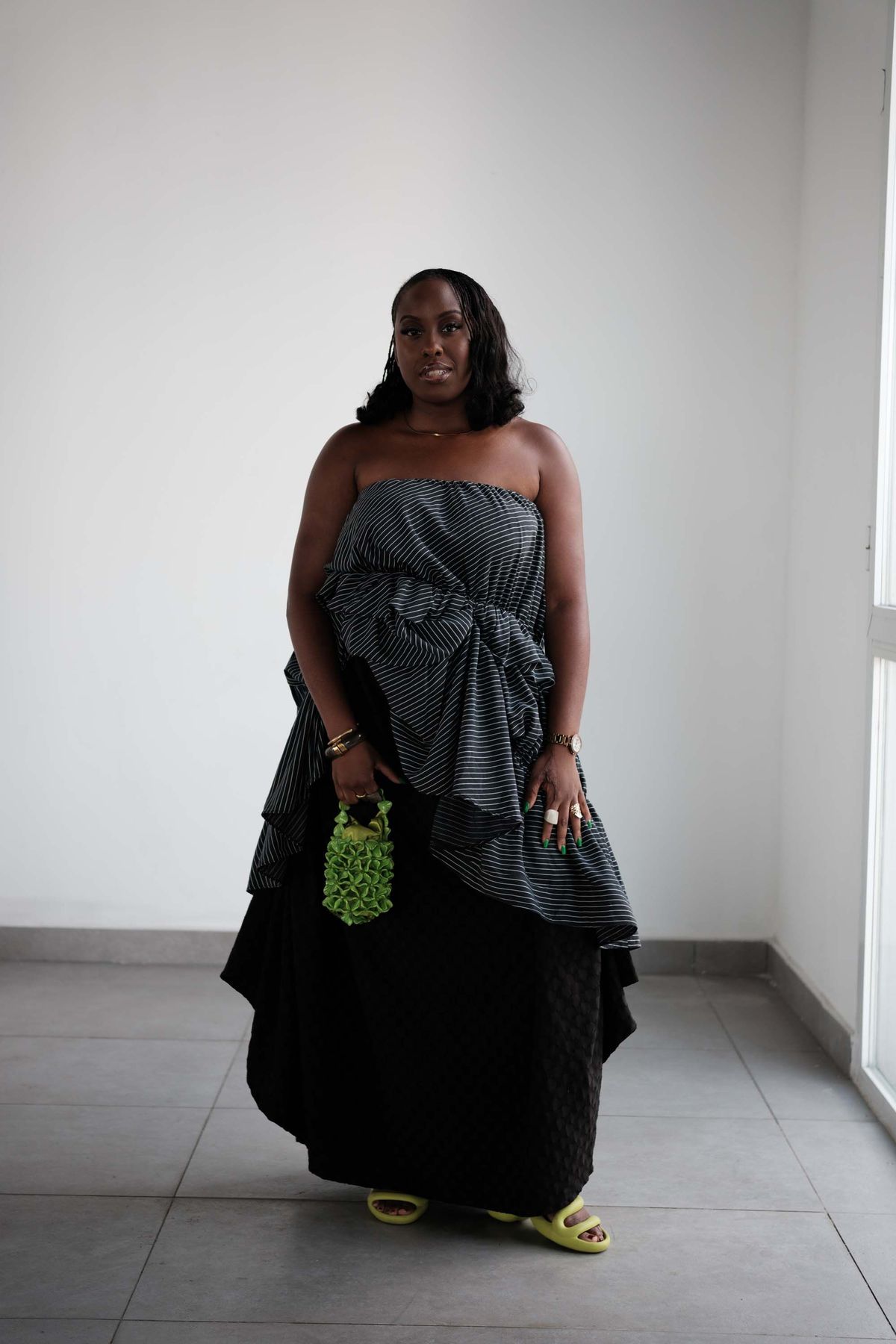
For years, many fashion systems outside Western capitals were positioned at the margins of the global industry.
Recognition often depended on external validation. Designers had to enter established fashion circuits to gain visibility, and local markets were frequently overlooked in favour of international audiences.
This dynamic is changing.
Fashion ecosystems across Africa, Asia, and Latin America are expanding, supported by digital platforms, regional fashion weeks, and independent media. Designers are building global audiences without abandoning local context.
Importantly, influence is no longer one-directional.
Styles, techniques, and visual languages are now moving across borders in multiple ways. What emerges from Lagos, Dakar, Mumbai, or São Paulo can shape global fashion conversations just as much as what emerges from traditional fashion capitals.
Cultural Sovereignty and Economic Power
The conversation around cultural sovereignty is not only symbolic. It is also economic.
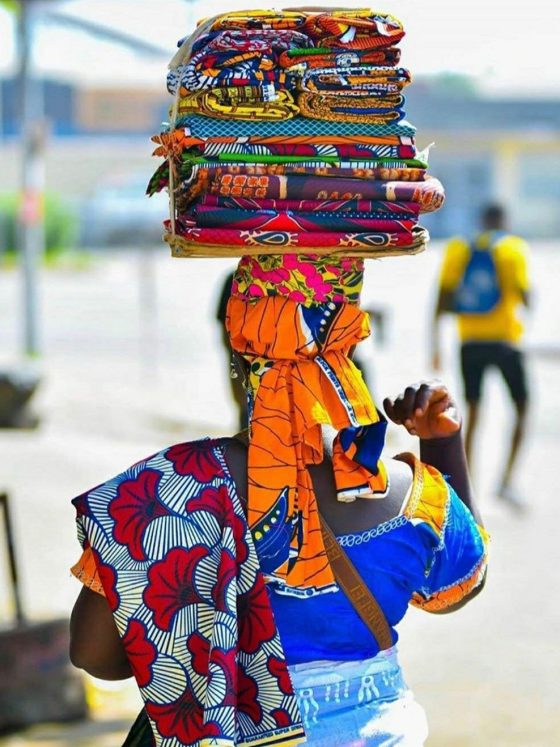
When local industries are supported through textile production, garment manufacturing, and creative entrepreneurship, fashion becomes a tool for economic development. It creates opportunities for artisans, designers, and small businesses.
This reinforces the importance of ownership.
Who produces the garments? Who tells the stories? Who benefits from the value created?
These questions are increasingly central to discussions about global fashion. Cultural sovereignty involves not just representation but control over production, distribution, and narrative.
Rethinking Global Fashion Narratives
As fashion becomes more interconnected, there is a growing need to rethink how global narratives are constructed.
Rather than positioning certain regions as sources of inspiration and others as centres of innovation, the industry is gradually moving toward a more balanced perspective. Creativity is increasingly recognised as distributed rather than centralised.
This shift requires a deeper level of engagement.
Understanding fashion across cultures involves more than visual appreciation. It requires attention to history, context, and the systems that shape design practices.
Only then can global fashion move beyond surface-level inclusion.
READ ALSO:
- Bogotá’s Rise as a Global Capital of Fashion, Sustainability, and Innovation
- The History of Buttons in Fashion: Power, Class, and Identity
The Future of Fashion as Cultural Expression
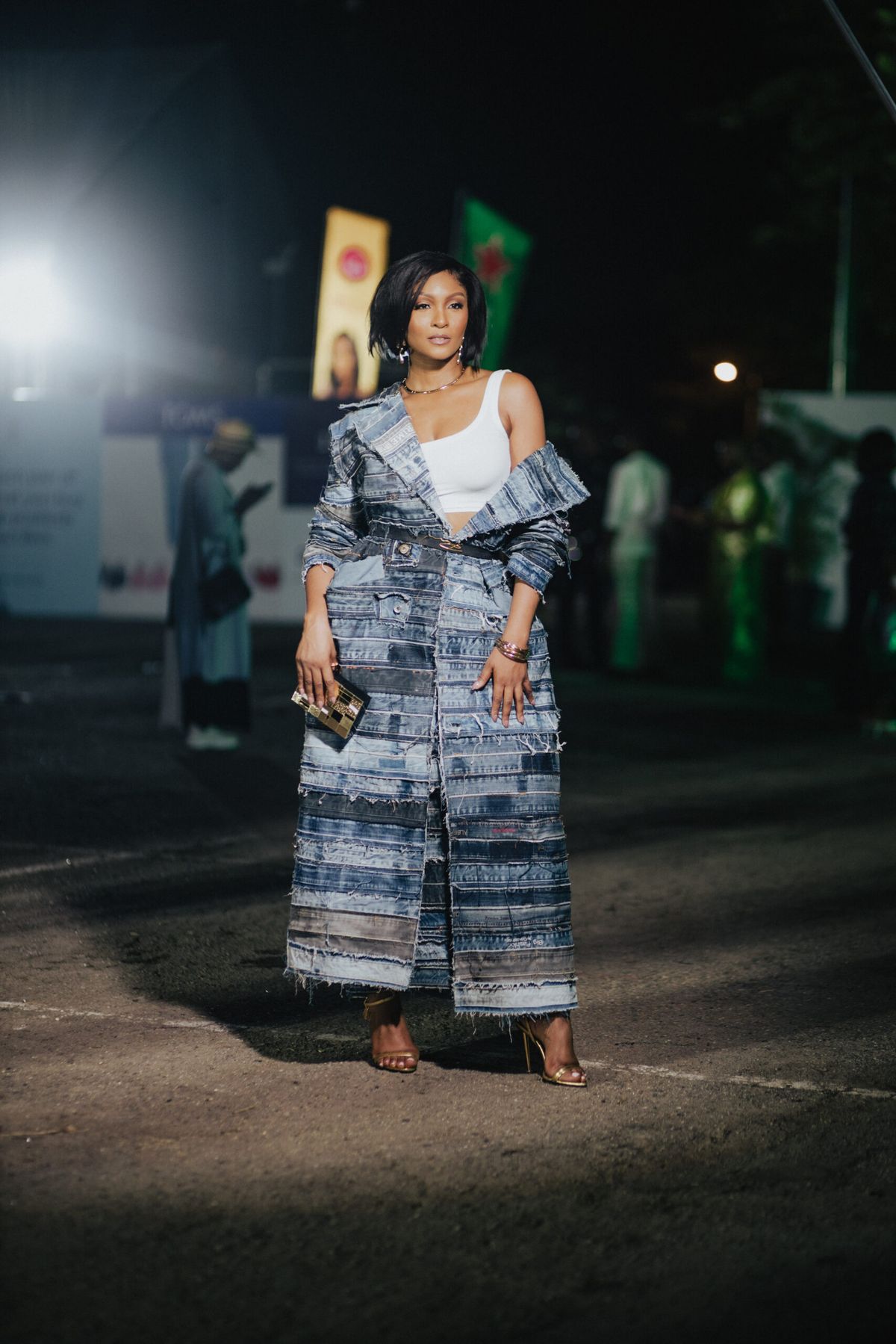
Looking ahead, fashion’s role as a site of cultural sovereignty is likely to expand.
As younger generations engage with questions of identity, heritage, and global belonging, clothing will continue to serve as a medium for exploring these ideas. Technology and digital platforms will further amplify these voices, allowing local narratives to reach global audiences.
A single centre of influence will not define the future of fashion.
It will be shaped by multiple perspectives, each grounded in its own cultural context.
Conclusion
Fashion’s evolution in the post-colonial world reflects a broader shift in how identity, culture, and power are understood.
What was once shaped by external frameworks is increasingly being redefined from within. Designers and consumers alike are engaging with clothing not just as a form of expression, but as a means of reclaiming narrative and asserting presence.
In this landscape, fashion is no longer peripheral.
It is central.
It is where history meets modernity, where identity is negotiated, and where cultural sovereignty is quietly but powerfully expressed.
FAQs
- What is cultural sovereignty in fashion?
It refers to the ability of cultures to define, produce, and represent their own fashion identities without external control.
- How did colonialism influence fashion?
It often imposed Western dress codes, reshaping local clothing traditions and creating hierarchies of style.
- Why is fashion important in post-colonial identity?
Because it allows individuals and communities to reclaim heritage and express identity on their own terms.
- How are designers reclaiming cultural narratives?
By using traditional techniques, textiles, and symbols within contemporary fashion design.
- What is the future of global fashion?
A decentralised system where multiple cultures influence style and define their own narratives.