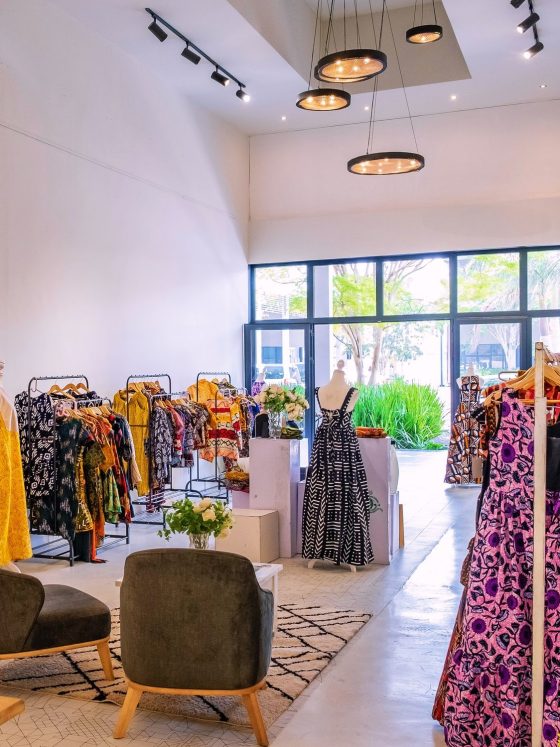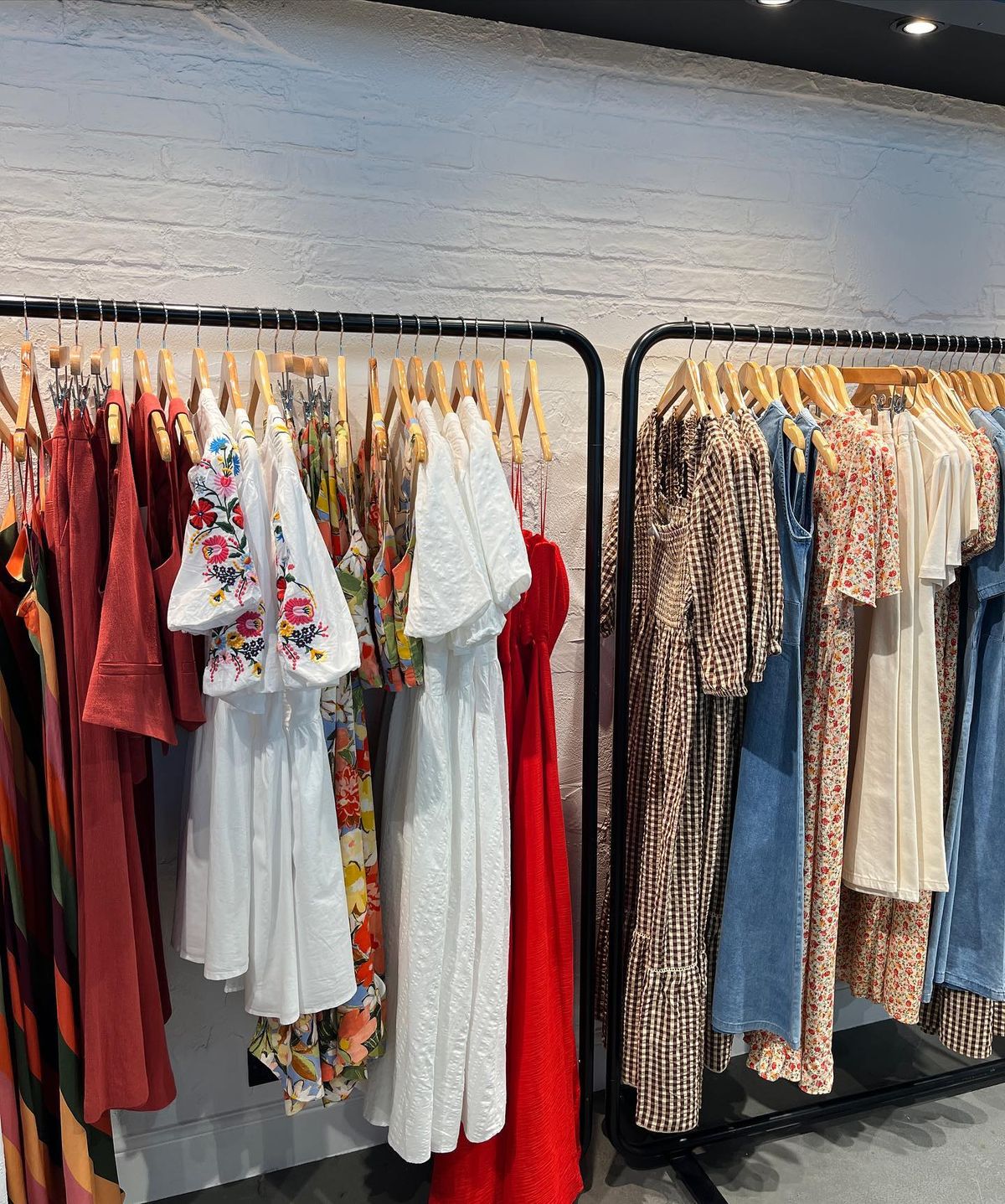
Walk into any boutique with a strong identity, and the clothes belong together before you can name why. Not because they match, but because they share a point of view. Every label on the rail is evidence of a series of decisions the boutique has made about what kind of fashion it believes in.
The strongest boutiques make buying decisions as editorial choices first and commercial choices second. The ones that optimise purely for sell-through produce rails that are technically well stocked yet visually incoherent.
How African and diaspora boutique owners choose which fashion labels to stock, and the editorial logic behind a well-curated rail.
The Rail as an Argument

A boutique’s rail is the most direct statement a retailer makes about what they think fashion is for.
Every label on that rail has been chosen over every label that was not. That selection communicates something to the customer before a single garment is touched: this is the kind of fashion we believe in, this is the customer we are speaking to, this is the standard to which we hold the work. A boutique that stocks fifteen labels with no discernible editorial relationship between them is not neutral. It is unclear. Customers pick up on that, even when they cannot name it, and they shop accordingly.
Each label either reinforces or weakens the argument the boutique is making. A single label, stocked for commercial convenience and not belonging with the others, reads as a crack in the editorial logic. Loyal customers notice. New customers use it as a reason not to commit.
The buying decision is not only about whether this label will sell. It is whether this label, alongside the others already there, continues to make the argument the boutique intends to make.
A label that arrives on the rail because it was easy to source or familiar to the customer, but does not belong editorially, weakens the boutique’s position without improving its commercial performance in any lasting way.
What a Buying Decision Actually Involves
The buying process for a well-run boutique involves several layers of assessment that happen in sequence, each filtering out labels that fail at that stage.
The first is editorial fit. Before any commercial question is asked, the buyer assesses whether the label belongs on the rail. Does the work share the boutique’s aesthetic logic? Does it speak to the same customer without duplicating what is already there? Does it bring something the current selection lacks without contradicting what it says? This requires a buyer to know exactly what the boutique stands for. Buyers who cannot answer that question make inconsistent decisions.
The second is production quality. A label that passes the editorial filter still needs to demonstrate that its garments are made to a standard the boutique can stand behind. Construction, finishing, fabric quality, and the relationship between what the sample promises and what the production run delivers all matter here. A boutique that stocks a label whose quality is inconsistent is staking its own reputation on that inconsistency.
The third is commercial viability: price point, margin, minimum order quantities, and delivery lead times. These are legitimate questions, but they are not the primary ones. A label that passes the first two filters and fails on commercial terms is a disappointment. A label that passes on commercial terms but fails on editorial fit or production quality is a mistake.
The fourth is the designer relationship. A boutique that stocks a label is entering an ongoing relationship with the designer. How they communicate, whether they are reliable in delivery, whether they have a clear sense of their own direction: these questions matter. A label that is editorially right and commercially sound but managed by a designer who is difficult to work with creates problems that compound over time.
How Boutiques Assess New Labels
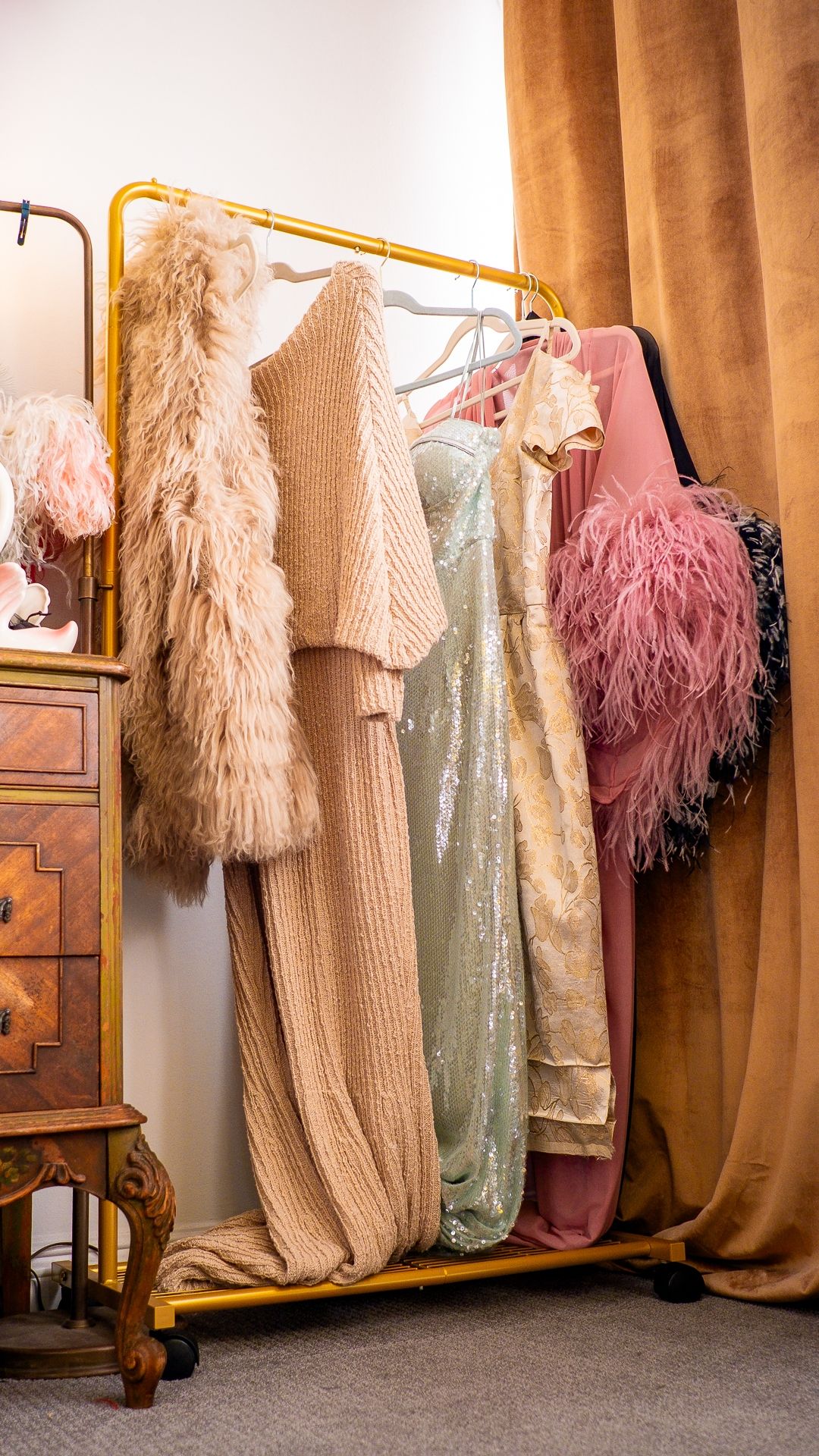
The practical process of discovering and assessing new labels differs between boutiques that are actively building their identities and those managing established ones.
For boutiques building their identity, discovery is often opportunistic: a recommendation from another designer, a piece seen in an editorial, or a designer encountered at a market. The risk at this stage is stocking too many interesting labels too quickly. A boutique that opens its rails too widely accumulates labels without building an argument. The editorial logic gets diffuse before it has had time to crystallise.
For established boutiques, discovery is more structured. Many buyers maintain a watchlist of designers whose work they follow across multiple collections before making a buying decision. A label that has produced one strong season and then becomes inconsistent is a risk. A label whose work has deepened across three or four seasons is a more reliable partner.
The sample review is where the buying decision becomes most concrete. How a sample is presented tells the buyer as much as the sample itself. A designer who arrives with organised, well-documented samples, clear pricing, and a coherent collection story demonstrates the same operational discipline the boutique needs in a supply relationship. Beautiful garments without supporting material may still be compelling, but they often signal operational difficulty ahead.
Trade shows and fashion weeks remain important discovery channels. Across African and diaspora cities, Lagos Fashion Week, South African Fashion Week, and Africa Fashion Week London have created structured environments where boutique buyers can assess multiple labels in a compressed timeframe. The buyers who use these events most effectively arrive with a clear sense of what their rail currently says and what it needs next, rather than treating the event as a general shopping exercise.
ALSO READ
- Vodou Dress and Symbolism: What Haitian Spiritual Clothing Carries and Communicates
- Carnival Fashion vs Everyday Caribbean Style: The Gap the Media Has Never Closed
- Havana Streetwear: Vintage Economy, Son Culture, and Afrocentric Self-Expression
The Boutiques Getting This Right in African and Diaspora Cities
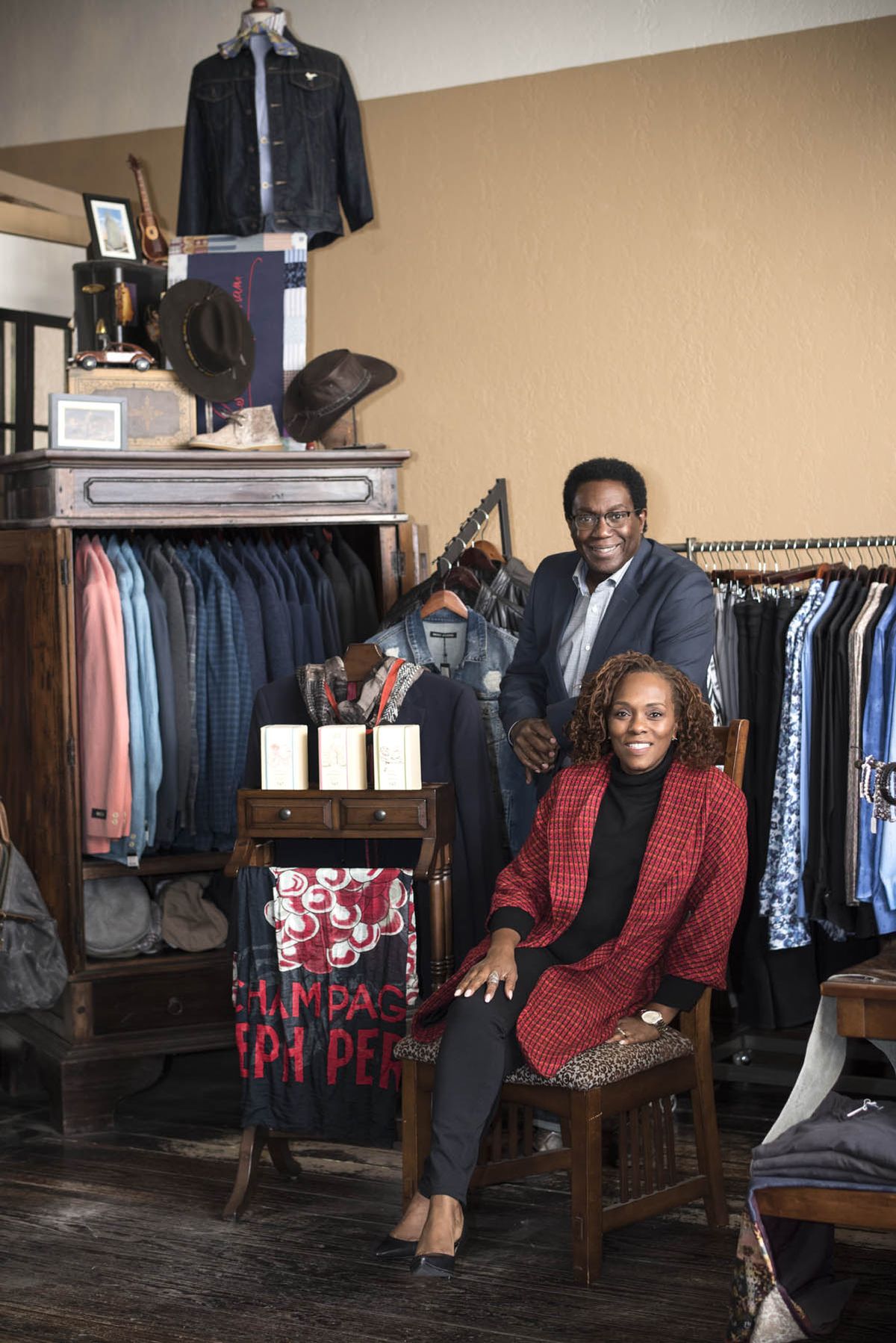
Across African and diaspora cities, the boutique buildings with the strongest curatorial reputations share a common approach, even when their specific aesthetic positions are entirely different.
They stock African designers as the primary focus of the rail, rather than as a cultural addition to an otherwise internationally sourced selection. This distinction matters. A boutique that carries three African labels alongside twenty European ones is making a different editorial claim than a boutique whose entire selection is built around African and diaspora creative work. The first boutique is offering diversity. The second is making an argument about where fashion authority sits.
They apply consistent criteria for what belongs and what does not, without making exceptions for labels that are commercially appealing but editorially wrong. A well-known label with a strong wholesale following is easy to stock and easy to sell. Saying no to it because it does not fit the boutique’s argument requires confidence in that argument.
They treat the designer relationship as a long-term investment. The boutiques with the most coherent rails have often worked with the same core group of designers across multiple seasons, deepening their understanding of the work and their ability to present it to customers with genuine knowledge and conviction.
OMIREN ARGUMENT
The fashion industry frames boutique buying as a commercial skill: pick what will sell, negotiate the margin, manage the stock. That is part of the work. But for boutiques with a specific focus on African and diaspora fashion, the buying decision is also a cultural one.
Every stocked label is a position on which designers deserve a platform, an aesthetic direction worth supporting, and what the local fashion customer is capable of appreciating. A boutique that makes those decisions carelessly tends to leave both commercial opportunity and editorial credibility on the table.
The boutiques that have built genuine authority in this space treat the rail as an argument they are willing to defend. They stock what they believe in. They say no to what they do not. Over time, that consistency becomes the boutique’s most valuable asset because it is what makes customers trust the brand before they have even touched a single garment.
FAQs
How do boutique buyers discover emerging African designers?
The most reliable routes are fashion week showcases, trade events, and peer recommendations. Lagos Fashion Week, South African Fashion Week, and Africa Fashion Week London provide structured discovery environments. Beyond events, buyers who follow designers across editorial coverage and social media over multiple seasons are better positioned to make confident buying decisions than those who respond only to what is immediately in front of them.
What makes a label a good fit for a boutique’s buying strategy?
Editorial coherence with the boutique’s existing selection comes first. A label that brings something the rail currently lacks, without contradicting what it already says, is the strongest fit. Production quality, commercial viability, and the reliability of the designer relationship follow in that order.
How often do boutiques refresh their label mix?
Established boutiques with strong identities tend to maintain a stable core of labels across seasons, adding new ones selectively. A boutique that changes its entire label mix every season is not curating. It is searching. The stability of the core selection is part of what builds customer trust in the boutique’s judgement.
What is the difference between a boutique’s buying strategy and its brand identity?
The buying strategy is the process by which the boutique makes decisions. The brand identity is the accumulated result of those decisions over time. A boutique can have a clear buying strategy and still not have built a brand identity if the strategy has been applied inconsistently. A strong brand identity in boutique retail is the result of consistent buying decisions over a long enough period that customers know what to expect from the brand before they arrive.
How do boutiques in African cities approach buying from diaspora designers?
The strongest boutiques apply the same editorial criteria they use for any label: Does the work belong on this rail? Diaspora designers whose work is rooted in African cultural and material references, and whose production standards match the boutique’s own, are assessed on those terms. The designer’s geographic origin matters less than the coherence and quality of the work.