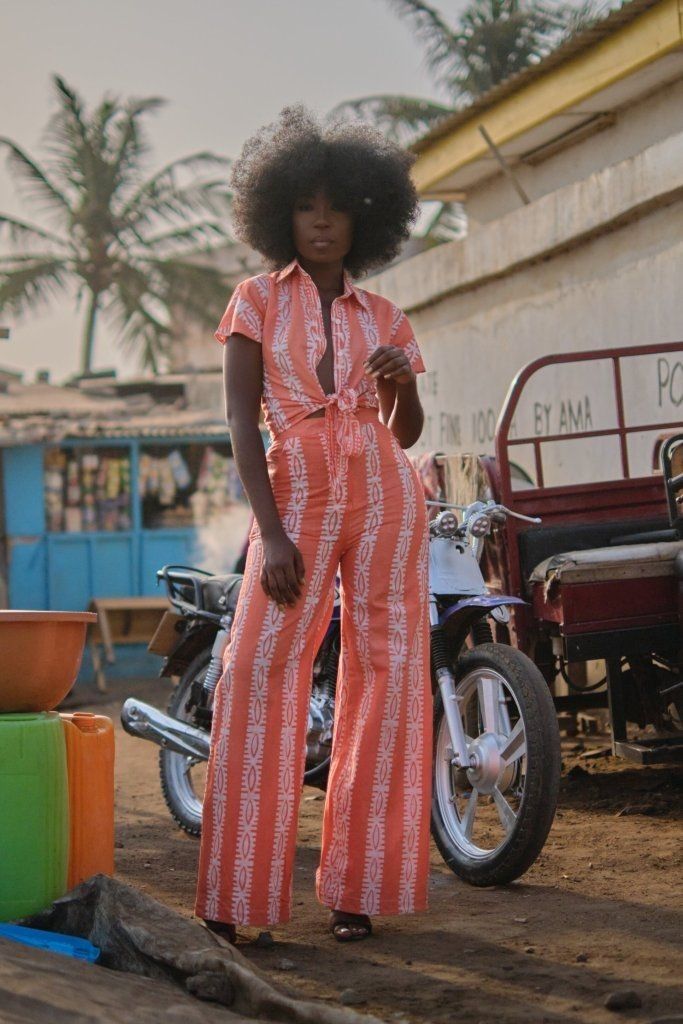
On the streets of Centro Habana, clothing is often assembled rather than purchased as a complete look. A vintage guayabera may be worn with imported trainers, altered denim, handmade jewellery, and a carefully maintained pair of sunglasses that has passed through several owners before reaching the current wearer. In Havana, streetwear is shaped as much by scarcity and repair as by aesthetics. People dress through adaptation, exchange, tailoring, and improvisation, building style from what is available rather than from unlimited access to retail.
Havana’s street fashion cannot be understood through the language of global trends alone. The city’s dress culture is shaped by Cuba’s economic conditions, Afro-Cuban cultural identity, music traditions, and the circulation of second-hand clothing through informal networks. What emerges from that structure is not an accidental style. It is a highly observant form of self-presentation built around resourcefulness, visibility, and cultural memory.
Havana streetwear is shaped by vintage economies, son culture, Afrocentric identity, and creative dressing under scarcity.
The Vintage Economy Behind Havana Streetwear
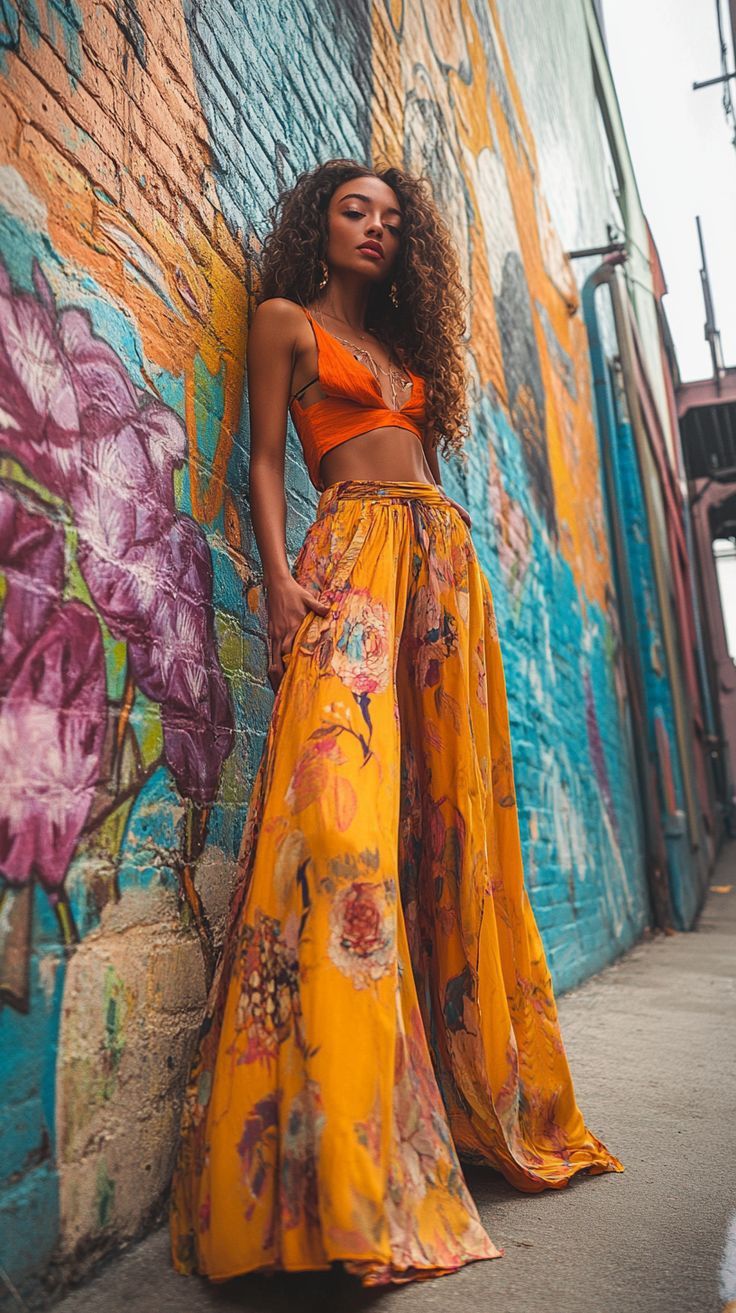
One of the strongest forces shaping fashion in Havana is the city’s informal vintage economy. Clothing moves constantly between relatives, neighbourhood networks, travellers, resale markets, and informal vendors. Garments are reused, repaired, resized, and restyled over long periods rather than discarded quickly.
This creates a fashion culture in which age does not diminish value. Older American denim, Soviet-era sportswear, tailored shirts, and vintage leather pieces continue circulating because durability matters. Clothing survives through maintenance.
Tailors and alteration specialists, therefore, play an important role within Havana streetwear culture. Sleeves are reshaped, trousers are narrowed, waistlines are adjusted, and damaged garments are repaired repeatedly. The goal is not necessarily to preserve the original item unchanged, but to make it wearable within current style culture.
As a result, Havana streetwear often features a layered visual texture, with garments from different decades and origins coexisting in a single outfit.
Son Culture, Music, and Public Presentation
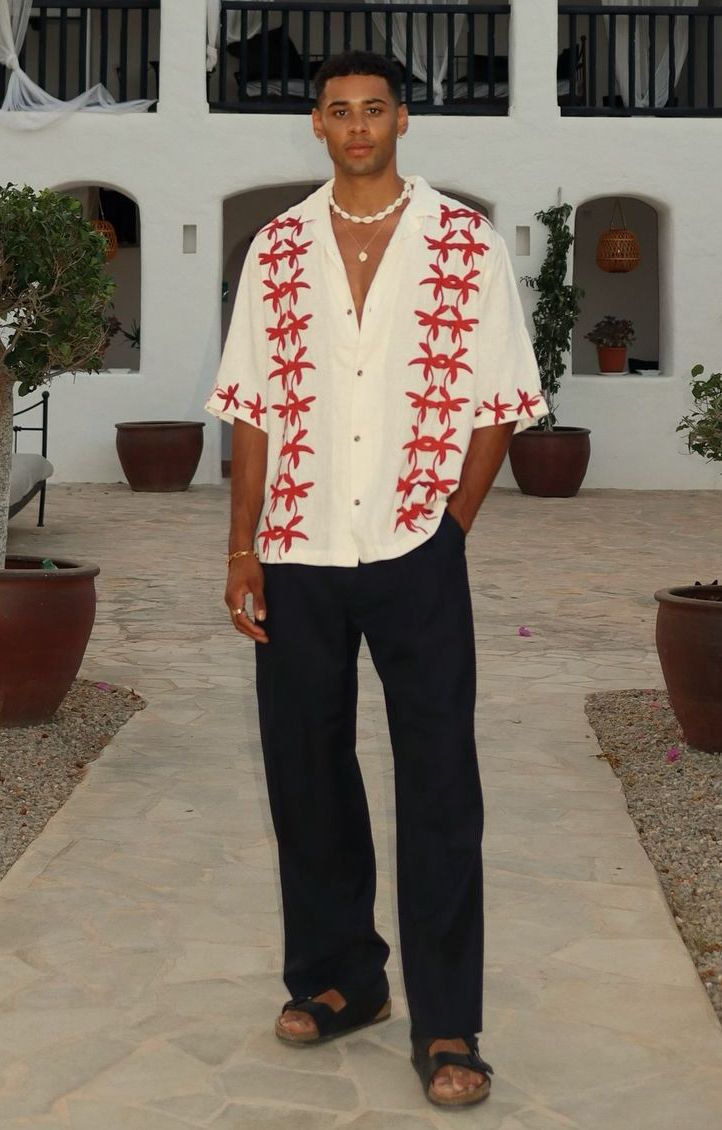
Music culture remains one of the clearest influences on Havana fashion, particularly through traditions connected to son, rumba, salsa, and contemporary Afro-Cuban music scenes. Public presentation within these spaces carries strong social meaning.
White linen outfits, polished shoes, hats, jewellery, fitted shirts, and coordinated tailoring remain associated with musicians, dancers, and older generations connected to the Southern culture. The clothing reflects composure, rhythm, and social awareness rather than casual dressing.
Younger Cubans have adapted these traditions into contemporary streetwear language. Oversized shirts, sneakers, fitted caps, distressed denim, chains, and sportswear often appear alongside references to older Afro-Cuban styling traditions. Fashion moves between generations rather than replacing one aesthetic with another.
Nightlife spaces in Havana also strongly shape dress decisions. Clubs, dance venues, live music gatherings, and neighbourhood parties function as public stages where appearance matters. Clothing is assembled with visibility in mind.
ALSO READ:
- Vodou Dress and Symbolism: What Haitian Spiritual Clothing Carries and Communicates
- Mas, Cloth, and Meaning: The Textile and Costume Traditions Behind Trinidad’s Carnival
Afrocentric Identity and Contemporary Styling
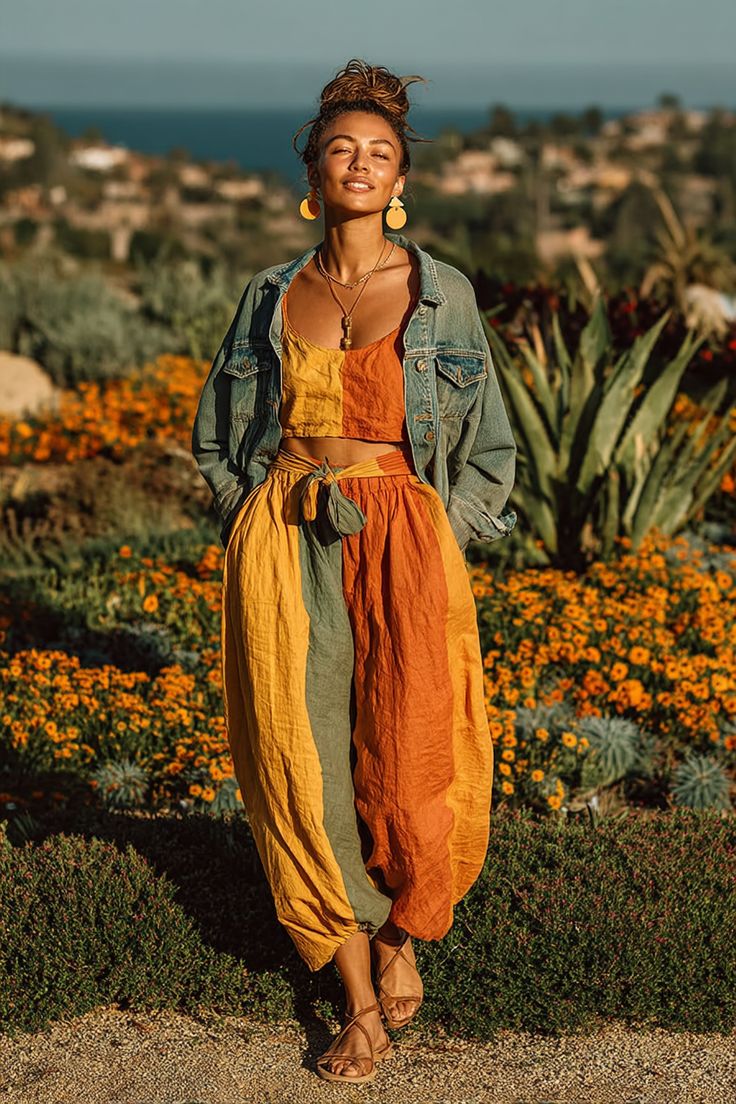
Afrocentric styling has become increasingly visible among younger Afro-Cubans, particularly through natural hairstyles, locs, braids, African-inspired jewellery, and clothing choices that more directly foreground Black identity than in previous decades.
This shift reflects broader conversations around race, visibility, and cultural representation within Cuba. Fashion is one of the most immediate ways Afro-Cubans publicly express self-definition, especially in urban creative scenes connected to music, dance, photography, and visual art.
Importantly, Afrocentric dressing in Havana does not function as an imitation of imports. It develops through local adaptation. Global Black fashion movements may influence silhouettes or styling references, but they are filtered through Cuban realities shaped by material limitation, climate, and existing Afro-Cuban cultural traditions.
The result is a streetwear culture that feels specific to Havana rather than interchangeable with other global fashion cities.
Scarcity, Creativity, and the Structure of Cuban Fashion
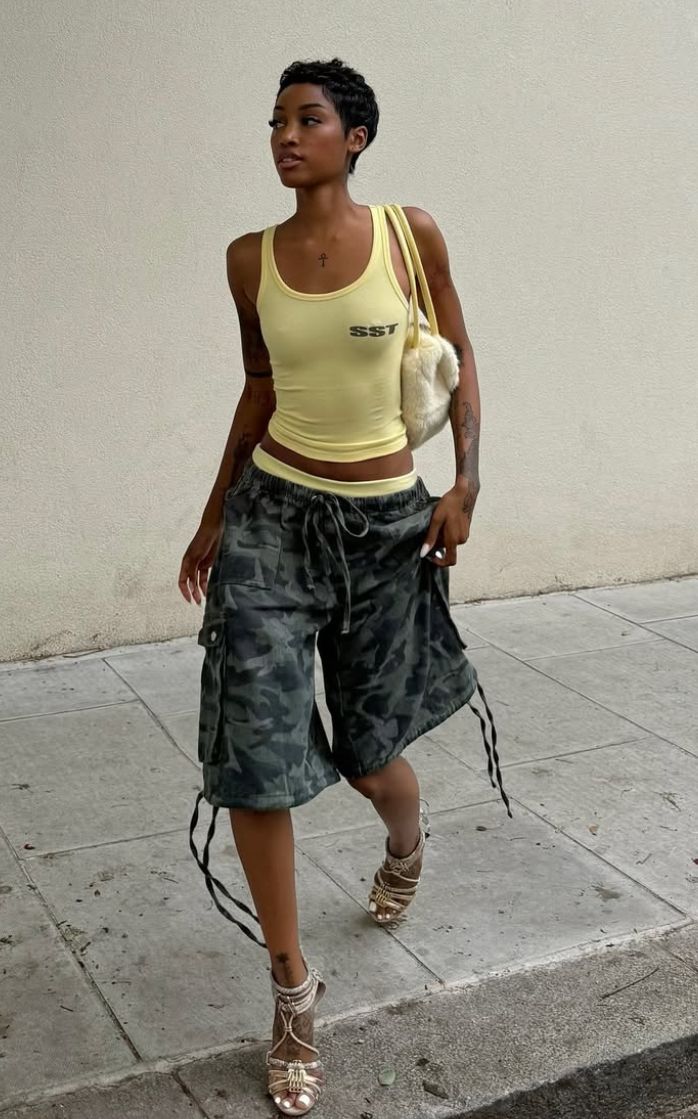
Scarcity affects every layer of Havana’s fashion system. Access to international brands, fabrics, cosmetics, and new retail stock remains inconsistent. Yet scarcity has not produced visual uniformity. It has intensified creativity around styling and garment reuse.
People learn to recognise quality quickly because clothing must last longer. Garments are chosen according to durability, adaptability, and social value. A single jacket may move through multiple contexts across several years.
This structure also changes how trends function. Fast fashion cycles move more slowly in Havana because clothing circulation depends less on immediate retail turnover. Style develops through reinterpretation rather than constant replacement.
Streetwear in Havana, therefore, reflects more than personal taste. It reveals how people negotiate visibility, aspiration, identity, and limitation within a tightly constrained economic environment.
The Omiren Argument
Havana streetwear is often reduced to nostalgic imagery built around old cars, retro fashion, and frozen-in-time aesthetics designed for tourist consumption. This interpretation treats Cuban style as accidental vintage culture produced by isolation rather than recognising the systems of creativity and adaptation shaping how people actually dress.
In reality, Havana streetwear operates through interconnected structures of informal clothing economies, Afro-Cuban music culture, tailoring networks, and Afrocentric self-expression. The city’s fashion identity is not built on nostalgia alone. It is built on the ability to transform scarcity into presentation, maintaining highly developed style cultures within conditions that demand constant adaptation and repair.
Omiren Styles documents fashion through the systems that produce it. Follow the Diaspora Threads series for grounded reporting on streetwear, identity, and creative culture across the Caribbean.
FAQs
- What influences streetwear in Havana?
Vintage clothing economies, Afro-Cuban music culture, tailoring traditions, and Afrocentric identity shape Havana streetwear.
- Why is vintage fashion common in Cuba?
Limited retail access and long-term garment reuse have created strong vintage and second-hand clothing cultures across Havana.
- How does music affect fashion in Havana?
Son, rumba, salsa, and contemporary Afro-Cuban music scenes influence tailoring, presentation, footwear, and nightlife dressing.
- What role do tailors play in Cuban fashion?
Tailors alter, repair, and reshape garments to extend clothing lifespan and adapt pieces to changing style preferences.
- Is Havana streetwear influenced by global fashion trends?
Yes, but global influences are adapted through local economic realities and existing Afro-Cuban cultural traditions.