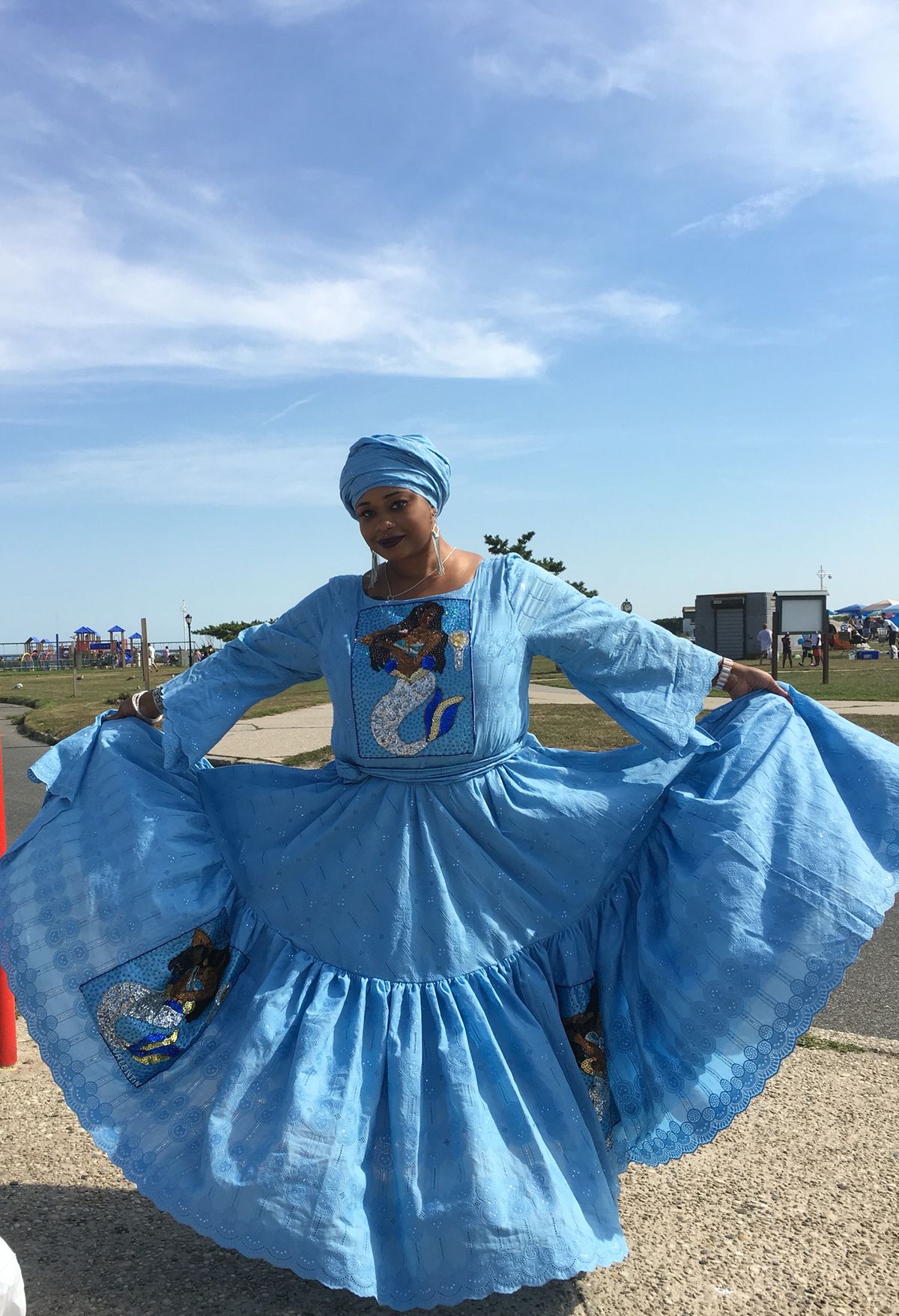
Before a Vodou ceremony begins in Haiti, attention is already being given to clothing. White dresses are pressed carefully. Headwraps are tied with precision. Scarves, beads, and ceremonial fabrics are selected according to spiritual purpose rather than appearance alone. The garments entering the peristyle are not costumes prepared for spectators. They are part of ritual structure, carrying obligations tied to lwa, initiation, lineage, and ceremonial order.
Vodou dress is often discussed in distorted terms. Foreign depictions often portray Haitian spiritual clothing as mysterious, theatrical, or frightening, separating the garments from the living religious systems that give them meaning. In practice, Vodou clothing functions through discipline, symbolism, and participation. Its importance comes from how it operates within ceremony and everyday spiritual life, not from visual spectacle.
Vodou dress in Haiti conveys spiritual meaning through white garments, beads, headwraps, and ceremonial clothing.
White Clothing and Ritual Preparation
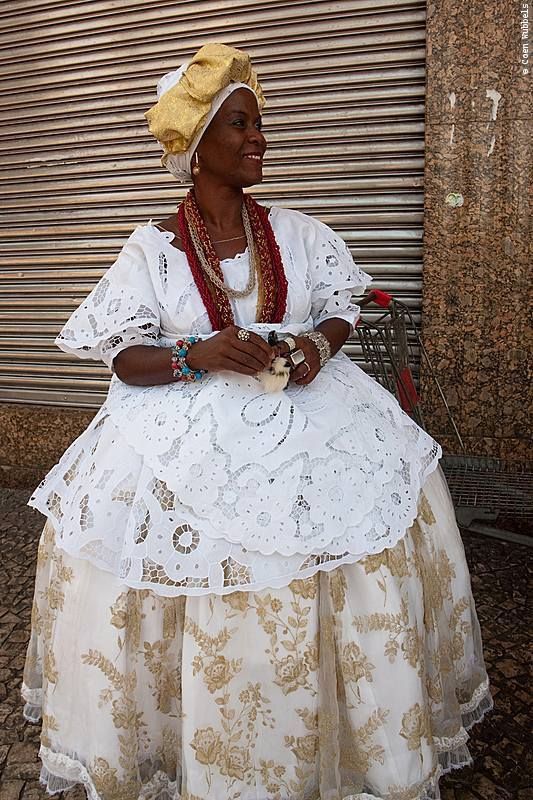
White garments hold a central place in Vodou practice, particularly during ceremonies connected to purification, initiation, healing, and spiritual transition. Dresses, loose shirts, skirts, trousers, and head coverings are worn in accordance with ritual requirements that prioritise spiritual cleanliness and ceremonial discipline.
The meaning of white in Vodou is not abstract. It relates directly to preparation, respect, and alignment within sacred space. During initiatory periods, practitioners may consistently wear white for extended periods as part of a spiritual obligation.
The garments themselves are often simple in structure, but that simplicity does not diminish their significance—the condition of the clothing matters. Cleanliness, order, and careful presentation are treated as forms of respect toward the spiritual process taking place.
This attention to dress reflects the broader role clothing plays within Haitian social life, where public presentation frequently carries moral and communal meaning alongside personal appearance.
Headwraps, Scarves, and Ceremonial Identity
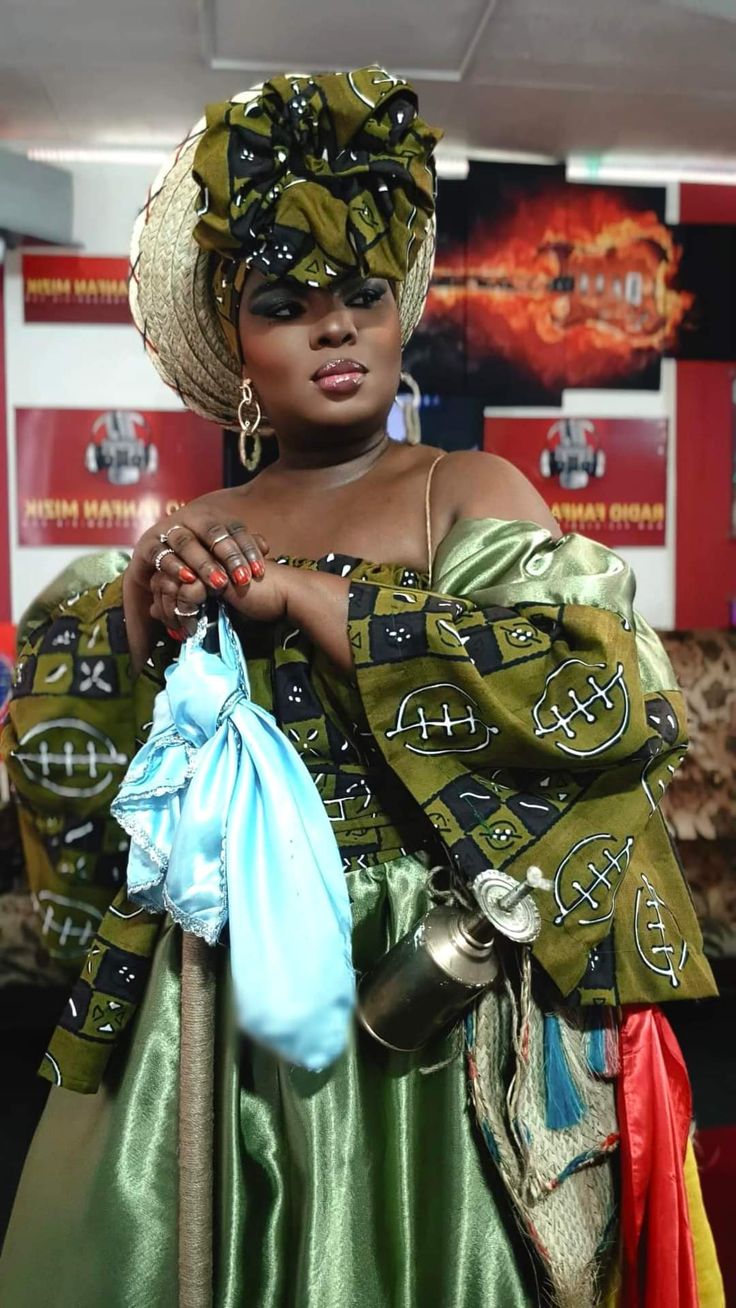
Headwraps and scarves within Vodou traditions serve practical, ceremonial, and symbolic functions. They may indicate a ritual role, spiritual status, or preparation for participation in a ceremony. The wrapping of the head also reflects ideas around spiritual containment, discipline, and respect.
Women in particular often wear carefully structured headwraps during ceremonies, though styles vary between communities and ritual contexts. Colours, tying methods, and accompanying garments may shift according to the lwa being honoured or the purpose of the gathering.
Scarves and fabric layers also contribute to movement within the ceremony. Vodou rituals involve drumming, dancing, singing, and physical participation, meaning garments must function within active ceremonial space rather than static presentation.
The clothing, therefore, works with the body rather than simply covering it. Dress supports ritual movement and spiritual interaction.
Beads, Colour, and Spiritual Lineage
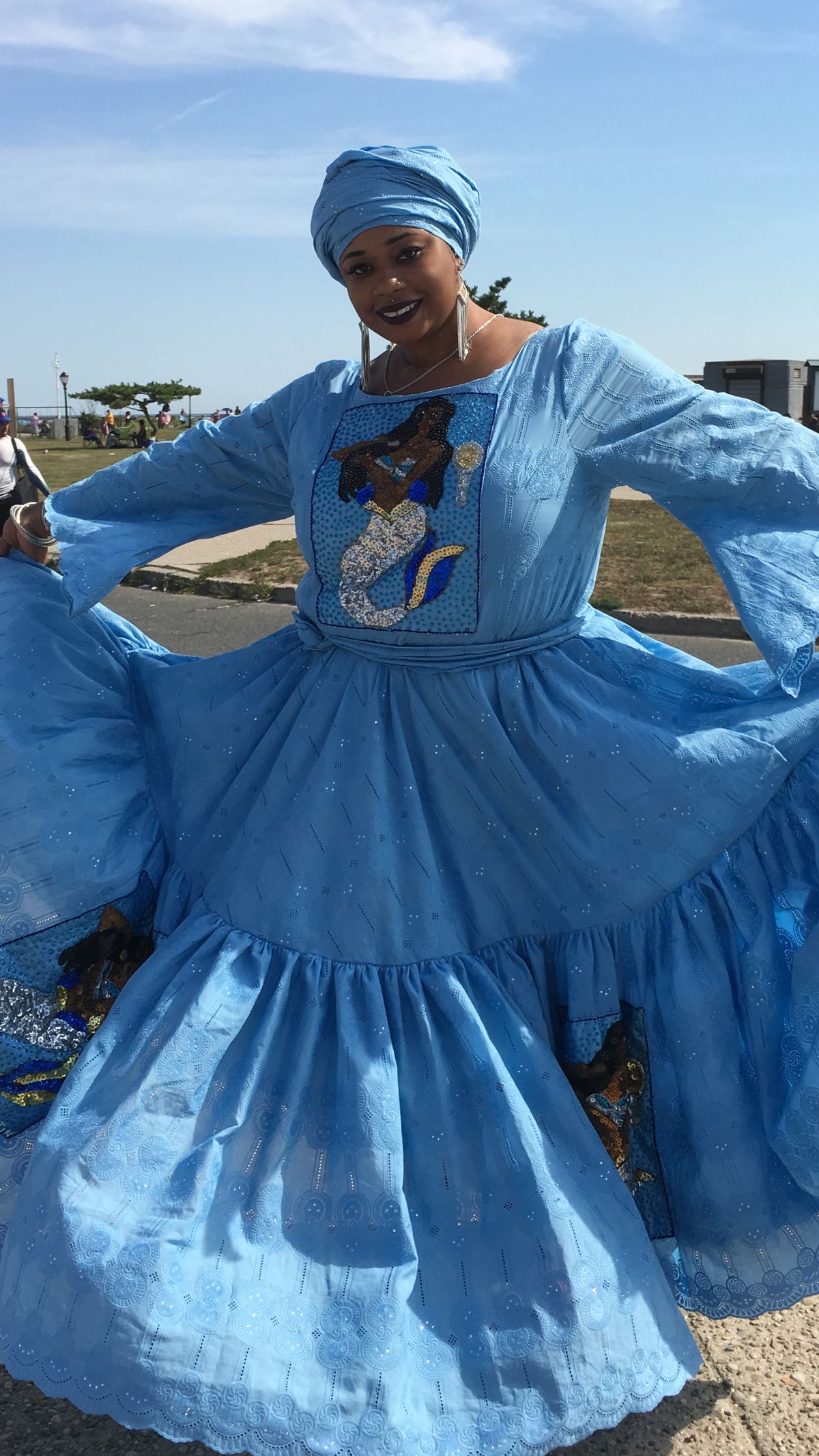
Beads carry highly specific meanings within Vodou practice. Colour combinations are linked to particular lwa, and practitioners wear them according to spiritual relationships, ritual obligations, or initiation status.
Blue and white may be associated with specific spiritual lineages, while red, black, purple, green, or gold combinations can indicate relationships to different lwa traditions. The meanings are not decorative or interchangeable. Beads function within systems understood internally by practitioners.
This specificity matters because Vodou is not a single undifferentiated spirituality. It contains multiple lwa, ritual pathways, and ceremonial traditions, each with its own visual and symbolic structure. Clothing reflects that complexity.
Imported interpretations often flatten Vodou dress into a single aesthetic image. In reality, ceremonial clothing changes according to context, lineage, and spiritual function.
READ ALSO:
- Jamaican Textiles and Cloth Culture: Bandana Fabric, Maroon Weaving, and the Kingston Garment Economy
- Dress and Identity in Jamaica: Rastafarian, Maroon, and Kumina Dress as Distinct Cultural Systems
Vodou Dress Beyond Ceremony
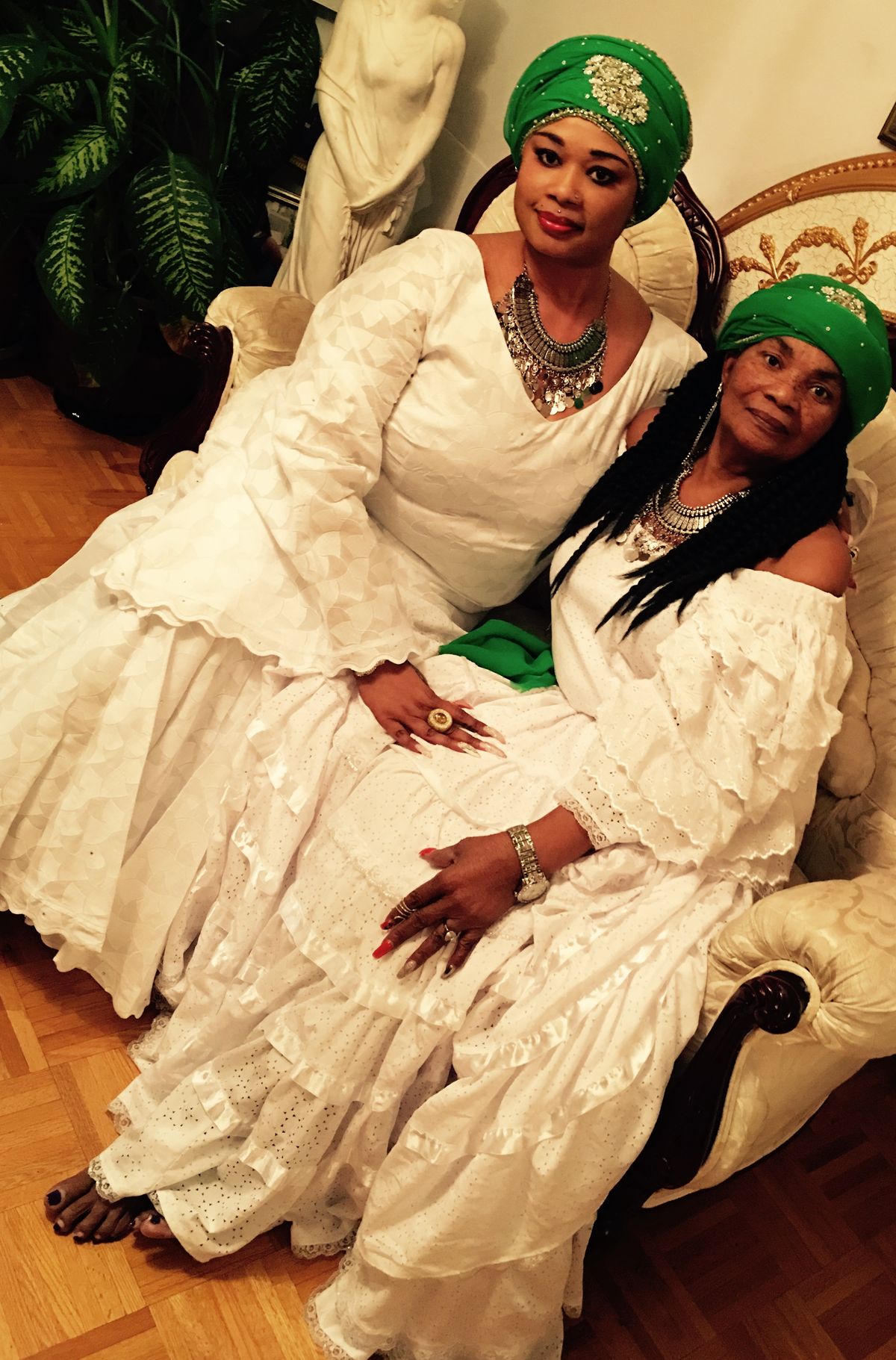
Although ceremonial clothing is most visible during rituals, Vodou dress culture extends beyond sacred gatherings. Spiritual symbols, colours, jewellery, and forms of presentation also move through everyday Haitian life.
Some practitioners wear beads beneath regular clothing. Others incorporate white garments or symbolic accessories into ordinary dress as part of spiritual discipline and identity. Religious life is not sharply separated from social life, so dress practices often overlap between the ceremonial and the everyday.
At the same time, many practitioners intentionally keep certain aspects of ceremonial clothing private or context-specific. Not all garments are meant for public visibility outside ritual space. This balance between openness and protection shapes how Vodou dress continues across generations.
The Omiren Argument
Vodou dress is often represented through foreign narratives that frame Haitian spiritual clothing as spectacle, mystery, or visual evidence of cultural differences. This interpretation strips garments of their internal meaning and disconnects them from the disciplined religious systems that organise their use.
In reality, Vodou clothing operates through structured relationships between ritual practice, spiritual lineage, ceremonial preparation, and bodily movement. The garments worn within Vodou traditions are not symbolic decorations detached from everyday life. They are active parts of a living religious system that continues to shape how practitioners present themselves, move within ceremony, and communicate spiritual belonging across Haitian communities.
FAQs
- Why is white clothing important in Vodou ceremonies?
White garments are associated with purification, spiritual preparation, ritual discipline, and ceremonial respect within many Vodou practices.
- What do Vodou beads represent?
Beads often correspond to specific lwa and spiritual lineages, with colours carrying meanings connected to ritual relationships and initiation.
- Are Vodou garments costumes?
No. Vodou clothing functions within active spiritual practice and ceremonial structure rather than performance or entertainment.
- Do all Vodou ceremonies use the same clothing?
No. Dress varies according to the lwa being honoured, the ritual purpose, community traditions, and the participant’s role.
- Why are headwraps important in Vodou dress?
Headwraps can reflect ceremonial preparation, spiritual respect, ritual identity, and practical participation within a ceremony.