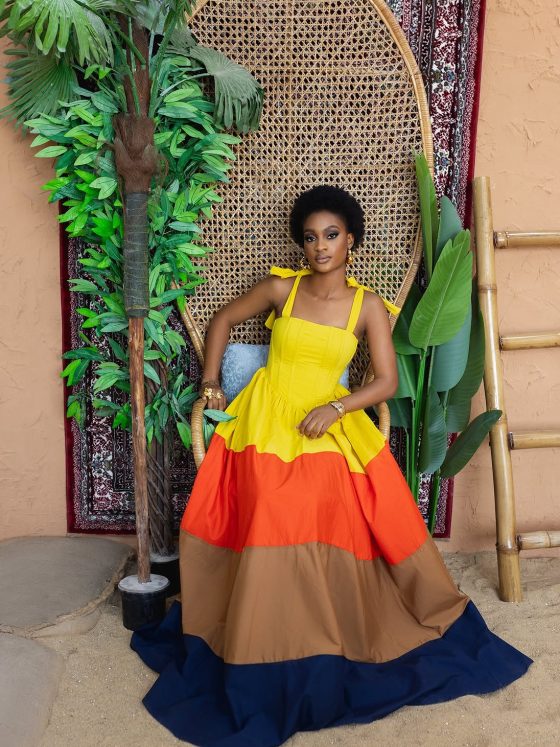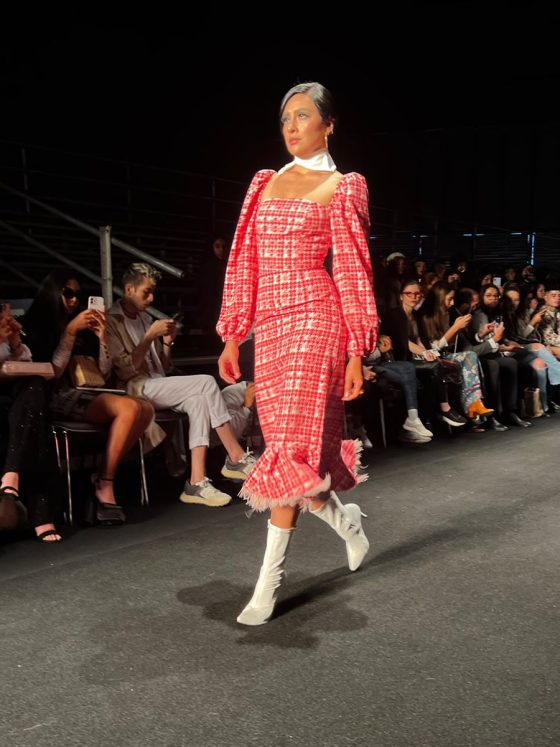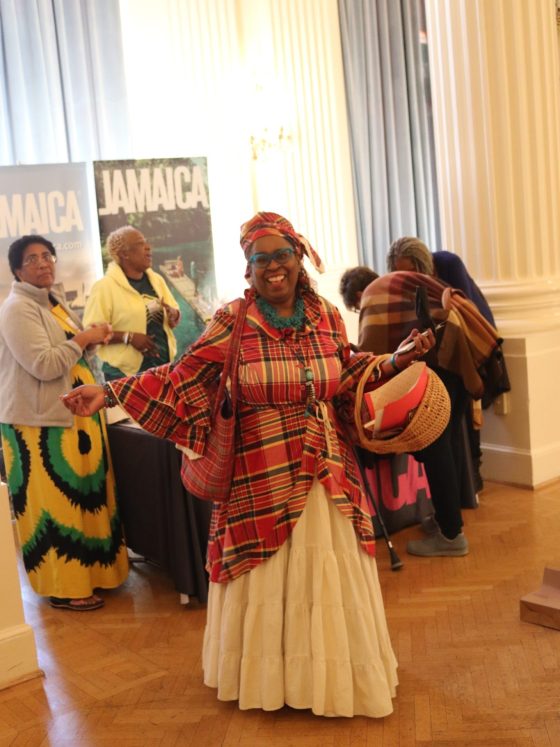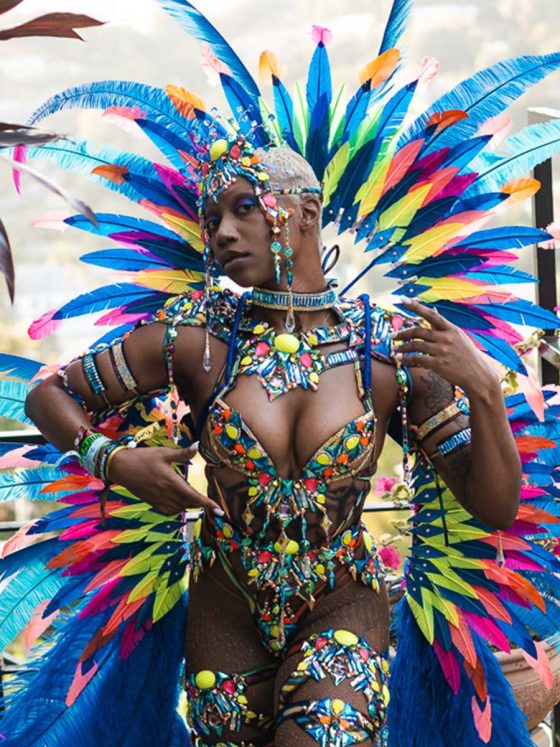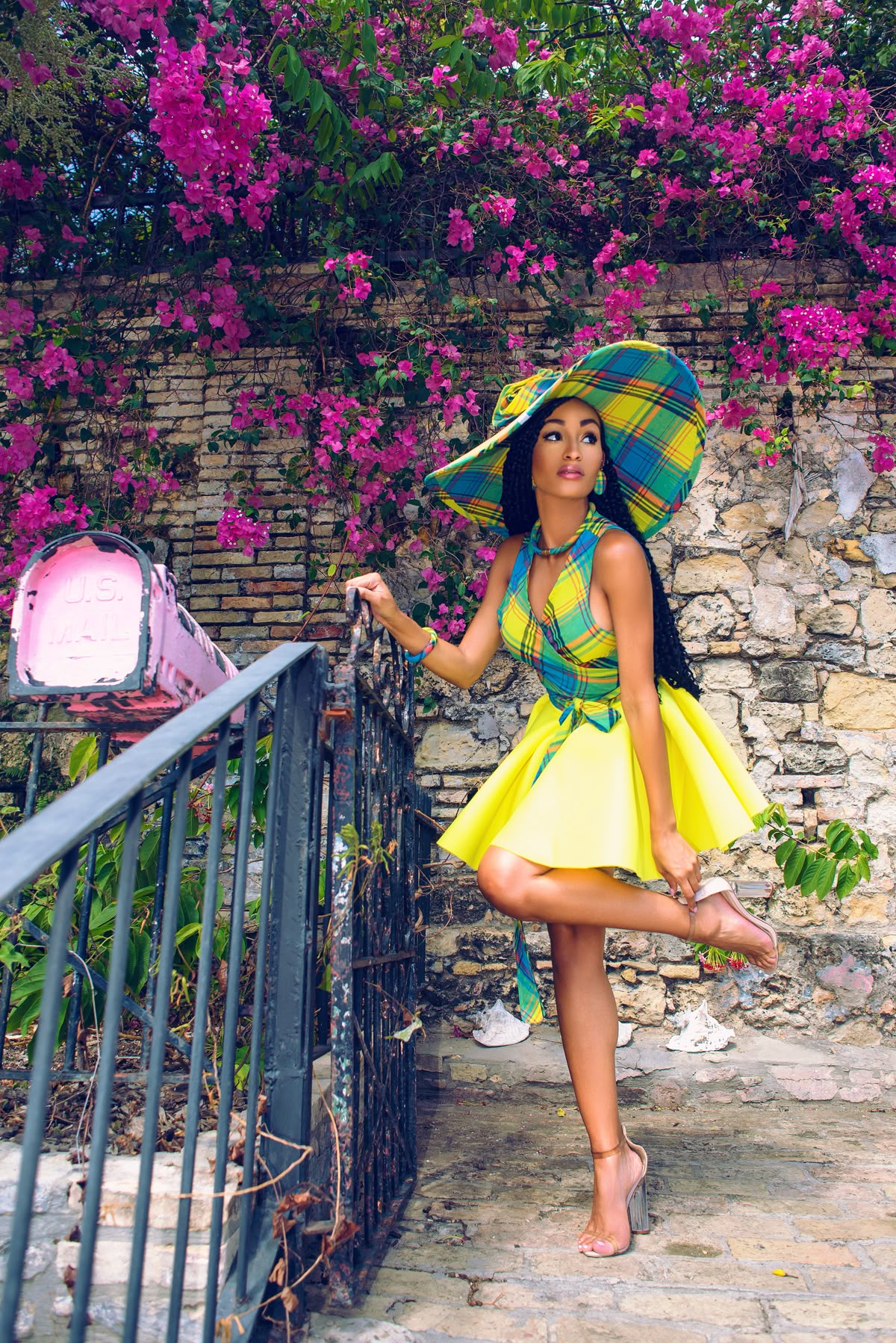
The Caribbean fashion coverage cycle runs on a reliable schedule. February brings Trinidad Carnival. August brings Crop Over in Barbados. Between those two dates, the Caribbean largely disappears from international fashion unless a resort collection references a tropical print, a celebrity wears a guayabera, or a designer with Caribbean heritage shows at New York Fashion Week. What goes entirely unreported is what Caribbean people are actually wearing every day: on the streets of Kingston and New Kingston, in the office blocks and restaurants of Port of Spain, in the shopping districts of Bridgetown, and in the layered, inventive daily dress of Havana. Caribbean everyday fashion is sophisticated, culturally rooted, city-specific, and almost completely absent from fashion media. This article documents it.
The problem is structural. Carnival, Crop Over, and other festival occasions produce photography. Sequins, feathers, and elaborate costumes are visually arresting in a way that a well-cut linen shirt or a tailored pair of trousers worn in thirty-degree heat is not. The media infrastructure of fashion editorial was built to amplify what photographs well in a single frame, and Caribbean festival dress photographs exceptionally well. Caribbean everyday-dress photographs in the way that all considered, intelligent daily-dressing photographs are: with depth that requires context to read and context that fashion editorials rarely have space or inclination to provide. The result is a Caribbean fashion story that consists almost entirely of two months of festival coverage and eleven months of silence.
Caribbean fashion coverage centres on Carnival. What goes unreported is what Caribbean people actually wear every day. Kingston, Port of Spain, Bridgetown, and Havana are documented.
The Carnival Trap: What the Coverage Flattens
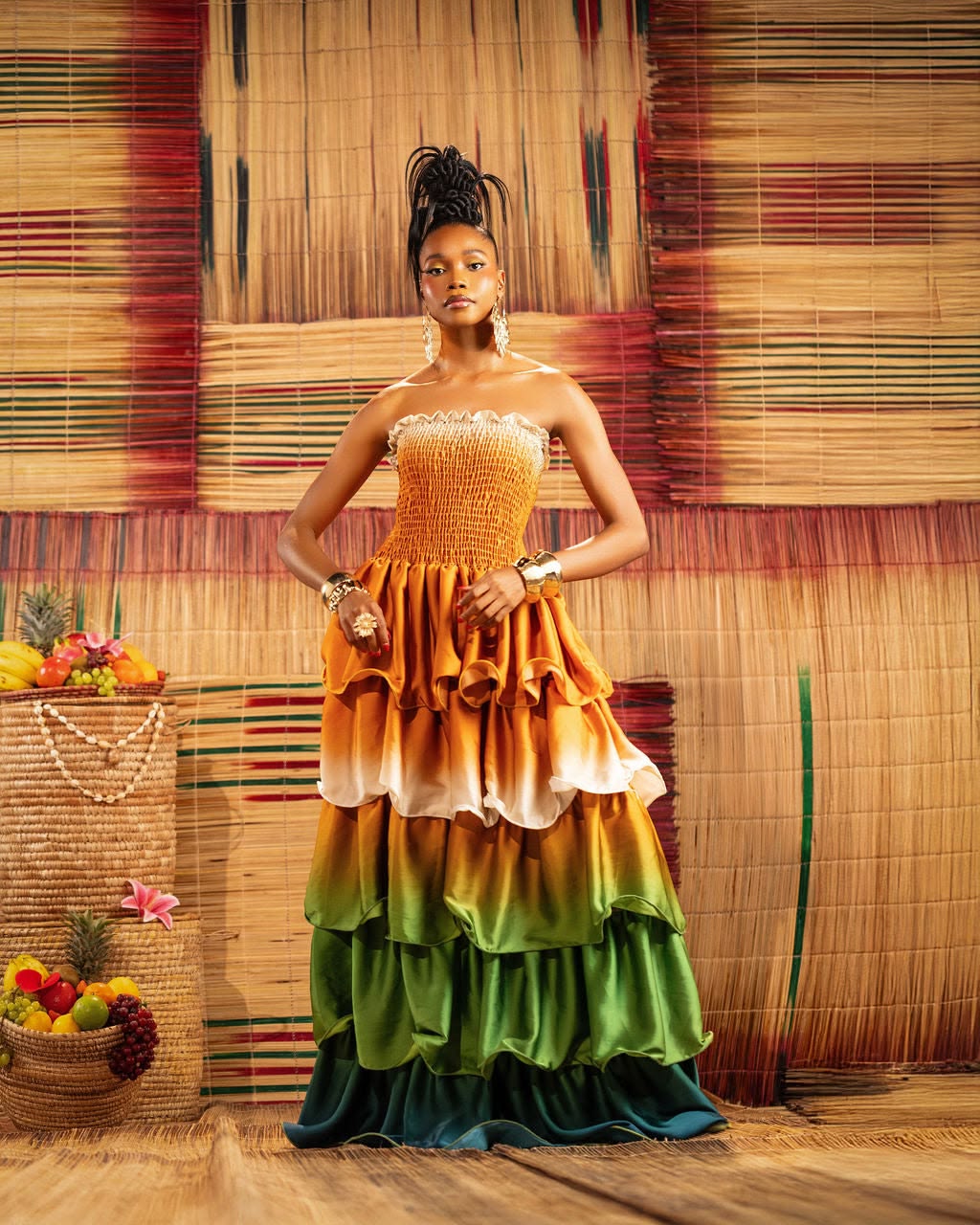
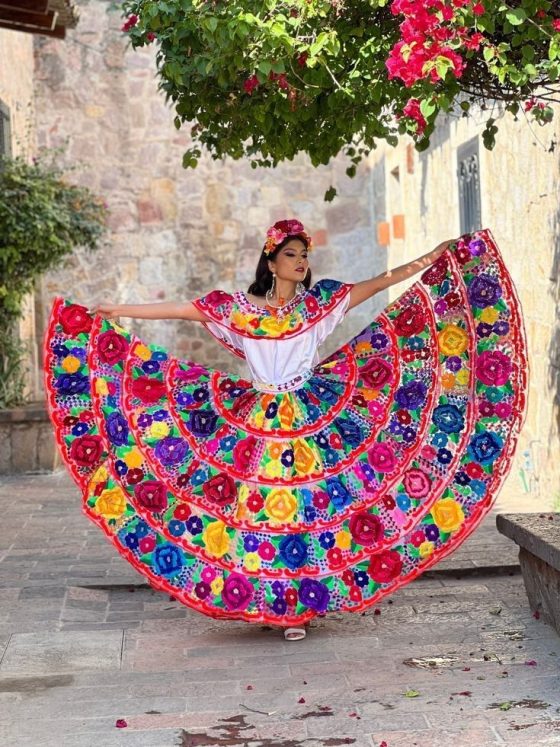
Coverage of Carnival and Crop Over serves a genuine purpose. Both festivals produce extraordinary visual culture, and Omiren has documented them in depth. The problem is not the existence of that coverage. It is the absence of everything else. When a fashion publication produces a Caribbean fashion feature that is entirely festival-based, it has not covered Caribbean fashion. It has covered Caribbean festival fashion, a specific dimension of a much larger and more varied dress culture. The substitution of festival for everyday, of spectacle for the quotidian, is not a neutral editorial choice. It presents the Caribbean as a place where people dress up for occasions and then disappear, rather than as a set of living cities where people dress every day with as much cultural intention and individual sophistication as in any city the fashion press considers a serious subject.
The flattening has real consequences. It positions Caribbean fashion as something that happens at specific scheduled moments, rather than as a continuous, evolving daily practice. It focuses international attention on the most legible and photogenic elements of Caribbean dress culture, which are also the most context-free: sequins and feathers do not require knowledge of Kingston’s class dynamics, Port of Spain’s professional culture, or Bridgetown’s specific relationship between colonial heritage and contemporary style to read as impressive. Everyday Caribbean dress requires exactly that knowledge. The editorial infrastructure has not built it, so every day Caribbean dress remains invisible to a press that covers the region through a festival schedule rather than through a sustained understanding of how Caribbean cities actually dress.
Kingston: The City That Dresses From the Inside Out
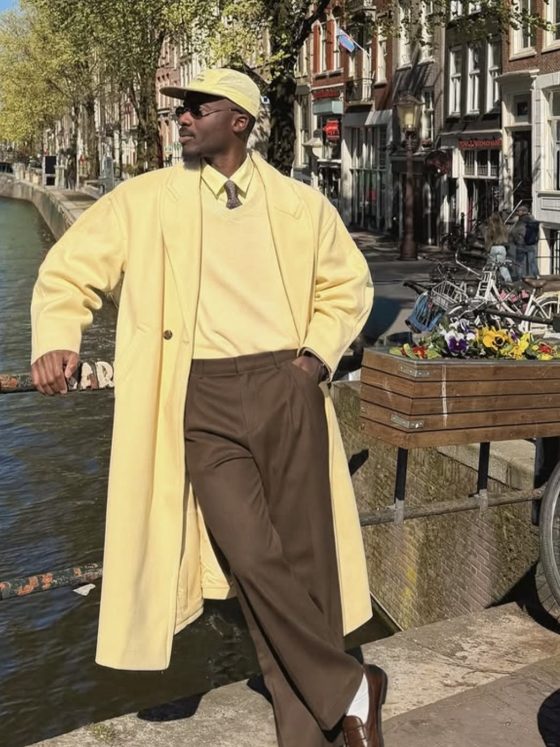
Kingston’s dress culture is one of the most layered in the Caribbean, shaped by the coexistence of a highly developed dancehall aesthetic system, a formal professional class with its own conventions, a Rastafarian dress tradition rooted in the specific spiritual and political commitments of that community, and a youth streetwear culture that absorbs global references and Jamaicanises them without deference to their source. These are not separate subcultures running in parallel. They are in conversation with each other on the same streets, producing a daily style environment of considerable complexity. The rough-bodied sharpness of the 1960s, slim suits and trilby hats that became a foundational aesthetic for Jamaican men, runs through contemporary Kingston menswear as a thread connecting the formal and the street. Welsh tailoring brand Wales Bonner has built an internationally acclaimed practice on Afro-Jamaican heritage tailoring. That heritage exists in Kingston daily, not only on international runways.
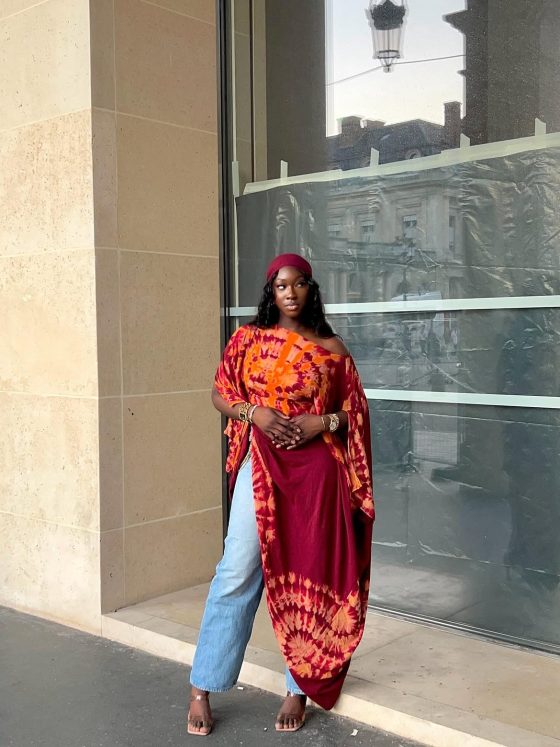
Kingston’s women’s everyday dress operates on a different register entirely from the festival coverage that represents Jamaica internationally. The city’s professional women dress for heat, for authority, and for a specific cultural visibility that the dancehall tradition established as a baseline: presence, confidence, and the understanding that dressing is communication rather than habit. Linen and cotton in considered cuts, bold colour used with intention rather than with abandon, tailored separates that function in an air-conditioned office and on a Knutsford Boulevard pavement in thirty-two degrees.
Port of Spain: Professional Dress in a City That Takes Formality Seriously
Trinidad’s capital has a professional dress culture whose sophistication is rarely reflected in the Carnival coverage that dominates international attention to the island. Port of Spain is a financial and energy-sector hub, home to the regional headquarters of major multinationals and to a legal and governmental infrastructure that has maintained its own dress conventions for generations. The Trinidadian professional’s wardrobe reflects a specific synthesis of British colonial formal inheritance, Caribbean climate adaptation, and an individual style confidence that the island’s particular cultural mix, African, Indian, European, Chinese, and Syrian-Lebanese heritage, in active daily conversation, has produced. The result is a professional dress culture that is more formally codified than Kingston’s, more colour-forward than London’s, and consistently better dressed, by any standard of considered everyday dress, than the resort wear coverage of the island suggests.
Meiling, whose studio has been at 6 Carlos Street, Port of Spain, for over five decades, has built her entire practice on dressing Trinidadian women for everyday contexts rather than for Carnival. Her collections, which have dressed public figures, professionals, and international clients, operate from a minimalist Caribbean sensibility that is entirely invisible to the coverage that positions Trinidad as a Carnival island with a fashion story that runs in February and stops in March. The distinction between the island’s festival dress culture and its everyday dress culture is not incidental. It is the distinction between how the Caribbean is seen from outside and how it is lived from within.
Bridgetown: Colonial Architecture, Contemporary Style
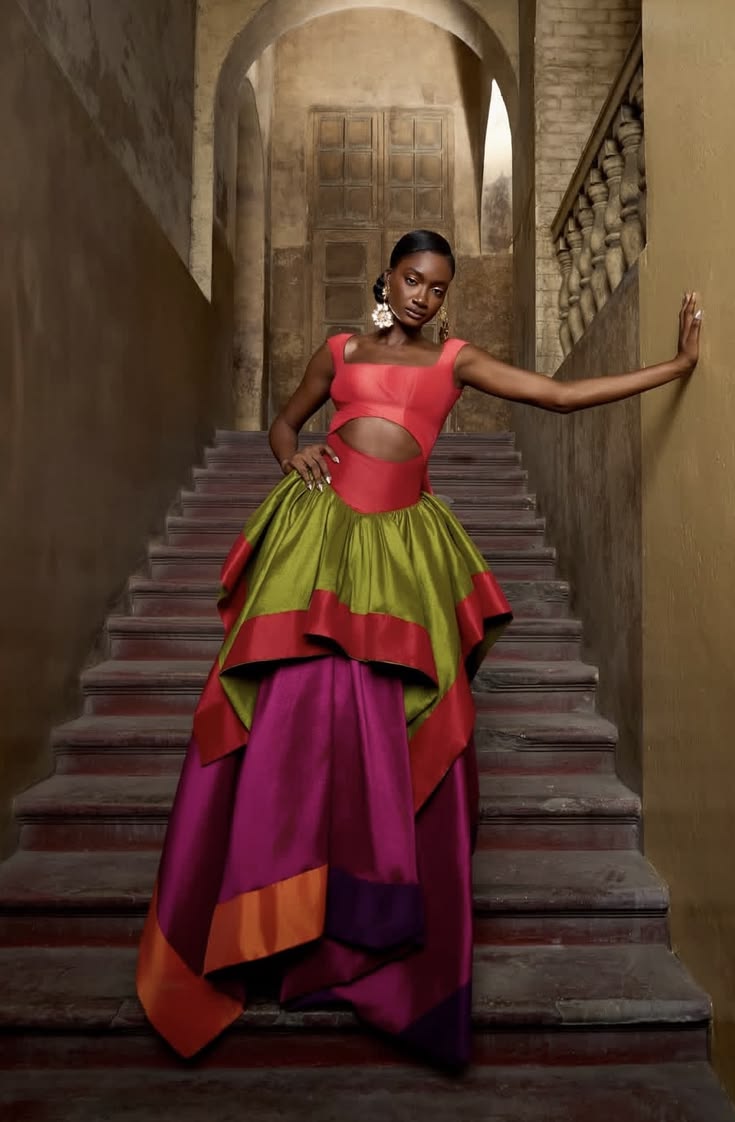
Barbados has a specific relationship with formality that its colonial architectural heritage makes visible. Bridgetown’s historic centre, a UNESCO World Heritage Site, was built as a seat of British colonial power. The dress conventions of Bajan professional life have carried that inheritance in complex ways: maintaining the formal standards established by colonial institutions while inflecting them with Caribbean colour, fabric choices, and individual expression that those institutions never intended.
The result is a street-style environment in which a precisely cut blazer might be worn over a shirt in a print that references the island’s textile tradition, where formal shoes are polished to a standard that would satisfy any British court, and where the combination of the two produces something that is neither simply British formal dress nor simply Caribbean casual, but a specific Bajan synthesis that the fashion press has never documented because it was not looking.
Barbados’ position as one of the Caribbean’s most developed economies, with a GDP per capita among the highest in the region and a tourist industry that has made quality and presentation central cultural values, has produced a consumer culture that extends into everyday dress. Bridgetown’s shopping districts reflect this: a mix of local designers, regional brands, and international retail, with Bajan shoppers making considered choices from a position of genuine style literacy. The same cultural confidence that produced Rihanna also shapes the island’s everyday dress culture. The fashion press noticed the former without investigating the latter.
“Rihanna is the most visible product of Bajan-style culture. The everyday dress of Bridgetown is where that culture actually lives. The press documented one and ignored the other.”
Havana: Dressing Under Constraint, Without Losing Style
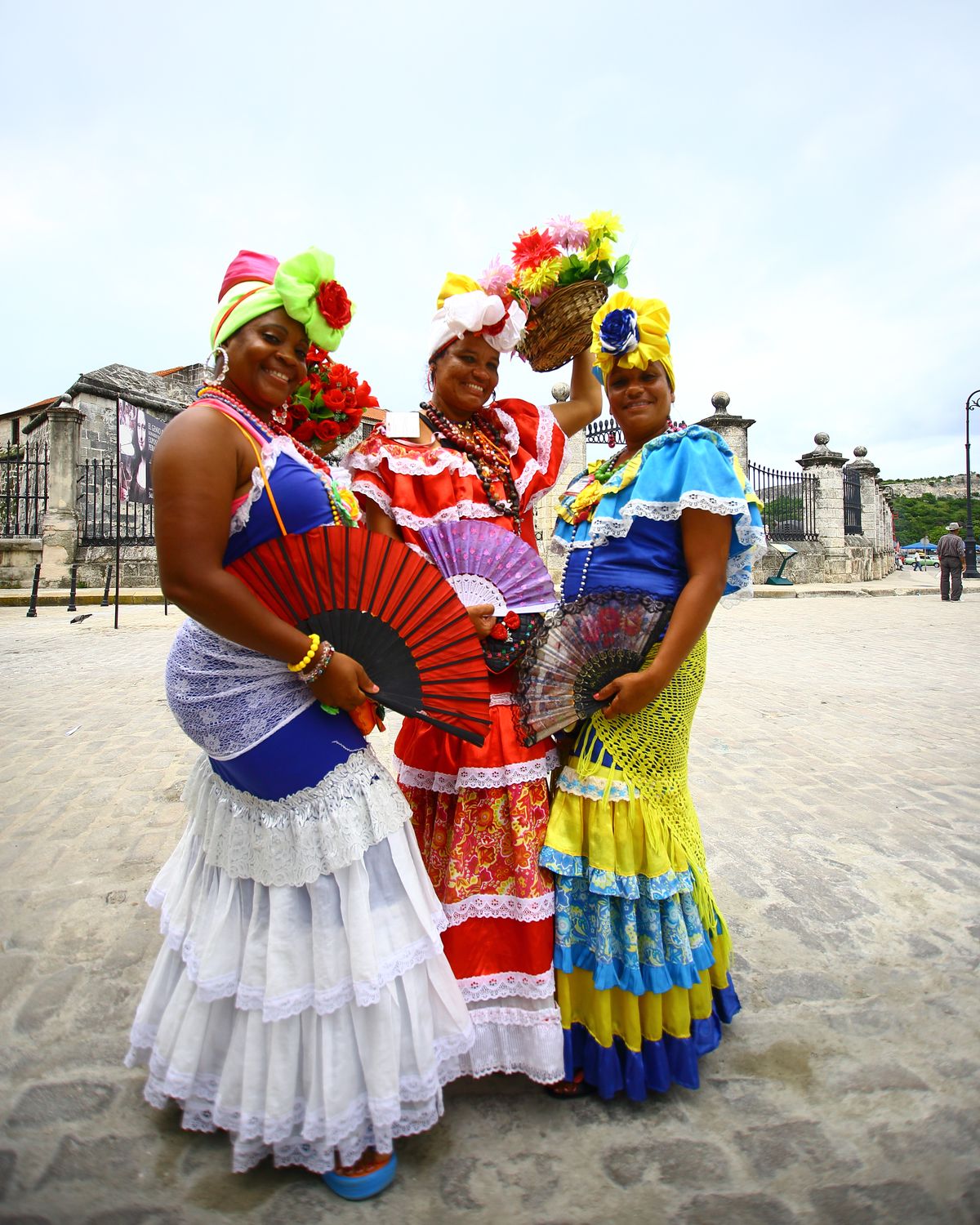
Havana’s dress culture presents a different and more complex case than the other cities in this article, because it operates under a specific set of material constraints that shape what is available and what is worn. Cuba’s economic situation means that the relationship between aspiration and availability in dress is not the same as in Kingston, Port of Spain, or Bridgetown. What Havana has produced from within those constraints is a dress culture that is, by any rigorous standard of creative resourcefulness and personal style, remarkable. The Cuban practice of resolver, of solving the immediate problem with available means, extends into dress: garments are maintained, altered, remade, and combined in ways that produce a street style vocabulary of genuine inventiveness.
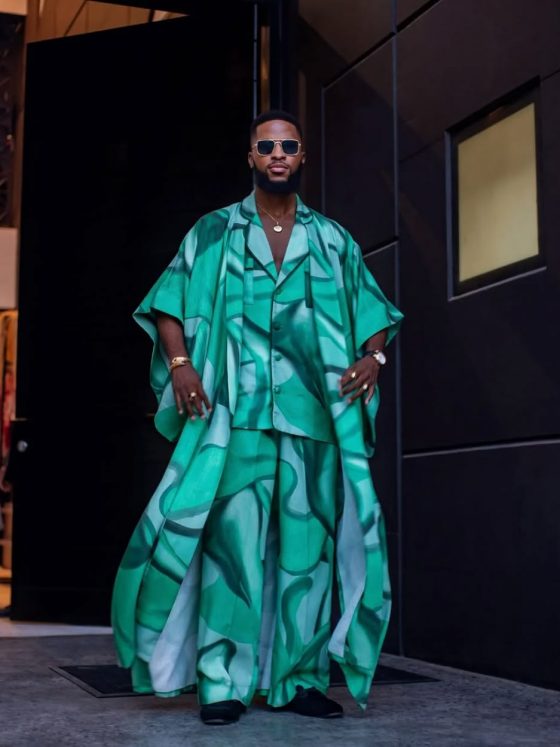
The guayabera, which the global fashion press discovered as a trend in May 2025, has been the backbone of Havana men’s formal and professional dress for generations. Cuban women’s everyday dress navigates between the heat of the Caribbean climate, the specific aesthetic inheritance of the island’s Spanish colonial history, and the material reality of what is accessible. The result is a dress culture that uses colour, cut, and personal expression as its primary instruments because they are the instruments most reliably available. Fashion editorial that covers Havana covers the colonial architecture and the vintage cars. It does not cover how Havana actually dresses. That is a different editorial assignment, and it has not been made.
Also Read:
- Crop Over Fashion: Barbados Built Its Own Aesthetic System, and It Has Nothing to Do With Trinidad
- Trinidadian Carnival Masquerade Is a Fashion System — It Is Time the World Called It That
What Documenting Caribbean Everyday Fashion Actually Requires
Closing the gap between Carnival coverage and Caribbean everyday fashion coverage is not a matter of publishing one additional feature. It requires a different editorial relationship with the region: one built on sustained presence rather than seasonal deployment, on city-specific knowledge rather than island-generic generalisation, and on an understanding that the Caribbean is a set of distinct urban environments with distinct dress cultures that deserve the same granular attention that fashion media gives to the daily dress of Paris, Milan, Tokyo, and New York. Kingston’s street style is no less worthy of a dedicated editorial eye than Harajuku’s. Port of Spain’s professional dress culture is no less interesting than London’s.
Bridgetown’s synthesis of colonial formal and Caribbean contemporary is no less sophisticated than Copenhagen’s quiet luxury. The editorial infrastructure to document these things simply has not been built because the assumption underlying Caribbean fashion coverage is that the Caribbean is a festival destination rather than a set of living cities with their own complete dress cultures.
The Omiren editorial commitment is to build that infrastructure, article by article. This piece is one data point. The fuller project is to document what Kingston, Port of Spain, Bridgetown, and Havana actually look like on a Tuesday in November, when there is no festival scheduled and no celebrity in town, and people are simply getting dressed for the day in ways that reflect everything their cities have made them. That is where the Caribbean fashion story actually lives. That is the story that has not been told.
The Omrien Argument
The media’s Carnival-centric coverage of Caribbean fashion is not a failure of interest. It is a failure of infrastructure. Fashion editorial has not built the relationships, the city-specific knowledge, or the sustained presence in Caribbean capitals that would make everyday dress culture a legible and coverable subject. Instead, it deploys to the region twice a year for festival coverage and produces photography that flattens a twelve-month dress culture into two spectacular annual moments.
The garment that communicates cultural intelligence on a Kingston street in October, the tailored linen separate, the considered colour, and the individual synthesis of global and local references do not appear on those editorial schedules. It should. The gap between Carnival coverage and everyday Caribbean fashion coverage is not a gap between the spectacular and the ordinary. There is a gap between what the media has been willing to look at and what is actually there. Caribbean cities dress every day. Caribbean people make dress decisions every morning, rooted in culture, class, climate, history, and individual expression. The editorial infrastructure that documents exactly this kind of daily dress culture in European and East Asian cities has simply chosen not to apply the same standard to the Caribbean. This article argues that it should, and Omiren is the platform building the record proving it can.
Frequently Asked Questions
- What is Caribbean everyday fashion?
‘Caribbean everyday fashion’ refers to the daily dress culture of Caribbean cities, including Kingston, Port of Spain, Bridgetown, and Havana, distinct from the festival and Carnival coverage that dominates international attention to the region. It encompasses the professional dress codes of Caribbean capitals, the street style vocabularies of Caribbean youth culture, the specific syntheses of formal and casual that Caribbean climates and cultural histories have produced, and the individual dress decisions of Caribbean people on ordinary working and social days. It is sophisticated, culturally rooted, city-specific, and almost absent from international fashion media.
- How is Caribbean street style different from Carnival fashion?
Carnival fashion and Crop Over costume culture are occasion-specific dress traditions involving elaborate construction, feathers, sequins, and beadwork designed for procession and celebration. Caribbean street style is the daily dress culture of Caribbean cities, shaped by professional conventions, climate adaptation, cultural heritage, music influences, and individual expression. The two traditions coexist on the same islands but are entirely distinct in their visual vocabulary, their construction, and their cultural function. Fashion media covers the first extensively and the second almost not at all.
- What is Kingston’s street style known for?
Kingston’s street style is shaped by several intersecting traditions: the rudebwoy sharpness of the 1960s, with slim tailoring and trilby hats that established a foundational Jamaican menswear aesthetic; the dancehall tradition, which has produced some of the most inventive and influential street style in the world since the 1980s; the Rastafarian dress code, with its specific spiritual and political commitments expressed in natural fibres and earth tones; and a contemporary youth streetwear culture that absorbs global references and reworks them through a specifically Jamaican sensibility. Kingston’s women’s everyday dress operates from the confidence and presence that the dancehall tradition established as a cultural baseline.
- What does everyday fashion look like in Havana?
Havana’s everyday dress culture operates under material constraints that shape what is available and, therefore, what is worn, yet has produced a street style of considerable inventiveness as a result. The Cuban practice of ‘resolver’, solving immediate problems with available means, extends into dress: garments are maintained, altered, remade, and combined in ways that produce a genuinely creative street vocabulary. The guayabera is the backbone of Havana men’s formal and professional dress. Cuban women’s daily dress navigates heat, colonial aesthetic inheritance, and material limitation through colour, cut, and individual expression. Fashion media covers Havana’s architecture and vintage cars without covering how its people actually dress.
- Why does fashion media focus on Carnival rather than Caribbean everyday style?
The structural reason is photographic legibility. Carnival and Crop Over costumes produce visually arresting imagery that conveys impact in a single frame, without requiring cultural context to read. Everyday Caribbean dress, like all considered daily dressing, communicates depth that requires knowledge of specific cities, class dynamics, cultural histories, and dress conventions to appreciate. Fashion editorial has built that contextual knowledge for European and East Asian cities but has not applied the same standard to Caribbean capitals, because the assumption underlying Caribbean coverage is that the region is a festival destination rather than a set of living cities with their own complete dress cultures.