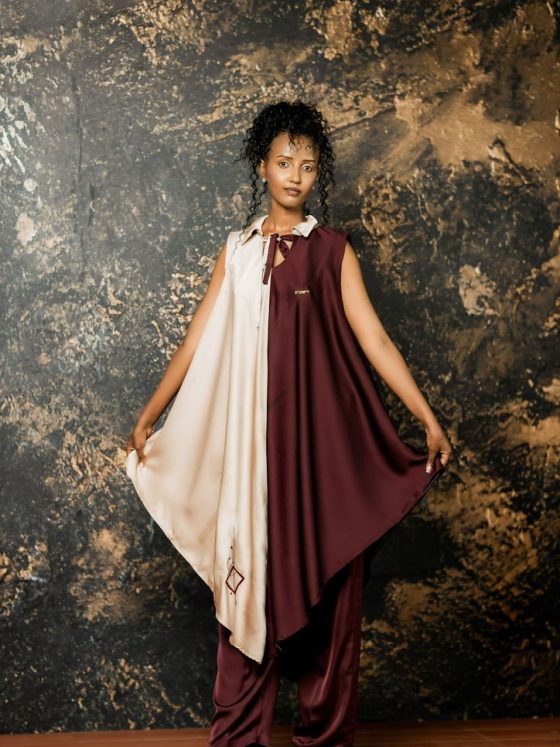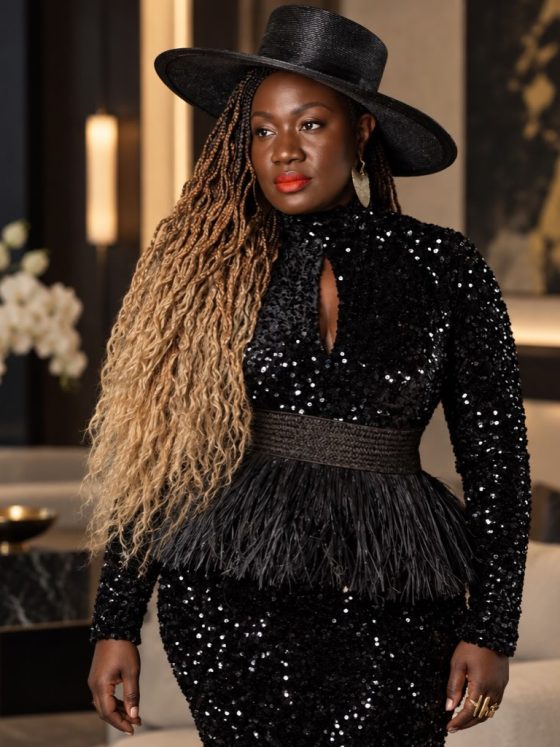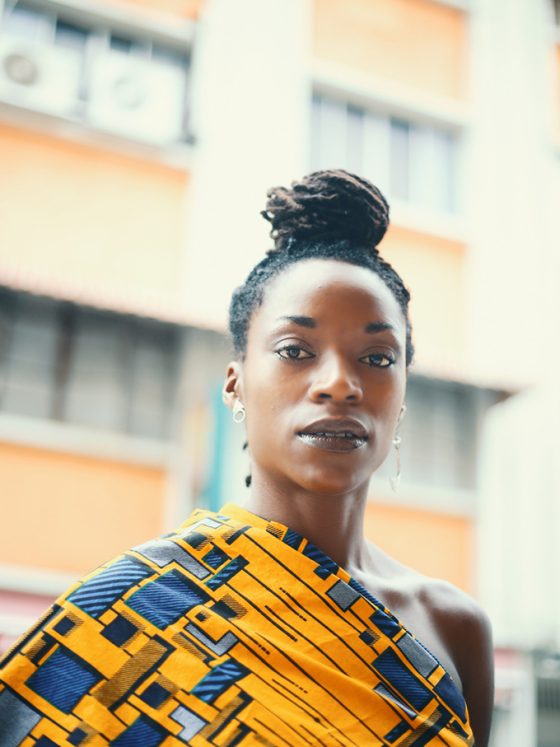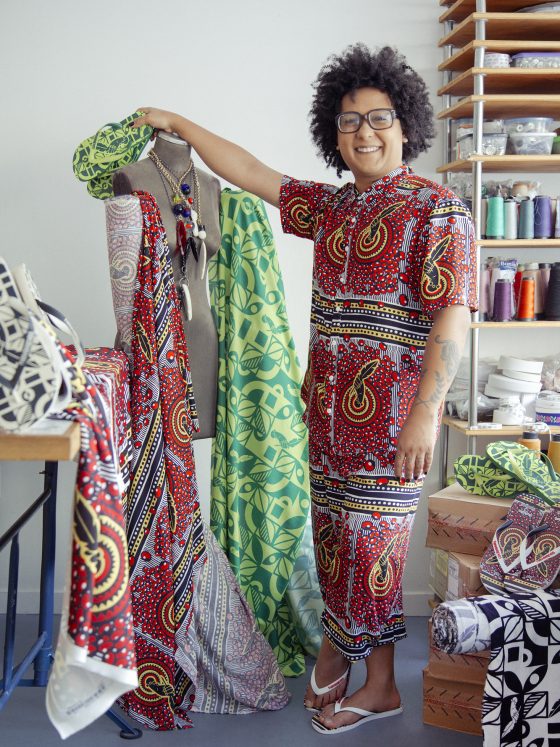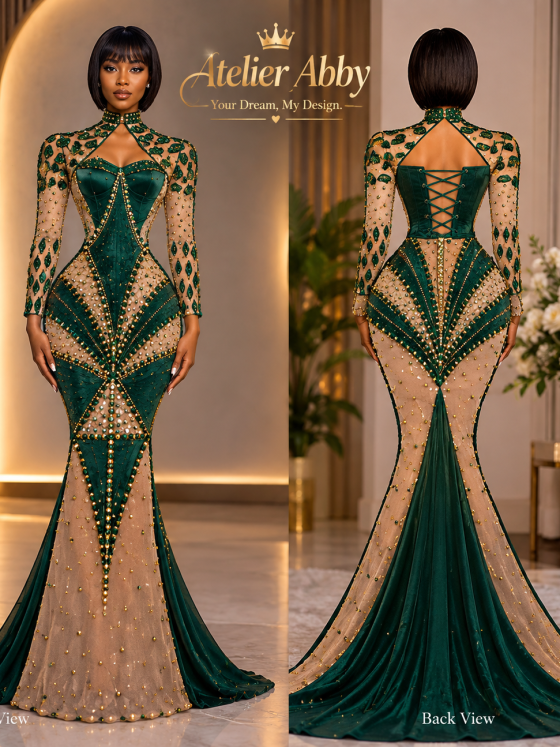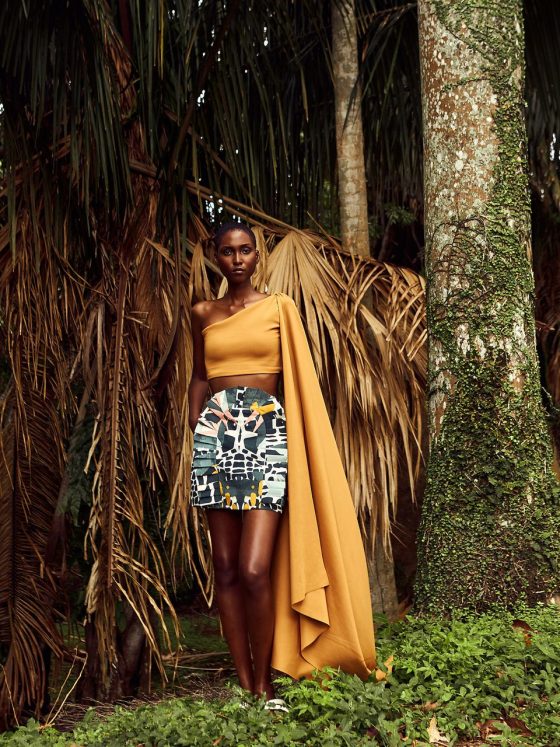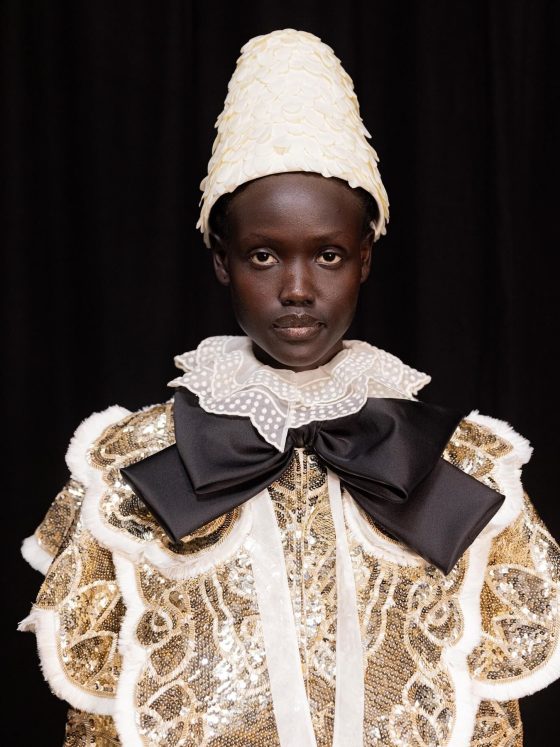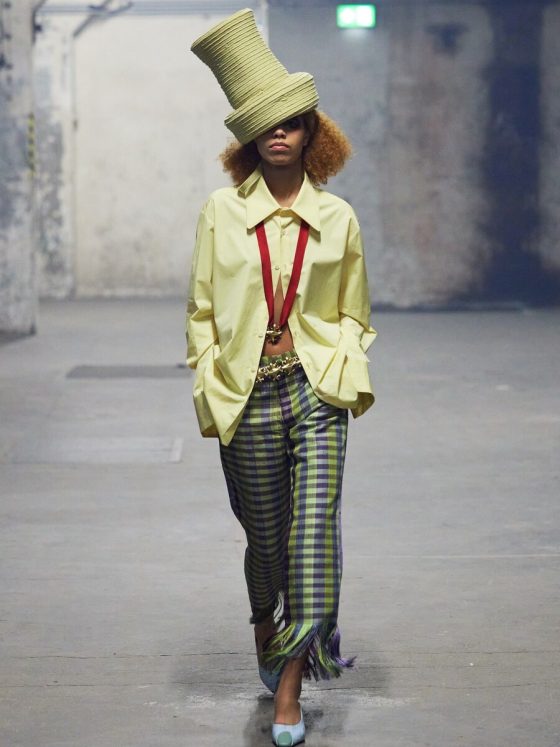

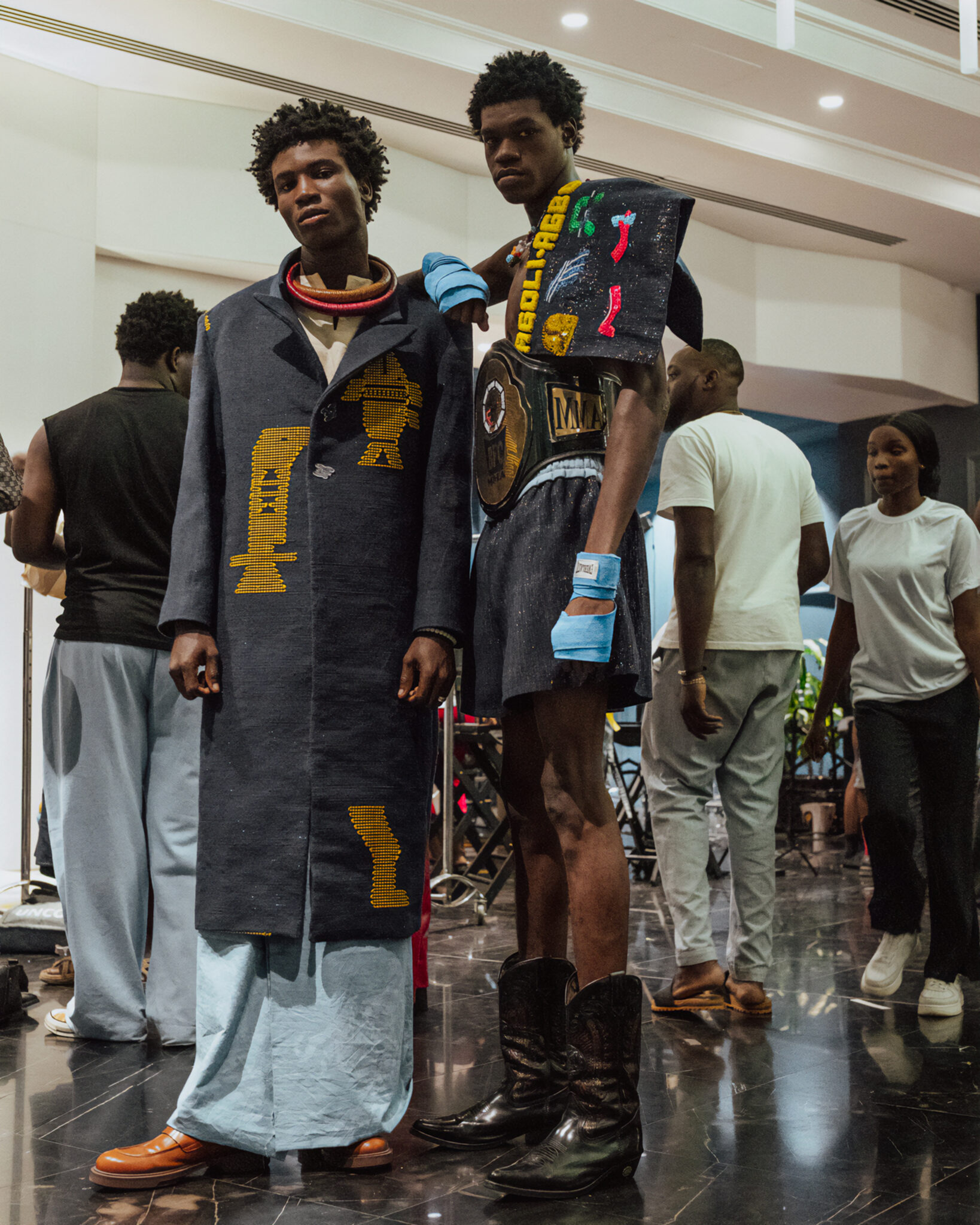
Streetwear, tailoring and textile craft meet in different ways across Beninese fashion brands. Some labels begin with graphic clothing and familiar urban silhouettes; others build their identity around cotton, weaving and dyeing. Together, they reveal a range of approaches rather than a single national aesthetic.
NOVA BREED ADVENTURE, FARE, PHENIX BRAND and Bakus Oraya provide four entry points into that conversation, two of them Benin streetwear brands by declared identity or positioning and two built around Beninese menswear and textile craft. This is an introduction, not a ranking: the selection draws on accessible brand information and published coverage, rather than sales figures, follower counts or an assessment of garment quality.
The setting matters. UNESCO’s 2023 report on the fashion sector in Africa put the market value of clothing and footwear in sub-Saharan Africa at US$31 billion in 2020, and Benin sits inside that $31 billion African fashion market with a particular advantage: cotton. Omiren Styles has traced, in its history of cotton as Beninese identity, how the fibre connects the kanvô that clothed Dahomey kings to the garments now produced for export. Two of the four labels below build directly on that material base. The other two show how Cotonou fashion also speaks the language of global streetwear.
Explore NOVA BREED ADVENTURE, FARE, PHENIX BRAND and Bakus Oraya through their streetwear, tailoring, textiles and contemporary Beninese menswear.
1. NOVA BREED ADVENTURE: Between Streetwear and Tailoring
Founded by Cotonou-based designer Osmy Gangnon, NOVA BREED ADVENTURE moves across lifestyle clothing, streetwear and tailoring. Omiren Styles’ guide to designers and brands to watch in Benin in 2026 describes a label aimed at young Cotonou professionals and creatives who want contemporary clothing with Beninese cultural references that can be worn outside ceremonial occasions. Its place in this selection rests on that combination: clothing connected to Cotonou’s urban life without being confined to one dress code.
The relationship between streetwear and tailoring is central to its positioning. Rather than treating professional and informal clothing as separate worlds, the label brings both into the same wardrobe proposition. That makes it a useful starting point for readers interested in how a Beninese designer approaches everyday contemporary dress, not only clothing intended to represent heritage on ceremonial occasions.
The city gives that proposition context. Omiren Styles’ reporting on Cotonou’s evening street style describes tailored trousers, dress shirts, well-cut pagne ensembles and the occasional kanvô or wax-based contemporary piece appearing in the same venue. A label that moves between streetwear and tailoring is designing for exactly that mixed register.
The same Omiren guide notes that the brand is at an early stage of documented visibility, so there is little published detail on specific collections, clients or milestones. An official standalone website was not confirmed. Readers should check current collections and purchasing arrangements directly through a verified brand channel. For anyone following Cotonou fashion, NOVA BREED ADVENTURE is a label to watch as its public record develops, and the current absence of published detail is itself useful information.
2. FARE: Menswear Built Around Beninese Materials
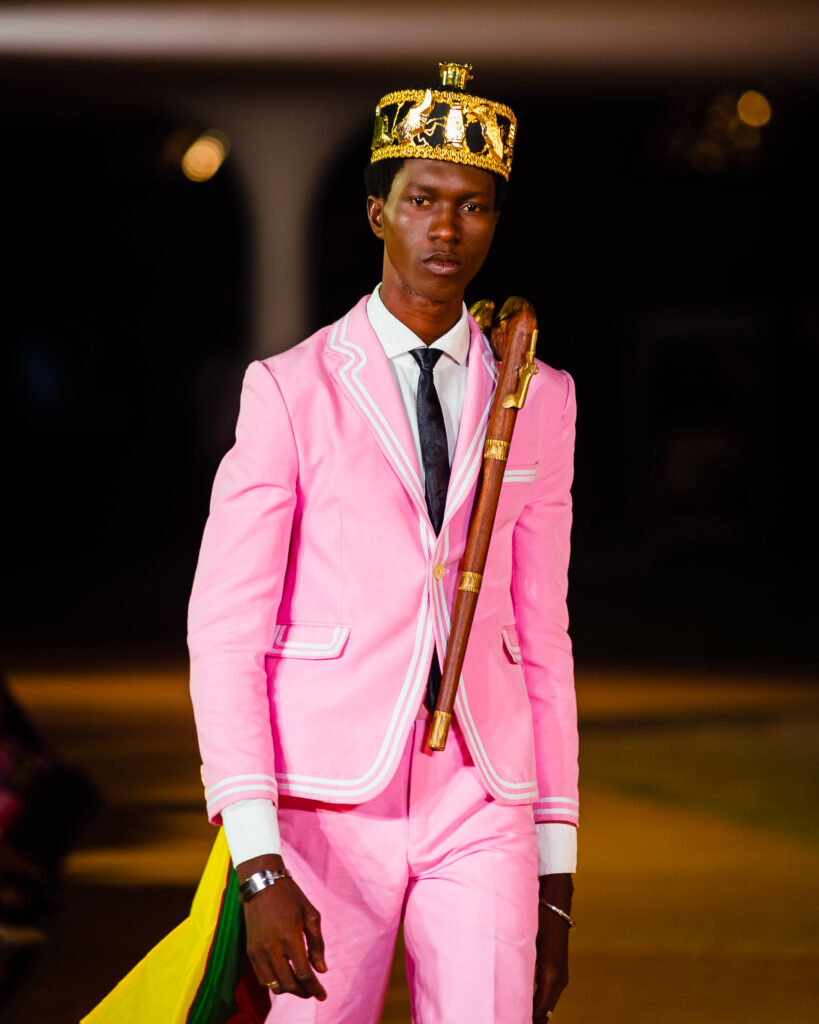
Founded in Cotonou in 2024, FARE describes its practice as centred on Beninese materials and small production runs. The brand says it uses Beninese cotton grown, woven, and dyed in Benin; artisanal kanvô woven in Abomey; and hand-dyed textiles, with production limited to 50 pieces per model and no overproduction. These details come from FARE’s own account; they have not been independently audited for this article.
Its published introduction also names collaborators. FARE credits Agonglovo in Abomey with weaving kanvô, with the pattern built into the cloth rather than printed on it; Dame Joséphine with indigo dyeing, so that each piece carries a slightly different blue; and Atelier 91 in Calavi, led by Sika, with cutting and sewing. The brand gives its studio location as Sèmè. That specificity is valuable: it gives readers people, places and processes to understand, rather than relying on a general claim about craftsmanship. The brand also describes plant-based colour sources, including kola and mango leaf.
Omiren Styles’ Benin guide identifies FARE’s founder as Peter Toni-Basengula and notes that he showed an exclusive capsule collection at La Nuit de la Mode 2025 after completing Sèmè City’s FLY incubator programme. Omiren’s analysis of GDIZ and the Made in Benin ambition places FARE’s artisan relationships in Cotonou and Abomey within the same national cotton base that Benin is now processing at industrial scale. That analysis describes GDIZ as a 1,640-hectare industrial zone about 45 kilometres from Cotonou, processing roughly 40,000 tonnes of cotton a year. FARE works at the opposite end of the scale, with fifty pieces per model, which is what makes the comparison useful: both depend on Beninese cotton, but they create value in very different ways.
FARE belongs here as a contemporary menswear label, not simply as a streetwear brand. Its stated references include everyday life, the rhythm of the streets and architectural geometry, expressed through restrained forms and textured cloth. The brand’s own about page offers the clearest introduction to its material choices and production approach.
3. PHENIX BRAND: Streetwear at the Centre
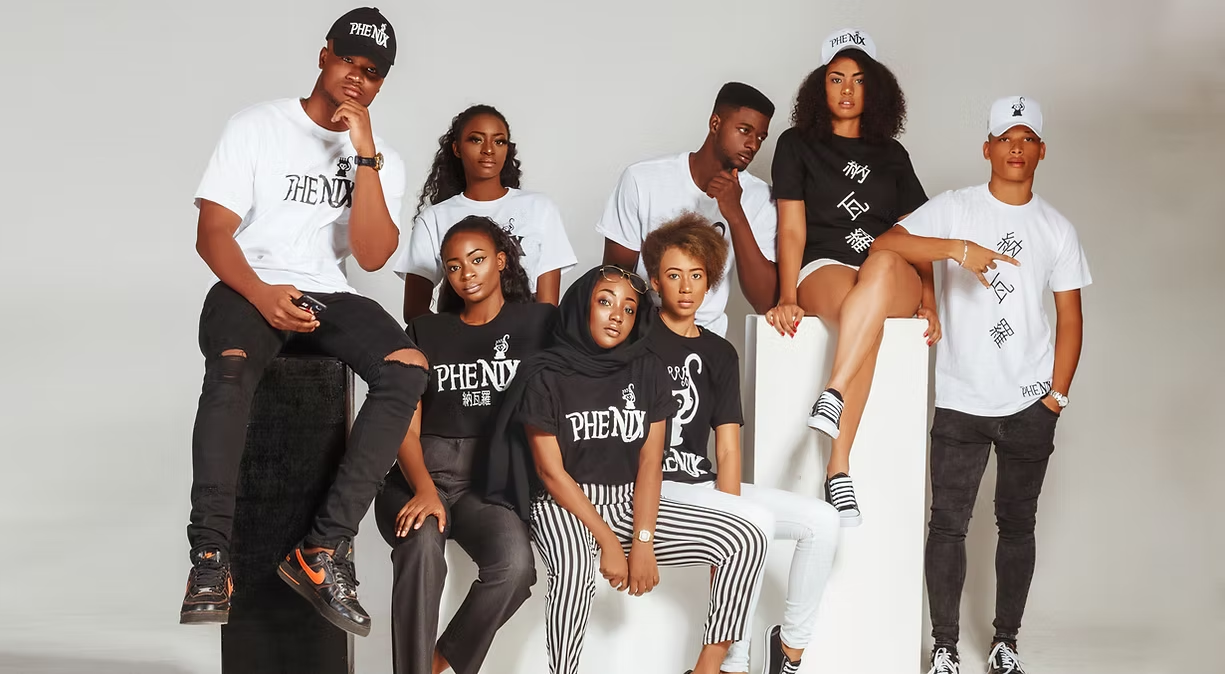
PHENIX BRAND makes its category explicit, introducing itself as a streetwear brand from Benin and describing its shop as a streetwear shop from Benin. Its website organises its offer into Streetwear, Fashion Afrique and Classic collections, and it also presents custom and art-based pieces. Streetwear is therefore a declared part of the label’s identity, rather than a category applied solely by outside observers.
The PHENIX online shop filters its range into accessories, a Culture Benin line, basics and custom sneakers, with prices listed in euros, ranging from under €10 for a branded mask to more than €200 for a custom sneaker. Its listings include caps, T-shirts and hoodies, a Gèlèdé item in the Culture Benin line, custom pieces named after NBA teams and a custom sneaker referencing Dragon Ball Z. Those listings show how PHENIX draws on recognisable popular-culture vocabulary alongside Beninese cultural references. They do not, by themselves, establish manufacturing arrangements, licensing or current availability, and several items are marked as out of stock, so the distinction between what the catalogue shows and what remains unverified matters.
For readers seeking an introduction, the shop is more useful than a popularity ranking: it offers clear garment categories and designs to explore. The site advertises free delivery above a minimum order value. Confirm current stock, sizing and delivery arrangements with the brand before ordering.
4. Bakus Oraya: Textile Craft and Contemporary Silhouettes
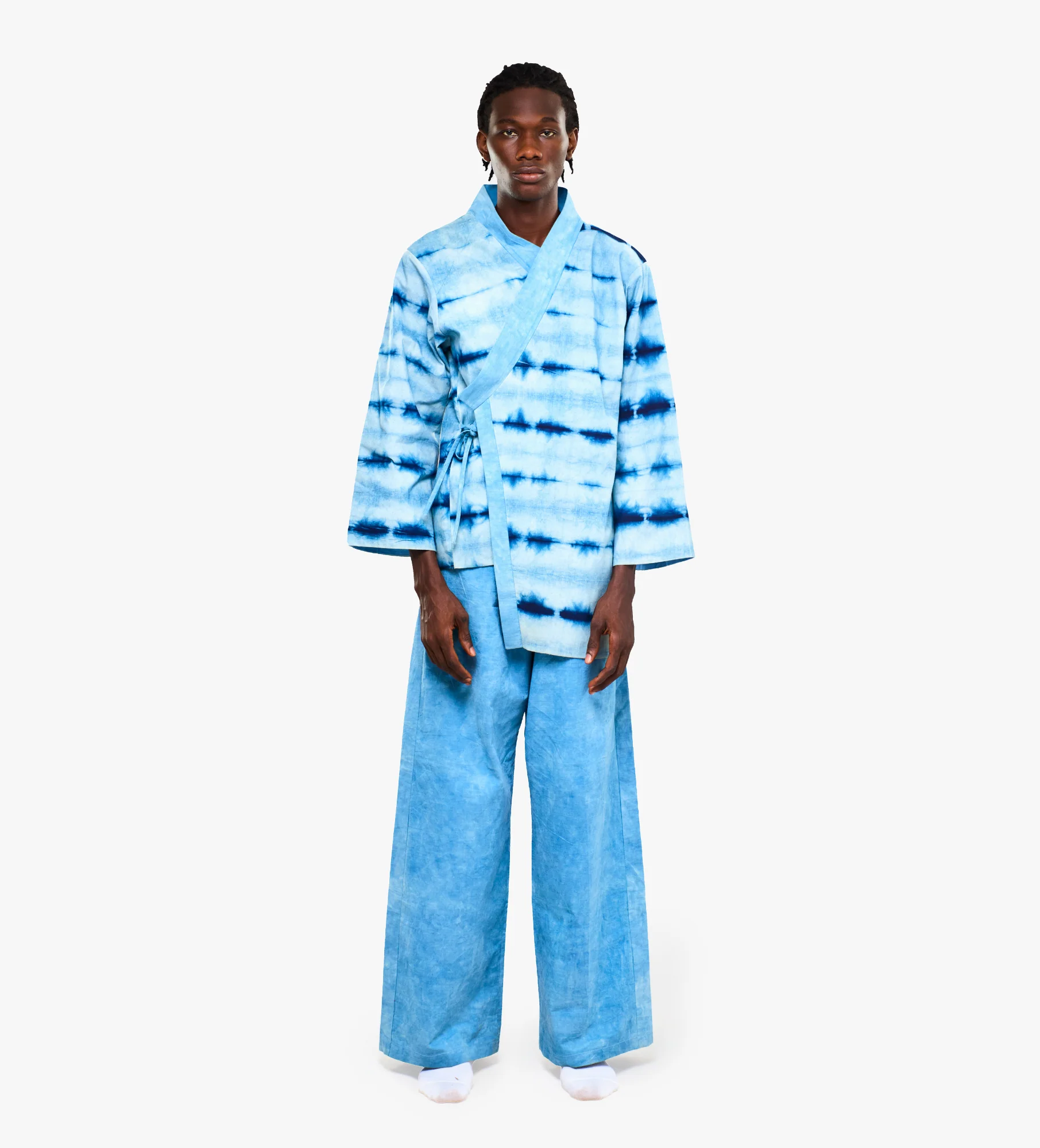
Bakus Oraya describes itself as a global artisanal fashion brand whose creations blend traditional craftsmanship with contemporary design, under the tagline “Culture wherever you go.” Its collections include ready-to-wear, a line called BAKUS AFRICA and a signature cotton it calls Essence by Bakus. The website itself does not name Benin or the founder, so published coverage fills that gap.
Guzang’s profile of the designer identifies the founder as Abdoul Manane Bakary, born in Porto Novo and based in Cotonou, working between the two cities. It reports that he trained at the Institut Français de la Mode in Sèmè City and at the International Trade Centre’s Global Textile Academy, and describes a practice that treats fabric as origin rather than ornament.
Its collections provide more specific ways to understand that position. Guzang’s Q2 2026 report describes the Coton Brut collection as working in raw, unbleached cotton, framing it as an argument that luxury is measured by how close a garment stands to the field. The profile adds that Bakary holds back surface treatment so that the cloth carries the design. The same report also notes that Benin is West Africa’s largest cotton producer and says the label builds from that fact rather than around it; the Coton Brut feature it describes was reported by Oury Sene and photographed by Christ M’po in a Porto-Novo courtyard atelier. That material-led approach places Bakus Oraya in a broader conversation about contemporary menswear and streetwear.
Fashion Police Nigeria’s coverage of Dakar Fashion Week 2025 reports that Bakus Oraya opened the event with a tribute to the Beninese Amazons, using hand-dyed batik and woven loincloth textiles in restrained silhouettes. It singles out a green resist-dyed suit pairing a double-breasted jacket with tailored shorts. Together, these examples show why the brand should not be reduced to a single silhouette or technique. Raw cotton, batik and tailored shorts belong to the same practice.
What to Look For When Exploring Fashion Brands From Benin
Readers approaching fashion brands from Benin for the first time can use the same questions this article has applied. First, look for specific materials. A brand that names Beninese cotton, kanvô, indigo or a particular dye source gives you something to check and compare. A brand that speaks only of heritage or authenticity gives you less to work with.
Second, look for named people and places. FARE’s account of who weaves, who dyes, who sews, and where each works is the clearest example in this selection. Named collaborators make it possible to understand where value is created and to ask whether the people doing the work are recognised.
Third, separate a brand’s own description from independent coverage. PHENIX BRAND’s streetwear identity comes from its own site; Bakus Oraya’s founder, training and Dakar Fashion Week presentation come from published reporting. Both kinds of sources are useful, but they answer different questions.
Finally, check the practical details before buying. Prices may be listed in euros rather than CFA francs, delivery terms vary, and stock can change quickly for small-batch labels. A verified official channel is the safest place to start, particularly for Beninese menswear produced in limited runs. None of these questions requires specialist knowledge. They require reading what a brand publishes closely and noticing what it leaves out.
The Omiren Argument
Beninese fashion deserves coverage that moves beyond follower counts and interchangeable claims about “heritage meeting modernity.” A useful introduction identifies the garments, materials, collaborators and design decisions that make one label different from another.
These four brands should not be flattened into a single streetwear category. PHENIX explicitly adopts that identity; NOVA BREED ADVENTURE moves between streetwear and tailoring; FARE foregrounds menswear and textile processes; and Bakus Oraya works across artisanal techniques and contemporary silhouettes. Their differences make the selection informative.
The editorial task is to make those distinctions visible, and to separate what brands say about themselves from what independent reporting has established. Attention is most useful when it gives readers something concrete to examine.
ALSO READ
- What People Actually Wear in Benin: A Complete Style Guide.
- Daniel Tohou and NEFER: The Man Rewriting Beninese Menswear.
- Benin Textiles and Symbolism: The Meaning Behind the Fabrics.
- Beninese Designers Blending Tradition with Modern Fashion.
Frequently Asked Questions
Are all four Beninese labels streetwear brands?
No. PHENIX BRAND explicitly identifies itself as a streetwear brand from Benin, while NOVA BREED ADVENTURE spans lifestyle, streetwear and tailoring. FARE presents a menswear practice centred on Beninese cotton, kanvô and small production runs, and Bakus Oraya combines artisanal processes with contemporary silhouettes. “Streetwear and menswear” describes the selection more accurately than streetwear alone.
Which brand publishes detailed information about its textile collaborators?
Among the sources reviewed, FARE gives the most specific account. Its website names Agonglovo in Abomey for kanvô weaving, Dame Joséphine for indigo dyeing and Atelier 91 in Calavi, led by Sika, for cutting and sewing, and states a limit of 50 pieces per model. These remain brand-published claims rather than independently verified supply-chain findings.
Where can readers explore these brands online?
FARE, PHENIX BRAND and Bakus Oraya each publish their own websites, linked in the sections above, and PHENIX also runs an online shop. For NOVA BREED ADVENTURE, an official standalone website was not confirmed, so Omiren Styles’ Benin designers guide is the documented starting point. Check that any social media account is the brand’s verified channel before ordering.
Does inclusion confirm international delivery or current availability?
No. This article does not assess fulfilment, current stock, sizing accuracy or customer service. PHENIX lists some items as out of stock, and Bakus Oraya’s online store prices in euros. Confirm sizing, delivery destinations, charges and return terms directly with each brand before purchasing, especially for orders sent outside Benin.