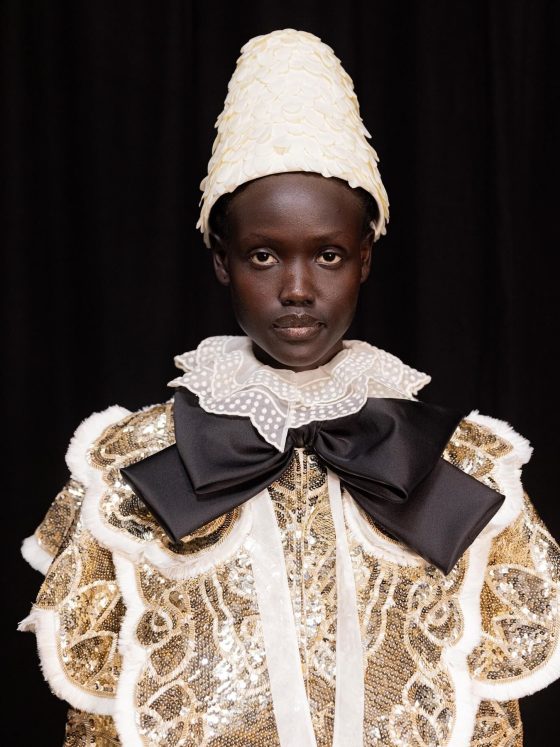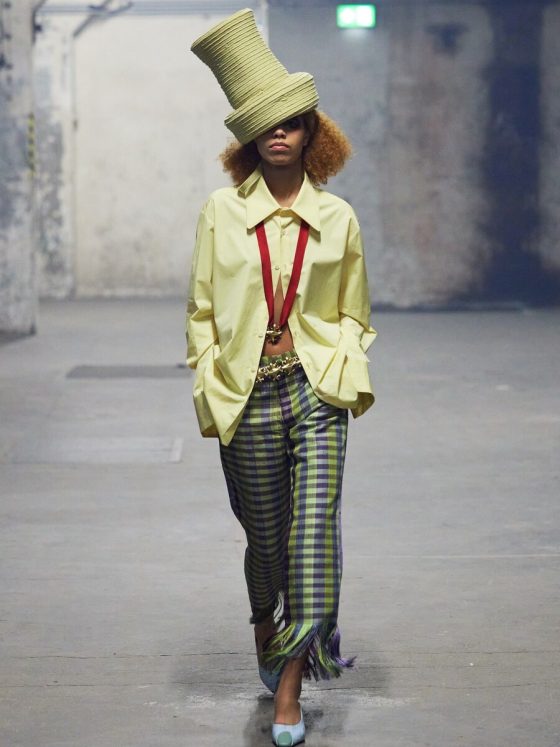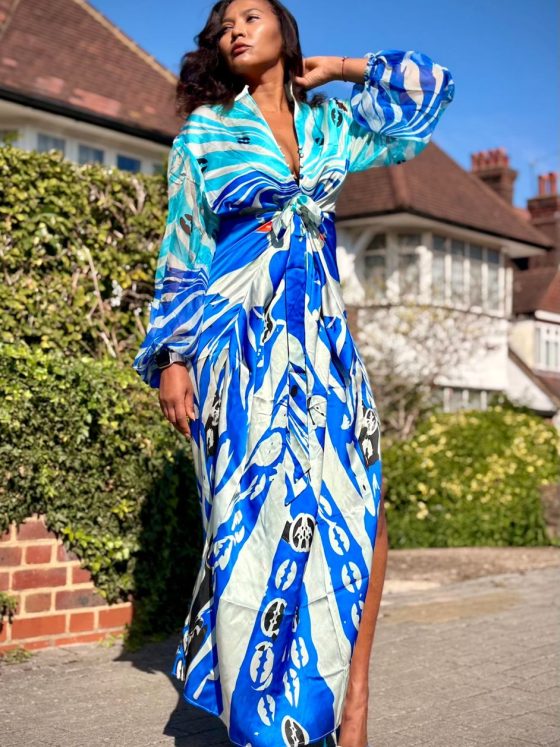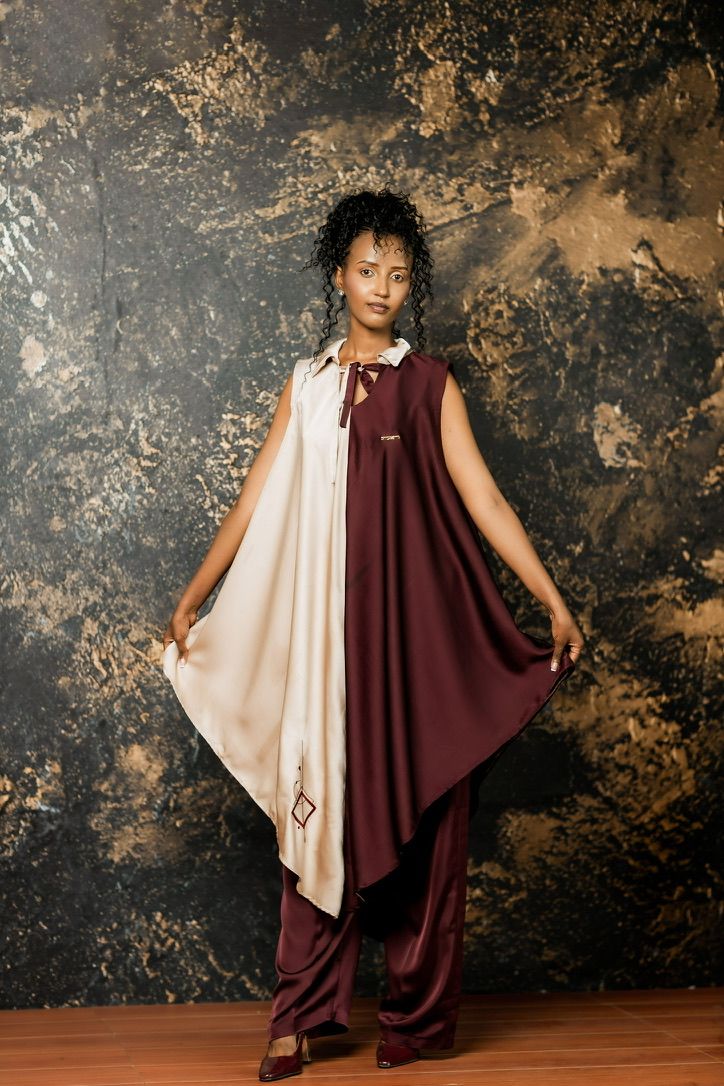
At Miri The Tailor, clients do not have to arrive with a finished design. The Bujumbura atelier’s consultation page asks for references, fabrics or simply an idea. Before work begins, it says the client receives a sketch, fabric options, a price and a timeline. That sequence is a useful place to start. It separates wanting a garment from agreeing on what the garment will be. It also brings cloth into the discussion before anyone cuts it. Miséricorde Providentielle Iraganje, known as Miri, leads the house. Its website places design, cutting, sewing and finishing in an atelier in Agora, Bujumbura, and describes two or three fittings as part of refining a silhouette. Those pages describe how the business presents its work. They do not let us follow one commission through the room. Instead, they offer a way to examine the decisions the atelier says connect an initial request to a finished piece.
How Miséricorde Providentielle Iraganje’s Bujumbura atelier describes its work, from fabric selection and cutting to fittings and hand finishing.
Learning to sew, then building a service.
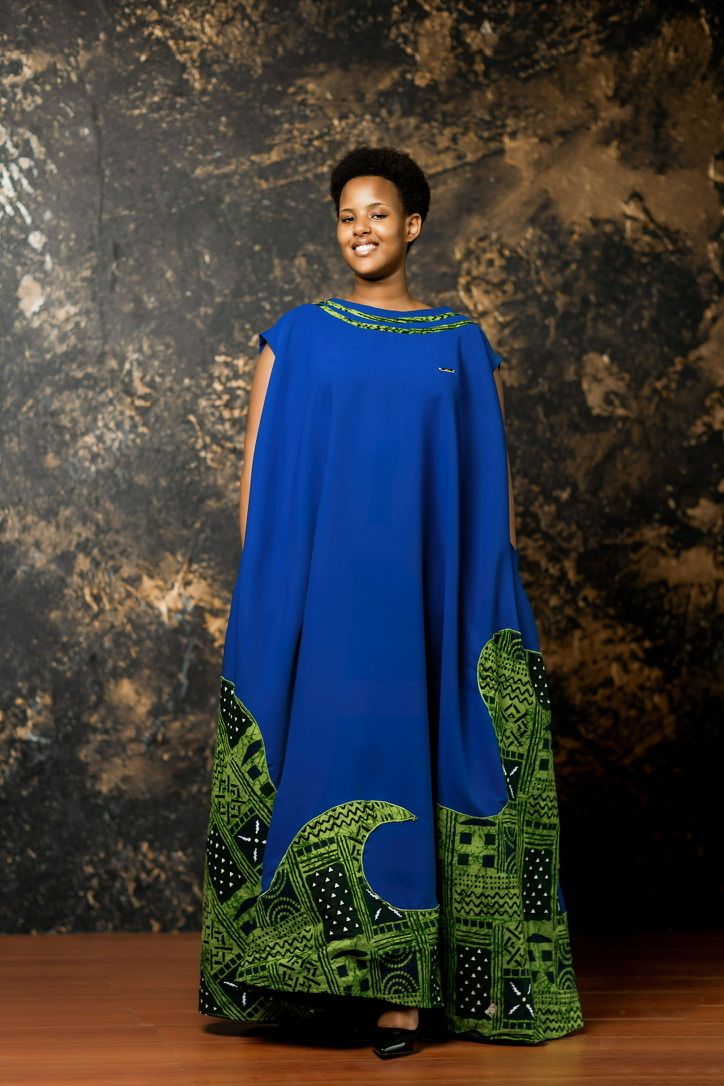
According to the house’s biography, Iraganje learned to sew alongside her mother, then developed her practice by making garments for women in her community. The biography dates the professional atelier to 2021. It describes a business offering bespoke, bridal and corporate tailoring rather than one organised around a single kind of occasion. Those are the house’s own milestones, not an independently reconstructed career history. They nevertheless establish the progression Iraganje chooses to emphasise: learning a skill, working for clients and giving that work a permanent setting. The range of services helps explain why the consultation matters. A wedding gown, a shirt and a set of uniforms do not begin with the same request. Miri’s published menu includes all three, along with gala wear, alterations, and fashion consulting. Instead of treating “bespoke” as a description that explains everything, it is more useful to ask which service a client is commissioning. The website groups individually designed pieces, made-to-measure clothing and adjustments to existing garments within the same wider practice.
The brief becomes something a client can approve.
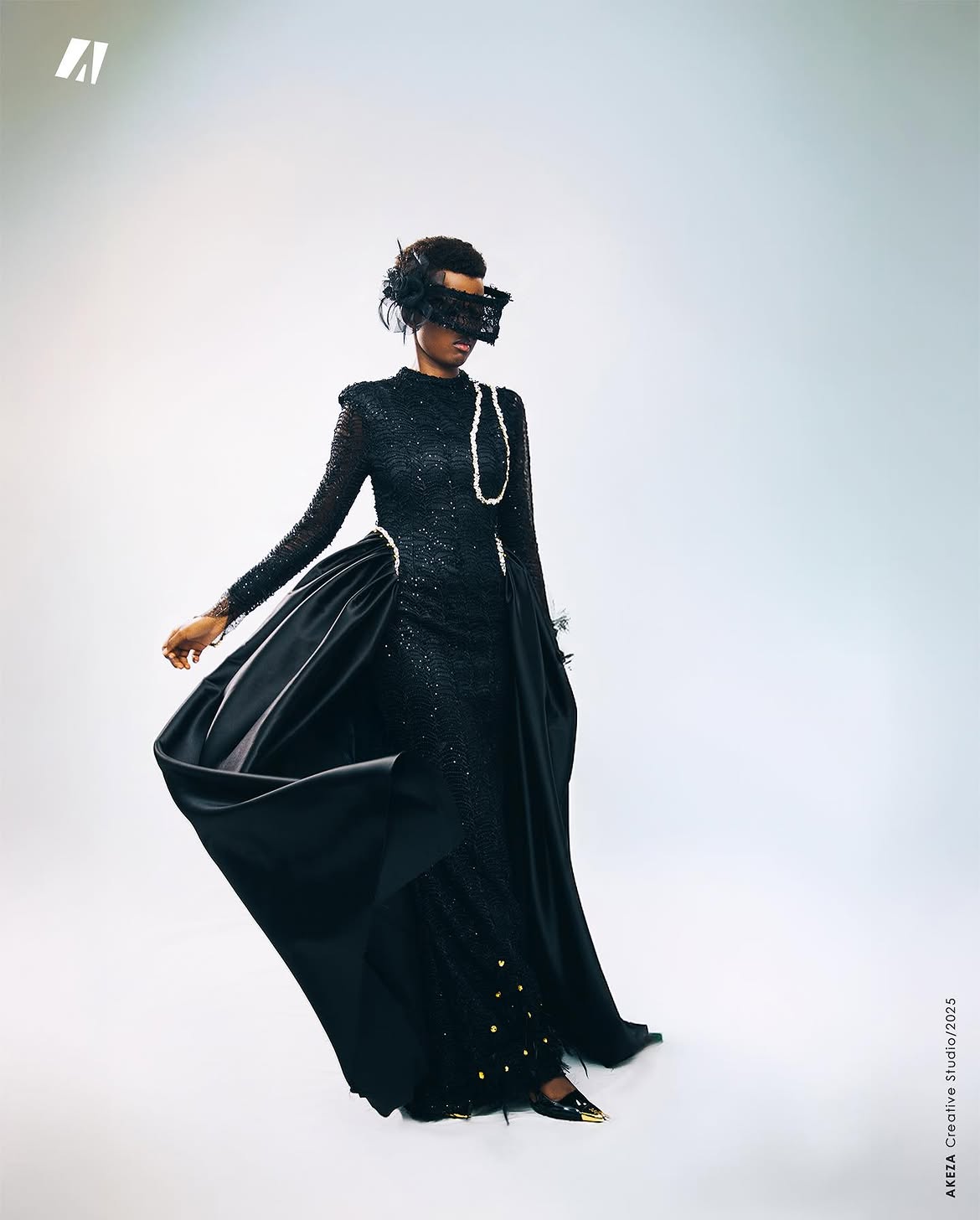
The first substantial handover in the published process is not the finished garment. It is the sketch, fabric options, quotation and timetable. Each answers a different question. The sketch sets out a proposed appearance; the fabrics give the proposal a material starting point; the quotation and timeline establish what the client is being asked to commit to. By placing them before production, the atelier presents consultation as a decision-making stage rather than an introduction followed immediately by sewing. That is also where the published account leaves room for different kinds of client involvement. Someone may bring cloth, while another person arrives with an image or an occasion in mind. The page does not prescribe a single starting point. Nor does it say who has the final say on fabric for every commission. Its invitation tells us what clients can contribute. To explain how a disagreement or an alternative was resolved would require a particular garment and the people involved.
Cloth is selected for behaviour as well as appearance.
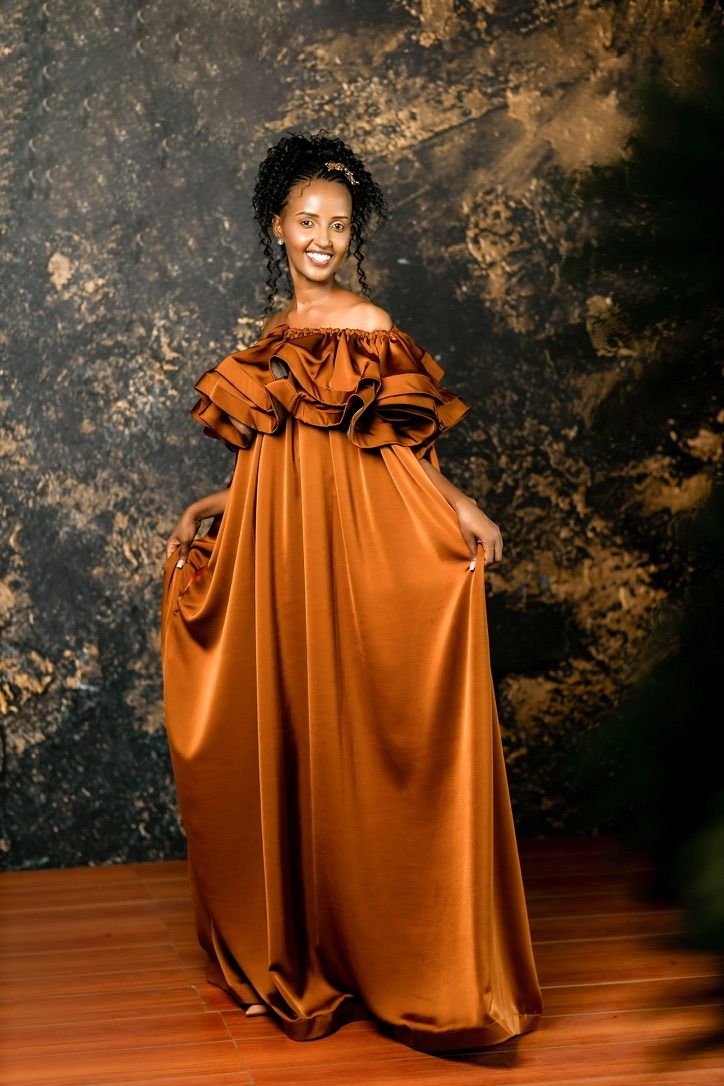
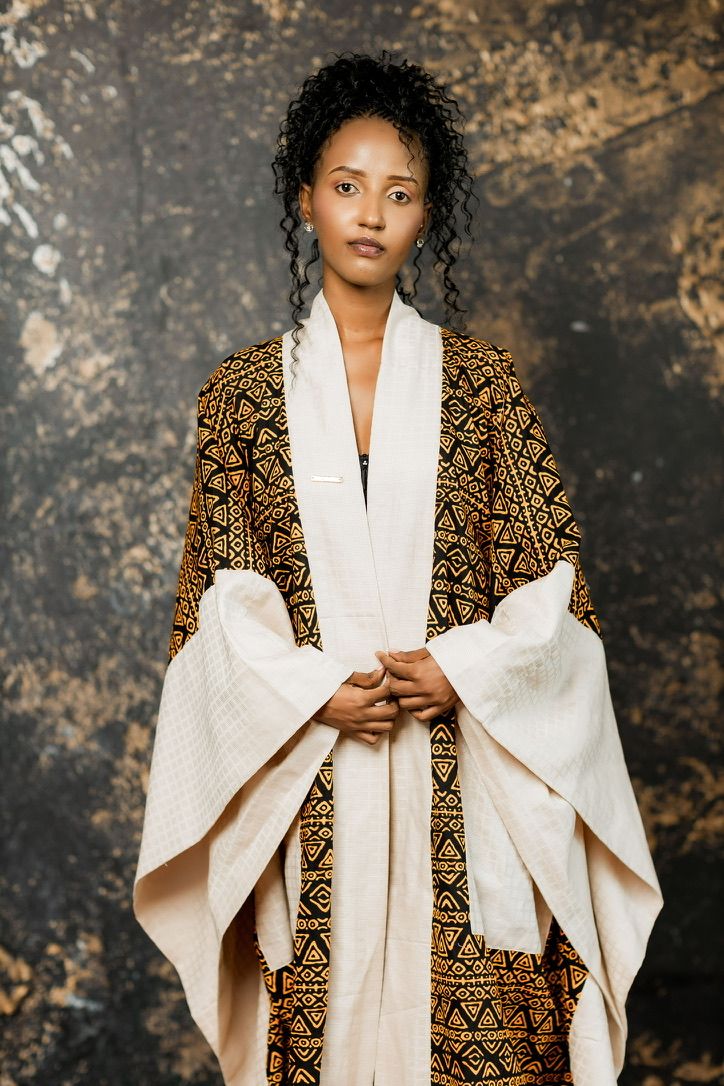
The atelier page names satin, crepe, lace, linen and African prints among its materials. It says they are selected for how they fall and how they hold colour. That wording is more revealing than a list alone. It pairs the cloth’s behaviour with its appearance. A reference image may establish an intended look, but the atelier’s account makes fabric selection a separate stage between drawing and cutting. The list also needs to be read on its own terms. It is not a full specification for any garment: “African prints” does not identify a fibre, supplier or place of manufacture, and the named fabrics are not assigned to specific looks. The useful detail comes in the cutting description. The house says it drafts patterns to the body, cuts by hand and positions printed panels so their geometry lines up. Here, a surface pattern becomes a cutting consideration rather than something added after the shape is settled.
Cutting has a different job from fitting.
That attention to print placement gives the published process a concrete design point. A panel has to carry both the garment’s shape and the pattern on the cloth. The atelier says it considers those geometries during cutting. It does not provide a cutting diagram or identify a garment on which we can check the alignment. The claim should remain attributed, but it is specific enough to show what the house wants clients to notice about its making: not just that the garment uses print, but where the print falls. The next stage is sewing, where the house says it builds seams, linings and structure in Bujumbura. Fittings follow. The appointment page says there are usually two or three, while the atelier page describes their purpose as refining the silhouette around the wearer. The number is a service outline, not evidence of a fixed method for every commission. It does not tell us whether an individual fitting changed a neckline, shortened a hem or led to recutting. The process page cannot supply those details.
Finishing is not the same as changing the fit.
Miri separates fittings from finishing in its published sequence. The finishing stage names hand embroidery, beading and a signature diamond motif, followed by a final press. That distinction is worth retaining. Decorative work may be prominent in a photograph, but the website places silhouette decisions earlier in the process. It does not say that every piece carries embroidery, beads or the diamond motif. They are part of the house’s stated finishing vocabulary, not a checklist to apply to an unseen commission. The atelier also offers alterations and restyling of existing clothes. That service complicates a simple story about beginning with a blank sheet. Sometimes, according to its menu, the starting point is a garment the client already owns. A new commission and a restyling appointment may share questions about fit, but they begin with different constraints. The website establishes that the business accepts both kinds of work; it does not document what was retained or changed in a particular restyled piece.
The Omiren Argument
The most useful detail in Miri’s published process is the order of its commitments. A client can begin with an idea, but the house says a sketch, fabric options, price and timeline come before production. Cloth is then cut with attention to the body and, where relevant, the position of the print. Fittings and finishing have distinct places. Read that sequence closely, and “made for one person” becomes a set of stages rather than a complete explanation.
The next step in understanding the clothes is to follow one decision across those stages: a reference translated into a sketch, a fabric chosen over another, or a change recorded at a fitting. Until that commission is documented, the distinction matters. This is how Miri The Tailor describes making clothes in Bujumbura. It is not an account of what happened to one client’s garment. Keeping that boundary clear lets the specific details remain useful without asking the website to stand in for the fitting room.
Also Read:
- House of Tayo: How Matthew Rugamba Is Redefining Menswear Through the Smallest Details
- How Nigerian Prom Dresses Became a Global Graduation Trend
- Moshions: Kigali’s Brand Redefining Contemporary Rwandan Style
- Alphadi: Niger’s Desert Couturier Shaping Global Style
Frequently Asked Questions
Who is Miri The Tailor?
Founder and designer Miséricorde Providentielle Iraganje, known as Miri, leads the house. The atelier in Bujumbura dates to 2021. She learned to sew alongside her mother before making garments for women in her community. Those are the house’s own milestones, not an independently reconstructed career history.
What does the atelier offer?
Its published services include bridal and ceremony wear, made-to-measure dresses, suits and shirts, corporate uniforms, alterations, restyling and fashion consulting. The website groups individually designed pieces, made-to-measure clothing, and adjustments to existing garments under one broader practice, so a client can start with an idea or a garment they already own.
How many fittings does it advertise?
The bespoke page says there are usually two or three fittings. That is the atelier’s general service description, not a documented fitting schedule for every garment. The atelier page describes their purpose as refining the silhouette around the wearer. It does not show what changed at any particular fitting.
Was this article reported inside the atelier?
No. It is based on the house’s published designer biography, atelier account and bespoke service page. No client commission or fitting has been reconstructed. The article describes how the house presents its sequence of sketch, fabric options, price, timeline, cutting, fittings and finishing.