In Isa Isaac Silva’s 2022 project Visible Mark, a coloured detail on a white garment corresponded to the location of a real person’s scar. Bringing a phone close to that detail allowed someone to access and listen to the person’s story through NFC technology.
The project placed its argument inside the clothing. The garment did not simply accompany a testimony; it provided a route into it.
That distinction makes Visible Mark worth revisiting. Fashion can announce solidarity through a campaign, a slogan or the people selected to wear a collection. Here, a specific design decision connected the garment’s surface with an individual experience.
The project’s strongest proposition was not that clothing could speak for a community. It was that clothing could direct attention towards people speaking about their own lives.
Explore how Isa Isaac Silva’s Visible Mark project connected garment details with personal testimony, revealing a precise link between fashion and memory.
A Practice Built Around Whose Stories Are Seen
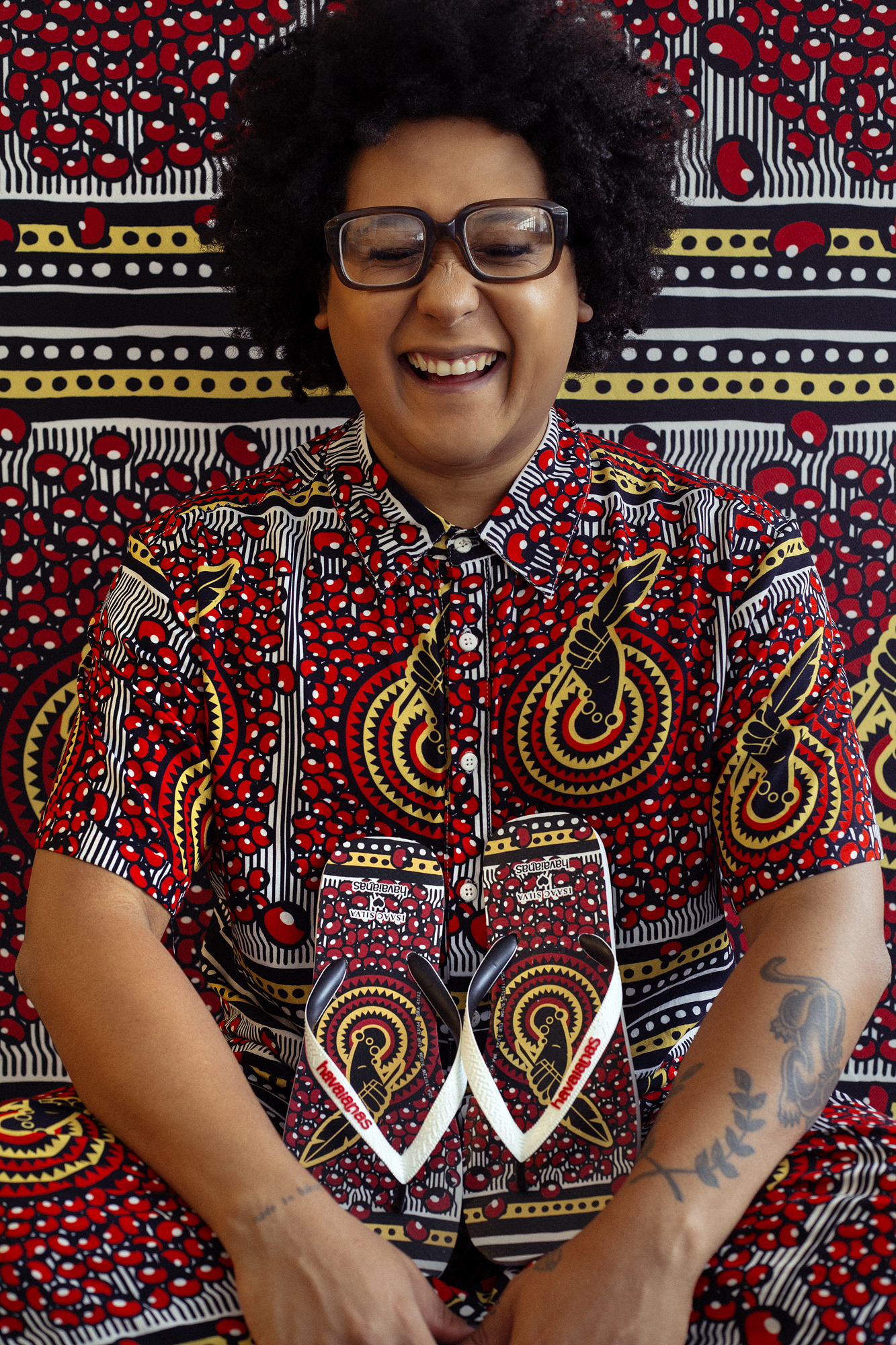
The label’s relationship with identity and storytelling predates Visible Mark.
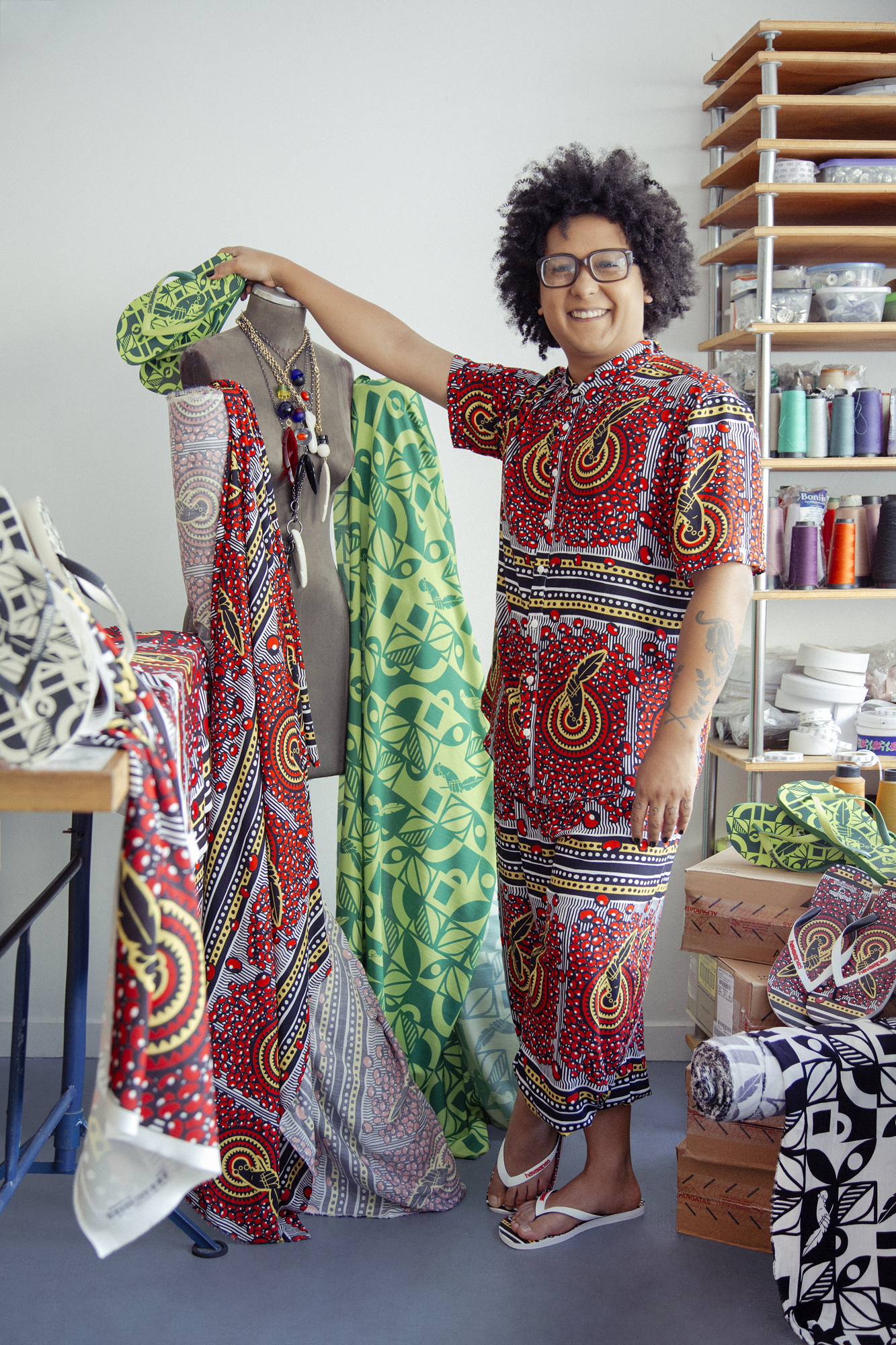
An Americas Quarterly profile traces Silva’s interest in clothing to childhood in Bahia, where a friend’s seamstress mother’s workshop became a favourite place to spend time. It also notes experience at a São Paulo clothing factory and further studies in business and entrepreneurship before opening its first shopfront in 2018.
These details locate the practice in more than image-making. Sewing, manufacturing, and business organisation formed part of its development.
The label debuted in 2015. In the same profile, Silva described a desire to celebrate African heritage and Indigenous roots, connecting the stories a brand tells with those people tell through their wardrobes. The account also identifies garments commemorating historical figures, including Dandara and Xica Manicongo.
Storytelling, then, was already part of the designer’s stated understanding of clothing.
Visible Mark brought that relationship into a different register. Rather than referring to a historical figure, it connected a garment with the recorded experience of a named participant. Its subject was not identity in the abstract, but what had happened to particular people and how they described finding support.
What the Coloured Detail Did
The documented design was deliberately specific: white pieces, a single coloured detail and a correspondence between that detail’s placement and a participant’s scar. NFC (near-field communication) provided access to the associated story when a phone was brought close.
The detail therefore performed two functions. It was part of the garment’s appearance, and it marked a point of access to testimony.
That relationship distinguishes the project from clothing carrying a general message about resilience. A viewer did not have to infer the entire meaning from colour or placement. The technological connection explained an individual account.
In the launch coverage, Silva described the stories as those of people who had found protection and support after violence. The project’s stated intention was to change the meaning attached to their scars, making experiences often concealed beneath clothing part of a public conversation.
The garment did not reproduce the full experience. It could not. What it offered was a designed transition: from noticing a mark to approaching it to listening.
That sequence is the project’s most substantial contribution to a discussion of fashion and testimony.
From Personal Story to a Support Network

The project’s announced purpose extended beyond making stories accessible.
Launch coverage said sales profits would go to Casa Neon Cunha, an organisation providing services to LGBTQIA+ people in São Bernardo do Campo and the surrounding Greater ABC region. It also described a support hub connecting people with initiatives offering assistance, including psychological support and legal counselling.
These arrangements matter because they identified a proposed connection between the collection and an organisation outside the fashion presentation.
They also require careful description. The source documents an announced donation commitment, not the amount ultimately transferred. It describes a route towards support, not an independently measured account of how many people received assistance.
Intention, mechanism and outcome are different kinds of evidence.
The project’s mechanism is documented: garment details connected to stories, alongside an announced donation arrangement and support information. Assessing its wider social impact would require further reporting.
That distinction does not diminish the design. It prevents the design from being credited with outcomes that the available evidence does not establish.
Who Controls the Story?
Once a garment carries someone’s testimony, questions of authorship extend beyond the designer.
Silva devised a fashion project around participants’ experiences. Those experiences, however, belonged to the people who lived them. A complete assessment would need to understand how their accounts were selected, recorded, edited and approved.
The launch coverage names participants and presents the project as a way to share their stories, but it does not provide a detailed account of that editorial process.
The unanswered questions should not be treated as evidence of wrongdoing. They identify what further reporting would need to establish.
They also sharpen the critical distinction at the project’s centre. There is a difference between designing a way for someone’s account to be heard and claiming to give that person a voice.
The former describes a specific contribution. The latter risks making the fashion brand appear to be the source of a person’s agency.
A rigorous reading of Visible Mark should preserve the participants’ authorship while examining how the collection organised access to their testimony.
Reading the Project Without Turning It Into a Symbol

Visible Mark is best understood as a particular project within an Afro-Brazilian designer’s practice, not as a template for Afro-Brazilian fashion as a whole.
Silva’s stated relationship with African heritage and Indigenous roots provides important context. It does not mean every design decision should be assigned a cultural explanation that the designer has not supplied.
Here, the documented relationship is more direct. A mark’s position corresponded to a scar; a phone interaction opened a story; the launch announced a connection with a support organisation.
Those details form the foundation of the analysis.
They also allow the project to be discussed without relying on broad claims that it “celebrates diversity” or “empowers communities.” Such phrases can obscure the more interesting question: what, precisely, did the design enable?
In this case, it enabled an encounter between a garment and a personal account. Whether that encounter changed attitudes or generated lasting support is a separate question.
The Omiren Argument
The strongest claim for Visible Mark is also the most precise: a detail on a garment became an entry point into someone’s testimony.
That is more substantial than attaching a social message to a collection, but narrower than proving a social transformation.
Omiren’s position is that authorship must remain visible at both levels. The designer authored the framework that connected clothing and testimony. Participants remained the authors of the experiences the project presented.
Taking the work seriously means examining that relationship rather than replacing it with praise for inclusion.
It also means distinguishing what is known from what is promised. The garment’s storytelling mechanism is documented. The donation arrangement was announced. The wider outcomes require evidence.
That standard allows fashion to be recognised as a medium for public engagement without treating an admirable intention as a completed achievement.
Also Read:
- The Rise of Afro-Brazilian Fashion Designers and Their African Roots
- Lab Fantasma and the Afro-Brazilian Streetwear Movement That Fashion Forgot
- Latin America’s $87.9 Billion Fashion Economy: Where Afro-Descendant Brands
- Afro-Brazilian Renaissance: Reclaiming Heritage, Shaping Today
Frequently Asked Questions
Who is Isa Isaac Silva?
Isa Isaac Silva is a Brazilian fashion designer whose label debuted in 2015. Profiles connect the practice with Afro-Brazilian and Indigenous references, inclusive presentation and storytelling through clothes. Earlier coverage often refers to the designer as Isaac Silva, so both names are useful when searching for the work.
What was the Visible Mark project?
Visible Mark was a 2022 clothing project featuring white garments with coloured details corresponding to the locations of participants’ scars. NFC technology connected those details with the participants’ stories, so that a phone brought close to a garment could open an individual account of violence, resilience and support.
How did the garments connect with personal testimony?
Someone could bring a phone close to the coloured detail to access and listen to the story associated with it. The garment therefore acted as an access point to an individual account, rather than relying solely on a written slogan or symbolic interpretation. It offered a designed transition from noticing a mark to listening.
Which organisation was the project intended to support?
The launch coverage announced that sales profits would go to Casa Neon Cunha, which provides services to LGBTQIA+ people in São Bernardo do Campo and the surrounding Greater ABC region. That coverage establishes the commitment, not a verified final donation total or an independent measure of how many people received assistance.