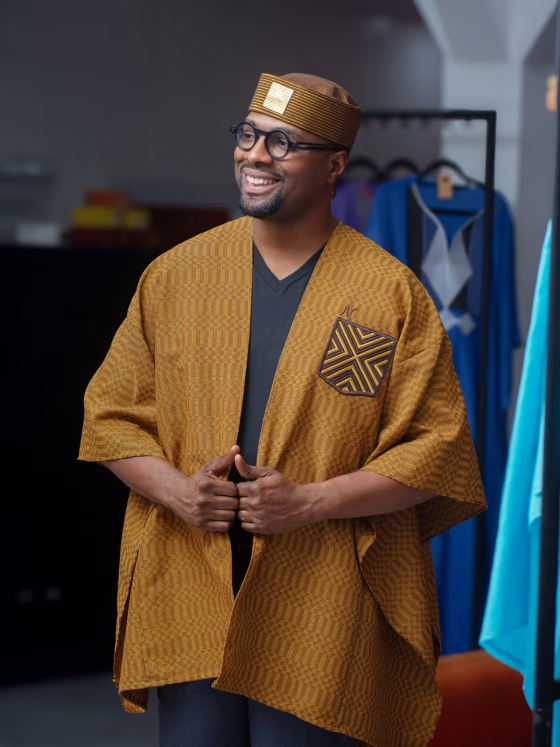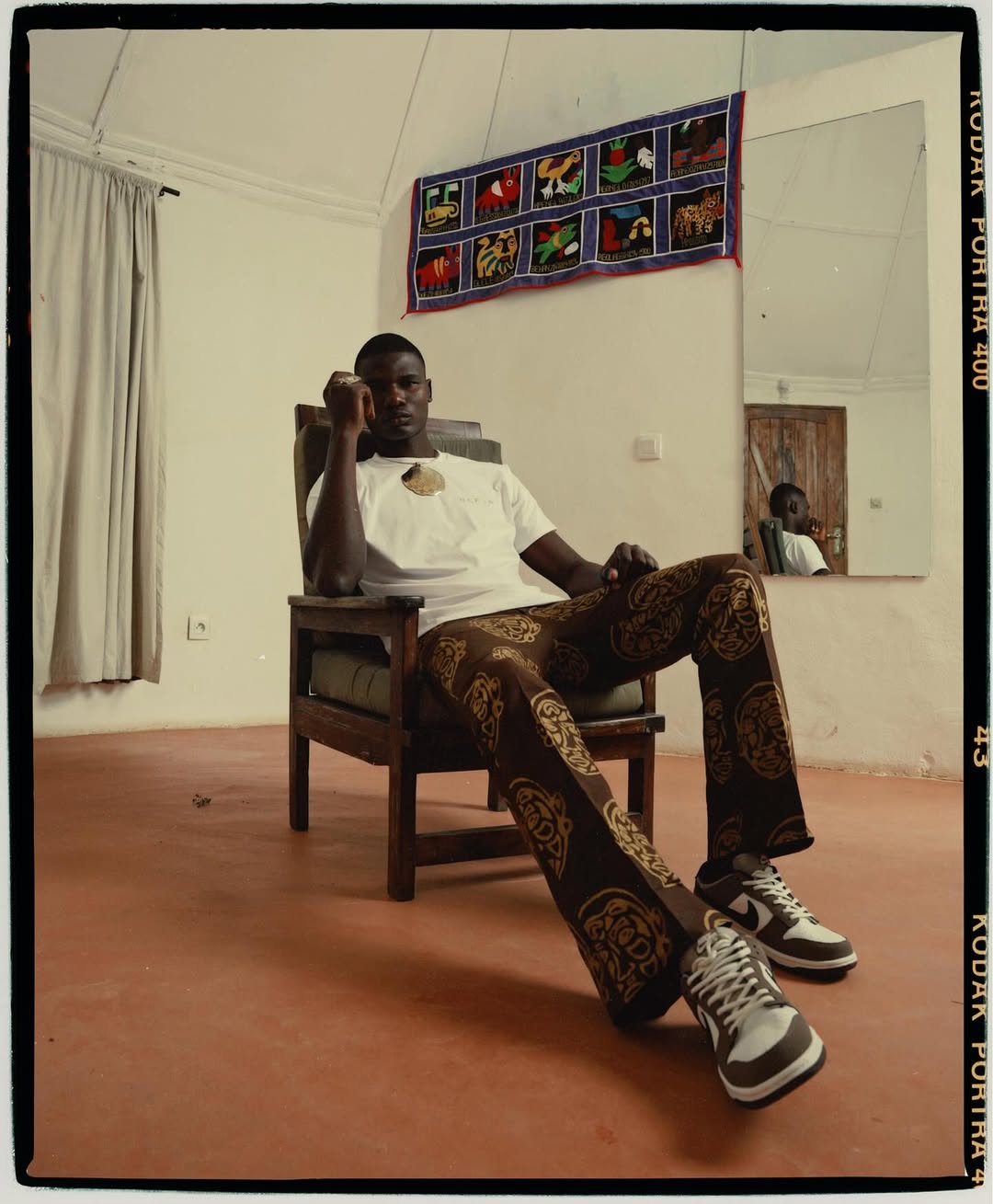
There is a specific quality to the suits Daniel Tohou makes that becomes clear only when you understand where he learned to make them. Tohou trained in the ateliers of Francesco Smalto and Lanvin, two of the most technically demanding menswear houses in Paris. He studied at the Association Formation Tailleur, which he describes as the only school in France that trains in the full craft of tailoring from measurement to pattern-cutting to hand construction. He spent a decade within the institutions that define Parisian luxury menswear. And then he founded a house whose stated purpose is to bring Africa into the equation.
NEFER Couture is a Paris-based bespoke menswear house founded by Daniel Tohou in 2013, with its first collection, Harlem Renaissance, presented in 2014. Its name comes from the ancient Egyptian word meaning beautiful and perfect. Its design philosophy is stated without ambiguity in Tohou’s own words from a Nofi Media interview: “L’Afrique est l’alpha et l’oméga de mon processus de création” — Africa is the alpha and omega of my creative process. The tailoring is Parisian. The source is African. The distance between those two things is the space NEFER occupies.
The Omiren Argument: Daniel Tohou is not a Beninese designer who made it in Paris. He is a Parisian-trained master tailor who returned to Benin and built a creative laboratory there. The direction of movement matters. Paris was his training ground. Cotonou is where he chose to work.
Trained at Smalto and Lanvin, Daniel Tohou’s NEFER Couture fuses Parisian tailoring with African roots. Meet the man rewriting Beninese menswear.
The Formation: From Villiers-le-Bel to the Ateliers of Paris
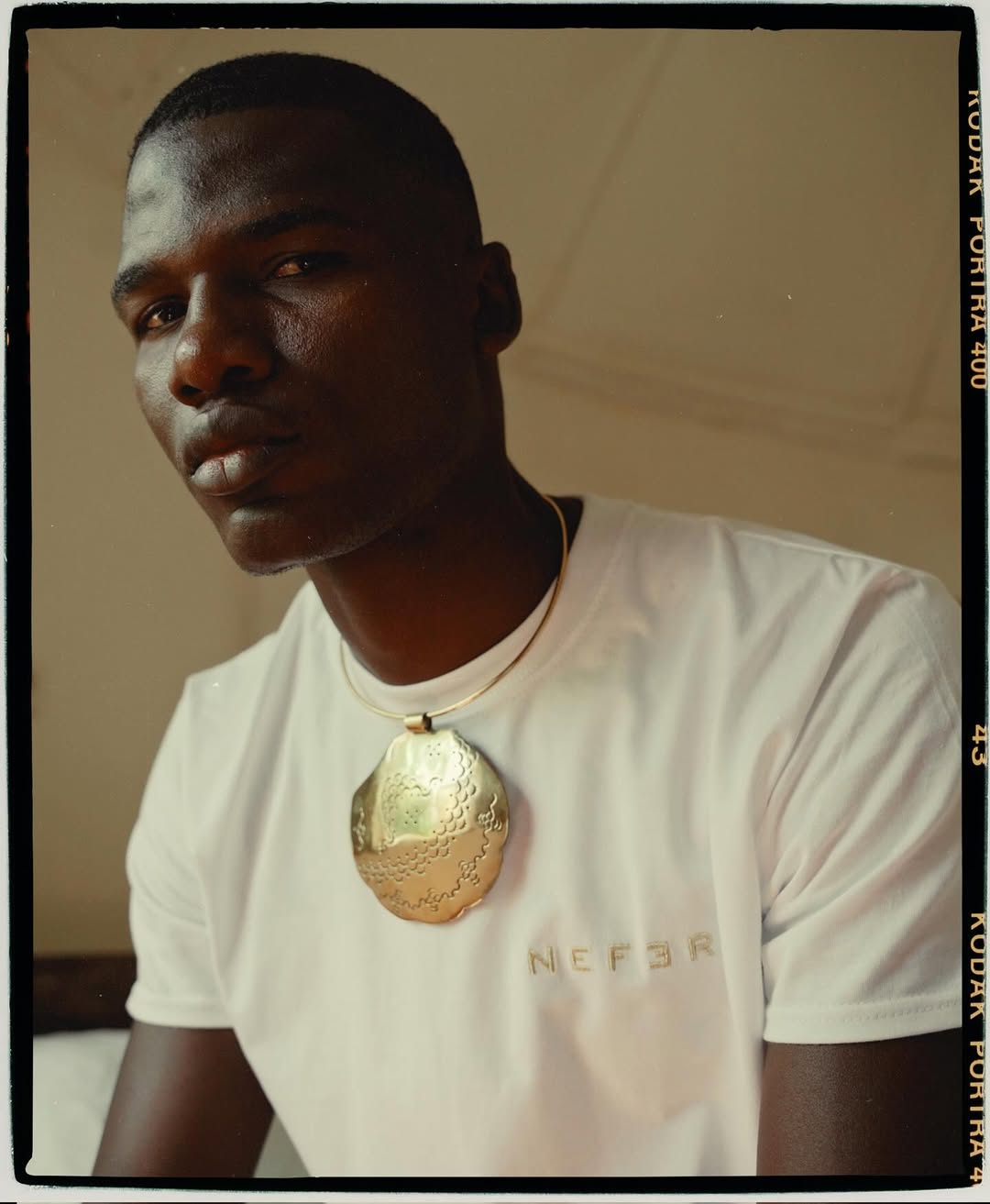
Daniel Tohou was born in Paris to a Beninese father and a Togolese mother. He grew up in Villiers-le-Bel, a suburb in the northern Val d’Oise department. His mother was a Nana Benz, one of the West African women who built substantial commercial enterprises around the trade of Dutch wax pagne, principally based in Lomé, Togo. The Nana Benz were not simply market traders. At their peak in the 1960s, 1970s, and 1980s, their commercial empires represented approximately 40% of Togo’s GDP. They held a monopoly on the distribution and sale of imported wax fabric across West Africa. Tohou grew up in a household where fabric was not background material. It was the basis of economic power.
He completed a BTS force de vente in 2002 and then pursued philosophy at the university level, obtaining both a licence and a master’s degree. While working as a sales representative in telecommunications, he began wearing tailored suits and found himself drawn to the craft of tailoring. He opened a small boutique in Paris selling Italian-style suits before deciding he wanted to understand how they were made. He enrolled at the Association Formation Tailleur (AFT), the institution he describes as the only school in France training in the full tailoring craft: measurement, pattern-cutting, fitting, and hand construction.
After completing the AFT programme, Tohou trained at several prestigious Parisian tailoring houses. He undertook a 10-month internship at Lanvin and also trained at Camps de Luca, one of Paris’s most established bespoke houses. In 2012, he secured a full artisan tailleur contract at Francesco Smalto, the Italian-born Paris couturier whose house is one of the defining names in French luxury menswear. He spent approximately a decade across these houses. His own description of that decade on neferlabs.com is precise: he observed how they worked, the pursuit of excellence, and the unique image each house maintained with its clients.
Why NEFER: The Meaning Behind the Name
The name NEFER is a deliberate act of cultural positioning. In ancient Egyptian, nefer means “beautiful” and “perfect“. It appears thousands of times in hieroglyphic inscriptions, in the names of queens, in the formulae for blessings and offerings. It is the pre-colonial African civilisation’s own language applied to the concept of beauty. For a Franco-Beninese tailor working in the most prestige-conscious corner of the European fashion industry, naming his house NEFER is a statement: the standard of beauty and perfection I am working toward is not of European origin. It is African.
The title of NEFER’s first collection in 2014, The Harlem Renaissance, reinforces this positioning from a different angle. The Harlem Renaissance of the 1920s and 1930s was an African-American cultural movement in which Black artists, intellectuals, musicians, and writers claimed the full authority of their creative tradition against a culture that denied them status. The collection’s title is not a reference to American geography. It is a reference to a historical moment when Black people collectively decided that their aesthetic and intellectual production was authoritative. Tohou’s tailoring practice makes the same claim in fabric.
The brand’s operational description is equally deliberate. NEFER Couture is a maison de grande mesure pour homme, a house of bespoke menswear. The phrasing is the language of French luxury tailoring. The content is African. The house blends Parisian masculine elegance, the tradition of the artisan-tailor, and the creativity of African fabrics. In a field where African designers are consistently positioned as emerging, NEFER’s framing claims co-equal status with the Parisian houses where its founder trained.
The Craft: What Bespoke Means at NEFER
Every NEFER garment is hand-sewn. The fabrics are selected for their quality and are 100% natural, with no polyester or synthetic material. The cuts, as described by the Kodd Magazine profile, are designed to follow the curves of the male body so that the suit functions as a second skin. The interlining is fully hand-padded, as in the great London and Italian tailoring traditions. The jackets are fully lined. Every technical element of the garment is executed to the standard that Tohou learned at Smalto and Lanvin.
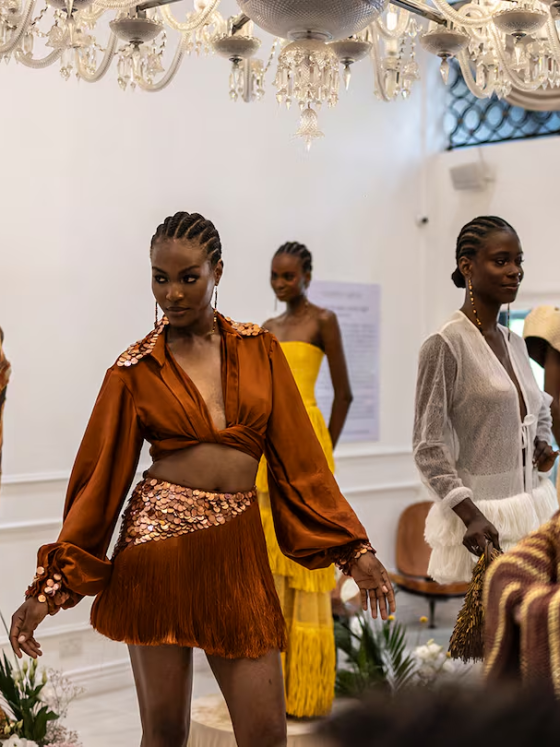
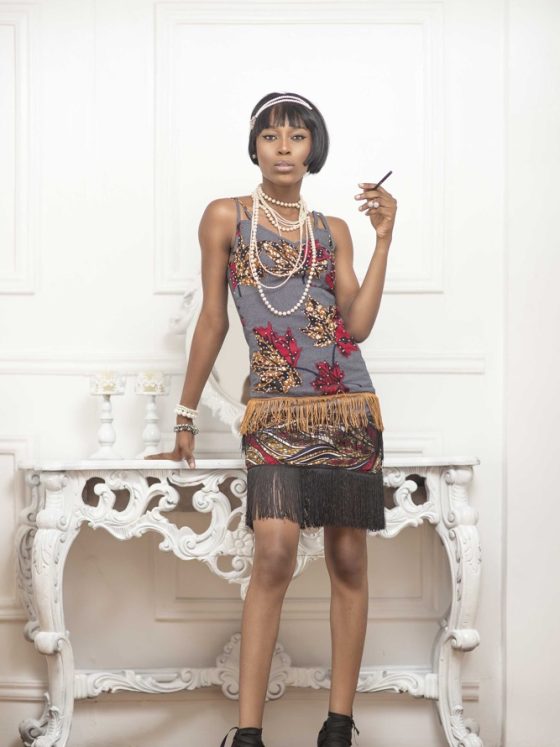
What distinguishes NEFER from those houses is not a departure from this standard but an addition to it: the creative materials are African. Wax print, kanvô-derived fabrics, and African textile references are incorporated into garments that are technically identical in their construction to the finest Parisian bespoke work. The idea of African fabric being incompatible with luxury tailoring construction is exactly the assumption NEFER exists to disprove.
Tohou cites Ozwald Boateng, the British-Ghanaian tailor who pioneered the integration of African colour and pattern into Savile Row construction, as his primary icon. Boateng’s significance is not only aesthetic. He was the first tailor to stage a catwalk show during Paris Fashion Week in 1994, and he did so while working from a tradition that the Savile Row establishment did not initially take seriously. The parallel with Tohou’s own position is precise: a Black tailor trained in the European tradition who uses that training to make an argument about African identity that the European institutions are structurally resistant to hearing.
The Continental Expansion: Abidjan, Cotonou, and the Return
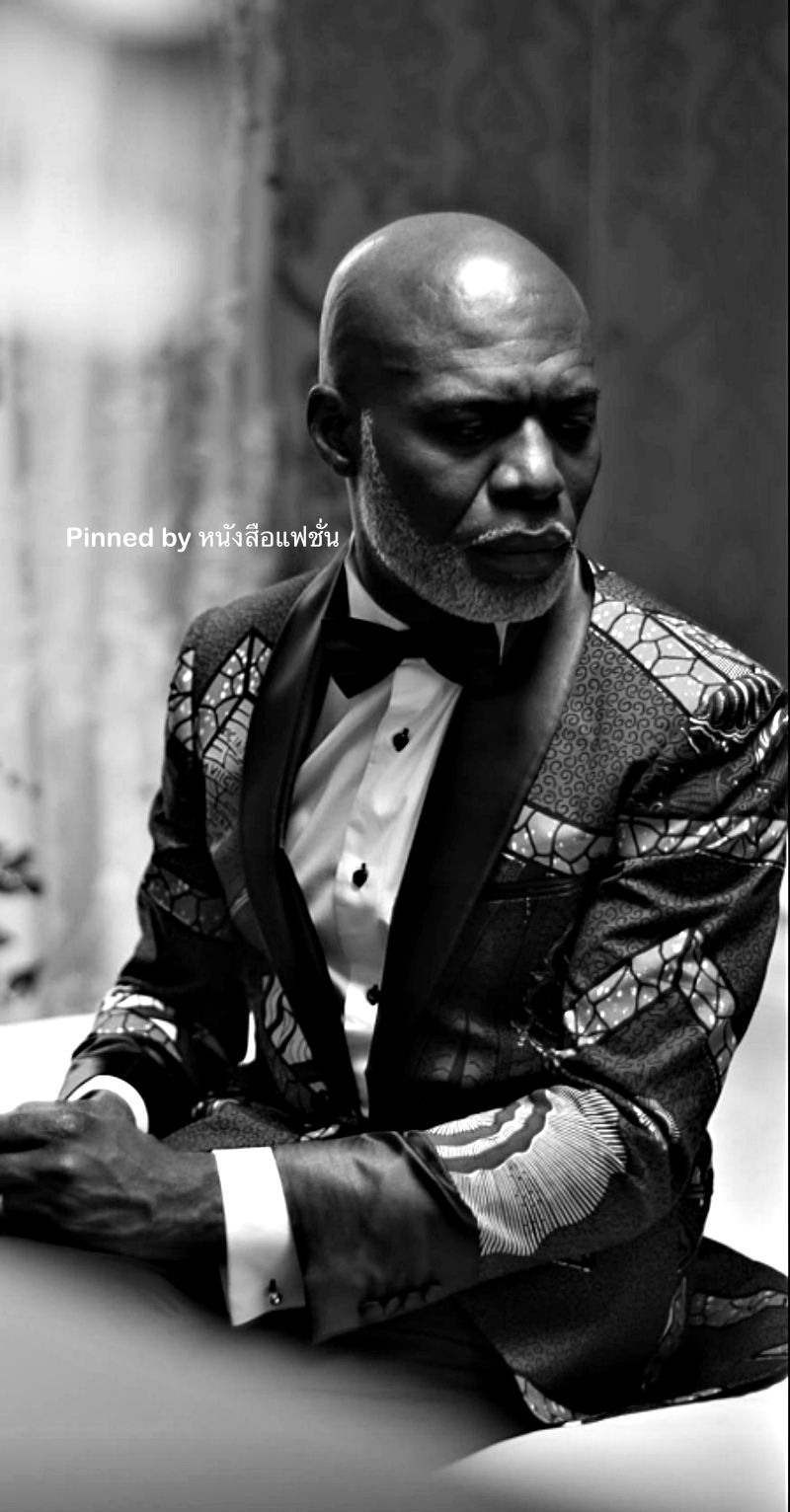
In October 2022, Tohou hosted his first trunk show on the African continent at the Sofitel Hôtel Ivoire in Abidjan, Ivory Coast, presenting more than 3,000 high-quality fabric options for bespoke commissions. This was not a press event or a brand awareness exercise. It was a commercial operation: clients came, handled the fabrics, specified their requirements, and commissioned pieces. The trunk show format allows a house without a permanent presence in Abidjan to serve West African clients directly. The scale of the fabric selection, over 3,000 options, signals that this is a serious bespoke operation, not a promotional pop-up.
The return to Benin was more fundamental. In 2019, Tohou moved to Cotonou, a decision he describes as a return to his country of origin. In his own words from neferlabs.com: “En 2019, j’ai décidé de rentrer dans mon pays d’origine, le Bénin, où un nouveau souffle créatif m’a amené à aider ceux qui en avaient besoin.” In 2019, I decided to return to my country of origin, Benin, where a new creative breath led me to decide to help those who needed it.
This is the language of return, not of diaspora engagement. Tohou did not open a Cotonou satellite for a Parisian house. He moved, with his skills, his network, and his decade of luxury-house experience, to a country whose fashion ecosystem is in the early stages of building the infrastructure he spent a decade working within. The NEFER LABS creative direction and brand storytelling agency he launched in Cotonou is an extension of this: putting the creative and visual production knowledge he built at NEFER Couture at the service of the broader Beninese creative industry.
ALSO READ
- FARE: The Cotonou Brand That Started in a Tech Hub and Ended Up in Paris
- Benin Fashion Month: The Government-Backed Festival Quietly Reshaping West African Fashion
- Kanvô: Benin’s Royal Handwoven Fabric, Fully Explained
NEFER LABS: From Tailoring House to Creative Agency
NEFER LABS, launched after Tohou’s return to Cotonou in 2019, operates as a creative direction and brand storytelling laboratory. As he describes it on neferlabs.com, he spent ten years in luxury houses observing how they operated, the excellence of their craft, and, above all, the unique image they maintained with their clients. He built NEFER COUTURE as his own experimentation in storytelling, branding, and visual production, creating some of the most impactful brand campaigns of their era. What he wants to convey to Beninese brands and young creatives through NEFER LABS is exactly what he himself lived through: how to translate creative vision into image, with small or large budgets, and always produce something that communicates.
This is a specific kind of return. It is not a fashion designer coming home to open a boutique. It is a creative practitioner with a decade of luxury house experience and a decade of independent brand-building experience, returning to put that compound knowledge into the service of an ecosystem that needs it. Benin’s fashion sector has its designers. It is building its infrastructure. NEFER LABS offers creative production and storytelling expertise that turns a brand’s identity into an image that travels internationally.
The dual operation, NEFER Couture for bespoke commissions and NEFER LABS for creative direction, reflects the same logic that runs through Tohou’s entire career: the craft and the image are inseparable. A suit that is constructed to the standard of Smalto and Lanvin, made from African fabrics, photographed and filmed with the visual intelligence of someone who has built campaigns at that level, and shown to clients who can hold the fabric and feel the construction, is not an emerging product. It is an established one, operating to international standards, from Cotonou.
What NEFER Argues About African Luxury
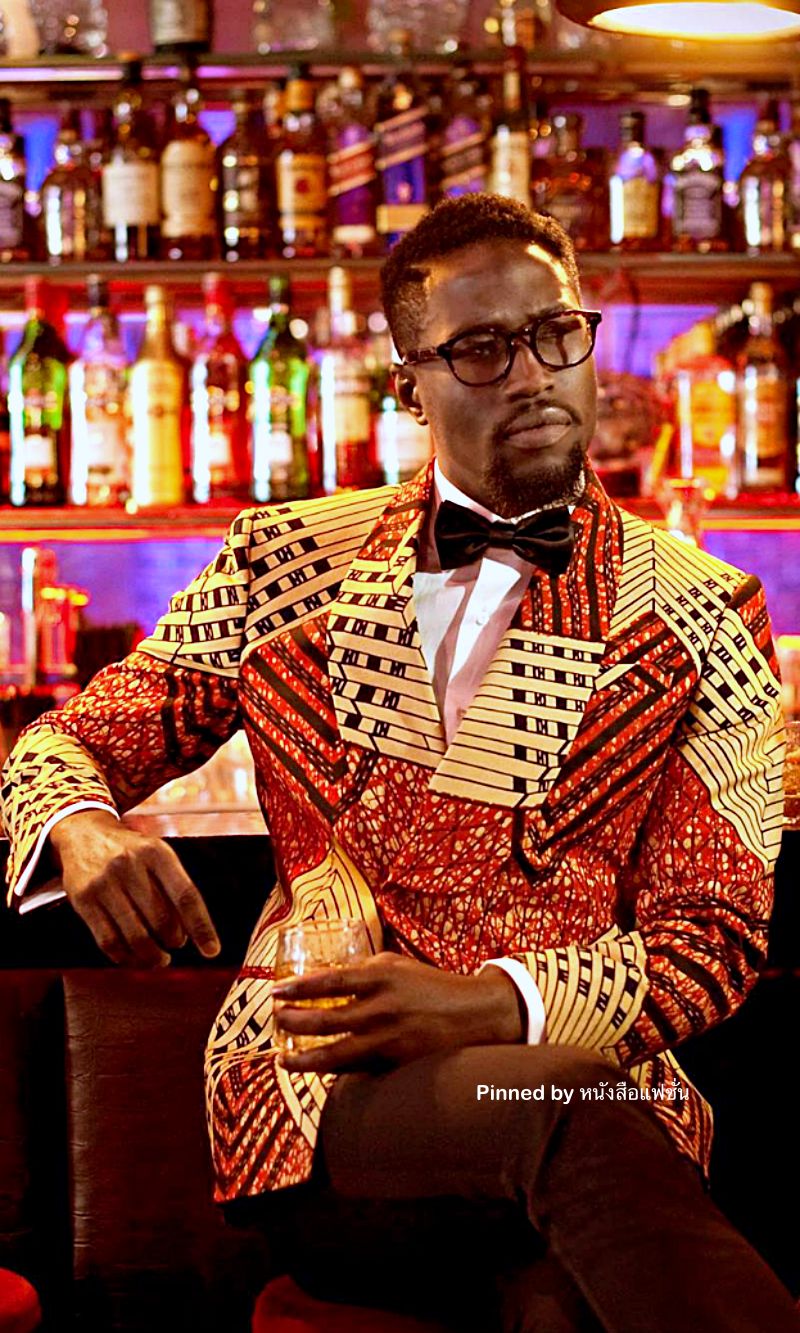
The question NEFER poses to the international menswear industry is not whether African tailoring can meet European standards. Tohou’s training answers that question before it is asked. The question NEFER poses is more fundamental: why should European tailoring standards be the measure at all?
The house’s name is ancient Egyptian. Its first collection referenced an African-American cultural movement that refused European aesthetic authority. Its founder’s mother was a Nana Benz, a West African businesswoman whose economic authority stemmed from controlling the fabric trade. Its construction methods match anything on Savile Row or Rue du Faubourg Saint-Honoré. Its creative materials are African. Every element of NEFER is a refusal of the assumption that African and luxury are in tension. That refusal is not a marketing position. It is the content of the garments themselves.
English-language fashion media has produced near-zero editorial coverage of NEFER Couture. The French-language regional press has covered the trunk show and the Cotonou operation. The Musée de l’histoire de l’immigration in Paris has profiled Tohou as part of its documentation of Franco-African creative practitioners. The gap between that record and the international coverage the house deserves is the same; this series is here to close it.
“Daniel Tohou is not a Beninese designer who made it in Paris. He is a Parisian-trained master tailor who returned to Benin and built a creative laboratory there. The direction of movement matters. Paris was his training ground. Cotonou is where he chose to work.”
Frequently Asked Questions
Who is Daniel Tohou?
Daniel Tohou is a Franco-Beninese master tailor and the founder of NEFER Couture. Born in Paris to a Beninese father and a Togolese mother, he grew up in Villiers-le-Bel in the northern suburbs of Paris. He trained at the Association Formation Tailleur (AFT), the only school in France that trains in the full craft of tailoring, and subsequently spent approximately 10 years working at Parisian luxury menswear houses, including Francesco Smalto, Lanvin, and Camps de Luca. In 2013, he founded NEFER Couture, and in 2019, he relocated to Cotonou, Benin Republic, where he also runs NEFER LABS, a creative direction and brand storytelling agency.
What is NEFER Couture?
NEFER Couture is a Paris-based bespoke menswear house founded by Daniel Tohou in 2013. Its first collection, titled Harlem Renaissance, was presented in 2014. The name NEFER comes from the ancient Egyptian word meaning “beautiful” and “perfect”. The house blends Parisian masculine tailoring construction with African fabrics and creative references. Every garment is hand-sewn from 100% natural materials. The house operates between Paris and Cotonou, Benin.
What is NEFER LABS?
NEFER LABS is a creative direction and brand storytelling agency launched by Daniel Tohou in Cotonou, Benin Republic, after his return to Benin in 2019. It offers brand identity development, visual production, and campaign creation for brands and young creatives in Benin and the broader African creative industry. It operates as a laboratory applying the creative and visual production knowledge Tohou built through ten years of luxury house work and NEFER Couture’s own brand campaigns.
What is the significance of the Nana Benz in Daniel Tohou’s story?
Tohou’s mother was a Nana Benz, one of the West African women who built commercial empires around the trade of Dutch wax pagne in Lomé, Togo. At their peak in the 1960s-80s, the Nana Benz controlled the distribution of wax fabric across West Africa, and their enterprises represented approximately 40% of Togo’s GDP. Growing up in a household where fabric was the basis of economic power gave Tohou an early and specific understanding of what fabric means in West African society. This heritage runs through NEFER’s use of African textiles and the house’s understanding of fabric as a form of cultural authority.
Why did Daniel Tohou return to Benin?
In 2019, Tohou decided to return to Benin, which he describes as his country of origin. In his own words, a new creative breath led him to decide to help those in need. He launched NEFER LABS in Cotonou to put his decade of luxury-house experience and brand-building expertise at the service of Beninese brands and young creatives. NEFER Couture continues to operate bespoke commissions from Cotonou, with periodic trunk shows in West African cities, including Abidjan.
Who is Ozwald Boateng, and why does Daniel Tohou cite him?
Ozwald Boateng is a British-Ghanaian fashion designer born in London in 1967, the son of Ghanaian immigrants, who pioneered the integration of African colour and bold patterns into Savile Row bespoke tailoring. He was the first tailor to stage a catwalk show during Paris Fashion Week in 1994. Tohou cites Boateng as his primary inspiration because Boateng did for African aesthetic authority within European tailoring what Tohou is attempting through NEFER: demonstrating that the African creative tradition is not subordinate to the European one, and that the two can coexist at the highest level of craft.
Explore more from our Industry section, where Beninese fashion practitioners are profiled with the depth and precision their work demands.