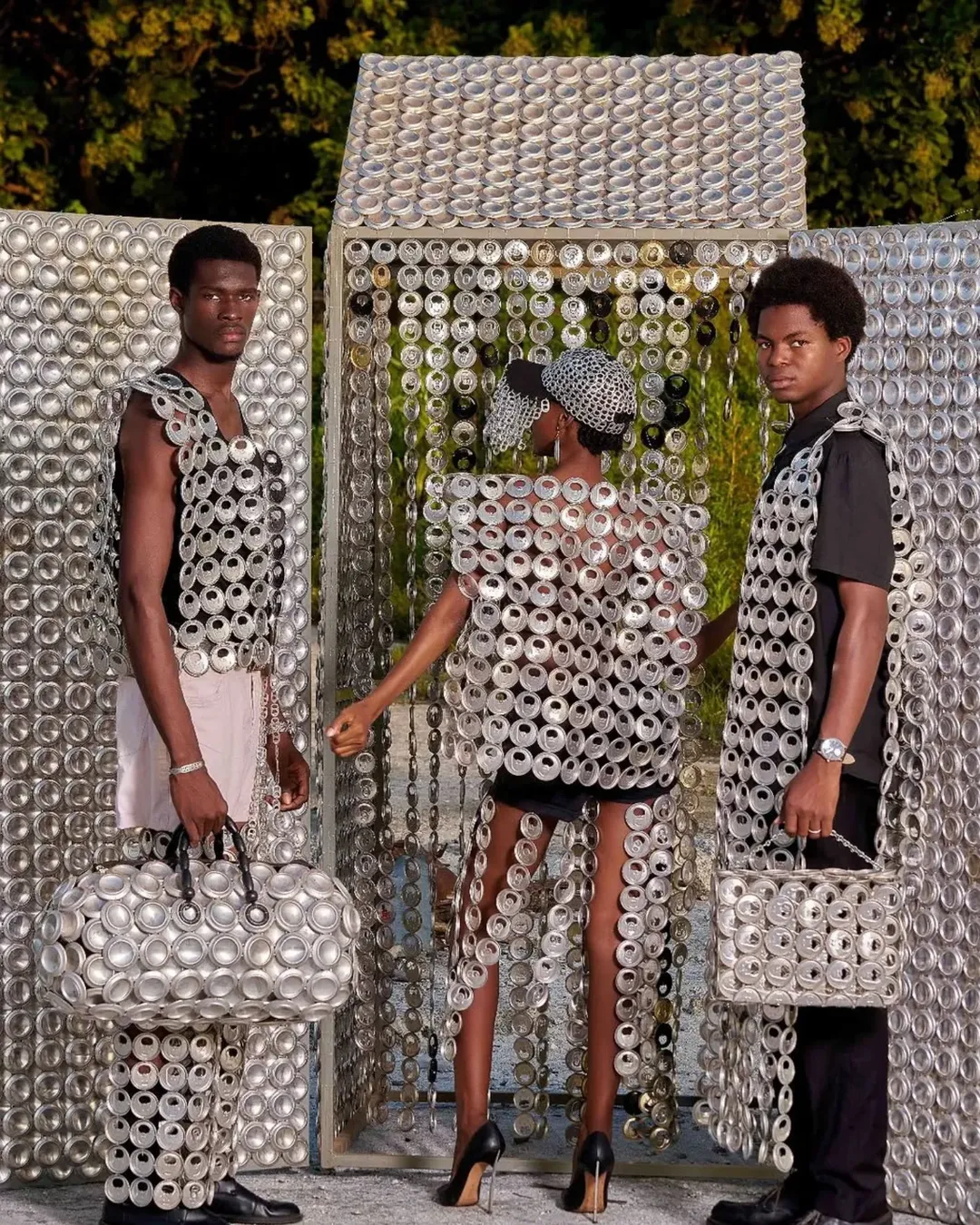
The English-language fashion record for the Benin Republic is sparse. What exists is largely confined to UNESCO listings, brief ethnographic descriptions of Gelede and Egungun, and occasional references to the country’s cotton production statistics. The practitioners building a contemporary fashion identity for the country, from Parakou in the north to Cotonou’s innovation hub to Paris-based creative studios with Beninese roots, have been working largely without the editorial coverage their practice warrants.
This article documents who they are in 2026: the established designers who have been building since before the ecosystem had infrastructure, the new names that the ecosystem’s recent institutional development has made possible, and the brands operating at the intersection of Beninese material culture and international creative influence. It is not a comprehensive directory. It is an editorial record of the practitioners whose work is documented, verifiable, and significant to the understanding of Beninese fashion in 2026.
The Omiren Argument: Made in Benin is not a marketing category. It is a creative position held by practitioners who have chosen to build from within a specific material culture, geographic context, and history. What they make is already international. What it needs is a record that matches the ambition.
From waste-metal couture to kanvô revival and Franco-Beninese creative studios, here are the designers from the Benin Republic defining Made in Benin in 2026.
President Djangoun: The Man Turning Parakou’s Waste into Wearable Art
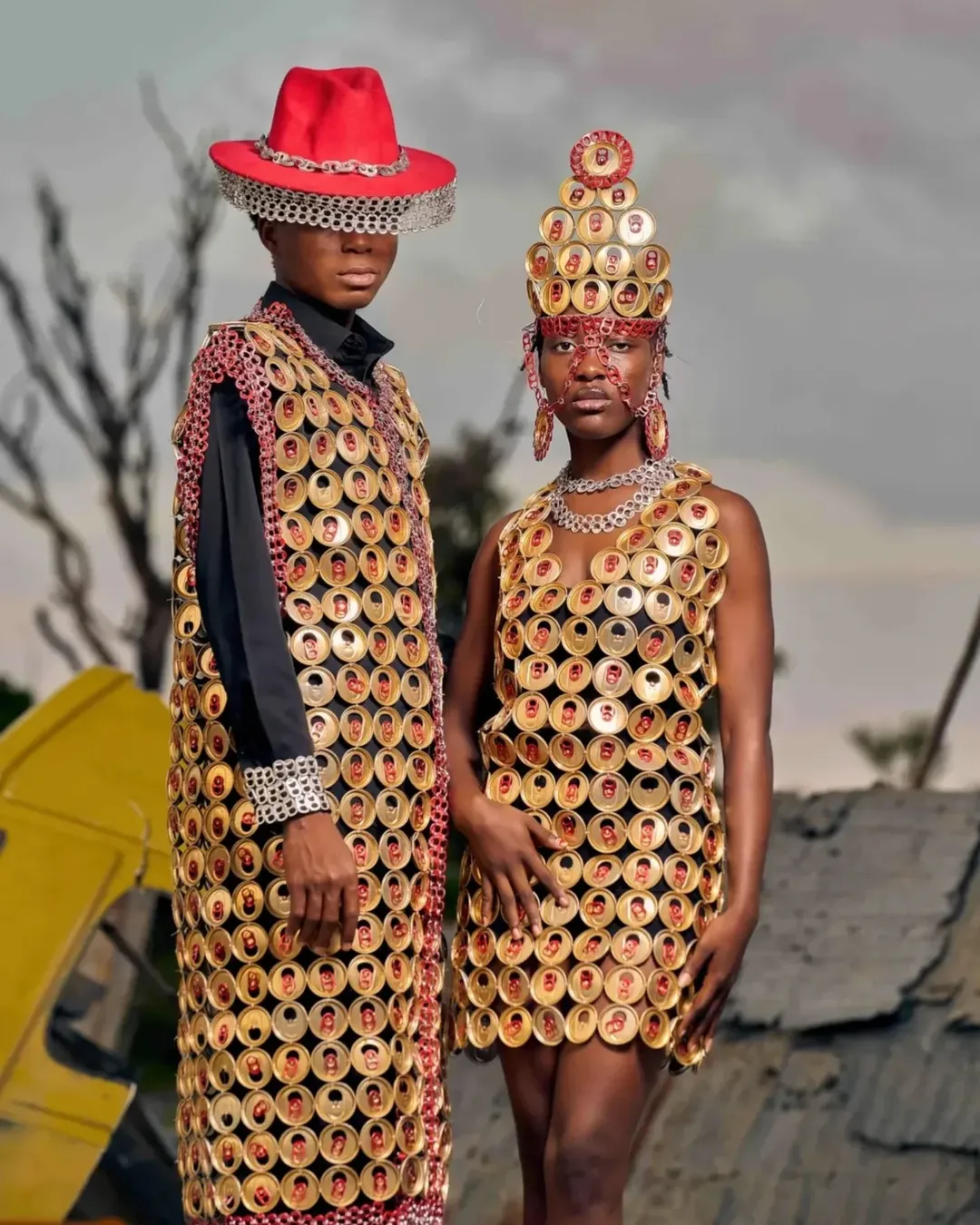
Roberto Zinli, known throughout Benin and increasingly across West Africa as Président Djangoun, builds garments from recycled aluminium cans, batteries, bottle caps, and waste metal. He has been doing this since January 2025, and individual videos documenting his work have attracted over ten million views. In September 2025, France 24 dedicated a profile to him, describing him as a Beninese style icon setting standards for fashionistas across the continent and beyond, with award-winning, handmade outfits.
Djangoun, the name, is significant: it alludes to clothes sewn bespoke, haute-mesure, on demand. The name announces the practice before the garment is seen. What the practice produces is something the fashion industry lacks a ready category for: futuristic garments made from industrial waste, constructed with artisanal precision, worn as statements about what “luxury” and “made by hand” can mean when the raw material is the discarded infrastructure of everyday Beninese life.
Roberto Zinli is originally from Abomey and has been based in Parakou since the 2000s, where he completed his university studies in marketing and action commerciale before founding the Institut Djangoun Décor, a professional training institute covering events, culinary arts, and decoration. The fashion practice is an extension of the same creative logic: building something specific and unexpected from whatever is available. His message to young African talent is worth recording directly: the rarity makes the difference. Do not do what everyone else does. If you can do otherwise, do it.
The France 24 profile in September 2025 is the first major international press coverage Président Djangoun has received. It will not be the last. His video reach, visual distinctiveness, and material philosophy constitute a specific and unrepeatable creative voice that has no equivalent in the Beninese fashion ecosystem or, as far as can be determined, anywhere else in West Africa.
Esthet. Studio: The Franco-Beninese Laboratory
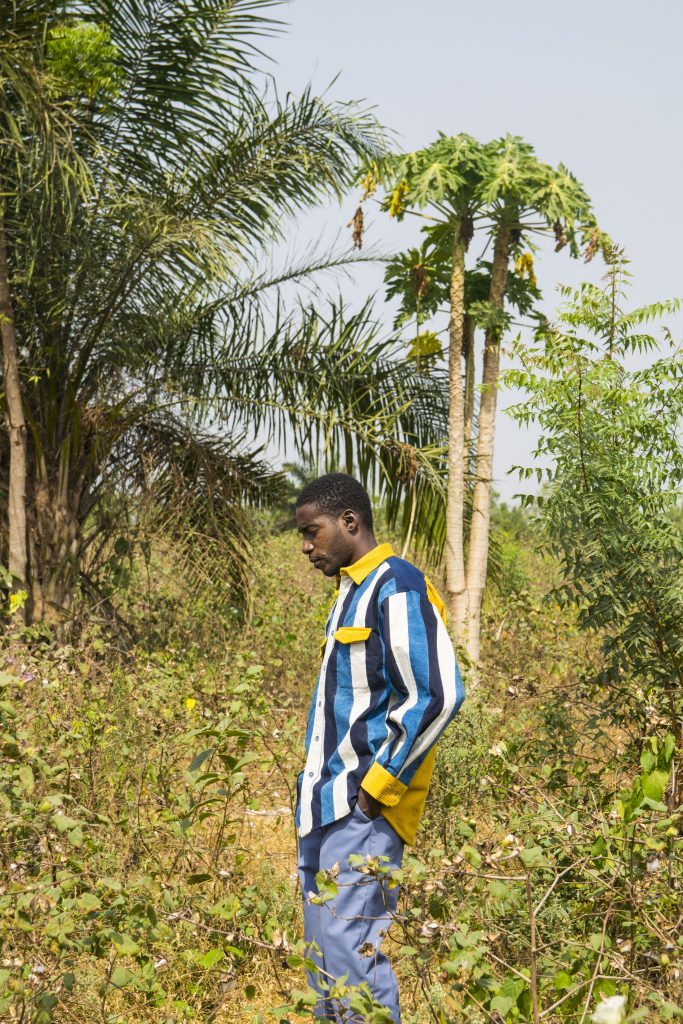
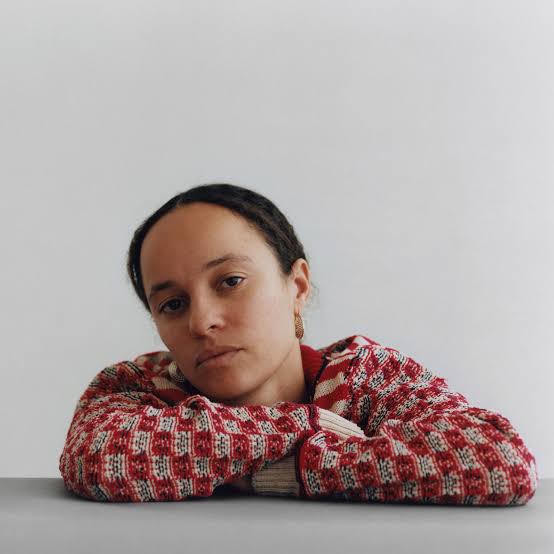
Faoussiyath Moustapha-Soulé, known professionally as Faou Soulé, is the founder and creative director of Esthet. Studio is a creative platform that operates between Paris and Cotonou. She trained at the Institut Français de la Mode and describes Esthet. Studio as a laboratory and playground for her thinking and research in real time: ready-to-wear collections combined with the curation of artistic projects conducted in collaboration with young African avant-garde practitioners across fashion, contemporary art, and music. The brand is made between Benin and Europe, a phrase that describes not only the production geography but the cultural position: neither purely French nor purely Beninese, but specifically the product of both.
The IFM Alumni network featured Esthet. Studio is featured in the Institut Français de la Mode’s December 2021 Advent Calendar as one of the notable brands founded by Institut Français de la Mode graduates. The description at the time positioned it as a brand whose multicultural ideal was expressed through garments made between Benin and Europe. In the years since, Faou Soulé has continued developing the studio’s positioning at the intersection of African creative culture and European fashion industry infrastructure.
What Esthet. Studio’s representation in the Beninese fashion ecosystem is a specific kind of operator: someone whose training is European, whose creative roots are Beninese, and whose work is deliberately positioned between those two contexts. This is a different creative position from FARE (which builds outward from Beninese material culture) or NEFER Couture (which brings Parisian tailoring craft into dialogue with African identity). Esthet. Studio is interested in the alternative African creative scene itself, curating it as much as producing for it.
The Established Names: What They Have Built and Where They Stand
The designers who have been building Beninese fashion’s contemporary infrastructure over the past decade now constitute a documented ecosystem. Elvira Akplogan of LOAN-H has clients in more than 40 countries and has built a 100% Beninese production unit for kanvô. Peter Toni-Basengula of FARE showed an exclusive capsule collection at La Nuit de la Mode 2025 after completing the FLY incubator programme. Daniel Tohou’s NEFER Couture is producing bespoke menswear in Cotonou that is technically equivalent to the Paris houses where Tohou trained. Lolo Andoche, with more than three decades in Beninese ready-to-wear and a specialism in kanvô, has been the godfather of Benin Fashion Month and a patron of SOB Fashion Week.
These names have been covered in depth across this series. What matters for this article is how they collectively constitute an ecosystem rather than a collection of individual practices. LOAN-H provides a kanvô market and a Programme Lumière platform for emerging designers. FARE provides a model for how Sèmè City’s FLY incubator can accelerate a brand from R&D to international visibility. NEFER LABS provides creative direction expertise to Beninese brands in need. Lolo Andoche provides institutional continuity across three decades of Beninese fashion history. The ecosystem is interlocked in ways that are rarely visible from outside it.
The FInAB Generation: Isabelle Egin, Rolande Houvo, Rebecca Houénou
The fourth edition of the Festival International des Arts du Bénin in February 2026 introduced three names who will shape the discussion of Beninese fashion’s next chapter. Isabelle Egin won the jury prize with Ecological Splendour, a kanvô collection framed as a collision between art, fashion, and politics. Rolande Houvo won third prize with Blossoming, built from discarded straw strands from Ganvié’s worn-out raffia hats. Rebecca Houénou, aged 17, won the grand prize with Todagbé, using beach plastic and seashells as a manifesto for ocean conservation.
All three are at the beginning of their public profiles. Their significance to the 2026 landscape lies not in what they have already produced but in what their work signals: a generation of Beninese designers who have grown up within a fashion ecosystem with institutional infrastructure, who understand that fashion is an argument, and who are making that argument from specifically Beninese material culture. The FinAB competition gave them a jury chaired by Alphadi. What they do next depends on what the ecosystem develops around them.
ALSO READ
- Benin Fashion Month: The Government-Backed Festival Quietly Reshaping West African Fashion
- FARE: The Cotonou Brand That Started in a Tech Hub and Ended Up in Paris
- Elvira Akplogan and LOAN-H: Bringing Kanvô Back to the World Stage
Emerging Voices: BAI Gallery and NOVA BREED ADVENTURE
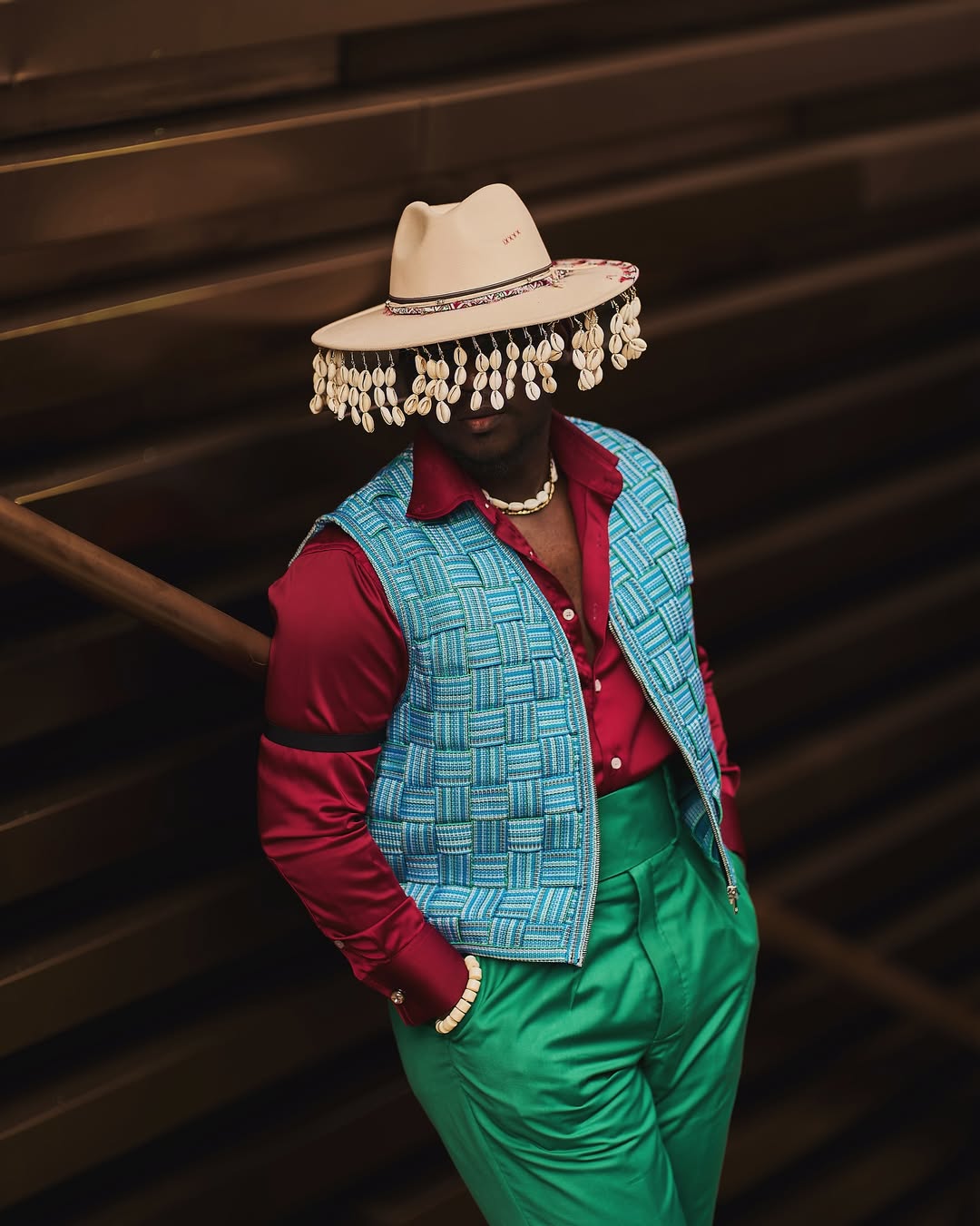
Two names from within the Cotonou creative scene represent the ecosystem’s less-documented emerging layer. BAI Gallery, founded by Bermine Kikisagbe, works with Dotokan, a traditional thread historically used to draw water from wells, repurposed into contemporary garments. The practice is a variation of the material reclamation argument that runs through the Fin-de-Siècle generation’s work: taking a material with a specific local function and history, and asking what it becomes when placed in a different cultural context.
NOVA BREED ADVENTURE, the label of Cotonou-based designer Osmy Gangnon, works across lifestyle, streetwear, and tailoring for the Cotonou urban market. Where FARE and LOAN-H are building international clientele through specific material culture arguments, NOVA BREED ADVENTURE is building for the city it lives in: the young Cotonouais professional and creative who wants contemporary dress that is specifically Beninese in its cultural references without requiring ceremonial context to wear.
Both brands are in the early stages of documented visibility. Their inclusion here is not a claim about what they will produce but a recognition that the Beninese fashion ecosystem in 2026 is broader than its most internationally visible names, and that the editorial record of that ecosystem should extend beyond the brands that have already found their way into press coverage.
ACMB: The Institution Behind the Ecosystem
None of the above names operates in isolation from the Association des Créateurs de Mode du Bénin (ACMB), the designers’ association that has been the sector’s institutional backbone since its founding in 2016. In March 2026, ACMB elected a new bureau with Jerry Sinclair Aguénoukoun as president. Sinclair is simultaneously the artistic director of La Nuit de la Mode at Benin Fashion Month, a member of the jury that described FARE as “a brand with spirit,” and now the head of the body responsible for representing Beninese designers’ professional interests at the national level. His election consolidates a specific creative and institutional vision for what Beninese fashion should become: professionally structured, creatively ambitious, and internationally positioned.
ACMB’s five strategic priorities for 2026 reflect the ecosystem’s current stage: structuring professional frameworks for designers, supporting emerging talent, advocating for Made in Benin labelling, building international partnerships, and deepening the connection between the artisan sector and the designer community. These are the priorities of a sector that has built its creative infrastructure and is now building the institutional infrastructure that will allow that creativity to operate at scale.
The designers and brands in this article are all operating within this institutional context, whether or not they are directly affiliated with ACMB. The ecosystem they are building in is one that Benin Fashion Month, ACMB, the FLY incubator, Sèmè City, GDIZ, and the government’s cultural labelling programme have collectively made more supportive than it was five years ago. What they do with that support is the story that 2026 and beyond will tell.
“Made in Benin is not a marketing category. It is a creative position held by practitioners who have chosen to build from within a specific material culture, geographic context, and history. What they make is already international. What it needs is a record that matches the ambition.”
Frequently Asked Questions
Who are the most notable fashion designers from the Benin Republic in 2026?
The most documented Beninese fashion designers in 2026 include: Roberto Zinli (Président Djangoun), who builds futuristic garments from recycled aluminium cans, batteries, and waste metal in Parakou; Elvira Akplogan of LOAN-H, who produces contemporary kanvô-based collections with clients in 40+ countries; Peter Toni-Basengula of FARE, whose artisan-sourced sustainable fashion showed at Benin Fashion Month 2025; Daniel Tohou of NEFER Couture, a Parisian-trained master tailor building bespoke menswear between Paris and Cotonou; Lolo Andoche, with over three decades in Beninese ready-to-wear; and the FInAB 2026 competition winners Isabelle Egin, Rolande Houvo, and Rebecca Houénou.
What is Président Djangoun known for?
Président Djangoun is the professional name of Roberto Zinli, a Beninese creative based in Parakou. He builds garments from recycled materials, including aluminium cans, batteries, and bottle caps, creating futuristic, handmade outfits that have attracted over 10 million individual video views online. France 24 dedicated a profile to him in September 2025, describing him as a Beninese style icon setting standards across the continent. His stated philosophy: rarity makes the difference; do not do what everyone else does.
What is Esthet. Studio?
Esthet. Studio is a Franco-Beninese creative studio founded and directed by Faou Soulé (Faoussiyath Moustapha-Soulé), an Institut Français de la Mode alumna. It produces ready-to-wear collections and curates artistic projects in collaboration with young African avant-garde practitioners across fashion, contemporary art, and music. The brand is made in Benin and Europe, reflecting its founder’s position at the intersection of French fashion-industry training and Beninese cultural roots.
What is ACMB, and why does it matter for Beninese fashion?
ACMB (Association des Créateurs de Mode du Bénin) is the designers’ association founded in 2016 that serves as the professional backbone of Benin’s fashion sector. It co-delivers activities at Benin Fashion Month, advocates for Made in Benin labelling and professional frameworks, and connects the artisan sector to the designer community. In March 2026, Jerry Sinclair Aguenoukoun was elected president. His five strategic priorities for 2026 include structuring professional frameworks, supporting emerging talent, building international partnerships, and deepening artisan-designer connections.
What fashion infrastructure exists to support emerging Beninese designers?
Emerging Beninese designers in 2026 have access to the FLY incubator (Fashion Led by Youth), a 12-month programme run by Sème City with France’s Institut Français de la Mode and the World Bank, which graduated its first cohort of 19 brands in June 2025; the FInAB competition platform at the Festival International des Arts du Bénin; Benin Fashion Month’s La Nuit de la Mode runway; ACMB’s professional support structures; LOAN-H’s Programme Lumière mentorship and materials access; and the GDIZ cotton-to-garment industrial infrastructure for supply chain access.
How does the Beninese fashion ecosystem connect to international markets?
Beninese fashion connects to international markets through multiple routes. LOAN-H has clients in 40+ countries via direct digital sales. FARE’s founder has stated plans for community-building in London, Amsterdam, and Paris, with a London test described as a success. NEFER Couture operates a trunk show model in West African cities and the Paris market. Benin took its designers to New York Fashion Week in September 2025. Esthet. Studio operates between Paris and Cotonou. The FLY incubator’s second cohort in 2026 adds a Paris immersion at the Institut Français de la Mode. These are not aspirations. They are documented activities.
Explore more from our Industry section, where Benin’s fashion practitioners are documented from the beginning of their public record to the present.