By midday in many African cities, Kano, Khartoum, Timbuktu, and Agadez, the sun does not merely shine; it presses. Heat settles into the earth, rises through stone and dust, and clings to the body. Long before air conditioning, synthetic fabrics, or climate-controlled spaces, people learnt to dress with heat rather than against it.
This knowledge did not emerge in isolation.
Over centuries, Arab societies across the Arabian Peninsula and North Africa developed clothing systems designed to withstand extreme temperatures, desert winds, and long journeys. These design principles arrived in Africa through trade, migration, scholarship, and Islamic life, where they underwent adoption, adaptation, and intense localisation.
As a writer deeply interested in Arabian and African fashion and lifestyle, I conducted research explaining how Arab clothing principles shaped African fashion.
In this article, you will understand how Arab design principles quietly shaped climate-smart African fashion, not as imitation or domination, but as shared environmental knowledge refined through African craftsmanship, lifestyle, and tradition. You will learn how heat, faith, hospitality, and daily life turned fashion into a form of climate technology across Afro-Arab societies.
Long before modern climate conversations, Arab and African societies mastered heat-ready dressing. Through trade and cultural exchange, flowing silhouettes, breathable fabrics, and sun-conscious designs shaped African fashion, which was both functional and expressive, where survival, style, and heritage met under the sun.
Understanding Climate-Smart Fashion Before Modern Terminology
What Does “Climate-Smart” Mean in Traditional Fashion?
Today, “climate-smart fashion” is often discussed in the language of sustainability, innovation, and technology. But historically, climate intelligence was embedded in form, fabric, and function.
In Arab and African traditions, clothing was expected to:
- Regulate body temperature
- Protect from sun, dust, and wind
- Allow airflow and movement
- Align with religious and social practices
- Last through repeated wear and repair
These needs shaped garments long before fashion became seasonal or trend-driven.
Arabian fashion traditions developed in some of the world’s harshest climates and offered practical solutions that African societies recognised as immediately applicable.
Arab Design Principles Born From Desert Life
Loose Silhouettes and the Science of Airflow
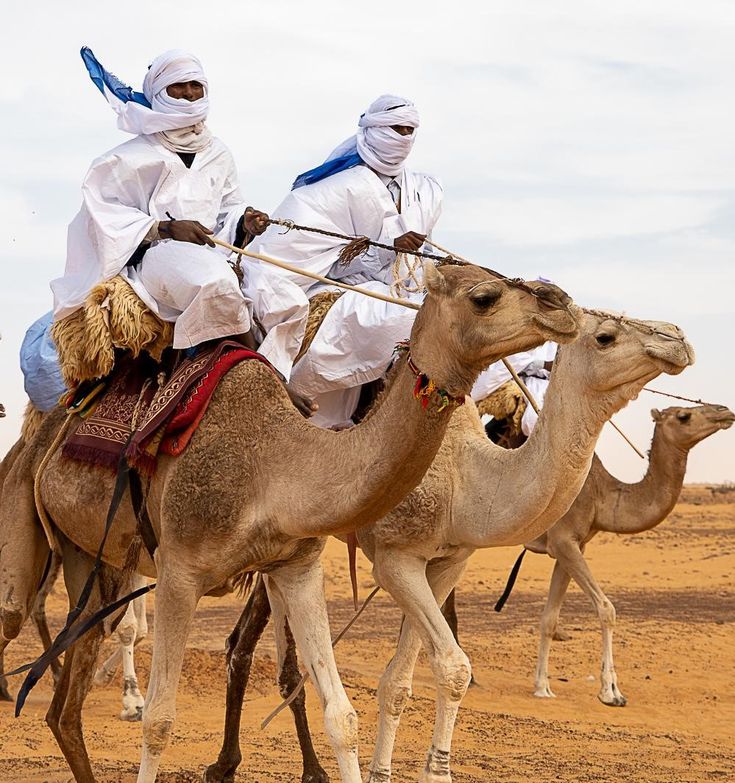
One of the most visible Arab contributions to climate-smart dress is the loose, flowing silhouette. Garments such as the thawb or jalabiya were not designed for aesthetics first, but for airflow.
Loose clothing:
- Allows heat to escape rather than trapping it
- Creates micro-ventilation as the wearer moves
- Protects skin from direct sun exposure
As these garments moved into African contexts, particularly in the Sahel and Sudanian region, they aligned perfectly with their local environmental realities. African tailors and fashion designers adopted similar cuts, widening sleeves, lengthening hems, and avoiding tight tailoring in hot seasons.
The result was the creation of African garments that appeared local but were designed based on shared Arab climate logic patterns.
Fabric Choices: Light, Breathable, and Honest
Arabian fashion traditions favoured natural fibres: cotton, linen, wool (used seasonally), and leather. These materials breathe, absorb moisture, and age gracefully.
In Africa, these principles merged with local textile knowledge:
- Hand-woven cotton in Hausaland
- Indigo-dyed fabrics in West Africa
- Lightweight woven cloths in East Africa
Rather than replacing African fabrics, Arab influence shaped how they were cut, layered, and worn. Heavy ornamentation was often reserved for ceremonial wear, while daily clothing prioritised breathability.
This balance between beauty and function remains a hallmark of Afro-Arab fashion today.
Trade Routes as Fashion Classrooms
The Sahara is a Corridor of Knowledge
The trans-Saharan trade routes did more than move salt, gold, and leather. They moved ideas.
Arab merchants, scholars, and travellers brought with them:
- Clothing suited for heat and travel
- Footwear designed for walking long distances
- Cultural norms around modesty and cleanliness
African societies were not passive recipients. They observed, tested, and modified these designs based on terrain, rainfall, and daily labour.
In cities like Timbuktu, Kano, and Zaria, clothing became a visual record of exchange, Arab in principle, African in expression.
Pilgrimage, Faith, and the Spread of Dress Codes
Islam played a central role in this fashion exchange. Pilgrimage routes to Mecca exposed African pilgrims to Arab dress norms, particularly clothing suited for ritual purity and ease.
Garments that were:
- Easy to remove before prayer
- Comfortable for long walks
- Modest yet practical
They were widely adopted across African Muslim societies. Over time, these styles became embedded in local rather than foreign tradition.
Footwear and the Logic of the Sandal
Open Feet and Cooler Bodies
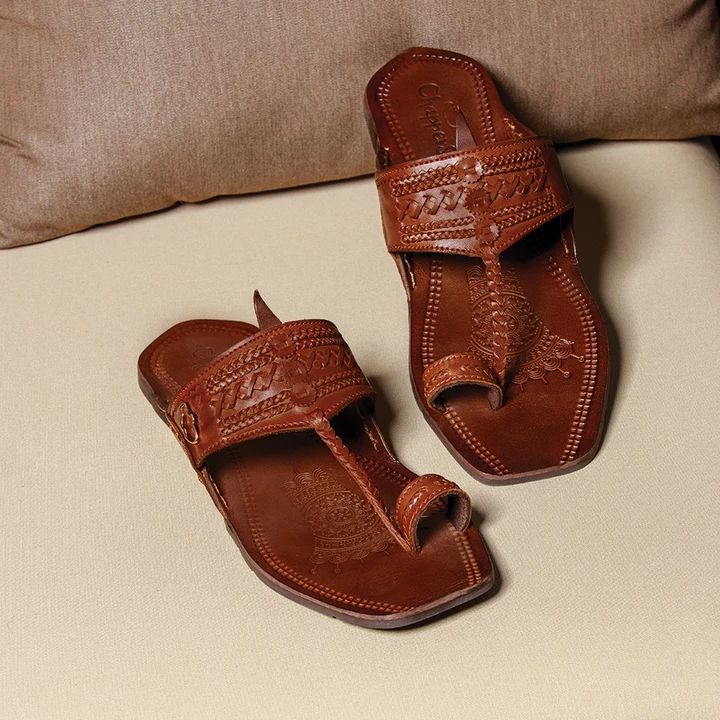
Arab sandals, simple, open, and leather-based, were designed for heat, dust, and movement. They allowed the feet to breathe and were easily removable for prayer.
When these designs entered African markets:
- Soles became thicker for rough terrain
- Stitching was reinforced
- Local leather replaced imported hides
The result was a distinctly Afro-Arab sandal tradition worn daily by traders, scholars, farmers, and elders. In markets like Kasuwar Kurmi in Kano, these sandals remain central to everyday life.
Hospitality, Lifestyle, and Dress
Arabian and African hospitality cultures share common values: openness, respect, and readiness to receive others. Clothing needed to move seamlessly between:
- Home
- Market
- Mosque
- Travel
Loose garments and sandals made this possible. One outfit could serve multiple social functions without change, an efficiency born of climate and lifestyle.
This practical elegance continues to define the aesthetics of Afro-Arab fashion.
RECOMMENDED:
- The Arabian Sandal and Its Quiet Influence on African Fashion
- The Dallah Coffee Pot: From Arabian Hospitality to Afro-Arab Home Décor Symbol
- Top Powerful Afro-Arab Fashion Symbols and Their Cultural Meanings
Modern Reflections: Why Afro-Arab Fashion Still Exists
In an era of fast fashion and synthetic fabrics, traditional Afro-Arab climate wisdom feels newly relevant. Designers across Africa are returning to:
- Loose tailoring
- Natural fabrics
- Minimal construction
What was once a necessity is now recognised as sustainable intelligence.
Dressing for heat was never about trend or prestige. It was about survival, dignity, and movement through the world.
Arab design principles offered solutions shaped by desert life. African societies refined those solutions through craftsmanship, tradition, and lived experience. Together, they created a fashion language that is quiet, intelligent, and enduring.
At Omiren Styles, we believe these stories matter not as nostalgia, but as lessons. They remind us that true style begins with understanding the land, respecting culture, and valuing knowledge passed hand to hand.
If you’re ready to go deeper into afro-arab fashion, discover the historical background and learn different styles. Continue exploring omirenstyles.com, your home for authentic African and Arabian fashion storytelling, where culture leads, and style follows.
FAQs
1. Did Arab fashion replace traditional African clothing?
No. Arab design principles influenced African fashion, but African societies adapted them using local materials, aesthetics, and cultural meanings.
2. Why are loose garments better for hot climates?
Loose garments allow airflow, reduce heat retention, and protect skin from direct sunlight, helping the body regulate its temperature naturally.
3. How did Islam influence African fashion?
Islam encouraged modesty, cleanliness, and practicality, shaping garment styles that were easy to wear, remove, and maintain in hot climates.
4. Are Afro-Arab fashion styles still worn today?
Yes. Many traditional garments and sandals remain part of daily life across North, West, and East Africa.
5. Is this fashion considered sustainable today?
Yes. Its reliance on natural fabrics, durability, and multi-use design aligns with modern sustainability principles.