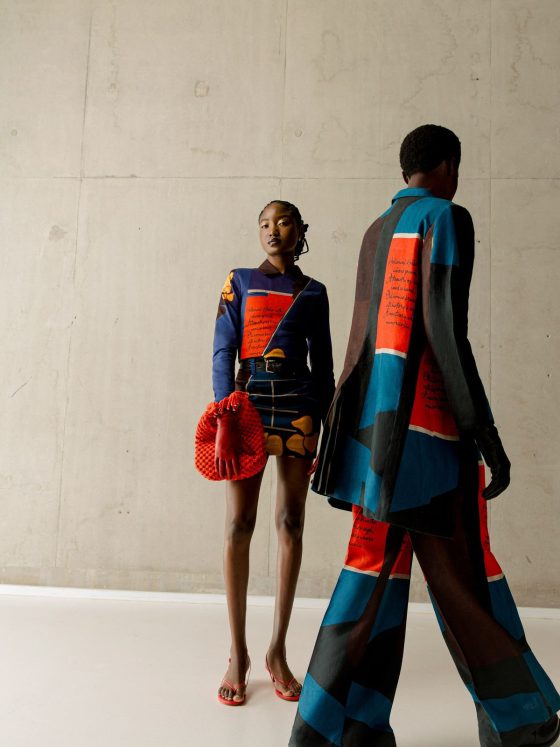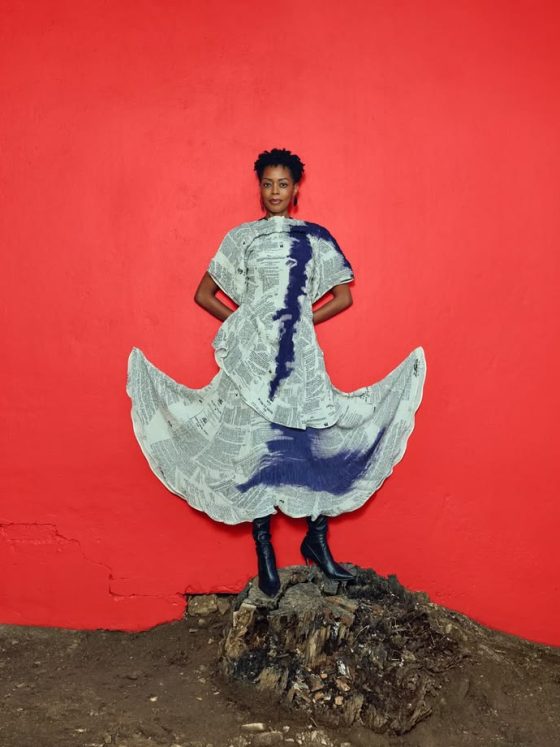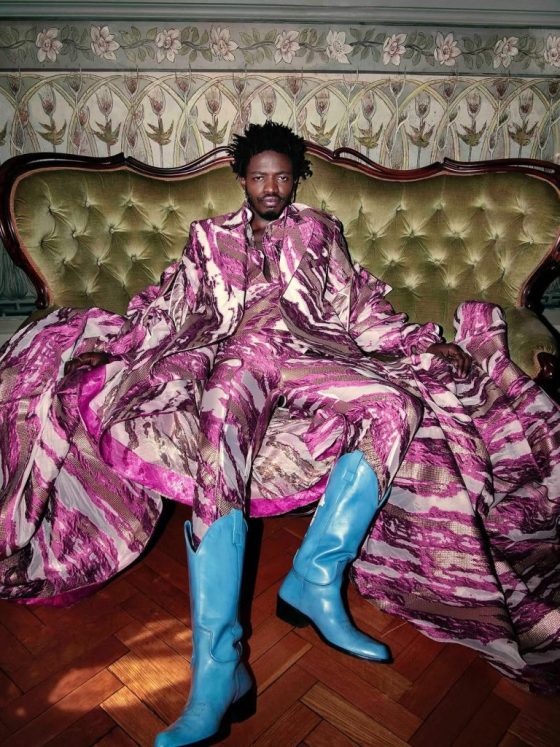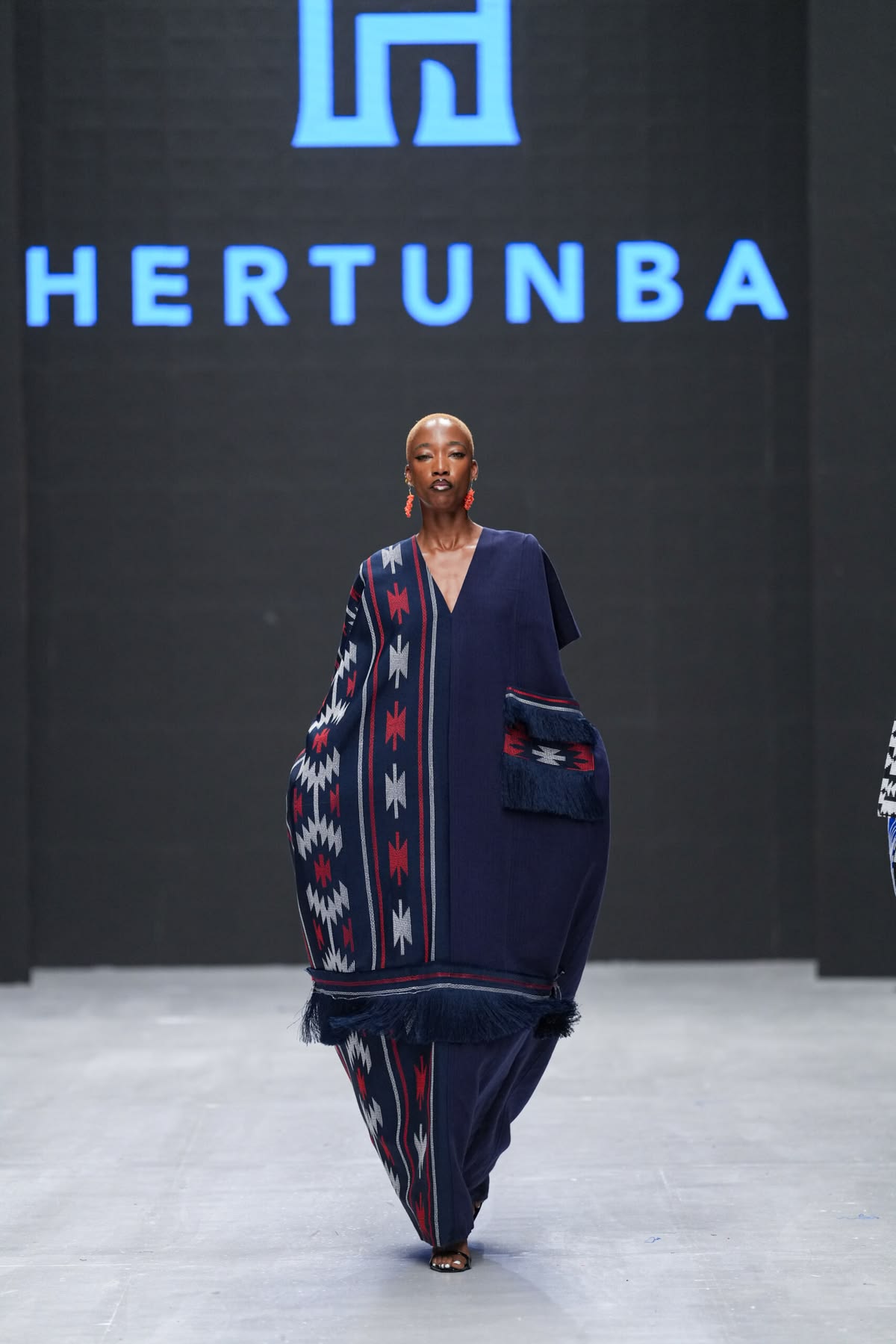
Browse the websites of leading African fashion labels in 2026, and the pricing message is consistent: this is premium fashion. Items from established Nigerian and South African designers run from $200 to $700 per piece, according to analysis published by Guzangs in June 2025. Modest by global luxury standards. Unattainable for most African consumers when translated into local currency. In Nigeria, a $300 dress at the current naira exchange rate represents a significant portion of a professional’s monthly salary in the formal sector. In Côte d’Ivoire or Ghana, it could represent considerably more.
At the same time, those $200 to $700 price points are not high enough to credibly position an African fashion brand in the international luxury tier. Maison Margiela, Dries Van Noten, and comparable European ready-to-wear brands routinely price comparable pieces at two to five times that range. In the global luxury market, price is not just a reflection of cost. It is a signal of belonging. A brand priced at $400 is not in the same conversation as one priced at $1,200, regardless of the quality of the craft.
This is the pricing trap that most African fashion brands are in, and most of them do not know it. They are simultaneously underpriced for the market they are trying to enter and overpriced for the market they came from. The result is a brand with no loyal base, limited wholesale appeal, and a persistent credibility gap that heritage storytelling alone cannot close.
African fashion brands are simultaneously too cheap for luxury credibility abroad and too expensive for loyal local buyers at home. Here is why that happens and what it costs.
Why the Domestic Price Ceiling Is Lower Than Brands Acknowledge
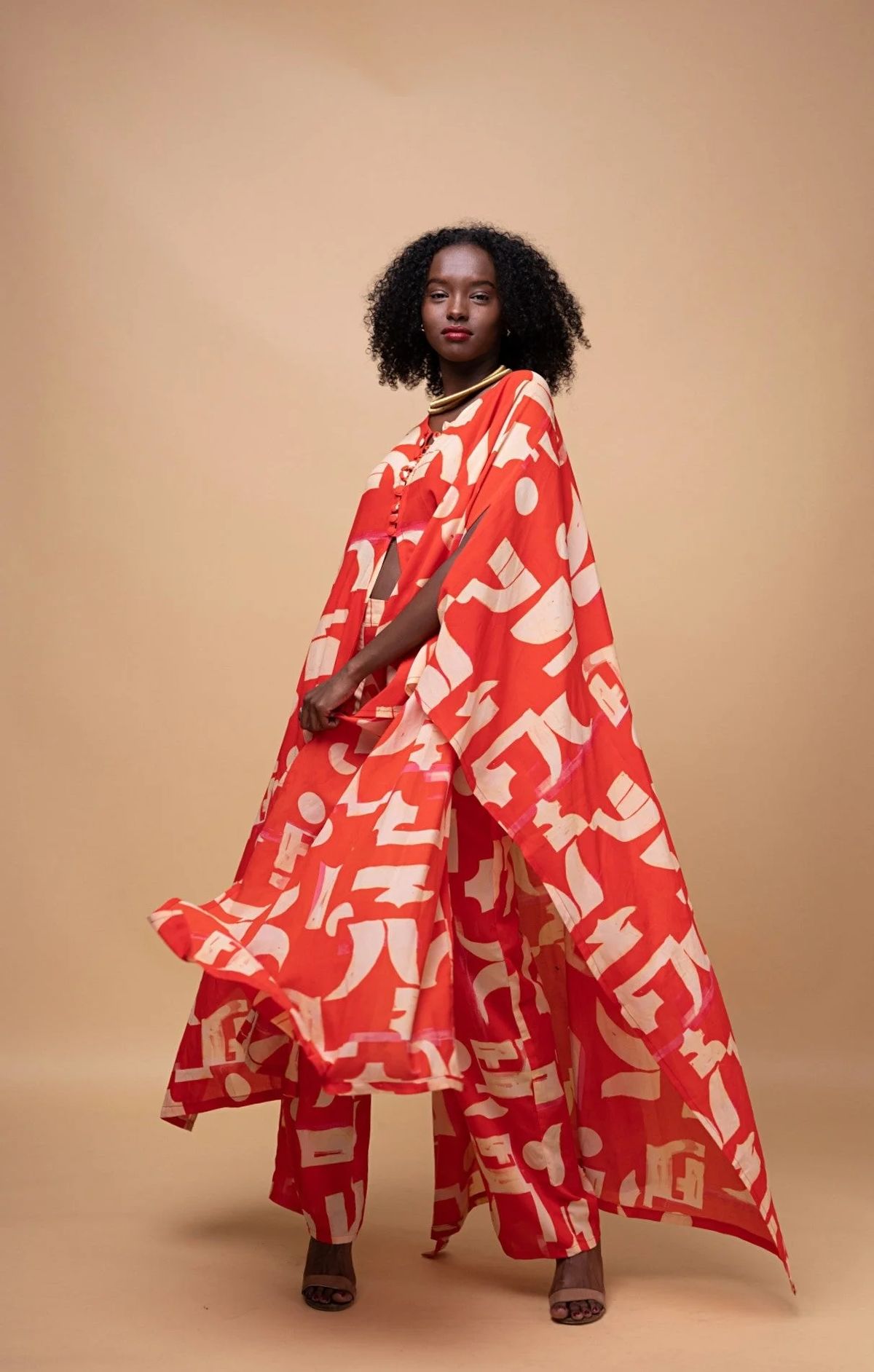
The production economics of African fashion are genuinely difficult. As Guzangs reported in its June 2025 analysis of African fashion pricing, designers on the continent operate within fragile economies, unreliable infrastructure, and a chronic lack of institutional support. Most must import fabrics, trims, and hardware because high-quality local options are limited. Shipping fees, customs duties, and fluctuating exchange rates compound the cost of every collection. In cities like Lagos, unstable electricity forces studios to rely on generators, adding operating costs that studios in Europe or the US do not incur.
These are real costs that justify price points higher than the domestic mass market can absorb. The problem is not that African designers charge what their production costs require. The problem is that the resulting price, necessary and justified, prices out the very consumer base that would provide the loyal local foundation every luxury brand needs before it can credibly pursue international markets. According to Statista, 97.6 per cent of Africa’s apparel market by volume sits in the non-luxury segment in 2025. The consumer majority on the continent is not shopping in the $200-$700 price range. They are not the primary target, and they know it.
Currency collapse has significantly widened the gap. Nigeria’s naira devaluation since 2023 has made dollar-denominated pricing required by international wholesalers increasingly punishing for Nigerian consumers. A brand priced for both local and international viability in 2021 may now find that its price points, in naira terms, have doubled or tripled without any corresponding change in the garment itself. The price has not gone up. The currency has gone down. The consumer experience of that is identical.
Why the International Price Ceiling Is Higher Than Brands Are Reaching

The opposite pressure operates at the international end. African fashion brands entering European and American wholesale markets are, with few exceptions, priced below the luxury tier they are attempting to occupy. The reasons are a mix of legitimate caution and strategic error.
The legitimate caution: a new brand in an unfamiliar market reasonably prices conservatively to build relationships with stockists, generate sell-through, and prove commercial viability before pushing prices higher. That is a sensible entry strategy if accompanied by a plan to raise the price architecture over time. Most African brands do not have that plan. The conservative entry price becomes the permanent price, and the brand is locked into a wholesale tier that does not align with its creative ambition or cost structure.
The strategic error is more damaging. Many African fashion brands underprice because they have internalised a belief, rarely stated explicitly, that the market will not pay a European-equivalent price for an African label. That belief is self-fulfilling. Thebe Magugu is the most instructive counterexample. His pricing architecture, stockist choices, and institutional relationships collectively communicate that this is a luxury brand operating to global standards. Browns, MatchesFashion, and Dover Street Market do not stock mid-tier brands. The stockist list is a pricing signal before a consumer sees a single price tag. The full argument for why Magugu’s brand coherence is exceptional and replicable is covered in the Omiren Styles profile, Thebe Magugu: African Heritage Meets Global Luxury.
The absence of strategic pricing frameworks is one of the most significant and least discussed barriers to scaling African fashion brands internationally. The industry spends considerable energy on visibility, red-carpet placement, and fashion-week participation. It spends almost none on the foundational question of where a brand should be priced relative to its competitors, what that price architecture signals to wholesale buyers, and how the pricing needs to evolve as the brand builds its international presence.
A brand priced too high for its home market and too low for the international luxury tier is not positioned between two markets. It is excluded from both. That is where most African fashion brands currently sit, and the industry talks about almost everything except this.
ALSO READ
- Thebe Magugu: African Heritage Meets Global Luxury
- Shein Is Coming for the African Consumer. African Brands Are Not Ready.
- Why No Serious Investor Has an African Fashion Portfolio: The Cost of Institutional Blindness
- Why Culture Is the Foundation of Style in African and Global Fashion
The Stockist Signal and Why It Matters More Than the Price Tag
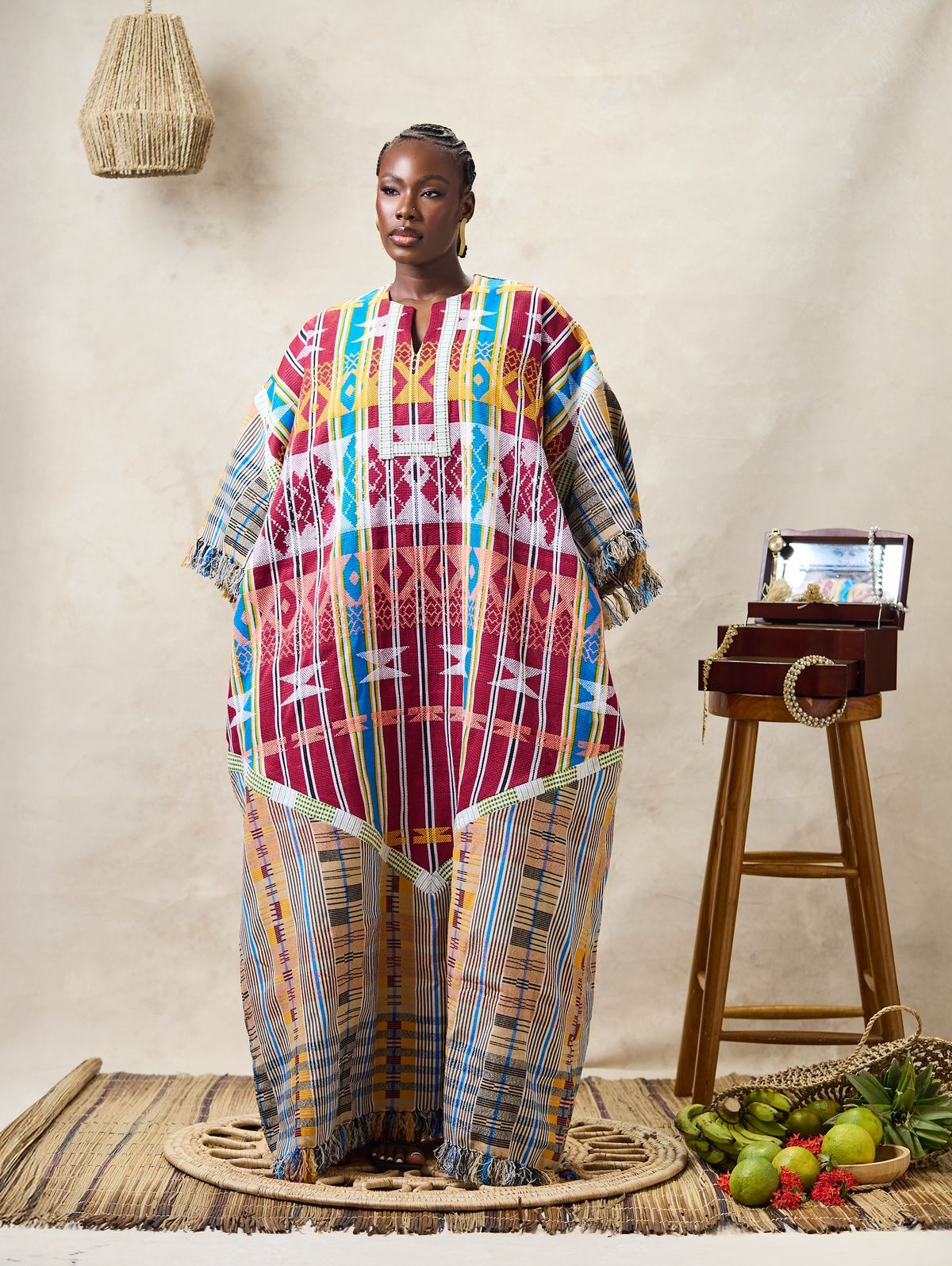
Wholesale buyers and retail partners make pricing decisions before they read a line sheet. They read it through stockist history, press placement, and the tier of events the brand has participated in. A brand that has shown at Lagos Fashion Week and sold through Industrie Africa before its closure is being positioned in a different price tier than a brand that has shown at Paris Fashion Week and been stocked at Selfridges, even though the actual price points are similar.
This is not an argument about the relative prestige of African versus European fashion events. It is an argument about how pricing signals are constructed and communicated. African fashion brands are operating inside a system where the infrastructure that communicates luxury positioning, the press, the stockists, the event history, and the editorial relationships is less developed than its European equivalent. The result is that a brand charging $400 for a piece may be perceived as mid-tier, while a European brand charging the same amount may be perceived as accessible luxury because the surrounding signal architecture differs.
Building that signal architecture is slow and expensive work. Afreximbank’s export market access programme, which co-funds trade shows, showroom appearances, and export initiatives for African designers, is one of the few institutional interventions attempting to accelerate it, as Business of Fashion reported in November 2025. It is not sufficient, but it is evidence that the problem is understood. What is not yet understood is that the price architecture itself must be deliberately set in relation to that signal work, not as an afterthought.
What a Strategic Pricing Framework Actually Requires
The starting point is a competitive audit that most African fashion brands have never done. That audit maps three things: where comparable brands in the international tier you are targeting are priced, what the implied quality and signal architecture of those competitors looks like, and what the gap between your current pricing and a credible entry into that tier would require in terms of production, packaging, wholesale relationship, and press.
The second requirement is separating the domestic and international pricing conversations. A brand selling in Lagos and selling in London is not selling the same thing to the same consumer at the same price point. The production cost may be the same. The currency, consumer expectations, competitive context, and signal architecture are all different. Brands that apply the same pricing logic to both markets are inconsistent. They are being incoherent.
The third requirement is the hardest: accepting that pricing up requires investing in the infrastructure that justifies the higher price. A brand cannot charge $900 for a piece if its packaging, lookbook, wholesale presentation, and stockist list communicate $400. Closing that gap costs money before it makes money. The brands that understand this and have the capital or institutional support to act on it are the ones with a genuine path to international luxury positioning. The investment question connects directly to the structural argument Omiren has made in Why No Serious Investor Has an African Fashion Portfolio. Without that capital, the pricing trap closes around even the most strategically aware brand.
There is also an uncomfortable truth about the domestic market that the industry rarely states plainly. Building a loyal local consumer base at a price point that most African consumers can access and building a credible international luxury brand may require two distinct product strategies or two distinct brands. The brands that have found a way to serve both markets have generally done so by building a genuine entry tier alongside their main line, not by hoping that a single price architecture can do both jobs simultaneously. That is a more complex and more expensive business model. It is also, for the brands that need both markets to survive, the only viable one.
FREQUENTLY ASKED QUESTIONS
Why are most African fashion brands caught between domestic and international price points?
The production economics of African fashion, including imported materials, unreliable infrastructure, currency volatility, and high operating costs, require price points that exceed what most African consumers can regularly spend. At the same time, those price points sit below the international luxury tier that the brands are attempting to enter. The result is a position that is simultaneously too expensive for the home market and not expensive enough for credible international luxury positioning. Most brands have never done a competitive audit that makes this gap visible.
What price range do most African designer brands currently operate in?
An analysis published by Guzangs in June 2025 found that items from leading African fashion labels typically range from $200 to $700 per piece. This is modest by global luxury standards, where comparable European ready-to-wear brands routinely price similar pieces at two to five times that range. In local currency terms, however, the same price points represent a significant portion of a professional’s monthly salary in markets such as Nigeria, Ghana, and Côte d’Ivoire.
How does Thebe Magugu’s pricing strategy differ from most African brands?
Magugu’s approach treats pricing as one component of a coherent signal architecture that includes stockist choices, press relationships, institutional affiliations, and production standards. His brand is stocked at Browns, MatchesFashion, and Dover Street Market, none of which stock mid-tier brands. That stockist list communicates a luxury positioning before a consumer sees a price tag. Most African brands have not built the supporting signalling infrastructure that would justify and sustain a comparable pricing architecture.
What is the stockist signal, and why does it affect pricing?
Wholesale buyers assess a brand’s pricing tier through its stockist history, press placement, and event participation before they read a line sheet. A brand stocked by a mid-tier retailer signals a mid-tier price point, regardless of the garment’s quality. African fashion brands operate in a context where the infrastructure that communicates luxury positioning is less developed than in Europe, which means that even well-made, well-priced pieces may be perceived as lower-tier by international buyers who read the surrounding signals rather than the garment itself.
Can an African fashion brand serve both the domestic and international luxury market?
Serving both markets with a single price architecture is very difficult. The domestic consumer base that provides brand loyalty operates at a price point significantly below the international luxury tier. The brands that manage both have generally built a genuine entry tier alongside their main line, rather than attempting to make one price point do two jobs. That requires a more complex and more expensive business model. It is also, for brands that need both markets to survive, the only commercially coherent approach.
What is the first step toward a genuine pricing strategy for an African fashion brand?
A competitive audit mapping three things: where comparable brands in the international tier you are targeting are actually priced; what their signal architecture looks like in terms of stockists, press, and events; and what the gap between your current positioning and a credible entry into that tier would require. Most African fashion brands have never done this exercise. The absence of that foundational analysis is why pricing decisions are made reactively, around production cost, rather than strategically, around market position.
Omiren Styles covers the business of African fashion with precision and without apology. Subscribe for weekly retail intelligence, brand strategy analysis, and the industry reporting the African fashion press is not doing. African fashion and culture are not emerging. They are foundational.