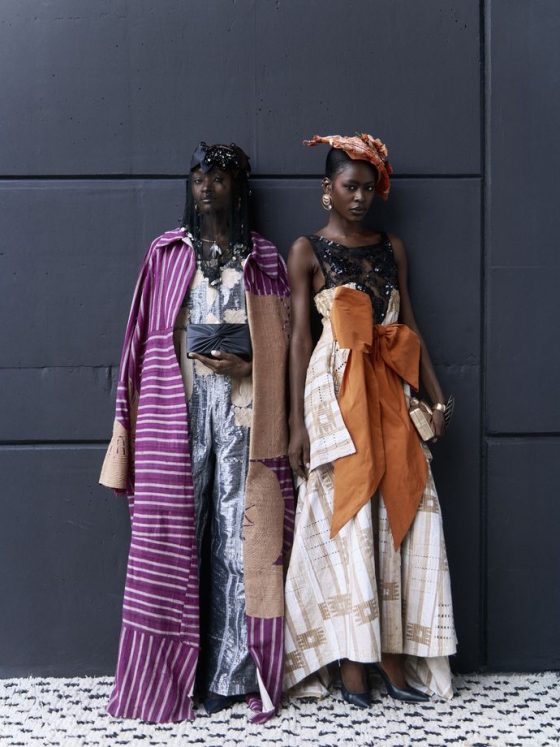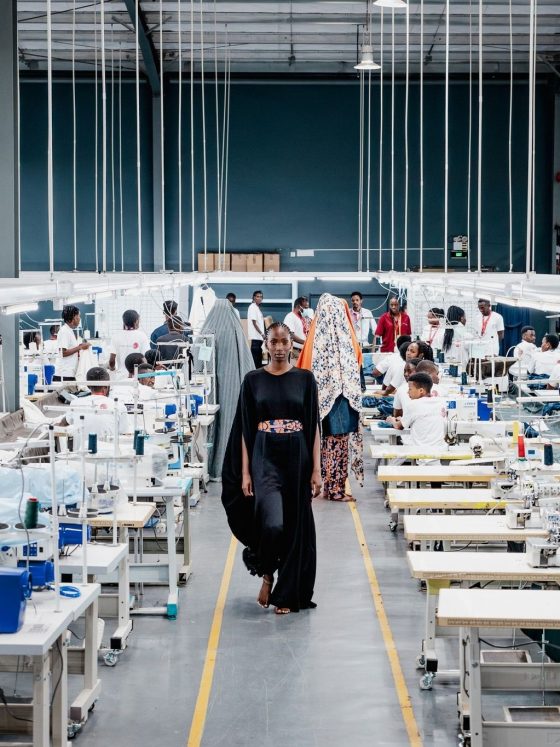
Africa has an estimated 350 million middle-class consumers, according to Time Africa’s April 2026 report on cross-border e-commerce. Its household economy is valued at $2 trillion. It received $96 billion in diaspora remittances in 2024. Nigeria alone accounts for 26 per cent of Africa’s entire e-commerce market. The demand for fashion among African consumers, on the continent and in the diaspora, is not a future projection. It is a present commercial reality.
Now name the African fashion brand that a consumer in Nairobi can order from with the same friction as ordering from Zara. Which Lagos-based designer’s website accepts M-Pesa? Which Accra label ships to Abidjan for less than the cost of the garment itself? The list is short. The gap between African consumers’ cultural investment in African fashion and their ability to actually purchase it is one of the most structurally significant and least discussed problems in the industry.
The African fashion industry has spent considerable energy on visibility: red carpets, fashion weeks, celebrity dressing, international press. The consumer who generated that cultural energy in the first place, through music, social media, diaspora spending, and the daily cultural production that made African aesthetics globally desirable, is frequently unable to complete a purchase from the brands she helped make famous. That is not a logistical inconvenience. It is a structural injustice with commercial consequences.
African cultural output is making African fashion globally desirable. African consumers on the continent frequently cannot buy it. Here is why, and who is responsible for fixing it.
Omiren Argument:
African cultural output is the engine of African fashion’s global visibility. The African consumer on the continent is the primary producer of that cultural output. She is also systematically excluded from the commercial benefits it generates. The shipping costs, payment barriers, import duties, and e-commerce infrastructure failures that prevent her from buying from African designers are not incidental. They are the predictable result of an industry that built its international infrastructure and branding first, and left domestic access for later, or not at all.
The Specific Barriers and What They Cost
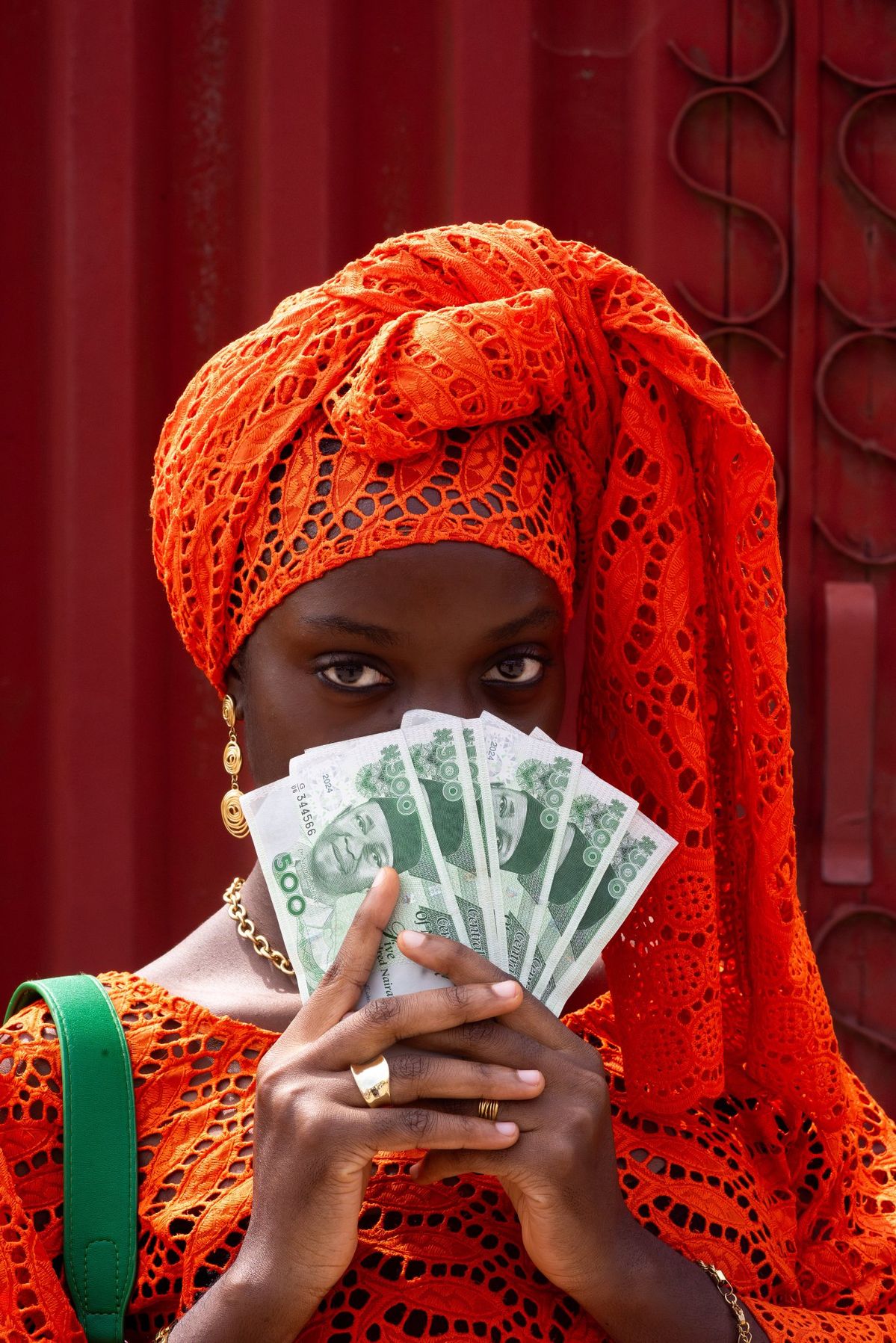
The first barrier is shipping. Fashionista reported in January 2026 that many African designers struggle to ship products internationally because shipping fees often exceed the garment’s production cost. That dynamic operates in both directions: between Africa and the rest of the world, and between African countries themselves. A consumer in Lagos trying to purchase from a Nigerian designer stocked primarily through an international platform faces shipping costs that can make a $200 garment effectively cost $350 by the time it arrives. A consumer in Nairobi trying to buy from a Ghanaian designer faces the same problem with the added complexity of cross-border logistics between two African markets that are not yet integrated under any unified fulfilment infrastructure.
The second barrier is import duties. South Africa charges import duties of up to 41 per cent on clothing, with an additional 15% VAT, according to a US Trade.gov analysis and a Webber Wentzel analysis. Ghana charges up to 20 per cent on clothing imports. Nigeria applies its own duty structure to clothing, compounding the cost of cross-border purchases from other African nations. These are not tariffs designed to punish African fashion. They are general import policies that make intra-African fashion trade significantly more expensive than purchasing from European or Asian fast-fashion platforms, many of which benefited until recently from de minimis exemptions that allowed low-value parcels, including imports from Chinese manufacturing hubs, to enter without triggering full duties.
The third barrier is payment infrastructure. As documented in the mobile money piece in this series, most African fashion e-commerce platforms are built around card payments and PayPal. The African consumer, whose primary financial tool is M-Pesa, MTN Mobile Money, or Airtel Money, arrives at a checkout that does not accept her payment method. The platform that should be the most accessible to her is frequently the least accessible at the transaction layer. Temu and Shein have partially solved this problem, as documented in the Shein piece in this series, by integrating local payment rails. Most African fashion brands have not, and the consumer notices the difference at the exact moment she tries to pay.
The consumer whose music, social media presence, and cultural production made African fashion globally desirable is paying international shipping fees, import duties, and payment conversion costs to buy from the designers she helped make famous. The industry has built a global reputation on African cultural output while building the retail infrastructure around everyone except the African consumer.
The Scale of the Market Being Left Behind

Africa’s e-commerce market generated $317 billion in 2024 and is projected to cross $1 trillion by 2033, growing at a compound annual rate of nearly 14 per cent, according to Time Africa’s April 2026 report. Fashion and clothing represent the single largest e-commerce category on the continent, accounting for 24.4 per cent of total e-commerce revenue in 2024. Online fashion sales are projected to reach $13.4 billion by 2025. These are not niche numbers. They represent a consumer market growing faster than almost any comparable region in the world, driven by a young, digitally native population that is, as Time Africa described it, more brand-conscious, more digitally native, and more globally connected than any previous generation. It is also systematically locked out of the global retail moment it has fully bought into, culturally and aspirationally.
The African diaspora compounds this picture significantly. Nigeria received $19.8 billion in diaspora remittances in 2024, representing 35 per cent of all sub-Saharan Africa’s inflows, according to the same Time Africa report. Ghana’s remittance receipts surged 91 per cent in 2024 to reach $4.6 billion. These are households with purchasing power, cultural connection to African fashion, and active demand for African designers. The diaspora consumer who wants to buy from an African brand and send it to a family member on the continent faces a compounded access problem: the brand may not ship to the continent at all, or the recipient faces import duties and customs clearance costs that make the gift punishingly expensive to receive.
The per capita apparel spend across Africa reached $54.77 in 2025, according to Statista, with 97.6 per cent of that spend in the non-luxury segment. That figure represents the current state of the market, not its potential. The consumer spending in the non-luxury tier is not doing so because she has no interest in African designer fashion. She is doing so because the pricing structure, shipping costs, and payment barriers for African designer fashion have made it structurally out of her reach. The demand is not the problem. The access infrastructure is.
ALSO READ
- The Folklore Connect Is the Most Important Wholesale Infrastructure in African Fashion. Almost Nobody Knows It Exists.
- Mobile Money Is Reshaping How Africans Buy Fashion. The Industry Has Not Noticed.
- Industrie Africa Is Gone. Now What?
- Shein Is Coming for the African Consumer. African Brands Are Not Ready.
Who the Industry Is Actually Building For
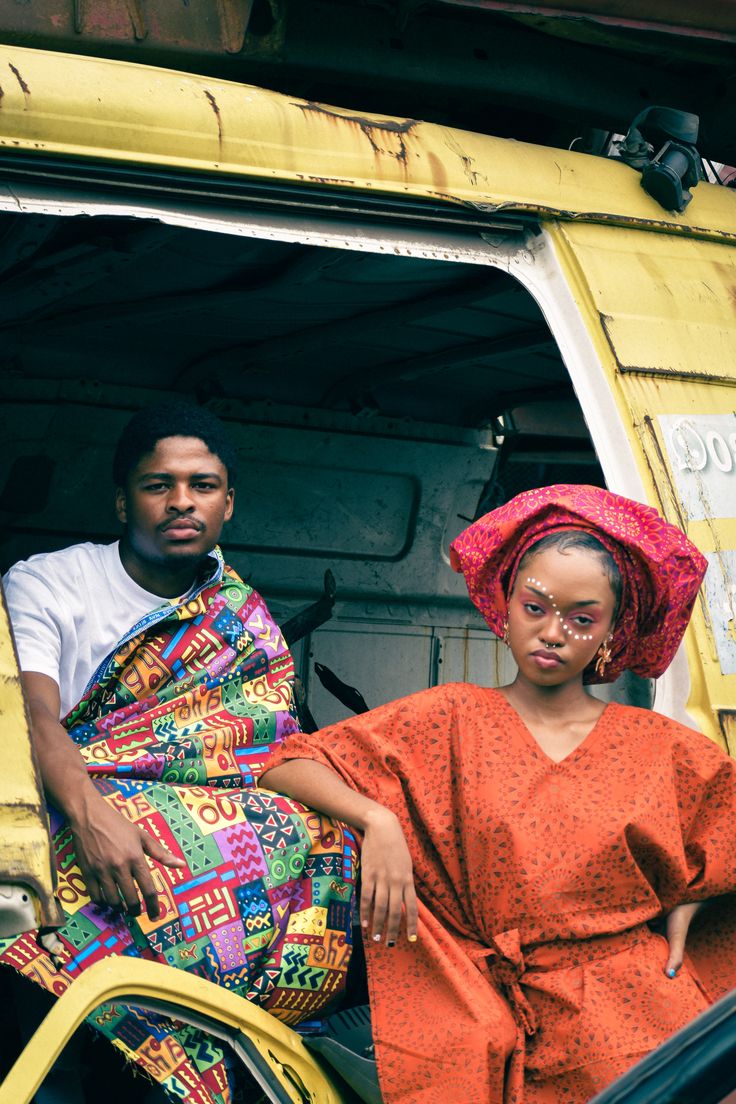
The most honest way to answer this question is to look at where African fashion brands ship, which payment methods their websites accept, and where they have wholesale relationships. A brand that ships internationally but not to most African countries, accepts Visa and PayPal. Still, not M-Pesa, and it has stockists in London, Paris, and New York, but not Lagos, Nairobi, or Accra; it is not built for African consumers. It is built for diaspora and international consumers. That is a legitimate choice. It becomes misleading when it is described as a building for African consumers writ large.
The African fashion industry’s international narrative rests on a foundational claim: that African fashion represents African creativity, culture, and identity, and that making it globally visible is an act of cultural affirmation for African people. That claim is true at the level of aesthetics and cultural meaning. It is not true at the level of commercial access. The African consumer who produces the cultural energy that makes African fashion globally desirable is largely excluded from the commercial benefits that energy generates. She watches African designers celebrated internationally, while the platforms, pricing, and payment systems that those designers use are built for a different consumer in a different geography.
This is the same structural argument Omiren has made about Afrobeats and European luxury houses in the Afrobeats fashion economy piece. The cultural capital is African. The commercial infrastructure that monetises it is not. The difference in the fashion retail context is that the problem is more directly solvable. A luxury house choosing not to invest in African design infrastructure is a policy failure at the level of the global fashion industry. An African fashion brand choosing not to accept M-Pesa, not to ship to African cities, or not to price for the African market is making a decision of its own. The accountability sits differently. For the full picture of why the investment to fix this has not materialised, see Why No Serious Investor Has an African Fashion Portfolio.
What Fixing This Actually Requires
The first requirement is a logistics infrastructure built specifically for intra-African fashion fulfilment. Africa’s freight logistics market is forecast to grow at a compound annual rate of 6.4 per cent through 2034, according to Time Africa. The AfCFTA is steadily reducing intra-African trade barriers. Mobile penetration has crossed 50 per cent on the continent. The macro infrastructure is improving. What has lagged is the bridge layer: the operators who sit between African fashion brands and African consumers, translating availability into access at a cost the African consumer can actually absorb.
The second requirement is payment integration. Every African fashion brand with an e-commerce presence needs to audit its checkout process against the dominant payment methods in its top African markets, as described in detail in “Mobile Money Is Reshaping How Africans Buy Fashion.” The Industry Has Not Noticed. The audit is not complicated. The implementation is not expensive. The decision not to do it is a choice about which consumer matters.
The third requirement is a pricing strategy that treats the African consumer as the primary market rather than an afterthought. A brand that prices exclusively for international wholesale and diaspora buyers, and then adds international shipping costs on top of that for continental African consumers, has made access for African consumers structurally impossible, regardless of the product’s quality. The pricing architecture has to treat the African consumer as a real target, with real purchasing behaviour, at real African price points, before the access problem can be addressed.
The fourth requirement, and the hardest, is a policy environment that addresses the intra-African trade barriers that make cross-border fashion retail between African countries more expensive than importing from China or Europe. The expiry of AGOA in September 2025 removed preferential US market access for 32 African countries. It introduced new cost pressures that will work their way through supply chains, affecting prices and product availability across the continent. AfCFTA is a policy mechanism designed to address intra-African barriers, but fashion has not been its primary focus, and the pace of implementation has not matched the commercial urgency. The industry needs to make this argument in policy forums, not just on editorial platforms.
There is also an uncomfortable question this piece has not fully explored: whether some African fashion brands have decided, consciously or by default, that the African consumer on the continent is not their primary market, and whether they are comfortable with that position while continuing to build a brand identity rooted in African cultural authority. That question about brand identity, consumer accountability, and the ethics of cultural capital extraction deserves its own analysis, and Omiren will return to it directly.
FREQUENTLY ASKED QUESTIONS
Why can African consumers not easily buy from African fashion brands?
Three barriers combine to make access structurally difficult. First, shipping costs: many African designers fulfil internationally but charge shipping fees that frequently exceed the garment’s production cost for African consumers, both when shipping from international platforms back into Africa and when shipping between African countries. Second, import duties: South Africa charges up to 41 per cent on clothing imports, plus 15 per cent VAT; Ghana up to 20 per cent; and Nigeria applies its own duty structure, making intra-African fashion trade more expensive than buying from fast-fashion platforms that benefit from de minimis exemptions. Third, payment infrastructure: most African fashion e-commerce platforms require card payments or PayPal, excluding consumers whose primary transaction tool is mobile money.
How large is Africa’s fashion e-commerce market?
Africa’s total e-commerce market generated $317 billion in 2024 and is projected to cross $1 trillion by 2033, growing at nearly 14 per cent annually, according to Time Africa’s April 2026 report. Fashion and clothing are the single largest e-commerce category, accounting for 24.4 per cent of total e-commerce revenue in 2024. Online fashion sales are projected to reach $13.4 billion by 2025. The market is growing faster than almost any comparable region in the world.
What import duties do African countries charge on clothing?
Duties vary significantly by market. South Africa charges import duties of up to 41 per cent on clothing, with an additional 15 per cent VAT, according to US S Trade.gov analysis and Webber Wentzel analysis. Ghana charges up to 20 per cent on clothing imports, with VAT applied on top. Nigeria applies its own duty structure to clothing. These rates apply to goods crossing borders, meaning an African consumer in one country buying from an African designer in another faces the same duty burden as when importing from Europe or Asia.
How does the African diaspora fit into this access problem?
The diaspora compounds the problem in two directions. A diaspora consumer who wants to purchase from an African brand and send it to family on the continent faces the full barrier stack: international shipping from the brand, then import duties and customs clearance costs when the garment enters the recipient’s country. Nigeria received $19.8 billion in diaspora remittances in 2024, representing 35 per cent of all sub-Saharan Africa’s inflows. That capital is available and circulating. The access infrastructure to direct it toward African fashion brands on the continent does not yet exist at the required scale.
Is this problem solvable,e and who is responsible for solving it?
The problem is solvable at multiple levels. African fashion brands can audit their payment infrastructure and add mobile money integration, a commercial decision that costs relatively little. They can build pricing architectures that treat African continental consumers as a primary market. Logistics operators can build intra-African fulfilment infrastructure specifically for fashion, which several are beginning to do. Policymakers can prioritise fashion within AfCFTA implementation and address the duty structures that make cross-border fashion retail between African countries punishingly expensive. Responsibility operates at all three levels simultaneously, and progress at any one level accelerates progress at the others.
What is the connection between African cultural output and consumer access?
African cultural output, through Afrobeats, social media, diaspora communities, and the daily cultural production of African consumers, is the primary engine of African fashion’s global visibility and desirability. The African consumer on the continent is the primary producer of that cultural output. She is also the consumer most systematically excluded from the commercial infrastructure that the visibility generates. The brands made famous by African cultural energy are, in most cases, built for and accessible to a diaspora and international consumer, not the African continental consumer whose culture made them desirable in the first place.
Omiren Styles covers the business of African fashion with precision and without apology. Subscribe for weekly retail intelligence, brand strategy analysis, and the industry reporting the African fashion press is not doing. African fashion and culture are not emerging. They are foundational.