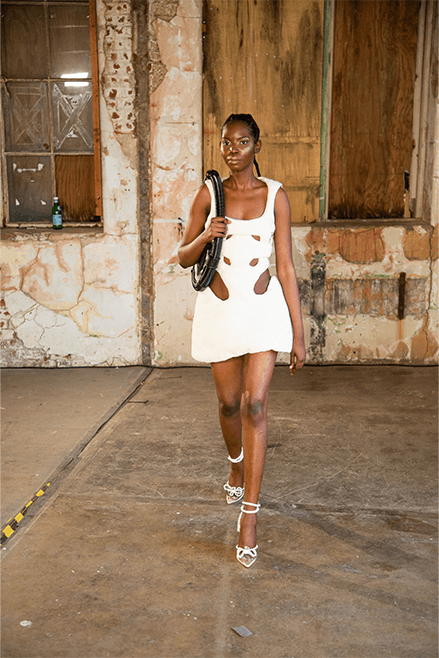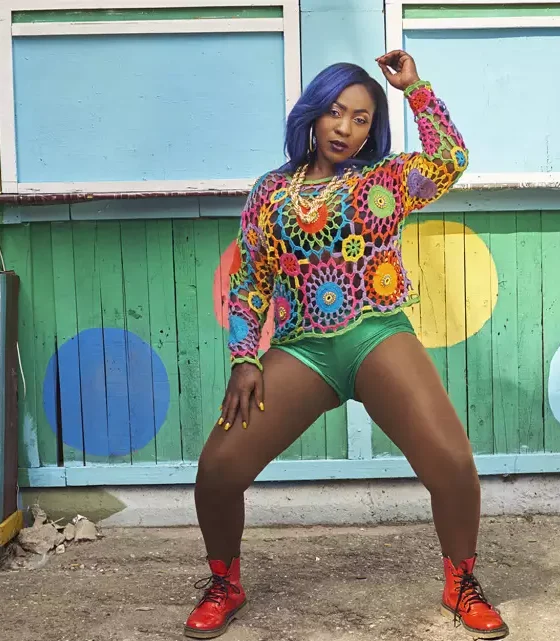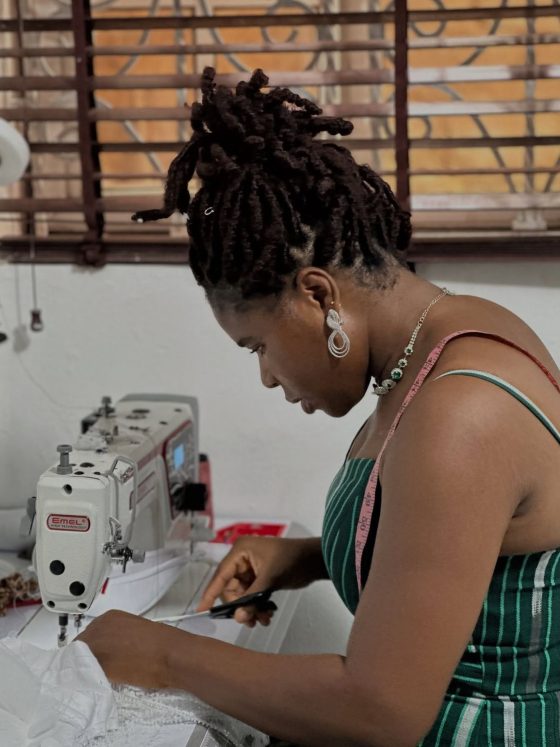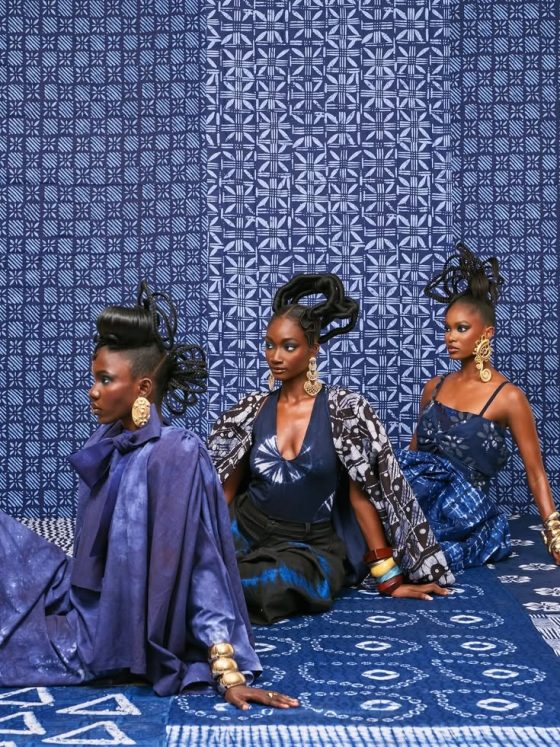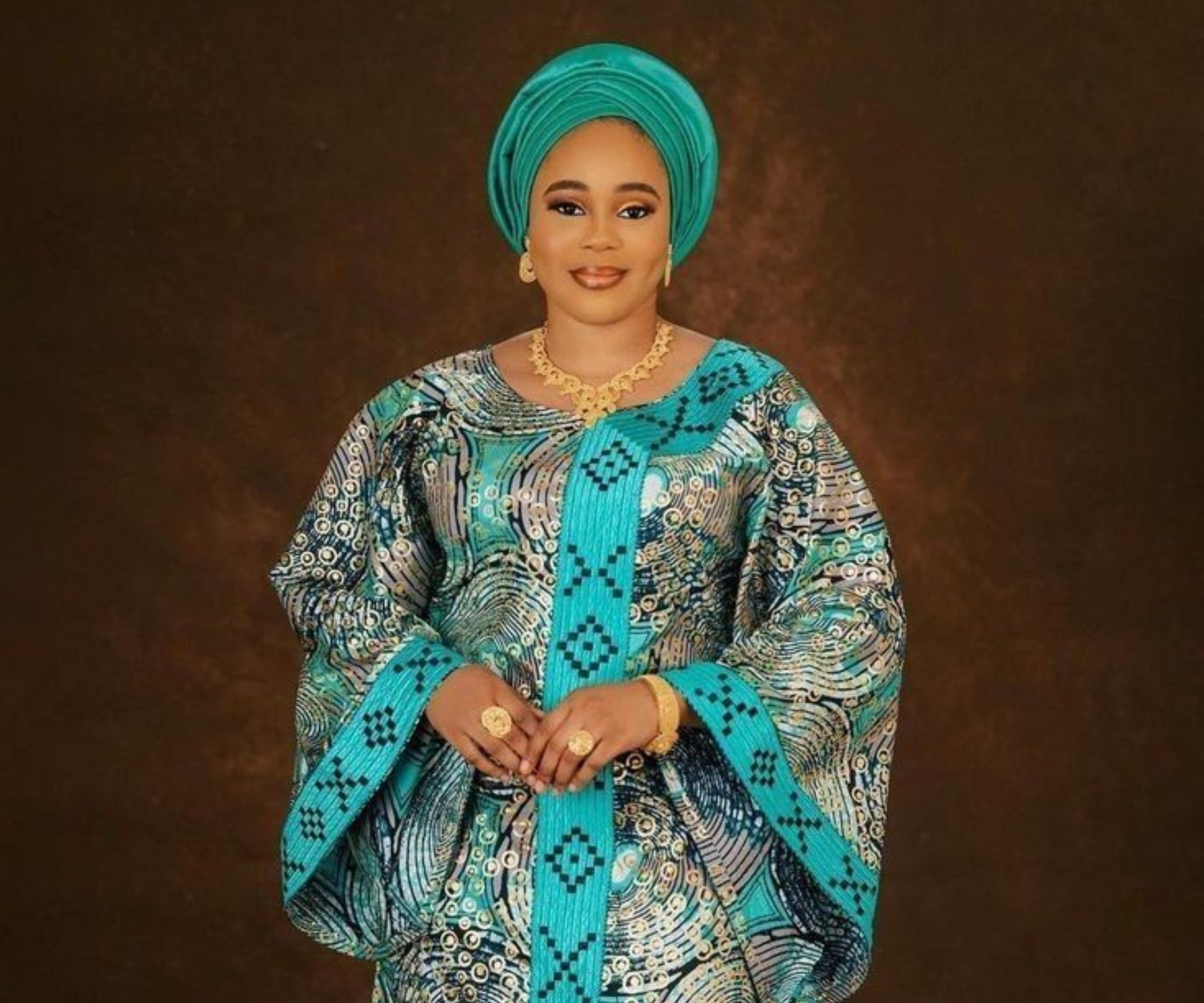
During the Sallah Festival (Durbar), I first noticed how Ankara was slowly reshaping the fashion identity of young Hausa women in Northern Nigeria. I was standing with my friends beside a street waiting for the arrival of the emir and his horse riders. I promptly noticed the group of young girls, decently dressed in a different style of Ankara (Atamfa) dresses, standing aside with phones ready to record the arrival of the emir.
One wore a flowing Ankara bubu with muted gold patterns that shimmered like an early sunrise over Dala Hill. Another wore a structured peplum gown with a turban wrapped so perfectly you would think her grandmother had taught her herself. A third person put a modern jacket over her Ankara two-piece, mixing old and new styles in a way that felt natural and planned.
In that moment, I understood something:
Ankara is no longer just a fabric in Northern Nigeria; it has become a symbol of culture, identity, modesty, and modern sophistication.
Today, a Hausa woman wants clothing that reflects her values, honours her upbringing, and expresses her evolving confidence. She wants colours that mirror Arewa warmth, patterns that honour tradition, and cuts that fit the rhythm of her modern lifestyle, from weddings to workdays and festivals to Friday outings.
Discover the top 5 Ankara styles for Hausa women in 2025, featuring elegant, modest, and culturally inspired designs perfect for weddings, celebrations, and everyday wear.
In this article, you’ll discover:
- The latest 5 Ankara outfits for Hausa women in 2025
- How these styles blend tradition with modernity
- The cultural stories behind each design
- Style tips rooted in Northern Nigerian hospitality, identity, and elegance
As a fashion content writer who has walked across the streets of various cities in Northern Nigeria, I have spoken with many artisans and fashion designers, and I have observed how Ankara dominates the northern fashion industry.
Below are five of the latest Ankara outfits defining Hausa women’s fashion in 2025, each with cultural insights, artisanal perspectives, and real-life Arewa storytelling.
The Royal Ankara Bubu (The Modern Queen’s Robe)
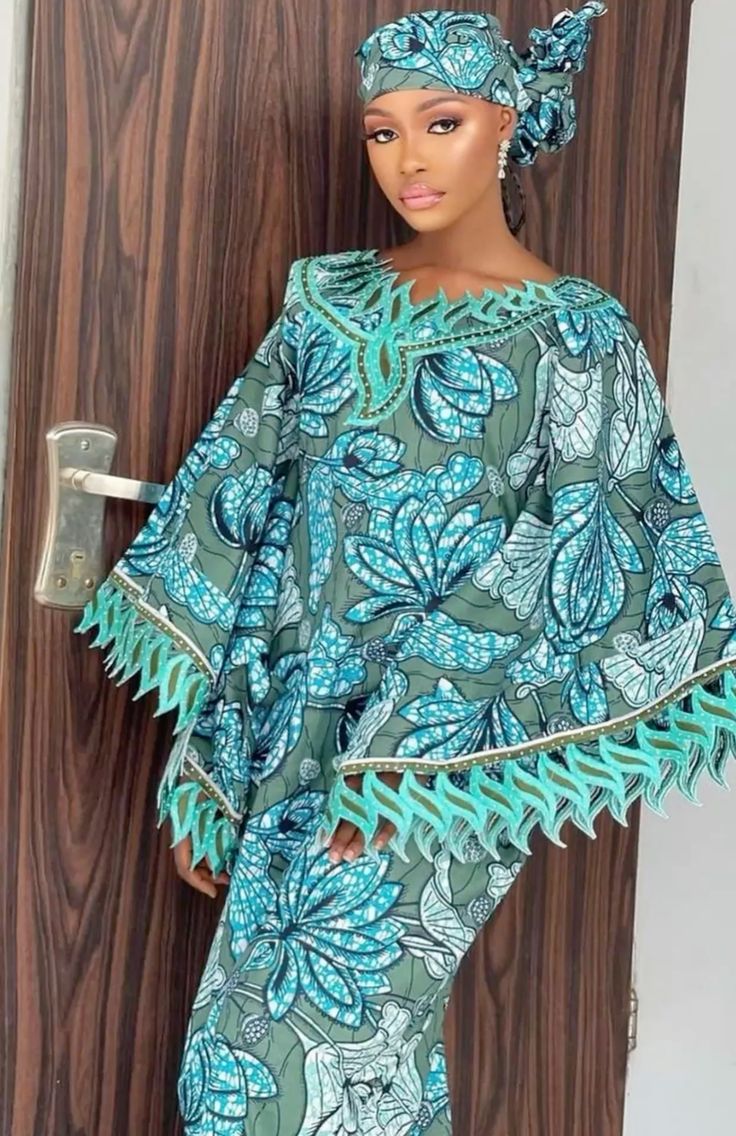
The bubu remains a timeless favourite in Northern Nigeria, but the 2025 version is richer, softer, and shaped with a gentle royal structure. It’s loose, dignified, and perfect for modest fashion lovers.
Why Arewa Women Love It
Because it whispers class without trying too hard.
A home-based fashion designer in Kano, Hajiya Badiya, told me:
“Bubu is the spirit of Arewa modesty. It gives comfort, dignity, and beauty without revealing too much.”
This year’s versions feature:
- Deep indigo prints inspired by Kano dye pits
- Metallic Ankara accents for weddings
- Subtle embroidery around the neckline
- Flowing sleeves inspired by ancient Babbar Riga patterns
The bubu style is perfect for casual Fridays, Sallah visits, Sunday market strolls, and ceremonial dressing.
The wide silhouette echoes the traditional garments worn by Hausa noblewomen centuries ago, gowns designed not just for beauty but for honour. For premium Ankara fabrics with rich indigo prints and elegant metallic finishes similar to this look, explore our curated selection here.
The Tailored Ankara Peplum Gown (Elegance With Precision)
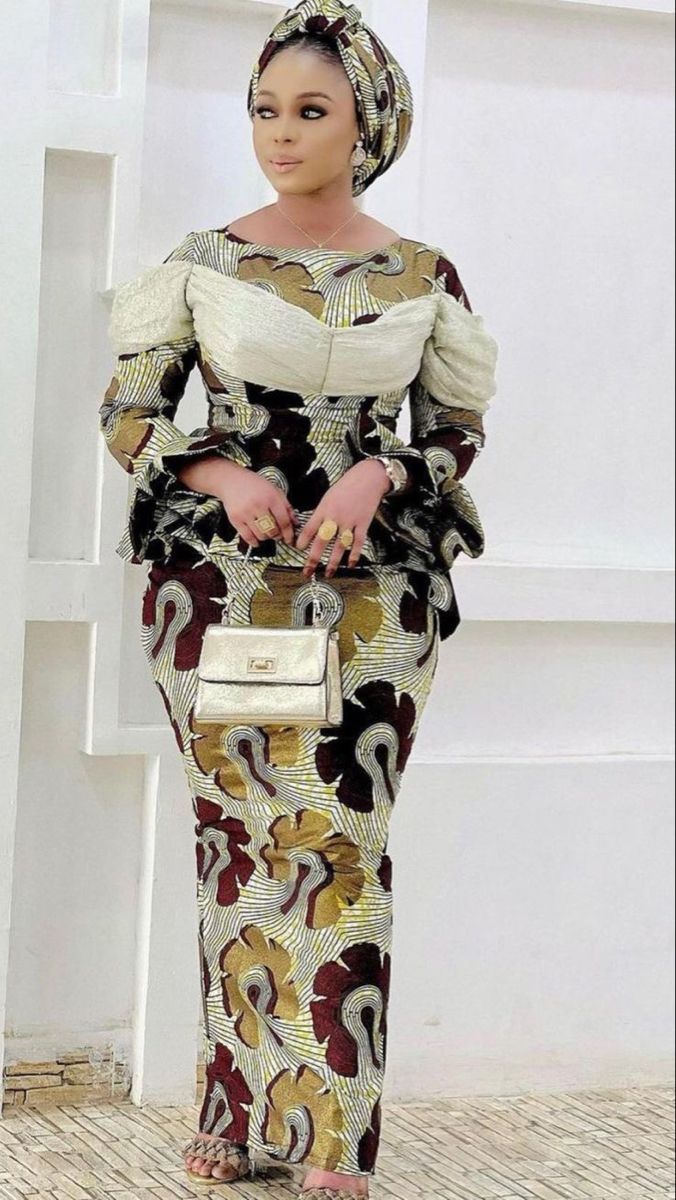
Snatched waist, flowing lower flare, long sleeves: the perfect combination of modesty and femininity.
Why It Works in 2025
Women want structure without losing cultural softness. Tailors in Kaduna say the peplum gown is their most requested style of the year.
Zainab, a young fashion designer in Unguwar Rimi, Kano, shared:
“Our mothers wore Ankara peplums long ago, but we’re making them slimmer, sharper, and more stylish for today’s woman.”
Key Features
- High neckline for modest coverage
- Ankara combined with an organsa flare
- Statement waist belts
- Jewel-tone prints inspired by Northern pottery
A well-tailored peplum gown begins with quality fabric. If you’re sourcing Ankara suitable for structured gowns and special occasions, we’ve shortlisted fabrics that combine durability with elegant prints. view premium Ankara for Peplum Styles
This is perfect for engagement ceremonies, weddings, work and evening wear for the housewife.
Cultural Relevant
The peplum style mirrors the Northern Nigerian tradition of valuing elegance, tradition, structure and modest presentation, especially during social gatherings.
Ankara Two-Piece Sets (The Bold, Confident Look)
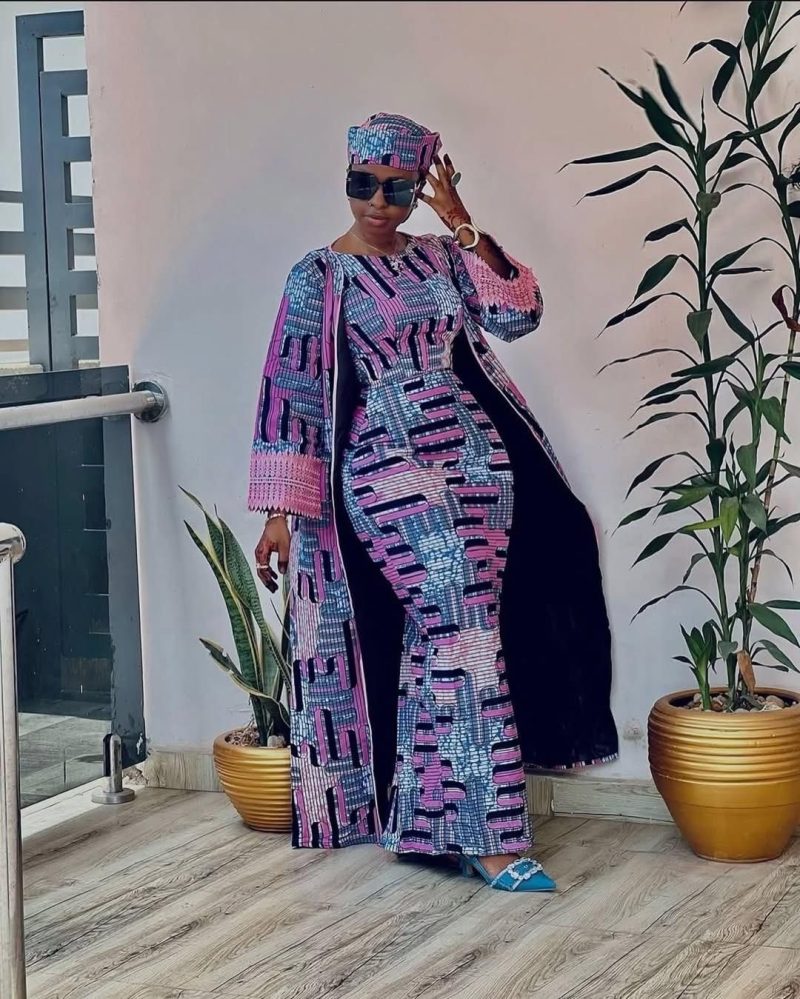
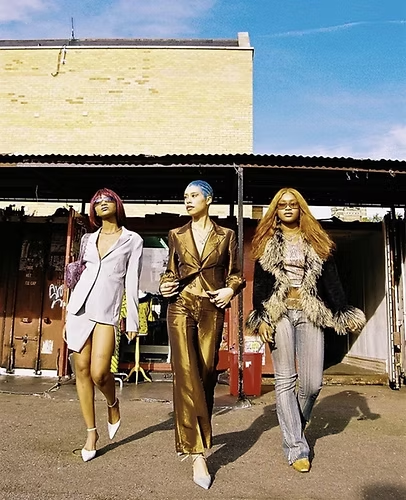
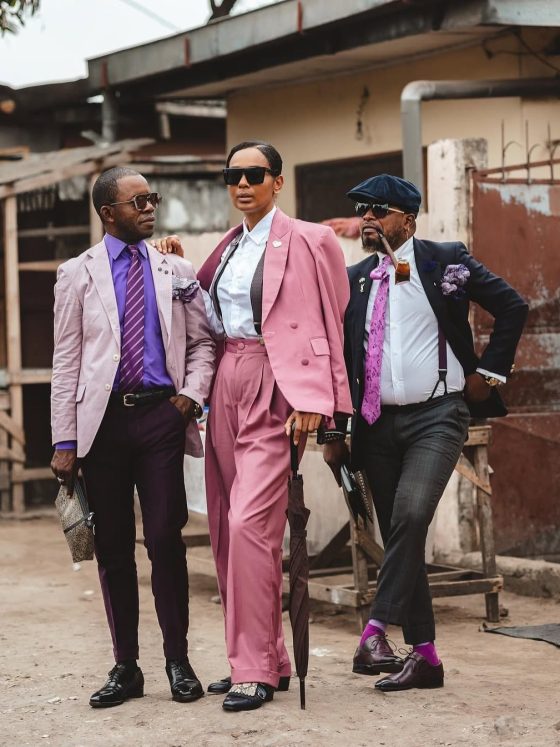
A matching Ankara top paired with a skirt or trousers creates a clean, modern look that still carries deep cultural meaning. This style highlights the artistry of African prints while offering a youthful, put-together appearance that works for both casual and formal settings.
Why 2025 Loves It
This style is unique and attractive, blending tradition and modernity; it suits both young and older women in northern Nigeria.
I had a casual conversation with the ladies’ fashion designer in her boutique in Dutse, Jigawa, named Maryam, who told me:
“Two-piece sets are for women who like modest fashion but want freedom and confidence. They’re for the woman who walks into a room and owns it.”
The Design Variations
- Straight skirts with long-sleeved tops
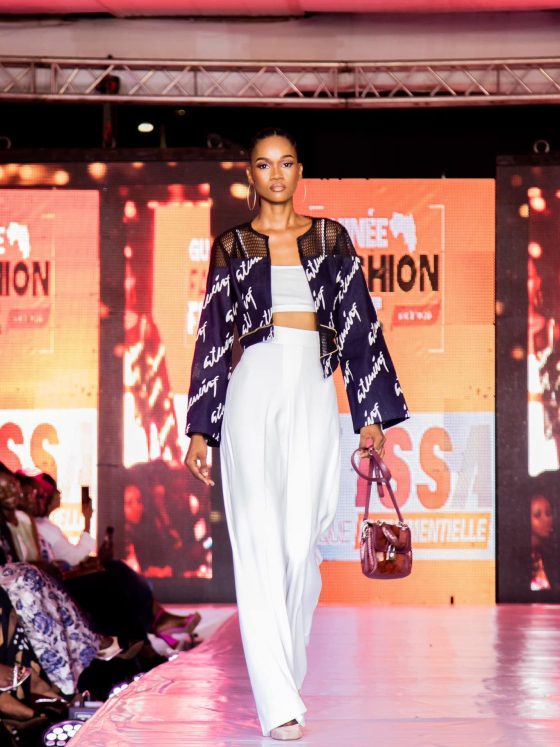
- Trousers with a kimono jacket
- Cropped jackets (modest cut)
- Monochrome Ankara blends
This dress can match any occasion, especially when paired with a matching gyales or abaya. It can be worn on work trips, in university classes, for brunch, and at evening events.
Complete the look with carefully selected handbags, heels, and accessories that complement modern Ankara styling without overpowering it.
Cultural Relevance:
This style reflects the identity of the modern Arewa woman, someone who stays connected to her cultural roots while confidently embracing global fashion influences. It shows how Northern Nigerian women are redefining modest style by blending traditional values with contemporary trends, creating a look that is both culturally meaningful and internationally inspired.
Ankara Tiered Gowns (Layers of Culture & Beauty)
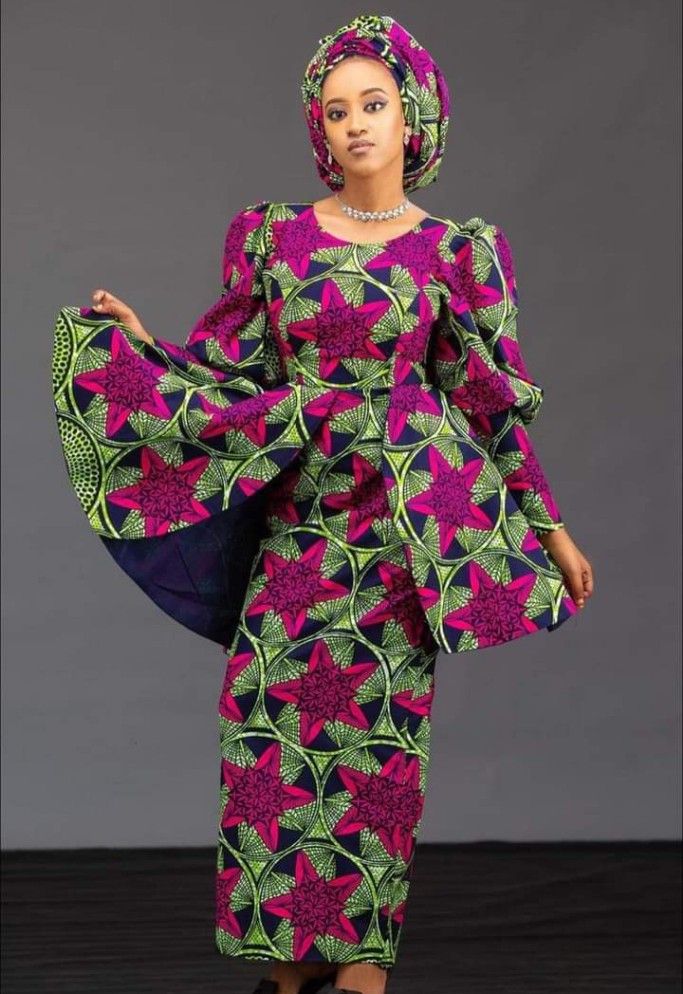
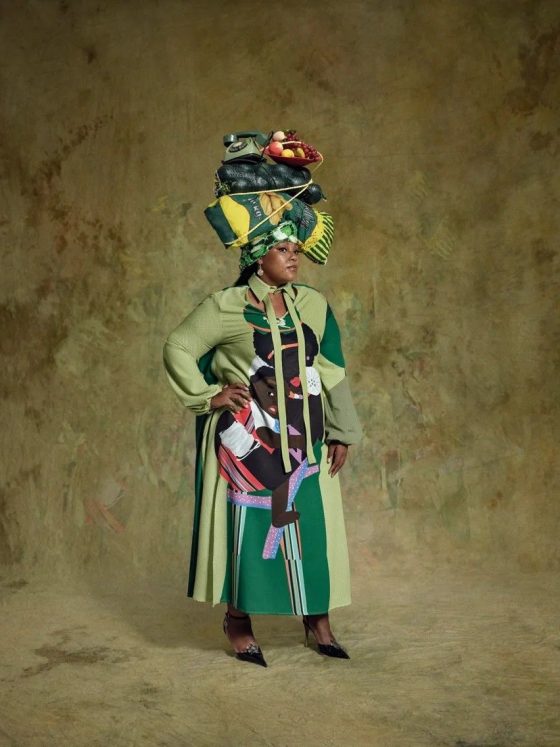
This style was designed to have multiple layers, three or five, depending on the person’s interest. It creates a flowing, feminine silhouette that feels almost ethereal. Each tier adds movement and drama, turning a simple dress into a statement piece that celebrates both cultural artistry and modern elegance.
Modern 2025 Touches
- Puffy sleeves (subtle, not exaggerated)
- Lace and Ankara blend
- Lightweight cotton for breathability
- Soft pastel prints inspired by Northern henna patterns
It is suitable for wedding receptions, Sallah celebrations, cultural festivals and evening outings
Cultural Note
This style echoes the multi-layered history of Hausa women’s fashion, deeply rooted, richly textured, and constantly evolving.
RELATED ARTICLES:
- The New Face of Modesty: Modern Abaya and Hijab Trends in Northern Nigeria
- Babbar Riga: The Garment That Connects Northern Nigerian Tribes
Ankara Kaftan With Embroidered Neckline (The Heritage Revival)
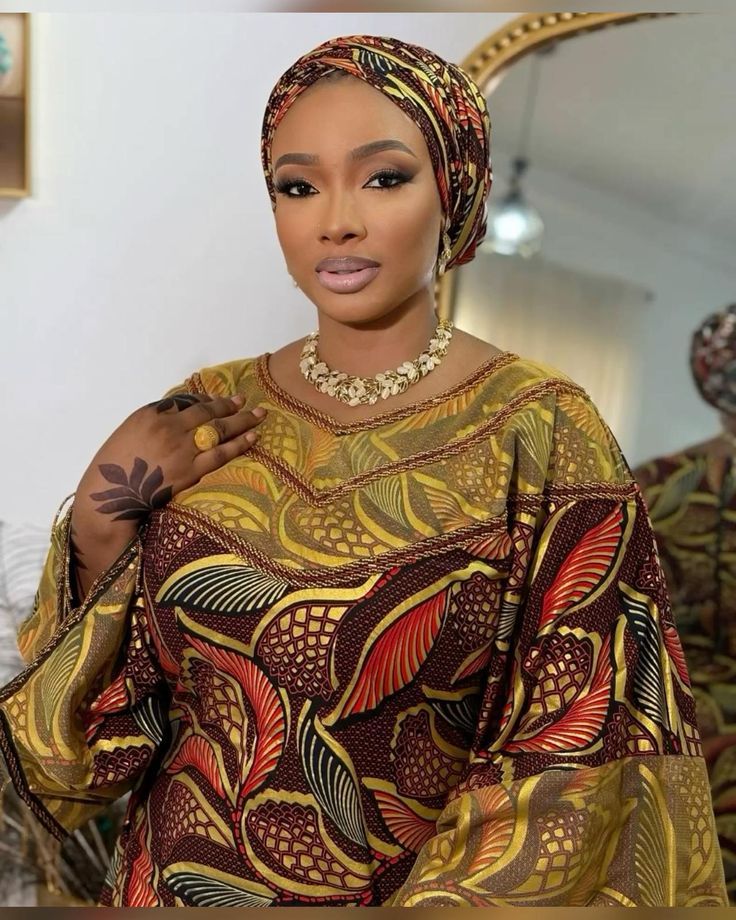
The relaxed kaftan style, with intricate embroidery around the chest and neck, is an homage to royal Hausa tailoring.
Why It’s Trending
Because today’s women want elegance that honours their cultural roots while still feeling fresh and modern, this style offers the perfect balance; beautiful, respectful, and effortlessly stylish, making it a favourite for those who want to look refined without losing their traditional identity.
2025 Versions Mix:
- Ankara with silk embroidery
- Minimalist geometric patterns
- Soft-flowing fabrics
- Earthy colours inspired by Sahel landscapes
Looking for elegant kaftans or modest ready to wear pieces inspired by this style? We’ve selected brands and collections worth exploring. Explore Modest Fashion Picks
Perfectly For
- Friday mosque visit
- Naming ceremonies
- Family gatherings
- Cultural festivals
Cultural Relevant
This style embodies the essence of Northern Nigerian hospitality, warmth, dignity, and a deep sense of welcome. In many Arewa communities, dressing well is a sign of respect for guests and the occasion. By reflecting these values through its refined and modest design, this style serves as a cultural expression of grace, respect, and the proud tradition of welcoming others with beauty and poise.
As I am taking my steps back home after watching the durbar, I gently observe the people gathered in the emir’s palace. I realised something that still sticks with me today:
Fashion in Northern Nigeria is not just about clothes. It is memory. It is culture It is quiet pride woven into every thread.
The Ankara styles of 2025 show these qualities beautifully, each stitch balancing the past and the future, tradition and innovation, modesty and modern aspiration. Hausa women continue to redefine elegance, not by abandoning their roots, but by elevating them with creativity, colour, and confidence.
Whether it’s the dignified bubu, the structured peplum gown, the bold two-piece set, or the heritage-rich embroidered kaftan, these outfits tell a story:
A story of where the Hausa woman has come from and where she is boldly heading.
If you’re ready to explore more Northern Nigerian fashion, discover emerging designers, or learn the history behind our most iconic styles, continue reading on OmirenStyles your home for authentic Arewa fashion storytelling.
Where to Shop These Ankara Styles
If you’re inspired to recreate any of these looks, we’ve curated a selection of premium Ankara fabrics, modest fashion essentials, and accessories from trusted retailers and designers.
Whether you’re shopping for a wedding, Sallah celebration, or everyday elegance, these recommendations make it easier to bring these styles to life.
Explore our curated picks:
FAQs
1. What Ankara styles are most popular among Hausa women in 2025?
The top styles include the bubu, peplum gowns, kaftans, two-piece sets, and tiered gowns, all blending modesty with modern elegance.
2. Are Ankara styles acceptable for all cultural events in Northern Nigeria?
Yes. Ankara is welcome at weddings, festivals, naming ceremonies, on Fridays, and at casual gatherings.
3. Which colours work best with Hausa skin tones?
Warm tones like gold, mustard, burgundy, emerald, navy blue, and rust complement most Northern Nigerian skin tones beautifully.
4. Can Hausa women mix Ankara with lace or chiffon?
Absolutely. The 2025 trend encourages mixing textures, especially Ankara and lace for weddings and Ankara and chiffon for casual elegance.
5. What makes Hausa Ankara fashion different from southern styles?
Hausa Ankara styles prioritise modesty, loose silhouettes, cultural embroidery, subtle glamour, and heritage shapes tied to history, hospitality, and tradition.
Editorial Notice: We may earn a small commission if you buy through our links, at no extra cost to you.