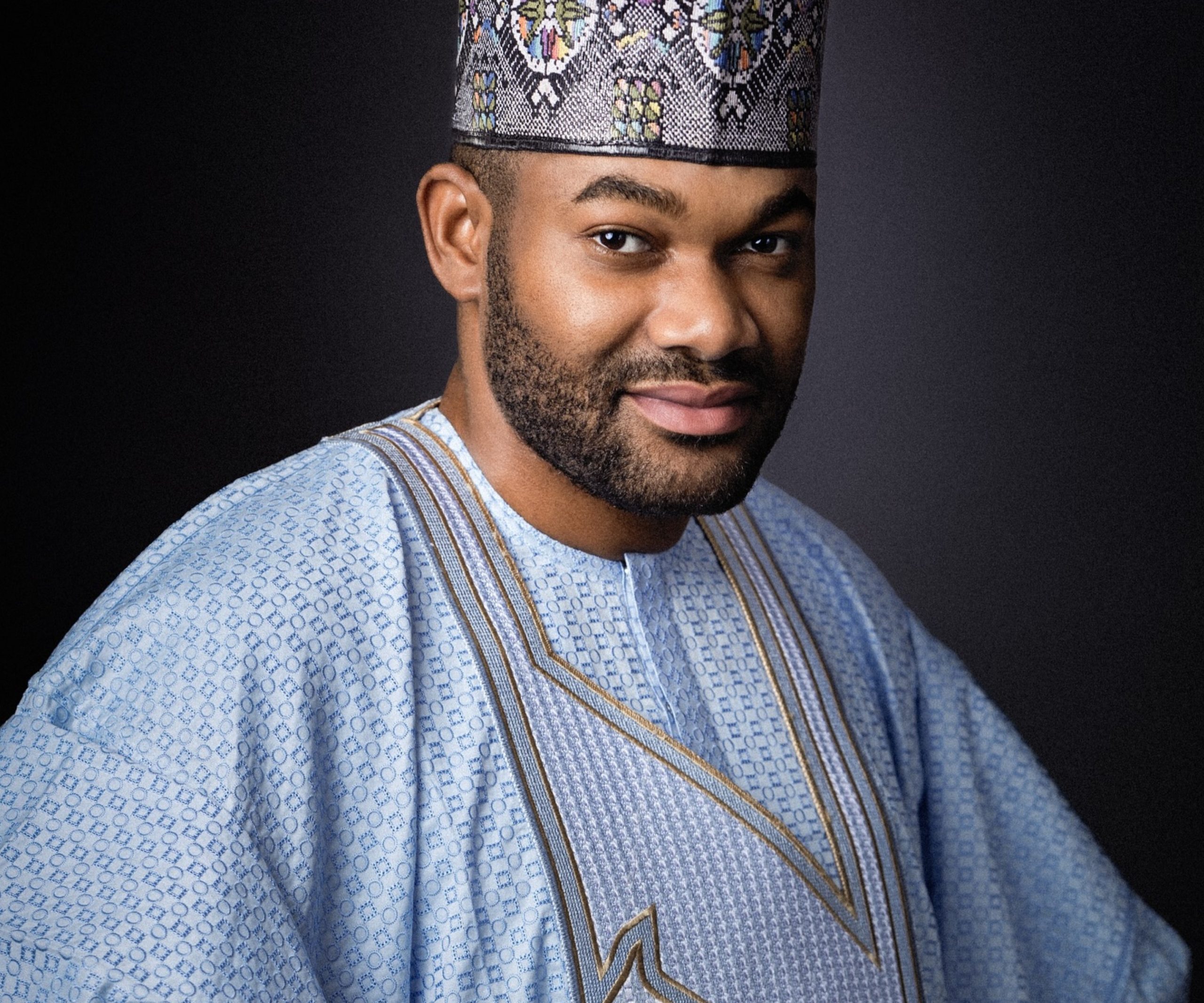
The Babbar (Agbada) in Northern Nigeria is not just a style; it is a symbol of unity that unites all the Northern Nigerian tribes. Babbar Riga (agbada) is among the Northern rich wardrobes, which stands out not merely as a garment but as a cultural bridge. Adorned by men of Hausa, Fulani, Kanuri, and other tribes in the region, this flowing robe has been worn for centuries at festivals, rituals and other ceremonial gatherings, quietly connecting communities through shared traditions and lifestyle.
In this article, I will lead you to discover that the historical heritage of Babbar Riga reflects Northern Nigerian cultural heritage, unites diverse tribes, influences festivals and celebrations, and remains a symbol of identity and history in modern Arewa. Together, we will explore its origins, design intricacies, social significance, and the enduring role it plays in both daily life and ceremonial grandeur in the North.
Learn how the Babbar Riga, Northern Nigeria’s iconic robe, unites diverse tribes through festivals, heritage, and traditions in the north.
The Origins of the Babbar Riga
Babbar (Agbada): The Historic German That Still Exists
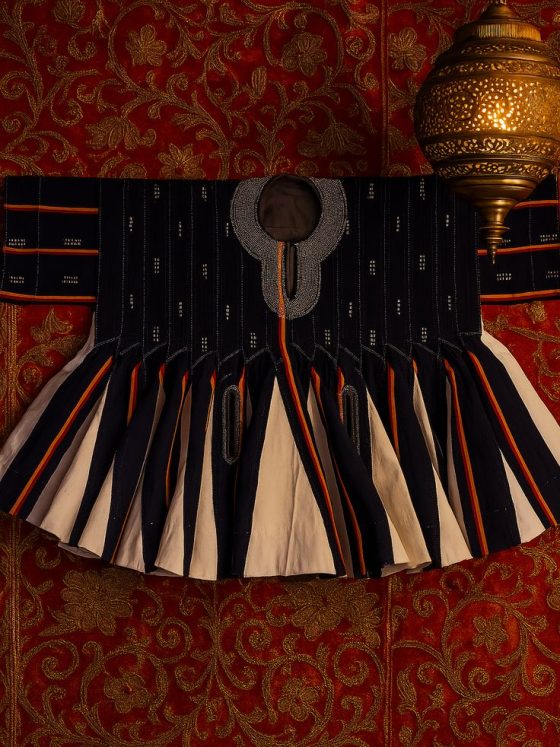
The Babbar Riga (agba), often described as a “grand robe” or “symbol of royalty”, has roots that stretch back centuries in Northern Nigeria. Historically worn by chiefs, emirs, aristocrats, and influential men, the style signified prestige, authority, and sophistication. Its name, Babbar Riga, literally translates to “big robe” in Hausa, a nod to its flowing elegance and commanding presence.
It is much more than attire; it is a storytelling medium that carries the collective memory of tribes, their achievements, celebrations, and pride. Every man in the North is proud to wear Babbar Riga. It’s diversely influenced through the markets of Kano, Sokoto, and Maiduguri, signifying unity through thread. The Babbar Riga has been both a daily wardrobe staple and a ceremonial masterpiece to the Northern people.
The Design and Materials
Traditionally, Babbar Riga robes are made from high-quality cotton, silk, or damask fabrics, often hand-embroidered with intricate motifs. The embroidery, usually along the chest, neckline, and sleeves, features geometric patterns, symbolic designs, or tribal emblems. For readers curious about the fabrics often used in traditional Northern Nigerian robes, premium cotton, damask-inspired textiles, and embroidery materials similar to those used by local tailors can be explored online.
The crafting process is meticulous:
- Selection of fabric: Premium materials reflect status.
- Design embroidery: Skilled artisans add symbolic stitches.
- Fitting and finishing: Ensures a smooth, comfortable fit, suitable for festivals and formal occasions.
Babbar Riga and the Tribes of Northern Nigeria
Hausa Influence
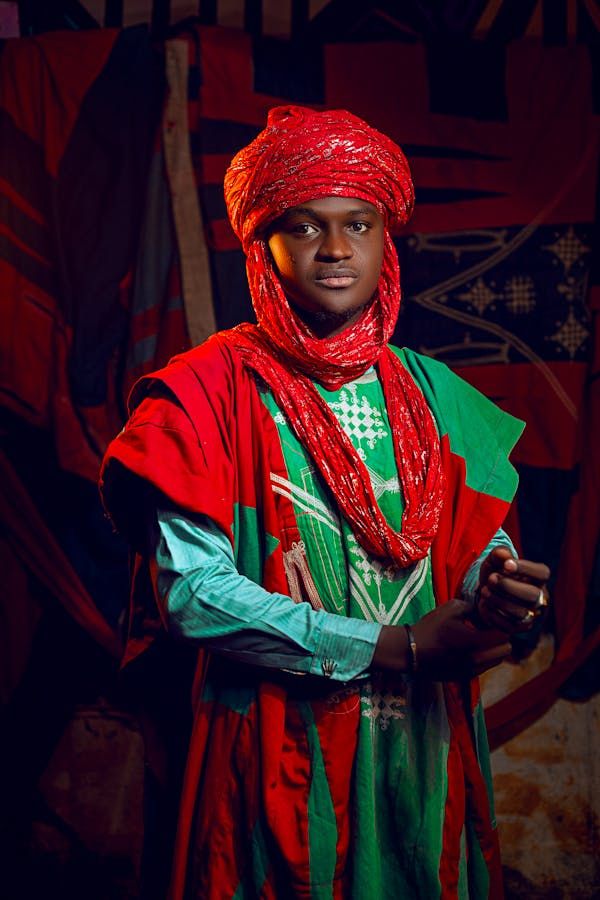
Among the Hausa, the Babbar Riga is a sign of dignity and respect, as well as a symbol of royalty. It is commonly paired with a Zanna bukar cap or embroidered turban (rawani) by royal families, especially during festivals and Islamic celebrations. While authentic Zanna Bukar caps are usually sourced from Northern Nigerian craftsmen, readers looking to understand the style can browse embroidered Hausa-inspired caps and traditional headwear available online. The Hausa also incorporate specific embroidery motifs that represent their city or lineage, linking clothing to identity. In Hausa, there are many varieties of babbar riga, such as Tsamiya, saki, and kwado da linzami
Fulani Adaptations
Due to the integration of Hausa culture into Fulani culture, the babbar riga is part of Fulani modest dress, especially for older people and leaders. To Fulani Babbar Riga, it is not just ceremonial; it is a practical yet elegant garment. While retaining its flowing silhouette, the Fulani style often features lighter fabrics, suitable for mobility across the savannah. Decorative elements may include distinctive trims or colours denoting family or tribe, but the most dominant colour of the Fulani babbar is white, combined with Dara Cap. White ceremonial robes and Dara-style caps remain some of the most signature look for Northern Nigerian men’s fashion and are often recreated by designers across Africa and the diaspora.
Kanuri and Borno Contributions
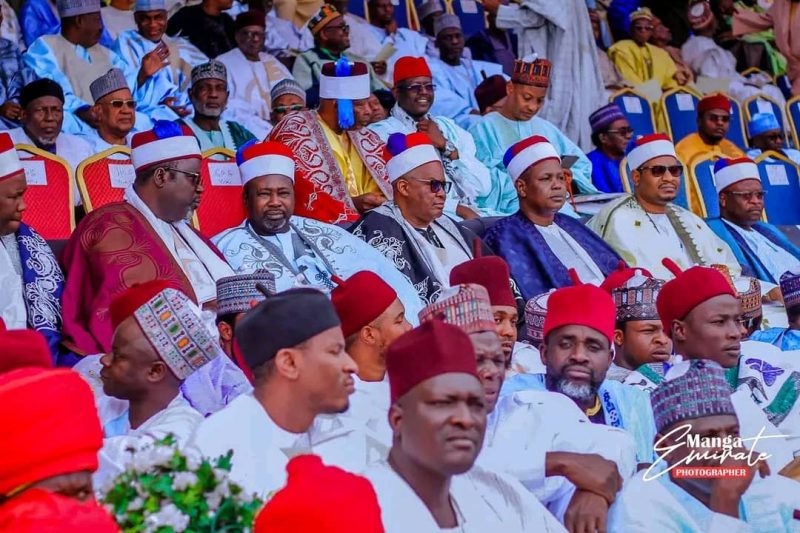
You cannot differentiate between the Hausa and Kanuri tribes, for which the Babbar riga is a symbol of pride and royalty. In the Kanuri culture, the Babbar Riga has ceremonial importance, especially during royal events, weddings, and Durbar festivals. The Kanuri often favour bold embroidery and vibrant hues, making the robe a symbol of prestige and celebration. They usually wear a Babbar riga made of expensive material and combine it with a dara or Zanna bukar.
In Northern Nigeria, your cap says a lot. Embroidered Dara caps and special scarves are how elders show status without saying a word.
A Symbol of Inter-Tribal Unity
Despite variations, the Babbar Riga transcends tribal differences. Its adoption across Hausa, Fulani, Kanuri, and other Northern tribes signifies a shared cultural identity. When worn during festivals or community gatherings, it visually unites diverse tribes under a common heritage, fostering cultural solidarity.
The Babbar Riga in Festivals and Celebrations
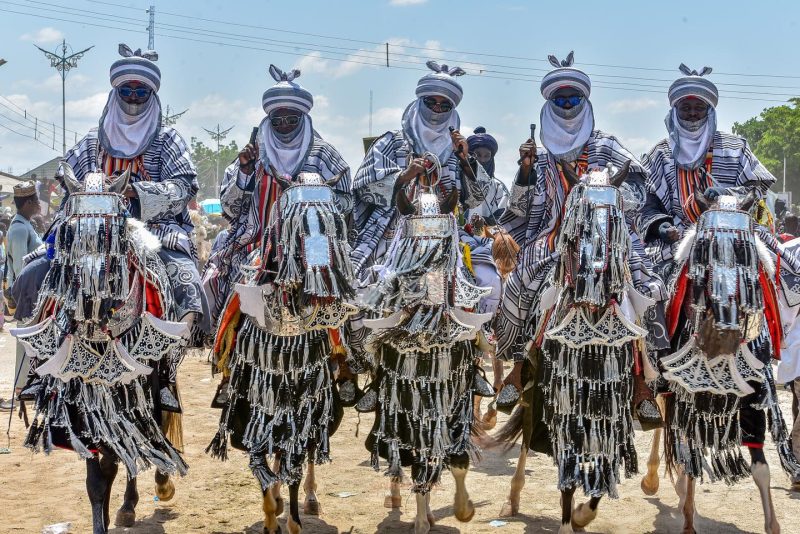
The Durbar Festival
The Durbar Festival, held in cities like Kano, Katsina, and Zaria, is one of Northern Nigeria’s most iconic celebrations. During the durbar, men wore Babbar Riga robes paired with turbans, and horses were adorned in ceremonial trappings. The flowing robes enhance the majesty and spectacle of the parade, reflecting communal pride and historical tradition. If you see a beautiful dress, the dress worn by an emir or his fellow district head usually consists of a combination of babbar riga (agbad), Rawani, and alkyabba.
The layered combination of agbada, turban (rawani), and flowing ceremonial outerwear remains one of the most classic looks in Northern Nigerian culture and it continues to inspire modern African formal fashion.
Weddings and Rites of Passage
The most common dressing for grooms at northern Nigerian weddings is Babbar Riga (Agba).Many modern grooms across Africa and the diaspora now blend traditional Babbar Riga styling with contemporary tailoring, keeping the heritage while adapting it for modern celebrations. At a wedding, the groom, his friends, and elders are mostly decently dressed in an agbada, and this is not just for Hausa; it is common across most tribes in the North. Intricately embroidered robes, often custom-made, convey:
- Social status
- Family pride
- Respect for tradition
Similarly, when naming ceremonies or other rites of passage, the robe signals honour and cultural continuity.
Religious Festivals
During Eid celebrations, men wear pristine Babbar Riga robes to mosques and communal gatherings. The robe demonstrates faith and devotion and celebrates Northern Nigeria’s interconnected tribal culture.
Design Elements That Speak Volumes
Flowing Silhouettes
The Babbar Riga’s loose, flowing structure allows freedom of movement, making it suitable for festive dances, parades, and public ceremonies. Its silhouette conveys grace, confidence, and authority, qualities valued across all Northern tribes.
Embroidery and Symbolism
Patterns in the robe are not purely decorative; they often tell a story of the wearer’s heritage. Some common symbols include:
- Geometric motifs: Representing tribal identity
- Floral designs: Denoting prosperity or celebration
- Line motifs: Signifying history or lineage
- Royalty: The most common dressing of royal families is babbar riga.
- A symbol of modesty
The embroidery transforms the robe into a canvas of tribal storytelling, worn with pride at every festival and celebration.
Colour Palette and Cultural Meaning
Though there is no standard colour for agba, the most common and attractive colours in Northern Nigeria are.
- White: Purity, peace, and festivity
- Blue: Nobility and tranquillity
- Gold or Yellow: Prestige, wealth, and celebration
- Earth tones: Connection to the land and heritage
Different tribes may emphasise specific colours, reflecting their local aesthetics and traditions.
For readers interested in recreating traditional colour combinations, modern African formalwear collections often incorporate the same symbolic colour palettes used across Northern Nigeria.
RECOMMENDED:
- Hausa/Fulani Fashion Identities: State-by-State Guide to Textiles, Garments, & Cultural Codes
- Horses in Northern Nigeria: Symbols of Power, Royalty, and Cultural Pride
- Beyond the Kaftan: Exploring Fashion Creativity in Northern Nigeria’s Cities
The Relevance of Babbar Riga in Modern Fashion
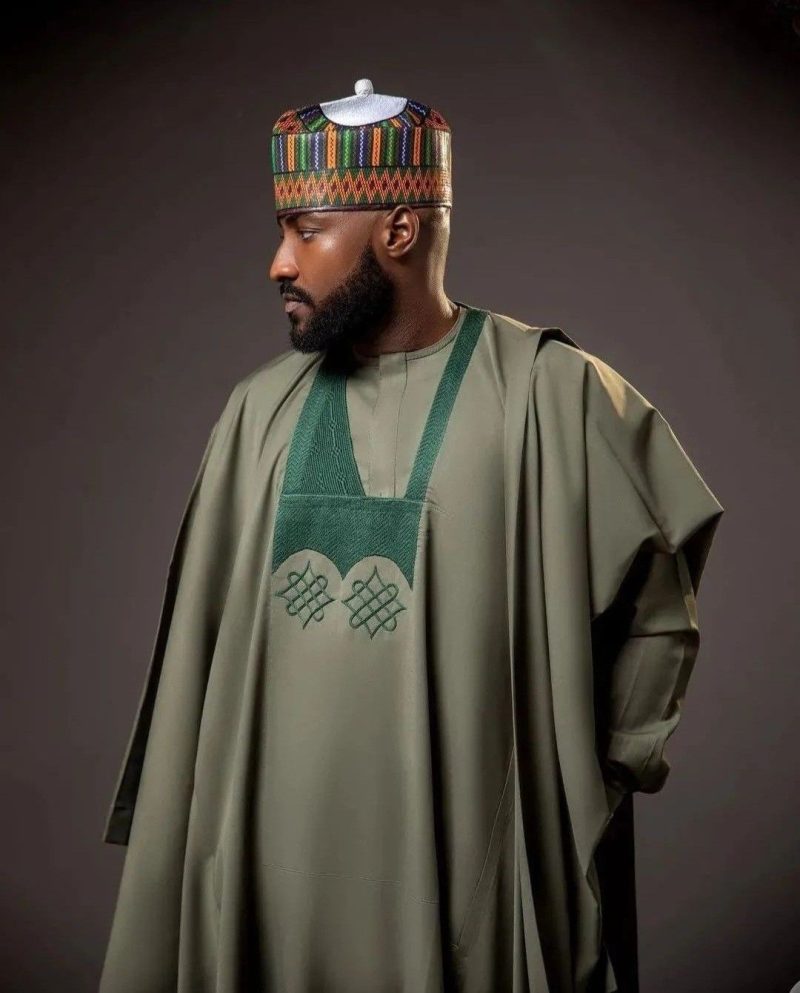
Today, the Babbar Riga continues to thrive in Northern Nigeria’s fashion scene:
- Modern tailoring: Designers are creating fusion styles that blend traditional embroidery with contemporary cuts.
- Global recognition: Influencers and fashion enthusiasts showcase Babbar Riga on social media platforms, bringing Northern Nigerian heritage to the world stage.
- Corporate and casual adoption: Younger generations wear the robe to formal events, offices, and cultural exhibitions, proving its versatility.
- The introduction: Machine-made design instead of handmade
Even as lifestyles change, the Babbar Riga remains a cultural link, connecting modern wearers with centuries of Northern Nigerian heritage.
The Babbar Riga is far more than a piece of clothing; it is a narrative woven in fabric, an emblem of Northern Nigeria’s tribes, festivals, and cultural heritage. From their flowing silhouettes to intricate embroidery, each robe tells a story of unity, identity, and celebration.
Finally
As Northern Nigeria continues to develop, the Babbar Riga remains a constant reminder of shared history, a living testament to the beauty of traditions passed down across generations.
Celebrate Northern heritage. Wear your identity. Honour the Babbar Riga.
For more insights into Northern Nigerian fashion, traditions, and lifestyle, visit OmirenStyles.com and immerse yourself in the stories woven through culture, celebration, and style.
Explore Traditional Northern Nigerian Fashion
Interested in seeing how modern designers interpret Babbar Riga, rawani turbans, embroidered caps, and ceremonial Northern Nigerian attire?
Browse Traditional African Menswear on Amazon
FAQs
1. What is the Babbar Riga?
The Babbar Riga is also known as an agbada, a garment popular in various regions of Nigeria and West Africa. It is a traditional flowing robe worn by men in Northern Nigeria, signifying prestige, heritage, and tribal identity.
2. Which tribes wear the Babbar Riga?
Primarily Hausa, Fulani, Kanuri, and other Northern Nigerian tribes adopt it, often with unique stylistic variations, but the Yoruba tribe has also adapted it.
3. On what occasions is the Babbar Riga worn?
It is worn during festivals, weddings, religious celebrations, Durbar events, and ceremonial gatherings.
4. How does the Babbar Riga promote unity?
By being adopted across multiple tribes, it serves as a shared cultural expression, visually connecting diverse communities during celebrations and ceremonies.