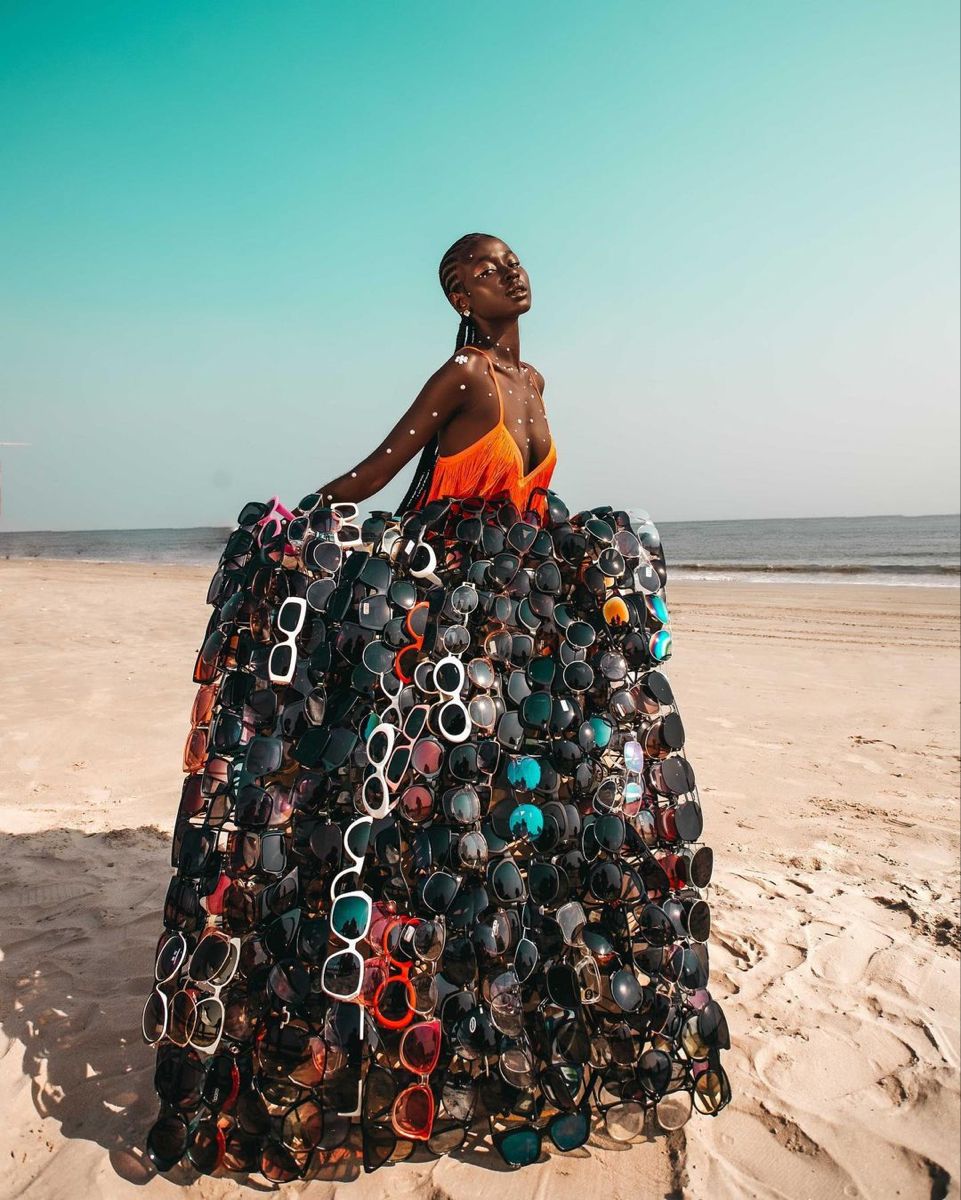
It rarely announces itself.
A silhouette returns to the runway. A hairstyle resurfaces on magazine covers. A beauty practice begins to circulate again, reframed as discovery. It is named, packaged, and forecasted.
A trend.
But somewhere else, it never left.
It existed quietly, outside of cycles. Worn without explanation and practised without documentation, and not revived, because it was never abandoned.
This is the quiet misalignment that defines much of contemporary culture.
What is often presented as new is, in many cases, simply newly seen.
An in-depth cultural essay exploring how global trends often emerge from long-standing traditions and why understanding continuity is essential in today’s fashion and beauty landscape.
The Illusion of Newness
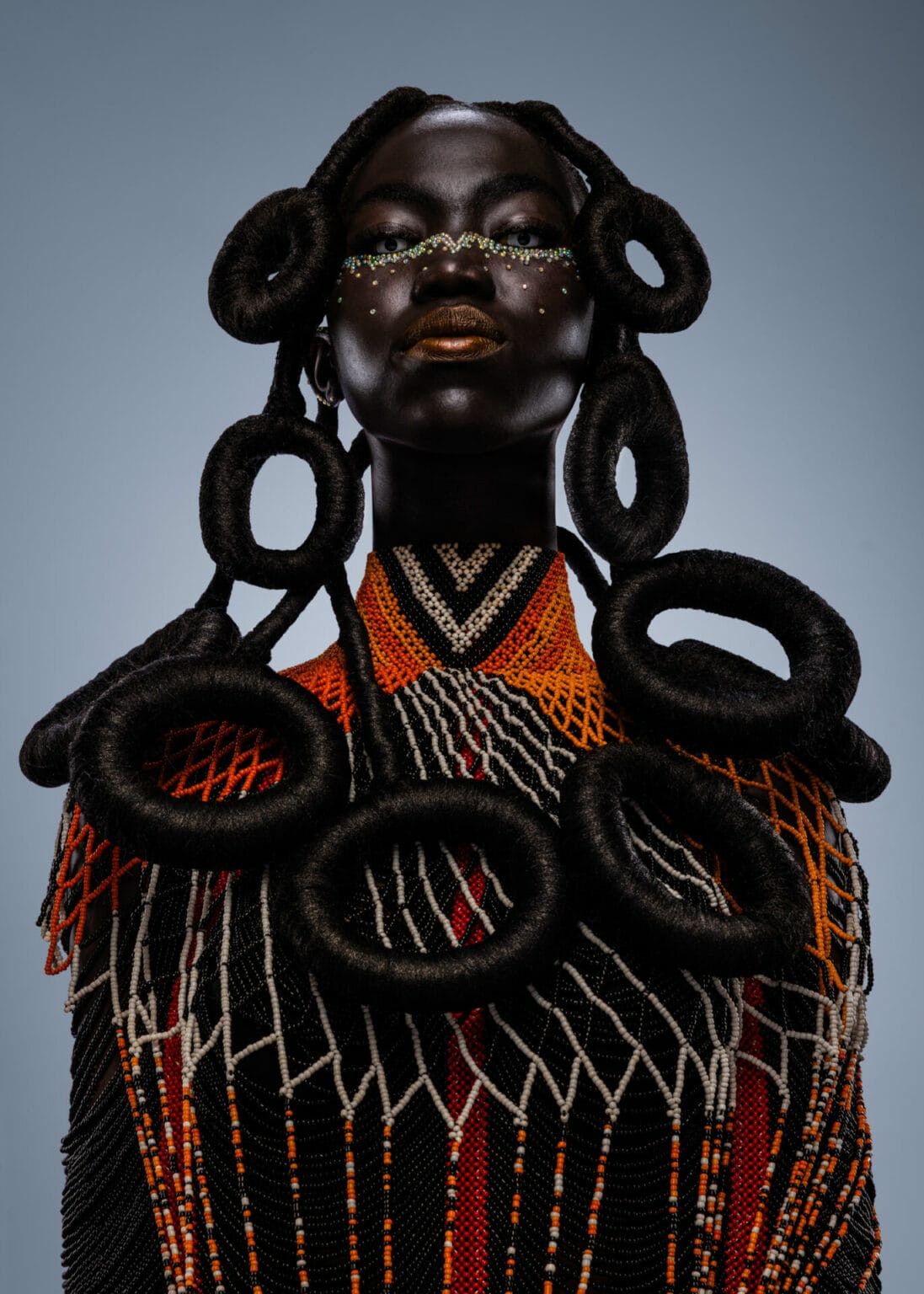
The global fashion and beauty industries are built on momentum.
Each season must feel distinct from the last. Each collection must suggest evolution. The language is deliberate—new, fresh, emerging. Even when references are drawn from the past, they are framed as reinterpretations rather than continuations.
But culture does not operate on this schedule.
It is not seasonal. It does not expire. It does not require reinvention to remain relevant. Instead, it carries itself forward, adapting subtly while maintaining a sense of continuity that is often invisible to those outside of it.
This is where perception begins to shift.
What is considered innovative in one context may be deeply familiar in another. A form, a gesture, a method;
These do not suddenly appear. They arrive in visibility.
And visibility, in a global sense, is often mistaken for origin.
Seen Before It Is Understood
In today’s visual economy, recognition happens quickly.
An image is enough. A look can circulate across platforms within minutes, detached from geography and context. It is consumed, interpreted, and, almost immediately, reproduced.
This is how trends move.
But understanding does not travel at the same speed.
To understand something requires a pause. It requires context about where it comes from, how it has been used, and what it signifies within its original environment. It requires attention to detail, to nuance, to meaning beyond the surface.
When cultural expressions enter global spaces, they are often seen long before they are understood.
And in that gap, something shifts.
The narrative changes. The meaning softens. The depth becomes optional.
Styling Without Memory
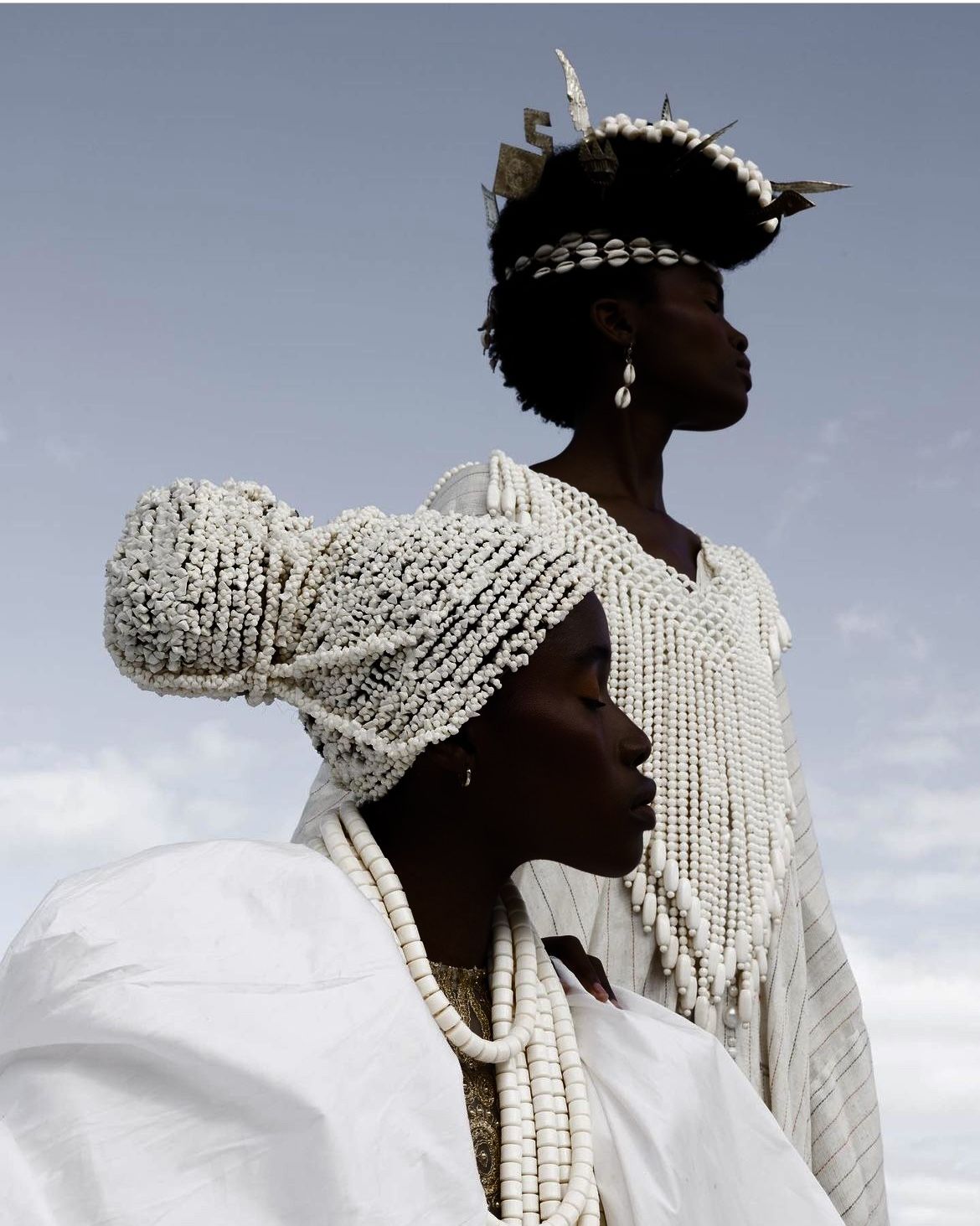
One of the most defining characteristics of modern fashion is its ability to isolate elements.
A detail is extracted. A technique is highlighted. A form is elevated and reframed. This is part of the creative process—editing, refining, and presenting.
But when this process happens without memory, something essential is lost.
A hairstyle becomes a statement, rather than a practice. A garment becomes a trend, rather than a continuation. A method becomes aesthetic, rather than lived.
What remains is visually compelling, but contextually incomplete.
This is not always intentional.
It is, in many ways, the result of speed. The faster something moves, the more it is simplified. The more it is simplified, the easier it is to circulate.
But circulation is not the same as understanding.
Continuity as Presence
To speak of continuity is not to suggest that culture is fixed.
It evolves. It responds. It absorbs influence and reinterprets it. But it does so from within, guided by internal logic rather than external validation.
Continuity is not about preservation in a rigid sense.
It is about presence.
The presence of practices that remain relevant without needing to be reintroduced. The presence of knowledge that is passed down, not because it is trending, but because it is necessary. The presence of aesthetics that are lived, not performed.
This is what makes continuity difficult to categorise within global systems.
It does not announce itself as new. It does not demand attention. It simply exists.
The Language of Reinvention
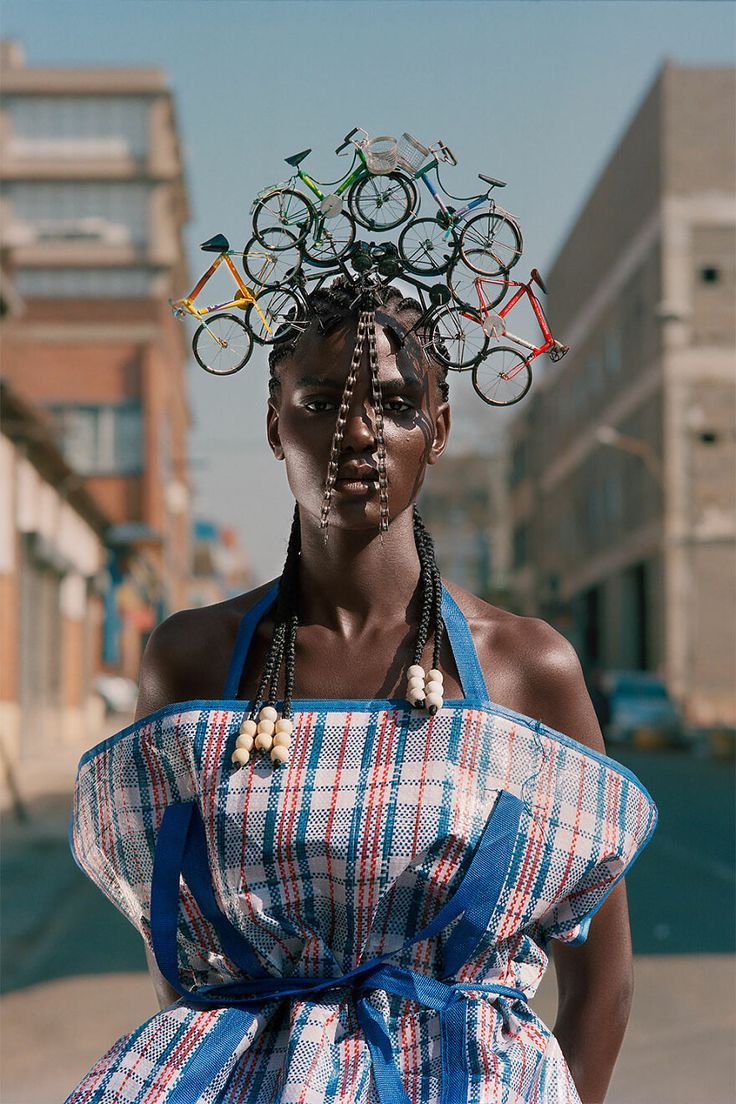
Global industries often rely on the language of reinvention.
Cultural elements are described as being reimagined, modernised, or elevated. While these terms suggest creativity, they can also obscure the fact that these practices were never static to begin with.
They were already evolving.
Already adapting.
Already modern within their own context.
To frame them as newly relevant overlooks that they have always been relevant—just not always visible within global frameworks.
This is where the narrative becomes more complex.
Because what is being celebrated as innovation may, in fact, be translation.
Between Appreciation and Interpretation
Cultural exchange has always existed.
Ideas have moved across regions for centuries, influencing one another in ways that are difficult to trace fully. There is value in this exchange. It creates dialogue, expands perspective, and allows creativity to move beyond boundaries.
But in a globalised world, the scale of this exchange has intensified.
With greater access comes greater responsibility.
There is a growing awareness that engagement with culture requires more than appreciation. It requires interpretation—an effort to understand not just what something looks like but what it means.
This distinction matters.
Because appreciation can remain surface-level. Interpretation asks for depth.
READ ALSO:
- Afrofuturism in Fashion: How Creativity and Luxury Are Being Rewritten
- The Art of Dressing Well Across Cultures: What Global Style Actually Teaches Us
Fashion, Beauty, and the Politics of Timing
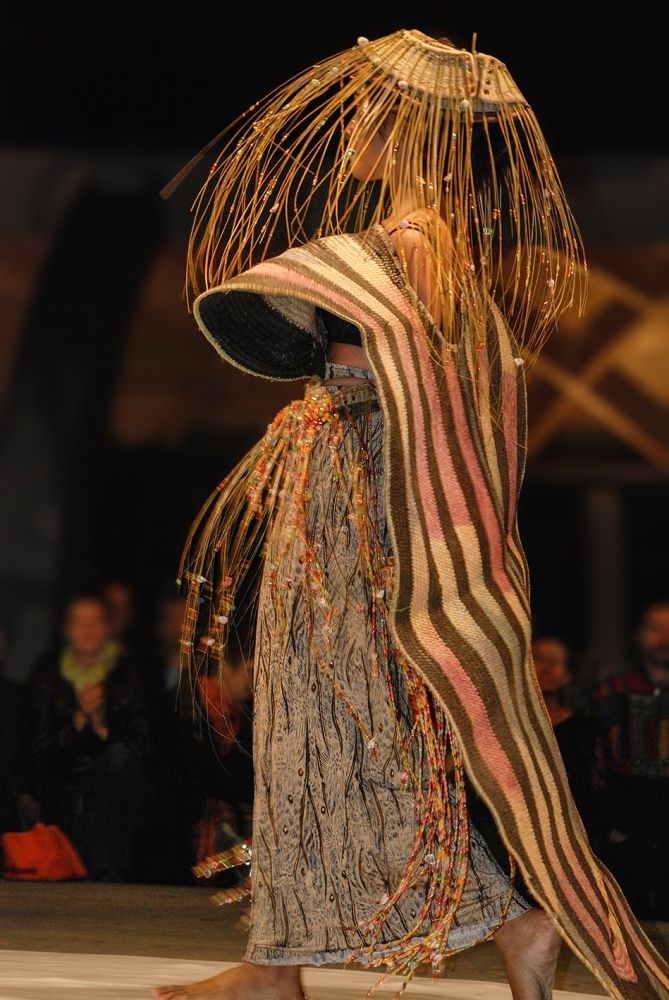
Timing plays a subtle but powerful role in how culture is perceived.
When a practice exists outside of global visibility, it is often overlooked. When it enters mainstream circulation, it is suddenly recognised—sometimes celebrated, sometimes commodified.
But the timing of this recognition is not neutral.
It reflects broader systems of attention—who is being seen, who is being heard, and when certain aesthetics are considered valuable.
This is why continuity matters.
It challenges the idea that relevance is determined by visibility. It reminds us that value exists independently of recognition.
Toward a More Conscious Engagement
The shift we are beginning to see is not necessarily a rejection of trends but a more conscious engagement with them.
A willingness to ask where something comes from. To acknowledge its history. To recognise that what feels new may carry layers of meaning that extend far beyond its current presentation.
This does not limit creativity.
It deepens it.
It allows fashion and beauty to move beyond surface-level inspiration into something more considered. More informed. More connected.
Conclusion
What the world calls a trend is often a matter of timing.
What culture calls continuity is a matter of presence.
Between the two lies a space of interpretation—a space where meaning can either be simplified or understood. Where visibility can either replace history or invite it.
In a world where everything moves quickly, continuity offers something different.
Not urgency, but depth.
Not novelty, but memory.
And in learning to recognise it, we begin to see culture not as something that appears, but as something that has always been there—waiting, not to be discovered, but to be understood.
FAQs
- What does “culture as continuity” mean?
It refers to cultural practices that continue over time, rather than appearing suddenly as trends.
- Why are traditions often referred to as trends globally?
Because they become visible in new contexts, making them seem newly discovered.
- What is the difference between trend and culture?
Trends are temporary and fast-moving, while culture develops over time and carries deeper meaning.
- How can we engage with global culture responsibly?
By understanding context, asking questions, and avoiding surface-level interpretation.
- Why is cultural awareness important in fashion and beauty?
Because these industries often borrow from cultural practices, understanding is essential for respectful representation.