The African fashion market is worth 31 billion dollars. Fashion writing about African textiles has not always kept pace with what that market actually consists of. The shortcuts documented below appear regularly in editorial copy across print, digital, and broadcast fashion coverage. Each one fails at the level of basic fact. Each one can be corrected without making the copy less engaging, more cumbersome, or less appropriate for a general audience. Accuracy is not an obstacle to fashion writing. It is what makes fashion writing useful.
This list is not exhaustive. These are the eight most frequent and most consequential editorial errors that Omiren Styles encounters in coverage of African textiles, addressed in order of their editorial consequences rather than their frequency.
Eight editorial shortcuts that appear in fashion writing about African textiles. Each has a correction, a reason, and a better question to ask instead.
The Eight Shortcuts
Shortcut 1: Calling wax print fabric African
Correction: Wax print is not African in origin. It is a Dutch-manufactured industrial fabric whose history runs through Indonesia, the Netherlands, and West Africa. Its relationship to African dress cultures is real, important, and worth documenting precisely rather than incorrectly.
Wax print fabric, also known as Dutch wax or African wax print, was developed by Dutch manufacturers in the 19th century as an attempt to replicate the Indonesian batik technique using wax-resist dyeing industrially. The fabric was initially intended for the Indonesian market and failed commercially there. Dutch traders and manufacturers subsequently routed it through West Africa, where communities adopted, adapted, and developed distinct visual vocabularies around it across the late 19th and 20th centuries. As Omiren Styles’ African Textile Glossary confirms, it is one of the terms fashion keeps getting wrong because calling it African erases a transoceanic industrial and trade history that is part of the cloth’s actual meaning.
What wax print is: an industrial fabric with a documented production history in the Netherlands and, from the 20th century, in African factories including the Vlisco plant and later factories in Ghana, Côte d’Ivoire, Nigeria, and Senegal. What it has become: a significant component of West African dress culture, fashion identity, and commercial production whose designs are now developed by African designers and manufacturers. The more precise language: Dutch wax print or wax print, with specific attribution to its manufacturing origin and its African design and use context where relevant.
Shortcut 2: Using ankara as a synonym for all patterned African fabric
Correction: Ankara is a specific category of commercial fabric. It is not a synonym for African print, African fabric, or all patterned cloth associated with African dress.
Ankara is the market name used in Nigeria and parts of West Africa for wax-print fabrics, particularly those produced by manufacturers such as ABC Wax and Vlisco. The term is derived from the Turkish city, though the connection to Turkey in the fabric’s commercial history is indirect. In Nigerian fashion discourse, ankara is specific and widely understood. In international fashion writing, it is frequently used to refer to any brightly patterned cloth associated with African dress traditions, thereby conflating multiple distinct textile categories.
African dress cultures use many distinct textile forms: kente, aso-oke, bogolan, adire, kanga, kitenge, shweshwe, aso-oke, adinkra-printed cloth, and many others, each with a specific production tradition, material composition, and cultural context. Calling any of these ankara is inaccurate. Calling all brightly patterned cloth “ankara” is even more inaccurate. The more precise language: name the specific textile tradition where known; use ankara only to refer to the commercial wax-print category in West African markets, where it is so named.
Shortcut 3: Treating kente as a generic African textile
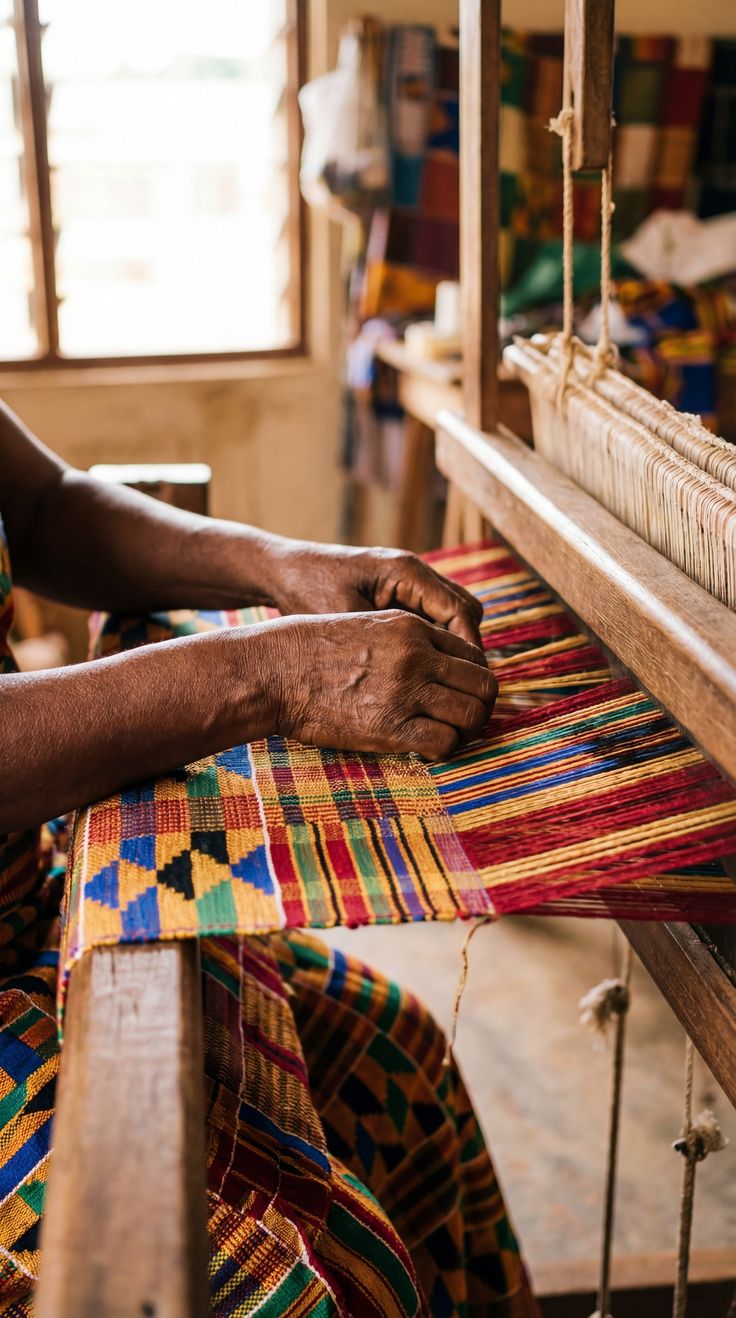
Correction: Kente is a specific handwoven textile from the Akan and Ewe traditions of Ghana. It has specific colours, patterns, names, and cultural meanings that vary by tradition, occasion, and community. It is not a generic African weaving.
Kente is produced in two primary traditions: Ashanti (Akan) kente, whose origins are associated with the Ashanti Kingdom and whose patterns carry specific royal and ceremonial associations, and Ewe kente from the Volta Region, which has a distinct design vocabulary and production tradition. Each kente pattern has a name. Many patterns carry proverbs, historical associations, or ceremonial significance. In September 2025, Ghana formalised GI protection for kente, giving the tradition legal protection from misuse under the geographical indication framework. As Omiren Styles’ analysis of who should define cultural authority in fashion confirms, cultural authority over kente belongs to the Akan and Ewe weavers whose tradition it is, not to any external institution that discovers it.
The editorial shortcut appears most commonly in two forms: using kente to mean any brightly striped African fabric, and using kente to mean any handwoven African cloth. Both are inaccurate. The more precise language: name kente specifically as kente, identify whether the tradition being referenced is Ashanti or Ewe, and do not use kente to describe other African weaving traditions unless those traditions use the term themselves.
Shortcut 4: Calling bogolanfini ‘mud cloth’ without further context
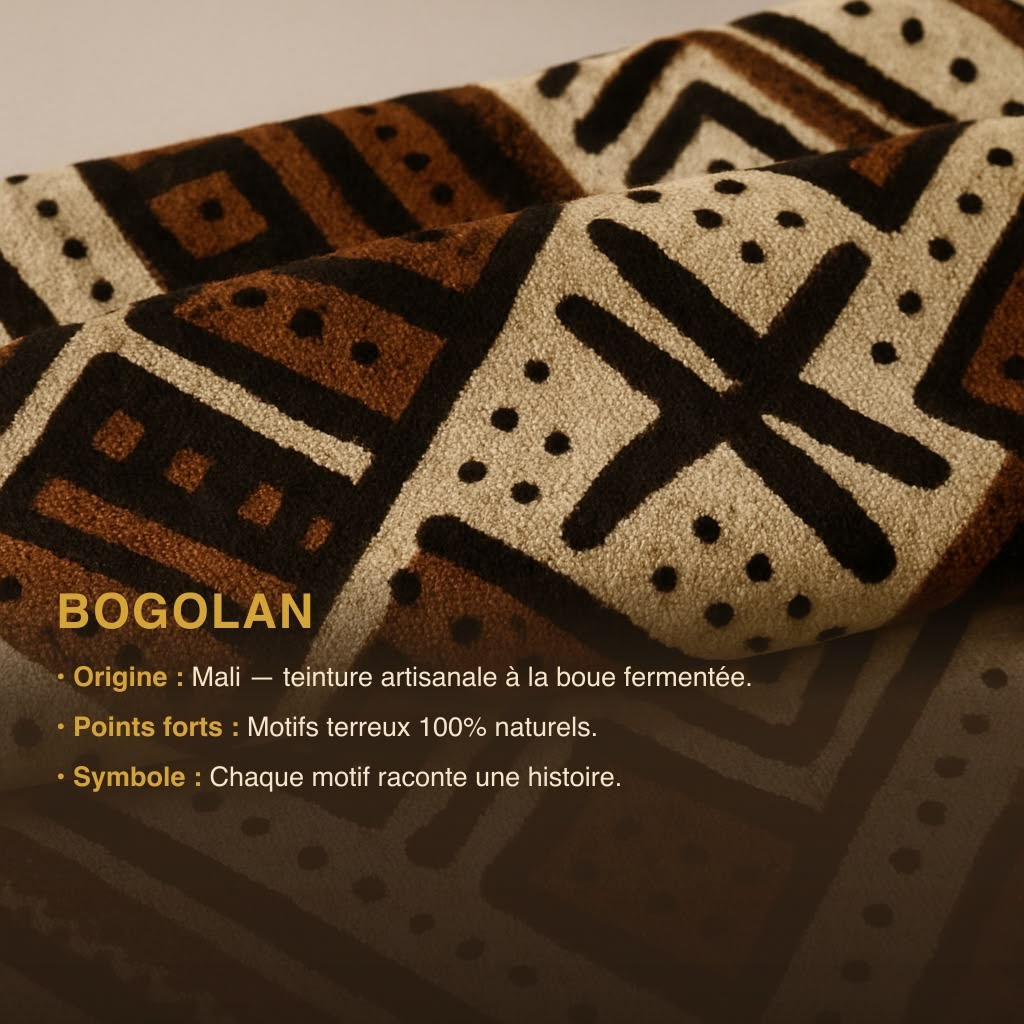
Correction: Bogolanfini is the Bambara-language name for a specific Malian textile tradition involving cotton cloth dyed with fermented mud through a resist process. Mud cloth is a translation that describes the dyeing process but loses the tradition’s specificity.
Bogolanfini is produced primarily by the Bambara, Dogon, and Marka peoples of Mali. Its production involves a complex resist-dyeing process in which cotton cloth is dyed with plant-based dye, then patterned with fermented mud, then treated to remove the dye from the clay-painted areas, creating a distinctive pattern in which the darkened background throws the reserved lighter design into relief. As Omiren Styles’ documentation of bogolan’s misclassification confirms, the translation mud cloth describes one material aspect of the process without capturing its cultural specificity, its regional variation, or the community knowledge embedded in its production.
The editorial shortcut of mud cloth is not wrong in the way that calling wax print African is wrong. It is inadequate: it describes a surface characteristic rather than the tradition. The more precise language: use bogolanfini as the primary name, with mud cloth as a production description in parentheses for audiences unfamiliar with the Bambara term, and name the Malian community context in which the textile is produced.
Shortcut 5: Describing African fashion as ’emerging’
Correction: African fashion is not emerging. It has been practised, traded, worn, and exported for centuries. The language of emergence describes the international fashion press’s discovery of African fashion, not African fashion itself.
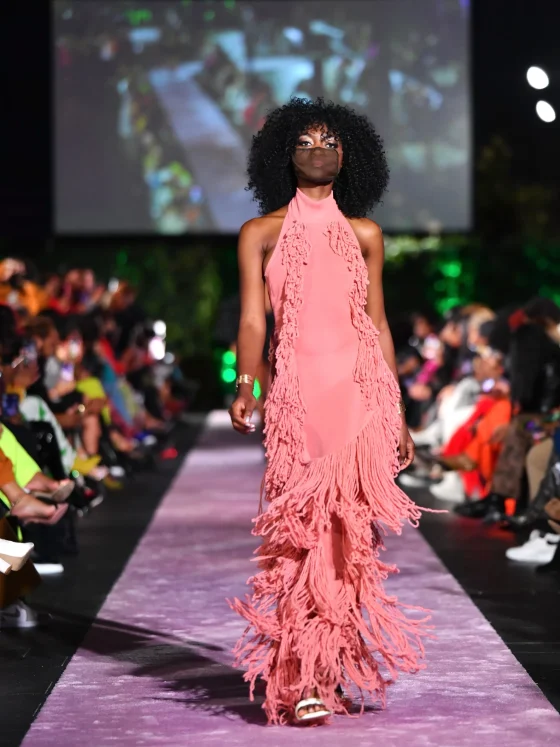
The African fashion market is worth 31 billion dollars. A 31 billion dollar market that has been building its infrastructure since at least the founding of South African Fashion Week in 1997, that has produced internationally stocked labels including Thebe Magugu, Lisa Folawiyo, and MaXhosa Africa, and that has developed platforms from Lagos Fashion Week to Africa Fashion Week London, is not emerging. It has arrived. It was there before the international press arrived to cover it.
The language of emergence is systematically applied to African creative industries in ways it is not applied to European or North American industries of comparable scale and sophistication. A European fashion week is not described as emerging because it exists in a market the international press already knows. An African fashion week is described as emerging because the press is only recently covering it. The distinction measures the coverage gap, not the development gap. The more precise language: established, developing its international reach, building export infrastructure, or simply naming the specific development being described rather than using emergence as a catch-all.
Shortcut 6: Reporting textile waste data without method, location, or uncertainty
Correction: Textile waste statistics require the same methodological transparency as any other quantitative claim. The specific method of measurement, the location and scope of the study, and the uncertainty range must be stated, or the statistic is not usable editorial evidence.
Fashion editorial copy frequently cites textile waste figures (one garbage truck of clothing per second, 92 million tonnes of textile waste annually, clothing consumption will rise 63% by 2030) without citing the methodological basis for those figures. As Textile Exchange’s reporting standards for material data confirm, rigorous textile data reporting requires specification of what is being measured (fibre production, fabric waste, garment disposal), where (globally, regionally, nationally), by which method (industry survey, lifecycle assessment, trade data modelling), and with what uncertainty range. Without those specifications, a figure is not evidence. It is a number that feels significant.
The problem is compounded when textile waste statistics are applied to African fashion specifically without verification that the underlying data included African production and consumption in its methodology. A global textile waste figure from a study that uses European or North American production data as a statement about African fashion’s environmental impact is methodologically invalid. The more precise practice: cite the specific study, its geographic scope, its data collection method, and its date; acknowledge uncertainty; and do not apply global averages to specific regional contexts without confirming that the regional context is represented in the underlying data.
Shortcut 7: Inventing or asserting the meaning of a textile motif from its visual surface
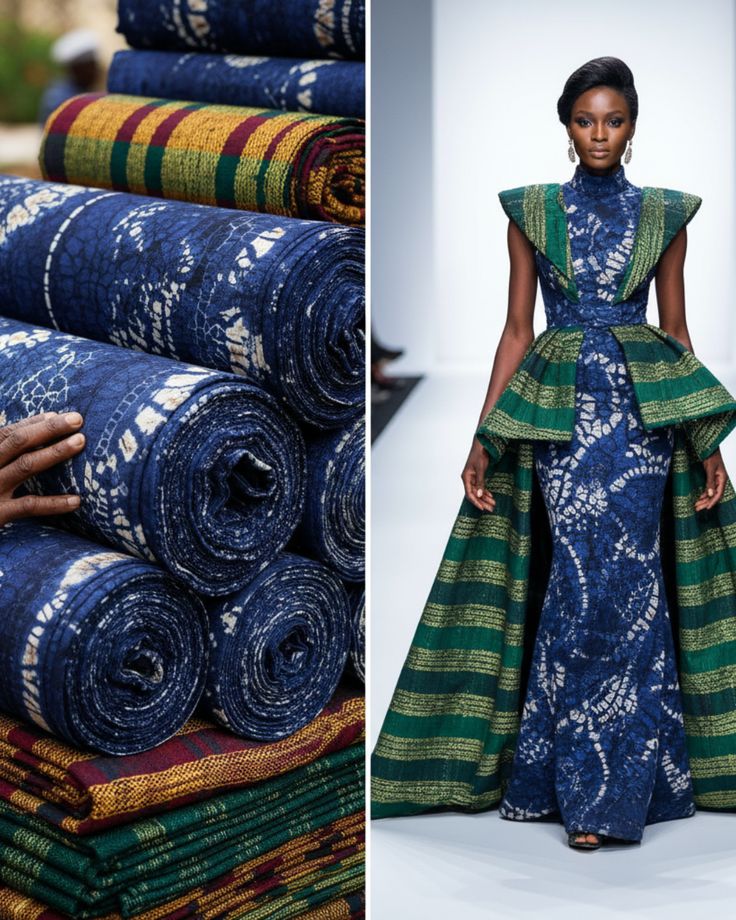
Correction: The meaning of a textile motif is not available from looking at it. It requires the name of the motif, its documented use context, the community that uses it, and an identified source for the meaning. If none of these is available, describe the visual pattern and state the limit of what is known.
Textile motifs may carry specific names, proverbs, historical associations, ceremonial uses, or social meanings that vary by community, weaver, dyer, region, language, event, and generation. The question an editor should ask is not ‘What does this motif mean?’ It is ‘Who names this motif, where is it used, who made it, and what does it mean in this context?’ If no reliable answer exists, describe the pattern visually and acknowledge the limit of the available evidence. As Omiren Styles’ documentation of Kuba cloth and its misclassification as print confirms, a geometric pattern on a Kuba cloth carries a design vocabulary that took decades to master and requires community knowledge to read correctly. No editorial observer looking at a photograph of the cloth can read that vocabulary from the surface.
The shortcut produces invented symbolism. A writer who needs to say something about a kente pattern they cannot name, an adinkra symbol they have not identified, or a bogolanfini design whose specific context they do not know will frequently describe what they see and attach a plausible meaning. The plausible meaning may be completely wrong. The more precise language: name the visual characteristics accurately (geometric, curvilinear, striped, figurative), identify the tradition the piece belongs to, and state clearly that the specific meaning of the specific motif requires expert cultural knowledge that the article does not claim to possess.
Shortcut 8: Treating African fashion as a single undifferentiated category
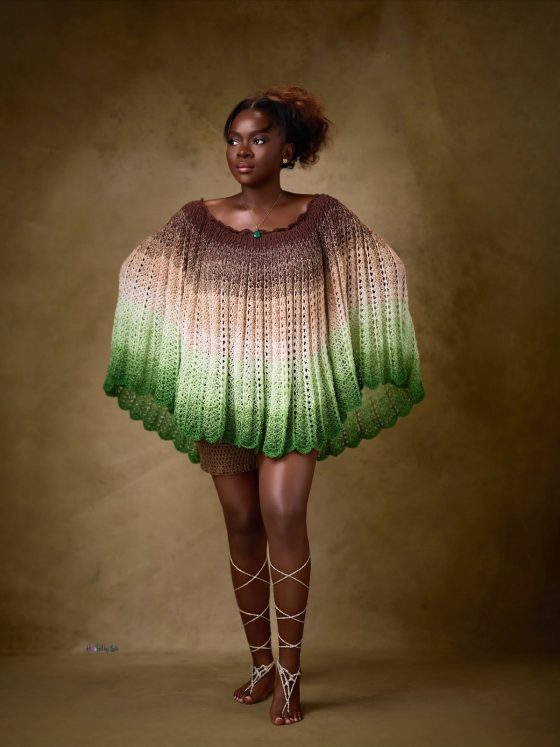
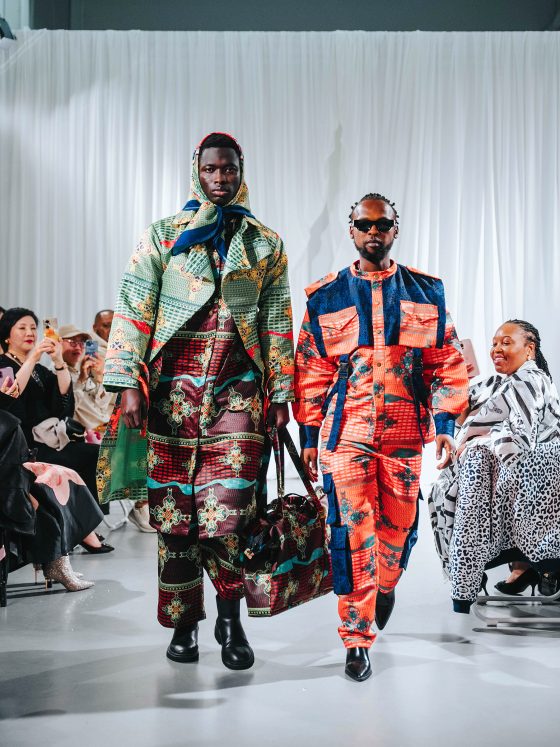
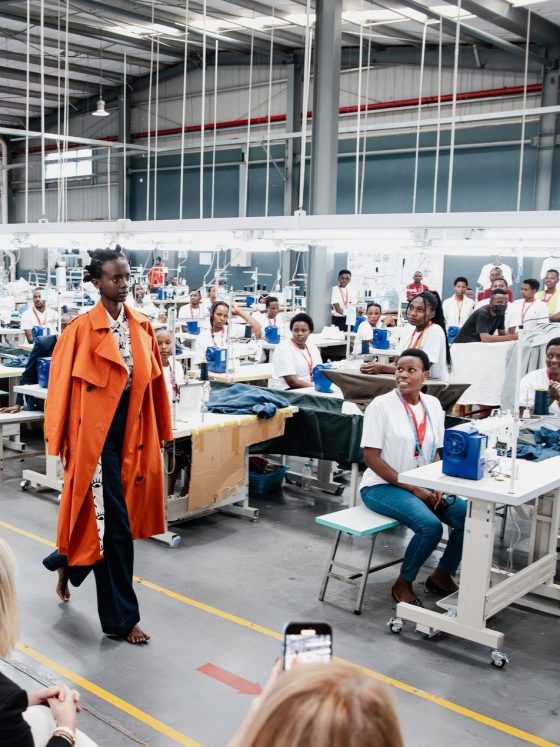
Correction: African fashion includes hand-stitched couture, mass-market prêt-à-porter, international luxury, artisan craft, streetwear, occasionwear, and every category of dress produced or worn across 54 countries with thousands of distinct cultural textile traditions. It is not a single category.
Luxury, craft, industry, and contemporary design exist across African fashion on their own terms. As the Omiren Index 2026 confirms, ten African ready-to-wear labels are building international infrastructure in 2026 across South Africa, Nigeria, Uganda, Kenya, and diaspora bases in Europe and North America. Their practices range from Thebe Magugu’s multi-retailer international stockist network to Buzigahill’s consecutive Berlin Contemporary grants and thirteen seasons of secondhand construction. Each is a different kind of fashion business, built from a different cultural foundation, serving different markets through different commercial models.
The editorial shortcut of treating African fashion as a single category produces homogenisation that is both inaccurate and commercially misleading. A buyer who reads that African fashion is artisanal and craft-based will not know that Thebe Magugu is stocked at Bergdorf Goodman, Net-a-Porter, and Dover Street Market across five international locations. A buyer who reads that African fashion is primarily a luxury export will not know that Peckham’s occasionwear tailors serve a distinct community market that neither needs nor seeks international luxury positioning. The more precise language: name the specific designer, label, tradition, or market being described; specify the scale; and resist the aggregation of 54 countries’ fashion practice into a single editorial category.
The Omiren Argument
African textiles are not a collection of bright prints waiting to be captioned. Wax print has a transoceanic industrial history. Ankara is not every patterned textile. Kente is associated with specific Akan and Ewe traditions and is protected under GI. Bogolanfini is a skilled Malian resist-dyeing process, not a generic surface. No continent’s fashion can be called emerging as though it has just arrived. Textile waste data must be reported with the method, location, and uncertainty. Motifs require context rather than invented symbolism. Luxury, craft, industry, and contemporary design exist across African fashion on their own terms and resist aggregation into a single category. The African fashion market is worth 31 billion dollars. The precision that market deserves is the same precision that fashion writing applies, when it is functioning correctly, to every other market it covers. The better an editor’s language becomes, the more clearly the cloth can speak.
ALSO READ:
- Who Controls the Narrative? Western Fashion Media and African Fashion
- Stop Calling It Emerging: African Fashion Is the Foundation, Not the Future
- Why Global Fashion Keeps Returning to the Same African Craft Traditions
- Awa Meité and Bogolanfini: Mud Cloth as a Living Archive
Frequently Asked Questions
What is wrong with calling wax print African?
Wax print is not African in origin. It is an industrial fabric developed by Dutch manufacturers in the 19th century as an attempt to replicate Indonesian batik through a wax-resist dyeing process. It reached West Africa through Dutch trade routes after failing commercially in the Indonesian market for which it was originally intended. West African communities adopted and developed distinct visual vocabularies around it across the 20th century. Calling it African erases this transoceanic history of manufacturing and trade. The correct terminology is Dutch wax print or wax print, with attribution to the Dutch manufacturing origin and acknowledgement of the West African design and use tradition that developed around it.
Why is Ankara not an all-African fabric?
Ankara is the market name used in Nigeria and parts of West Africa specifically for wax print fabrics, particularly commercially produced lines. It is one textile category within a much wider range of African textile traditions that includes kente, aso-oke, bogolan, adire, kanga, kitenge, shweshwe, and many others, each with distinct production traditions and cultural contexts. Using ankara as a synonym for all patterned African cloth conflates these distinct traditions into a single category that does not exist. The correct practice is to name the specific textile tradition rather than use ankara as a generic term.
What is the correct name for bogolanfini?
Bogolanfini is the Bambara-language name for the Malian textile tradition involving cotton cloth dyed with fermented mud through a resist process. It is produced primarily by the Bambara, Dogon, and Marka peoples of Mali. Mud cloth is an English translation that describes the dyeing medium but loses the cultural specificity of the tradition. The recommended practice is to use bogolanfini as the primary name, with a description of the production process for unfamiliar audiences, and to attribute the tradition to the specific Malian communities that produce it.
Why shouldn’t you call African fashion “emerging”?
African fashion is not emerging. The African fashion market is worth 31 billion dollars. It has an infrastructure that includes South African Fashion Week (founded in 1997), Lagos Fashion Week (founded in 2011), internationally stocked labels such as Thebe Magugu, Lisa Folawiyo, and MaXhosa Africa, and a 30-year trade show history. The language of emergence describes the international fashion press’s recent discovery of African fashion, not African fashion itself. The precise language for specific contexts: established, building its international reach, developing export infrastructure, or naming the specific development being described.
How should textile waste data be reported?
Textile waste data should be reported with: the specific figure being cited; the study or report it comes from; the geographic scope of the data (global, regional, national); the method of measurement (lifecycle assessment, trade data modelling, industry survey); the date of the data collection; and any stated uncertainty range. Without this methodological context, a textile waste statistic is not evidence. It is an unverified number. When applying global or regional textile waste data to African fashion specifically, confirm that African production and consumption were included in the underlying methodology before applying the figure to an African context.
Explore More
Read the full Fashion > Opinion section for Omiren Styles’ editorial standards documentation, textile precision guides, and the resources that fashion writers and editors need to cover African textiles with the accuracy the subject requires.
Discover travel and heritage intelligence across Africa at Rex Clarke Adventures.