At Feira Preta, the relationship between culture and enterprise extends well beyond displaying products at a festival. Documented initiatives address how creative work is made, how it is distributed, and how it connects with customers. A music programme combines production with rights training; business development covers products, financial sustainability and customer networks. Together, these activities make the institution’s proposition far more concrete than a general commitment to Black creativity. These activities give the model its practical form, and they warrant careful examination rather than distant summarising.
“Feira Preta was born to encourage Black entrepreneurship and combat structural racism.” Adriana Barbosa, feirapreta.com.br
That statement, from the official biography of founder Adriana Barbosa, sets out the institution’s starting purpose in plain terms. It dates the project to 2002, when it began as a street fair in São Paulo. Over the next two decades, a series of documented programmes, spaces, and partnerships address each dimension of that founding purpose. This article examines Instituto Feira Preta through dated records of Afrolab, FEIRA PRETA CRIA, creative spaces and the 2024 festival, explaining their documented functions without treating announced plans or partner-reported activities as proof of long-term economic outcomes.
Explore how Feira Preta connects Black cultural practice with enterprise through business development, music facilities and its documented 2024 festival programme.
From a Street Fair to a Wider Platform

Feira Preta’s beginnings, as documented on the official site, were modest in scale but clear in purpose. A street fair directly connects Black entrepreneurs with customers, and that directness shaped what the project became. Later records describe a much wider range of activity, with Instituto Feira Preta as the organising body.
Brazil Foundation’s 2023 project page places Afrolab within the PretaHub platform and attributes the work to Instituto Feira Preta. A partner account published in January 2025 describes creative spaces and activities supported in 2021 and 2022, under the name Embaixada Preta, previously called Casa PretaHub. These are dated glimpses of organisational work, not a complete institutional chronology, and the names used across different periods should retain their source dates rather than be collapsed into a single label.
The distinction between the institute, its programmes and its festival is functional rather than pedantic. The institute is the organisation behind the work; programmes organise specific kinds of support; spaces provide settings and resources; festival editions bring activities into a public event. Understanding which layer you are reading about is the starting point for reading any individual record accurately.
Afrolab and the Work of Developing a Business
The BrazilFoundation project page for Instituto Feira Preta identifies its supported initiative as “Afrolab: Aceleração de Negócios Negros na Economia Criativa.” Its description outlines a plan to work with 50 Black businesses in the creative economy across different locations in Brazil. The future-tense wording is worth retaining: this is a project target, not a count of businesses that have completed the programme. The value of the record is the specificity of the intended design, not a claim of confirmed results.
The proposed technical support covers product and service development, financial sustainability, technology and automation, and mentoring and customer networks. These components give “acceleration” a more precise meaning than the word usually carries. Support is directed towards business capabilities: managing an offering, understanding finances, using technology and building routes to customers. That is the infrastructure side of creative enterprise, which often goes unaddressed when support focuses only on the creative output itself.
The record also anticipates financial investment in five selected participating businesses, adding a proposed funding mechanism alongside the technical support. Brazil Foundation’s page establishes the intended design of the supported project. It does not confirm disbursement or provide participant-level results, and the article does not present it as doing so. Instead, it offers a clear picture of how business development was structured around creative-economy entrepreneurs.
FEIRA PRETA CRIA: From Creation to Distribution
The official page headed FEIRA PRETA CRIA describes a development programme for Black and Indigenous entrepreneurs. Instituto Feira Preta and FEIRA PRETA, in partnership with the British Council and Coventry University, attribute its development to mapping. That partnership gives the programme an international institutional grounding, though the page does not explain the mapping in sufficient detail to reconstruct its methods here.
The named 2024 programme describes an April-to-December journey tailored to participants’ needs, interests and passions, with specialists supporting stages from creation through distribution and consumption of products or services. That sequence explains the programme’s name. Creative work does not reach people or generate income simply by existing; it must be produced, placed in front of a potential customer, and exchanged. CRIA structures support the whole journey rather than stopping at creation.
The participant scope deserves precision. The institution’s biography centres Black entrepreneurship, but this programme explicitly includes Black and Indigenous entrepreneurs. Earlier records discuss Afrolab within PretaHub; the CRIA page uses newer terminology. The sources examined do not establish a complete history of how these programmes relate to one another, so read each within its own documented context rather than merging them into a single, undifferentiated picture of the institution’s offer.
Music, Facilities and Routes to an Audience
A January 2025 account from Instituto Alok describes support for two Embaixada Preta units, formerly called Casa PretaHub, through a partnership with Instituto Feira Preta in 2021 and 2022. The identified locations are São Paulo and Cachoeira, Bahia. These are creative-space locations rather than festival editions, and the publication date is separate from the reported support period. Both facts should remain clear when drawing on this account.
In Cachoeira, the partner reports that its support enabled a studio for recordings, podcasts and rehearsals. It also describes a two-month immersion programme, “Afrolab Toque que Transforma Música,” for 30 beginning musicians, covering production, distribution and copyright. The partner attributes those activities to its own account rather than presenting them as independently observed or verified.
The connection between those three areas of training is what makes the example useful. Recording and rehearsal facilities address making the work. Distribution training addresses how it reaches an audience. Copyright teaching addresses understanding the rights that belong to the creator of that work. Together, they describe a coherent kind of support: not simply a space to practise, but a set of tools for building a sustainable creative practice. That is a more precise account of the model than a broader claim about cultural empowerment would allow.
The Festival as a Public Platform
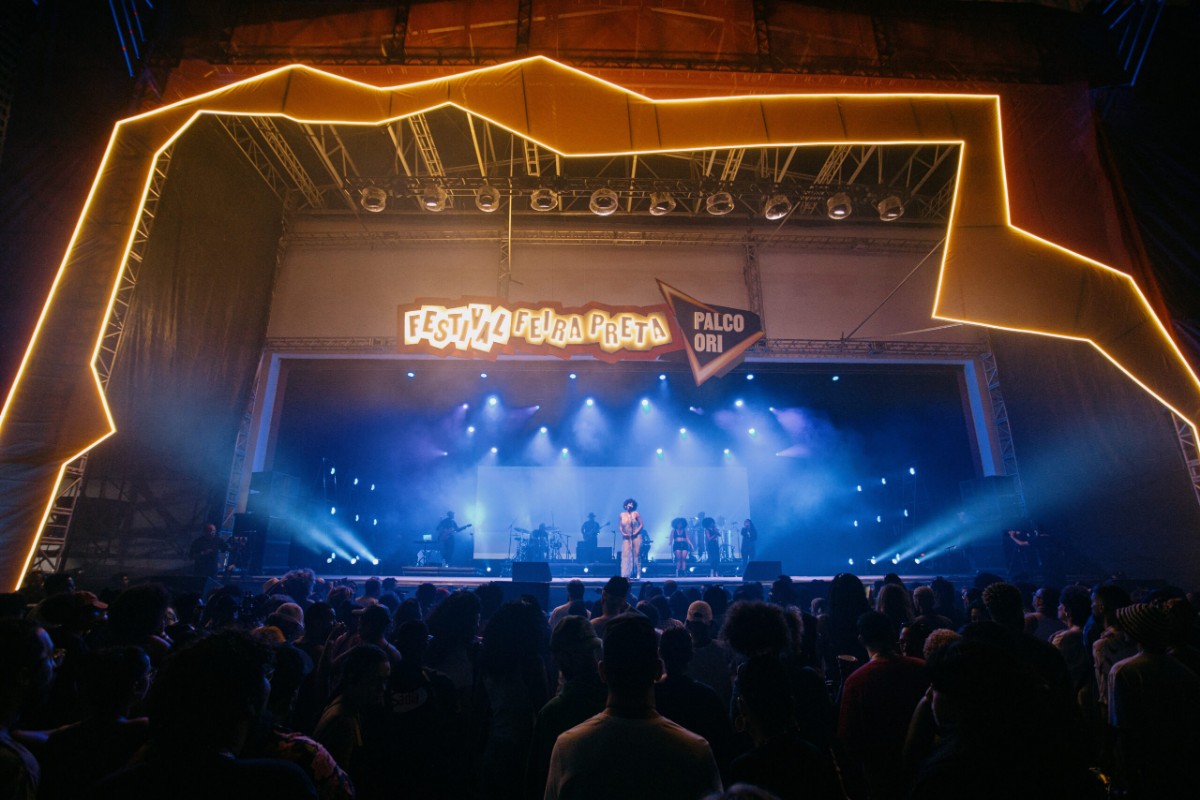
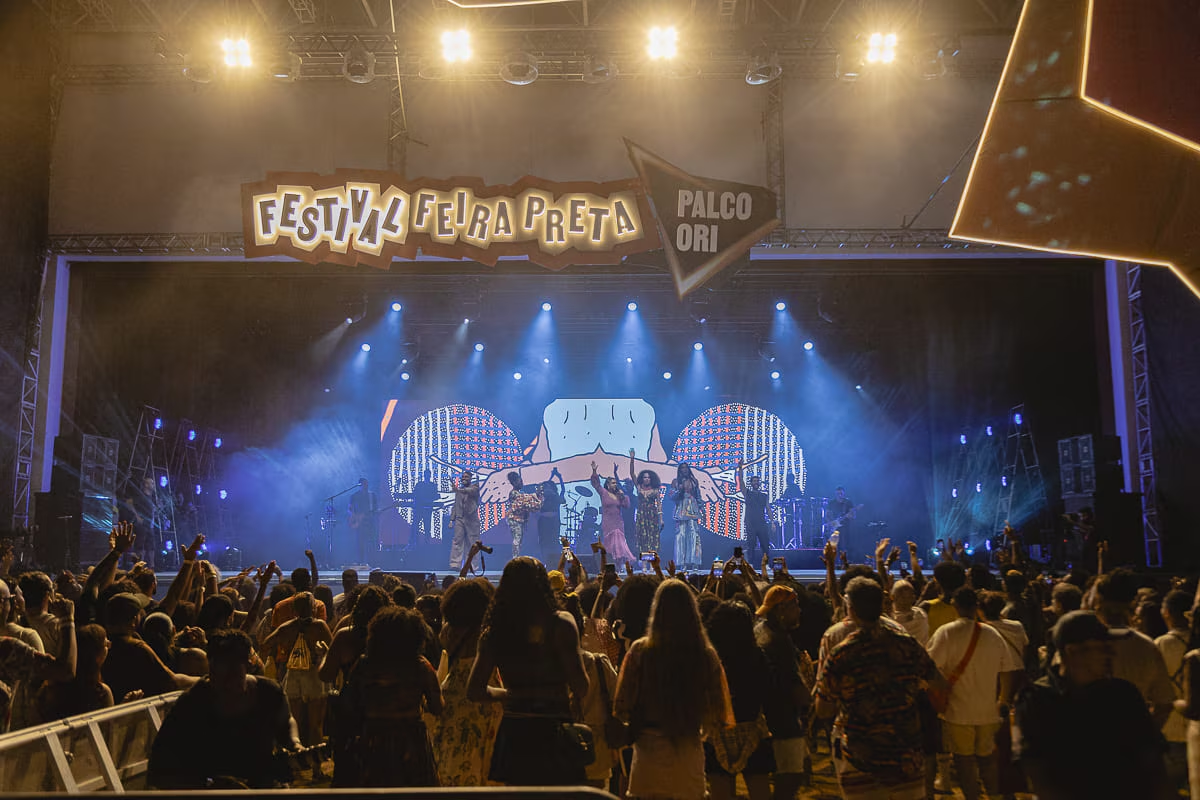
Terra, the event’s official media partner, announced the 2024 Feira Preta Festival as taking place at São Paulo’s Ibirapuera Park on 3, 4 and 5 May 2024. The 3 May entrepreneurship programme included sessions on supplying large companies, digital transformation, access to credit and business finance. Those topics placed practical business questions directly in the festival programme alongside cultural activities, which is a deliberate choice about what a public platform of this kind should address.
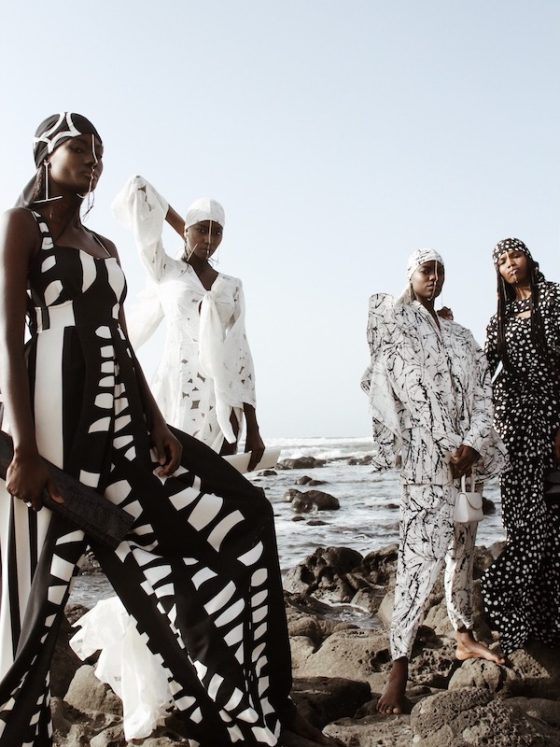
The wider listings included musical performances, poetry, dance and public conversations. A 4 May fashion discussion, “Identidades na Moda: O Encontro das Tendências com a Ancestralidade”, was named by Goya Lopes, Dete Lima of Ilê Aiyê, Isa Silva from Colombia and Lia Samantha. Fashion was therefore an explicitly programmed subject at this edition, not a presence inferred from the institution’s creative-economy language. The session title puts identity and ancestry in direct conversation with trend, reflecting a particular way of thinking about what fashion can do and where it comes from.
The announced schedule is not a transcript of those sessions, and it does not establish that business sessions generated contracts or loans. Its contribution to this article is more modest and more reliable: it shows how cultural presentation, professional learning, and conversation came together in one announced public programme at a specific time and place.
How the Activities Connect
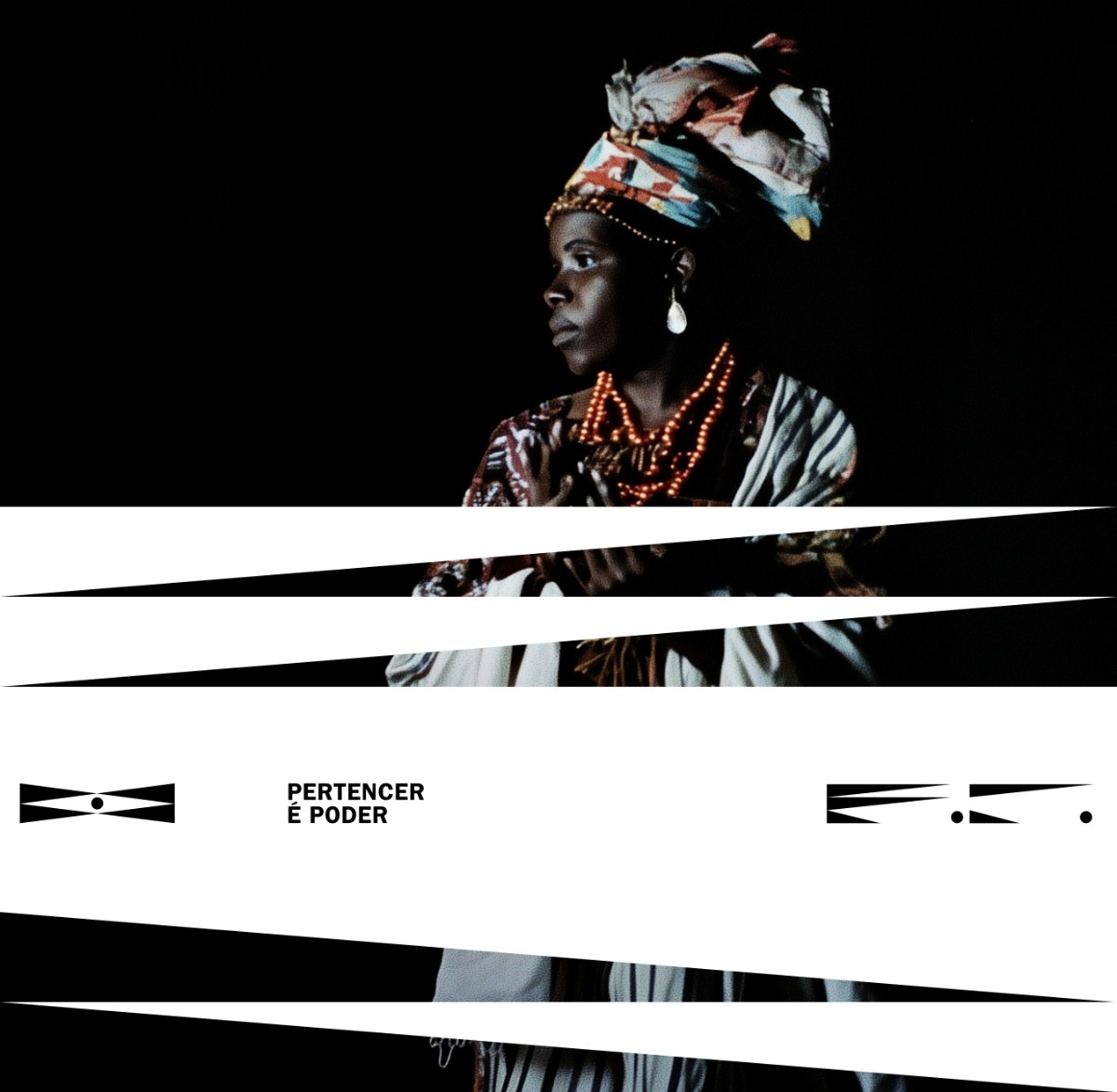
The records describe three related functions. Production facilities and training support the creation of creative work. Product development, finance topics and customer networks address business capabilities. Festival performances and discussions provide a public setting for presentation and exchange. Their relationship is the article’s central finding: different activities address different parts of creative and commercial practice, and they are designed to work alongside one another rather than in isolation.
The institution’s proposition is consequently more substantial than placing entertainment beside a marketplace. The music example connects artistic production with distribution and rights. The business programmes connect a creative offering with management and customers. The festival brings those concerns into a public-facing setting. However, the sources do not establish that every participant moves through all of these activities or that the programmes operate as a single pipeline.
This is an account of infrastructure and opportunity, not a certified impact assessment. Attendance figures, confirmed transactions, employment outcomes and business survival rates would require different evidence and definitions. The documented activities establish how the model is intended to operate. Demonstrating its longer-term results would require participant testimony, follow-up records or evaluation beyond the material examined here, and the article does not claim otherwise.
Omiren Argument
Feira Preta matters to Omiren’s coverage of Afro-Brazilian creative culture for one reason: it documents an attempt to address the infrastructure gap that limits creative enterprises, rather than simply celebrating their existence. Omiren covers designers, makers, and cultural producers across the African diaspora, and no single individual can answer the practical question of how they sustain their work. Afrolab, CRIA and the Embaixada Preta units each address a different part of that practical question.
The fashion session at the 2024 festival also points to something the wider industry does not always make visible: the relationship between aesthetic identity, ancestral reference and the commercial context in which clothing is made and sold. Placing a discussion of “Identidades na Moda” and ancestry alongside sessions on access to credit and supplying large companies is a deliberate editorial decision about what belongs on the same platform. Omiren’s coverage of Caribbean and diaspora fashion deals with the same underlying question from a different geography.
The documented record of Feira Preta gives Omiren’s readers something more useful than a general argument about the importance of Black enterprise. It gives them specific examples of how one institution has structured its support, what that support addresses, and where the evidence is strong enough to report accurately. That specificity respects the institution’s work and is more honest about what the available sources allow than a broader account would.
Also Read:
- Lab Fantasma and the Afro-Brazilian Streetwear Movement That Fashion Forgot to Cover
- Caribbean Diaspora Designers on the Runway
- Global South Fashion: Why Credit Matters
FAQs
Are the Institute and the Festival the Same Thing?
No. The sources distinguish Instituto Feira Preta from its festival and its programmes. A festival edition has particular dates and a fixed public programme. Organisational activity, including business development support and creative-space partnerships, extends beyond any individual event. Names such as PretaHub and Embaixada Preta should retain their source dates and contexts, and should not automatically be treated as synonyms for the festival.
What Support Do the Documented Initiatives Describe?
Examples include planned business development covering products, financial sustainability and customer networks (BrazilFoundation’s Afrolab record), alongside partner-reported recording facilities and training in music production, distribution and copyright (Instituto Alok’s Embaixada Preta account). Their source status differs: a plan outlines intended support, while a partner report describes activity as the partner reports it. Neither alone confirms a participant’s subsequent income or long-term business performance.
What Did the 2024 Festival Programme Include?
According to Terra’s April 2024 announcement, the festival took place at Ibirapuera Park on 3, 4 and 5 May 2024. The programme included music performances, poetry, dance, and public conversations, alongside an entrepreneurship track addressing business finance, digital transformation, and supplying large companies. A fashion discussion on 4 May named four participants and placed identity and ancestry in the session title. Terra identified itself as the event’s official media partner.