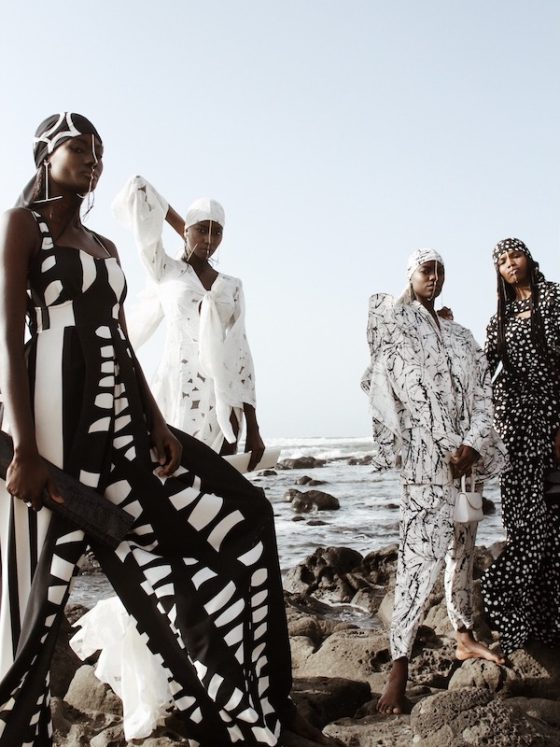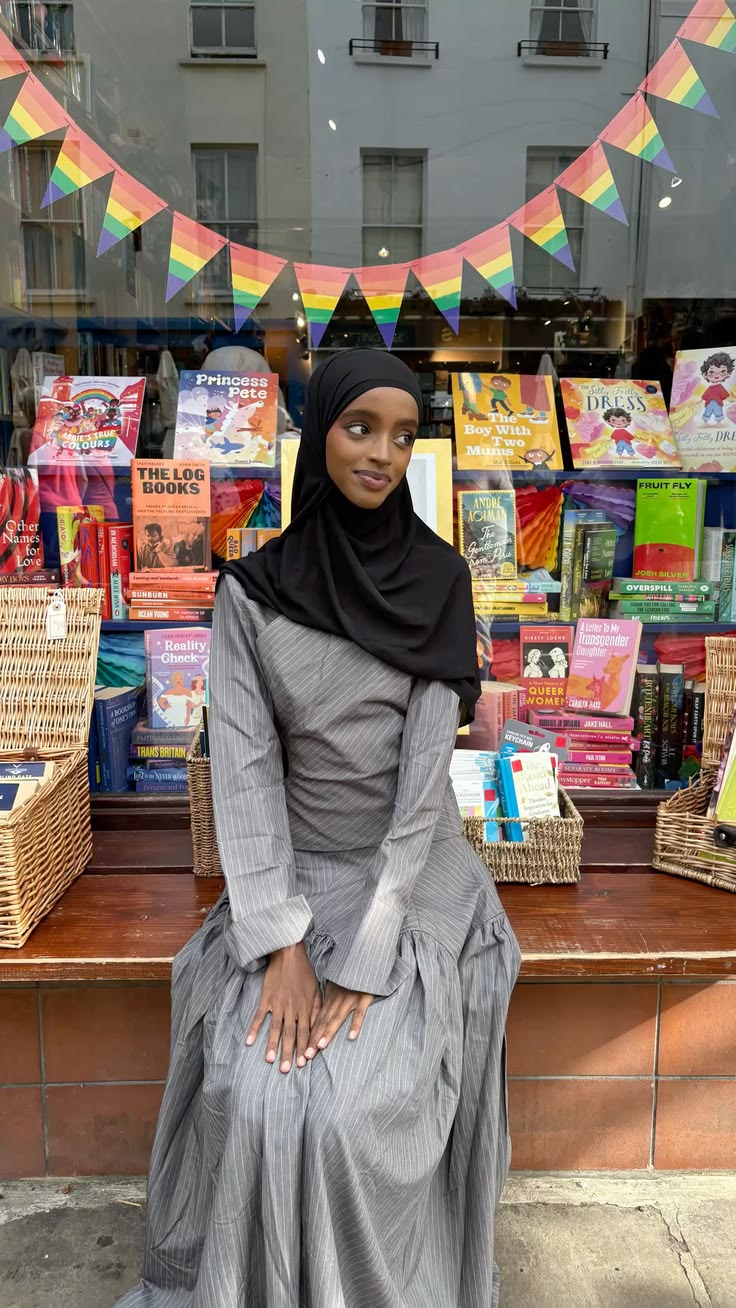
For writer Hoda Hashi and textile designer Hafza Yusuf, familiar garments and patterns offer a connection to heritage without prescribing how that connection must look.
This essay draws on published first-person writing and interviews from 2018 to 2024. It is not a newly reported profile; garment-level interviews and additional wearer testimony remain outstanding.
Hoda Hashi remembers trying on her mother’s diracs when she was alone at home. Afterwards, she would put the dresses carefully back in the wardrobe. What stayed with her was the difference between how the fabric looked on her mother and how it felt on her own teenage body. Her mother wore it with an assurance she did not yet recognise in herself.
“A garment can carry a family’s history and still leave room for the person wearing it to decide what comes next.” Omiren Styles Editorial Intelligence
In a 2019 essay published by OkayAfrica, Hashi used that memory to explore a relationship with clothing that was both intimate and uncertain. The garment was familiar. Her relationship with it was still taking shape.
Her mother arrived in Britain as an adult; Hashi grew up in East London. The same dress could connect them without erasing the difference between their experiences. Hashi’s recollection does not give us her mother’s interpretation of that relationship. It gives us the daughter’s: admiration, identification and the question of how to wear something recognisable without becoming a copy of someone else.
That question runs through her subsequent work. It also provides a useful starting point for considering how clothing can help make home, not by resolving every difference, but by giving those differences a form.
It is worth saying at the outset what this piece is and is not. It reads two sets of published accounts closely: one from a writer who designs, one from a designer who works with textiles. It does not speak for every Somali woman in London, and it does not try to. It offers a careful look at how two people describe their own choices and what those descriptions suggest about how clothing can hold a sense of belonging.
Writer Hoda Hashi and textile designer Hafza Yusuf show how familiar garments and patterns can connect London-based Somali women to their heritage without dictating what that connection must look like.
Learning to Wear the Familiar
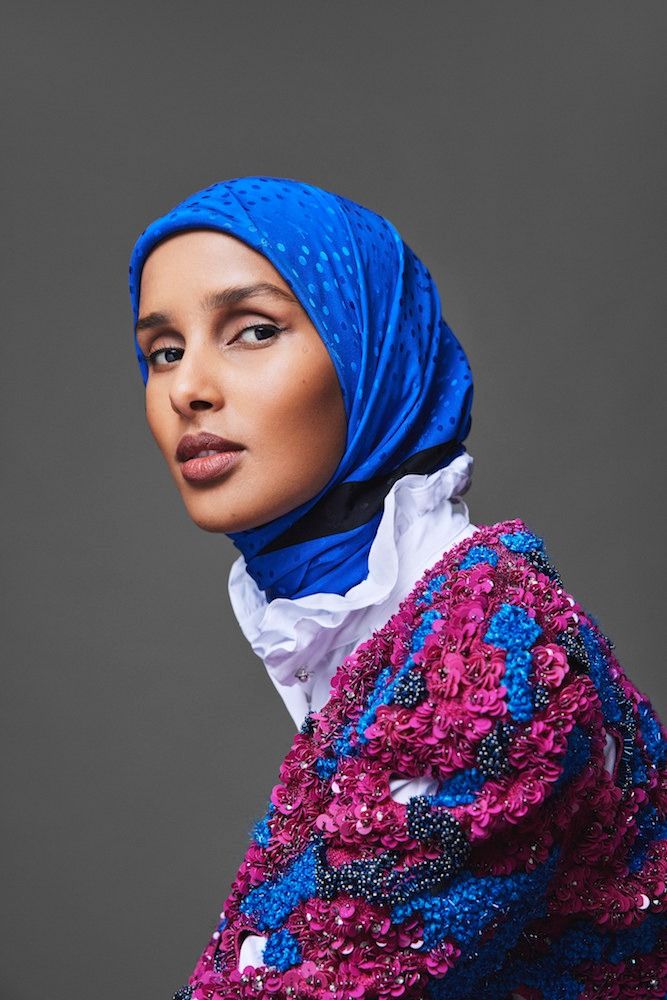
Hashi’s essay, “My Dirac”, does not describe a simple movement from rejecting a garment to embracing it. Her fascination is there from the beginning.
What changes is her confidence in deciding what the dress can mean to her.
The distinction matters because an account of inheritance can easily become a test of fidelity: whether a daughter wears something as her mother did, or whether a new interpretation preserves enough of an earlier version. Hashi’s writing asks a different question. Can she recognise the connection and still make choices that reflect her own life?
By the essay’s conclusion, she answers explicitly. “I am both British and Somali,” she writes, asserting a right to describe that experience for herself.
The garment does not have to settle on which part of that identity is more authentic. Her contemporary interpretations of the dirac become one way of expressing both.
Read in that light, the childhood wardrobe is more than a store of remembered clothes. It begins a design conversation: something already meaningful is tried on, reconsidered, and eventually worn differently.
That sequence feels quietly generous. The first step is simply trying the garment on alone, without an audience. The next is putting it back and thinking about the difference. Only later does the conversation become a design practice. Nothing in the account suggests the early hesitation was a failure or a phase to outgrow. Instead, it reads as the necessary first stage of a relationship that took time to develop.
East London Enters the Design
Hashi developed that conversation through Ina’Xaashi, a project that combines fashion, writing, interviews, and photography.
In a December 2018 account for TRUE Africa, she explained that it began with an interest in creating outfits reflecting London’s diverse cultural influences, specifically her experience as a Somali Londoner. She experimented with contemporary ways of wearing the dirac, and the project’s photographs featured her original designs.
That chronology places London inside the work rather than outside it.
The city is not simply where an inherited garment happens to be worn. Hashi identifies her life there as part of the reason she approaches the garment as she does. Her work emerges from an experience already shaped by several relationships, rather than from two neatly separate identities waiting to be combined.
Calling the result “fusion” would tell the reader less than describing the decisions involved. Which elements of a dress remain? What is changed? How does its wearer want to move or appear?
The published accounts establish Hashi’s interest in reinterpretation, but they do not provide a sufficiently detailed technical account of an individual design to answer all those questions. Assigning a particular alteration, fabric or construction method would go beyond the evidence.
They do establish the principle guiding her work: she does not need to reproduce her mother’s relationship with the dirac to have one herself.
That principle is easy to state and harder to practise. It asks the wearer to hold two things at once: respect for what a garment has meant to someone she loves, and freedom to let it mean something additional to her. The photographs of her original designs are the visible result of holding both, even though the published accounts leave the details of each design for further reporting to supply.
A Different Starting Point: The Textile
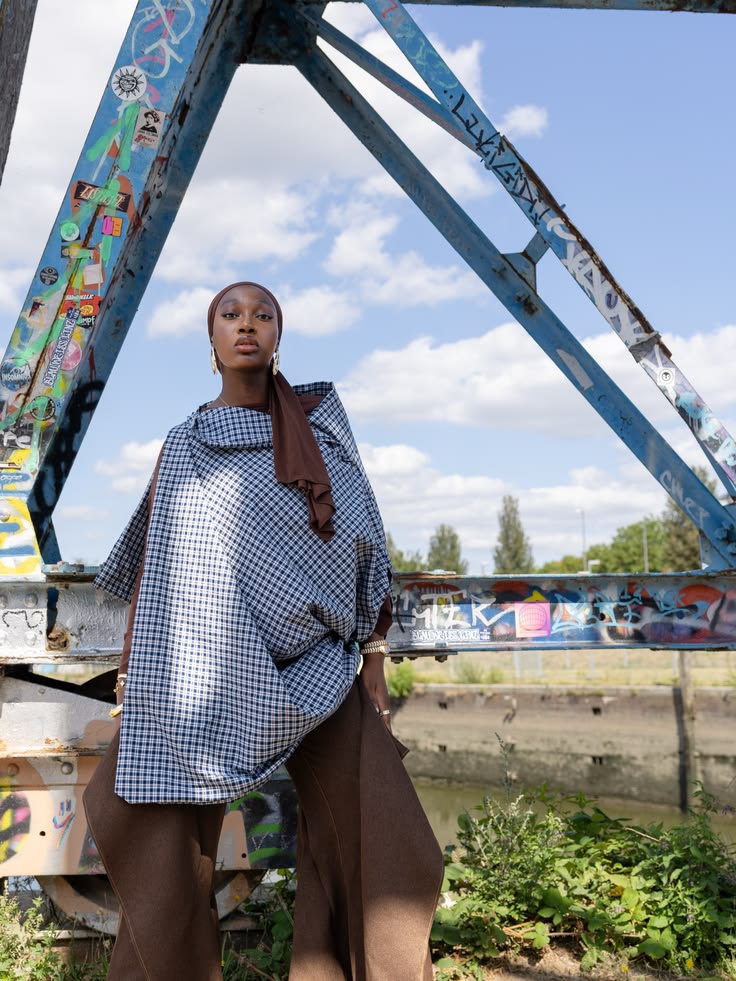
For Hafza Yusuf, founder of London-based Hafza Studio, the connection begins with textile design.
Speaking to Hyphen in October 2024, Yusuf described drawing on the colours and patterns of Somali fabrics and bringing those references into contemporary styles. Her collection, Dhaqan, is named after the Somali word for ‘culture’. She presented it as a way to tell stories and celebrate her community.
“My culture, heritage and community inspire me,” she said, explaining that she wanted her work to resonate with herself and with those around her.
Her account importantly differs from Hashi’s. Hashi begins with a particular garment and a personal memory of wearing it. Yusuf describes a design practice that works through colour, pattern and the intended relationship between a collection and its audience.
These are not interchangeable experiences. One should not be made to illustrate the other.
Yet both place choice at the centre of cultural connection. Yusuf does not describe heritage as a complete design already waiting to be reproduced. She describes the references she uses to make contemporary clothing.
The available interview does not identify enough material and construction detail to support a close reading of a particular Dhaqan piece. Further reporting is needed to establish the colours, fibres, and techniques of an individual garment.
That limit matters. A designer’s stated intention tells us why she makes something. The object itself, and the account of someone wearing it, would tell us more about how that intention takes shape.
It is also worth noticing the audience Yusuf names. She wants the work to resonate with herself and with those around her. That is a modest, specific ambition: not a claim to speak for a whole culture, but a wish for the clothing to feel right to the people closest to it. In a field where heritage is often invoked in large, general terms, the smallness of that aim is part of what makes it credible.
Connection Without Sameness
Hashi and Yusuf’s published accounts offer two distinct ways to maintain connection through dress.
For Hashi, the dirac becomes a way to articulate a life that cannot be reduced to a choice between being British and being Somali. For Yusuf, textile references support a contemporary practice she wants to speak to both herself and a community.
Neither account requires continuity to mean exact repetition.
That does not make remembering or recreating an earlier garment less valuable. It means those are possibilities, not obligations. A wearer may want something familiar precisely because it recalls another person or occasion. A designer may retain one element while changing another.
The important distinction is between describing what someone chooses and deciding in advance what a culturally meaningful choice must look like.
Hashi’s admiration for her mother also complicates a familiar generational contrast. Her account does not cast the older woman as an obstacle to self-expression. The mother’s assurance is part of what draws the daughter towards the dress. Difference develops within that connection, not only against it.
Put the two accounts side by side, and a shared pattern appears. In each, the person making the choice defines what the connection means. A daughter decides how a dress sits on her own body. A designer decides which references to carry into a collection. Heritage supplies the material; the individual supplies the judgement.
What These Accounts Cannot Represent
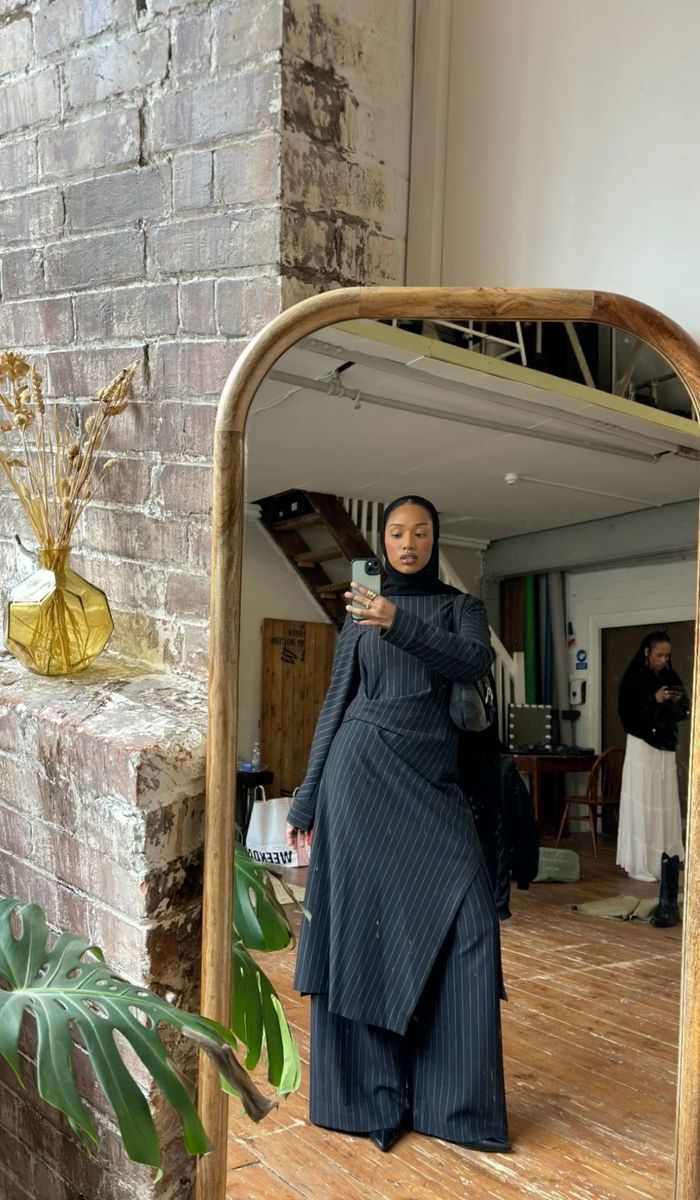
Two creative practices cannot stand for Somali women in London as a whole.
These sources do not establish how other wearers understand the dirac, how an older generation describes its own choices or how a dressmaker negotiates a customer’s request. Nor do they justify treating faith, modesty or family expectations as explanations for a choice unless the person concerned identifies them as relevant.
Those are not gaps to fill with general claims. They are questions for further reporting.
The value of Hashi and Yusuf’s accounts lies in their individuality. They show how clothing can hold relationships to family, place and community while leaving room for different outcomes.
The Omiren Argument
Home need not be preserved unchanged or invented from nothing.
In Hashi’s writing, it is present in a dress first encountered through her mother and later approached through her own designs. In Yusuf’s interview, it appears through textile references developed into a collection intended to resonate with people around her.
Neither account supplies a universal definition of Somali dress. Each describes a way of taking part.
The connection can remain even when the garment changes. A daughter can recognise her mother in a dress without needing to become the same wearer. A designer can return to familiar patterns without making every new piece repeat the last.
That is where the story becomes more than one of preservation: in the choices through which familiar clothing acquires another life.
Also Read on Omiren Styles: