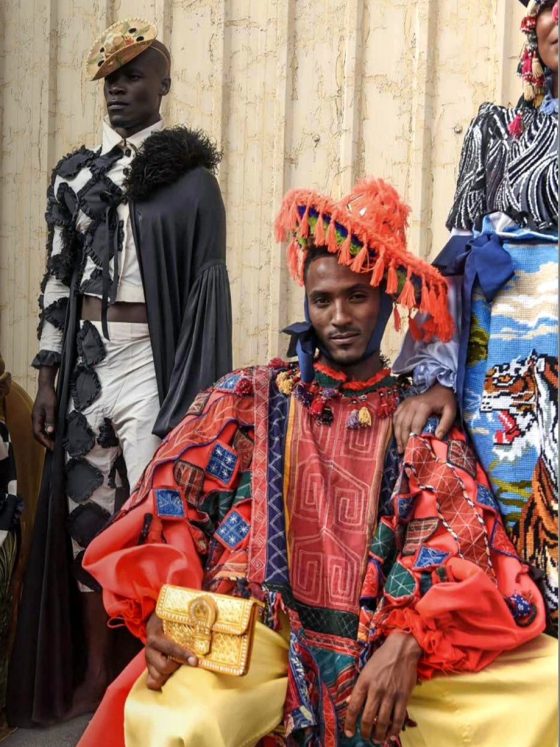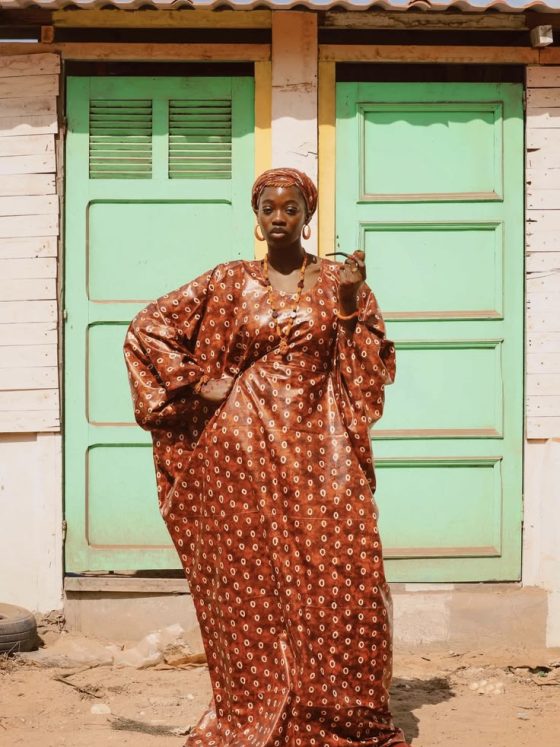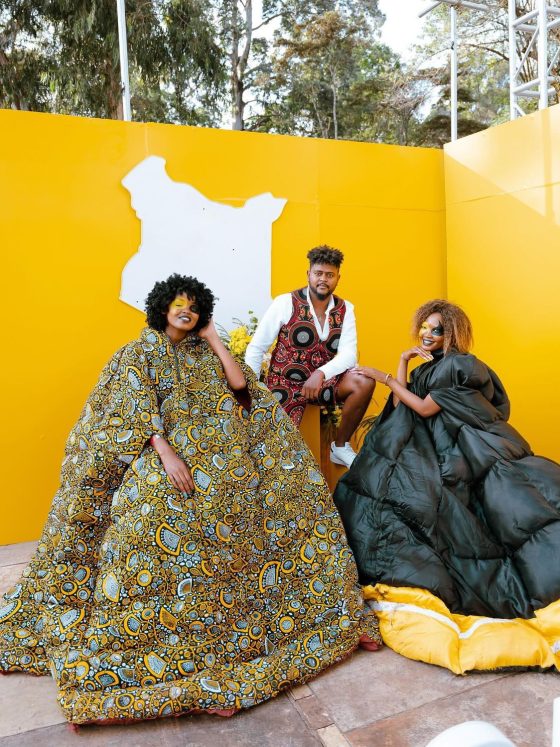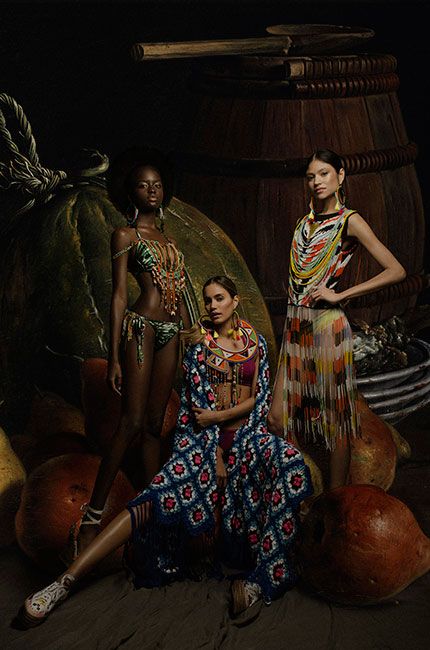
Fashionista named the pattern plainly in January 2026. Every few years, headlines emerge about Africa’s booming fashion industry. Reporters present African designers as ones to watch. The hype dies down, or a different market grabs their attention. Coverage of Africa’s fashion industry grows sparse. Then a couple of years pass, and it is back to the boom. The piece was written as an observation. It is more accurately read as an indictment. Because the boom-and-absence cycle is not an editorial accident, it is the logical outcome of a structural decision that Western fashion media has consistently and without accountability made about which markets are primary subjects and which are only periodic interest stories.
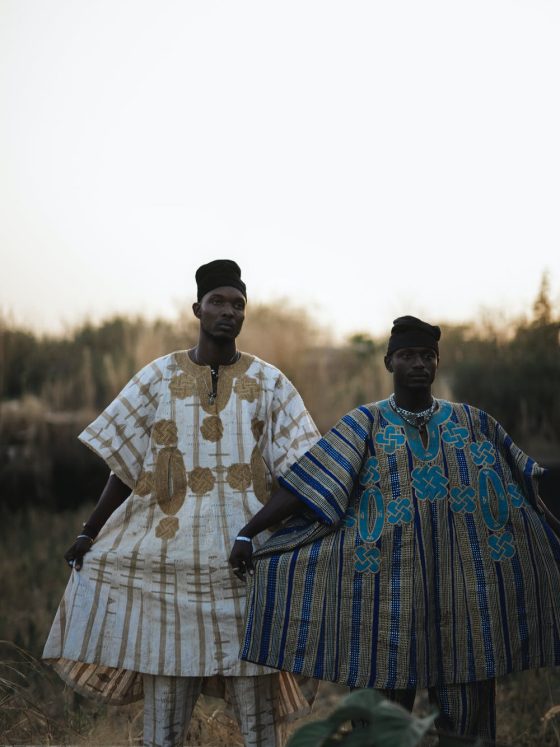
Africa’s fashion industry generated US$73.59 billion in revenue in 2025. It employs millions of people across 54 nations. It drives cultural production that global luxury brands mine for aesthetic material, with global luxury houses increasing references to African prints in their collections by 15% since 2019. It supplies design intelligence that shapes what appears on runways in Paris, Milan, and New York, often without credit or compensation. It is, by any measure, a primary market. It is covered as a secondary one. This piece examines why and what that costs.
Western fashion media covers Africa as a trend, a resource, or a reaction. Never as a primary market with its own intelligence needs. This is the structural argument for why that must change.
Three Modes of Coverage, None of Them Useful
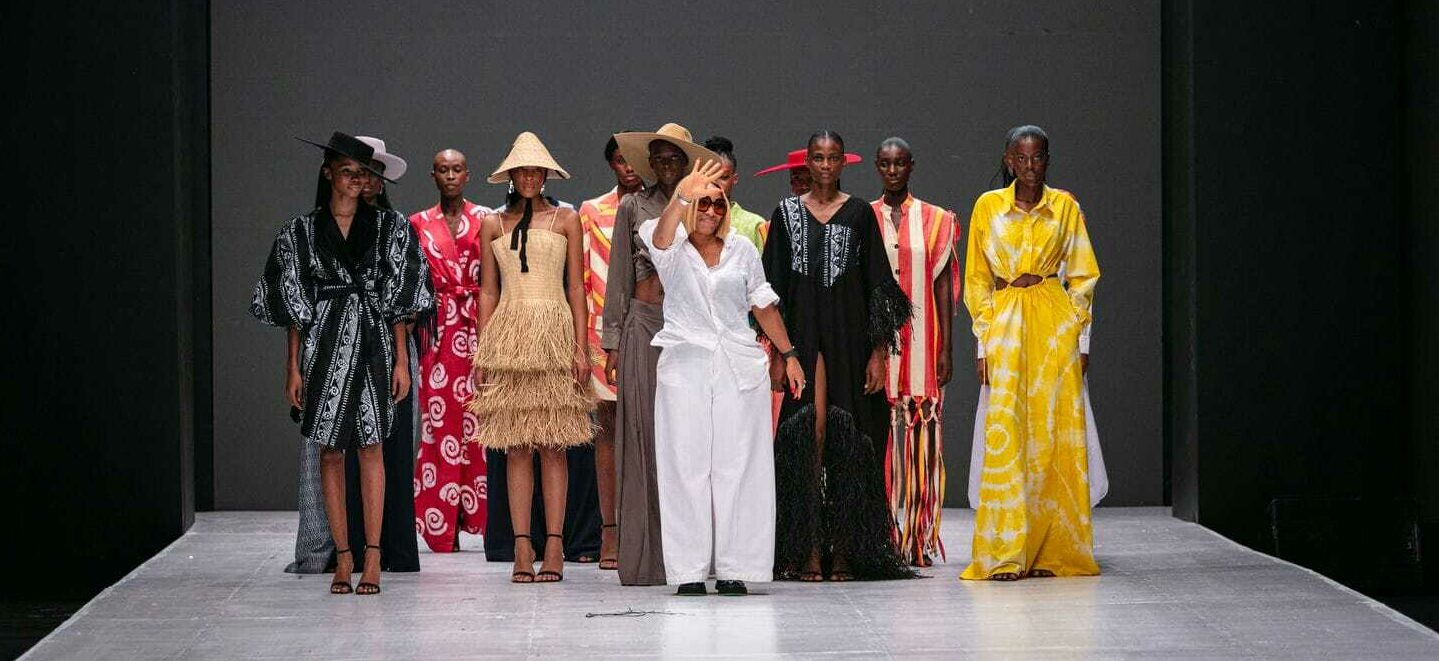
Western fashion media covers African fashion in three modes. The first is trend coverage: Africa as aesthetic stimulus, a source of prints, colour palettes, silhouettes, and craft techniques that enrich a season’s global offerings. The second is discovery coverage: Africa as a new market that Western brands, retailers, and investors are beginning to notice, framed as an emerging opportunity for global capital rather than as an industry with its own established commercial logic. The third is reaction coverage: Africa in response to Western attention, covered when a designer secures placement at a major international retailer, when an African brand lands on a prestigious red carpet, when a Western publication decides the continent’s fashion moment has arrived again.
What is absent from all three modes is the coverage that an industry of this scale and complexity actually requires: sustained, data-grounded, African-first intelligence that serves the designers, investors, buyers, and policymakers who operate within it. None of the three modes generates the kind of rigorous editorial product that Business of Fashion provides for the Western fashion establishment. None of them is designed to. They are designed to serve a Western readership that is curious about Africa, not an African readership that needs to make decisions about it.
The Architecture of the Problem: Six Markets, One Editor
Business of Fashion is the closest thing the global fashion industry has to an authoritative editorial institution. Its Africa coverage is produced by the Global Markets desk, which simultaneously covers Asia-Pacific, the Middle East, Africa, Latin America, the CIS, and Eastern Europe. That is six regions, each with distinct fashion economies, regulatory environments, consumer behaviours, and investment landscapes, assigned to a single editorial function. The result is coverage that is episodic rather than systematic, reactive rather than intelligence-led, and shaped by whichever regional story is generating the most international attention at a given moment.
When BoF covers Uganda as East Africa’s next fashion frontier, it is providing discovery coverage for a Western reader assessing market-entry opportunities. When it covers Lagos’s circular fashion agenda through its Worldview column, it is performing trend coverage for a global readership interested in sustainability narratives. When it convenes BoF CROSSROADS 2025 to include African brands in the discussion about overcoming operational challenges, it is performing advocacy coverage for an international audience that needs to be persuaded that African fashion is commercially serious. Each of these represents genuine editorial effort. None of them constitutes a primary editorial commitment to the African fashion industry as a subject in its own right.
The question Western fashion media is answering is: what does Africa mean for global fashion? The question African fashion needs answered is: what is the state of our own industry?
These are different questions. They produce different editorial products. The first produces content useful to a global fashion executive assessing whether to enter an African market or incorporate an African aesthetic into a collection. The second produces content that is useful to an African designer deciding which market to prioritise, an African investor assessing where to deploy capital, an African retailer tracking shifts in consumer behaviour, or an African policymaker designing a creative economy strategy. The second question is the one for which no publication has addressed. That is the editorial gap, and it is not a small one.
What Gets Covered and What Gets Extracted Without Coverage
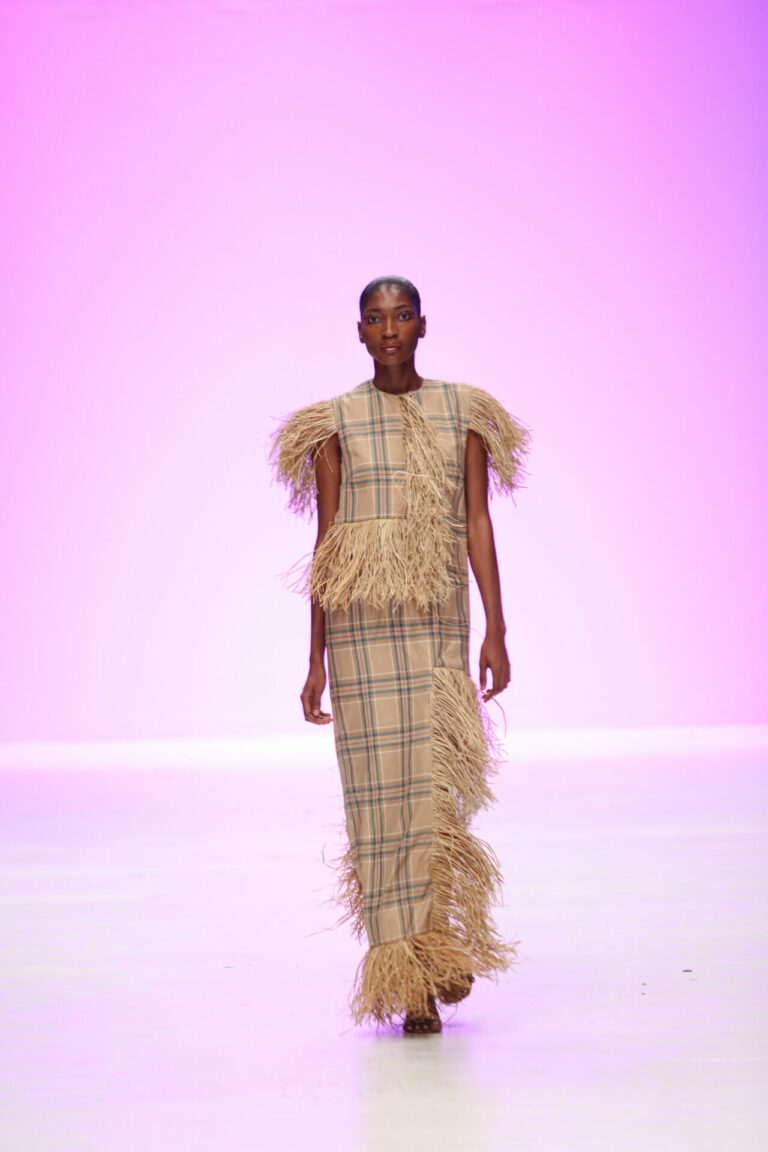
The specific damage caused by Western fashion media’s approach to Africa becomes clearest when you examine what is covered and what is not. What gets covered: the designers who achieve international visibility through Western retail placements, red-carpet appearances, or participation in Western-curated events. What does not get covered: the retail dynamics of the 54-nation market, the investment flows into African textile manufacturing, the consumer behaviour shifts driven by mobile commerce in Nigeria and Kenya, the policy environment shaping Ethiopia’s industrial park strategy, the IP frameworks that do or do not protect African designers when global luxury houses absorb their aesthetics.
That last category represents the most consequential failure. Academic research published in the Fashion and Textiles Review describes the unauthorised commodification of African design patterns by global brands as a form of neo-colonial extraction, arguing that appropriation systematically displaces artisan economies and distorts cultural identity, facilitated by a legal void in the protection of Traditional Cultural Expressions. In 2025, Chanel and Giambattista Valli repackaged Algerian traditional attire as Mediterranean chic without acknowledgement. Louis Vuitton has released Basotho blanket-inspired collections and Maasai-inspired clothing. Stella McCartney used African Ankara print fabric without reference to its cultural origins. UNESCO estimates that the global market for African-inspired fashion could grow by 25% with stronger intellectual property protection for African designers and craft traditions.
In each of these instances, the transaction is clear: an African cultural tradition generates commercial value for a Western brand, and neither the artisan community whose tradition was used nor the African fashion industry that depends on those traditions for its own commercial differentiation receives acknowledgement, compensation, or structural protection. What Western fashion media provides in response is, at best, periodic coverage of the appropriation debate, framed as a Western ethical dilemma rather than an African commercial and legal injury. The editorial failure is not simply about tone. It is about what the coverage makes legible and what it leaves invisible.
Global fashion publications cover Africa when the West is paying attention. They leave when it is not. That cycle is not editorial failure. It is editorial policy. And it is costing the African fashion industry more than it knows.
ALSO READ:
- The State of African Fashion 2026: Continent-Wide Intelligence on the Industry’s Most Underreported Sector
- Africa’s Fashion IP Crisis: Cultural Ownership as the First Strategic Priority
- Building the Business of Fashion for Africa: An Editorial Architecture for a Continent That Needs It
The Intelligence African Fashion Needs That Western Media Cannot Produce
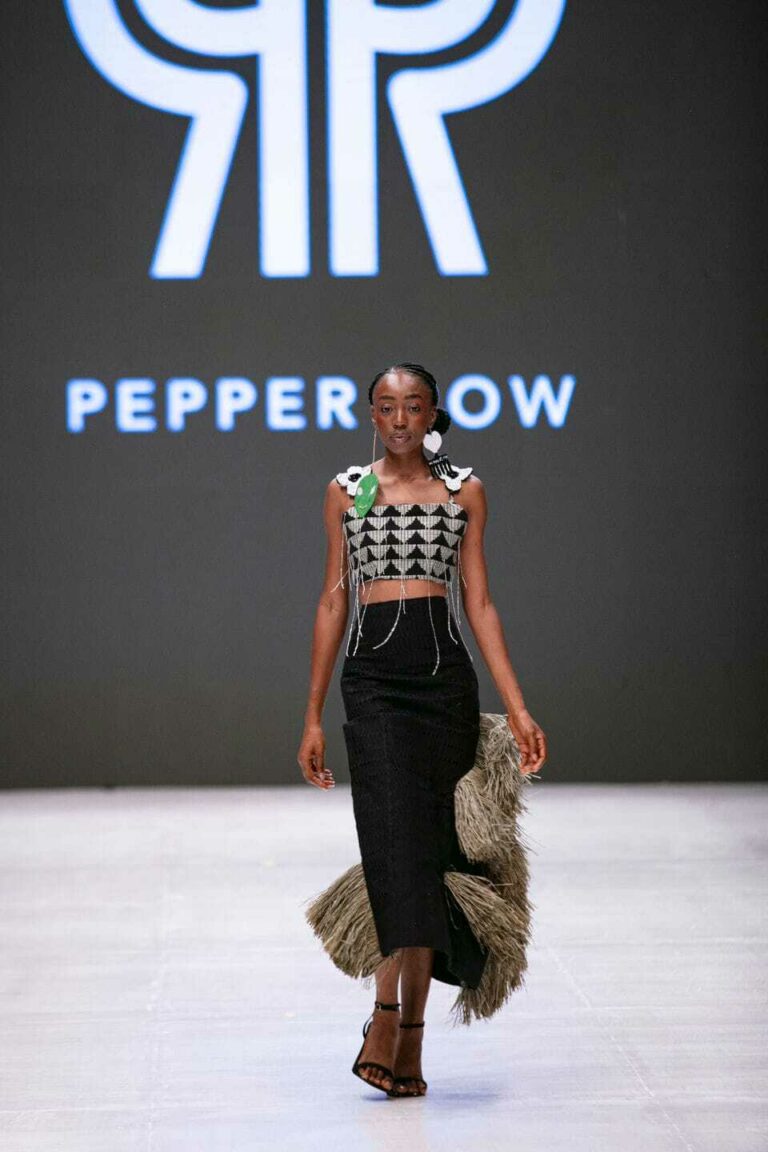
The Clearly Invincible State of Fashion Data in Africa report, published in March 2026, identified the specific information that African fashion businesses need and cannot currently access: comparative cost benchmarks for sourcing, reliable consumer segmentation data for international markets, structured revenue baselines for investment assessment, and policy intelligence grounded in sector-specific data. Western fashion media produce none of these, because none of them is what Western fashion media is designed to produce for its readership. BoF’s State of Fashion report is co-published with McKinsey because its primary function is to help global fashion executives make strategic decisions about a global industry. The global industry’s centre of gravity, for that report, is not Lagos, Nairobi, or Dakar.
The result is that African fashion businesses operate, as the Clearly Invincible report put it, in an intelligence vacuum: designers sourcing without comparative cost benchmarks, brands entering global markets without reliable segmentation data, governments designing policy without sector-specific precision, investors assessing growth trajectories without structured revenue baselines. These are not abstract deficits. They are the specific, practical consequences of an editorial structure that generates intelligence for Western decision-makers while leaving African decision-makers without a platform that serves their priorities.
Thirty-two African countries have now held specialised fashion weeks. Collaborative collections between African designers and global brands increased by 50% between 2021 and 2023. Over 75% of African fashion designers report a strong responsibility to preserve traditional techniques, indicating that the industry’s relationship with its cultural heritage is a primary strategic priority rather than a peripheral concern. None of these data points is generating the sustained editorial analysis they warrant from the publications that claim to cover the global fashion industry. They are generating occasional features, periodic round-ups, and the kind of coverage that treats Africa’s fashion complexity as a story to be visited rather than a beat to be built.
Why This Is a Commercial Problem, Not Simply a Representation Problem
The argument for African-first fashion editorial authority is sometimes framed as a representation argument: African fashion deserves to be covered on its own terms because African designers and consumers deserve to be the primary subjects. That argument is correct. It is not, however, the most commercially precise version of the argument.
The commercially precise argument is this: industries that lack authoritative editorial infrastructure fail to attract the level of institutional investment, policy attention, and commercial partnerships they are capable of generating. When an investor cannot find rigorous, consistent, African-first data on the performance of African fashion markets, they do not invest. When a government policymaker cannot find sector-specific intelligence on the African fashion economy, they design a generic creative economy policy that does not serve the sector. When a global retail buyer cannot find authoritative editorial coverage of what is happening in African fashion beyond the names that have already achieved Western visibility, they limit their sourcing to the designers they already know. The editorial gap translates directly into a commercial gap. Closing the editorial gap is not a cultural project with commercial implications. It is a commercial project whose cultural implications are significant and inseparable from its economic purpose.
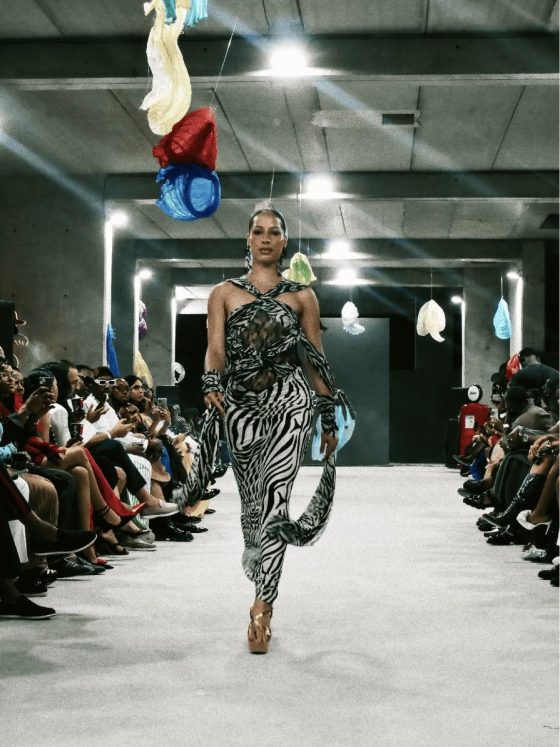
Western fashion media covers Africa because Africa has become impossible to ignore. Its designers are on the Met Gala red carpet, in the stockrooms of the world’s most prestigious retailers, and on the stages of the Paris, London, Milan, and New York fashion weeks. Coverage follows visibility. What it does not follow, and has never followed, is the internal logic of the African fashion industry itself: the commercial mechanics of 54 distinct markets, the investment architecture being built to support them, the retail dynamics shaping how African consumers engage with their own designers, and the cultural ownership questions that determine whether Africa’s creative output builds African wealth or continues to be extracted by institutions operating from different geographies with different priorities. The narrative that Western fashion media produces about Africa is not entirely wrong. It is structurally inadequate because it answers the wrong question from the wrong position.
Omiren Styles is built to answer the right question from the right position. The right question is not what Africa means for global fashion. It is what is happening within African fashion and what needs to happen next. Answering that question requires an editorial platform that is accountable to the African fashion industry’s own intelligence needs, not to the curiosity of an external readership that engages with Africa when it generates international attention and disengages when it does not. The boom-and-absence cycle that Fashionista described in January 2026 will continue for as long as the only publications covering African fashion are platforms designed to serve a readership whose primary interest lies elsewhere. The cycle ends when Africa has an editorial institution of its own, publishing the intelligence the industry needs, on the terms the industry sets, every week of every year, regardless of whether the rest of the world happens to be paying attention.
Frequently Asked Questions
1. How does Western fashion media typically cover African fashion?
Western fashion media covers African fashion in three recurring modes: as an aesthetic trend, presenting African prints, textiles, and craft techniques as seasonal inspiration for global collections; as an emerging market discovery, framing the continent as a new opportunity for Western brands and investors; and as reaction coverage, reporting on African designers when they achieve visibility through Western retail placements or red-carpet moments. None of these modes generates the sustained, data-grounded editorial intelligence that an industry generating US$73.59 billion in annual revenue actually requires.
2. What specific editorial intelligence does the African fashion industry need that it currently lacks?
African fashion businesses need comparative cost benchmarks for sourcing decisions, reliable consumer segmentation data for international market entry, structured revenue baselines for investment assessment, sector-specific policy intelligence, and consistent tracking of investment flows, retail performance, and designer output across all 54 African nations. None of these is produced by Western fashion publications, which generate intelligence for Western decision-makers assessing Africa from outside rather than for African decision-makers operating within it.
3. What is the commercial impact of the African fashion editorial gap?
The editorial gap translates directly into a commercial gap. Without authoritative, African-first editorial intelligence, institutional investors lack the rigorous data they need to deploy capital into African fashion markets. Government policy makers design generic creative economy strategies that do not serve the sector with precision. International retail buyers limit their sourcing to a small number of African designers who have already achieved visibility in Western markets. The editorial gap is not a representation problem with commercial implications; it is a commercial problem with significant cultural dimensions.
4. How does cultural appropriation relate to the Western fashion media problem?
The two are structurally connected. Western fashion media’s failure to cover the African fashion industry as a primary subject means that the extraction of African aesthetics by global luxury brands is rarely framed as the commercial and legal injury it represents to the African industry. Global luxury brands increased references to African prints in their collections by 15% since 2019. UNESCO estimates that the global market for African-inspired fashion could grow by 25% with stronger intellectual property protection. Yet the editorial infrastructure to hold appropriating brands accountable, to track the commercial damage to African artisan communities, and to build the IP framework case based on rigorous data does not exist in Western fashion media. It must be built from within the African fashion industry itself.