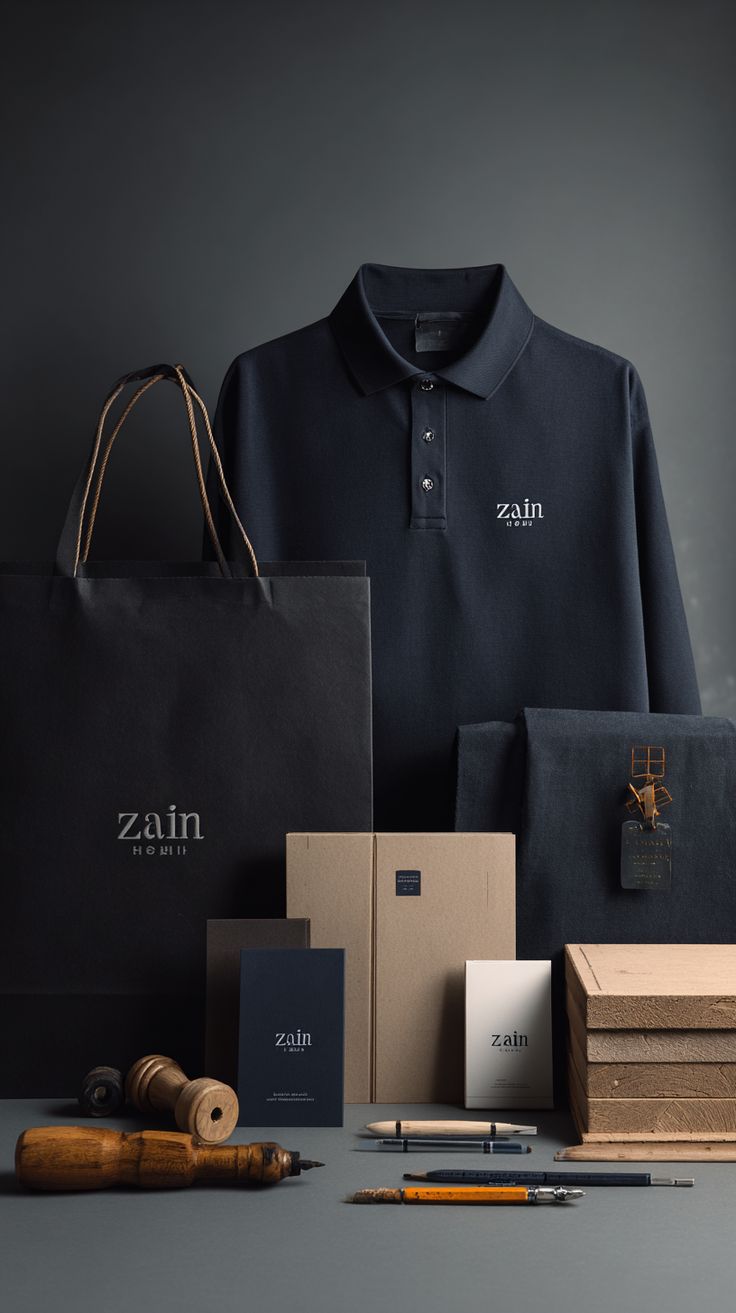
There is a version of brand-building that treats the product as the whole argument. Get the garment right, the logic goes, and the customer will come back. This version is wrong, not because quality does not matter, but because quality is the minimum requirement. A customer who receives a beautiful garment in a crumpled plastic bag, with no note, no care instructions, and no follow-up, has had a beautiful product experience and a poor brand experience. Those two things are not the same, and the difference between them is where loyalty is either built or lost.
In fashion, trust is not a feeling a customer develops about a garment. It is a feeling they develop about a brand. That feeling is built from accumulation: every touchpoint from the moment they first encounter the brand to the moment they have worn the piece for a year and told someone else about it. The garment is one touchpoint. The packaging, the service, and the consistency of the experience across every purchase are the others. Brands that understand this build audiences that return. Brands that do not keep acquiring first-time buyers wonder why nobody comes back.
How African and diaspora fashion brands build lasting customer trust through packaging, service standards, and product consistency. A guide for brand founders.
Why Trust Is Not About the Product
The category of things a fashion brand does that are not the garment is longer than most founders initially expect.
It includes how the brand presents itself at the point of first contact, whether that is a website, a market stall, or an Instagram page. It includes the language the brand uses in every customer communication. It includes how orders are packaged and presented. It includes how quickly and clearly the brand responds when something goes wrong. It includes whether the customer’s second purchase feels as considered as the first.
None of these is decorative. Each one is an act of communication, and each one either reinforces or undermines the customer’s confidence in the brand. A customer who places an order and hears nothing for two weeks does not simply have an information gap. They have had a brand experience, and it has told them something specific: that the brand does not prioritise their time or their peace of mind. That message, once received, is difficult to unsend.
This is the territory that separates brands with genuine longevity from those that plateau after an initial burst of visibility. The visible work, the garment, the campaign image, the press feature, brings the customer to the door. The invisible work, the operational and experiential infrastructure behind every purchase, determines whether they walk back through it.
What Packaging Communicates Before the Garment Is Seen

Packaging is the first physical statement a brand makes to its customer after the purchase decision has already been taken.
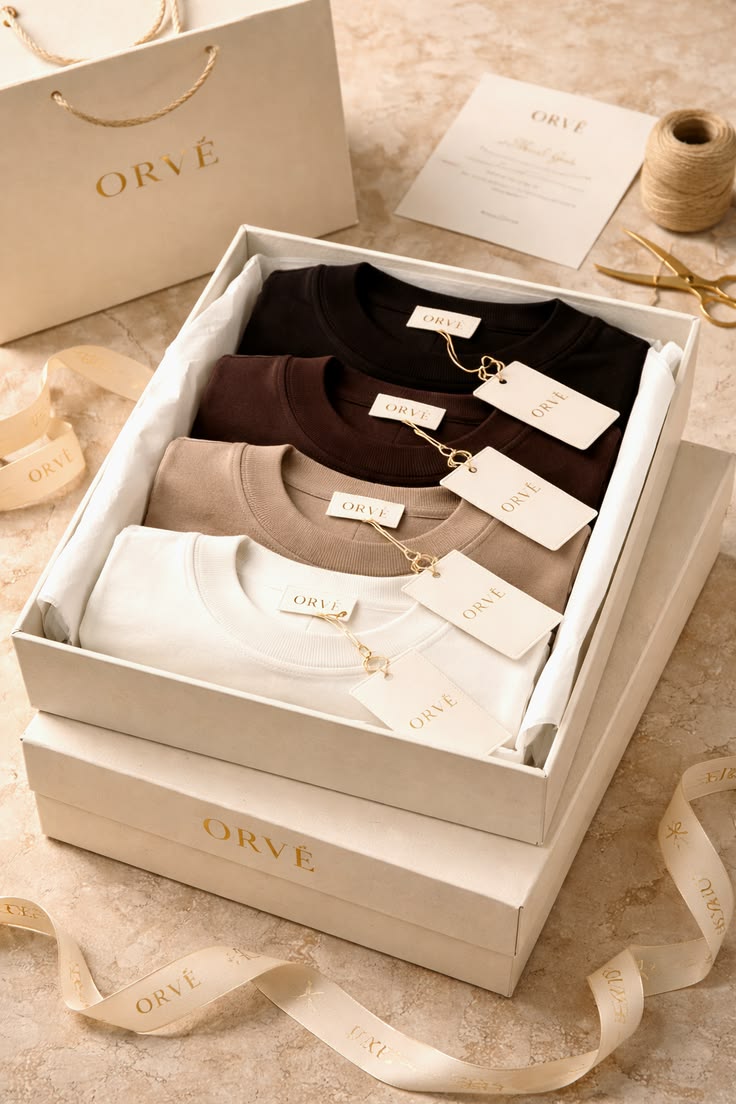
By the time a package arrives, the customer has already committed. They have paid. They have waited. The packaging is the brand’s first opportunity to confirm that the decision was correct. A package that is carefully constructed, that fits the garment properly, and presents it with the same attention to detail the garment itself received, is telling the customer: the brand cares about what arrives with you, not just what leaves the studio.
That communication carries weight. Customers do not always articulate it consciously, but they register it. The opening of a package is a small ceremony, and brands that have understood this build rituals into it. Tissue paper in brand colours. A card with the customer’s name. A care instruction written for a person rather than printed for a legal requirement. These are not expensive interventions. They are attentive ones, and attention is what customers remember.
Opening a package is a small ceremony. Brands that build rituals into their offerings, building trust at the point where the customer is most receptive.
The inverse is equally true and more damaging. A garment that photographs beautifully but arrives folded into a generic mailer with a printed invoice is delivering two different brand messages simultaneously. The garment says one thing. The packaging says something else. The customer holds both, and the dissonance between them creates a specific kind of doubt: if the brand did not think carefully about how this arrived, what else did it not think carefully about?
For African and diaspora fashion brands building customer bases across Lagos, London, Accra, and New York, packaging also signifies the individual purchase. It communicates that the brand is operating at a professional standard. In markets where African fashion is still making its case for global authority, a brand that packages with precision is making a quiet but consistent argument about its own seriousness. The African Fashion Foundation has documented the role that professional presentation plays in building international buyers’ confidence in African brands, noting that packaging and fulfilment standards are among the first criteria international stockists assess.
Service as Brand Language
Service is not what a brand does when something goes wrong. It is the ongoing language through which the brand communicates with its customers.
Every automated order confirmation is a piece of service communication. Every delivery update is a piece of service communication. Every reply to a direct message, however brief, is a piece of service communication. The cumulative effect of all of these, whether they are warm or cold, prompt or delayed, human or robotic, shapes the customer’s sense of who the brand is when it is not performing.
The brands that build the deepest customer loyalty are the ones that make service feel like an extension of their creative voice. A brand that writes with wit and cultural intelligence on its website, yet sends robotic, automated emails to its customers, has not thought carefully enough about where its voice lives. The customer notices the difference. They do not necessarily name it, but they feel it as a subtle withdrawal of the promise the brand made when it first introduced itself.
Handling problems well is where service loyalty is most visibly built. A customer who experiences a delivery error and receives a prompt, honest, personalised response that resolves the issue quickly is, counterintuitively, more likely to trust the brand than a customer who has never had a problem at all. The resolution has demonstrated something the smooth transaction could not: that the brand will show up when something goes wrong. That is the most durable form of trust available, because it is the most tested.
For African fashion brands operating across multiple markets, service standards require a fifth-thinking approach to extend their reach. A customer in Lagos has different delivery expectations from a customer in London. A customer ordering from the diaspora may need reassurance about customs processes that a local customer takes for granted. Brands that build service protocols sensitive to these differences are not over-complicating their operations. They are demonstrating that they understand their customers rather than expecting their customers to accommodate them.
ALSO READ
- The Business Systems Behind a Fashion Brand: Pricing, Fulfilment, and Repeat Buyers
- How Brands Decide What to Produce In-House and What to Outsource
- How Boutique Owners Balance Curation, Community, and Commercial Survival
- What Happens Between the First Sample and the Final Garment Delivery
The Commercial Logic of Consistency
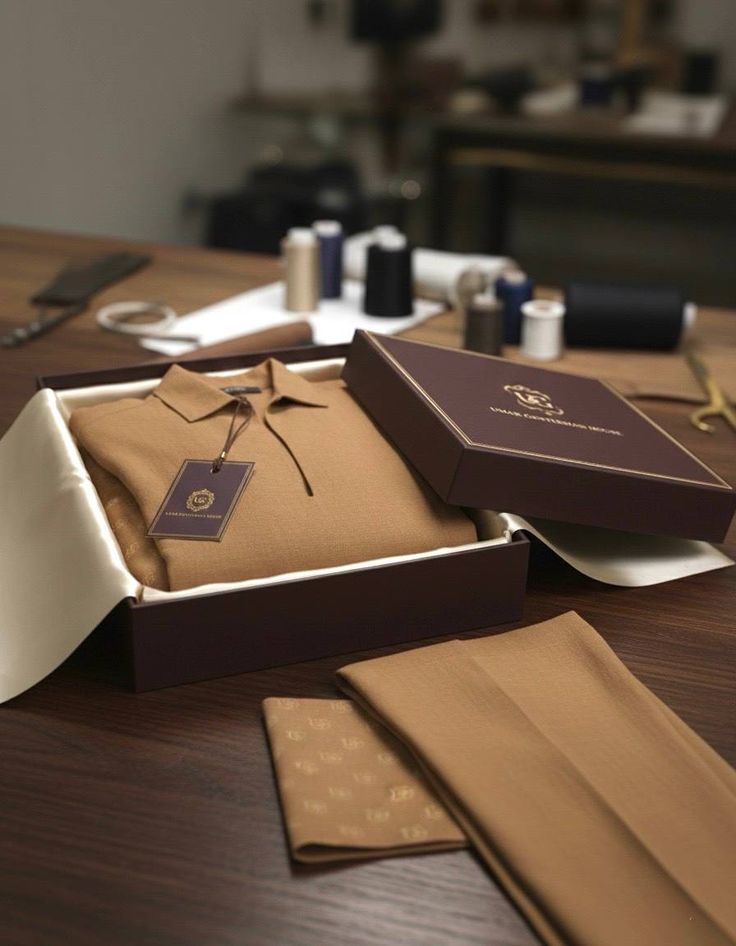
Consistency is where trust becomes commercial.
A customer who has had one excellent brand experience has a memory of it. A customer who has had three excellent brand experiences across three separate purchases has a pattern. Patterns build loyalty, and loyalty yields the most valuable commercial asset a fashion brand can hold: a customer who tells others. Research from Bain and Company has established that retaining an existing customer costs five to seven times less than acquiring a new one, and that a five per cent increase in customer retention can increase profits by between twenty-five and ninety-five per cent. These numbers apply with particular force to smaller brands, where every customer relationship is more concentrated, and the cost of losing one is proportionally higher.
A retained customer costs a fraction of what it costs to acquire a new one. A customer who refers others is, in effect, a free acquisition channel. The British Fashion Council has consistently highlighted retention and community-building as the commercial priorities most strongly correlated with long-term brand sustainability, particularly for independent and emerging labels. Brands that build retention through consistent experience are building a more efficient business than those that rely on perpetual acquisition, regardless of their size.
Consistency does not mean rigidity. A brand can evolve its aesthetic, expand its range, and change its creative direction without undermining customer trust. What it cannot do is be excellent one season and careless the next. The customer who committed because of how their first package arrived and how quickly their question was answered will measure every subsequent purchase against that standard. When the standard drops, they notice, and they remember.
The brands from across the African continent and its diaspora that have built sustained commercial traction share a common operational characteristic: they have made decisions about what their brand experience will always deliver, and they have held those decisions under pressure. Even when execution timelines are tight, the planning still receives attention. When the team is small, service response times are still managed. These decisions are not always visible to the customer, but their cumulative effect is. It is the difference between a brand a customer trusts without hesitation and one they admire with reservations.
OMIREN ARGUMENT
There is a persistent idea in fashion that the product is the brand. It is an idea that flatters designers and frustrates brand builders, because it locates the entire value of a label in the creative act and treats everything else as infrastructure.
For African and diaspora fashion brands, this idea carries a specific cost. These brands are operating in markets where they are simultaneously building their customer base and educating it, where African fashion’s claim to global authority is still being made rather than assumed, and where a single poor brand experience can reach a wider audience than the best campaign. In this context, the non-product elements of the customer experience are not secondary concerns. They are the primary instruments of trust.
Packaging that communicates precision. Service that communicates respect. Consistency that communicates reliability. These are not operational details. They are the architecture of a brand relationship. The customer who trusts a brand without hesitation, who orders without second-guessing, who recommends without prompting, has arrived at that position not because of one excellent garment, but because every touchpoint they encountered told the same story. That is the work. It is less visible than the creative work, and it takes longer to build. It is also considerably harder to replicate.
FAQs
Why does packaging matter so much for fashion brand trust?
Packaging is the first physical brand experience the customer has after they have already committed to a purchase. It cannot change their mind about buying. They have already bought. What it can do is confirm or undermine the decision they made. A package that reflects the same level of care as the garment signals to the customer that the brand is consistent. One that does not create resonance that is registered even when it is not articulated.
How should African fashion brands approach service communication across different markets?
Service communication needs to account for the specific expectations and contexts of each market. Customers in different cities have different assumptions about delivery timelines, communication frequency, and what constitutes a satisfactory resolution to a problem. Brands that build service protocols sensitive to these differences demonstrate market intelligence. Those who apply a single standard regardless of context ask their customers to do interpretive work that the brand should be doing instead.
What does consistency mean in practical terms for a fashion brand?
Consistency means that every customer, whether a first-time buyer or a returning one, receives the same standard of experience at every touchpoint. It does not mean the brand cannot change or grow. It means the level of care behind every purchase decision: how orders are packaged, how communications are written, how problems are handled. It holds steady regardless of external pressure.
How does good service recovery build deeper trust than an error-free transaction?
A transaction that goes smoothly tells the customer nothing except that things went smoothly. A transaction that encounters a problem and is handled with speed, honesty, and genuine care demonstrates that the brand will show up when it matters. That demonstration is more durable than a perfect record, because it has been tested. Customers who have experienced good service recovery are consistently among the most loyal a brand holds.
At what scale should an African fashion brand start investing in packaging and service standards?
From the first sale. The habit of treating every customer as the most important one the brand has is harder to build retrospectively than it is to establish from the beginning. Brands that start with minimal standards and plan to upgrade them as they grow often find that the upgrade never happens, because the operational culture is already set. The brands with the strongest customer relationships established those standards when they were small enough that every package was handled by the founder.