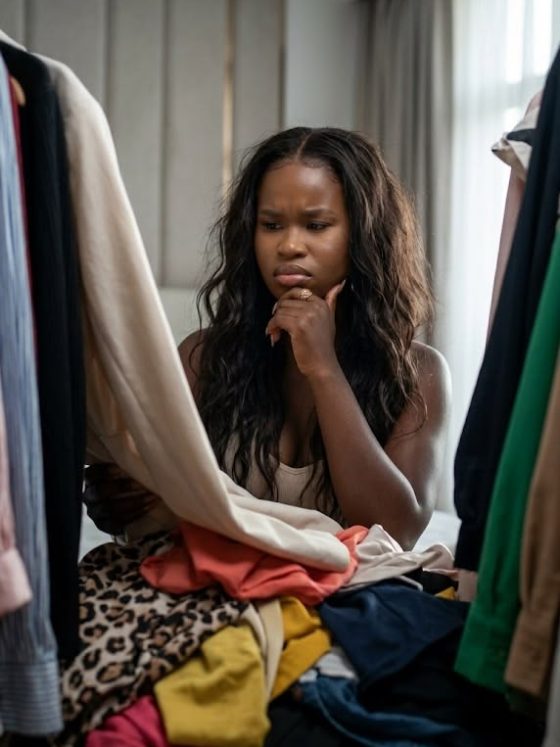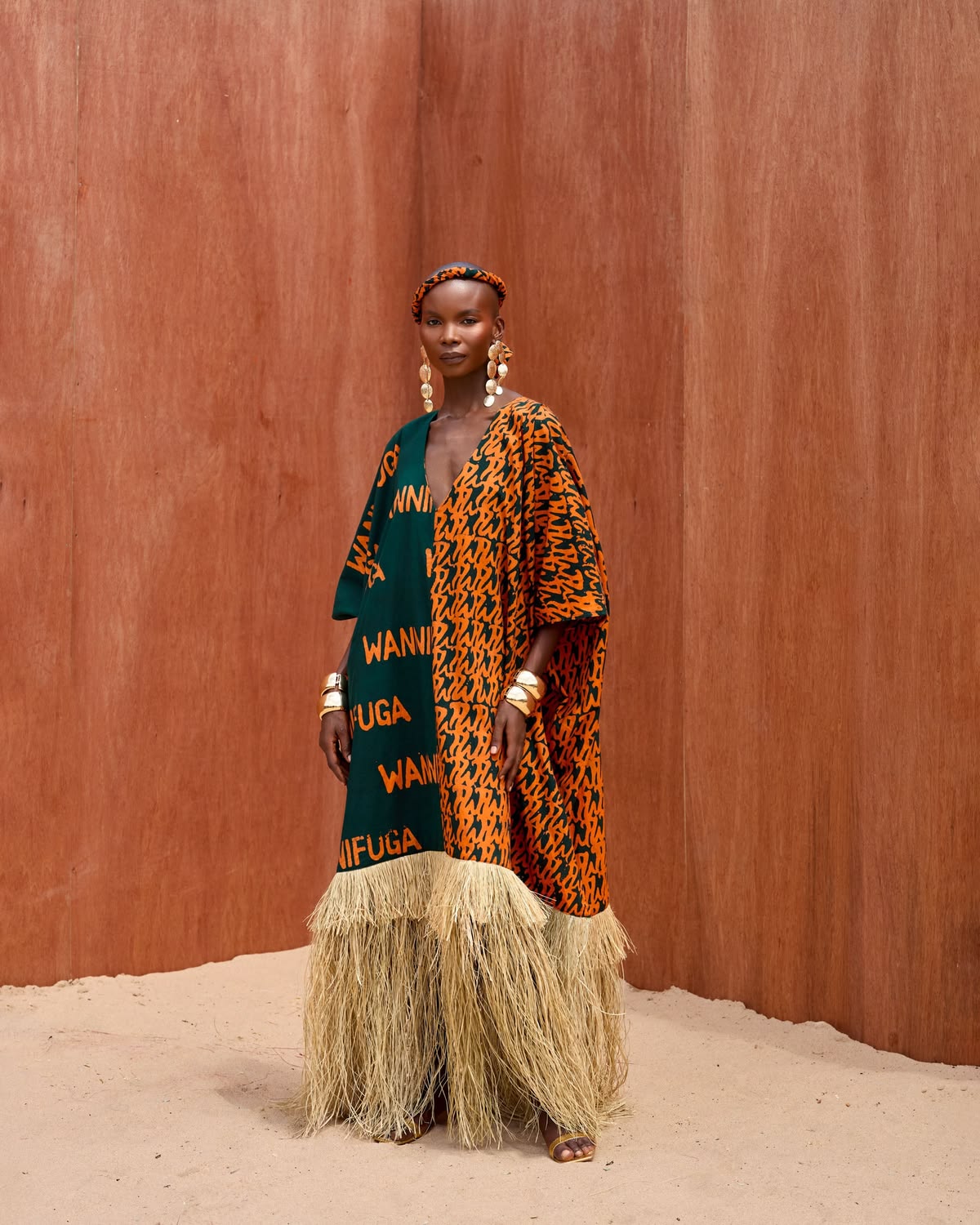
Pricing without permission means refusing the idea that your work must be cheap to be accepted, visible, or culturally relevant. Most African fashion labels underprice themselves. Not because the work lacks value, but because the pricing decision is made from fear rather than strategy.
The structural reasons are real and documented. According to the African Fashion Design Institute, African fashion businesses consistently face higher input costs than their counterparts in most developed markets: imported materials, fragmented supply chains, logistics premiums, limited access to capital, and small production runs that cannot capture economies of scale. Research from Moonlook Africa confirms that emerging brands underestimate hidden costs by 10 to 20% on average, and that a Lagos-based brand whose garments reach the US retail tier often yields under 5% profit after accounting for logistics and fees. These are structural problems. But there is also a mindset problem on top of them. Many designers price based on fear of what the market will accept, not on knowledge of what the business requires. That combination is what kills otherwise excellent brands.
When Emmanuel Okoro of Emmy Kasbit arrived in Akwete, a weaving community in Abia State, he found the looms packed up because demand had collapsed. The craft was not dying from age. It was dying from undervaluation. When Laduma Ngxokolo of Maxhosa Africa acquired a factory in Johannesburg in 2019, he was not trying to become a manufacturer. He was trying to escape a supply chain that would not allow him to price at the level his craft demanded. As Omiren Styles has documented, the distance between what African fashion produces and what it earns is not a creative problem. It is a structural and psychological one. This guide addresses both.
Learn how African fashion labels can set profitable prices, avoid undervaluing their work, and build sustainable luxury brands without apology.
Why Underpricing Happens
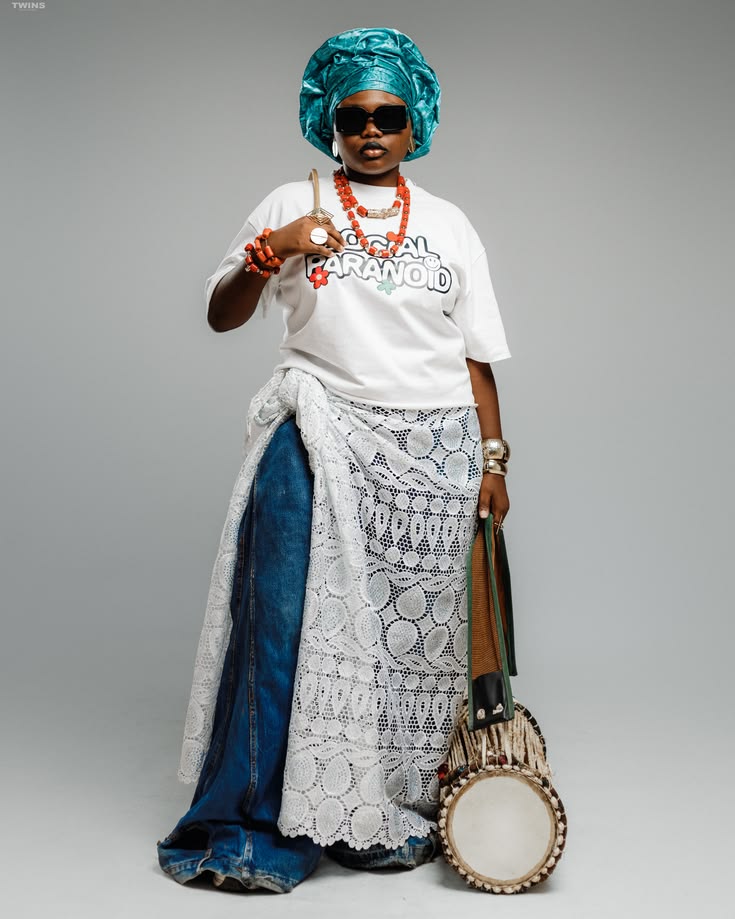
Many designers start by looking at what the market around them can bear. That sounds practical, but it quickly becomes a trap. If everyone around you is pricing low, you may assume that low is the only ethical or realistic position. That assumption is wrong. It is the market reflecting a collective fear, not a collective fact.
Underpricing also comes from insecurity. Some brands fear that higher prices will push customers away, especially if they are still building recognition. Others worry that premium pricing will seem arrogant or out of reach. There is also the colonial residue documented in the kaftan pricing analysis: a fashion system that has historically categorised African craft as less valuable than comparable European craft, and designers who have internalised that categorisation without questioning it. Fear of colonial depreciation of craft value is as real a pricing factor as the cost of freight.
When costs are high but the brand lacks confidence in its positioning, the easiest response is to shrink margins rather than raise prices. That choice may win a few sales in the short term. It weakens the business over time. A cheaper competitor will eventually beat a label that competes on cheapness rather than quality. A label that competes on craft and positioning builds a different kind of customer.
“If the label cannot explain its pricing from the inside, it will struggle to defend it outside.” — Pricing without permission: the Omiren Styles framework for African fashion brands
Price Should Reflect Value
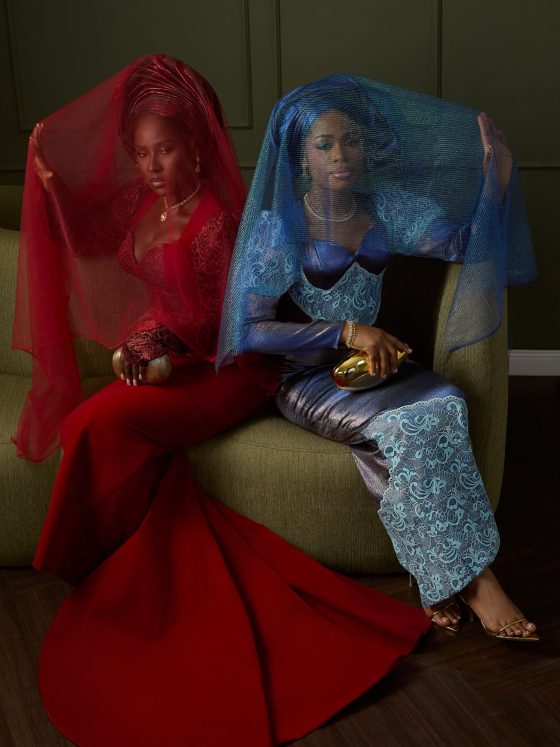
A fashion price is not only a calculation of fabric and labour. It is also a statement about brand position, craftsmanship, scarcity, and customer experience. If a piece takes time, skill, and specialised attention to make, its price should reflect that. Handwoven Akwete textile, custom embroidery, or a finely cut Aso Oke garment carries knowledge and labour that no mass-market product replicates. That knowledge has value. It is not an extra. It is the product.
Pricing too low creates the wrong signal. Customers may assume the work is ordinary, even when it is not. A weak price can make a strong brand look uncertain and attract the wrong kind of buyer: someone who wants the output but does not respect the process. Ngxokolo built Maxhosa Africa’s pricing power by documenting the craft at every level. “This is not fast fashion,” he has said. “One of the reasons we opt for these types of fibres is their durability. This is not a throw-away item. People are hungry for craftsmanship.” That statement is also a pricing statement. It explains exactly why the price is what it is. Good pricing tells the market what kind of business you are building.
Know Your Real Costs
Before setting a price, a fashion label needs to know its full cost structure. The Moonlook Africa pricing framework identifies the components that most emerging brands miss: fabric, trims, labour, atelier overhead, transport and logistics, customs and duties, fittings, photography, packaging, platform commissions, payment processing fees, taxes, and loss rate on defective or returned units. If any of those are ignored, the price will look profitable when it is not.
Many designers only count direct production costs. When the hidden costs appear later, the margin disappears. The business may be busy and still be broke. A useful discipline is to separate cost from value. Cost tells you the minimum you must recover. Value tells you what the market will pay for your positioning. A sustainable price has to cover both. The Moonlook Africa framework recommends a 4x to 6x multiplier on production cost for premium positioning in markets where the brand competes on craft rather than volume. That multiplier accounts for the full cost structure and builds in the margin that enables reinvestment.
A label that cannot explain its pricing from the inside will struggle to defend it outside. The founder should be able to say, in precise terms, why a garment costs what it costs. That precision is not defensive. It is the foundation of trust.
Build a Pricing Structure
One-off pricing decisions lead to inconsistency. A better approach is to create a structure that can be repeated across categories. A brand may price differently for:
- Ready-to-wear collections
- Custom or made-to-measure pieces
- Bridal and occasion wear
- Accessories
- Limited-edition or premium collections
Each category carries different levels of labour intensity, urgency, and customer expectations. A bridal piece should not be priced like a simple, ready-to-wear dress. A custom garment should include consultation time, revision rounds, and fitting work in the final price. A limited-edition piece commands a scarcity premium that standard stock does not.
A clear structure protects the brand from emotional pricing. The price should come from a framework, not from anxiety. When a client asks what something costs, the answer should take three seconds, not three minutes. That confidence is itself a signal of brand authority.
Premium is not an apology.
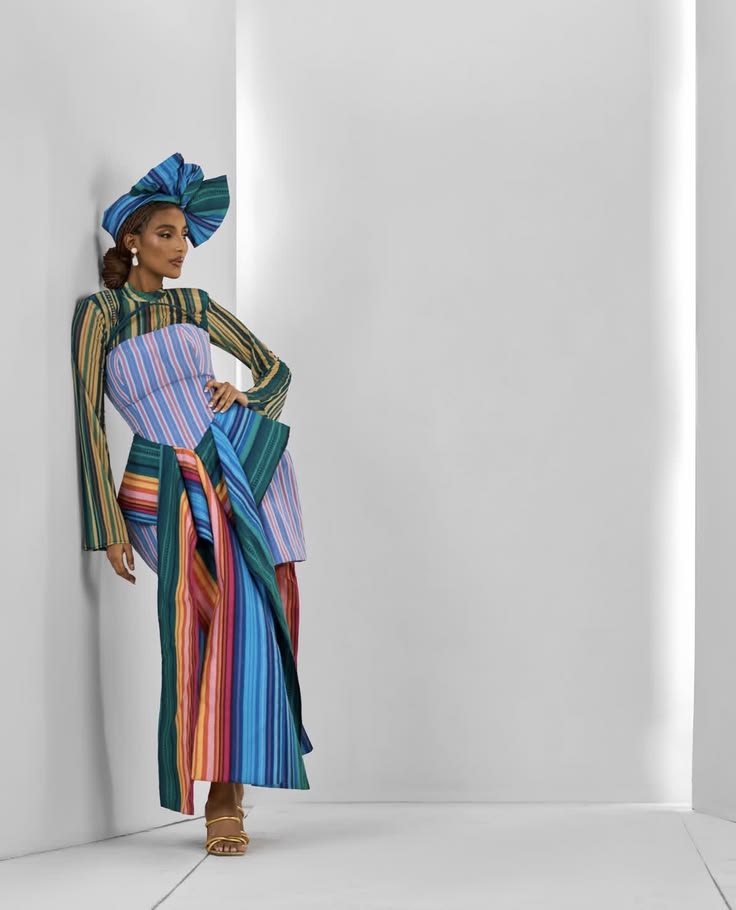
Many African designers hesitate to price themselves at a premium level because they worry about being misunderstood. Premium pricing is not a moral failure. It is a positioning choice. If a label wants to become sustainable, premium pricing is often necessary. That does not mean it must exclude everyone. It means the brand must stop pretending that quality craftsmanship can survive on goodwill alone.
Tongoro, Sarah Diouf’s Dakar-based label, controls pricing by controlling production. Everything is made in Senegal, the supply chain is local, and the brand’s positioning as accessible luxury with African provenance is built into every communication. The price reflects what the work actually costs in a functioning local production system. Thebe Magugu’s pricing power was built through documented critical recognition and international stockists, including Net-a-Porter and MatchesFashion, that positioned him within an existing luxury reference frame. Both brands demonstrate the same principle: premium pricing is achievable when production and brand infrastructure support it. As Omiren Styles has documented, the brands that build lasting influence are those that design their pricing into their brand identity from the beginning, not those that raise prices as an afterthought.
Clients often respect clear pricing more than uncertain discounts. A brand that knows its worth attracts customers who value consistency. Premium pricing also creates room for better packaging, production, service, and margins. That said, premium pricing must be supported by premium delivery. If the price rises, the experience must justify it. Customers do not only pay for clothes. They pay for trust.
Raise Prices Strategically
A label does not need to move from undervalued to elite overnight. Price increases can be gradual and intentional. A label can raise prices when:
- Demand is strong and consistent
- Product quality has visibly improved
- Brand visibility has increased through media, stockists, and awards
- Production capacity has become more reliable
- Customer service and presentation have strengthened
The key is to connect each increase to a real business change. That makes the move easier to explain and easier for customers to accept. It also helps protect existing customers through limited-time loyalty offers, early access, or transitional pricing on specific items. The brand rises without creating unnecessary friction.
The Moonlook Africa framework advises against announcing price increases without context. The right approach is to communicate the reason clearly: a new material source, a production upgrade, a third collection that reflects the brand’s full creative maturity—customers who understand why the price changed are customers who stay.
ALSO READ
- The Price of a Kaftan Is a Political Statement
- How an Event Becomes Both a Business Moment and a Relationship-Building Tool
- From Style to Culture: How Fashion Brands Become Ecosystems
Confidence Is Part of the Price
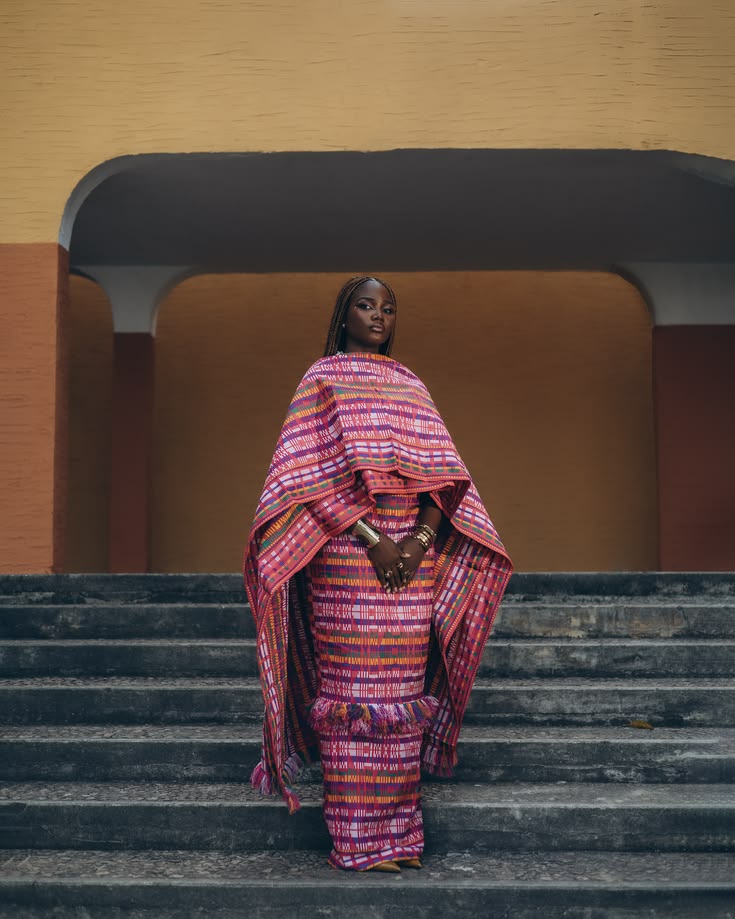
Pricing is not only arithmetic. It is leadership. If a founder speaks about the work as if it is fragile, customers will feel that uncertainty. If the founder speaks clearly about what the work is and why it costs what it does, the market is more likely to respond with trust.
This is why many labels need to adjust the story around pricing, not just the number. Explain the craftsmanship. Explain the sourcing. Explain the time. Explain the design intent. When customers understand what they are paying for, the price feels less arbitrary. Confidence does not mean being defensive. It means being precise.
A designer should be able to say why the work costs what it costs without apologising for the answer. That sentence is the beginning of every pricing conversation a serious brand needs to have.
The Omiren Argument
African fashion labels undervalue themselves when they price out of fear rather than strategy. The correct approach is to build prices from full costs, clear positioning, and real brand value. When Emmanuel Okoro arrived in Akwete and found the looms packed up, the craft was not dying from age. It was dying from demand failure, which is what underpricing produces at scale: a creative tradition without a commercial reason to continue. When Ngxokolo built a factory to escape a supply chain that would not let him price correctly, he was not making a manufacturing decision. He was making a pricing decision. The factory was the instrument. The sustainable price was the goal.
Omiren’s position is this: if the work is skilled, scarce, and culturally meaningful, it should be priced accordingly. Sustainable fashion begins when designers stop asking permission to charge what their work is worth. A label cannot build excellence while starving itself. Pricing without permission is not a philosophy. It is the practical requirement for the work to survive.
The price is not the problem. The fear of setting it correctly is.
Frequently Asked Questions
Why do African fashion labels underprice themselves?
Because of market pressure, fear of customer rejection, weak cost accounting, a habit of confusing affordability with value, and the residue of colonial depreciation of African craft value, which has historically positioned African making as less valuable than comparable European craft. All five factors compound each other. Addressing pricing correctly requires understanding all five.
What should a fashion price include?
Materials, trims, labour, atelier overhead, transport and logistics, customs and duties, fittings, photography, packaging, platform commissions, payment processing fees, taxes, and an allowance for loss on defective or returned units. The Moonlook Africa framework identifies hidden costs as accounting for 10 to 20% of actual costs that most emerging brands do not price in.
What is the difference between cost-plus pricing and value-based pricing for African fashion brands?
Cost-plus pricing sets the price by calculating total production cost and adding a fixed margin. Value-based pricing sets the price according to what the market will pay for the brand’s specific positioning, craft level, and customer experience. For African fashion brands competing on craftsmanship and cultural depth, value-based pricing is the stronger long-term model, because it prices the knowledge system and design intelligence embedded in the work, not just the material inputs. The Moonlook Africa framework recommends a 4x-6x production-cost multiplier for premium positioning as a practical starting point.
Is premium pricing always the right choice?
Not always, but it is often necessary for sustainable growth, especially for brands built on handcraft, cultural specificity, and design intelligence. The alternative, pricing below the true cost of quality production, produces short-term sales and long-term instability. The documented cases of Maxhosa Africa, Tongoro, and Thebe Magugu all show that premium pricing is achievable when the production infrastructure and brand positioning support it.
How can a brand raise prices without losing customers?
By connecting each increase to a documented business change: a production upgrade, new material sourcing, increased media recognition, or a collection that demonstrates clear creative progression. Communicate the reason before the increase, not after. Protect loyal customers with transitional pricing or early access—customers who understand why the price changed are customers who stay.