In a swimwear market that still treats fuller busts and in-between sizes as an afterthought, ESSYOSA arrives with a quiet but deliberate proposition: support, culture, and slow luxury in one bikini. Founded by a designer who goes by Essy, born Esosa, the London-based label produces its pieces in England and frames swimwear as both an investment in ethical craftsmanship and a wearable archive of Edo storytelling from Nigeria.
Essy has described founding the company as the result of her own struggle to find swimwear that offered both support and style as someone who sits between standard sizes. That frustration, rather than a trend forecast, is the starting point for everything ESSYOSA has built since.
ESSYOSA is a London-made, Edo-rooted slow-fashion label crafting supportive swimwear for women in all sizes. Here is how culture, ethics, and fit converge in one bikini.
Who Is ESSYOSA Actually Designing For?
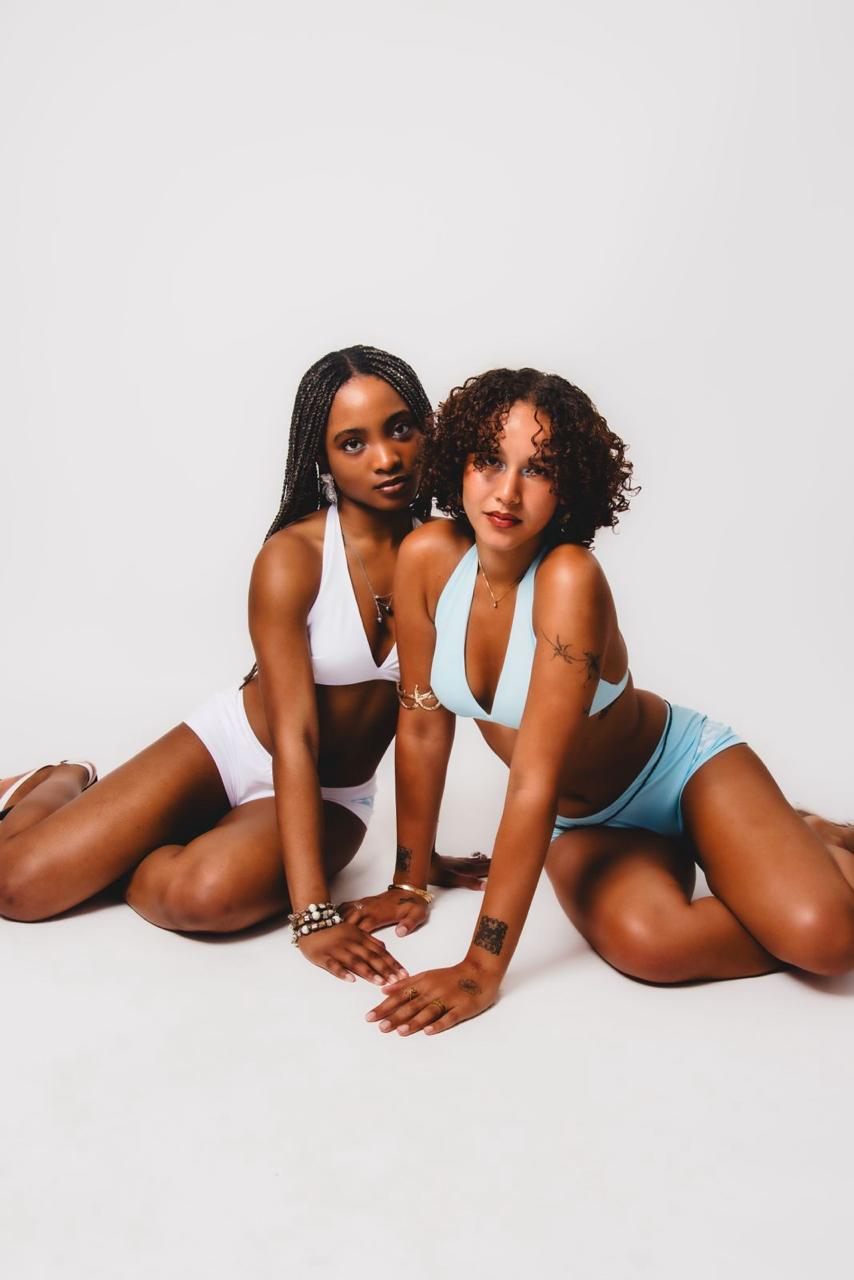
ESSYOSA’s customer is not impulse-shopping for a holiday haul. She is investing, mindful about her fashion consumption, and inclined to direct her spending toward independent and Black-owned brands. Her lifestyle is active and expressive, centred on wellness or travel, and she values sustainability as much as she values standout pieces that suit her body type. That positioning sits at the centre of the brand’s stated values, which describe a commitment to inclusive sizing and to helping women feel comfortable in their own skin.
ESSYOSA treats support and style as design requirements, not as a trade-off a woman has to negotiate every time she buys a bikini.
How Does ESSYOSA Solve the In-Between Size Problem?
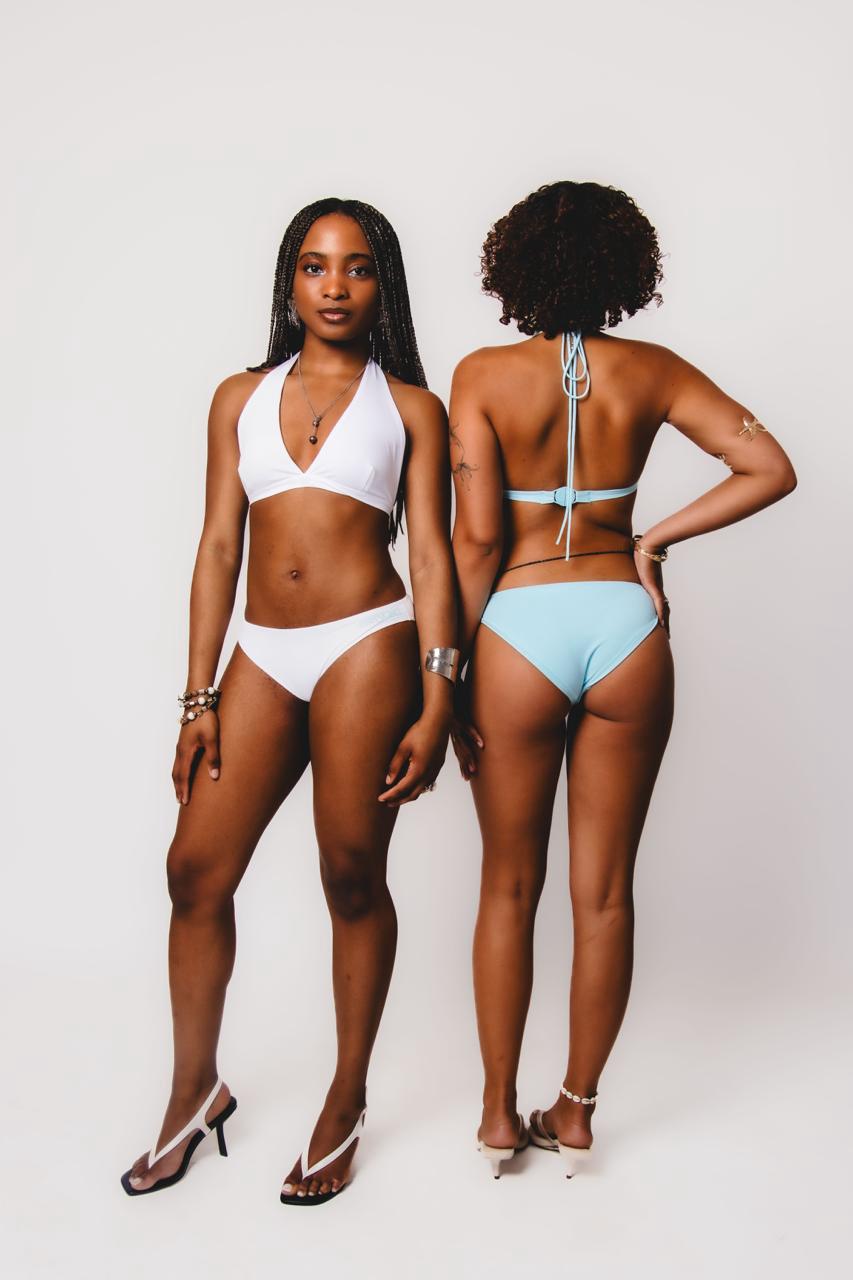
At the heart of ESSYOSA’s design philosophy is a problem most swimwear brands treat as a footnote: what happens when a body sits between the standard sizes on a chart. Many labels offer style without support, particularly for fuller busts, leaving women feeling as though they are spilling out of the top despite buying their usual size. Essy has described this exact frustration as a key focus of her design process. The brand’s Imade bikini top, pronounced ee-mah-dee, was built specifically to address it, offering a secure fit through fabric and construction rather than simply sizing up.
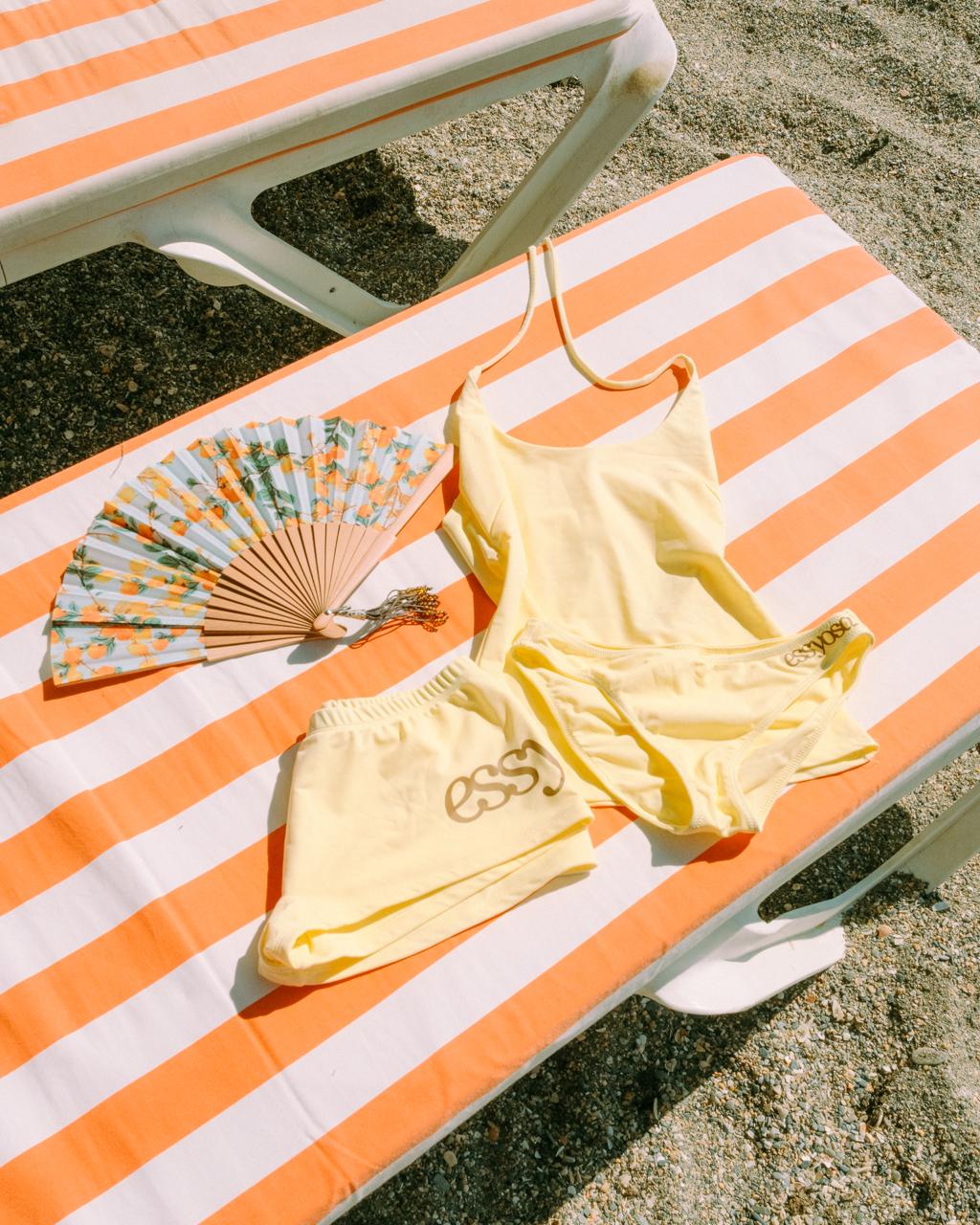
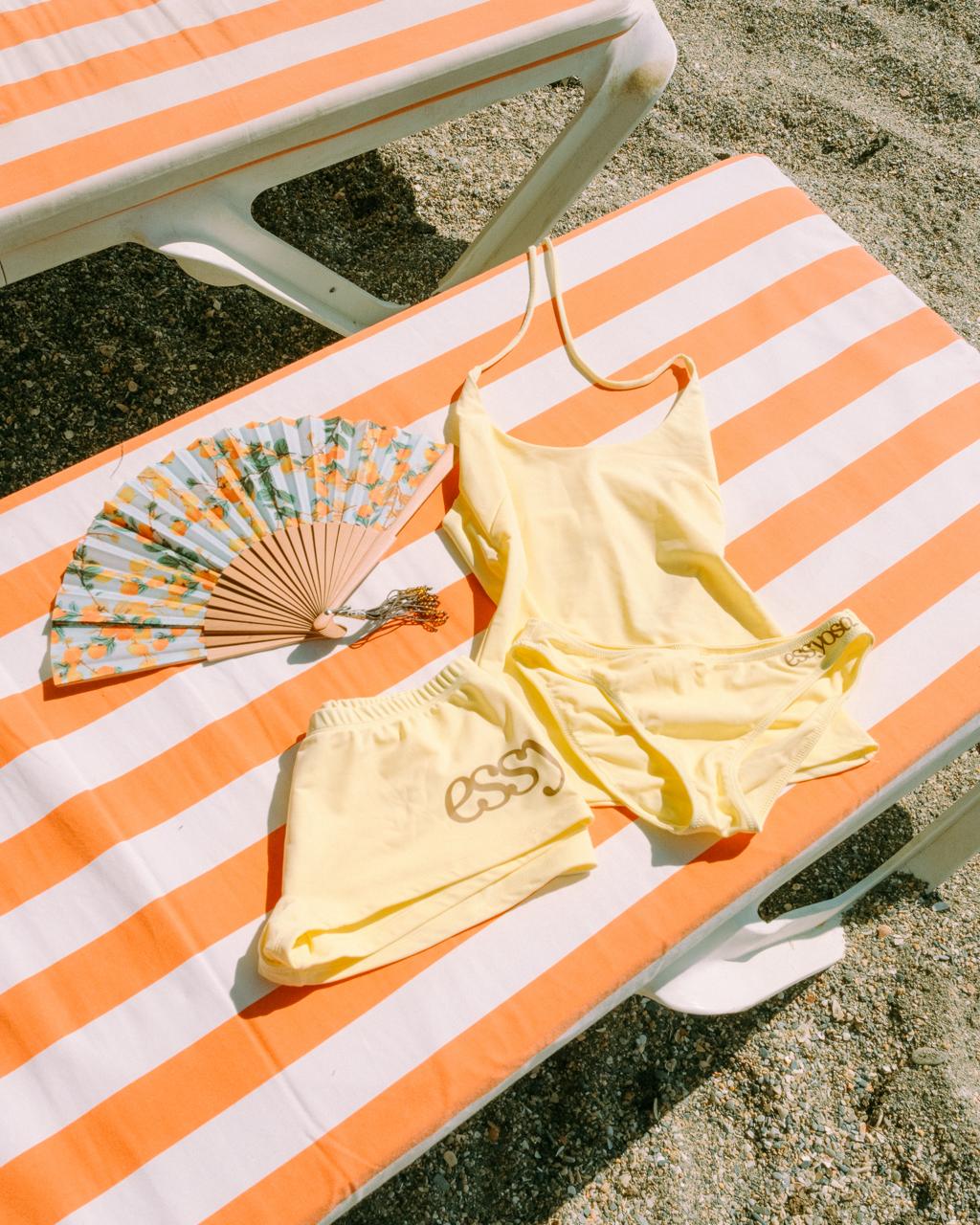
The Imade collection fuses fabric sourced from UK suppliers with sharp, structured lines that read as design-forward rather than purely corrective. Alongside it sits the Osayi collection, pronounced os-ay-i, covering tankini tops and swimming shorts built on the same support-first logic. Both names are Bini, drawn from Essy’s Edo heritage, and both are sold as separates, currently priced between thirty and thirty-eight pounds, letting customers mix support levels and silhouettes rather than buying a fixed set.
Why Does ESSYOSA Call Itself a Slow Fashion Brand?
ESSYOSA collaborates with local tailors for production and sampling, with recent tankini production taking place in England, and works with an independent printing studio in London for its logo prints, a deliberate choice to maintain oversight and support small, local businesses rather than outsourcing to mass manufacturers. That model increases costs compared to overseas production, but the brand frames those costs as transparency. Packaging follows the same logic: sustainable boxes made in Europe, recycled tissue paper, and labels from an independent local seller. Rather than chasing seasonal trends, the brand designs pieces intended to be worn across multiple seasons, treating slow production as the actual luxury on offer rather than a limitation.
How Does Edo Heritage Shape ESSYOSA’s Designs?
What separates ESSYOSA from a typical slow-fashion narrative is its insistence on cultural storytelling. As a Black-owned business, Essy has said that culture sits at the heart of the brand, and, as part of her Nigerian Edo heritage, she has built Bini names directly into her product lines, including Imade and Osayi, as an homage to what she describes as the artistic spirit of the Edo people. The brand’s own name follows the same logic, drawn from her birth name, Esosa. As Omiren Styles has documented in The African City That Fashion Forgot: How Benin, Oyo, Dahomey, and Asante Dressed Before Europe Arrived, the historical Kingdom of Benin in present-day Edo State, Nigeria, produced one of the most thoroughly documented royal dress systems in pre-colonial African history, recorded in brass by specialist court guilds centuries before European contact. ESSYOSA’s use of Bini names is a far smaller gesture than that of the royal archive, but it draws on the same underlying claim: Edo identity is a source to build from, not a footnote added once the product is finished.
ALSO READ:
- The African City That Fashion Forgot: How Benin, Oyo, Dahomey, and Asante Dressed Before Europe Arrived
- Lemlem: Weaving African Heritage into Global Fashion
- How Nigerian Prom Dresses Became a Global Graduation Trend
- African Workwear Essentials Every Modern Woman Needs in 2025
What Comes Next for ESSYOSA’s Sustainability and Sizing?
Sustainability sits at the centre of ESSYOSA’s stated roadmap. The brand is researching alternatives to synthetic-blend fabrics and recycled materials as it evolves, a position that takes on sharper meaning against Ghana’s well-documented textile waste crisis. Kantamanto Market in Accra, one of the largest secondhand clothing markets in the world, receives an estimated 15 million garments a week from the Global North, roughly 40% of which are discarded as waste almost immediately, a pattern researchers have described as waste colonialism. A brand built on slow, traceable production is not solving that crisis alone, but it sits on the opposite end of the system that produces it.
As ESSYOSA ships internationally, an international size chart is still in development rather than already in place, with the brand prioritising how garments perform on real bodies over fixed numbers in the meantime and longer-term plans to rework key patterns based on customer feedback since launch. The brand has also said its smaller, limited-drop model is a deliberate quality-control choice rather than a hype tactic, allowing every garment to be inspected before it ships, and that it has not had a customer request a refund for a fault or quality mismatch to date. Swimwear remains the core, but the brand hopes to expand into beach cover-ups and other accessories over the next five years, while keeping its focus on product quality, ethical values, and cultural storytelling rather than chasing scale for its own sake.
How Does ESSYOSA Build Community Beyond the Sale?
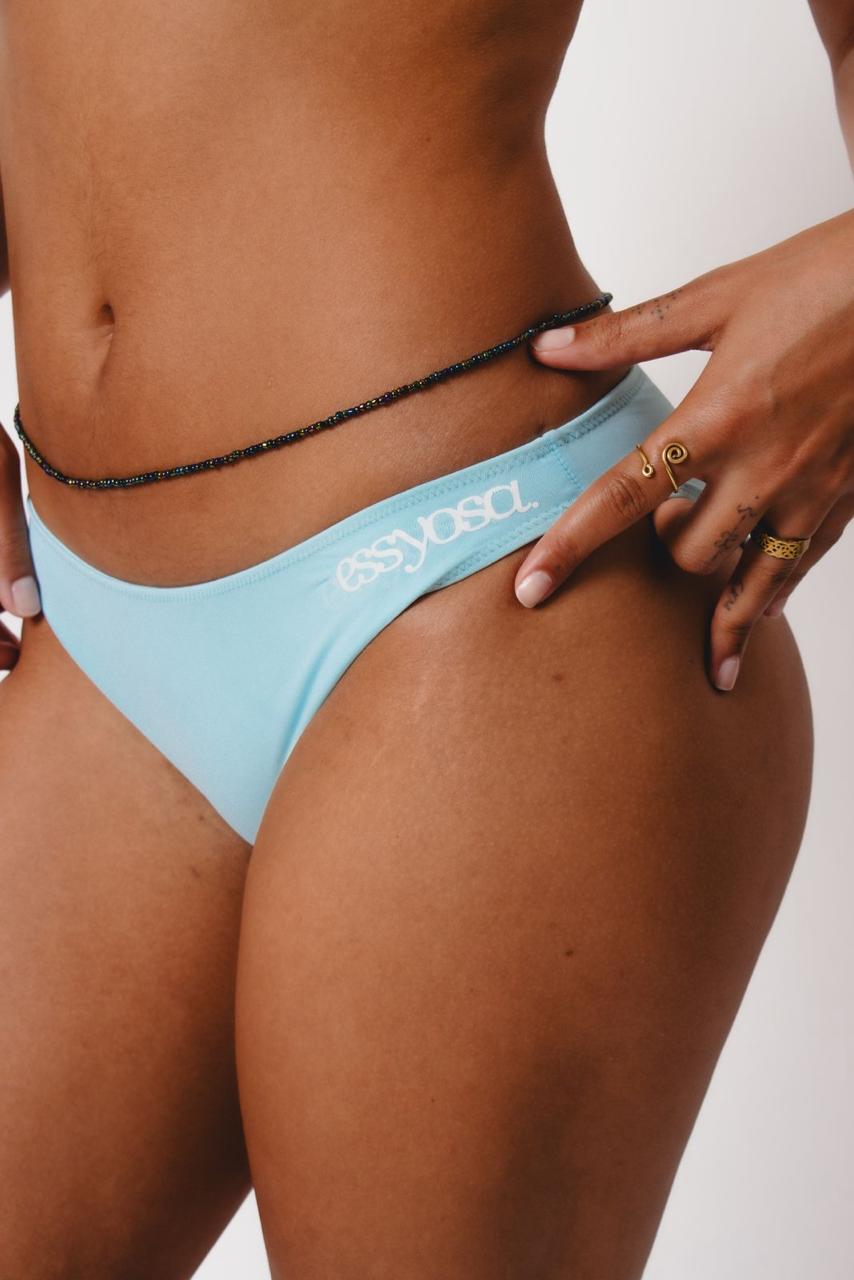
Beyond the transactional relationship, ESSYOSA uses Instagram to show its products in real life, sharing photographs of real customers wearing the pieces alongside their feedback. At the same time, TikTok leans further into production transparency, with footage of the process narrated step by step. The brand has said its pop-up appearances function less like sales stalls and more like shared spaces, where customers compare notes on past frustrations with ill-fitting swimwear and the relief of finding something that finally works. The outcome the brand aims for is simple: a customer who associates the purchase with comfort, support, and uncompromised quality, and who comes back season after season rather than chasing the next trend.
THE OMIREN ARGUMENT
ESSYOSA matters less for what it sells than for what it refuses to separate. Most swimwear brands treat fit, ethics, and cultural identity as three different marketing departments. ESSYOSA collapses them into a single design brief: a bikini top has to support a fuller bust properly, the fabric has to come from a traceable UK supplier, and the name on the product page has to be Bini, not borrowed.
That refusal to compartmentalise is the actual argument here. A brand founded by one woman to solve her own fitting-room frustration does not need a heritage department to justify naming her bikini “Imade”. The culture was already there, in her own name, before the company existed.
FREQUENTLY ASKED QUESTIONS
What is ESSYOSA, and who founded it?
ESSYOSA is a London-based slow-fashion swimwear brand founded by designer Essy, whose birth name, Esosa, gave the brand its name. The label designs supportive swimwear for women who sit between standard sizes, with production based in England and fabric sourced from UK suppliers.
What are ESSYOSA’s Imade and Osayi collections?
Imade, pronounced ee-mah-dee, is ESSYOSA’s bikini top collection, engineered specifically to offer secure support for fuller busts without sacrificing design. Osayi, pronounced os-ay-i, covers the brand’s tankini tops and swimming shorts. Both are Bini names drawn from founder Essy’s Edo heritage, and both are sold as separates, currently priced between thirty and thirty-eight pounds.
Why does ESSYOSA call itself a slow fashion brand?
ESSYOSA produces in small, traceable runs rather than mass quantities, working with local tailors in England for production and an independent London printing studio for its logo prints. According to the brand, this approach increases costs compared to overseas mass manufacturing. Still, it allows it to maintain quality oversight, reduce waste, and support small, often Black-owned businesses across its supply chain.
How does ESSYOSA incorporate Edo heritage into its designs?
Founder Essy has built Bini names directly into her product lines, including the Imade and Osayi collections, describing the choice as a personal homage to her Nigerian Edo heritage and the artistic spirit of the Edo people. The brand’s own name is drawn from her birth name, Esosa, making the cultural reference foundational to the brand rather than an added layer of marketing.
Does ESSYOSA ship internationally, and how does sizing work?
Yes, ESSYOSA now ships internationally while remaining based in the UK. An international size chart is still in development rather than already finalised, with the brand prioritising how garments feel and perform on real bodies over fixed numerical sizing in the meantime, and longer-term plans to rework key patterns based on customer feedback since launch.
Omiren Styles covers the diaspora designers building African identity into the product itself, not into the marketing around it. Subscribe for the editorial intelligence that reads small brands with the same seriousness it brings to established houses.