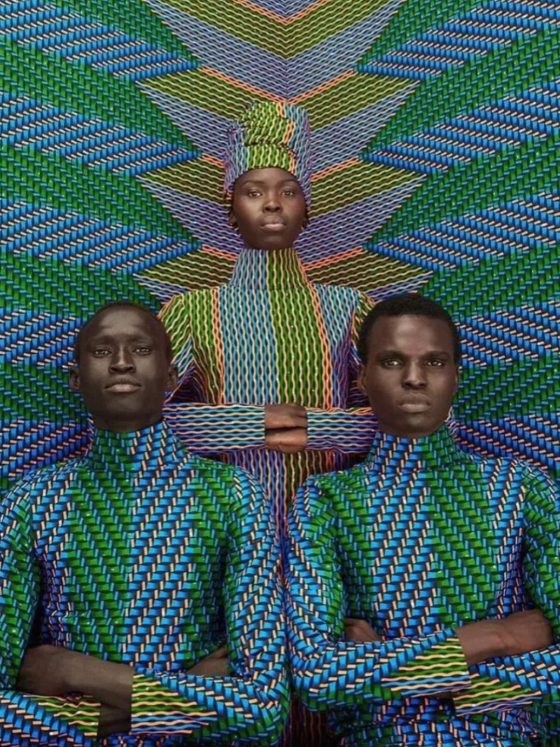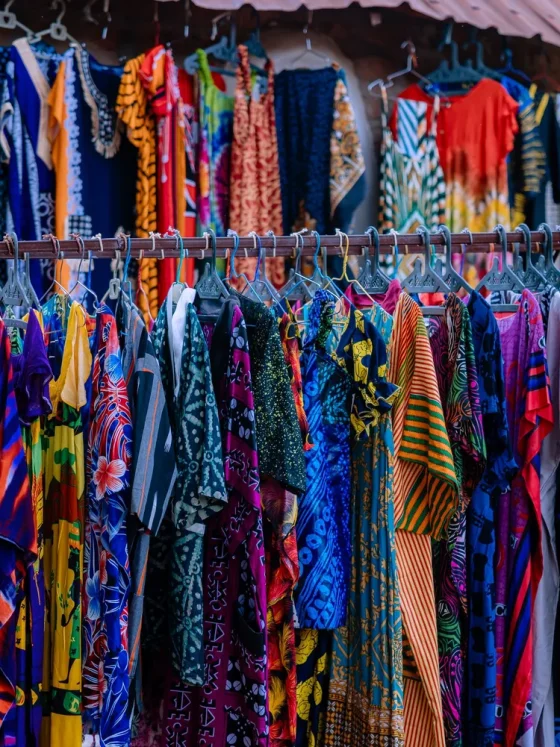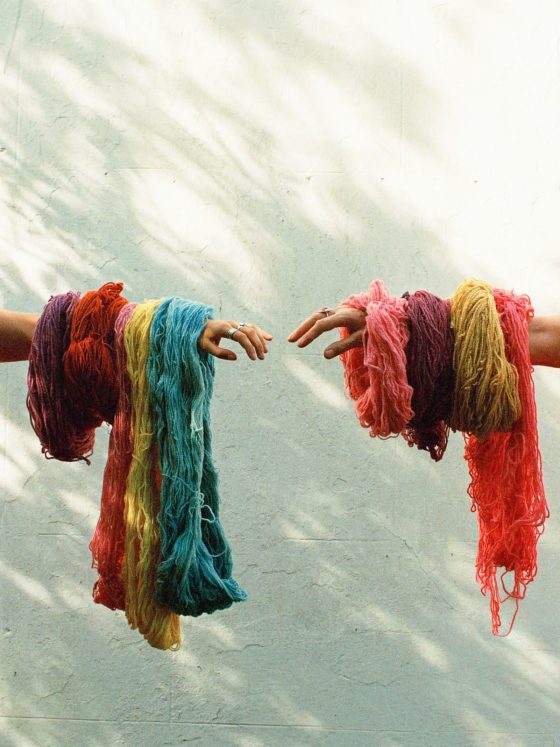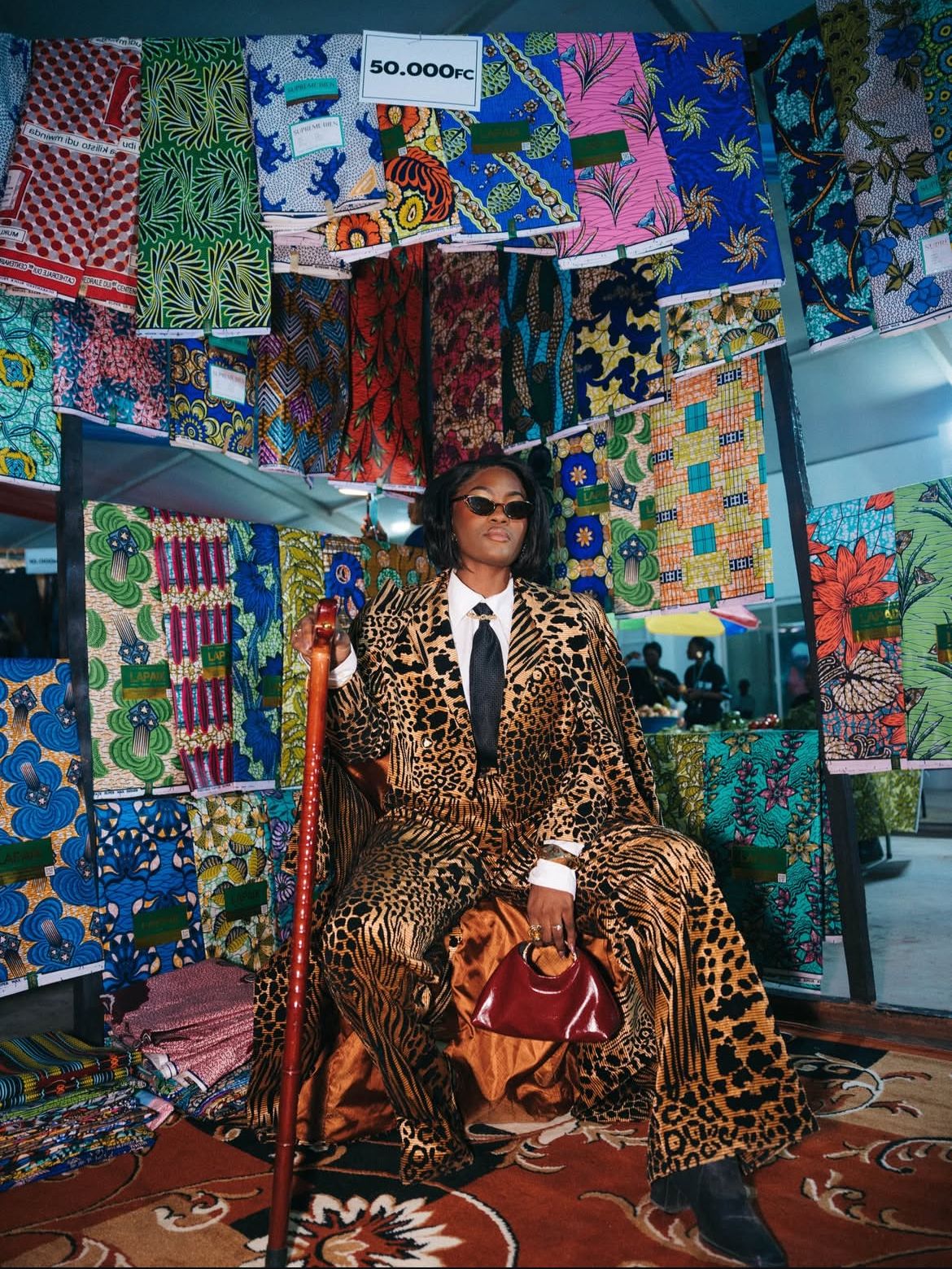
Designers who build their practice around handweaving, natural dyeing, or other living craft traditions are not just making beautiful clothes. They are maintaining knowledge systems that governments, institutions, and formal industry structures have often failed to protect. In that sense, their work is preservation as much as design.
This matters because African craft traditions do not survive on symbolism alone. They survive when someone keeps weaving, dyeing, stitching, teaching, buying, and adapting them for the present. When designers do that work inside fashion, they are often filling a gap left by the state rather than merely pursuing an aesthetic.
African craft fashion designers are preserving textile knowledge, artisan systems, and sustainable practices that institutions have failed to protect.
There is a temptation to talk about craft-led fashion as if it were mainly a lifestyle choice: slower, softer, more authentic, more ethical. But in many African contexts, working with living craft traditions is not just a style decision. It is a preservation task. Designers who rely on handwoven textiles, natural dye processes, or artisan finishing are keeping active knowledge systems alive in environments where official support is often weak or absent.
That makes African craft fashion politically important. It connects design to labour, memory, ecology, and local economy all at once. It also reveals a hard truth: when the state does not protect artisan systems, designers and the communities around them often become the de facto preservation infrastructure.
This is visible in conversations about African craft, ethical fashion, and textile conservation. It also connects to Omiren’s earlier work on African Textile Museums: Preserving Memory in an Age of Fast Fashion because it shows that preservation is not a side effect of fashion. It is part of the industry’s cultural job.
Explore how African craft fashion designers preserve handweaving, natural dyeing, and textile knowledge that institutions and the state have failed to protect.
Craft Is A Living Archive
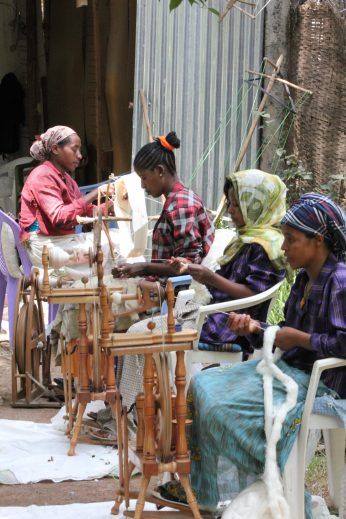
The most important thing to understand about craft traditions is that they are not a dead heritage. They are active archives. A handwoven cloth, a dye bath, a stitched finish, or a regional technique carries knowledge that is transmitted through practice. If that practice stops, the archive is weakened or lost.
This is why designers who keep working with craft traditions are doing more than borrowing visual references. They are participating in maintaining a knowledge system. That system includes technique, labour, material intelligence, and the social relationships that sustain production. In African textile preservation, the designer often becomes a translator between past skill and present market.
Examples across the continent show how powerful this can be. Lemlem was founded to preserve Ethiopian weaving traditions while creating work for artisans in Africa. Aïssa Dione has built a career around reviving West African textile traditions and linking traditional skills to contemporary design and industrial value. These brands demonstrate that craft is not nostalgia. It is a living supply chain.
Brands such as Maxhosa Africa and Emmy Kasbit are also useful reference points because they show how contemporary fashion can be structurally rooted in local craft systems. Their work proves that hand-making is not a decorative add-on. It is the foundation of distinctiveness, especially when the wider market is flooded with undifferentiated fast fashion.
Preservation Is Economic Work
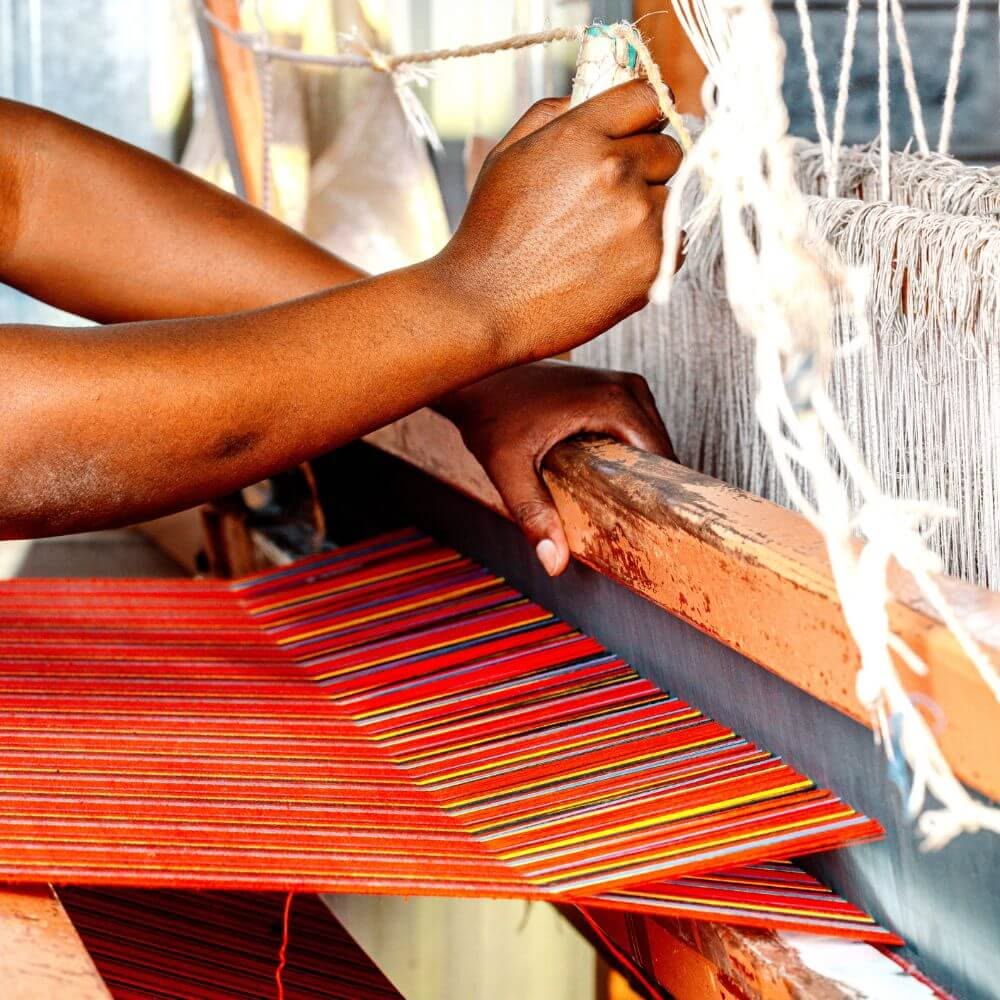
When a designer chooses craft-based production, they are not only making an aesthetic statement. They are also supporting a skills-based economy. Handweaving, natural dyeing, and artisanal finishing require time, training, and local labour. That means craft-led fashion sustains livelihoods in places where formal industry may be weak or fragmented.
This is one reason preservation work is so often undertaken by designers rather than institutions. Designers are directly tied to demand, so they can create reasons for a craft to remain financially viable. If customers buy the garment, they indirectly support the artisan, the dyer, the weaver, and the local material chain. The design serves as the bridge between cultural and economic survival.
Reports and craft writing across African fashion underscore this point: preservation and sustainability are linked, as traditional methods often encourage slower, lower-waste production and greater retention of local value. That does not mean all craft-led fashion is automatically sustainable, but it does mean the model has a built-in ecological logic that industrial fashion often lacks.
This is where brands like Orange Culture and Lemlem matter again, because they prove that artisan labour can sit inside a modern business rather than being relegated to heritage tourism. Orange Culture’s locally grounded making in Lagos and Lemlem’s artisan-focused production in Africa both show how a designer can preserve knowledge while still building a contemporary brand identity. The preservation work is real because the market work is real.
ALSO READ:
The State Often Stops At Symbols
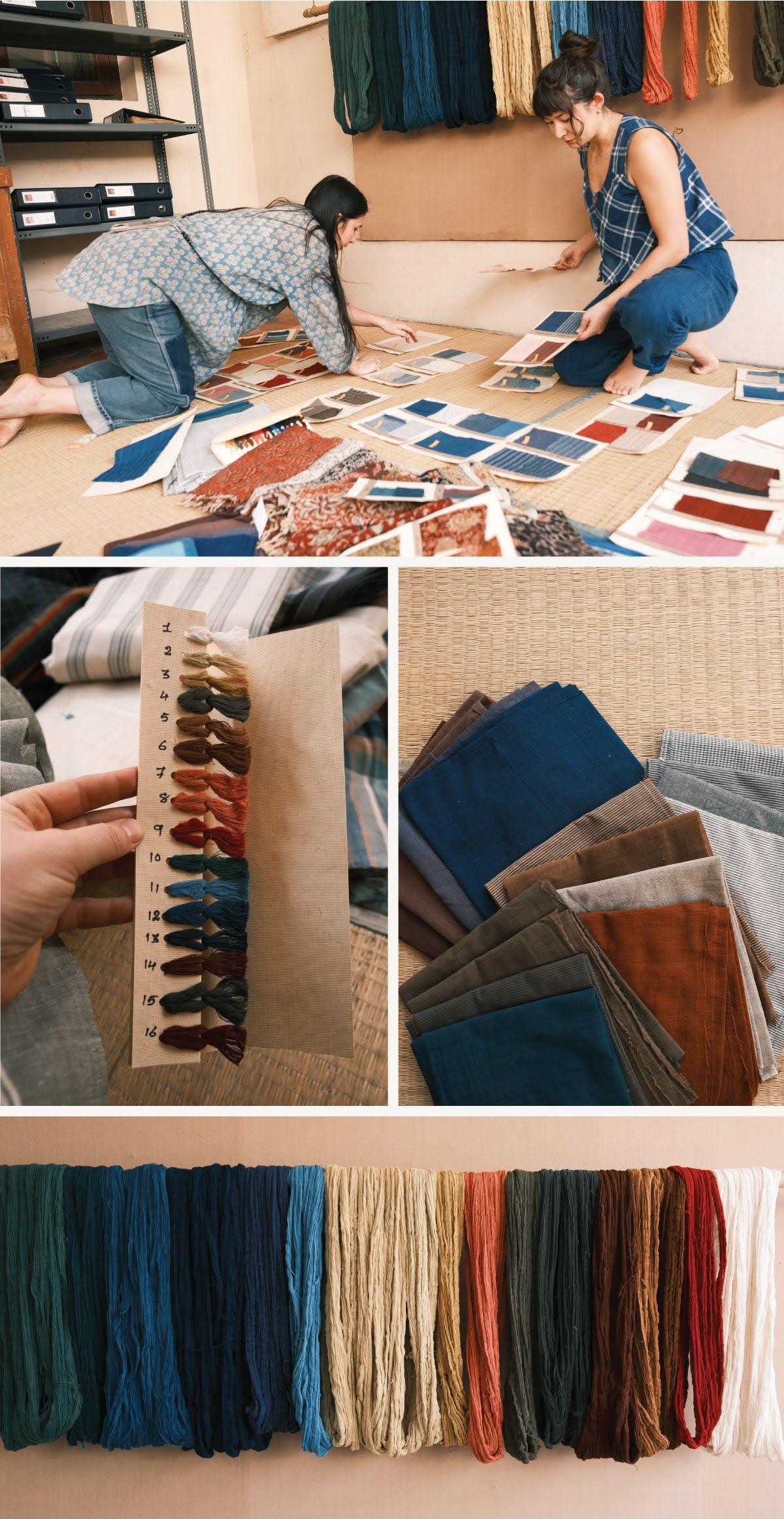
Many governments are happy to celebrate African heritage as imagery, heritage days, festivals, or diplomatic branding. But celebration is not the same as preservation. A state can praise craft while failing to fund training, protect artisans, support local material chains, or build the institutions that keep traditions functioning.
That gap is why designers matter so much. They are often doing the work that public policy should have made easier: sustaining apprenticeships, funding small production systems, adapting traditional methods for contemporary markets, and keeping craft visible enough to remain commercially alive. In practice, this means the designer becomes a cultural custodian by necessity.
This tension appears in cultural preservation writing, craft studies, and fashion media profiles that frame artisans as key actors in African fashion futures. The key insight is that preservation is not passive. It requires deliberate systems: sourcing, teaching, paying, documenting, and repeating. Without those, the tradition becomes a talking point instead of a practice.
That is why African artisan fashion deserves to be read as infrastructural work. Designers are not just styling culture; they are keeping the conditions of culture in motion. Aïssa Dione, Maxhosa Africa, and lemlem illustrate this clearly by making craft visible in the market while sustaining the production ecosystems beneath it. Their brands show that the most durable form of preservation is not display. It is used.
The Omiren Argument
Designers working with living craft traditions are doing preservation work that the state has abandoned, because they keep textile knowledge, artisan livelihoods, and ecological making systems active in the present. Across Africa, many craft traditions survive only because designers continue to commission, adapt, and sell them. Without that market support, handweaving and natural dyeing risk becoming symbolic rather than functional.
The common assumption is that preservation belongs to museums or ministries. But in practice, African craft preservation is being done by designers who turn craft into viable fashion, not by institutions that merely celebrate it. Brands like Lemlem, Aïssa Dione, Maxhosa Africa, Emmy Kasbit, and Orange Culture show that craft can remain contemporary without losing its rootedness. Their work proves that preservation and innovation are not opposites. If the state does not protect the craft, the designer often becomes the protector by default. That makes craft-led fashion one of the most important forms of cultural preservation work in African fashion today.
Frequently Asked Questions (FAQs):
- Why is craft fashion described as preservation work?
When designers use handweaving, natural dyeing, or other traditional methods, they help keep those skills alive. The craft survives through use, demand, and teaching, not just admiration. In that sense, fashion becomes a way of preserving active knowledge rather than simply displaying it.
- What role does the state play in craft preservation?
In an ideal setting, the state would support training, archives, artisan funding, and local production systems. But in many African contexts, that support is limited or inconsistent, leaving designers and artisans to carry the burden themselves.
- Is all craft-led fashion sustainable?
Not automatically, but it often aligns well with slower, more local, and lower-waste production. The key is whether the craft system is being supported fairly and whether the materials and labour chains are treated responsibly.
- Which brands are good examples of this kind of work?
Lemlem, Aïssa Dione, Maxhosa Africa, Emmy Kasbit, and Orange Culture are strong examples. They all show different ways to keep craft traditions relevant in contemporary fashion.
- Why does craft preservation matter now?
Because fast fashion and industrial imitation can erode the market for traditional skills, if craft traditions lose visibility and economic value can disappear from everyday use. Designers who keep them in circulation are helping prevent that loss.
- How does this connect to African fashion sustainability?
Craft-based production often supports local labour, lower-volume making, and a stronger link between materials and place. That does not solve every sustainability problem, but it creates a more durable foundation than extractive, high-waste production systems.