This article contains affiliate links. We may earn a small commission if you purchase through our links at no extra cost to you.
Traditional clothing in Ghana is often introduced through Kente cloth, but this focus narrows the scope of a broader system of dress that operates across distinct ethnic and regional contexts.
Among the Akan and Ewe, Kente weaving serves as a structured visual language used in ceremonies and displays of leadership. It also plays an important role in life-cycle events such as weddings and funerals.
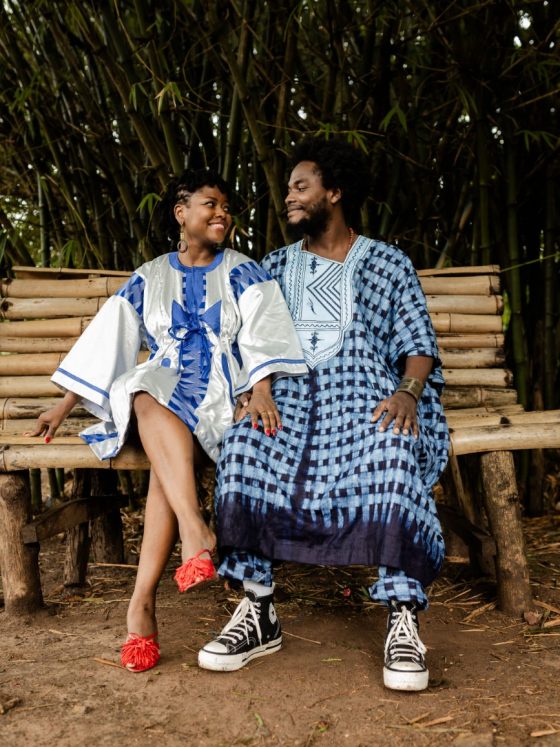
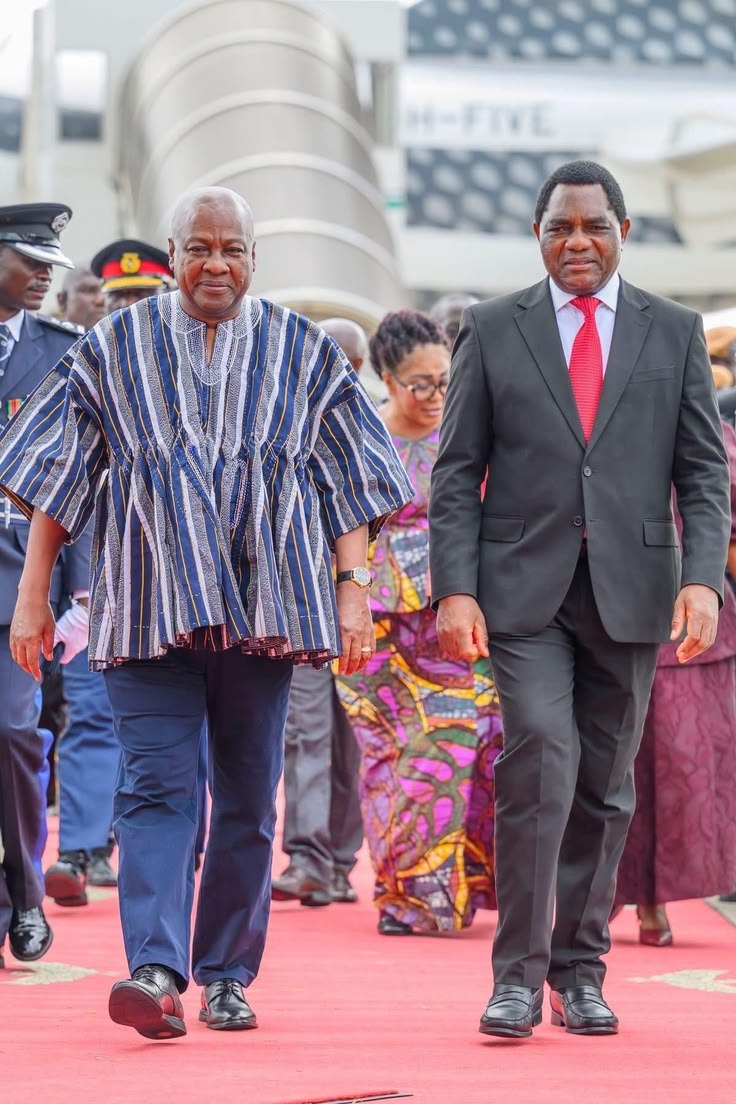
In the northern regions, Dagomba, Mamprusi, and Gonja communities wear smock garments. Some of which include Batakari and Fugu for both civic and ceremonial occasions, where clothing signals authority, protection, and belonging.
Across these systems, traditional clothing in Ghana isn’t a single category. It’s a collection of regional practices shaped by weaving techniques, social roles, and occasion-based dress codes.
Traditional clothing in Ghana isn’t just Kente. It’s a layered system of dress across regions, revealing identity, craft and cultural meaning.
Kente Cloth in Akan and Ewe Societies: Weaving Status, Ceremony, and Meaning
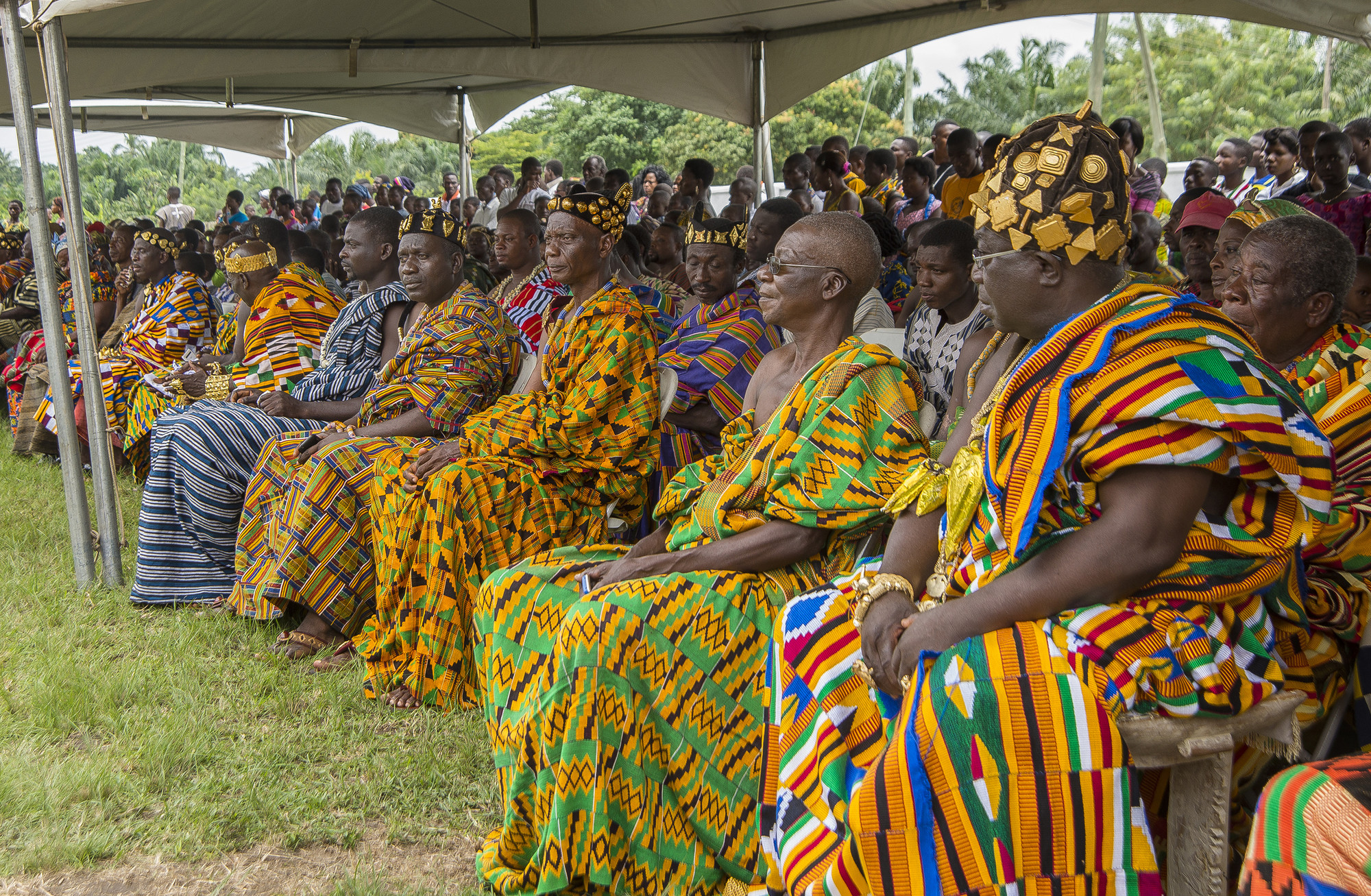
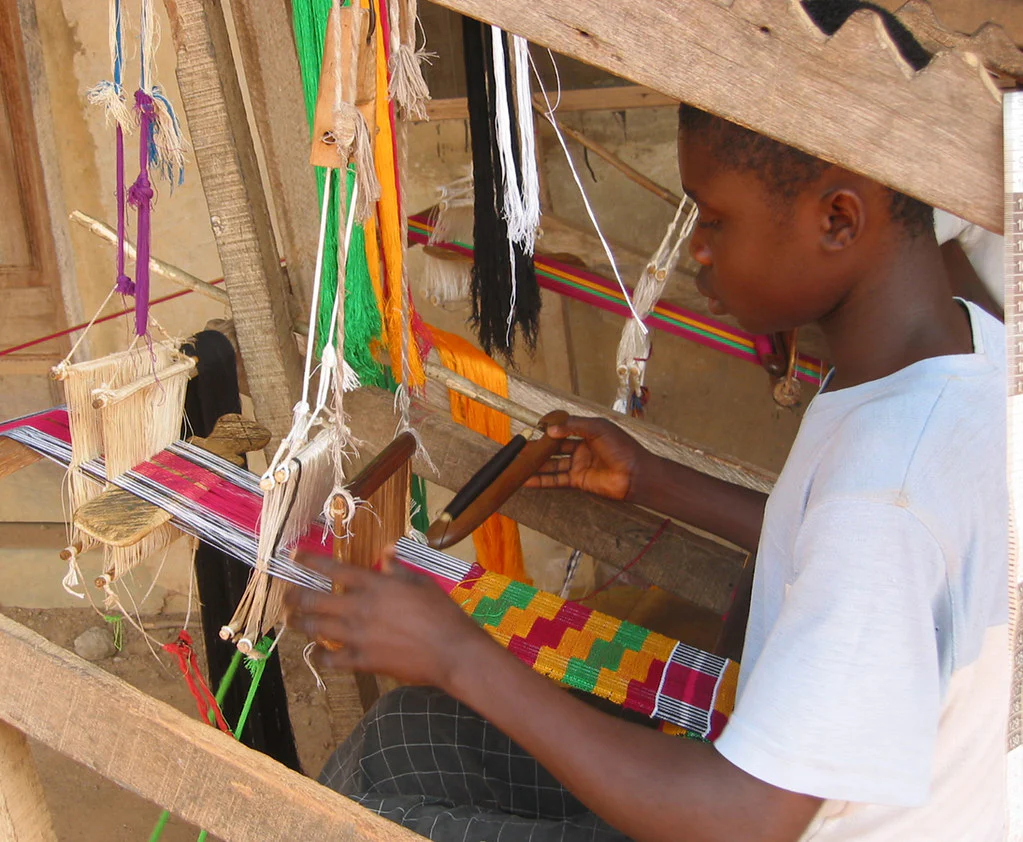
Kente cloth functions as a visual philosophy among Akan peoples, particularly the Asante. Artisans weave it on horizontal looms using silk, cotton or rayon threads.
To make this cloth, they produce narrow strips and sew them together to create larger cloths defined by intricate geometric patterns. Each design and colour combination references specific proverbs, historical events or moral concepts.
Gold denotes royalty, serenity, and wealth; red signals passion or bloodshed; green represents renewal, fertility, and growth; and black conveys maturity and spiritual depth. These elements turn the cloth into a deliberate medium of communication.
Historically, Asante royalty reserved Kente for elite contexts. Today it appears at weddings, funerals, the Adae Kese festival, university graduations and important state functions.
Authentic handwoven Kente cloth and contemporary ready to wear pieces by Ghanaian artisans are now easier to access internationally than they were a few years ago. For readers interested in exploring the craftsmanship more closely, these are some of the labels and pieces worth exploring.
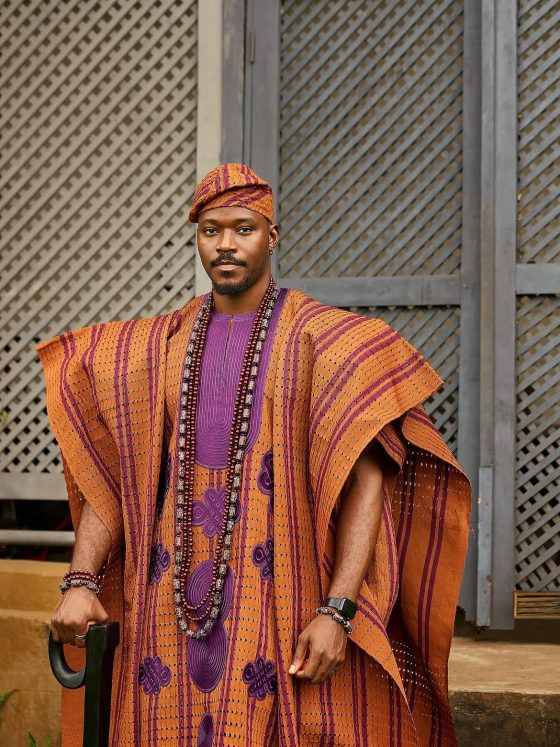
When it comes to wearing Kente cloth, men typically drape the finished cloth over one shoulder in a toga style. Women wear it as a coordinated two-piece ensemble with a wrap skirt and shawl. The wearer selects particular patterns to convey messages about status, resilience or ancestral ties.
Ewe Kete, prominent in the Volta Region, follows a related strip-weave technique but diverges in expression. Ewe weavers incorporate more figurative motifs, including animals, human figures, and scenes from everyday life.
This creates narrative cloths that reflect less centralised production and broader prestige use than the geometric, royalty-focused Asante tradition.
The Northern Smock: Batakari, Fugu and Regional Power
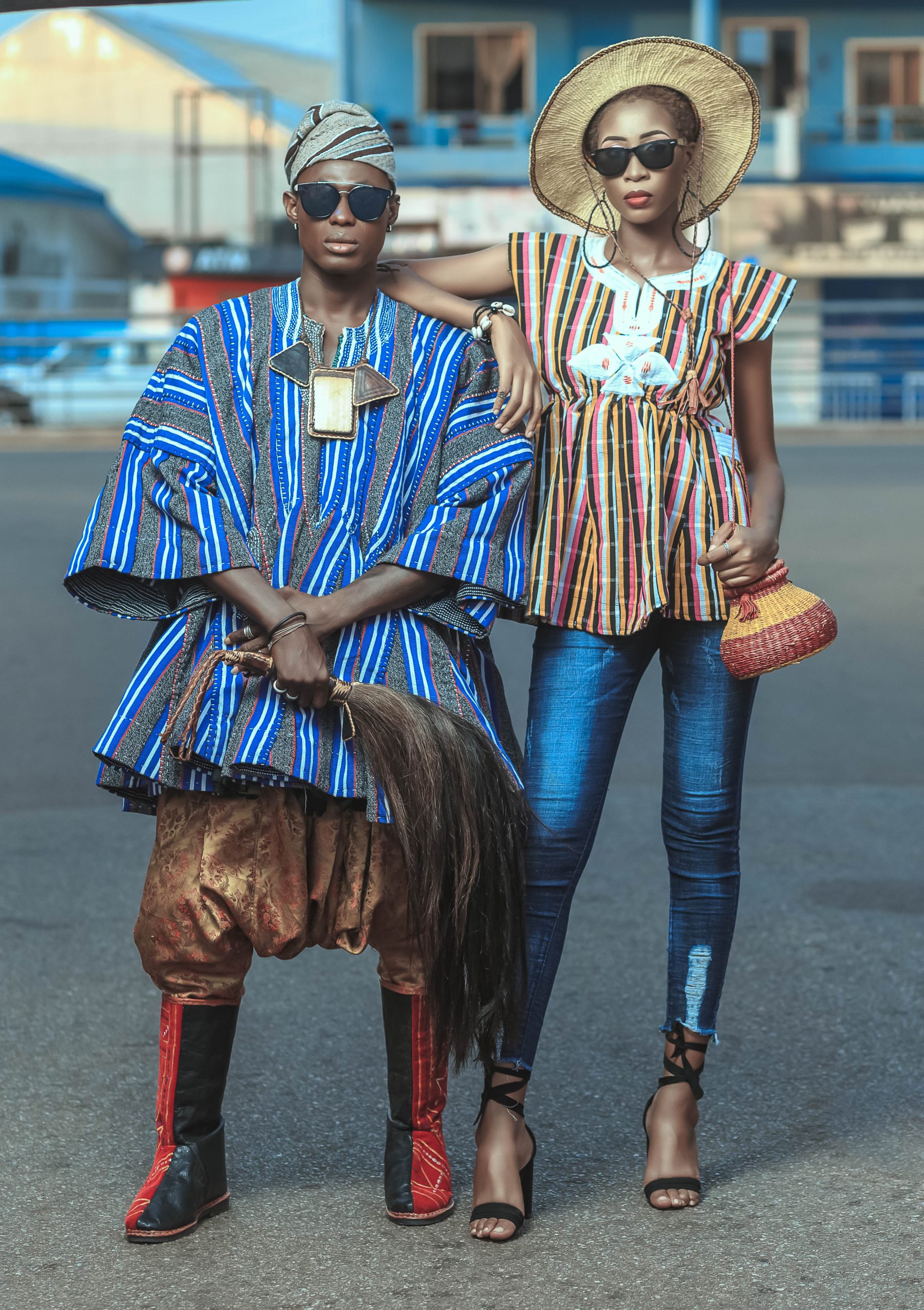
The northern smock, known as Batakari or Fugu, is a major expression of traditional clothing among northern ethnic groups in Ghana.
Artisans weave narrow strips of thick cotton, often called Gonja cloth, on horizontal looms and stitch them into loose, breathable garments suited to the savanna climate. The Dagomba, Mamprusi, Gonja and Frafra produce distinct variations in stripe patterns, embroidery, colours and names.
Historically, hunters and warriors wore reinforced versions infused with herbs, charms and talismans for spiritual protection in battle. Later on, Asante forces adopted a variant called Batakari Kese as war dress, believed to offer mystical defence.
Today, chiefs and elders wear elaborate versions during enskinment ceremonies, annual festivals and funerals. Also, both men and women now wear adapted forms for formal occasions and cultural events across the country.
Styles such as Daboya Fugu stand out for bold colours and detailed embroidery. In traditional Ghanaian clothing, the smock conveys dignity, authority, and resilience.
Batakari and Fugu smocks are now being produced by contemporary Ghanaian designers and artisan collectives that still preserve the traditional weaving and construction methods. For readers interested in exploring the garments beyond the cultural history itself, these are some of the pieces currently available.
Adinkra, Coastal Traditions and Cross-Ethnic Negotiation
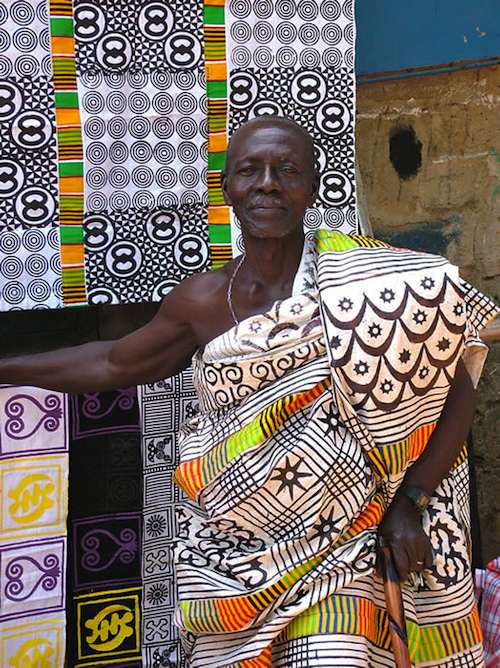
Adinkra cloth forms another vital strand of traditional clothing in Ghana, particularly among Akan peoples.
Artisans in Ntonso, near Kumasi, carve symbols into calabash stamps and apply them to cloth with natural dyes made from tree bark.
Each symbol encodes specific proverbs or concepts such as Sankofa, which urges return and reclamation of knowledge, or Gye Nyame, which affirms divine supremacy.
Traditionally, Artisans use darker Adinkra cloths for funerals and mourning rites. Then lighter and brightly coloured versions now appear at weddings, naming ceremonies and celebratory events.
The Ga-Adangbe groups wear kabas, slits, and white garments during important rituals, including the Krobo Dipo puberty ceremonies, which combine beads with specific cloth wraps.
Ewe communities in the south integrate handwoven elements with practical wraps suited to daily and ceremonial life. These styles reflect distinct regional environments and cultural priorities.
In traditional Ghanaian clothing, individuals frequently combine elements across ethnic lines. A northern smock may feature Kente accents, or Adinkra symbols may appear alongside coastal prints in urban settings. This selective blending allows Ghanaians to honour specific heritage while participating in shared national and social contexts.
Also Read
- Kanga Cloth: The Fabric That Speaks
- Dress and Identity in Jamaica: Rastafarian, Maroon, and Kumina Dress as Distinct Cultural Systems
- How Kente Weaves History Into Every Thread
- What the World Lost When Hand-Weaving Gave Way to Mass Production
Clothing and Cultural Identity in Ghana
In Ghana, traditional clothing establishes cultural identity through systems of recognition tied to specific ethnic and regional dress practices.
A Kente cloth worn in Asante ceremonial settings identifies the wearer within Akan cultural structures.
While smock traditions in Dagbon and Mamprugu position individuals within northern social and political histories, they are shaped by different production systems and environments.
Adinkra cloth adds another layer of identity formation within Akan societies, where stamped symbols communicate philosophical ideas linked to lineage, morality, and memory.
At the national level, identity is partially unified through state visibility, particularly through Kente, which appears in official ceremonies and diplomatic contexts.
However, this doesn’t replace regional systems. Instead, it overlays them, so cultural identity in Ghana is both local and national depending on context and occasion.
Gender, Occasion and the Politics of Wear
Traditional clothing in Ghana is structured through social rules that regulate how dress functions across gender, occasion, and life stage.
In many weaving communities, men are associated with loom production for Kente and smock cloths. Women are central to dyeing processes, finishing work, and the transmission of textile knowledge within households and markets.
These roles organise the distribution of textile expertise across gender lines, even as they shift in contemporary practice. Krobo Dipo ceremonies use white cloth and beads to mark the transition into womanhood.
For funerals across Akan and Ewe communities, specific Kente or Adinkra choices signal mourning status and family relationship to the deceased.
In northern Ghana, durbars and enskinment ceremonies require structured forms of dress. Here, smocks such as Batakari and Fugu communicate rank and ceremonial responsibility.
In urban settings, dress becomes more flexible but still socially coded. Professionals combine traditional elements with contemporary clothing, such as smock-inspired jackets or Kente accents in formal wear.
The Omiren Argument
Traditional clothing in Ghana is often treated as a single national system represented by Kente. Still, this assumption overlooks the fact that Ghana’s dress culture comprises distinct regional systems that carry different meanings and rules.
In Akan and Ewe contexts, Kente is used in ceremonies to signal status and history through woven patterns. In northern Ghana, smocks such as Batakari and Fugu are shaped by climate, movement, and protection as much as ceremony.
Adinkra cloth adds another system where symbols communicate ideas about life, morality, and memory.
What this reveals is that traditional clothing in Ghana does not function as a unified cultural system at all, but as multiple distinct systems that are often misread as a single system.
Explore more West African fashion systems and cultural dress histories on Omiren Styles, where each country is examined through its own clothing logic, not a single regional narrative.
Frequently Asked Questions
-
What Is Kente Traditional Clothing in Ghana?
Kente is a hand-woven traditional textile from Ghana made from silk or cotton strips sewn together into colourful, patterned cloth. It is mostly associated with the Akan and Ewe people and is worn mainly for important ceremonies such as weddings, festivals, and graduations.
-
What Is Ghana’s Traditional Clothing?
Ghana’s traditional clothing refers to diverse garments that differ by ethnic group, with fabrics like Kente from the south and smock (fugu/batakari) from the north. These clothes are worn during cultural events and often symbolise identity, status, and heritage through colours, patterns, and styles.
-
What Is the Meaning of Batakari in Ghana?
Batakari (also called fugu or smock) is a traditional Northern Ghanaian garment made from handwoven cotton strips sewn together. Historically, it symbolised strength and spiritual protection and was worn by warriors and chiefs in ceremonial and cultural contexts.
-
What Is the Significance of Kente Cloth in Ghanaian Culture?
Kente cloth represents royalty, cultural identity, and historical storytelling, with each pattern and colour carrying symbolic meaning. It is worn during major life events and ceremonies and serves as a visual expression of Ghanaian values, philosophy, and heritage.
-
What Is the Brief History of Clothing?
Clothing began when early humans used animal skins and plant materials to protect against the weather and other environmental conditions. Over time, societies developed weaving and textile-making techniques, turning clothing into a marker of culture, identity, and social status.
Shop Authentic Ghanaian Traditional Clothing
These are some of the most accessible options for authentic and artisan-made Ghanaian traditional garments, available to ship internationally.
| Product | Region | Occasion | Where to Buy |
|---|---|---|---|
| Ready to wear Kente dress women | Asante / Ewe | Cultural events, diaspora | View on Esty |
| Men’s Kente toga cloth authentic Asante | Asante | Formal and ceremonial occasions | View on Esty |
| Batakari smock handmade Africa northern Ghana | Northern Ghana | Cultural and civic occasions | View on Esty |
Explore the Omiren Selection: Some links in this article are affiliate links. Omiren Styles may earn a small commission at no extra cost to you.