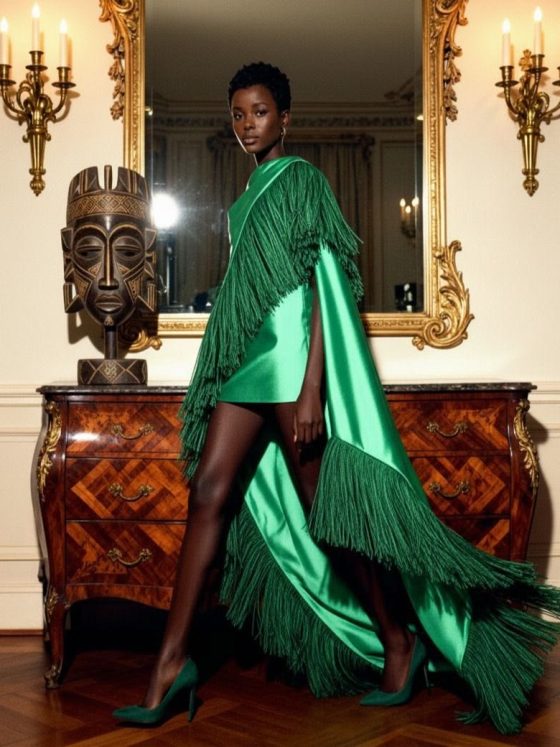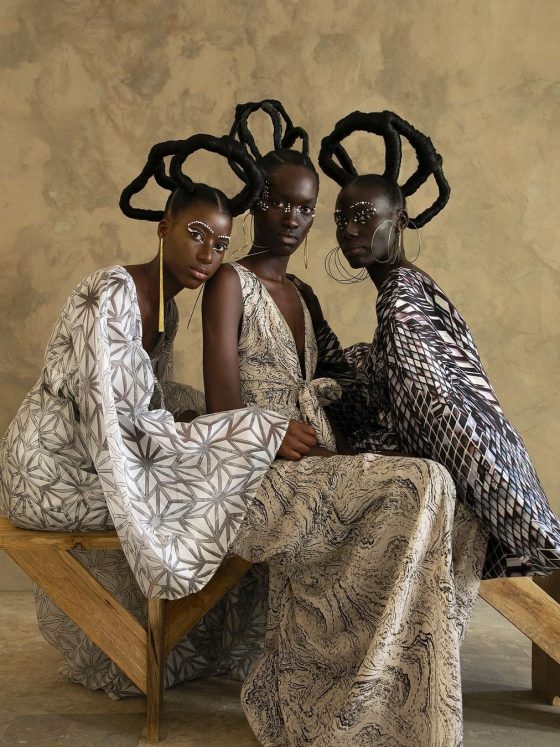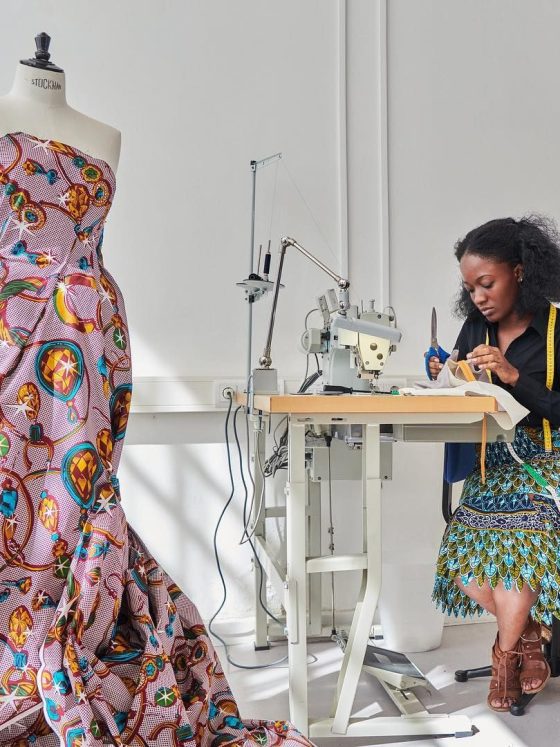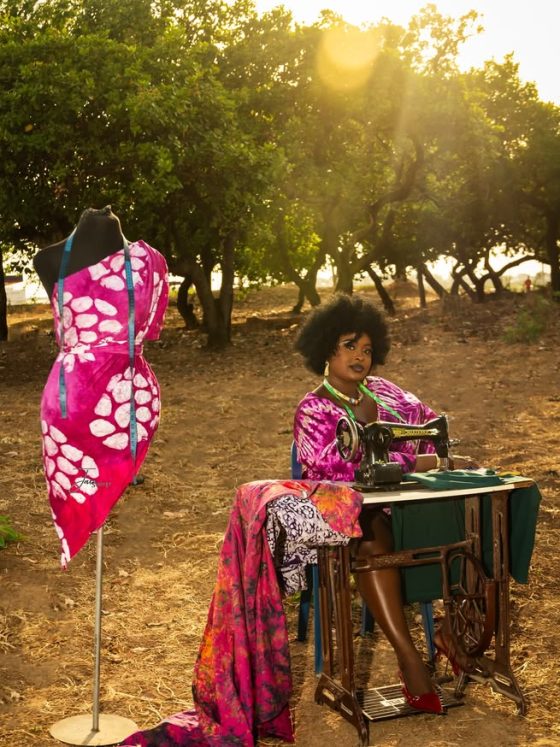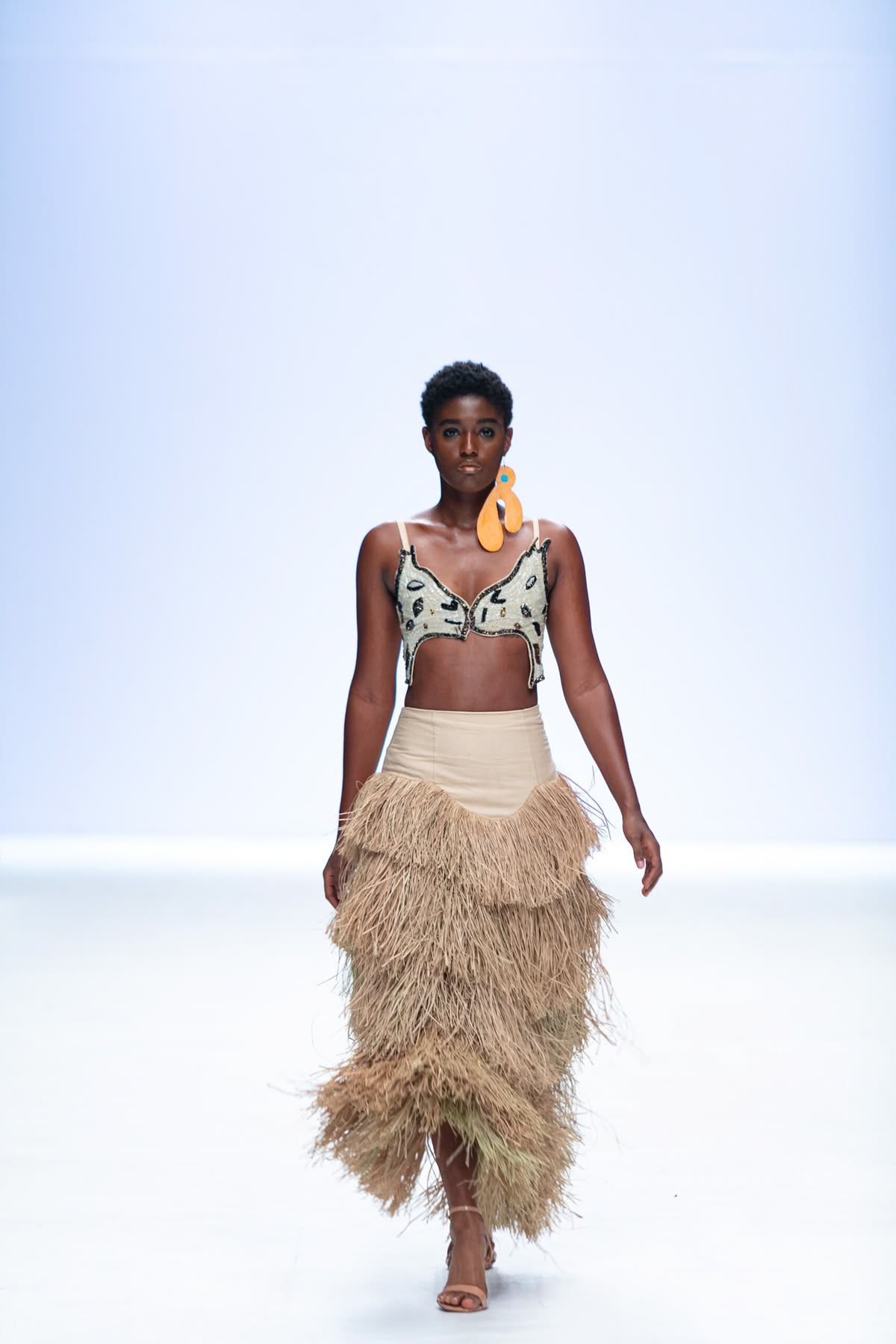
The show note says: inspired by the weaving traditions of the Kuba Kingdom. Or: the collection references the textile heritage of the Sahel. Or: the designer was moved by the colours and craft of West African ceremonial dress. Those sentences do important work for the brand. They provide cultural context. They perform cultural awareness. They signal that the designer did not arrive at this aesthetic randomly but was informed by a specific cultural encounter. What they do not do is ask anyone’s permission, establish any economic relationship with the community whose craft was referenced, or create any mechanism through which the community whose heritage generated the commercial value receives any of it. A show note is not consent. It is a description of what was taken.
The African fashion market is worth 31 billion dollars. As Omiren Styles’ documentation of how global fashion engages with African craft traditions confirms, the criterion that determines which African traditions global fashion returns to is the same one that determines which traditions are most legible without deep cultural knowledge. The show notes that the credit for inspiration is produced by the same system that chose the reference because it was legible, deployable, and available without the cultural knowledge required to engage with it seriously. The show note is the disclosure of that process. It is not its correction.
When a luxury brand says it was inspired by African craft, the show note is not consent. Here is the difference between attribution, consent, and economic return.
African Craft on a Luxury Runway: The Attribution Gap
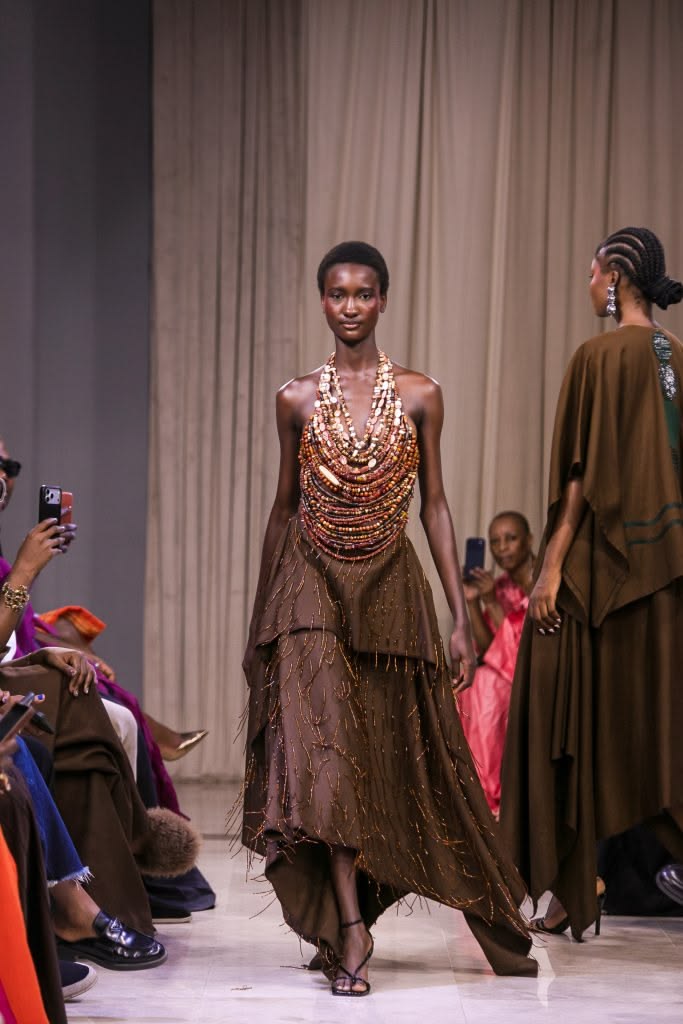
When a luxury house names an African craft tradition in its show notes, press releases, or editorial copy, it is making a specific claim: that there is a cultural source for the collection’s aesthetic choices and that the house acknowledges it. That acknowledgement is genuinely preferable to silence. It is not sufficient.
The distinction between attribution and consent is documented in scholarship on cultural intellectual property. As peer-reviewed research on cultural appropriation in the weaving industry confirms, what matters is whether the use was made without securing the informed consent of the originators, without giving them formal recognition and paying compensation, and whether it was done to profit by distorting the cultural values embedded in the craft. The act of naming a cultural source in a show note does not satisfy any of these three requirements. It is formal recognition of a surface kind. It is not informed consent. It is not compensation.
The asymmetry is structural. A luxury house has legal teams, intellectual property frameworks, press offices, and distribution infrastructure. It can translate an aesthetic reference into a commercial product, a runway moment, editorial coverage, retail sales, and brand equity, all within a season. The community whose craft provided the reference has typically no equivalent infrastructure, no legal protection for its traditional knowledge, and no mechanism to participate in the commercial value chain the reference has joined without it.
When a luxury house says African craft traditions inspired its collection, that sentence does two things simultaneously. It credits the source and distances itself from any obligation to it. Inspiration is a unilateral act. Consent requires the other party.
The Carolina Herrera Case: The Show Note As Response
The 2020 Carolina Herrera case is the clearest documented example of the show note as a response to attribution demands rather than a proactive commitment. As Cambridge University Press’s analysis of cultural appropriation in the global fashion industry documents, the Mexican Minister of Culture wrote to Venezuelan-born designer Carolina Herrera alleging that she had appropriated traditional Mexican Istmo de Tehuantepec floral and Saltillo serape patterns. The brand replied respectfully, stating that the emblematic fashion house recognises the wonderful and diverse craft and textile work of Mexican artisans, and that its collection is inspired by the culture’s rich colours and artisanal techniques. That reply is a show note. It acknowledges the source. It claims inspiration rather than appropriation. It does not commit to the artisan communities whose work was referenced, makes no statement about economic return, and does not describe any consent process. Acknowledgement of a source, after the source has objected to the use, is not a substitute for consent before the use.
The Herrera case is useful precisely because the brand’s response was measured, respectful, and inadequate all at once. It demonstrated what the fashion industry’s default response to attribution demands looks like: a statement of cultural appreciation that stops at appreciation and does not proceed to accountability. The artisans of the Istmo de Tehuantepec, whose floral embroidery entered a global luxury collection, received from the brand’s press a description of their craft as wonderful and diverse. They did not receive a commercial relationship, a royalty, a credit line in the product itself, or any consultation in the design process.
What Free, Prior and Informed Consent Actually Requires
The WIPO framework for traditional knowledge and traditional cultural expressions establishes a specific standard for ethical use of community craft knowledge. The standard is Free, Prior and Informed Consent: free in the sense that the consent is given without coercion; prior in the sense that it is obtained before the use begins rather than after the collection has been designed and shown; and informed in the sense that the community understands the commercial purposes to which their knowledge will be put and the scale of the commercial activity involved.
A show note satisfies none of these three conditions. It is produced after the design process is complete. It does not require the community’s agreement. And it does not necessarily disclose the commercial scale at which the reference will be deployed. A community that sees its weaving tradition credited in a show note distributed to fashion journalists and buyers after a Paris runway show has received notice but not consent. There is a significant legal and ethical difference between the two, and the fashion industry has systematically treated them as equivalent.
Who Benefits: The Commercial Chain
The question the article’s title asks is not rhetorical. When African craft appears on a luxury runway, the distribution of benefits across the commercial chain is specific and documented. The luxury house benefits: the reference adds cultural depth, provenance narrative, and creative legitimacy to the collection. The press benefits: the cultural reference provides editorial context and story angles. The buyer benefits: the garment carries a narrative of craft heritage that adds to its perceived value. The retailer benefits: the narrative drives premium pricing. The influencer benefits: the story provides content.
The African artisan community benefits from a mention in a show note, if the house has chosen to include one, and nothing else unless a formal commercial relationship has been established. The craft knowledge that provided the creative foundation for the collection generates commercial value at every stage of the chain between the design studio and the retail consumer. The community whose knowledge provided that foundation is at the beginning of the chain and participates in none of the value that accumulates after their knowledge has been taken.
This extraction dynamic is not unique to fashion. It is the same dynamic that Omiren Styles has documented in the baobab oil supply chain, the shea butter economy, and the global African botanical beauty market. As Omiren Styles’ documentation of the diaspora-style and trend-reservation problem confirms, the knowledge is African in origin. Still, the market is not always structured to return value to the communities that built it. The show note is the fashion industry’s version of a mineral extraction notification: an acknowledgement that something was taken, without any mechanism for sharing what the taking produced.
The Countermodel: Collaboration That Creates Economic Return
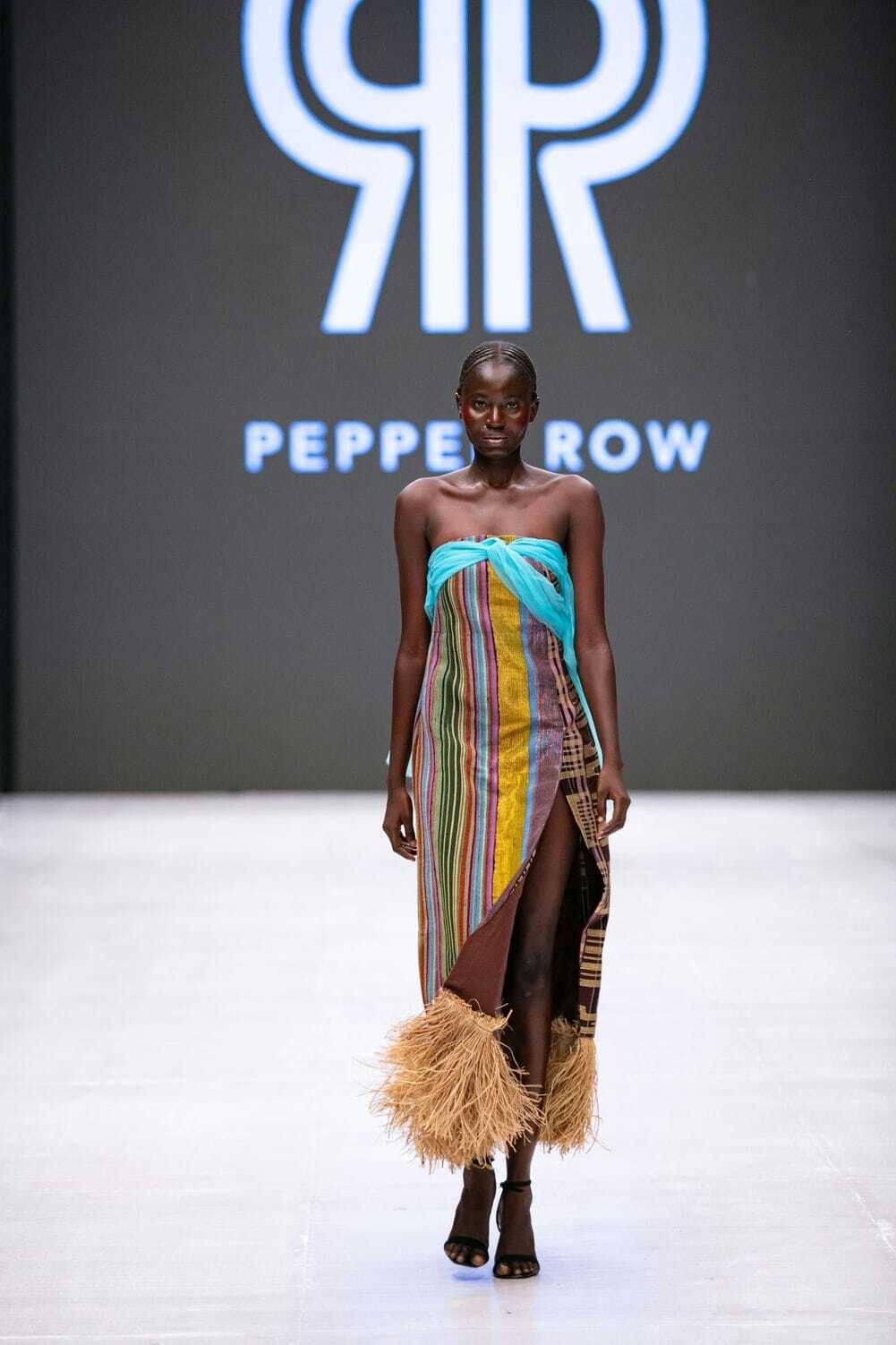
The designers who have engaged with African craft traditions through collaboration rather than reference demonstrate what a different approach produces. As Africa Fashion Tour’s documentation of African textiles as cultural sovereignty confirms, Kenneth Ize’s entire collections revolve around Aso-Oke, the handwoven fabric of Nigeria’s Yoruba community, produced directly in collaboration with local weavers in Ilorin. His work brings the time-honoured craft of handmaking back to the heart of the Paris Fashion Week schedule. Florentina Agu of Hertunba trains and fairly compensates a community of women artisans, using fashion as a tool for social healing. Aristide Loua of Kente Gentlemen, based in Abidjan since 2017, uses handwoven fabrics from Yamoussoukro and Korhogo with a rigorous, ethical made-to-order production process.
These designers are not writing show notes about African craft. They are building their supply chains outward from African artisan communities. The distinction is complete: the community is not the source of a reference but the partner in a production relationship that generates income for them directly and consistently across collections. The garment that reaches the consumer carries not only the aesthetic of African craft but the economic relationship that produced it. That relationship changes what the luxury brand is doing when it presents the garment. It is not deploying someone else’s cultural heritage. It presents the work of a creative partnership in which both parties have participated and from which both benefit.
What Changed When the Craft Became the Supply Chain
The difference between a show note and a supply chain partnership is the difference between describing value and sharing it. A show note says, “This tradition inspired us.” A supply chain partnership says: we worked with the people who carry this tradition, we paid them for their work, and when you buy this garment, part of what you are paying for is their expertise and labour. The first sentence is a claim about the brand’s cultural awareness. The second sentence is a claim about the brand’s commercial relationships. Only the second sentence changes anything for the artisan community.
The fashion industry understands supply chain ethics in other contexts. It has developed frameworks for garment worker welfare, factory auditing, and living wage commitments in manufacturing supply chains. As Omiren Styles’ documentation of the textile glossary terms fashion keeps getting wrong confirms, precision in the language used to describe African textiles is the minimum standard for writing or sourcing with any credibility. The same precision standard applies to the claims brands make about their cultural relationships. A show note is a language claim. A supply chain partnership is an economic claim. The language claim without the economic claim is, as scholarship has documented, a form of piracy dressed as appreciation.
The Omiren Argument
A show note is not consent. The African fashion market is worth 31 billion dollars. The craft traditions of the continent, from the cut-pile raffia weaving of the Kuba Kingdom to the bogolanfini of Malian Bamana communities to the handwoven Aso-Oke of Yoruba weavers in Ilorin, generate commercial value for luxury houses every season through show notes that credit them as inspiration and create no economic relationship with the communities whose knowledge is being used. The WIPO framework is clear: ethical use of traditional craft knowledge requires Free, Prior and Informed Consent, obtained before the use, not after the collection has been shown. The Carolina Herrera response to the Mexican Ministry of Culture’s attribution demands is the fashion industry’s standard model: a respectful acknowledgement of the source after the source has objected, with no commitment to consent, compensation, or commercial partnership. The Ethiopian weavers’ case, documented in peer-reviewed research in 2024, follows the same pattern in a different context: appropriation without securing informed consent, formal recognition, or compensation.
The countermodel exists and is documented. Kenneth Ize sources Aso-Oke directly from weavers in Ilorin and makes that supply chain relationship the commercial foundation of his Paris Fashion Week presence. Florentina Agu of Hertunba trains and directly compensates women artisans. Kente Gentlemen has built an ethical made-to-order production model with handwoven fabric producers in Yamoussoukro and Korhogo. These are not gestures. They are supply chain architectures in which the artisan community participates in the commercial value of their knowledge. The luxury houses that continue to produce show notes while avoiding supply chain partnerships have decided, in practice if not in policy, that the artisan community’s role in the value chain ends at the moment of inspiration. Omiren Styles argues that it should begin there.
Also Read:
- How to Source Authentic Kuba Cloth: A Buyer’s Guide to Raffia, Provenance and Ethical Use
- Bogolan Is Not Mud Cloth: Why the Name Matters and Who Benefits From Getting It Wrong
- Akwete, Kuba Cloth, Barkcloth, and Kete: The Sacred Textiles the World Is Finally Discovering
- Dakar Is Building Its Own Luxury Fashion System
Frequently Asked Questions
What is a show note in fashion?
A show note is a document distributed to the press, buyers, and attendees at a fashion presentation that provides context for the collection: the designer’s creative concept, themes, references, materials, and any cultural or historical sources that informed the work. Show notes frequently credit cultural inspirations with phrases such as “inspired by” or “references”. They are written by the brand and distributed at the brand’s discretion. They do not require the consent of the communities or traditions they name, nor do they create any legal or commercial obligation toward those communities.
Why is attribution not enough for African craft?
Attribution names a source. It does not compensate the source, consult the source, or establish any commercial relationship with the source. When a luxury brand names an African craft tradition in a show note, the community whose knowledge is named receives only surface-level recognition, not the commercial value generated by the collection. The WIPO framework for traditional knowledge establishes that ethical use requires Free, Prior and Informed Consent obtained before the use, benefit-sharing with the originating community, and transparent disclosure of the commercial purposes. A show note satisfies none of these requirements.
What is Free, Prior and Informed Consent in fashion?
Free, Prior and Informed Consent is a standard developed in international frameworks for the use of traditional knowledge and cultural expressions. Free means the consent is given without coercion. Prior means it is obtained before the use begins, not after the collection has been designed. Informed means the community understands the commercial scale and purpose of the intended use. In fashion, this standard would require a designer or brand to consult with the relevant artisan community before beginning a design process that draws on their craft knowledge, explain the commercial context in which that knowledge will be used, and obtain the community’s agreement before proceeding.
Who benefits when luxury brands use African craft?
The documented beneficiaries of luxury brand collections that reference African craft traditions without supply chain partnerships are: the luxury house, through added cultural depth and brand narrative; the fashion press, through editorial context and story angles; retail buyers, through narrative-supported premium pricing; and consumers, through garments with provenance stories. The African artisan community whose craft knowledge provided the reference benefits from a show note if one is written, and from nothing else unless a formal economic relationship was established. The commercial value chain excludes the originating community at every stage except the moment of inspiration.
What does an ethical collaboration with African artisans look like?
Documented examples include Kenneth Ize, whose entire collections are built around Aso-Oke sourced directly from weavers in Ilorin, Nigeria, creating a direct supply chain relationship in which the weavers are paid for their work; Florentina Agu of Hertunba, who trains and fairly compensates a community of women artisans using Akwete and Aso-Oke techniques; and Kente Gentlemen, who uses handwoven fabrics from Yamoussoukro and Korhogo in an ethical made-to-order production process. These models differ from show note attribution in one fundamental way: the artisan community participates in the commercial value chain from production through sale, not only at the moment of inspiration.
Explore More
Read the full Fashion > Opinion section for Omiren Styles’ documented editorial positions on African craft, cultural consent, supply chain ethics, and the commercial structures that should govern how global fashion engages with African creative heritage.