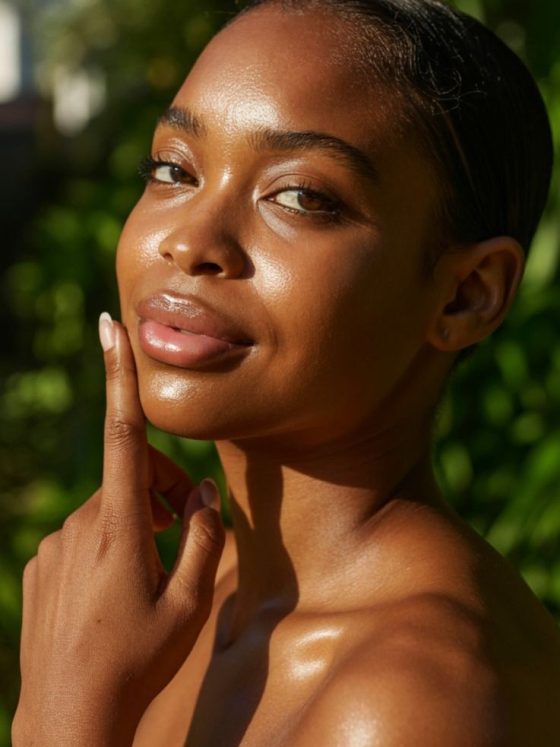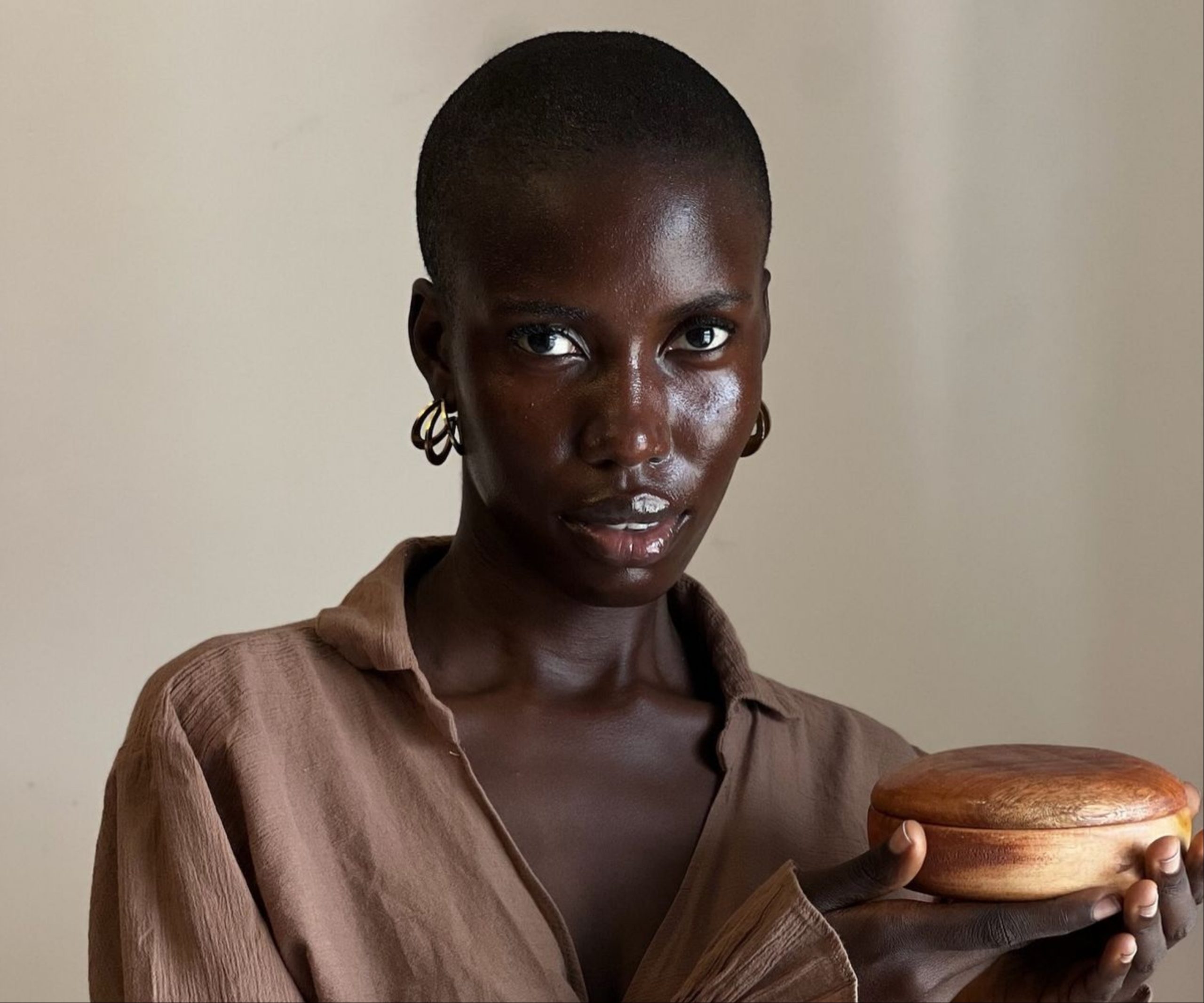
Across the African continent, beauty has never been a superficial pursuit. It is heritage, identity, and craftsmanship woven into daily life. Long before laboratories and clinical trials, African communities relied on an intuitive understanding of plants, minerals, and ritual practices to protect, nourish, and celebrate the skin. Today, that ancient knowledge is stepping confidently into modern skincare science. The world is looking to Africa not as a trend, but as a wellspring of botanical intelligence, ethical luxury, and cultural innovation.
From the Sahel to the Horn of Africa, from the coasts of West Africa to the deserts of the Maghreb, rituals were once practised in communal courtyards. Generations have passed down these rituals, which now inform evidence-based formulations, sustainability models, and global product design. This revelation is not a rediscovery; it is a recognition. African beauty philosophies are shaping a new era of skincare where heritage meets research and where cultural stories evolve into scientific breakthroughs.
From ancient African beauty rituals to modern skincare science, explore how heritage, craftsmanship, and botanical intelligence shape today’s global beauty landscape.
Heritage and Identity: The Foundation of African Skincare Wisdom
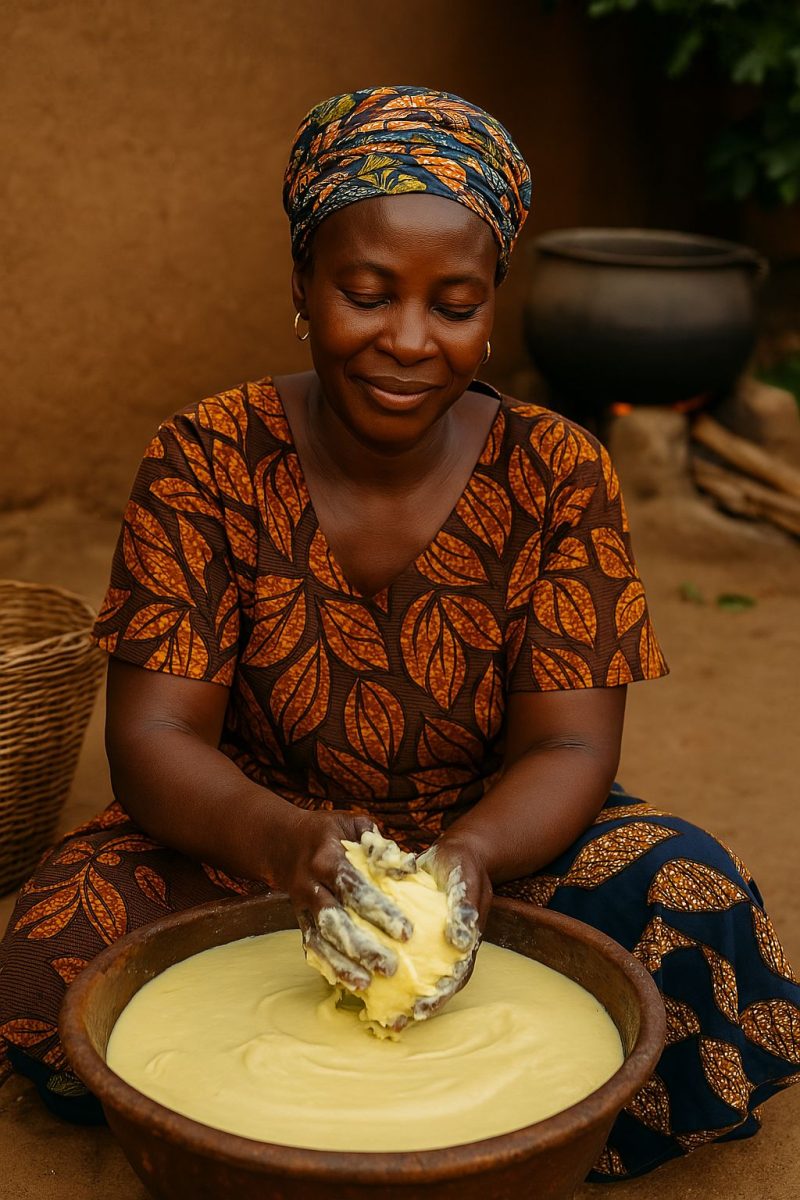
African beauty rituals are deeply rooted in community, environment, and identity. Each region developed techniques that responded to climate, lifestyle, and cultural symbolism. Shea butter was more than a moisturiser; it was protection against harsh Saharan winds. Rhassoul clay was not merely a cleanser but a ceremonial element marking transitions in life. These practices held emotional value, fostered communal bonding, and respected nature’s precision.
Modern skincare science now validates what these communities have always known: these ingredients contain potent bioactive compounds that support the skin barrier, improve moisture retention, and reduce inflammation. The rituals themselves mirror today’s emphasis on mindful beauty and skin resilience.
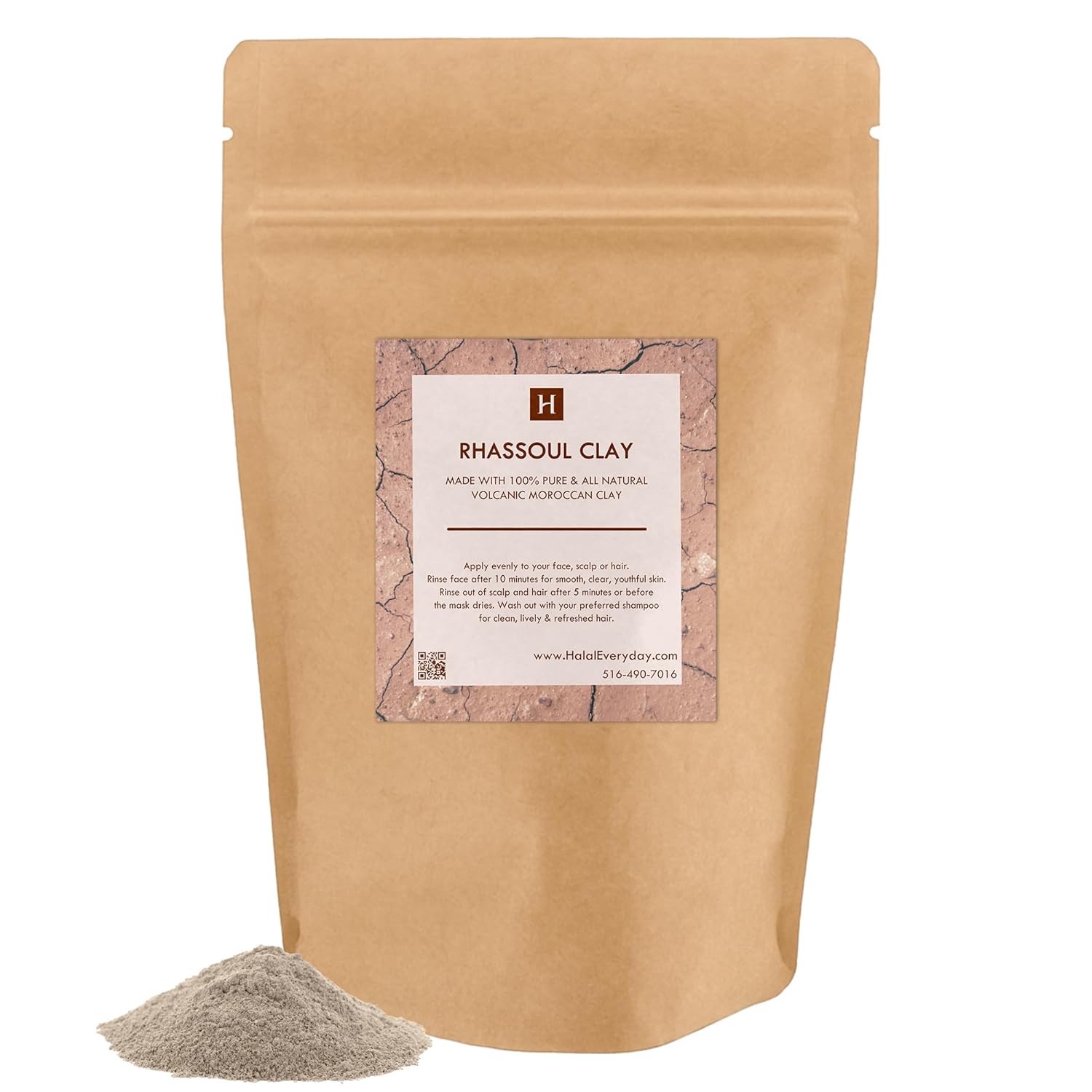
If you’ve been wondering about Rhassoul clay, you can start here, it is rich in minerals, gentler on the skin and genuinely different from conventional clay masks.
Cultural Craftsmanship: From Traditional Formulations to Scientific Excellence
African formulations were never accidental. They were crafted with intention. Oils were cold-pressed by hand to preserve nutrients. Clays were sun-dried to maintain mineral integrity. Balms were blended in small batches to ensure purity. This craftsmanship now influences modern luxury brands seeking authenticity, traceability, and minimal intervention.
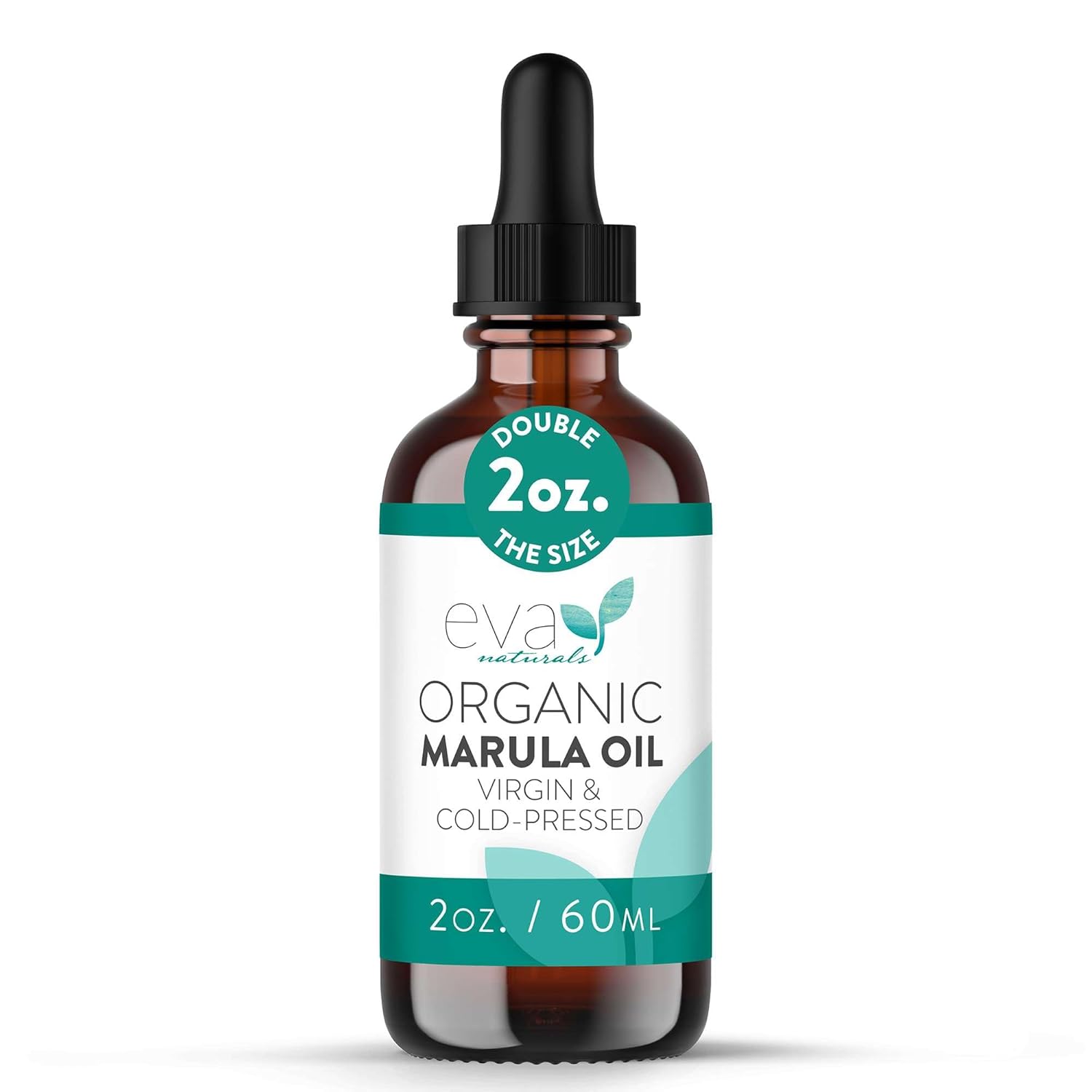
Most people don’t realise that cold pressing matters more. It helps preserve the beneficial compound in the oil, which is often the difference between a product that absorbs well into the skin and one that just sits on the surface. you can find properly cold pressed African oils here
Today’s formulators are looking into old extraction methods, such as low-heat oil processing and ash-based saponification from African black soap, to see how these techniques naturally preserve antioxidants, fatty acids, and antimicrobial properties. These artisanal processes align with current clean-beauty standards and ethical luxury principles, proving that ancient craftsmanship can guide modern scientific innovation.
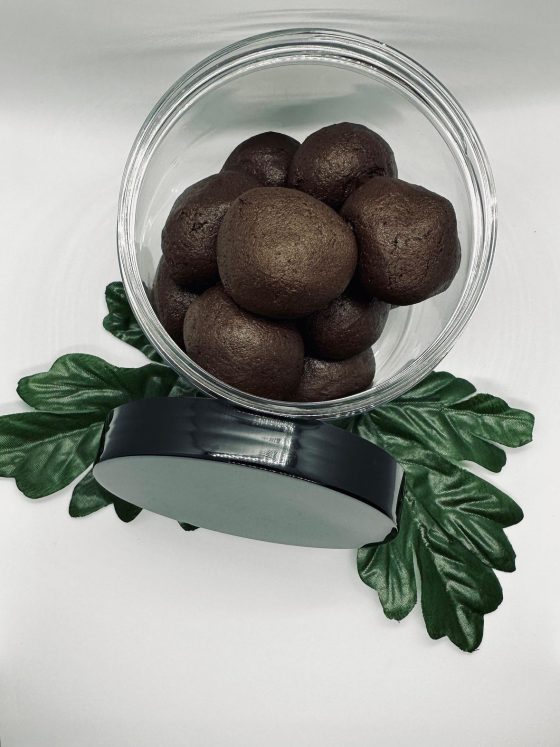
Real African black soap made through traditional ash-based saponification is genuinely different from what gets sold in most mainstream stores. This is what the real thing looks like
READ ALSO:
Modern Luxury Through an African Lens
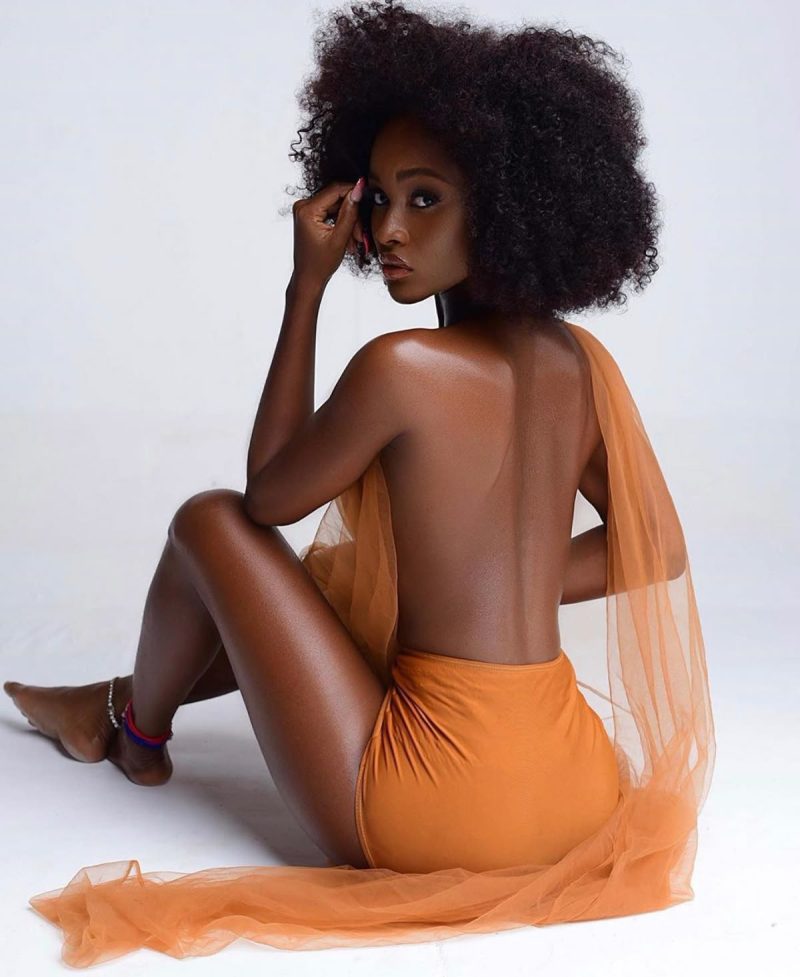
A new generation of brands, African-owned and globally positioned, are elevating indigenous ingredients into high-performance skincare. Serums, moisturisers, and sunscreens formulated with dermatological oversight now feature marula oil, moringa extract, baobab seed oil, kigelia, and hibiscus acids.
This evolution represents a broader shift in the notion of luxury: integrity has supplanted exclusivity, and responsibility has supplanted rarity. African beauty offers a model of luxury rooted in origin stories, community benefit, and ecological harmony. These ingredients are not simply exotic additions; they are pillars of modern formulations that prioritise barrier repair, antioxidant protection, and gentle efficacy for diverse skin types.
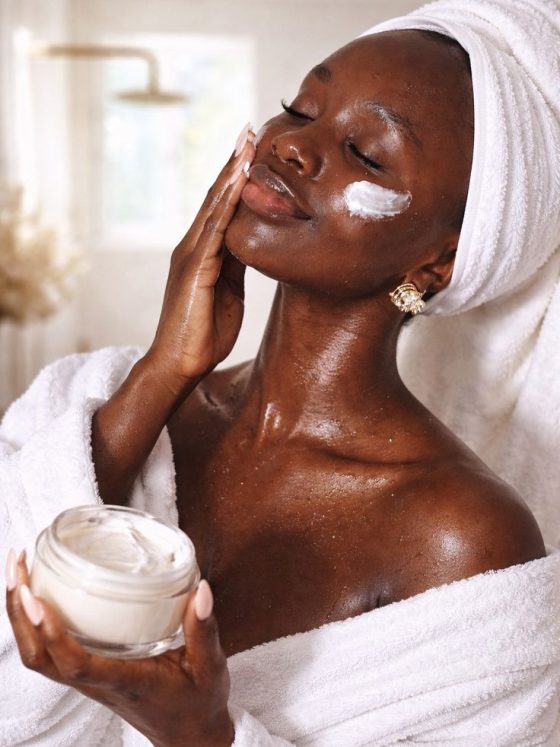
For melanin-rich skin in particular these ingredients offer something most mainstream formulations don’t offer, an efficacy that was designed with your skin in mind from the beginning.
Global Artistic Influence and Diaspora Innovation
The African diaspora plays a decisive role in shaping global beauty narratives. Creators, researchers, and entrepreneurs across Europe, the Americas, and the Caribbean are translating ancestral beauty memories into contemporary products—their storytelling bridges continents, connecting traditional rituals with scientific literacy and cultural pride with international appeal.
This cross-cultural exchange expands the influence of African beauty far beyond the continent. It positions African-origin ingredients as global mainstays rather than niche offerings and merges artistic expression with technical expertise in packaging, formulation, and brand identity.
Sustainability and Ethical Luxury: A Return to Responsibility

The African beauty culture has always honoured balance with the land. Harvesting was seasonal, communal, and rarely wasteful. Today, as demand increases, sustainability becomes essential. Ethical sourcing of shea, marula, argan, and baobab is now integral to modern formulations. Brands partner with cooperatives, invest in fair wages, and protect biodiverse landscapes. This approach aligns with the global call for environmentally conscious beauty, but for Africa, it is not a trend. It is a cultural principle resurfacing in a modern context. Ethical luxury is the natural continuation of ancestral respect for nature.
Conclusion
African beauty rituals are not relics of the past; they are frameworks for the future. They offer science a library of botanicals rich in bioactive potential, the luxury industry a model grounded in heritage and responsibility, and the world a narrative in which beauty serves culture, community, and innovation.
As global skincare continues to evolve, African ingredients, philosophies, and craftsmanship are shaping a more intentional, sustainable, and culturally aware direction. The result is a convergence of heritage and research. This is African beauty entering its rightful place in global skincare science.
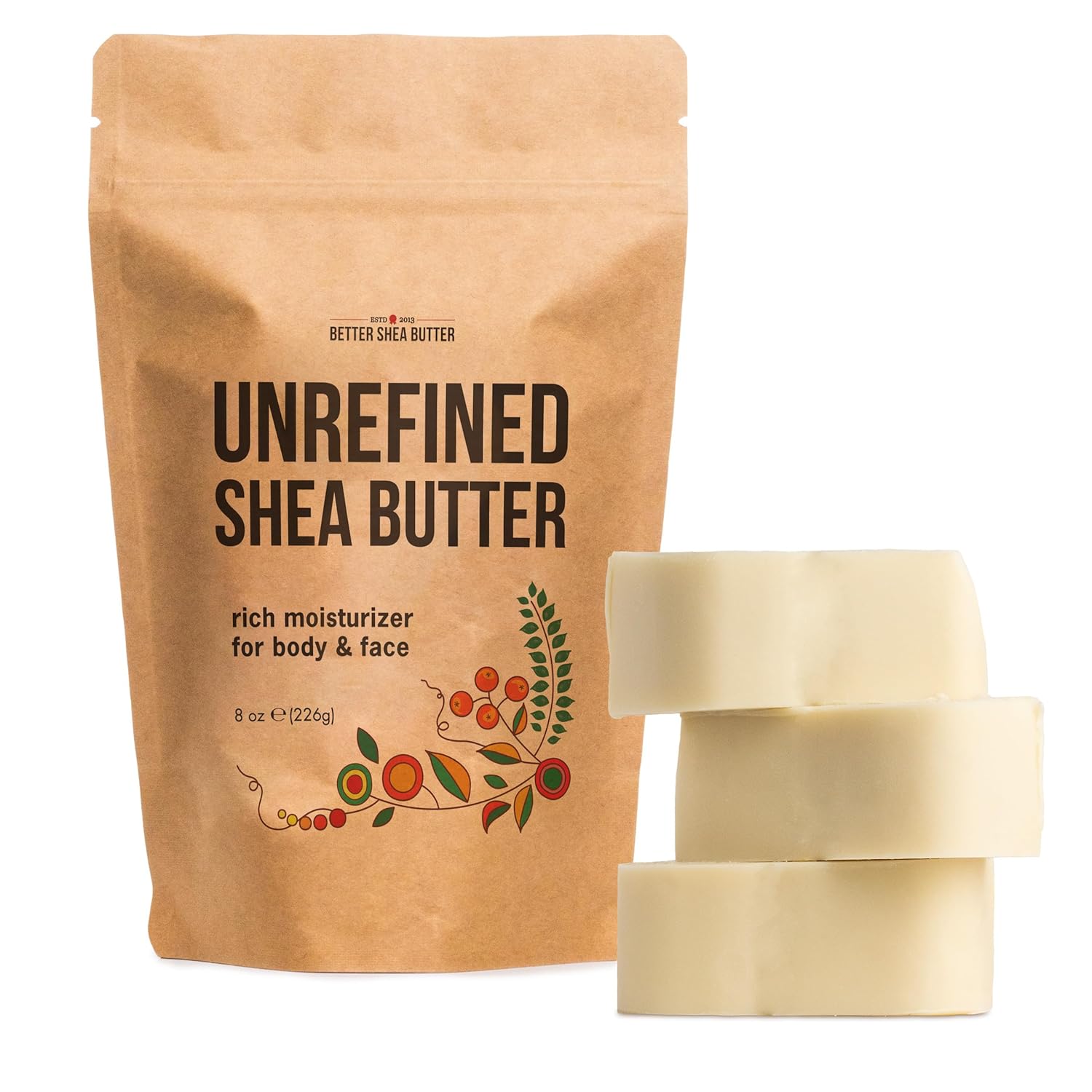
If This Article Inspired You, here is a Few Ingredients Worth Exploring.
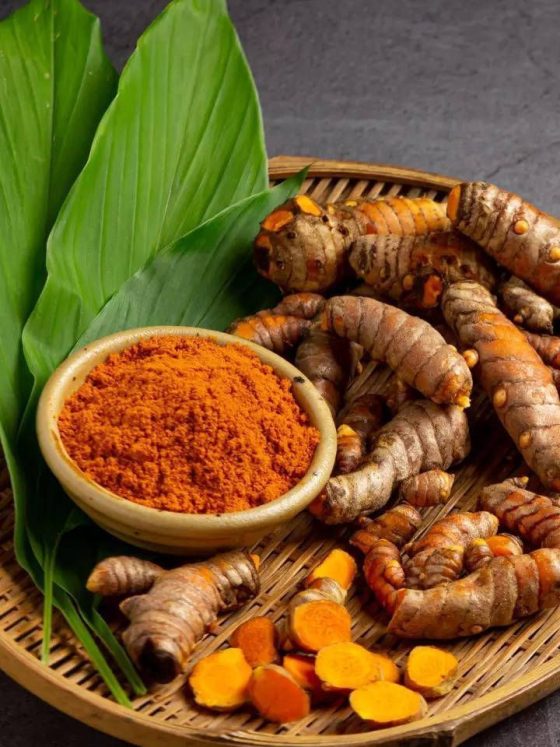
These are African Botanical ingredients discussed in this article.
5 FAQs
- Why are African botanical ingredients gaining global attention?
They combine cultural heritage with scientifically supported benefits, including antioxidant activity, barrier repair, and anti-inflammatory properties. If you want to build your routine around African botanicals, this is a solid starting point.
- Are traditional African beauty rituals evidence-based?
Many ingredients now have laboratory-backed data validating their traditional uses, especially in hydration, soothing, and skin protection. They are rooted in centuries of craftsmanship, ecological wisdom, and community practice, making them foundational rather than fashionable.
- What makes African beauty innovations different from trends?
When brands source from African cooperatives and community-based harvest systems, your purchase helps support fair wages and biodiversity on the ground.
- How does sustainability factor into African skincare?
Most ingredients come from community-based harvest systems that prioritise biodiversity, fair wages, and minimal waste.
- How is the African diaspora influencing global skincare?
Diaspora creatives and scientists are translating ancestral rituals into modern formulations, expanding the reach and relevance of African beauty philosophies.
| Product | Best For | Key Ingredient | Why We Love It | Explore |
|---|---|---|---|---|
| Raw Unrefined Shea Butter | Dry skin, Protective styling, body care | Shea butter | Deep moisture and barrier repair | View Product → |
| Cold press marula oil | All skin types especially melanin-rich | Marula oil | Lightweight barrier support and glow | View Product → |
| Rhassual Clay | Oily and combination, scalp care | Rhassaul clay | Gentle detox and mineral cleasing | View Product → |
Editorial Integrity Notice: Product recommendations featured in this story are independently selected by our editorial team. Some links may generate affiliate commissions that support our editorial work at no extra cost to you.