Menu
  • CULTURE
    • Style & Identity
    • Ceremony & Ritual
    • Art & Music
    • Cultural Inspirations
    • Black Culture
    • Heritage Stories
  • DIASPORA
    • Diaspora Voices
    • Diaspora Connects
    • UK Scene
    • US Scene
    • Caribbean Diaspora
    • Afro-Latino Identity
    • Migration & Identity
  • FASHION
    • Trends
    • Street Style
    • Runway
    • Sustainable Fashion
    • Tailoring
    • Luxury Fashion
    • Designers & Brands
  • BEAUTY
    • Skincare
    • Makeup
    • Hair & Hairstyle
    • Fragrance
    • Beauty Traditions
    • Natural Beauty
  • Style
    • Women’s Style
    • Evening Glam
    • Workwear & Professional
    • Streetwear for Women
    • Accessories & Bags
    • Bridal
    • Men’s Style
    • Grooming Traditions
    • Traditional & Heritage
    • The Modern African Man
    • Menswear Designers
  • INDUSTRY
    • Editorial Intelligence
    • Market Trends
    • Brand Strategy
    • Retail & Commerce
    • Partnerships
    • Reports
    • Omiren Style Index
    • Insights
    • Founders Profile
  • NEWS
    • Cover Stories
    • Fashion Weeks
    • Opinion & Commentary
    • Style Icons
    • Rising Stars
    • Press Release
Omiren Magazine Partner With Us Advertise Style Index
Subscribe
OMIREN STYLES OMIREN STYLES

Fashion · Culture · Identity

OMIREN STYLES OMIREN STYLES OMIREN STYLES OMIREN STYLES
  • CULTURE
    • Style & Identity
    • Ceremony & Ritual
    • Art & Music
    • Cultural Inspirations
    • Black Culture
    • Heritage Stories
  • DIASPORA
    • Diaspora Voices
    • Diaspora Connects
    • UK Scene
    • US Scene
    • Caribbean Diaspora
    • Afro-Latino Identity
    • Migration & Identity
  • FASHION
    • Trends
    • Street Style
    • Runway
    • Sustainable Fashion
    • Tailoring
    • Luxury Fashion
    • Designers & Brands
  • BEAUTY
    • Skincare
    • Makeup
    • Hair & Hairstyle
    • Fragrance
    • Beauty Traditions
    • Natural Beauty
  • Style
    • Women’s Style
    • Evening Glam
    • Workwear & Professional
    • Streetwear for Women
    • Accessories & Bags
    • Bridal
    • Men’s Style
    • Grooming Traditions
    • Traditional & Heritage
    • The Modern African Man
    • Menswear Designers
  • INDUSTRY
    • Editorial Intelligence
    • Market Trends
    • Brand Strategy
    • Retail & Commerce
    • Partnerships
    • Reports
    • Omiren Style Index
    • Insights
    • Founders Profile
  • NEWS
    • Cover Stories
    • Fashion Weeks
    • Opinion & Commentary
    • Style Icons
    • Rising Stars
    • Press Release
  • FASHION

Madam Wokie and LABRUM: Following the Textile Credits

  • Rex Clarke
  • November 9, 2026
Madam Wokie and LABRUM: Following the Textile Credits
Photo: Labrum London Fashion | The Impression.
Total
0
Shares
0
0
0

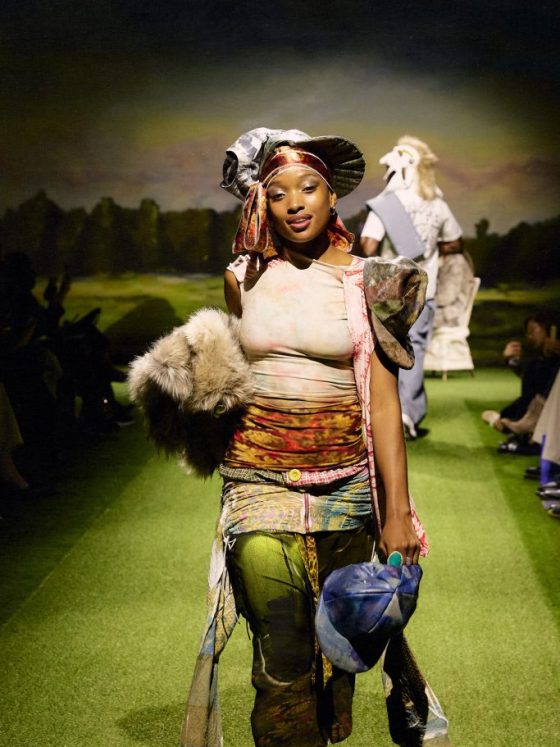
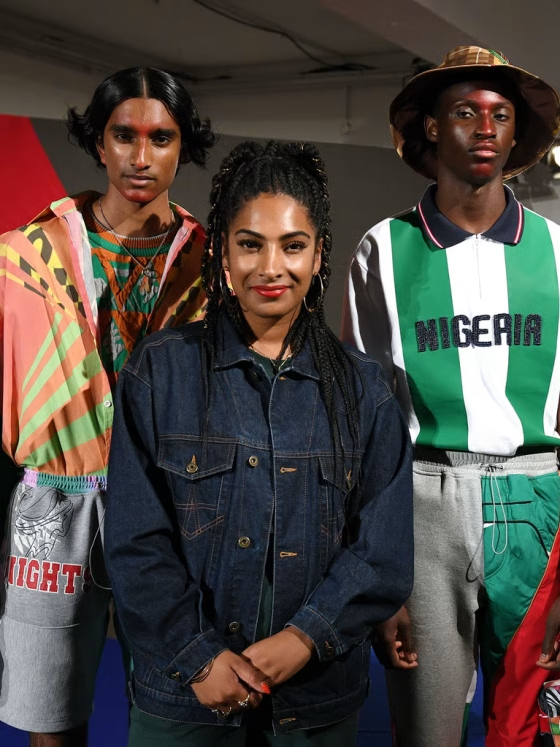
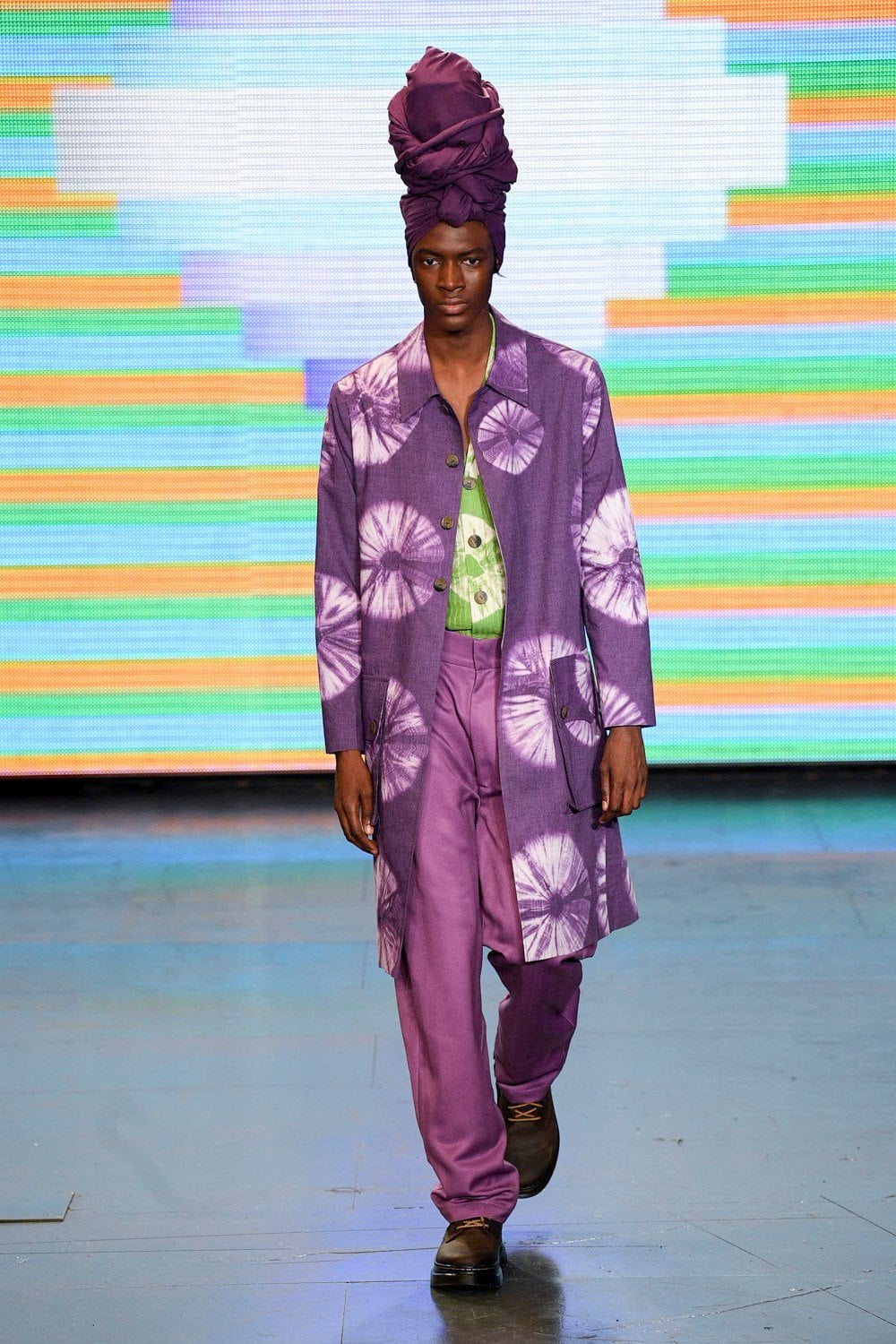
LABRUM’s spring/summer 2022 collection, The Sound of Movement, included a contribution that deserves to remain explicit in its history. The label’s official collection statement identifies the Madam Wokie Skills Development Initiative in Sierra Leone as a collaborator on its tie-dye designs. “Labrum London worked with the Madam Wokie Skills Development Initiative in Sierra Leone to create these designs,” the statement reads. Contemporary reporting in Drapers also identifies the collaboration. This is more specific than saying the collection drew inspiration from Sierra Leone. It names an organisation involved in developing part of its visual expression.

LABRUM’s SS22 collection notes credit a tie-dye collaboration with Sierra Leone’s Madam Wokie initiative, separately from Yinka Ilori’s graphics.

Separate Contributions Within One Collection
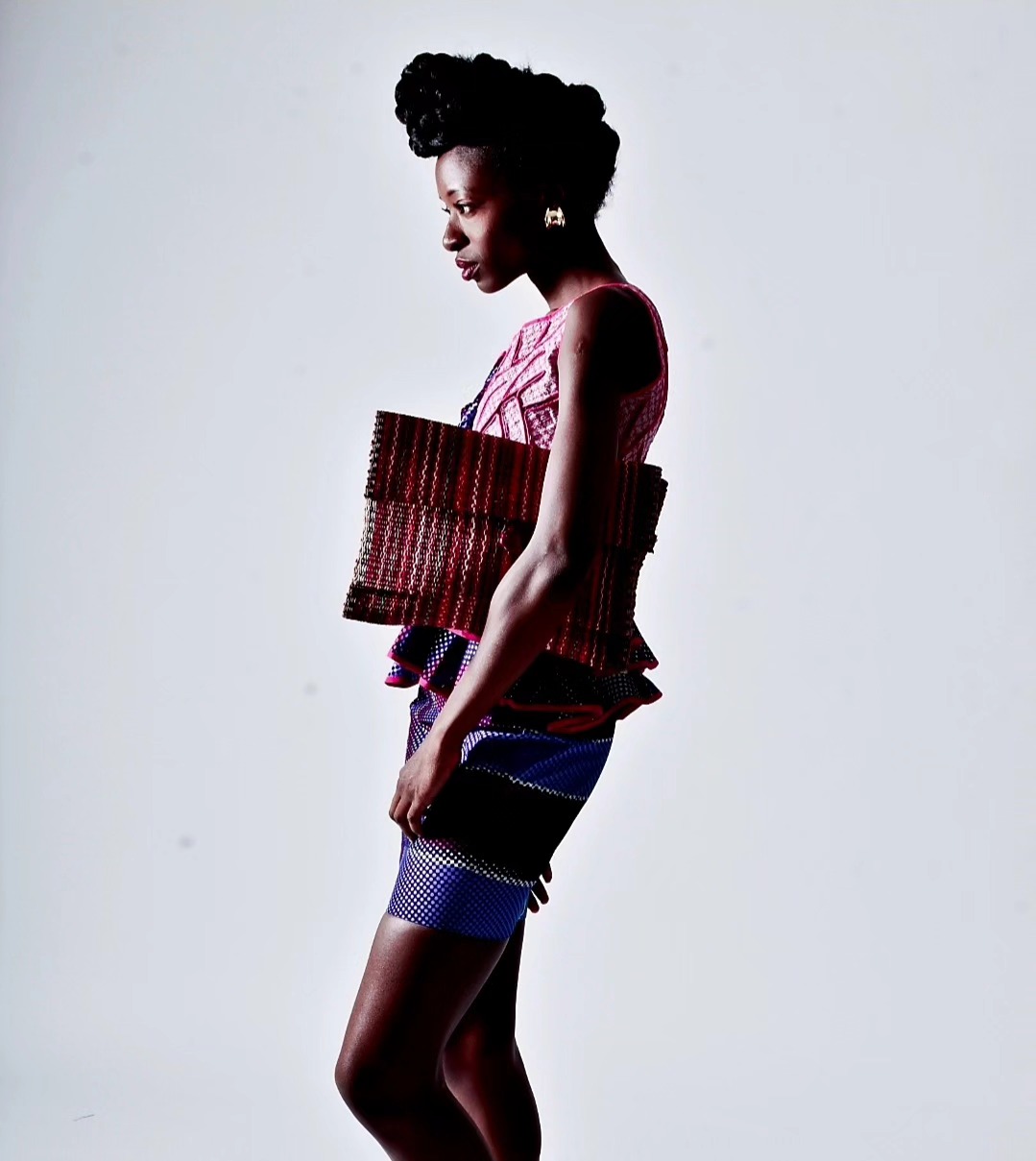
Separate Contributions Within One Collection
Photo: @madamwokie/Instagram.

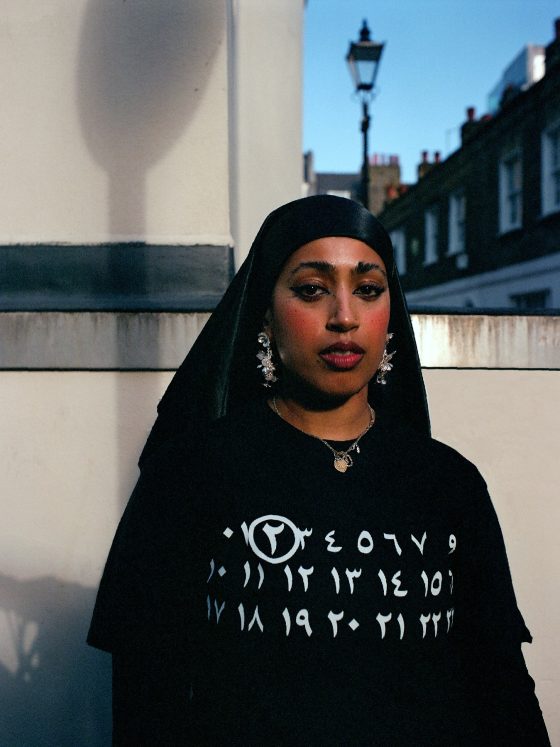
LABRUM’s account distinguishes the tie-dye collaboration from complementary graphics supplied by Yinka Ilori. Ilori also receives the set-design credit, while Foday Dumbuya is credited with creative direction and Ib Kamara with art direction and styling. Those credits describe different contributions to the same presentation. Retaining the distinctions allows the collection to be understood as work involving several participants, rather than attributing every visual element to its most prominent names. The published reception is not entirely consistent. 10 Magazine refers to Ilori’s “tie-dye prints,” whereas LABRUM’s statement associates the tie-dye designs with the Madam Wokie collaboration and describes Ilori’s graphics separately.

That difference requires clarification before making a definitive claim about misattribution. For an account of the collection today, LABRUM’s own stated credit structure provides the clearest available basis: acknowledge the initiative’s tie-dye collaboration and identify Ilori’s separately credited work.

An Existing Textile Practice
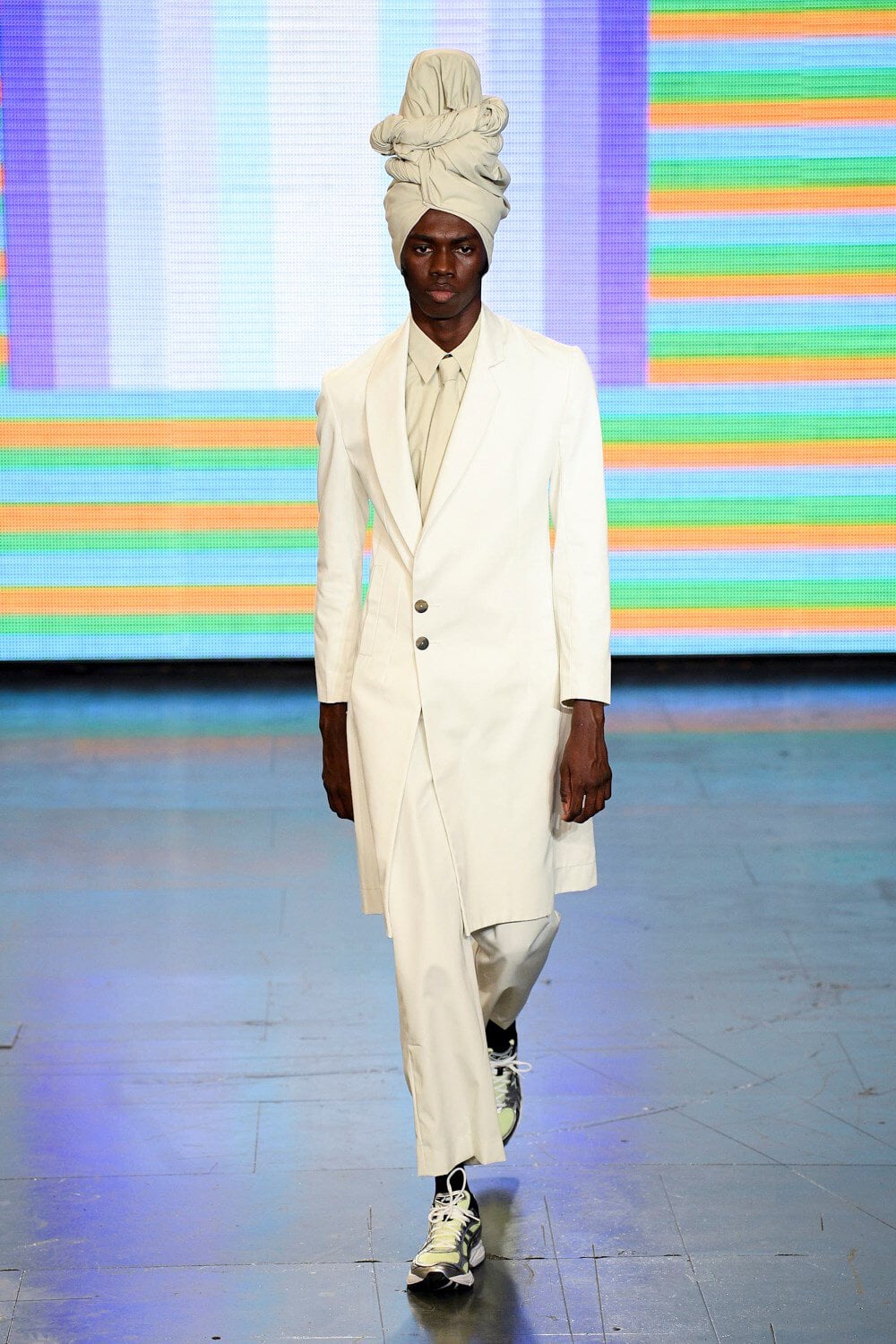
An Existing Textile Practice
Photo: Labrum London Fashion | The Impression.

Madam Wokie’s involvement did not emerge without earlier tie-dye engagement. Its archive documents a teaching initiative undertaken for International Women’s Day in 2017. A post published the following year describes participants learning techniques, sharing knowledge and producing textiles subsequently used in garments for a photoshoot. That record establishes earlier practice, not the identities of the people who worked on LABRUM’s collection. The SS22 statement credits the initiative collectively; it does not provide an individual maker list or a complete division of textile-production responsibilities. The distinction leaves further reporting to do, but it does not diminish the organisational credit already on record.

The Omiren Argument
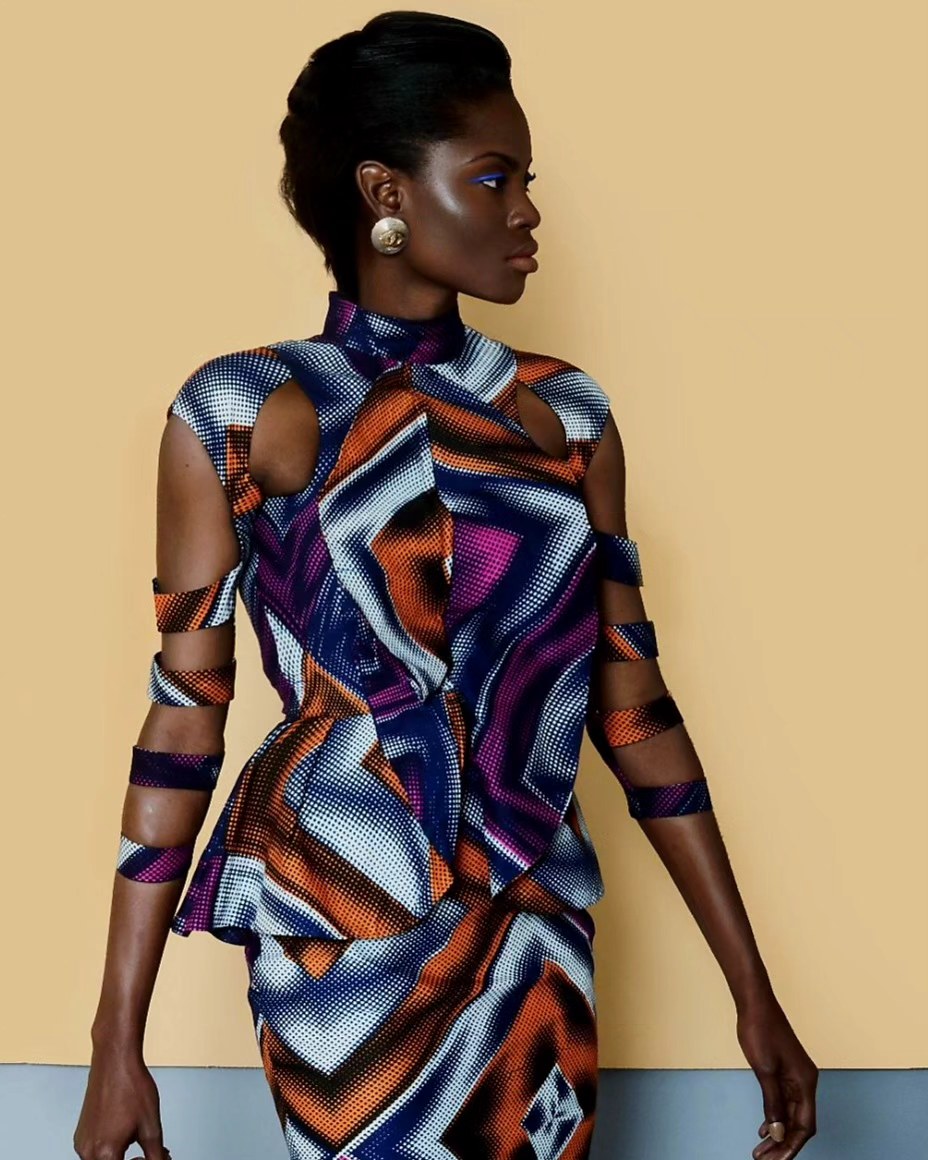
An Existing Textile Practice
Photo: @madamwokie/Instagram.

The significant word here is contribution. LABRUM did not describe Sierra Leone only as a source of cultural references. It named a Sierra Leone-based initiative as a collaborator on particular designs. That is a substantive place within the collection’s history. Describing the clothes only through “West African inspiration” would lose the working relationship the label itself acknowledged. For Omiren, preserving that credit is the starting point. The fuller story should identify the people, decisions and processes behind it. Until then, the published record supports a precise statement: the Madam Wokie Skills Development Initiative belongs in the account of LABRUM’s SS22 tie-dye, alongside, not absorbed into, the collection’s other creative credits.

Also Read:

  • The Future of Fashion in Sierra Leone: Creativity, Culture, and Growth 
  • Fabrics and Craftsmanship in Sierra Leonean Fashion 
  • Sierra Leonean Designers Shaping the Future of African Fashion 
  • African and Diaspora Fashion in London: Designers, Institutions and Community Style 

Frequently Asked Questions

What did LABRUM credit Madam Wokie with in SS22?

LABRUM’s official statement for its spring/summer 2022 collection says the label worked with the Madam Wokie Skills Development Initiative in Sierra Leone to create its tie-dye designs. The statement credits the initiative collectively and does not provide an individual maker list or a complete division of textile-production responsibilities.

Who else is credited on the collection?

Yinka Ilori is credited with the complementary graphics and with the set design. Foday Dumbuya is credited with creative direction and Ib Kamara with art direction and styling. LABRUM’s account treats these as different contributions to the same presentation, separate from the tie-dye collaboration with the Madam Wokie initiative.

Did Yinka Ilori design the tie-dye prints?

The published reception is not consistent. 10 Magazine refers to Ilori’s “tie-dye prints”, whereas LABRUM’s statement associates the tie-dye designs with the Madam Wokie collaboration and describes Ilori’s graphics separately. That difference needs clarification before any definitive claim of misattribution, so LABRUM’s stated credit structure is the clearest available basis.

Had Madam Wokie worked with tie-dye before?

Yes. Its archive documents a teaching initiative undertaken for International Women’s Day in 2017. A post published the following year describes participants learning techniques, sharing knowledge and producing textiles later used in garments for a photoshoot. That record establishes earlier practice, not the identities of the people who worked on LABRUM’s collection.

Post Views: 95
Total
0
Shares
Share 0
Tweet 0
Pin it 0
Related Topics
  • fashion collaboration
  • LABRUM
  • Madam Wokie
  • textile heritage
Avatar photo
Rex Clarke

rexclarke@omirenstyles.com

You May Also Like
Medina Reworks Libyan Dress for a London Wardrobe
View Post
  • Designers & Brands

Medina Reworks Libyan Dress for a London Wardrobe

  • Rex Clarke
  • November 13, 2026
YAKU SS27 Makes Family Memory a Design Method
View Post
  • Designers & Brands

YAKU SS27 Makes Family Memory a Design Method

  • Adams Moses
  • November 13, 2026
Jackie Appiah’s Casablanca Shirt: Two Looks, One Garment
View Post
  • FASHION

Jackie Appiah’s Casablanca Shirt: Two Looks, One Garment

  • Rex Clarke
  • November 13, 2026
Temi Otedola’s Zac Posen Wedding Outfit: From Worktable to Wardrobe
View Post
  • FASHION

Temi Otedola’s Zac Posen Wedding Outfit: From Worktable to Wardrobe

  • Peace Vera
  • November 13, 2026
Before You Buy: Five Construction Details Worth Inspecting
View Post
  • FASHION

Before You Buy: Five Garment Construction Details Worth Inspecting

  • Tobi Arowosegbe
  • November 13, 2026
Golden Angels: Does Panama Fashion Week Streetwear Work as Everyday Clothing?
View Post
  • Street Style

Golden Angels: Does Panama Fashion Week Streetwear Work as Everyday Clothing?

  • Adams Moses
  • November 13, 2026
iZaura and Quazi Design: Reading One Collaborative Look
View Post
  • FASHION

iZaura and Quazi Design: Reading One Collaborative Look

  • Rex Clarke
  • November 13, 2026
Ahluwalia Makes Celebration Part of the Political Wardrobe
View Post
  • Designers & Brands

Ahluwalia Makes Celebration Part of the Political Wardrobe

  • Adams Moses
  • November 12, 2026
The Omiren Argument

African fashion and culture are not emerging. They are foundational. We document, interpret, and argue for the full cultural weight of African and diaspora dress. With precision. Without apology.

Omiren Styles Fashion · Culture · Identity

All 54 African Nations
Caribbean · Afro-Latin America
The Global Diaspora

Platform

  • About Omiren Styles
  • Our Vision
  • Our Mission
  • Editorial Pillars
  • Editorial Policy
  • The Omiren Collective
  • Campus Style Initiative
  • Sustainable Style
  • Social Impact & Advocacy
  • Investor Relations

Contribute

  • Write for Omiren Styles
  • Submit Creative Work
  • Join the Omiren Collective
  • Campus Initiative
Contact
contact@omirenstyles.com
Our Reach

Africa — All 54 Nations
Caribbean
Afro-Latin America
Global Diaspora

African fashion intelligence, in your inbox.

Editorial features, designer profiles, cultural commentary. No noise.

© 2026 Omiren Styles — Rex Clarke Global Ventures Limited. All rights reserved.
  • Privacy Policy
  • Editorial Policy
  • Terms of Use
  • Accessibility
Africa · Caribbean · Diaspora
The Omiren Argument

African fashion and culture are not emerging. They are foundational. We document, interpret, and argue for the full cultural weight of African and diaspora dress. With precision. Without apology.

Omiren Styles Fashion · Culture · Identity
  • About Omiren Styles
  • Our Vision
  • Our Mission
  • Editorial Pillars
  • Editorial Policy
  • The Omiren Collective
  • Campus Style Initiative
  • Sustainable Style
  • Social Impact & Advocacy
  • Investor Relations
  • Write for Omiren Styles
  • Submit Creative Work
  • Join the Omiren Collective
  • Campus Initiative
Contact contact@omirenstyles.com

All 54 African Nations · Caribbean
Afro-Latin America · Global Diaspora

African fashion intelligence, in your inbox.

Editorial features, designer profiles, cultural commentary. No noise.

© 2026 Omiren Styles
Rex Clarke Global Ventures Limited.
All rights reserved.

  • Privacy Policy
  • Editorial Policy
  • Terms of Use
  • Accessibility
Africa · Caribbean · Diaspora

Input your search keywords and press Enter.

Newsletter Subscribe

The Omiren Style Index

The reference directory for African, Caribbean and Afro-Latin fashion. New entries, taxonomy updates and intelligence signals — once a month. No noise.

.newsletter-form{
max-width:500px;
margin:auto;
text-align:center;
padding:30px;
}

.newsletter-form h3{
margin-bottom:10px;
font-size:28px;
}

.newsletter-form p{
margin-bottom:20px;
color:#666;
}

.newsletter-form input{
width:100%;
padding:14px 18px;
border:1px solid #ddd;
margin-bottom:15px;
border-radius:4px;
}

.newsletter-form button{
width:100%;
padding:14px;
background:#000;
color:#fff;
border:none;
cursor:pointer;
text-transform:uppercase;
letter-spacing:1px;
}