On 1 March 2021, Ngozi Okonjo-Iweala took office as Director-General of the World Trade Organisation, the first woman and the first African to lead the institution in its 73-year history. She wore African wax print. That choice was not incidental. As the Pan African Review noted, her arrival “clothed in African wax print is symbolically deep.” The most powerful trade official on the planet had just demonstrated that African dress could project global leadership without apology. She has described her approach in her own words: “I’ve developed my own style. It’s a colourful one. It’s African, and it is me.” Okonjo-Iweala has also noted that she has modelled African fashion since her university days. That is not a recent statement. It is a lifelong position. That moment — and the decades of deliberate choice that preceded it — is what the conversation about African women’s power dressing is actually about.
Today, that negotiation between professionalism and cultural identity is being rewritten across the continent. African women are increasingly challenging the assumption that professionalism must be expressed through Western dress codes alone. Across boardrooms, courtrooms, parliaments, universities, multinational organisations, and entrepreneurial spaces, many are embracing indigenous textiles, contemporary tailoring, and locally designed workwear that reflects both cultural heritage and modern ambition. Rather than diminishing their authority, these choices are expanding the visual language of leadership itself. As the 2026 peer-reviewed study “Weaving Identity into Professional Fashion” confirms, the integration of cultural identity into professional fashion reflects a documented shift in how African women understand the relationship between dress and authority in contemporary professional environments.
How African women are redefining power dressing through indigenous textiles, contemporary tailoring, and cultural confidence in the boardroom.
When Authority Had a Dress Code
The relationship between clothing and authority has always been shaped by history. As Jean Allman documents in the edited volume Fashioning Africa: Power and the Politics of Dress (Indiana University Press, 2004), during the colonial period, European styles of dress became closely associated with government administration, formal education, commerce, and the professions. Tailored suits, structured jackets, and conservative business attire were presented as symbols of discipline, expertise, and modernity. As African nations gained independence and women entered professions long closed to them, these expectations remained deeply embedded in workplace culture.
For many women, succeeding in professional spaces often meant adapting to standards not designed with African identities in mind. Corporate offices, international institutions, and diplomatic settings frequently favoured clothing that reflected Western ideas of executive appearance, leaving little room for indigenous textiles or traditional forms of dress. Professionalism was often measured not only through competence but also through visual conformity.
Yet African women rarely abandoned their cultural identities entirely. Instead, they developed ways of navigating these expectations, pairing tailored jackets with traditional fabrics, incorporating locally made jewellery into professional wardrobes, or reserving heritage textiles for significant public occasions. These choices demonstrated that cultural expression and professional credibility were not mutually exclusive, even if workplace norms sometimes suggested otherwise.
Fashion Has Always Been a Form of Power
Long before conversations about workplace dress codes emerged, African women understood that clothing could communicate authority, social standing, and political identity. Across the continent, textiles have played central roles in public life, expressing community belonging, economic status, spiritual beliefs, and resistance to colonial rule.
Markets run by women became important centres of textile trade, while locally woven fabrics, hand-dyed cloth, and ceremonial garments reflected not only artistic achievement but also social influence. In many societies, women use dress to mark important life transitions, celebrate cultural identity, and participate visibly in civic and political life. Clothing was therefore never simply decorative. It functioned as a language through which status, leadership, and collective values could be communicated. As Omiren Styles has documented in its analysis of African fashion and ritual, African ceremonial dressing is a textual archive, a woven, dyed, and embroidered history of communities, values, and life stages.
This historical perspective explains why contemporary debates about power dressing extend beyond fashion trends. When African women choose to wear indigenous textiles in professional environments today, they are participating in a long tradition of using dress to express confidence, identity, and authority. Their clothing becomes part of a broader conversation about representation and belonging rather than a departure from professional standards.
From Assimilation to Cultural Confidence
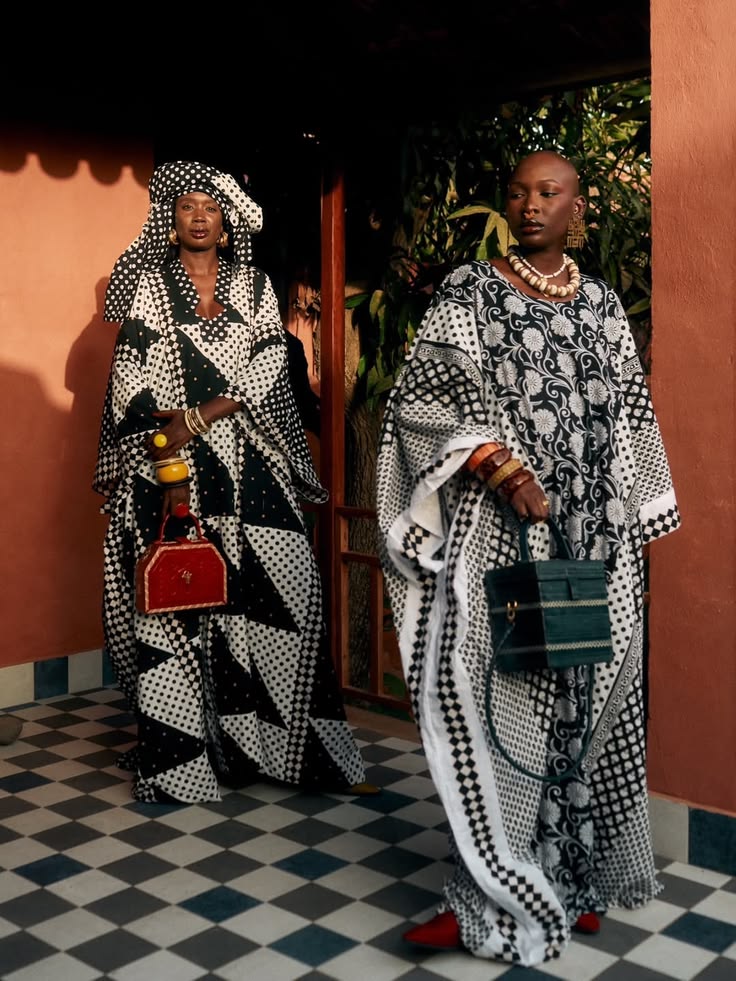
Perhaps the most significant change in contemporary African workwear is not the introduction of new garments but the growing confidence with which women are wearing them. Earlier generations often entered professional spaces where success appeared to require visual assimilation. Western business attire became the safest choice because it aligned with established ideas of executive leadership, particularly within multinational organisations, diplomatic circles, and financial institutions.
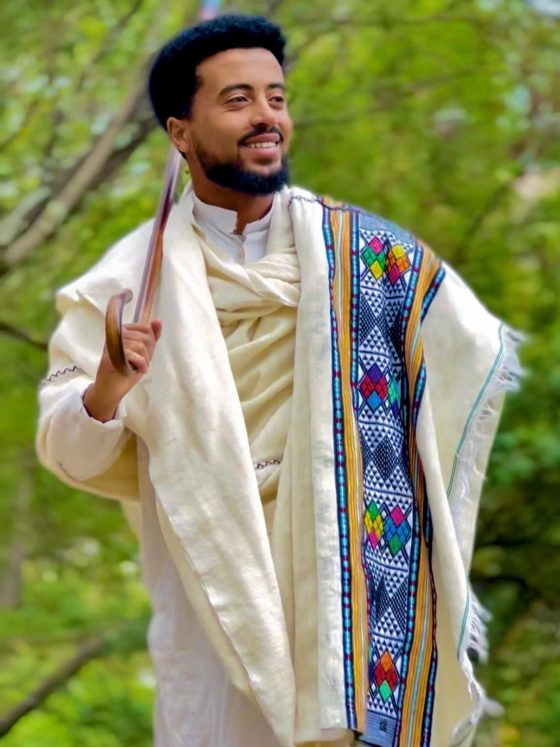
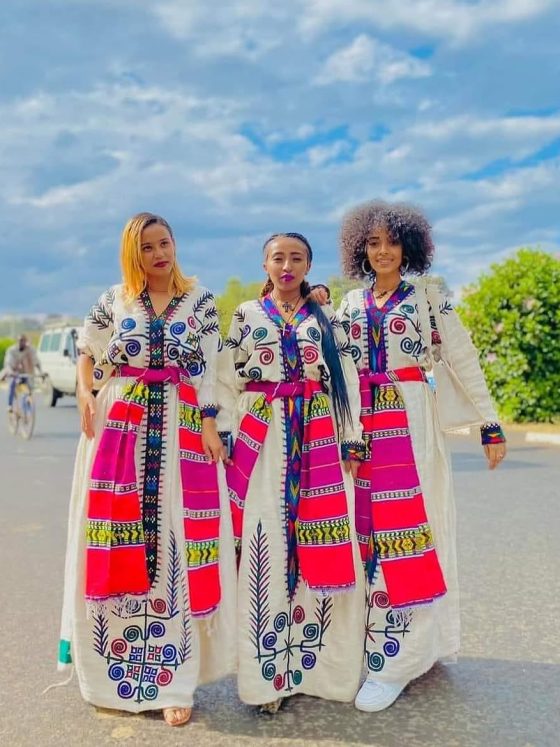
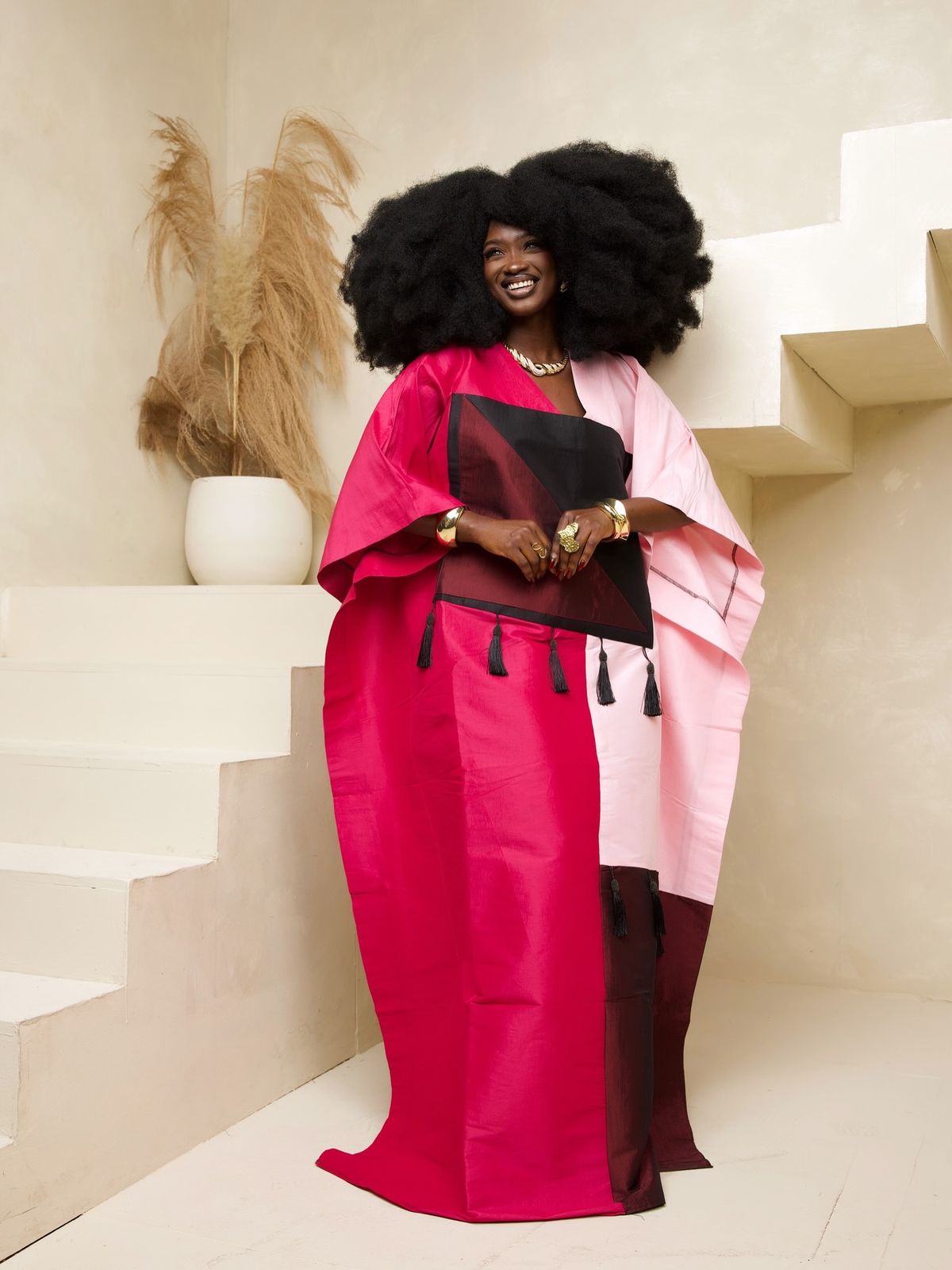
Today, a growing number of African women are redefining those expectations. Tailored dresses made from adire, structured jackets cut from Aso Oke, contemporary Kente ensembles, and locally woven fabrics are increasingly appearing in offices, boardrooms, conferences, and international forums. These choices are not simply aesthetic. They reflect a broader confidence that professional excellence does not require cultural neutrality. Okonjo-Iweala is the most visible example of that confidence at the highest institutional level. Throughout her career as Nigeria’s Minister of Finance, Managing Director at the World Bank, and Director-General of the WTO, she has consistently appeared in Nigerian textiles and her signature head tie while participating in some of the world’s most influential economic negotiations. Her public image, as the WTO documents, has demonstrated that African dress can project authority, competence, and global leadership without compromise.
The same confidence is visible in East Africa. Kenyan-based designer Adèle Dejak has built a professional accessories practice that brings beadwork and locally sourced materials into contemporary executive wardrobes, demonstrating that the shift from visual assimilation to cultural confidence is not limited to West African fashion centres. The argument is continental.
Designing a Professional Wardrobe for African Women
The changing visual language of leadership has also influenced the continent’s fashion industry. Increasingly, designers are creating collections that respond to the realities of African professional life. Nigerian fashion entrepreneur Bisola Adeniyi, founder of Lady Biba, has built a premium women’s ready-to-wear label around exactly this market. Her approach to building a brand is precise: “Who are the people your brand is attracting, and then you can create a tribe of that,” she told SmartPreneur. Her work reflects a wider movement across the continent, where designers are responding to a generation of women seeking clothing that is elegant, functional, and unmistakably African.
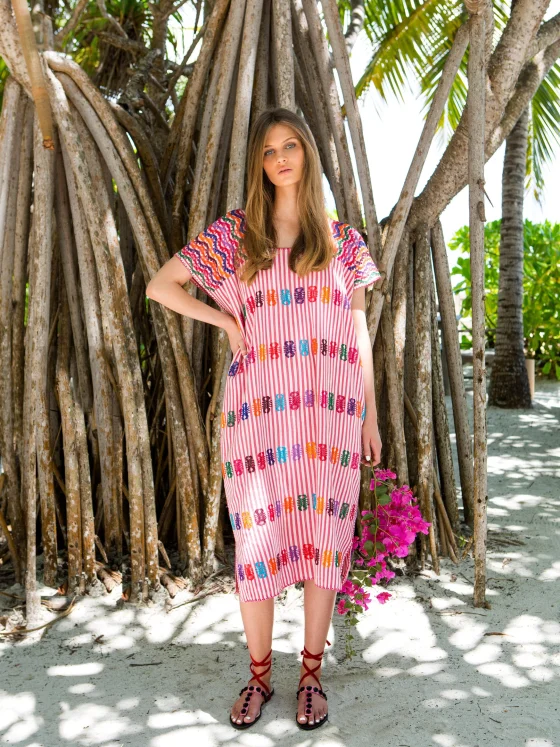
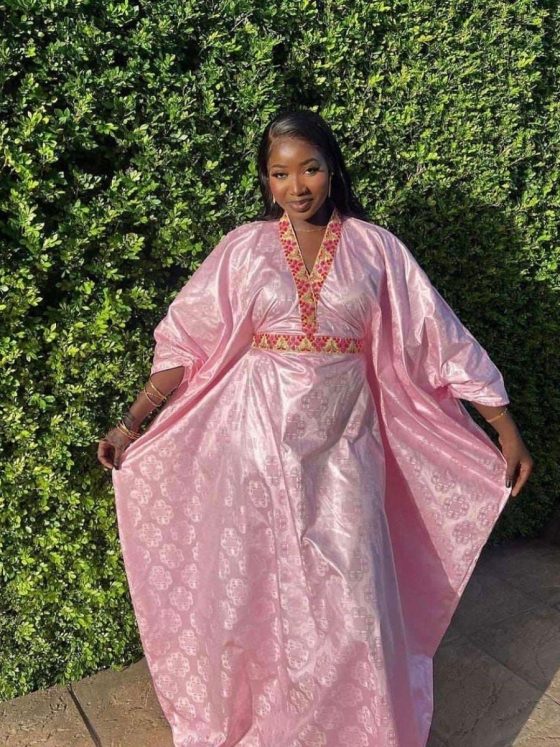
Rather than treating African textiles as materials reserved for weddings or ceremonial occasions, these designers are incorporating them into dresses, suits, blazers, coordinated separates, and workwear designed for everyday professional environments. Fabrics once associated primarily with ceremonies are now being reinterpreted through clean lines, minimalist silhouettes, and modern tailoring, allowing them to move naturally between corporate offices, conferences, and public events. In doing so, designers are expanding the possibilities of professional dress while preserving the cultural traditions embedded within these textiles. The result is a wardrobe that reflects local identity while meeting the practical demands of modern careers.
The Omiren Argument
Power dressing has never been solely about clothing. It is about the messages clothing communicates and the assumptions it challenges. For generations, women entering professional spaces were expected to adapt to visual standards that reflected inherited ideas of authority. Today, African women are demonstrating that leadership can be expressed through many different forms of dress without diminishing professionalism or credibility.
Ngozi Okonjo-Iweala has said, “I’ve developed my own style. It’s a colourful one. It’s African, and it is me.” She has modelled African fashion since her university days. The Director-General of the WTO did not wait for permission to dress as she pleased in the world’s most powerful trade institution. That is what authority looks like. It is not a gesture. It is a position held consistently across decades, from a Nigerian university campus to a podium in Geneva.
This transformation is significant because it shifts the conversation away from imitation and towards representation. It recognises that a particular jacket, colour palette, or silhouette does not create authority. It is created by knowledge, experience, and the confidence to occupy public space on one’s own terms.
As African fashion continues to influence global conversations, the definition of power dressing is becoming broader. Indigenous textiles, thoughtful tailoring, and cultural craftsmanship are no longer viewed as alternatives to professional style. They are increasingly recognised as part of its future. As Omiren Styles has documented, the fashion archives that matter most in Africa have never been held in institutions. They have been held by women who understood the value of what they wore before any museum did. The professional wardrobe is the continuation of that tradition.
In redefining what authority looks like, African women are doing more than reshaping wardrobes. They are reshaping the visual language of leadership itself, proving that cultural identity and professional excellence are not competing ideals but complementary expressions of confidence, ambition, and purpose.
ALSO READ
- African Women Have Been Keeping Fashion Archives for Generations. Museums Are Just Catching Up.
- What It Actually Means to Dress “Back Home” When You’ve Never Lived There
- How African Identity Is Styled Differently Across Continents
Frequently Asked Questions
What is power dressing for African women in the workplace?
Power dressing for African women goes beyond wearing formal business attire. It involves using clothing to project confidence, professionalism, and leadership while embracing cultural identity through indigenous textiles, contemporary tailoring, and thoughtfully chosen accessories. Modern African power dressing demonstrates that authority and cultural expression can coexist in professional environments. The 2021 WTO inauguration of Ngozi Okonjo-Iweala, who wore African wax print to take office as the institution’s first African and first female Director-General, is the most publicly documented example of this principle in action.
How are African women redefining professional workwear?
African women are redefining professional workwear by incorporating fabrics such as adire, Aso Oke, Kente, and other locally produced textiles into tailored dresses, blazers, suits, and coordinated separates. Rather than relying solely on Western corporate fashion, they are creating wardrobes that reflect both executive professionalism and African heritage. Designers like Bisola Adeniyi of Lady Biba are building entire labels around this market, producing premium workwear that is elegant, functional, and unmistakably African.
Why is cultural identity important in African women’s professional fashion?
Cultural identity is important because clothing communicates more than personal style. For many African women, wearing indigenous textiles or locally designed garments in professional settings affirms their heritage while challenging outdated ideas that professionalism must follow Western dress codes. It also supports local designers, artisans, and textile traditions. The 2026 peer-reviewed study “Weaving Identity into Professional Fashion” documents that the integration of cultural identity into professional fashion reflects a substantive shift in how African women understand the relationship between dress and authority.
Who are some African women leaders known for their professional style?
Ngozi Okonjo-Iweala, Director-General of the World Trade Organisation, has become the most globally recognised example of African women’s power dressing in action. She has consistently worn Nigerian textiles and her signature head tie while participating in some of the world’s most influential economic negotiations, demonstrating that African dress can project authority, competence, and international influence at the highest institutional level. She has described her approach as a deliberate, long-held position: she has modelled African fashion since her university days.
How are African fashion designers changing women’s office wear?
African fashion designers are creating workwear that blends structured tailoring with indigenous fabrics and contemporary design. Instead of reserving traditional textiles for ceremonial occasions, many designers are producing elegant dresses, suits, jackets, and separates suitable for boardrooms, conferences, and professional workplaces. Lady Biba in Nigeria and Adèle Dejak in Kenya represent two different approaches: one focused on ready-to-wear clothing built from African fabrics, the other bringing beadwork and locally sourced materials into contemporary accessories for professional women.
Can traditional African fabrics be worn in corporate environments?
Yes. Traditional fabrics such as adire, Aso Oke, Kente, and handwoven textiles are increasingly being adapted into modern office wear through clean tailoring and contemporary silhouettes. The assumption that these fabrics belong only at celebrations has been substantially challenged by a generation of African professional women who wear them daily in offices, conference rooms, and international institutions. The most powerful documented example remains Ngozi Okonjo-Iweala at the WTO — wearing African wax print while leading global trade negotiations.
How has African fashion changed ideas about women’s leadership and authority?
African fashion has expanded ideas about women’s leadership by showing that authority is not defined solely by Western business attire. Through innovative tailoring, heritage textiles, and culturally grounded design, African women are demonstrating that professional credibility can be expressed in ways that celebrate both excellence and identity. That shift, as Jean Allman’s edited volume Fashioning Africa: Power and the Politics of Dress (Indiana University Press, 2004) establishes, has deep historical roots. The contemporary professional wardrobe is not a departure from that history. It is its continuation.