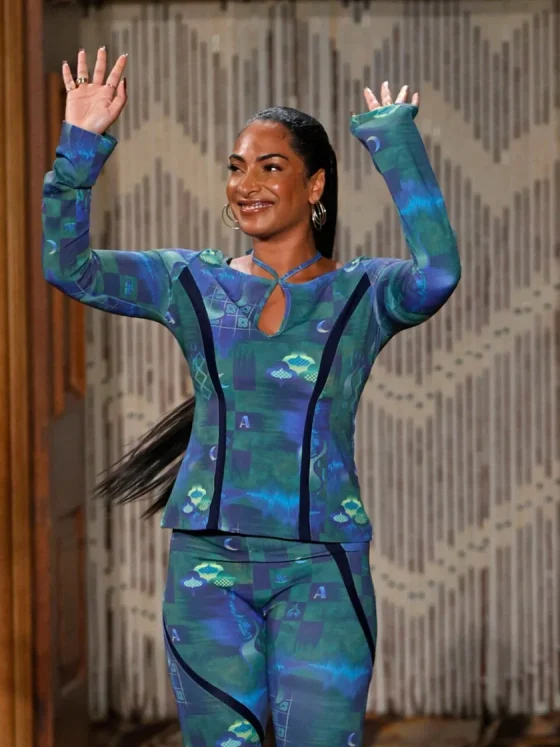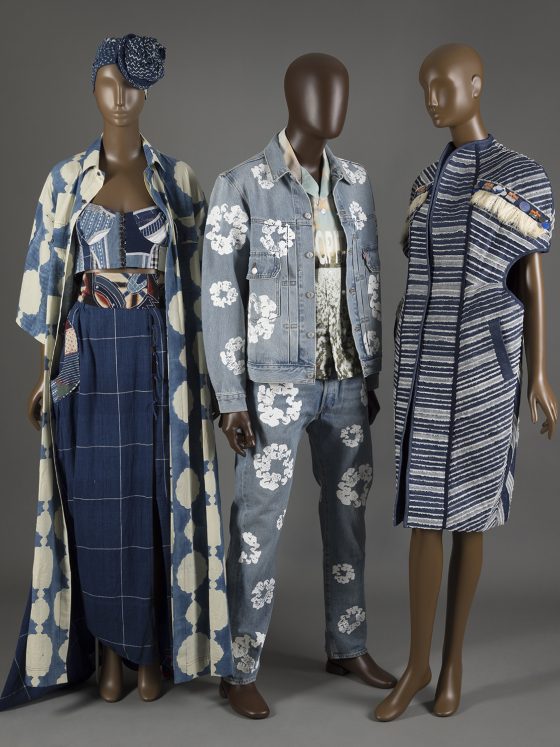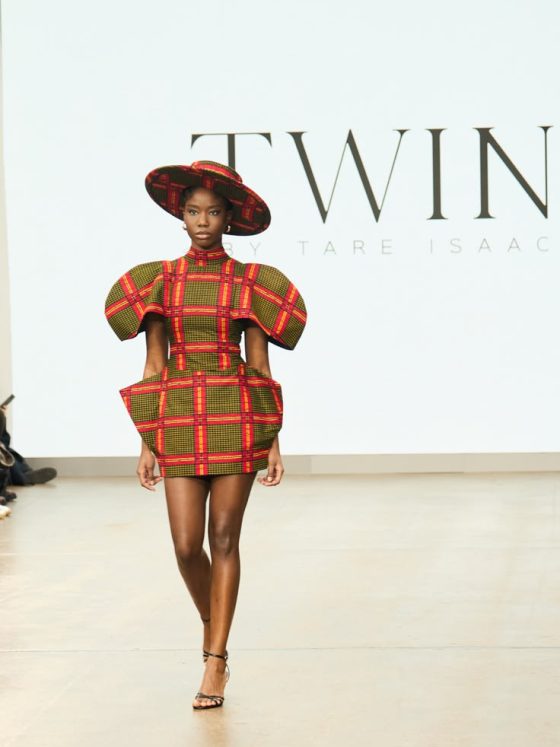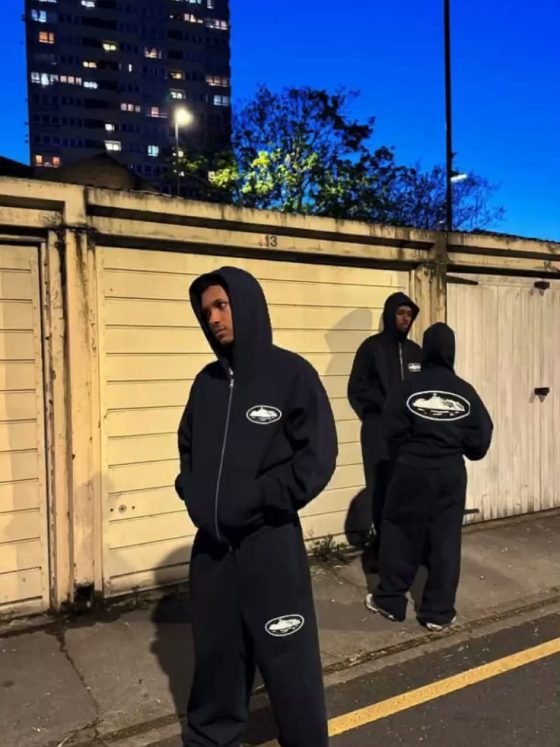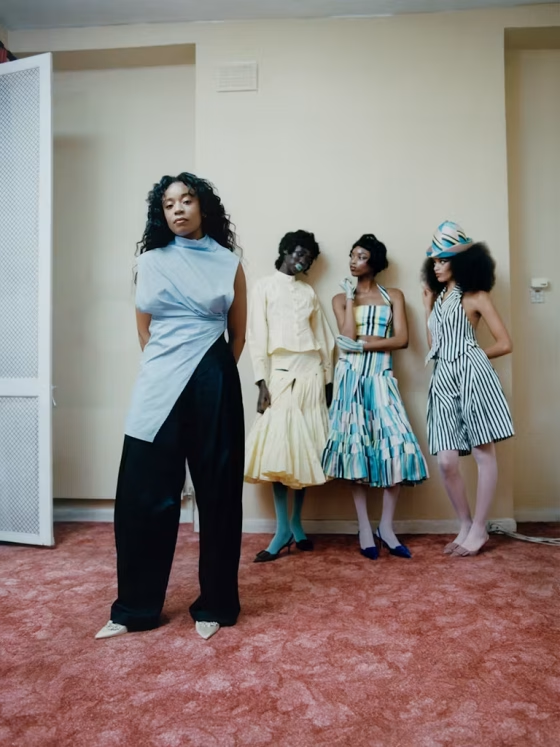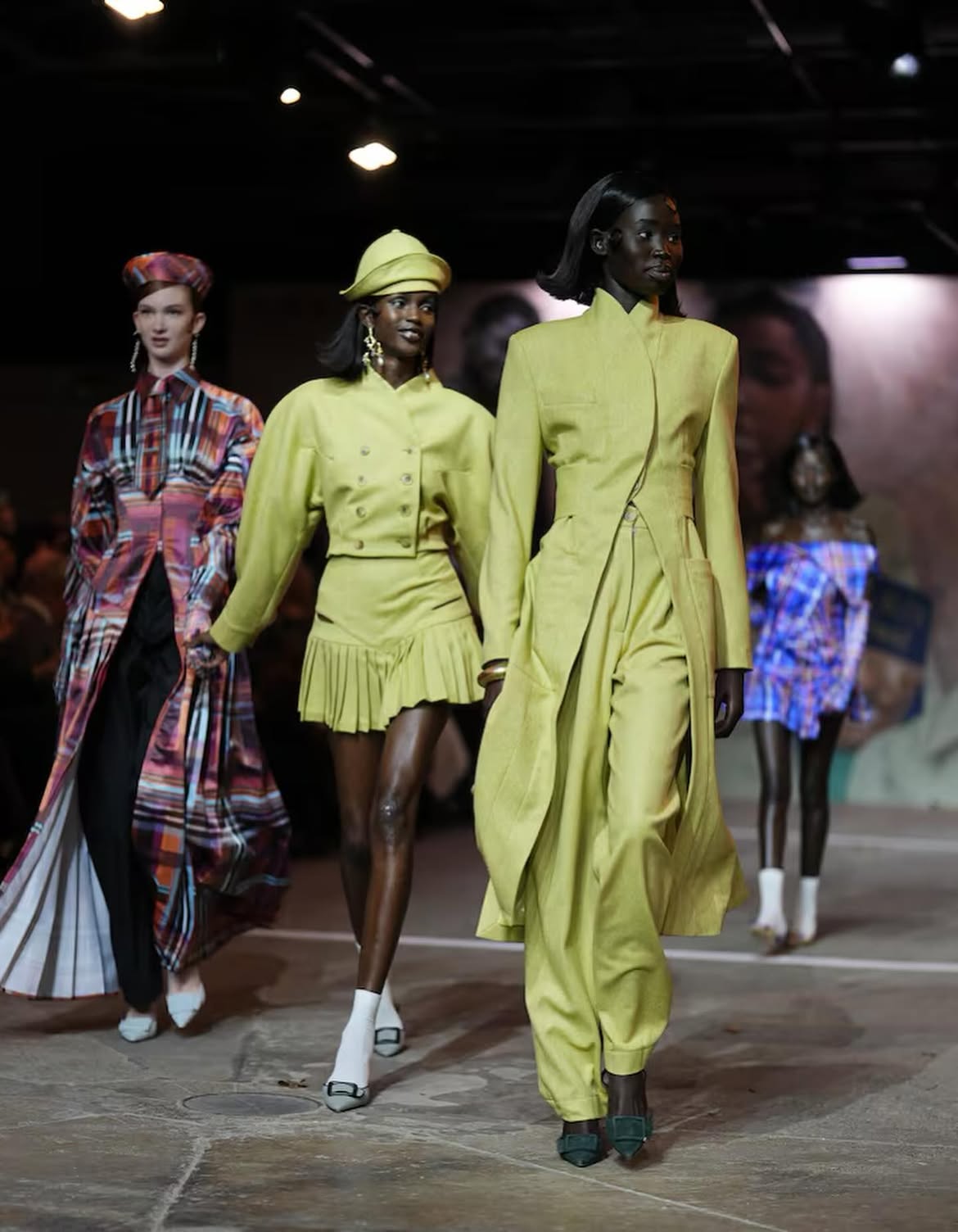
When King Charles III arrived at Tolu Coker’s show to open London Fashion Week Autumn/Winter 2026, the moment was widely reported as an unexpected royal appearance. It recognised a British-Nigerian designer whose work has steadily become part of Britain’s contemporary fashion conversation. Coker described the significance plainly: “Clothes are not garments. They are archives, carriers of culture, markers of time. To wear is to honour the past, the present, and shape the future.” That recognition did not emerge in isolation. For more than a decade, the UK African fashion week scene has created spaces where African and diaspora designers could present their work, build audiences, and establish professional networks long before mainstream institutions began paying closer attention.
As more African diaspora fashion designers gain visibility within Britain’s fashion establishment, those platforms are entering a different stage of their own development. The question is no longer whether they have created opportunities for African diaspora fashion. It is whether the institutions they have built are now delivering the commercial support, access, and long-term outcomes that designers increasingly need.
The UK African fashion week scene proved that the audience exists. Now explore what it still owes the designers who filled it.
How the UK African Fashion Week Scene Has Changed Opportunities for Designers
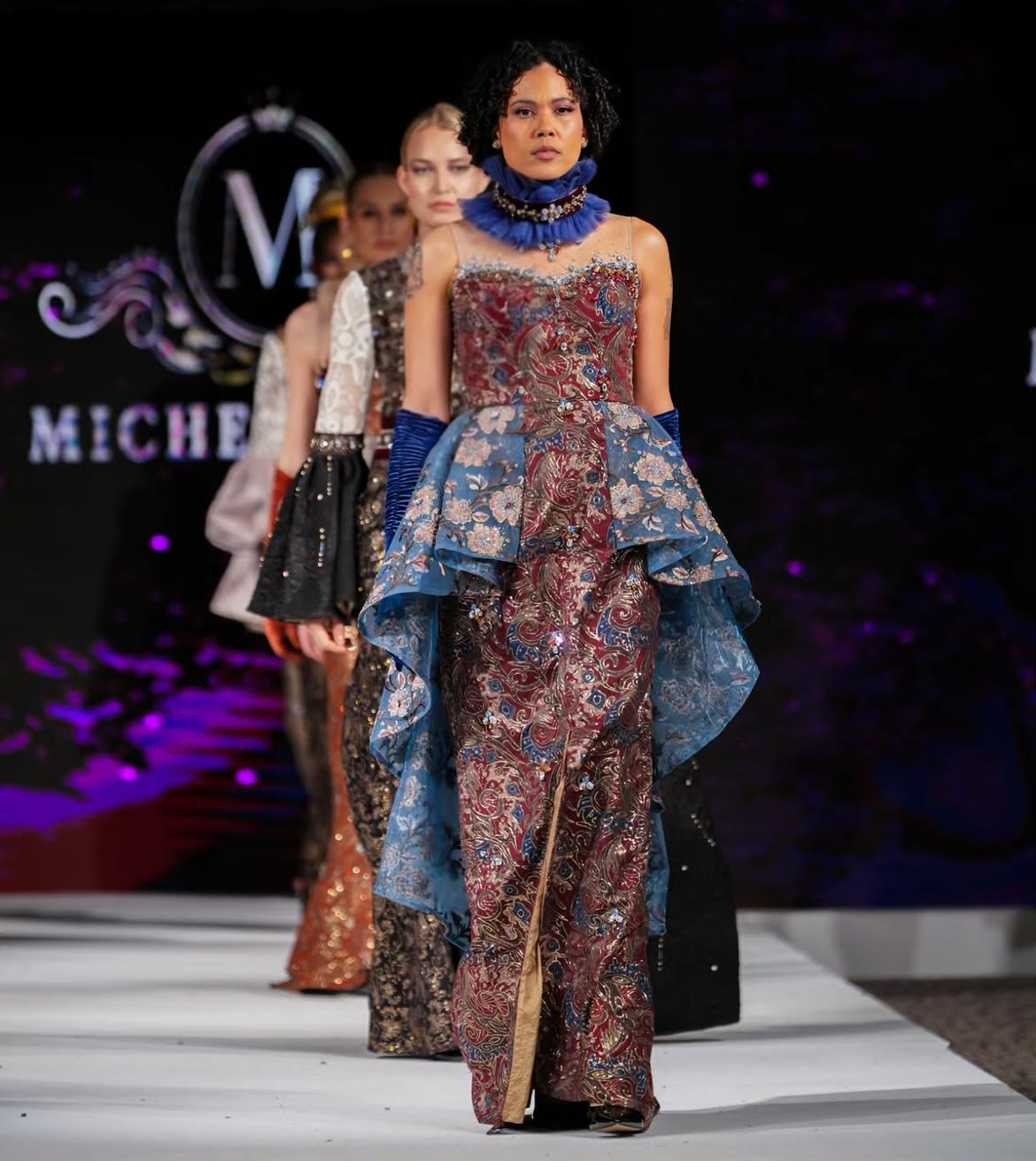
Over the past decade, the UK African fashion week scene has grown into an ecosystem that extends beyond runway presentations. Through fashion weeks and cultural festivals, it has created opportunities for African and diaspora designers to reach new audiences, build industry networks, and gain visibility within Britain’s fashion landscape. Queen Ronke Ademiluyi-Ogunwusi, who founded Africa Fashion Week London in 2011, described her founding logic in a 2023 interview: “For creativity to grow, there needs to be a platform that showcases, exposes and creates awareness for them. And that’s how it started.”
Since its launch, AFWL has showcased more than 2,700 designers and exhibitors from 26 countries. According to the organisation’s own published figures, it has attracted over 90,000 visitors. It has built partnerships with universities, retailers, and industry organisations. Beyond presenting collections, it has positioned itself as a platform for education, business development, and professional collaboration. House of iKons Fashion Week London has complemented that work as a global emerging talent platform, including African designers as part of its broader international offering and helping designers gain exposure to buyers, media, and international audiences that can be difficult to access independently.
Meanwhile, festivals such as Africa in London Festival and UG Festival have introduced fashion to wider cultural audiences by presenting designers alongside music, art, food, and entrepreneurship. Collectively, the UK African fashion week scene has helped move African and diaspora fashion from the margins of Britain’s creative sector into a more established cultural conversation. However, visibility is only one measure of success. As these institutions mature, the conversation is beginning to shift from creating platforms to evaluating the long-term value they create for the designers who depend on them.
Where the UK African Fashion Week Scene Still Falls Short
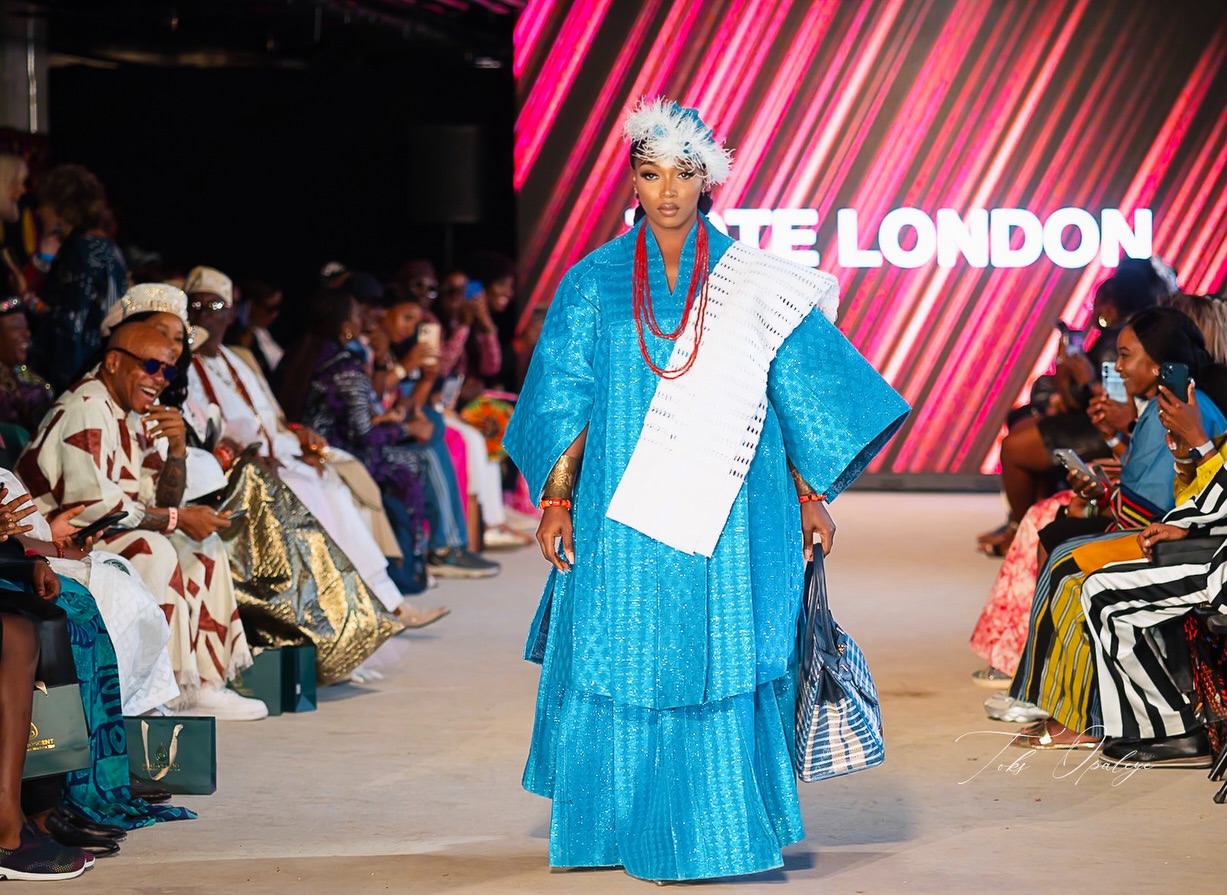
The growth of the UK African fashion week scene has raised expectations beyond visibility alone. As these platforms become more established, designers increasingly need evidence that participation leads to sustainable commercial opportunities rather than a single weekend of exposure.
Africa Fashion Week London positions itself as a platform for emerging African and Black designers, promising promotional opportunities, access to buyers, professional production teams, marketing support, and networking through its catwalks, exhibitions, and panel discussions. Designers also receive backstage services, photography, digital promotion, and exhibition space, depending on their participation package. Yet participation still requires a formal application process, and the organisers do not publicly report acceptance rates or how many participating brands secure stockists, wholesale partnerships, or investment after the event. That makes it difficult to assess long-term commercial impact beyond attendance figures and runway visibility. The platform acknowledges this gap in its own stated mission: it was built for designers, as AFWL states directly, who are “often overlooked or tokenised” by larger fashion events. The question is whether being seen by larger events is now enough.
A similar challenge applies across many African fashion events in the UK. Their success is often measured by visitor numbers, runway presentations, or media coverage, while comparable data on business outcomes remains limited. For emerging labels, introductions to buyers matter, but so do repeat orders, export opportunities, and sustainable revenue. The Lagos Fashion Week Effect — documented in Omiren Styles’ analysis of what a decade of runway exposure actually produced for Nigerian designer revenue — shows that the gap between platform visibility and commercial infrastructure is not unique to the UK. What differs is that the UK African fashion week scene operates in one of the world’s most mature fashion markets, with access to institutional support structures that African platforms lack. The question is whether that proximity to the British fashion establishment is being converted into commercial outcomes.
Inclusivity extends beyond who appears on the runway. Africa Fashion Week London states that most of its workforce comprises people of colour, fashion students, and marginalised communities. Those commitments have helped strengthen Black fashion events in London. Still, broader questions remain about affordability, regional representation across the African continent, and how smaller independent brands can continue participating as they grow without the financial resources to absorb rising participation costs. The next stage of success will depend less on how many designers these platforms introduce and more on how many they help build into commercially sustainable businesses.
ALSO READ
- How Emerging Fashion Weeks Are Redefining Global Fashion
- The Lagos Fashion Week Effect: What a Decade of Runway Has Actually Done for Nigerian Designer Revenue
- The Aso-Ebi Economy: How Nigerian Celebration Culture Is Funding a Global Fashion Industry
What the UK’s African Fashion Week Scene Must Build Next
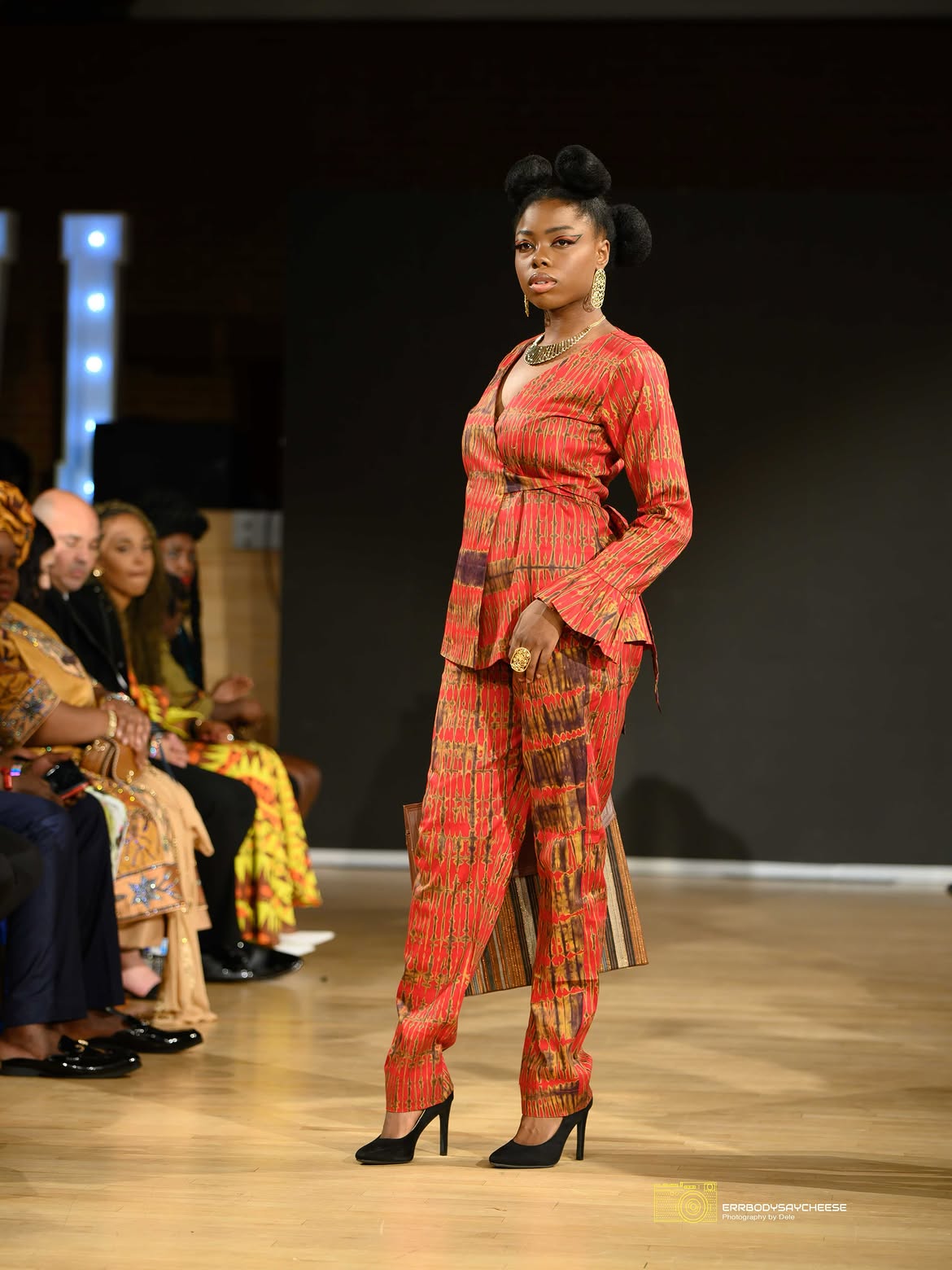
The first generation of the UK African fashion week scene proved there was an audience for African and diaspora designers. The next challenge is ensuring that visibility develops into sustainable businesses rather than remaining an annual showcase. That shift is already shaping the wider British fashion industry within which the scene operates. In March 2026, the British Fashion Council launched its BFC 2030: Access, Creativity and Growth strategy, repositioning from an organisation focused on promotion to one centred on long-term designer support. BFC CEO Laura Weir confirmed the institutional logic: “Fashion is not ornamental but strategic, serving as culture’s common language that represents economics. The creative engine driving this impact is under strain from rising operating costs and intensifying international competition.” The BFC’s 2030 strategy now prioritises funding, business education, studio space, export opportunities, international partnerships, and measuring commercial impact, rather than treating events as standalone moments.
The same evolution presents an opportunity for organisers of African diaspora fashion events. If these platforms can strengthen connections to buyers, investors, manufacturers, and export markets alongside their cultural programming, they will play a greater role in helping designers build resilient businesses. That ambition aligns with broader trade developments. The African Continental Free Trade Area Secretariat identifies textiles and fashion as strategic priority sectors for cross-border trade development, highlighting the need for businesses to navigate regional market access, regulations, and cross-border commerce more effectively.
The future of the UK African fashion week scene may therefore depend on how many designers leave with stronger businesses, wider markets, and the infrastructure to compete long after the lights go down.
The Omiren Argument
The UK African fashion week scene no longer has to justify its existence. Over the past decade, it has been demonstrated that African and diaspora designers can attract audiences, shape cultural conversations, and command space within Britain’s fashion calendar. King Charles III attending Tolu Coker’s LFW AW26 opening show is the clearest single piece of institutional confirmation that this work has landed. That achievement deserves recognition.
The more important question is what these platforms exist to do now. The British Fashion Council’s BFC 2030 strategy, published in March 2026, confirmed this shift at an institutional level. The BFC has repositioned itself from a promoter of British fashion to a strategic business accelerator, explicitly stating that “maintaining existing structures is no longer sufficient.” That assessment applies with equal force to the UK African fashion week scene. The platforms that built visibility now face the same test the BFC has set for itself: whether events can become infrastructure, and whether exposure can become equity.
If their greatest success remains putting designers on the runway, they risk measuring progress by visibility alone. But if they become institutions that consistently connect designers to buyers, investors, manufacturers, and international markets, they will shape businesses that outlast any single fashion season. That is the distinction between creating events and building an industry. The UK’s African fashion week scene has already proved it can do the first. As Omiren Styles’ coverage of fashion week’s commercial impact documents, what matters is not the runway moment but the revenue that follows. Its legacy will depend on whether it commits to the second.
The visibility was real. The debt it owes is commercial.
Frequently Asked Questions
Who is Tolu Coker, and why did King Charles attend her show?
Tolu Coker is a British-Nigerian fashion designer, illustrator, and multidisciplinary artist based in London. Her AW26 collection, “Survivor’s Remorse,” opened London Fashion Week on 19 February 2026 at 180 Strand. King Charles III attended, marking his first front-row appearance at a London Fashion Week show since 2018. Coker is a BFC NEWGEN-funded designer whose work fuses cultural heritage, sustainable tailoring, and social themes. His attendance was widely interpreted as mainstream institutional recognition of a designer whose career was built partly through the UK’s African and diaspora fashion ecosystem.
What is the difference between Africa Fashion Week London and London Fashion Week?
London Fashion Week is the British Fashion Council’s flagship seasonal event, typically held in February and September, presenting established and emerging British designers to international press, buyers, and retailers. Africa Fashion Week London is an independent platform founded in 2011 by Queen Ronke Ademiluyi-Ogunwusi, specifically focused on African and diaspora designers. The two events operate on separate calendars, with separate organisational structures and different commercial objectives. Designers who show at AFWL may also apply for NEWGEN funding or other BFC support to access the main London Fashion Week platform.
What is BFC 2030, and how does it affect African designers in the UK?
BFC 2030 is the British Fashion Council’s strategic framework, published in March 2026, repositioning the organisation from a promotional body to a business accelerator. Its priorities include designer funding, business education, studio access, export development, and the measurement of commercial impact. For African and diaspora designers in the UK, the strategy is significant because it signals that the mainstream British fashion institution is moving toward the same model that African fashion week platforms need to adopt: converting visibility into commercial infrastructure. Designers who can access BFC support structures alongside African fashion week platforms stand the best chance of building sustainable businesses.
Has the UK African fashion week scene produced commercially successful designers?
The platforms have produced designers who have gone on to gain wider recognition, but published data on commercial outcomes, including how many participating brands secure stockists, wholesale agreements, or investment following shows, remains limited. Africa Fashion Week London does not publicly report post-show commercial conversion rates. This absence of documented commercial data is one of the scene’s most significant gaps: the platforms measure success through visitor numbers and runway presentations, not through the revenue and market access outcomes that determine whether designers build lasting businesses.
Who is the founder of Africa Fashion Week London?
Queen Ronke Ademiluyi-Ogunwusi founded Africa Fashion Week London in 2011. She established the event to elevate African and diaspora designers, with a focus on heritage, sustainability, and visibility in the European market. In a 2023 interview, she described her rationale for founding it as building a platform that “showcases, exposes and creates awareness” for designers who are often overlooked by larger fashion events. AFWL has since grown to include over 2,700 designers and exhibitors from 26 countries, according to its own published figures.
What would it mean for the UK African fashion week scene to “build the business”?
Building the business means moving beyond event production into commercial infrastructure: documented buyer relationships that produce repeat orders, measurable export pathways for UK-based African designers, investment introductions that result in funded brands, and partnerships with the BFC and other institutions that give African Fashion Week participants access to the same support structures available to designers in mainstream British fashion. The BFC 2030 framework provides a template. The question for the UK African fashion week ecosystem is whether its organisers can build the same kind of business accelerator function into their platforms, or whether the gap between their cultural work and the commercial outcomes designers need will continue to widen.