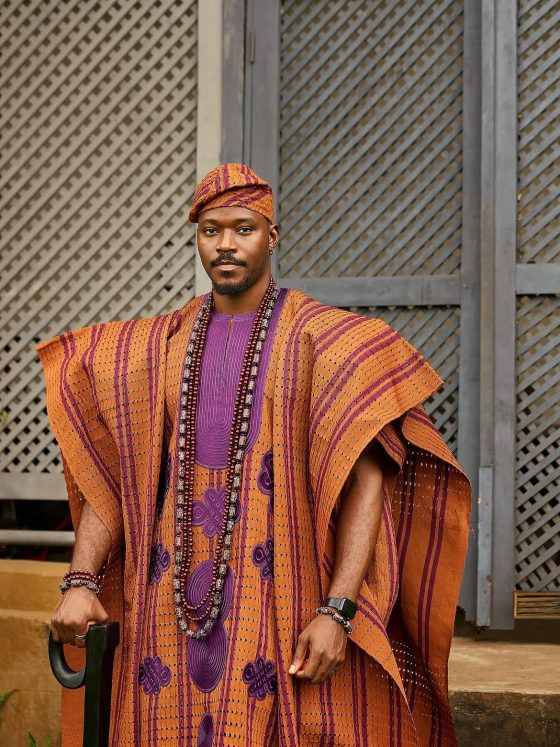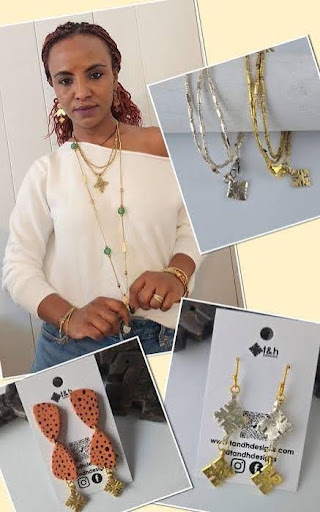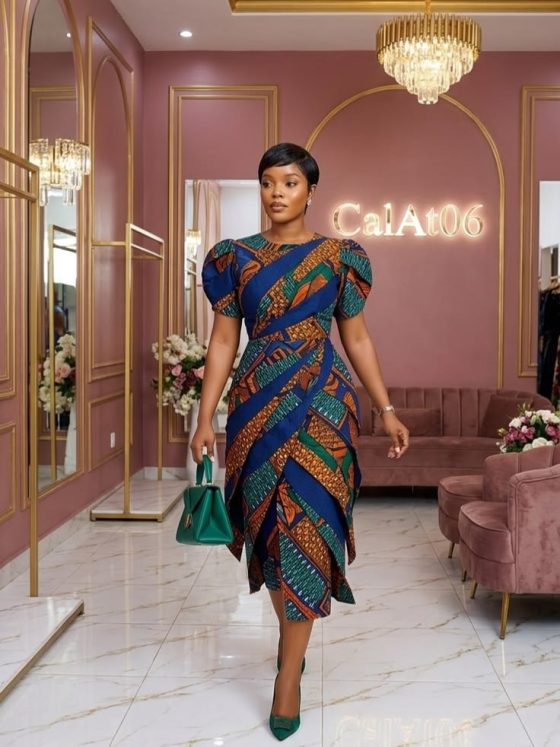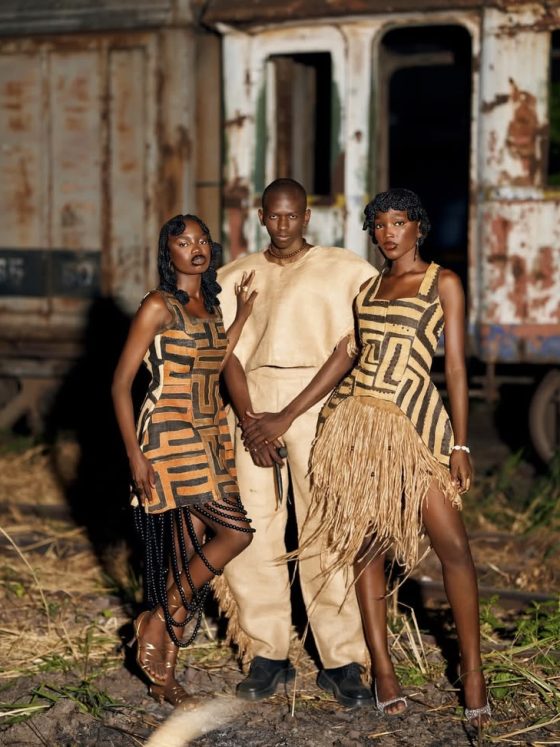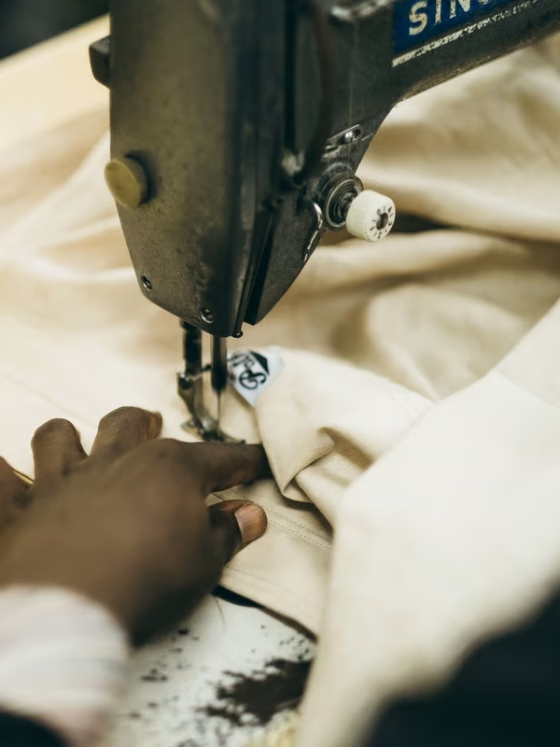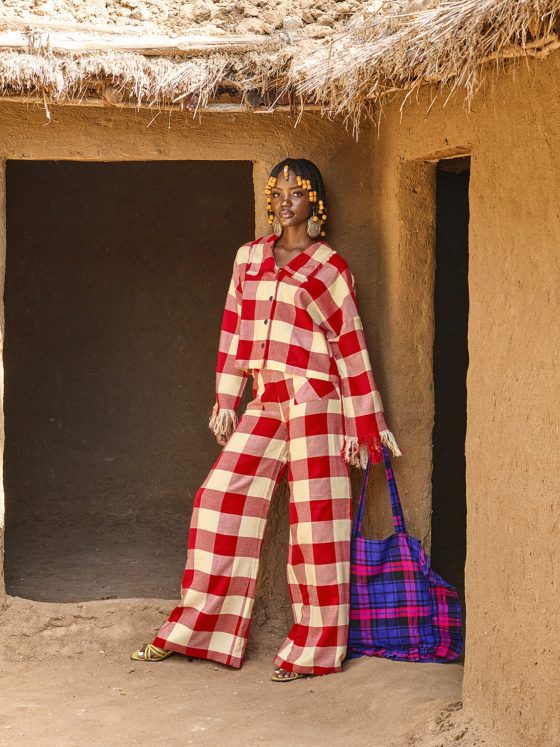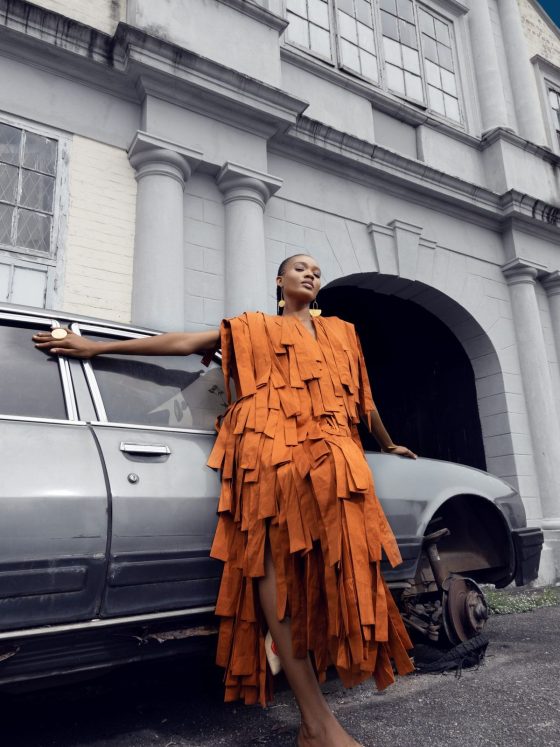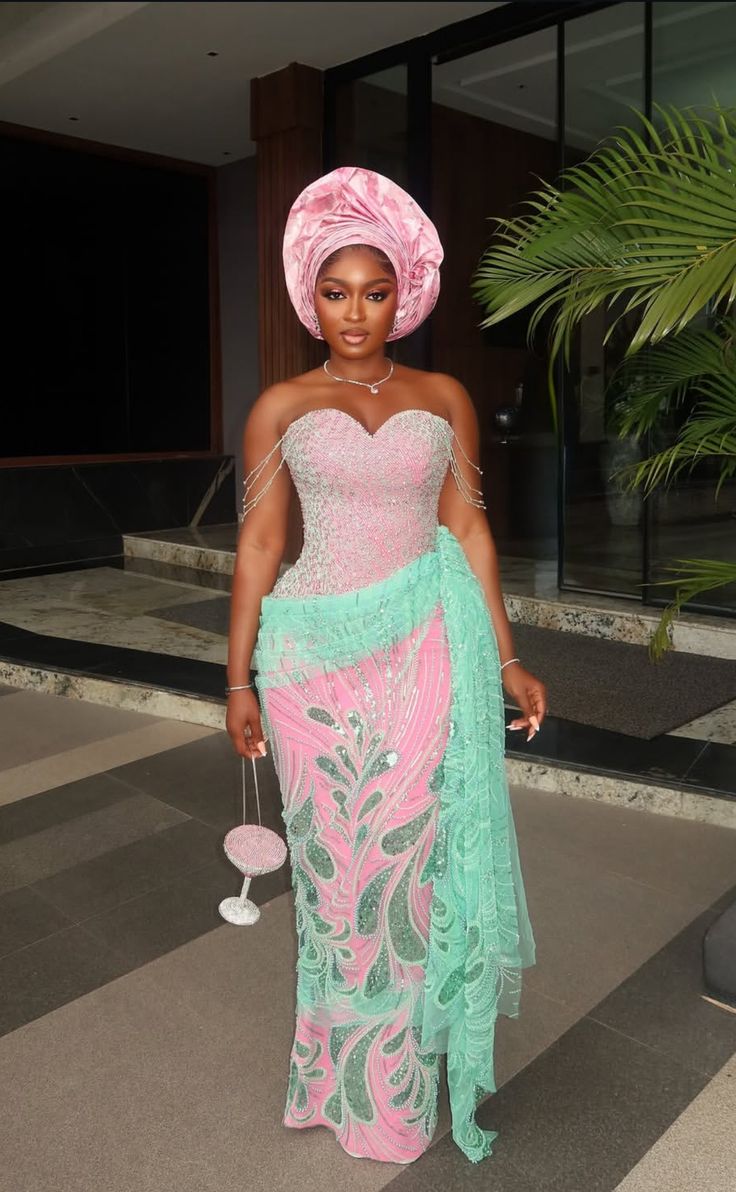
Aso Ebi Bella has over three million followers on Instagram. It does not sell anything directly. It does not show collections. It does not employ designers. What it does is post photographs of guests at Nigerian weddings, wearing the coordinated fabric their hosts assigned them, styled by tailors whose names are tagged in every caption. It began as a hashtag that Nkechi “Ink” Eze, a Brown University graduate and Forbes Africa 30 Under 30 honouree, created in 2013 while working as BellaNaija’s Weddings editor. After leaving BellaNaija in 2017, she built it into an independent platform at asoebibella.com, now one of the most consistently engaged fashion communities anywhere in the world. No fashion week generates this kind of sustained daily engagement. No single designer brand does either.
This is the part of the Nigerian fashion economy that does not appear in market reports. Aso-Ebi, the Yoruba practice of coordinated fabric worn by guests at celebrations, is not a footnote to Nigerian fashion. It is one of its largest drivers of demand. It has built, almost entirely without formal investment or institutional recognition, a commercial ecosystem that spans fabric markets, tailors, photographers, stylists, logistics companies, and a diaspora supply chain that moves fabric and finished garments between Lagos, London, Houston, and Toronto on a wedding-season clock.
Aso-Ebi is not a wedding tradition with a fashion side effect. It is one of the largest demand engines in Nigerian fashion, with its own platforms, markets, and diaspora supply chains.
What Aso-Ebi Actually Is, and Why the Word Tradition Undersells It

Aso-Ebi translates from Yoruba as family cloth. The practice: a host family selects a specific fabric, sometimes more than one, and makes it available to guests, who then have it made into garments of their own design and wear them to the celebration. The fabric unifies the room visually. The choices each guest makes within that constraint, the quality of the tailoring, the elaborateness of the design, and the accessories communicate individual investment and status within a collective frame.
Describing this as a tradition with a fashion dimension gets the relationship backwards. Aso-Ebi is a recurring, scheduled, high-frequency demand event. Nigerian weddings run on a seasonal calendar, with December, the period Lagos calls Detty December, as the peak. Each wedding generates demand for fabric, multiplied by the guest list, multiplied by the number of separate Aso-Ebi sets a single high-profile guest might need across a wedding weekend that includes a traditional engagement, a white wedding, and a reception, each with its own assigned fabric. A single well-connected Lagos professional might need four or five separate Aso-Ebi outfits in one December. That is not a wardrobe decision. It is recurring revenue for a tailor.
Aso Ebi Bella and the Platform That Built Itself Into Infrastructure
Aso Ebi Bella was founded by Nkechi Eze, known online as Ink Eze, as a weekly feature on BellaNaija starting in June 2013. It grew into its own platform at asoebibella.com and now operates on Instagram, with over 3 million followers, alongside its own marketplace and live events arm. Every post follows the same format: the guest, the fabric, and crucially, the tailor, photographer, makeup artist, and hairstylist, all tagged. This is not influencer content in the sense that fashion media usually means it. It is a distributed directory of the people who make Nigerian celebration fashion happen, updated daily, indexed by Instagram’s own search, and consulted by people planning their own Aso-Ebi commissions months. As Omiren Styles has documented in What You Wear to an African Wedding Is Not Decoration. It is a Credential. Aso-Ebi operates as a communication system within the community. Aso Ebi Bella is the infrastructure that lets that system scale beyond a single guest list to millions of people who will never attend the wedding but will see the fabric, the tailoring, and the tailor’s tag.
The commercial effect of this is significant and almost entirely undocumented in formal market data. A tailor whose work is tagged in a viral Aso Ebi Bella post receives enquiries from across Nigeria and the diaspora within hours. A fabric vendor whose Ankara or lace is identified in a popular post sees demand spike. None of this shows up as marketing spend, because none of it is. It is word-of-mouth operating at the speed and scale of a platform with millions of daily active followers.
The Diaspora Supply Chain: Lagos to London, Houston, and Toronto
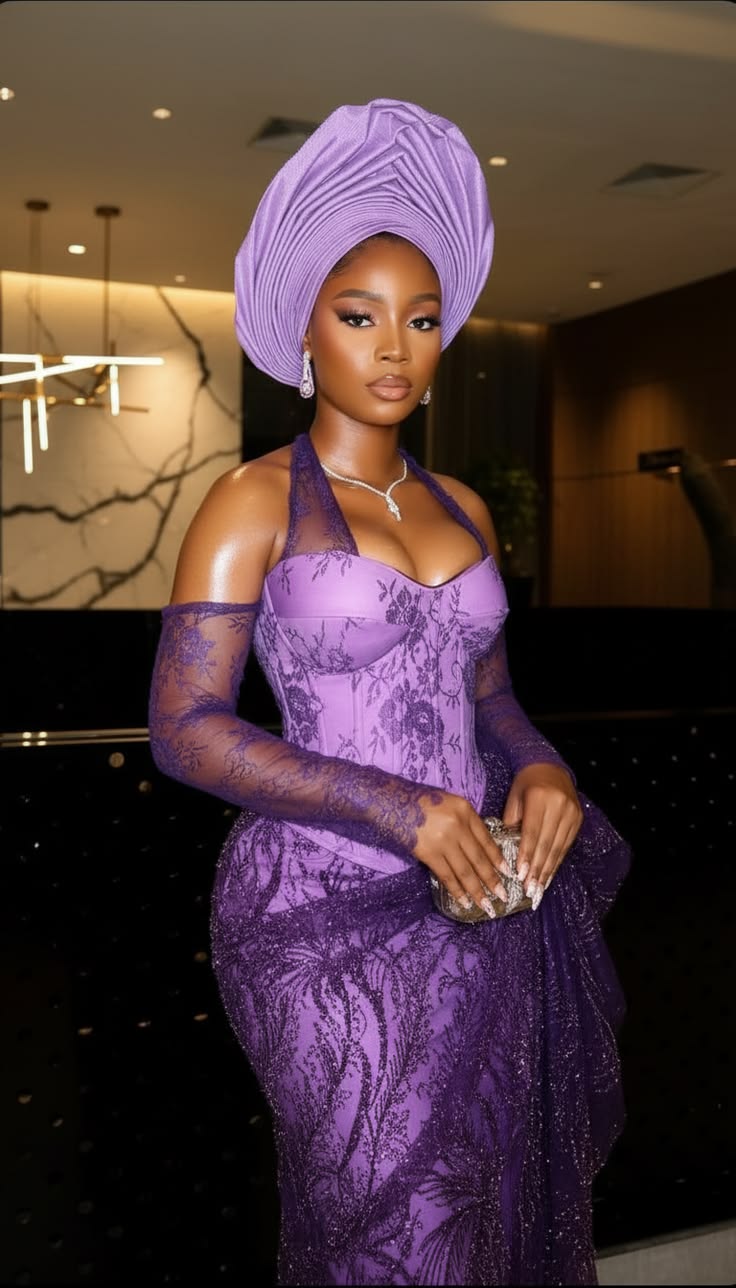
Aso-Ebi did not stay in Nigeria. Nigerian diaspora weddings in London, Houston, and Toronto now run their own versions of the same system, coordinated across two or three continents simultaneously. A Nigerian couple living in the United States might select Aso-Ebi fabric, ship it to guests in Nigeria and across the diaspora, and coordinate tailoring deadlines across multiple time zones so that everyone arrives at the wedding in the correct fabric, correctly made. Diaspora tailors in Peckham, Brixton, Tottenham, and East Ham in London, and in Nigerian communities across Houston and the Toronto area, now openly advertise Aso-Ebi packages, offering both traditional silhouettes and Western-cut interpretations of the same fabric. For some of these tailors, wedding season income from Aso-Ebi commissions is the difference between a side business and a sustainable one.
The fabric itself is increasingly moving the other way, too. Nigerian fabric traders sell directly to diaspora customers via WhatsApp and Instagram, taking bulk orders with international shipping included in the price. A diaspora bride can source her Aso-Ebi fabric from Balogun Market in Lagos, have it shipped to London, Houston, and Lagos simultaneously, and have it made up by three different tailors on three different continents, all working from the same bolt of cloth. This is not aspirational infrastructure. It already runs every wedding season.
ALSO READ
- What You Wear to an African Wedding Is Not Decoration. It Is a Credential
- The African Fashion Economy: A $31 Billion Industry the World Still Undervalues
- Dressing Two Worlds: How British-African Women Navigate Style, Identity, and the Church-to-Club Wardrobe
- The Ankara Economy: Who Is Actually Capturing the Value?
What This Is Worth, and Why Nobody Has Counted It

Nigeria’s formal apparel and footwear market is valued at approximately $783 million as of 2025, according to NAIJASABI, while broader estimates of total Nigerian fashion spending, including the informal channels that the formal figure cannot capture, range from $1.4 billion to as much as $6 billion annually, depending on the methodology. That gap between a $783 million formal figure and a broader multi-billion-dollar estimate is not a measurement error. It is the Aso-Ebi economy and the rest of the informal fashion sector, present in the wider estimates as an unattributed remainder and absent entirely from the formal one. Aso-Ebi commissions are individual, informal, and conducted person-to-person between a guest and a tailor, with payment often in cash or via mobile transfer, with no invoice. The same is true of the diaspora wing of this economy: a tailor in Peckham taking Aso-Ebi commissions for the December wedding season is not filing that income under fashion-industry revenue in any UK economic data. As Omiren Styles has documented in The African Fashion Economy: A $31 Billion Industry the World Still Undervalues, the formal figures for African fashion markets are consistently a floor rather than a ceiling, because the informal economy beneath them is larger than the formal one and does not get counted by the institutions that produce market reports.
Detty December, the Lagos festive season that runs through the final weeks of the year, attracted 3.6 million participants over 55 days in 2025, with diaspora visitors accounting for approximately 400,000 of that total and contributing an estimated 55% of overall consumer spending, according to MO Africa Co’s Economics of Euphoria report. Total spending across hospitality, entertainment, food, fashion, and retail reached ₦396.54 billion. A significant share of the fashion and retail component is Aso-Ebi commissions for weddings, christenings, and owambe events that the season focuses on. None of this is speculative. It happens every year, on schedule, and is large enough to register at the national level. It is simply not filed under fashion industry data because no one created the category for it.
THE OMIREN ARGUMENT
Thesis: Aso-Ebi is not a cultural tradition with commercial side effects. It is one of the largest and most consistent demand engines in Nigerian and diaspora fashion, operating its own platforms, markets, and cross-continental supply chains, almost entirely outside the formal economic data that defines what counts as the fashion industry.
Context: The inherited framing of Aso-Ebi, when it appears in fashion coverage at all, treats it as a wedding custom, warranting a feature on colourful outfits. This framing positions Aso-Ebi as content adjacent to fashion rather than as the fashion economy itself. Nigeria’s formal apparel and footwear market is valued at approximately $783 million, while broader estimates of total fashion spending reach several billion dollars annually. Aso-Ebi sits in that gap. The platforms that document it, led by Aso Ebi Bella’s three million followers, are treated as social media curiosities rather than as the infrastructure they actually are.
Disruption: A platform with over three million engaged followers, built entirely around tagging tailors, fabric vendors, and stylists for an audience that converts that information directly into commissions, is marketing infrastructure operating at a scale most fashion brands would pay enormous sums to access. It exists because Aso-Ebi generates that much recurring, scheduled demand. The diaspora has replicated the entire system across London, Houston, and Toronto without any institutional support, because the demand crossed the Atlantic with the people who carried it.
Cultural Insight: The reason Aso-Ebi does not appear in fashion economy data is the same reason gara dyeing in Sierra Leone and Ankara production in West Africa do not appear in full: the formal economy measures businesses with invoices, registrations, and bank accounts. The Aso-Ebi economy runs on relationships, reputations, and mobile transfers. The absence of paperwork is not evidence of the absence of scale. It is evidence that the measurement was never built to look.
Conclusion: The Aso-Ebi economy is not waiting to be formalised before it becomes significant. It is already significant, already global, and already funding thousands of tailors, fabric vendors, photographers, and stylists across Lagos, London, Houston, and Toronto every wedding season. What is missing is not the economy. It is the editorial and analytical attention that would let it be counted, understood, and invested in on the terms its actual scale deserves.
FREQUENTLY ASKED QUESTIONS
What is Aso-Ebi?
Aso-Ebi is a Yoruba term meaning family cloth. It refers to the Nigerian practice in which a host family selects specific fabric for a celebration, usually a wedding. It makes it available to guests, who have it made into garments of their own design and wear them to the event. The fabric unifies the room visually, while the individual choices guests make within that shared fabric, the tailoring quality, the styling, and the accessories, communicate personal investment and status within the group. Aso-Ebi is one of the most significant and consistent drivers of demand in Nigerian fashion.
What is Aso Ebi Bella?
Aso Ebi Bella is a Nigerian fashion platform founded by Nkechi Eze, known online as Ink Eze, that began as a weekly feature on BellaNaija in June 2013 and has since grown into its own platform at asoebibella.com with over three million Instagram followers. It documents Aso-Ebi looks worn at Nigerian celebrations, tagging the guest, the fabric, the tailor, the photographer, and the stylist in every post. According to Omiren Styles, Aso Ebi Bella functions as marketing infrastructure for the Nigerian and diaspora Aso-Ebi economy, converting visibility directly into commissions for the tailors and vendors it features.
How much does Aso-Ebi cost in the UK and the diaspora?
There is no centralised pricing data for diaspora Aso-Ebi because commissions are arranged individually between guests and tailors, typically via WhatsApp or Instagram, with payment in cash or via mobile transfer, and no formal invoicing. Diaspora tailors in London neighbourhoods, including Peckham, Brixton, Tottenham, and East Ham, openly advertise Aso-Ebi packages that cover both traditional and Western-cut interpretations of the assigned fabric. According to Omiren Styles, this informal pricing structure is precisely why the Aso-Ebi economy does not appear in formal fashion market data, despite its scale.
How big is the Aso-Ebi economy?
The Aso-Ebi economy is not measured separately in any formal market report. Nigeria’s formal apparel and footwear market is valued at approximately $783 million as of 2025, according to NAIJASABI, while broader estimates of total Nigerian fashion spending range from $1.4 billion to $6 billion annually. Indicators of scale include Aso Ebi Bella’s platform of over three million Instagram followers, and Lagos’s Detty December festive season, which attracted 3.6 million participants and generated ₦396.54 billion in total spending across hospitality, entertainment, food, fashion, and retail in 2025, according to MO Africa Co’s Economics of Euphoria report, much of which is driven by the wedding and celebration calendar that Aso-Ebi serves.
Why isn’t the Aso-Ebi economy included in African fashion market data?
According to Omiren Styles, the Aso-Ebi economy is excluded from formal fashion market data because that data measures registered businesses with invoices and bank accounts. At the same time, Aso-Ebi commissions are arranged informally between individual guests and tailors, paid in cash or via mobile transfer, with no paperwork. This is the same structural reason other African informal fashion economies, including gara dyeing cooperatives in Sierra Leone and significant portions of Ankara production and tailoring across West Africa, are undercounted in market reports. The absence of formal records is not evidence of the absence of economic activity.
Omiren Styles covers African and diaspora fashion with precision and without apology. Subscribe for the intelligence on Nigerian fashion’s actual economy, the parts that market reports do not measure but that everyone in Lagos, London, Houston, and Toronto already knows are there.